PLA Filaments
Featured
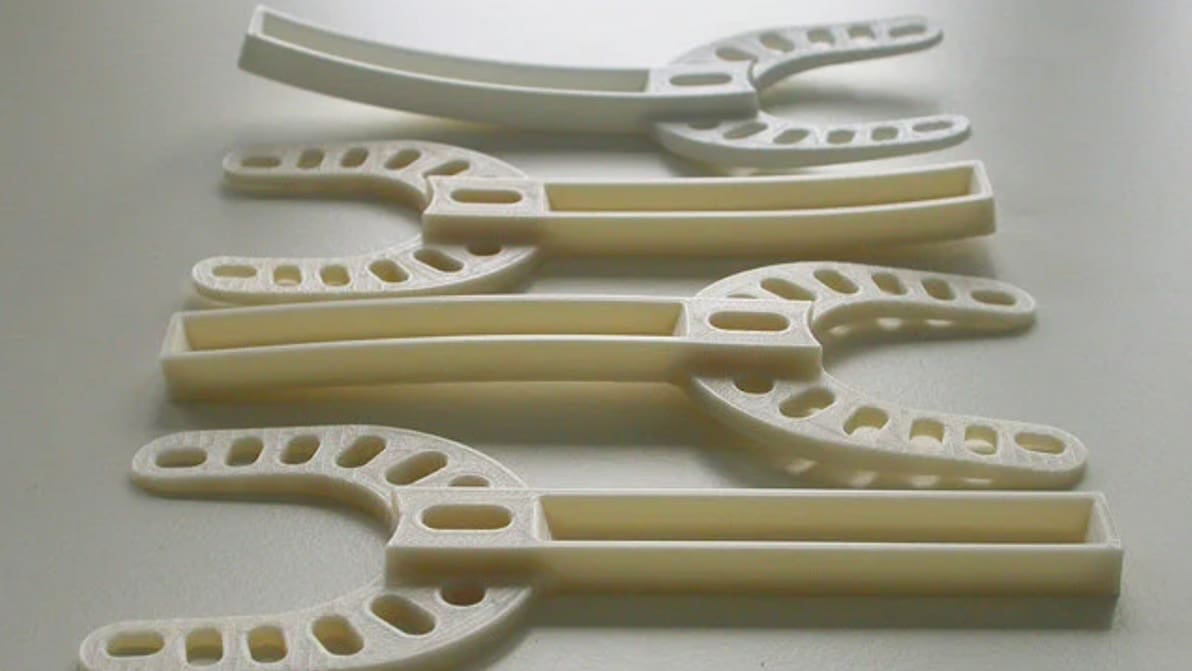
The real reason plastic goes soft before it melts, and what that means for anything you print in PLA, PETG, or ABS
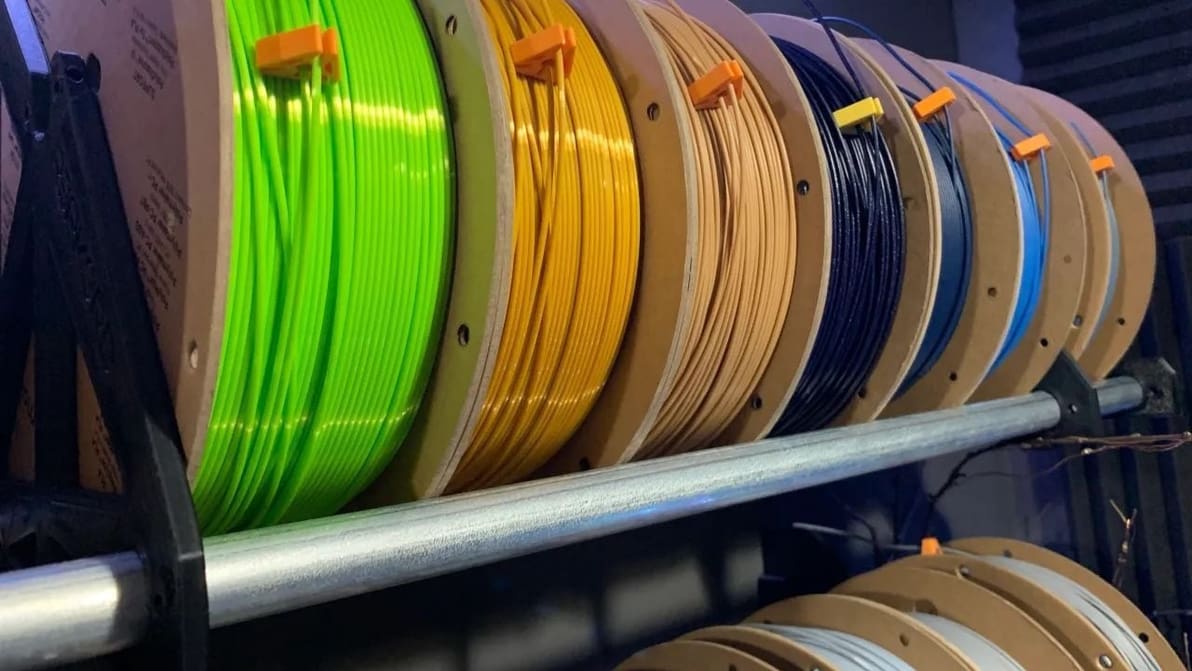
Among 3D printing filaments, PLA, ABS, and PETG are the most popular choices. See the sides to the PLA vs. ABS vs. PETG debate!
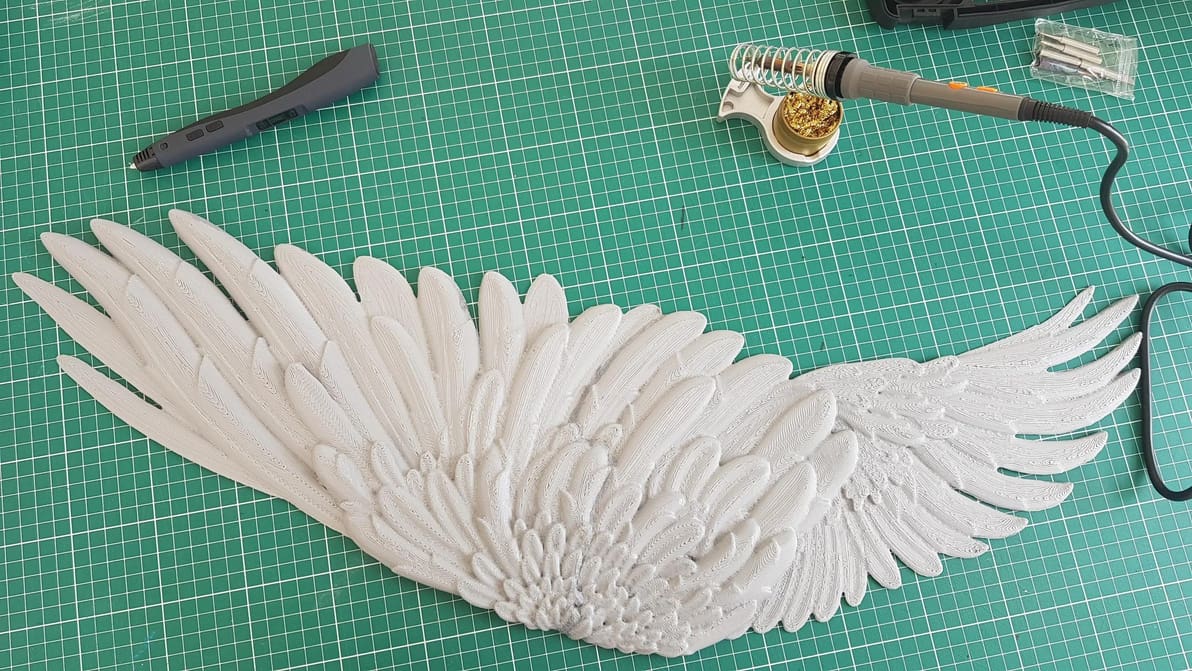
Joining two printed parts by PLA welding can be tricky. Read on for tips and solutions that may help you in any situation.
Latest
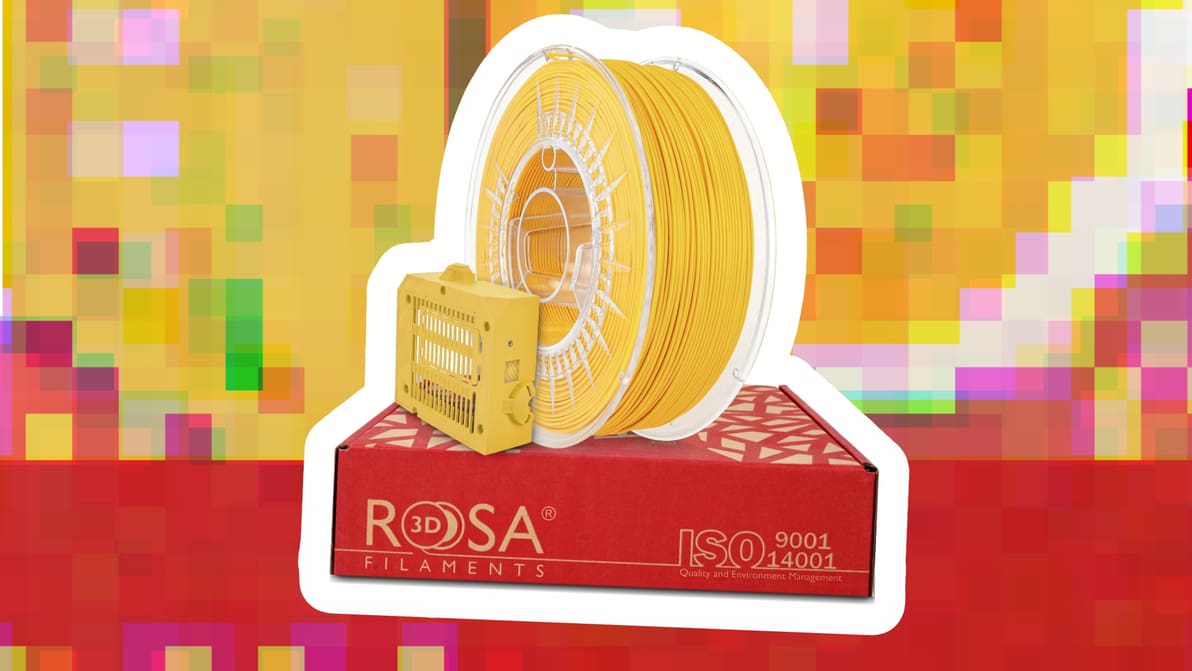
Rosa3D’s ESD filament now comes in more than black, and in a greater diversity of material type to suit different projects. Alongside PETG ESD, the Polish filament manufacturer now also sells PLA ESD.

Prusa’s new actively foaming PLA promises lighter parts, more prints per spool, and a distinctive matte finish.
The real reason plastic goes soft before it melts, and what that means for anything you print in PLA, PETG, or ABS
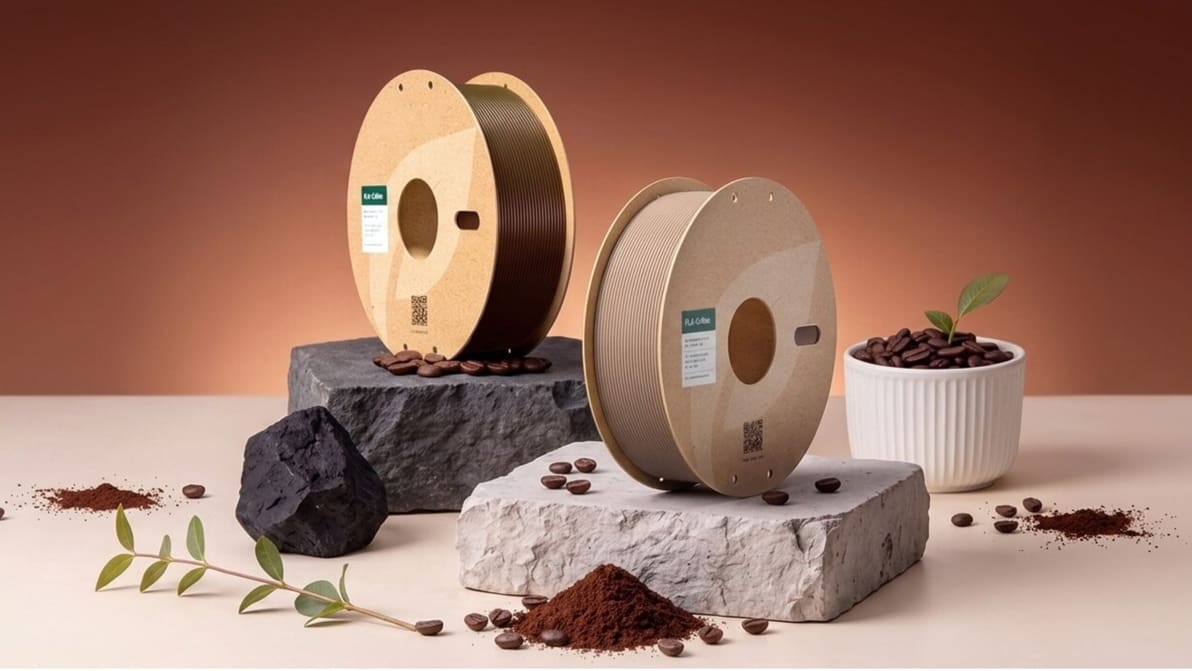
eSun's new PLA-Coffee turns used coffee grounds into a filament that smells like freshly brewed coffee when you print.
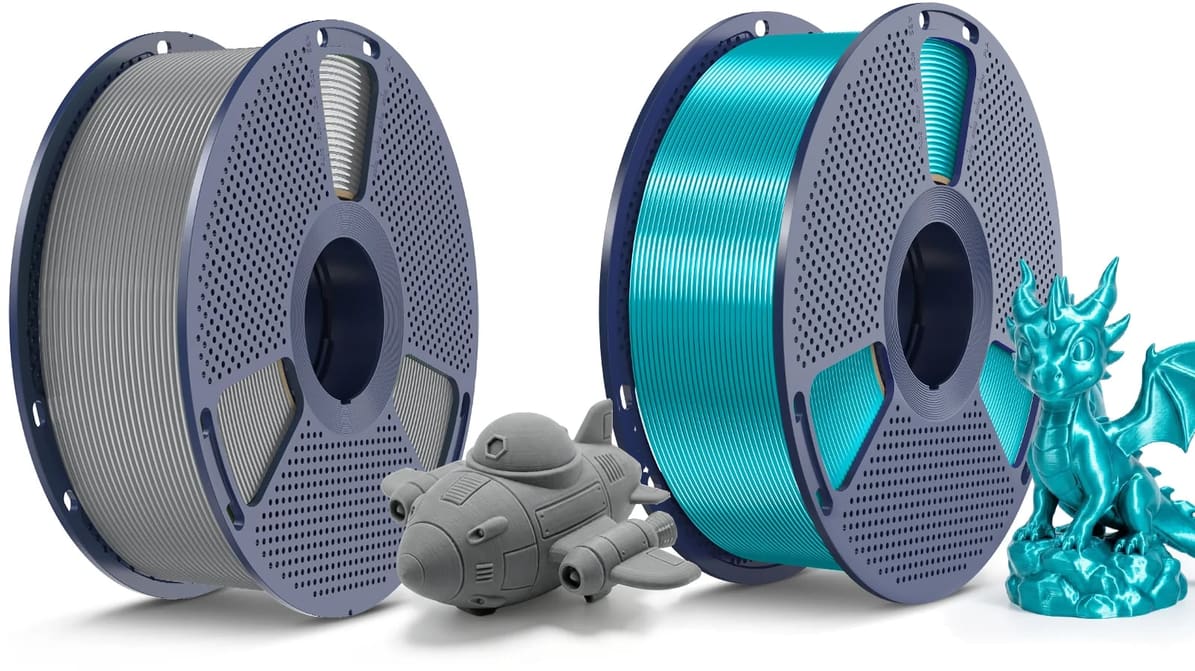
The new polymer formulations target two familiar material headaches: moisture-sensitive PETG and brittle silk PLA.

New U.S. and EU rules are closing in on vague biodegradability claims, and could change how PLA filament and the resulting products are marketed to consumers.
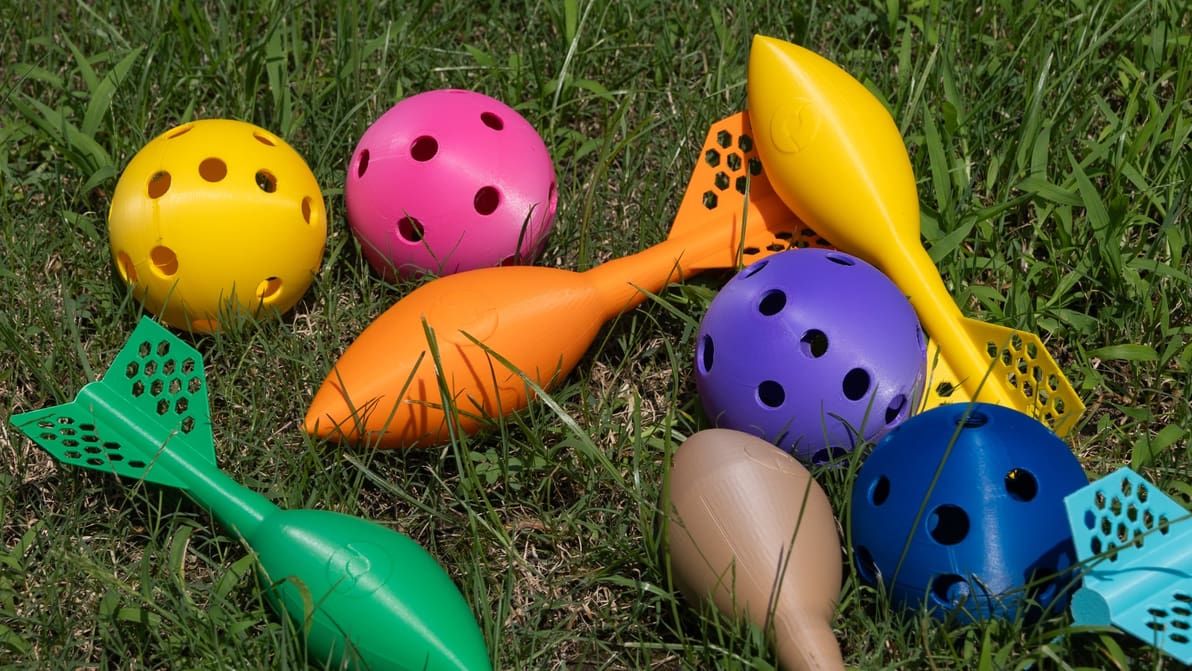
The new material boasts impressive fatigue, strength and temperature resistance, says Polymaker, with all of the easy printability of PLA.
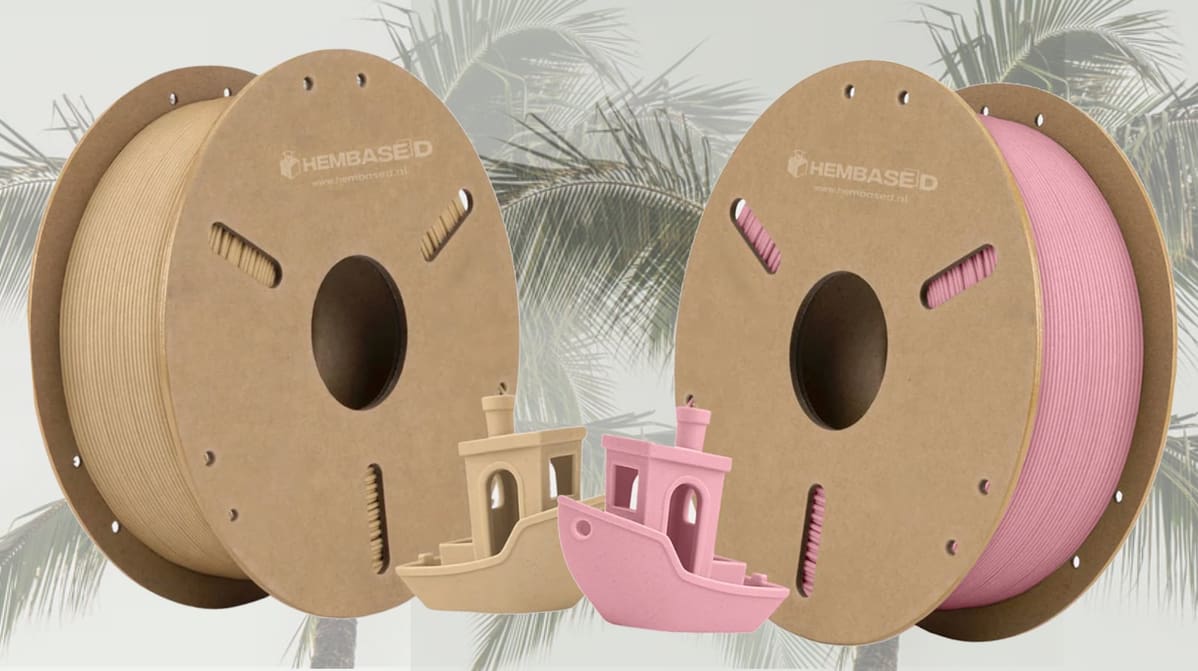
Hembased says its plant-based FDM material is designed to break down in open-air compost, yet scientific analysis and certification details remain unclear.
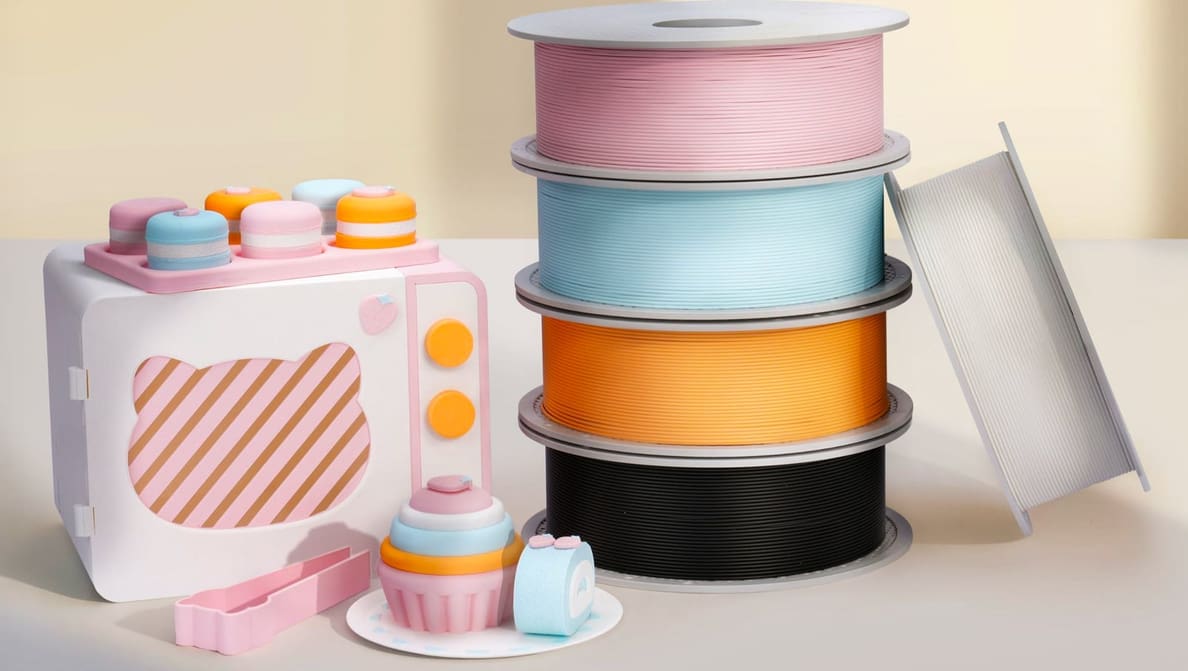
Bambu Lab's low-emission, five-ingredient formula promises cleaner home 3D printing, but important safety caveats remain for your actual prints.
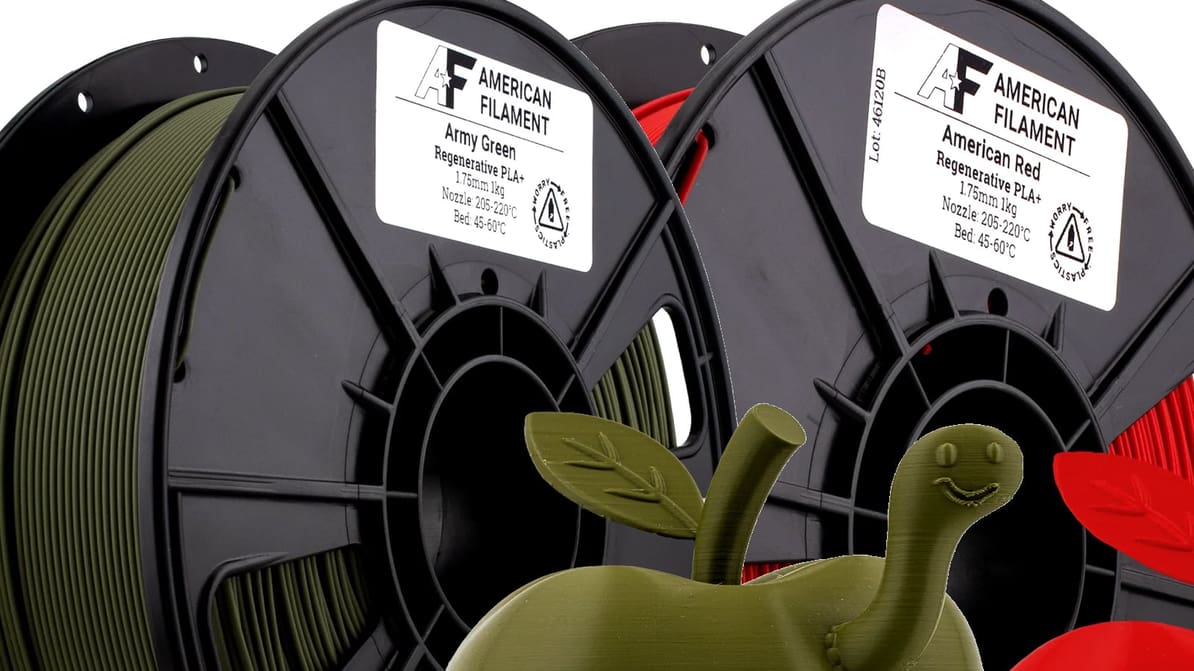
Even plant-based PLA often marketed as "green" requires industrial composting facilities to truly decompose. This new material breaks down in ordinary landfills in under five years.
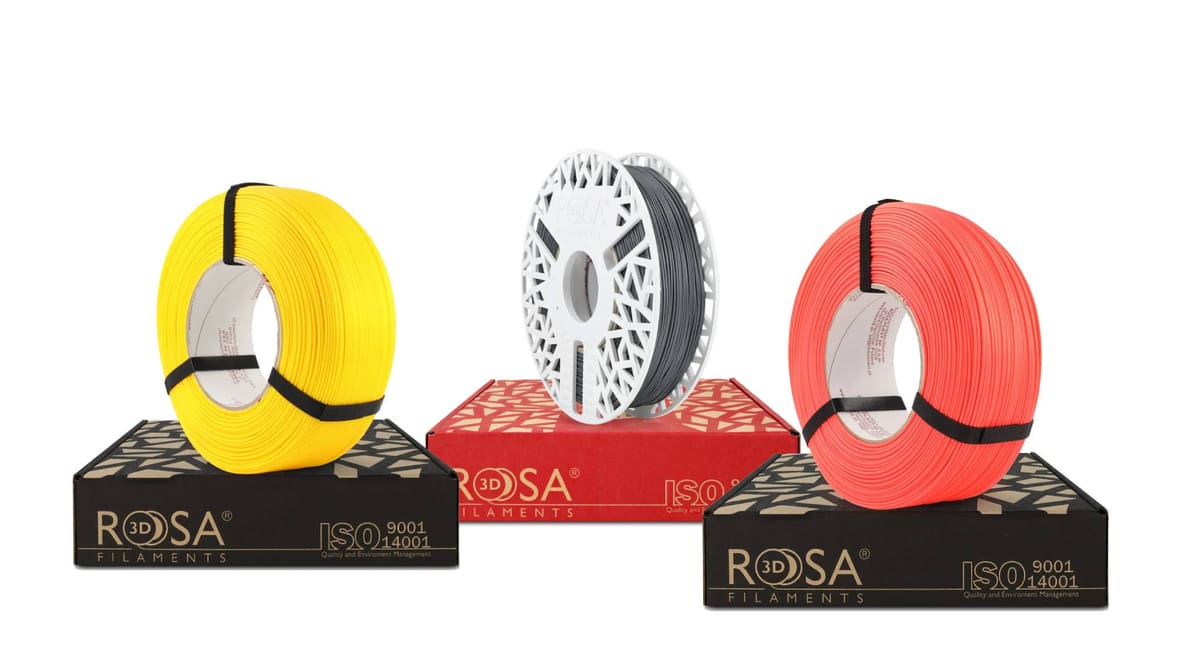
Polish filament manufacturer Rosa3D has launched two new foaming filaments: PLA LW Aero and TPU Flex LW. Both rely on active foaming chemistry – a blowing agent embedded in the filament – to expand the extrusion at printing temperatures.
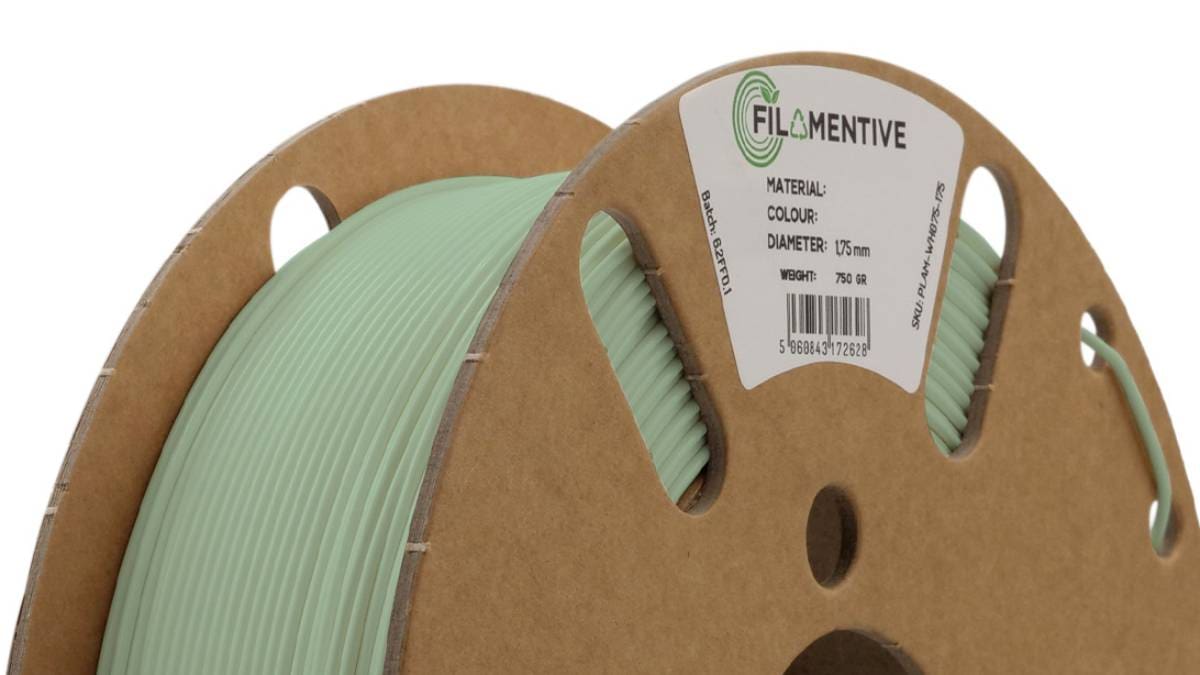
UK-based Filamentive has announced that its PLA and PLA Matte filaments are now EN 71-3 + A2:2024 compliant, certifying them safe regarding the leaching of regulated elements should they be ingested or come into contact with children.
The news also serves as a reminder that the devil is in the detail with such things. The raw material is certified safe, but prints from it (which introduce the variables of specific printing parameters, environment, geometry, etc.) aren't, unless independently tested. As a starting point though, hats off to them.
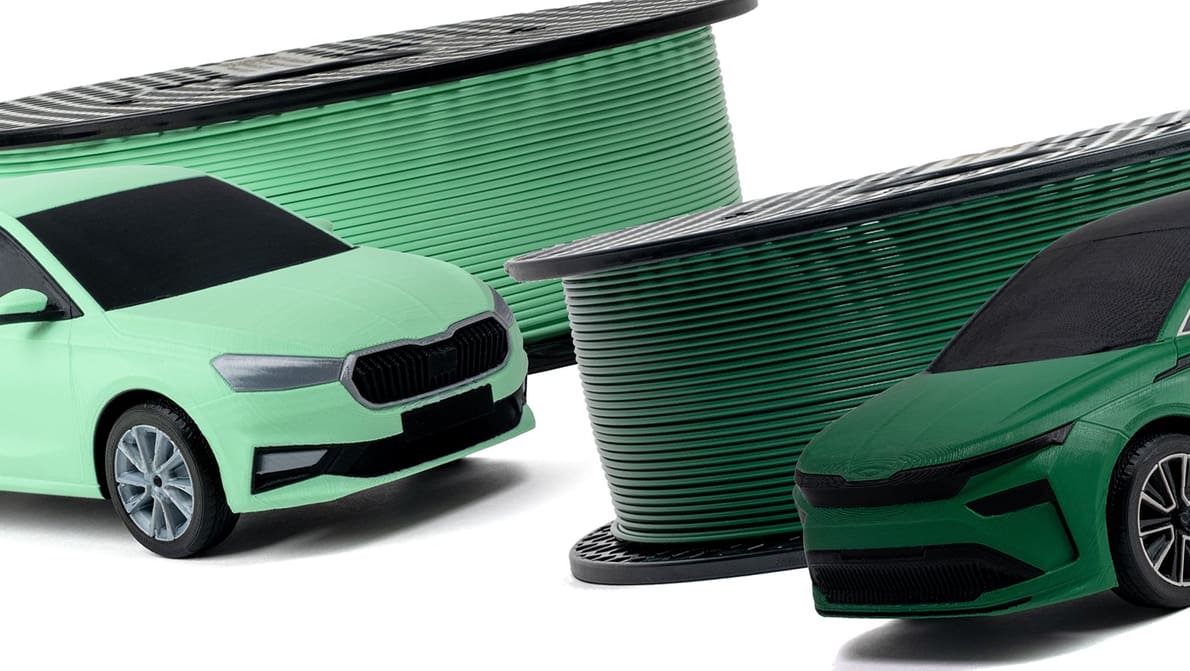
Prusa partners with Škoda Auto to release "Electric" and "Emerald" greens to your 3D printer in both PLA and PETG.
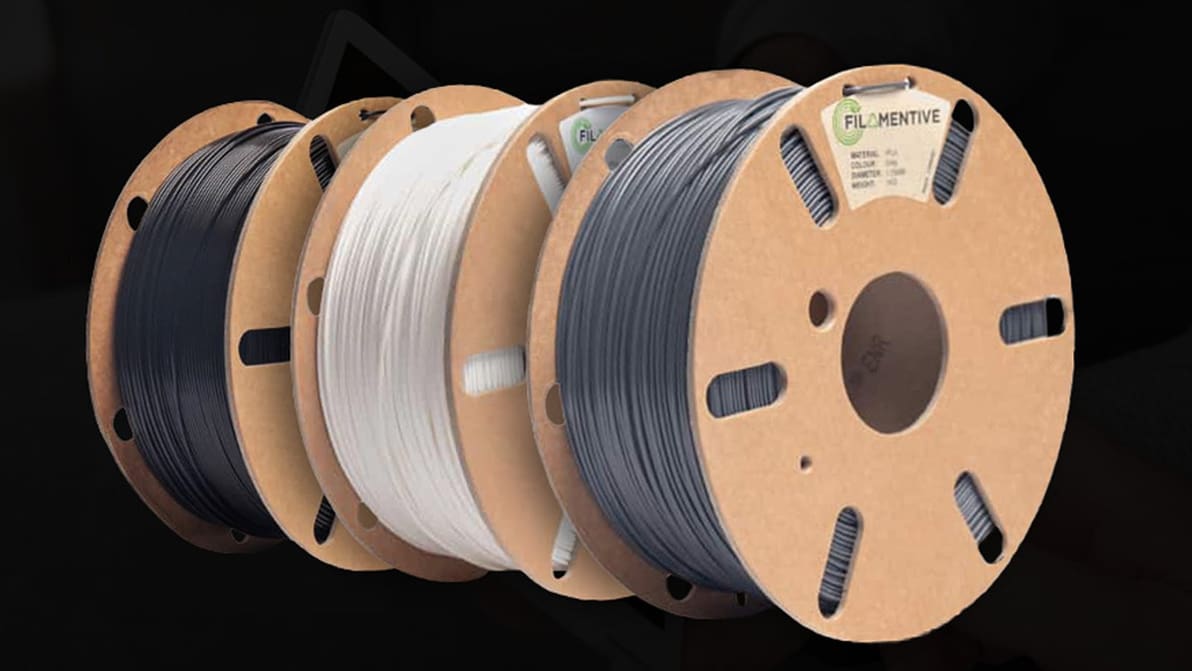
Filamentive Bio HT offers 160°C heat resistance and industrial strength in a bio-based PLA that requires zero annealing.
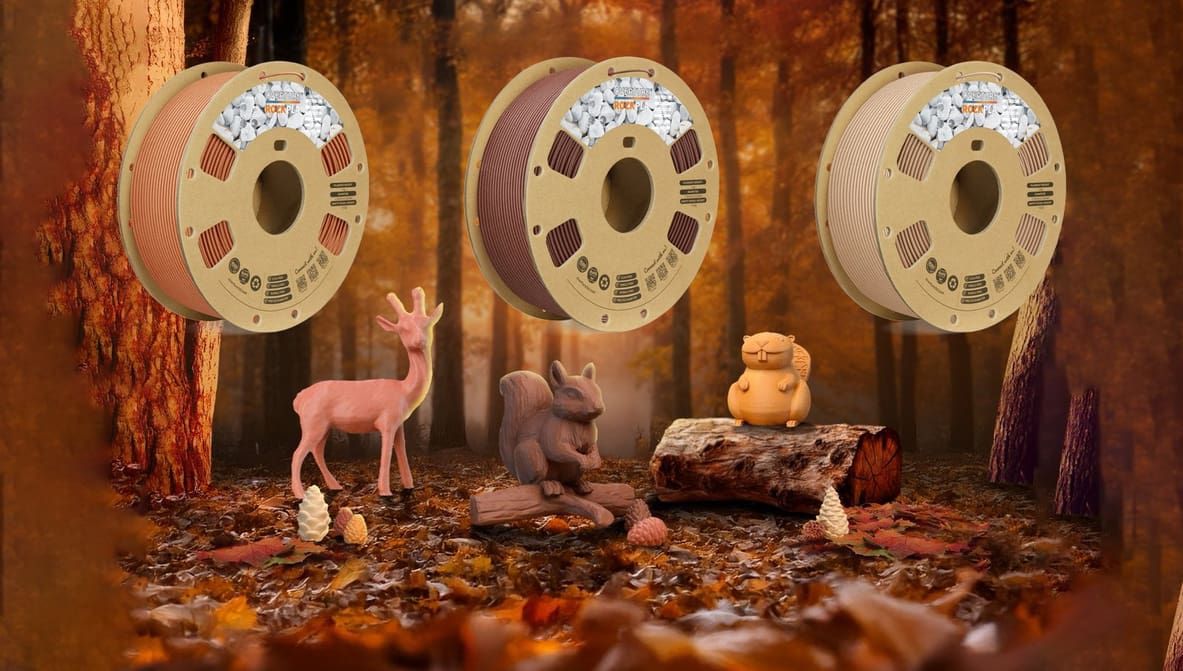
Overture3D says it's new Rock PLA series replicates organic grain patterns using marble dust for a clean, hassle-free print.
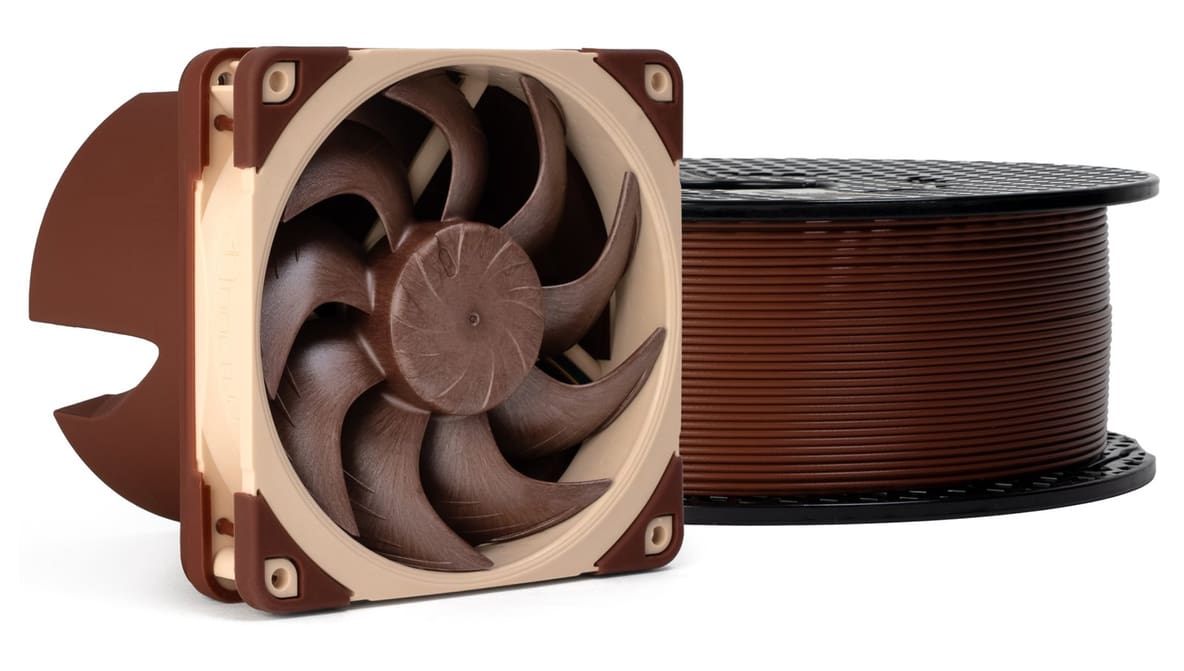
Prusa Research's first-ever brand-matched filament is just the beginning with more brand collaborations already in the pipeline.
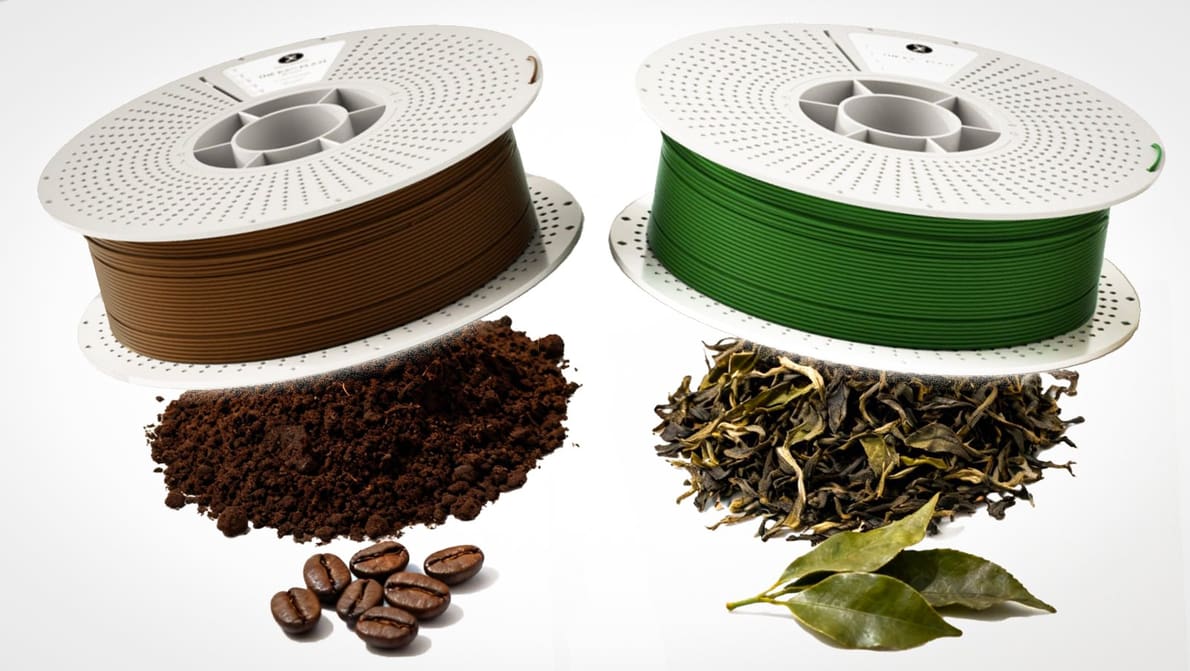
Kexcelled's new K5 PLA Eco-Aesthetic series turns beverage waste into filaments that bring the aroma of your favorite café right to your 3D printer.
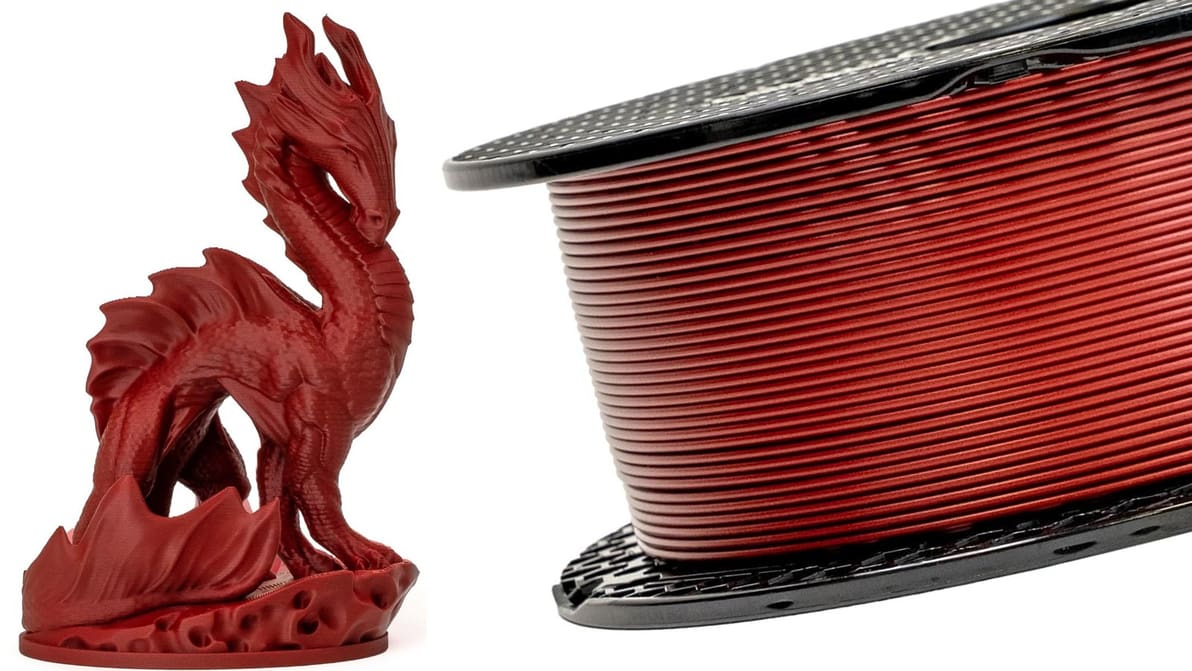
Prusa’s latest hue taps into the darker side of design – just in time for Halloween’s creative chaos or pre-season Christmas cheer.
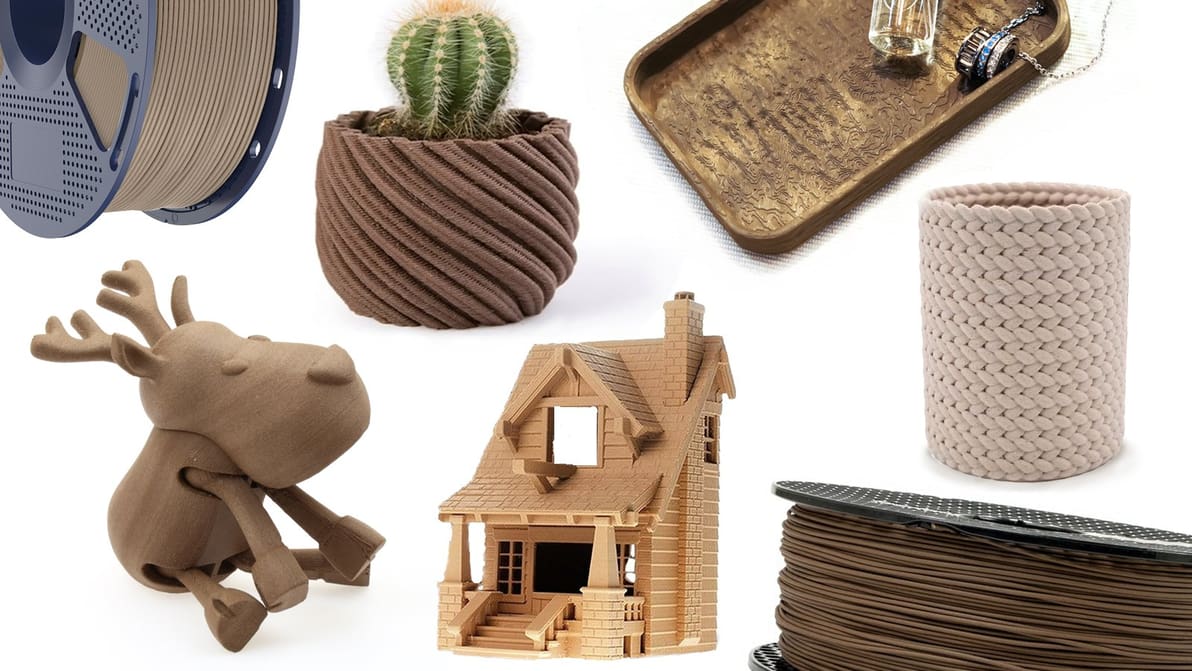
Wood PLA filament adds a natural touch to your 3D prints with a hint of sustainability. But which wood-filled filament is best!
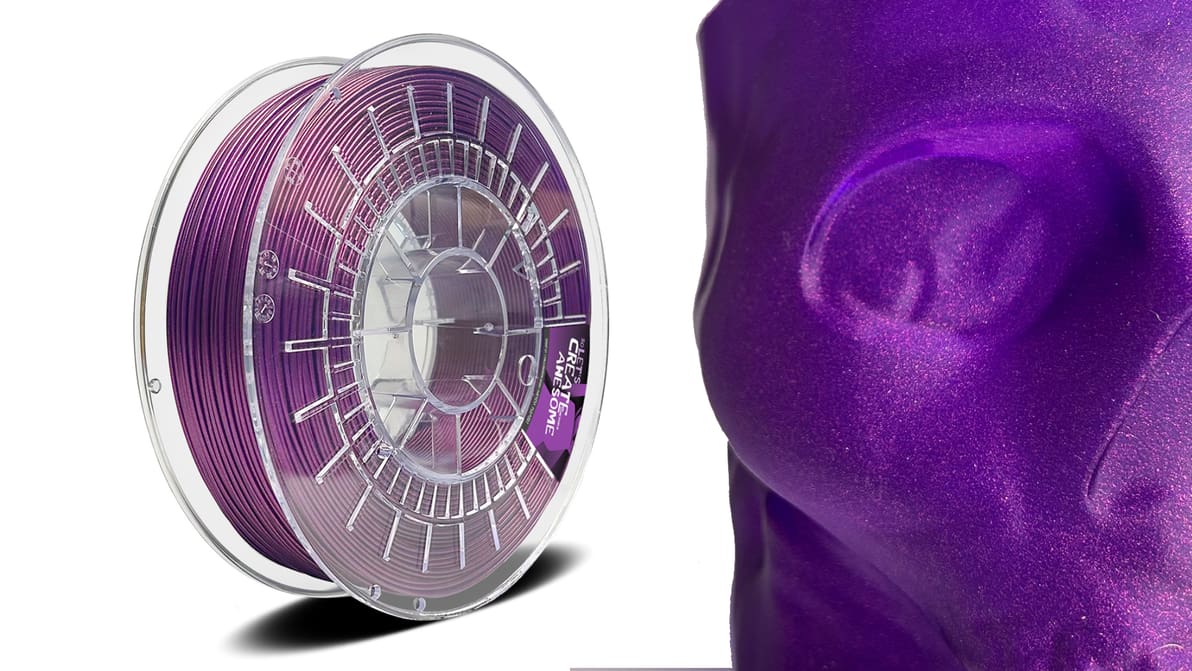
Limited to just 300 spools, this layer-hiding purple glitter filament is the first of many limited “drops” to come from the Fillamentum.