Get Started
Featured
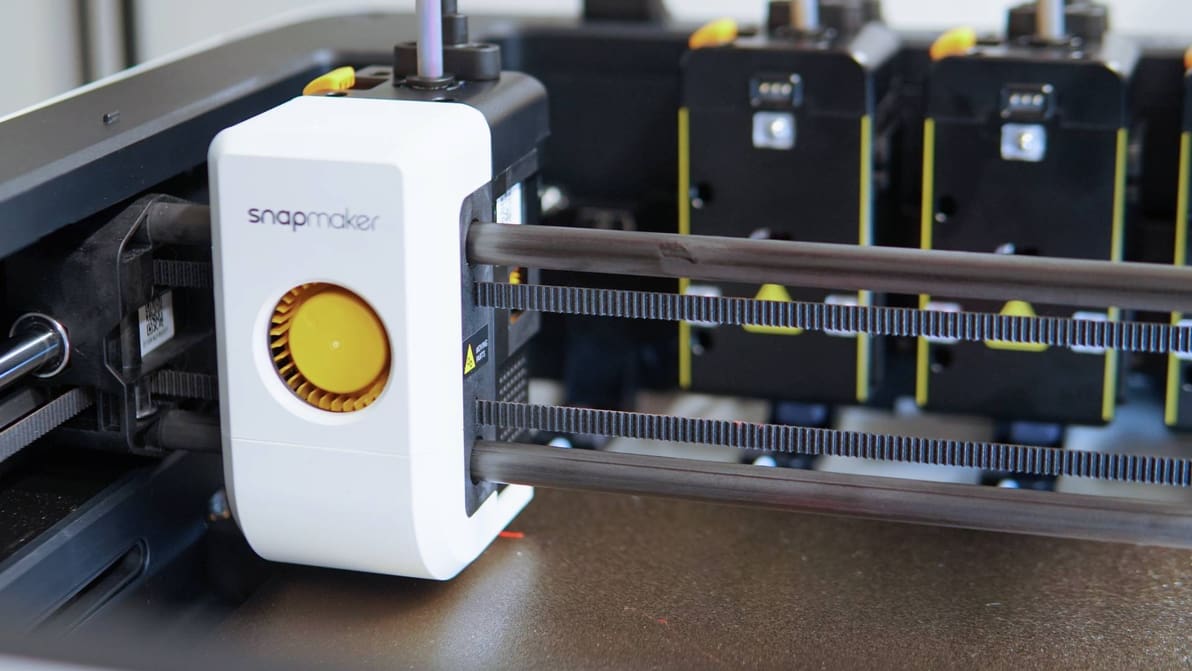
Stop looking and start printing: we’ve reviewed and picked the best 3D printers across many categories to help you find the best tech for your needs.
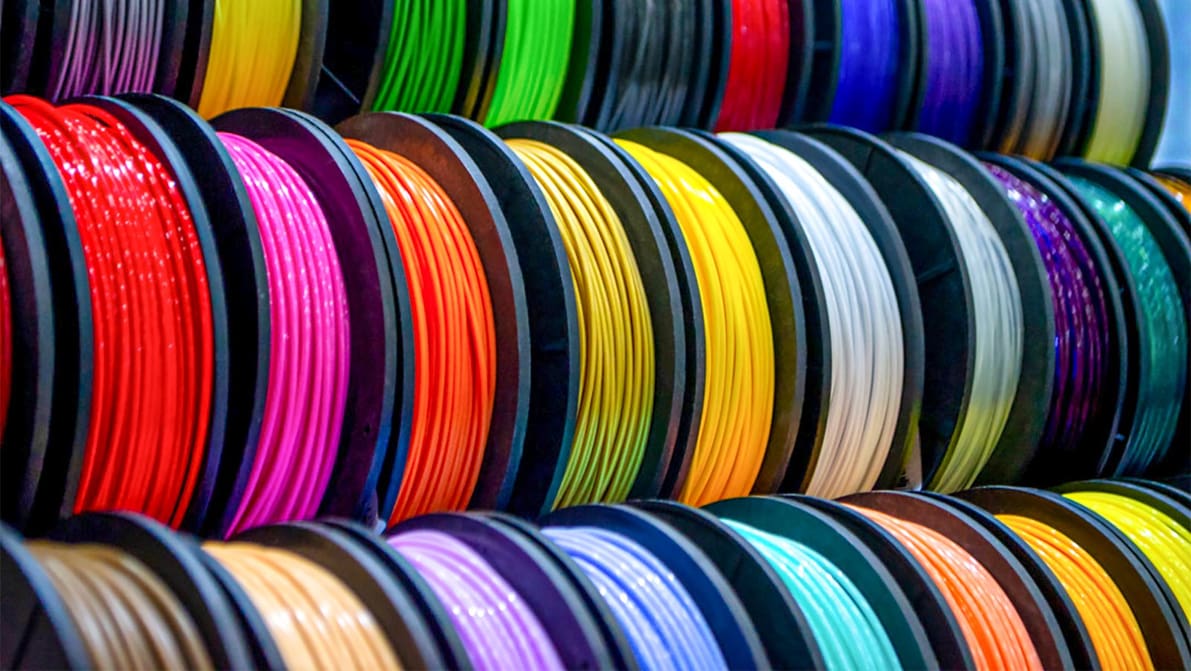
Confused by filament choices? This updated guide breaks down each type — from everyday PLA to high-performance PEEK — so you can print smarter.

If you were one of the lucky many to find a 3D printer underneath your tree this year, here’s everything you need to know about your new machine: including setting it up, what it’s actually doing, the first print, and what you should do next.
Latest
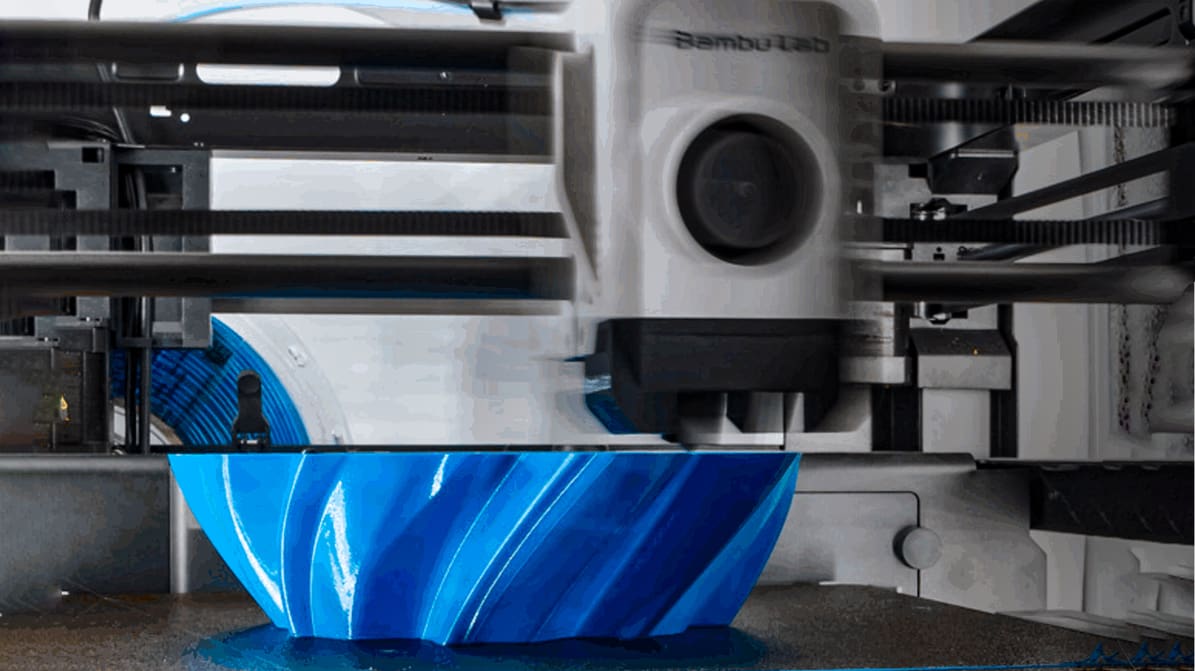
Find the perfect PETG print settings for your needs by adjusting temperature, stringing, print speed, and retraction settings!
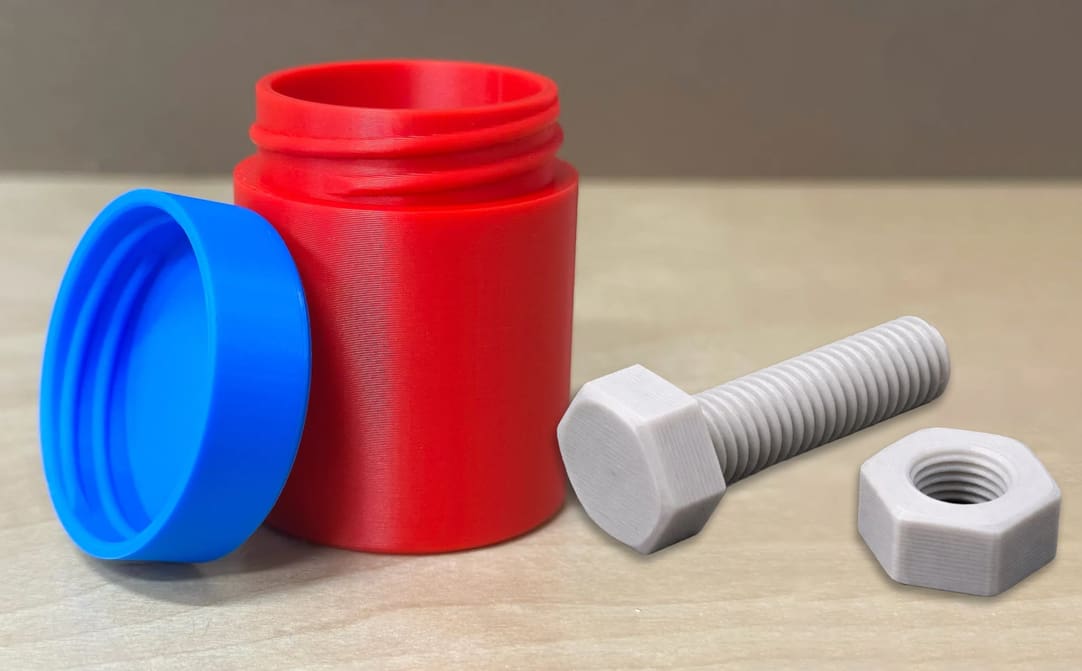
3D printing threads and screws that fit is a challenge. Check out this simple guide to learn how to successfully design and print them!
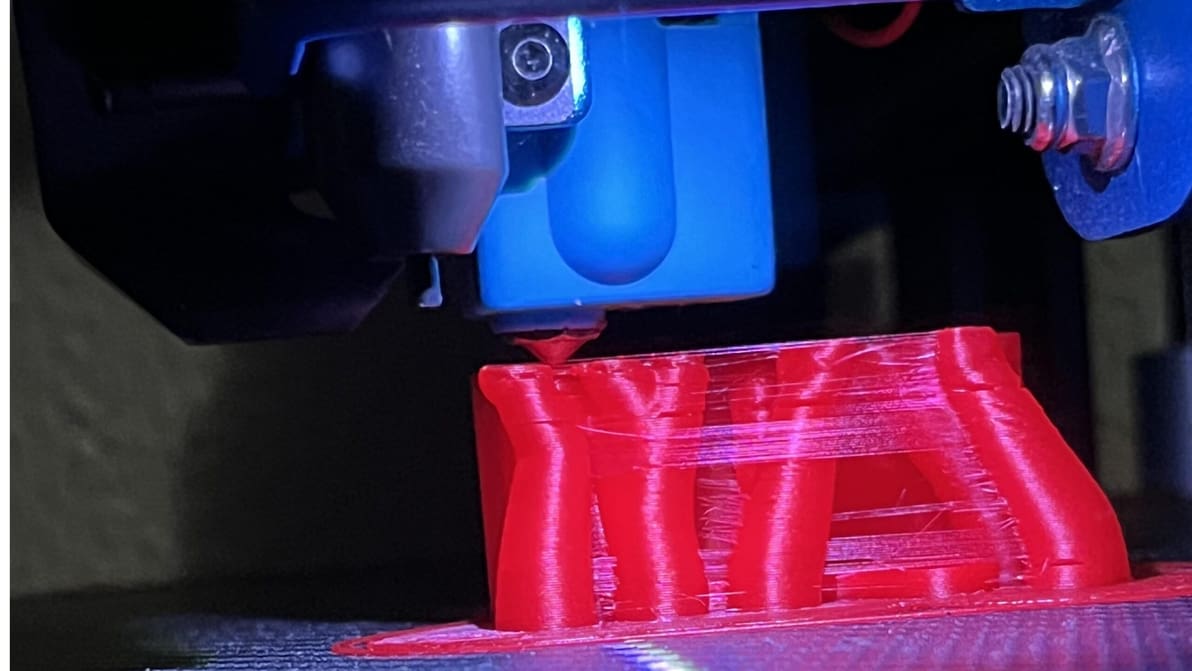
3D printer stringing is a common problem, and it usually comes down to a few usual culprits. Here are some tips to ensure your next print comes cleanly off the bed.

Discover the hidden features of the Cura slicer software. We'll show you how to take your 3D printing to the next level for perfect prints!
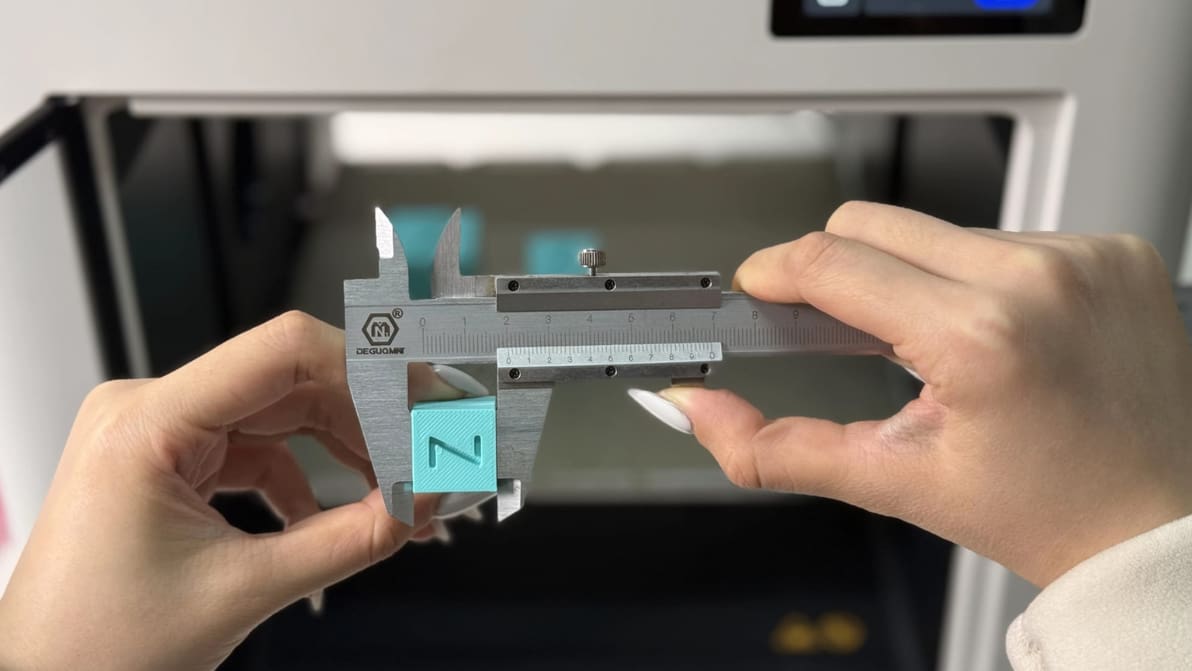
Your printer might calibrate itself, or it might need calipers and an evening. Here is what to tune, in what order, and what every term means.
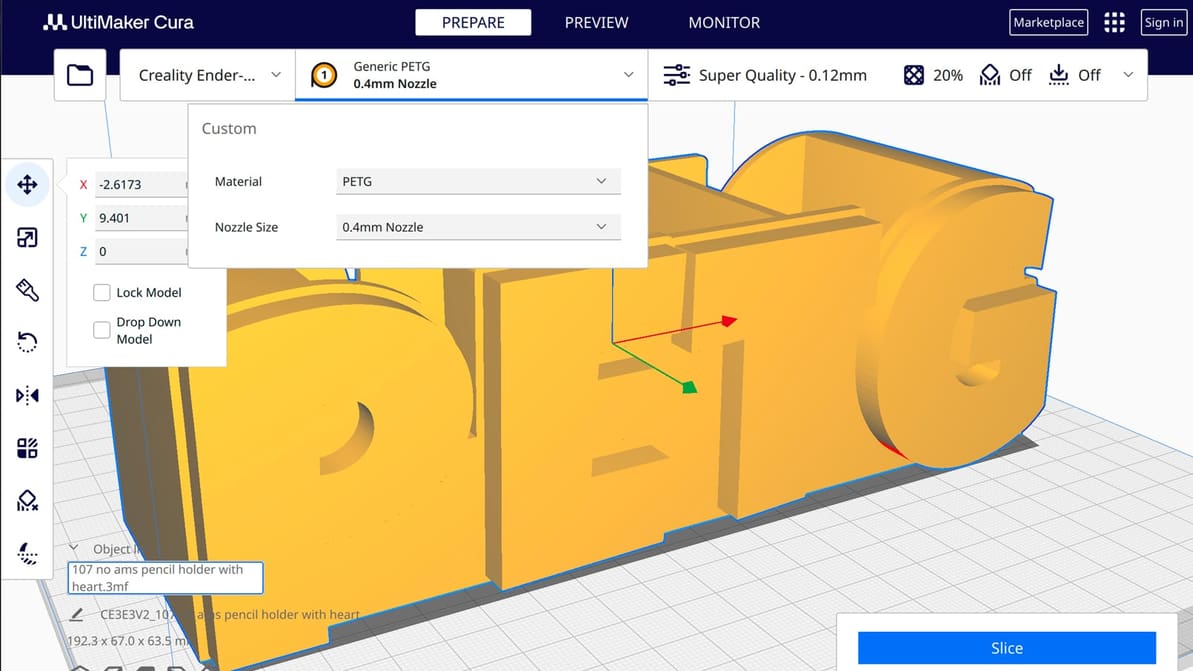
If you're a Cura slicer enthusiast, learn to how to translate PETG printing principles into practical slicer settings.
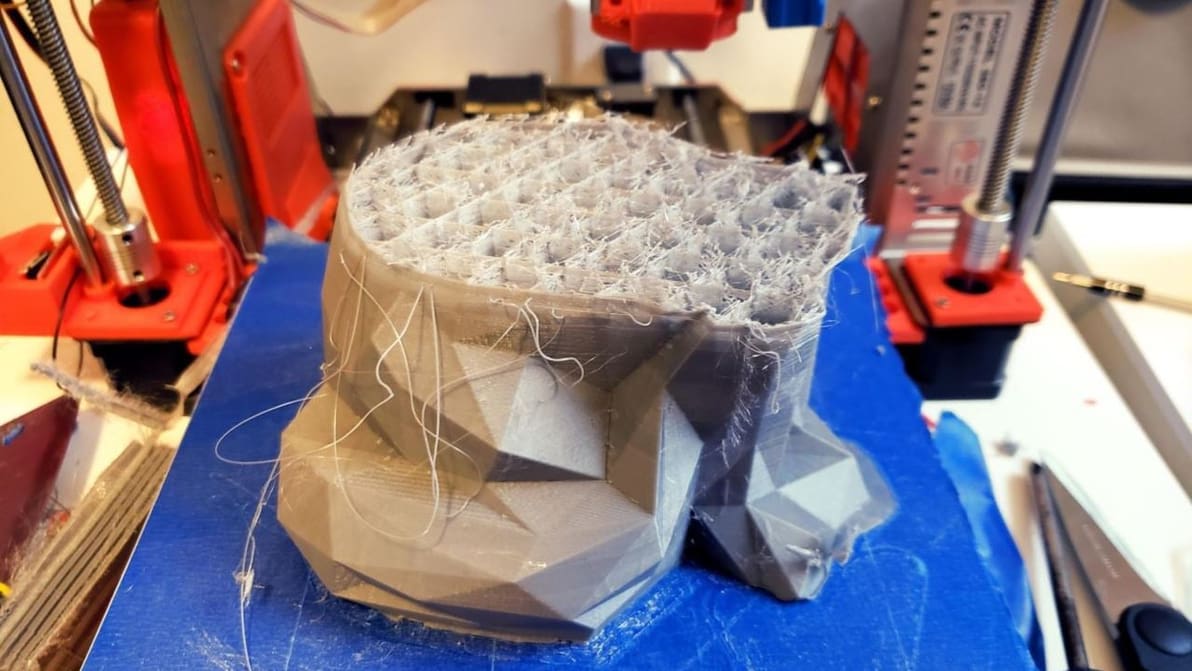
Heat creep can still clog even the best 3D printers, and the causes have changed. Here's how to tell it apart from other jams, why it actually happens, and how to fix it
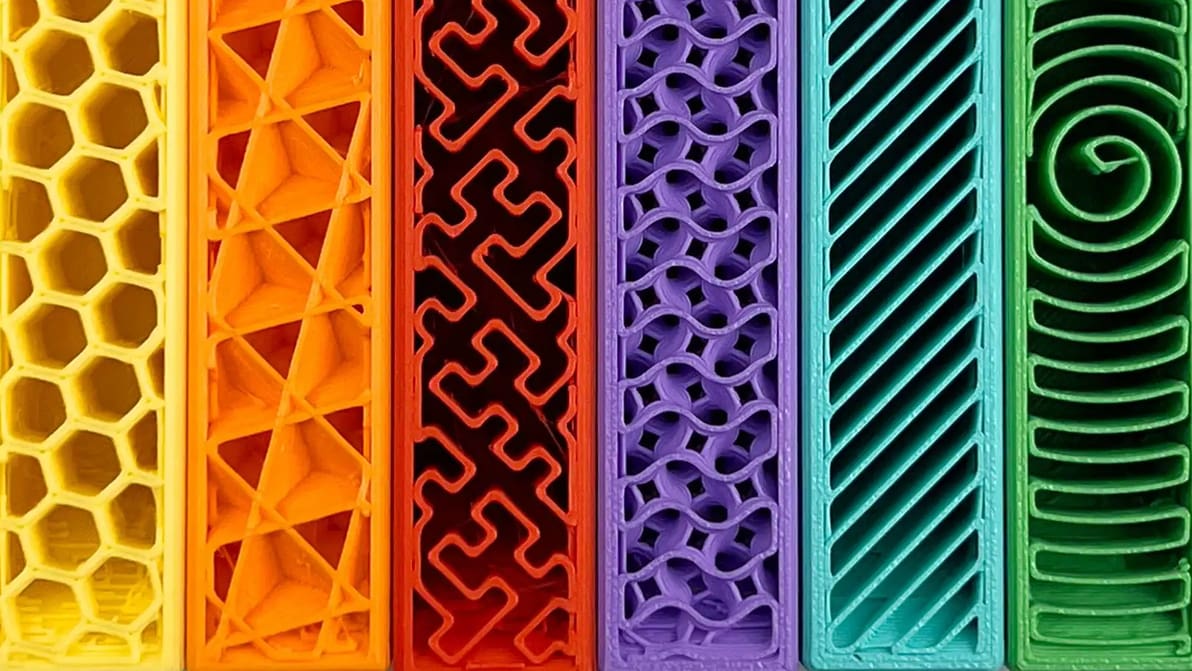
Get infill density and pattern wrong and your print wastes filament, snaps, or takes forever to print. Read on to learn how to get it right.
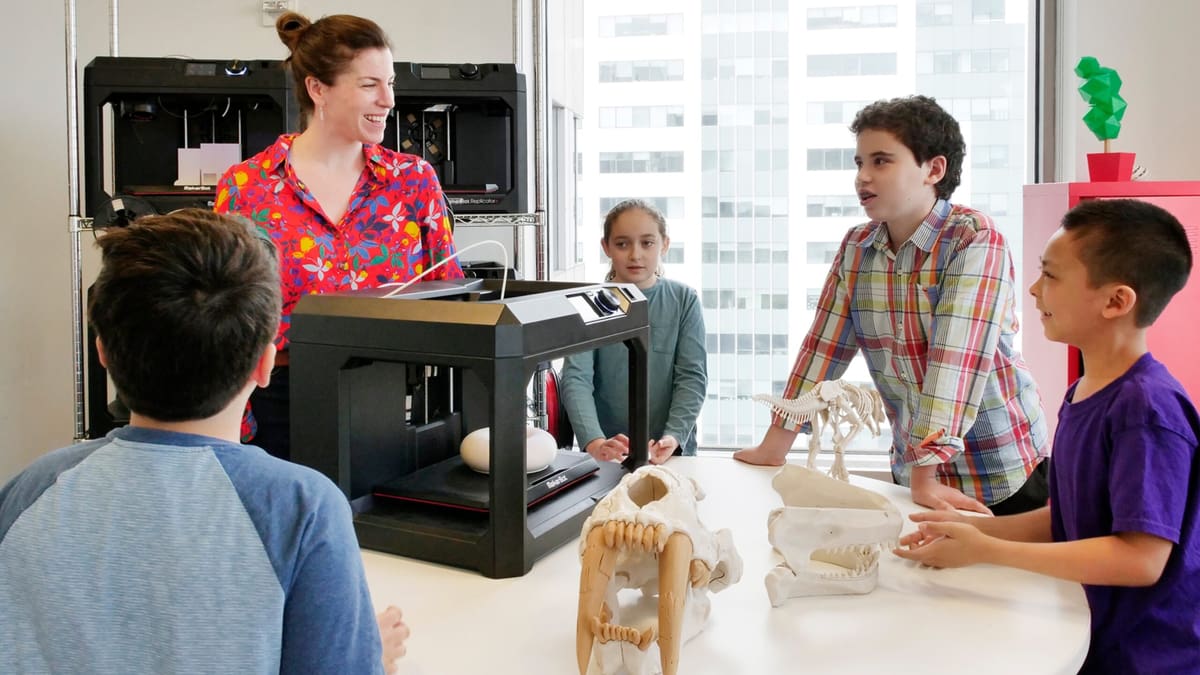
The free guide rounds up 35+ grants, scholarships, and awards that could help schools pay for printers, materials, classroom enrichment, and professional development, while also pointing educators toward federal funding options. It includes grant-writing tips, application windows, grade-level guidance, and practical advice for planning a 3D printing program. Educators can access the 2026 MakerBot Grant Guide here.
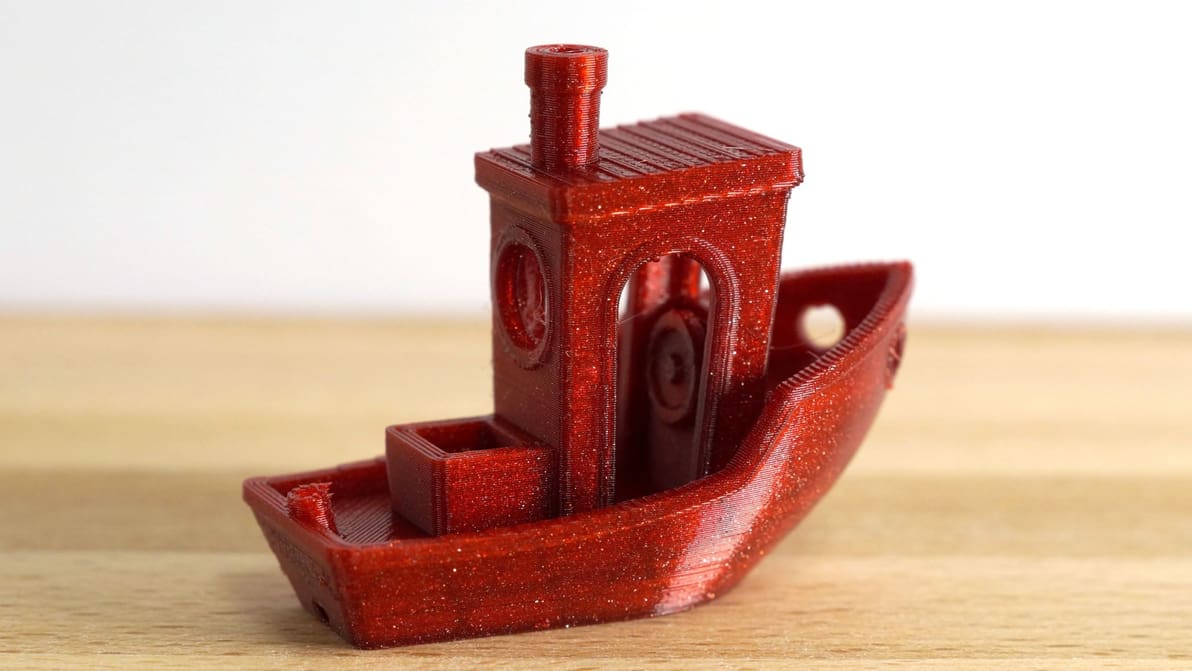
This tiny tugboat has been one of 3D printing’s favorite benchmark prints. Here’s how to read a Benchy, identify common print problems, and decide what to troubleshoot next.
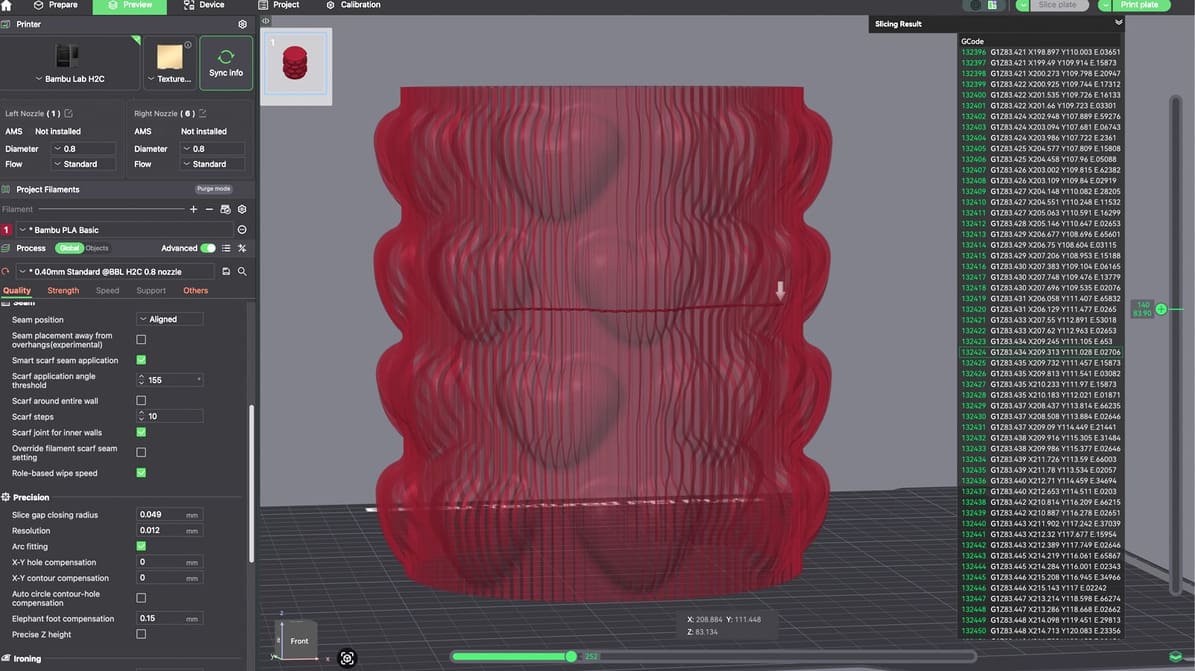
G-code may run quietly in the background, but understanding it can give you more control over your printer and help you solve problems faster.
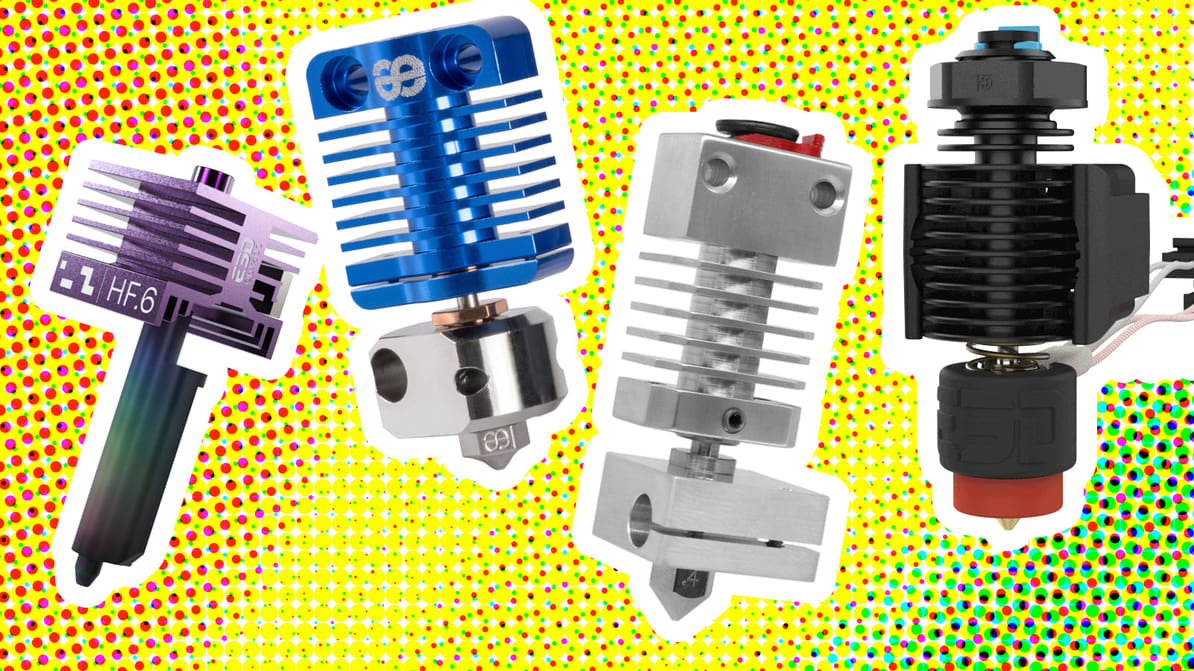
Unlock faster print speeds and wide material compatibility by swapping your stock brass nozzle for a high-performance hot end.
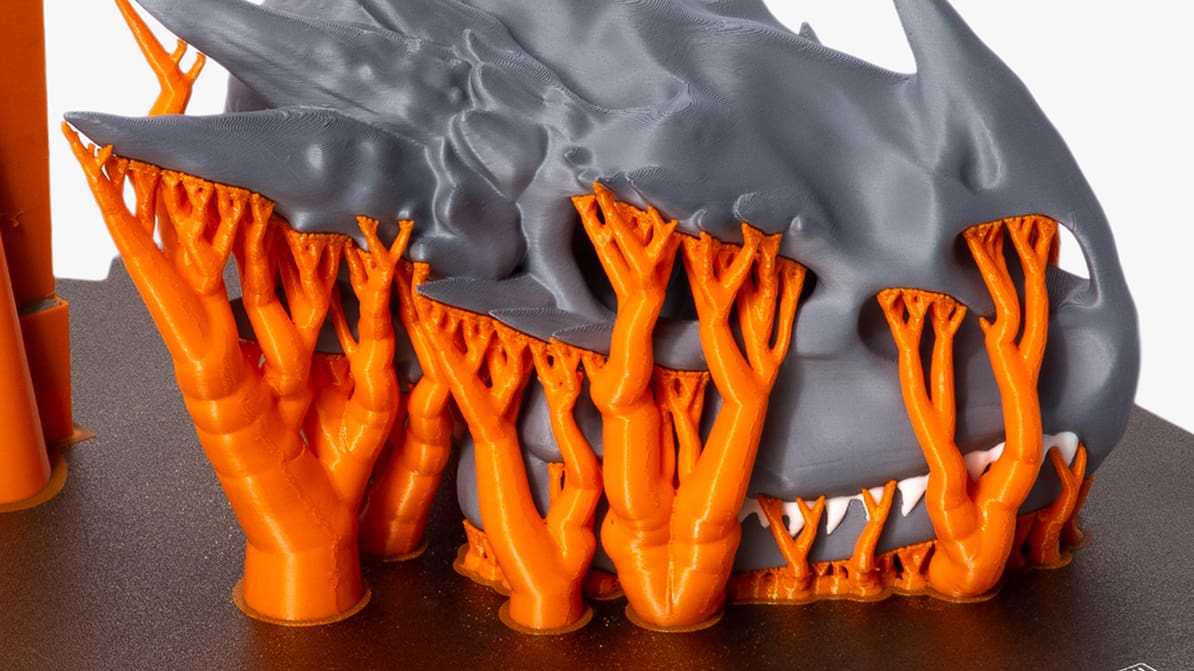
Confidently tackle overhangs and bridges in your models with All3DP's ultimate guide to 3D printing support structures.
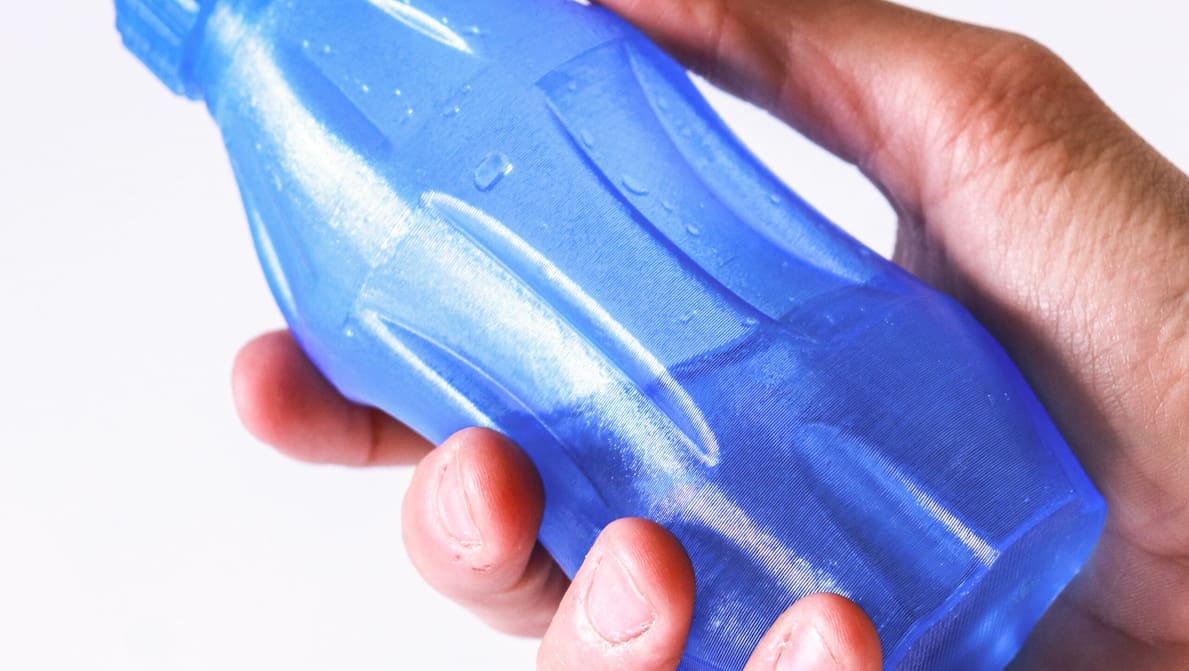
PET and PETG share nearly the same name, but that one letter — the "G" — changes how PETG prints. Here's why.

ABS is a 3D printing classic for good reason: It’s tough, heat-resistant, affordable, and easy to smooth, paint, and drill. But with easier-to-print alternatives now available, when is ABS still the right choice?

The right 3D printer lubricant improves the performance and lifespan of your printer, the wrong one can muck up the works. Here's the difference.
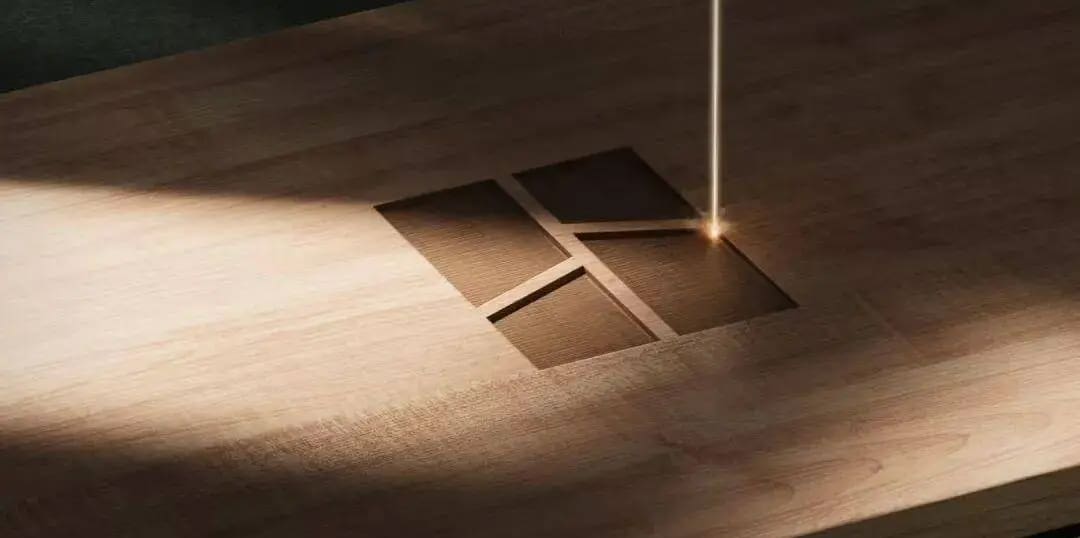
The company is teasing the R1, its first standalone laser cutter and engraver. Lasers are already a part of its multi-function machines, but apparently the beam has now earned its own apartment. Details are scarce: full specs are due in late August and pre-orders open in September. Bambu says the R1 applies the same philosophy behind its 3D printers to laser cutting and engraving: less fiddling, more making.
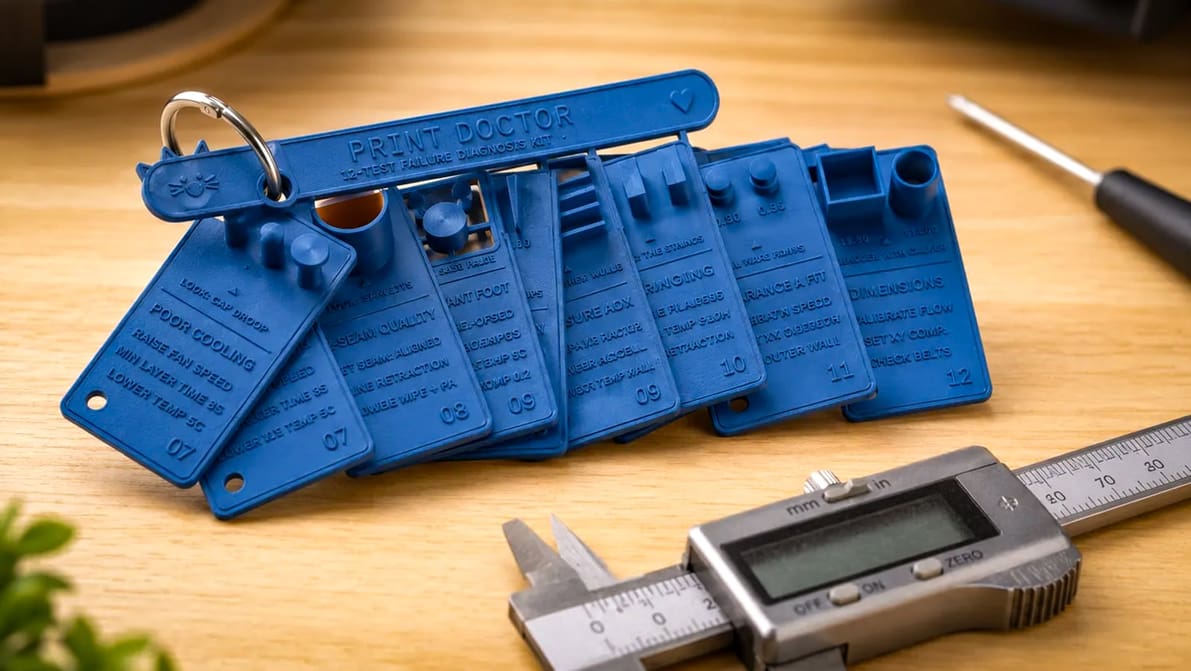
These free calibration models help you diagnose a wide range of 3D printing problems and choose the right setting to fix them.
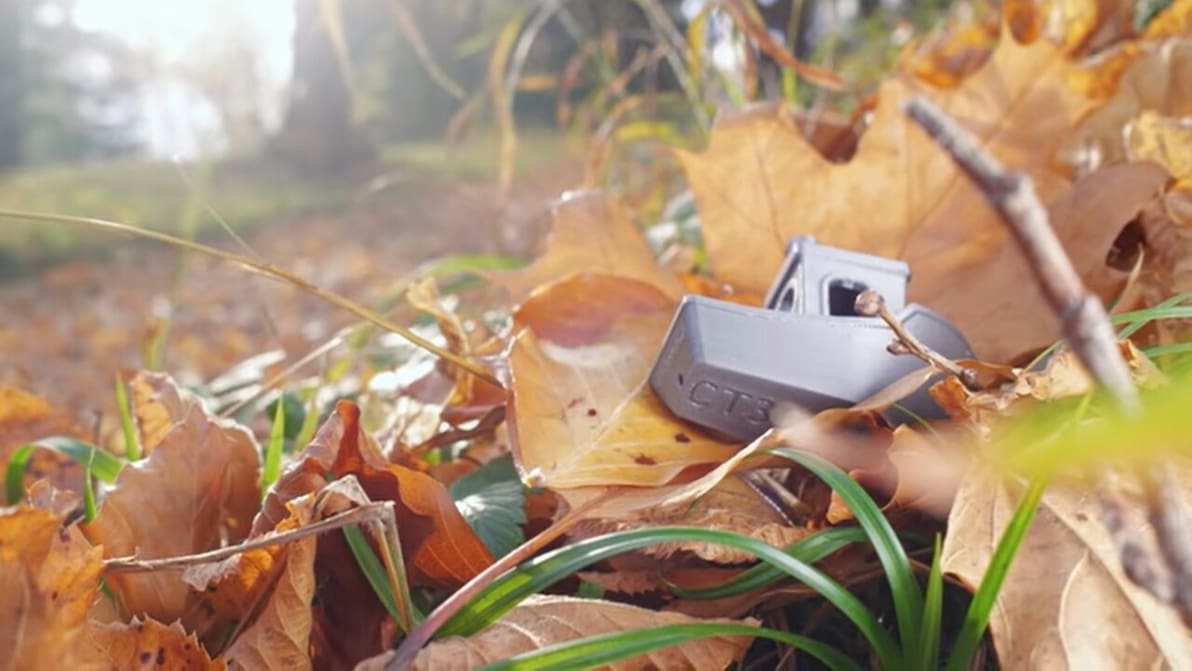
New U.S. and EU rules are closing in on vague biodegradability claims, and could change how PLA filament and the resulting products are marketed to consumers.
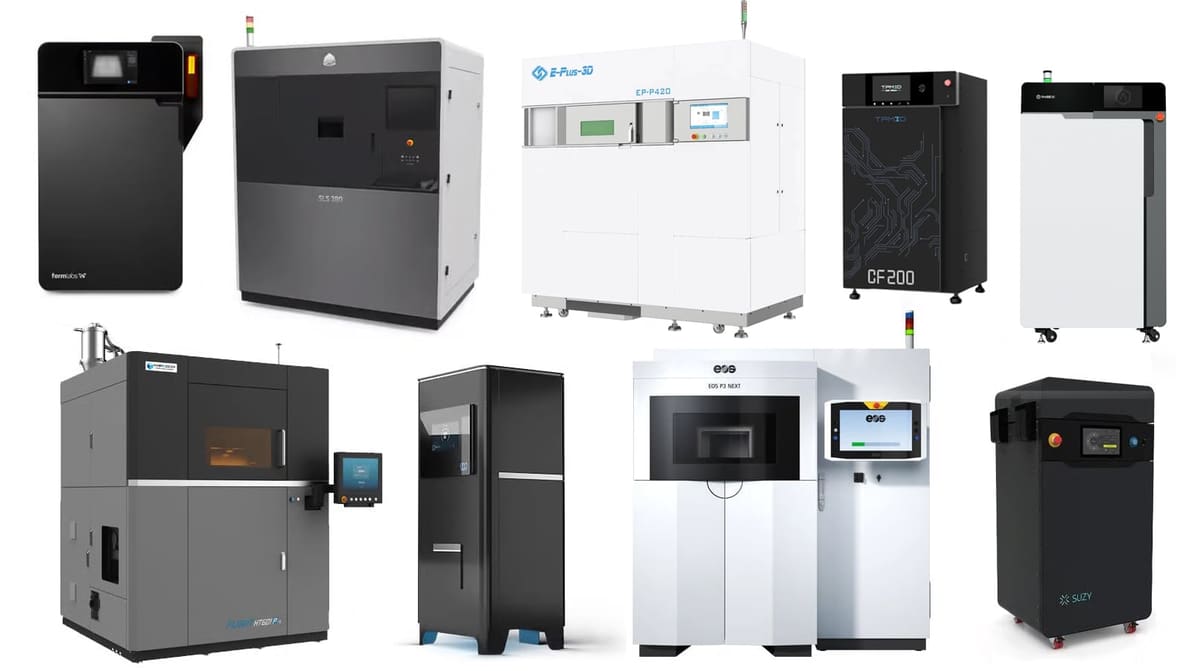
The complete updated buyer's guide to desktop and industrial SLS 3D printers. Plus, learn about SLS technology, SLS 3D printing services, applications, and materials.