Featured
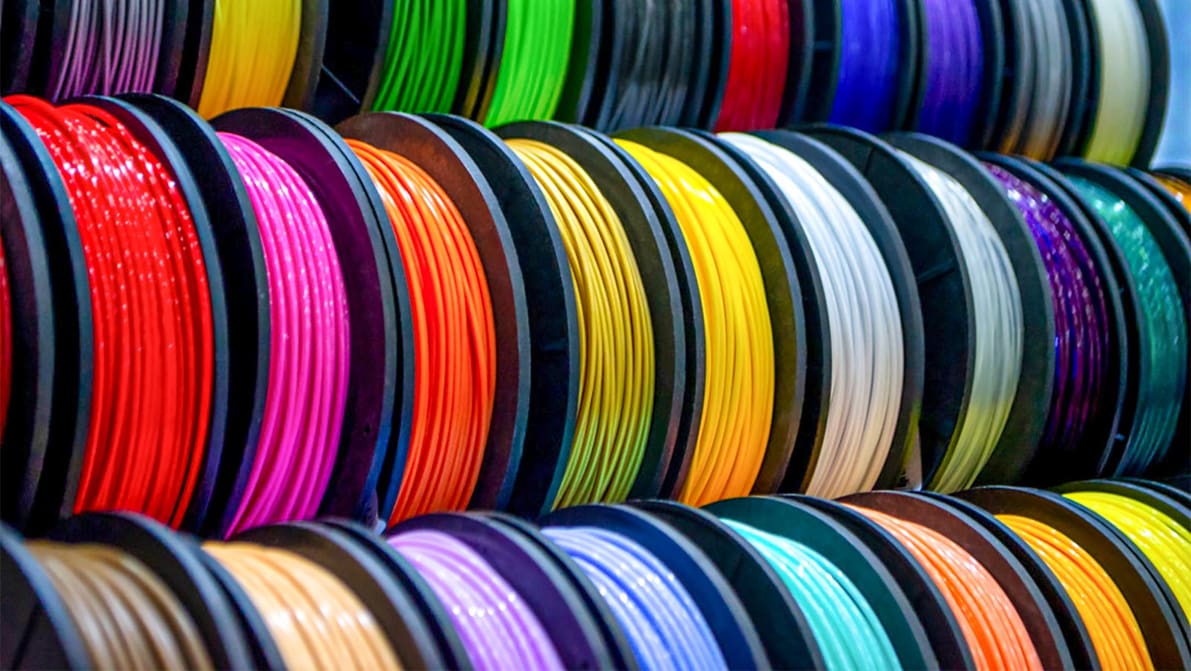
Confused by filament choices? This updated guide breaks down each type — from everyday PLA to high-performance PEEK — so you can print smarter.

Ready to make your own flexible TPU prints? Check out our list of cool things you can 3D print with TPU and other flexible filaments!
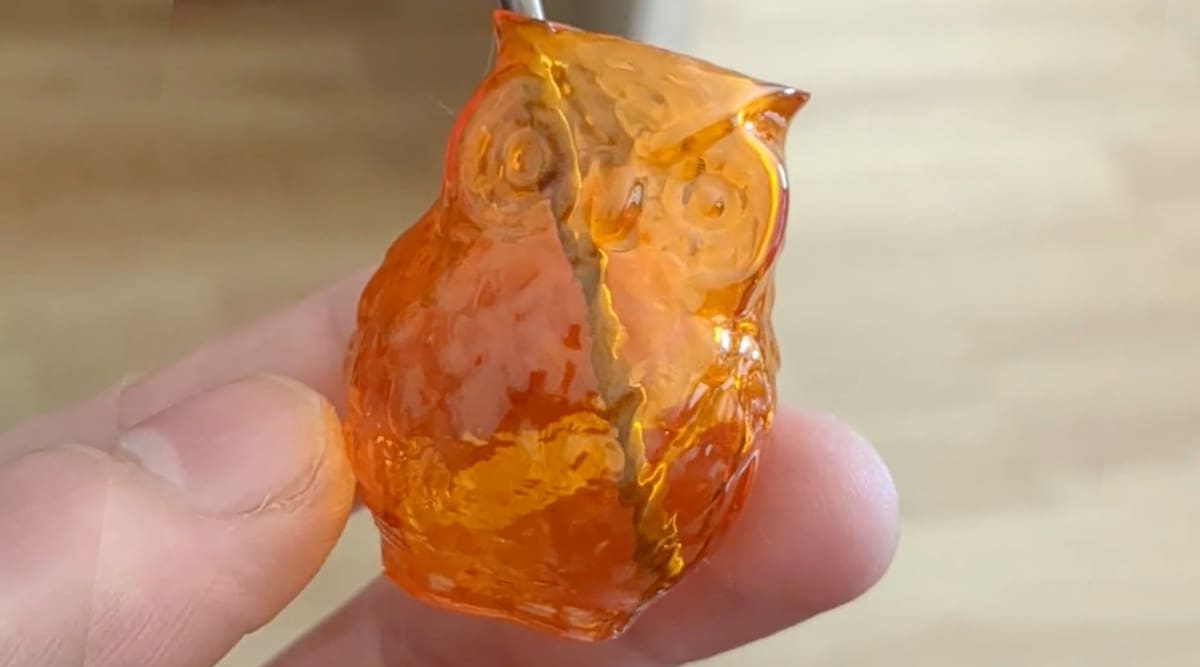
Discover five proven post-processing techniques to achieve a nearly flawless, injection-molding-like finish on your PETG prints
Latest
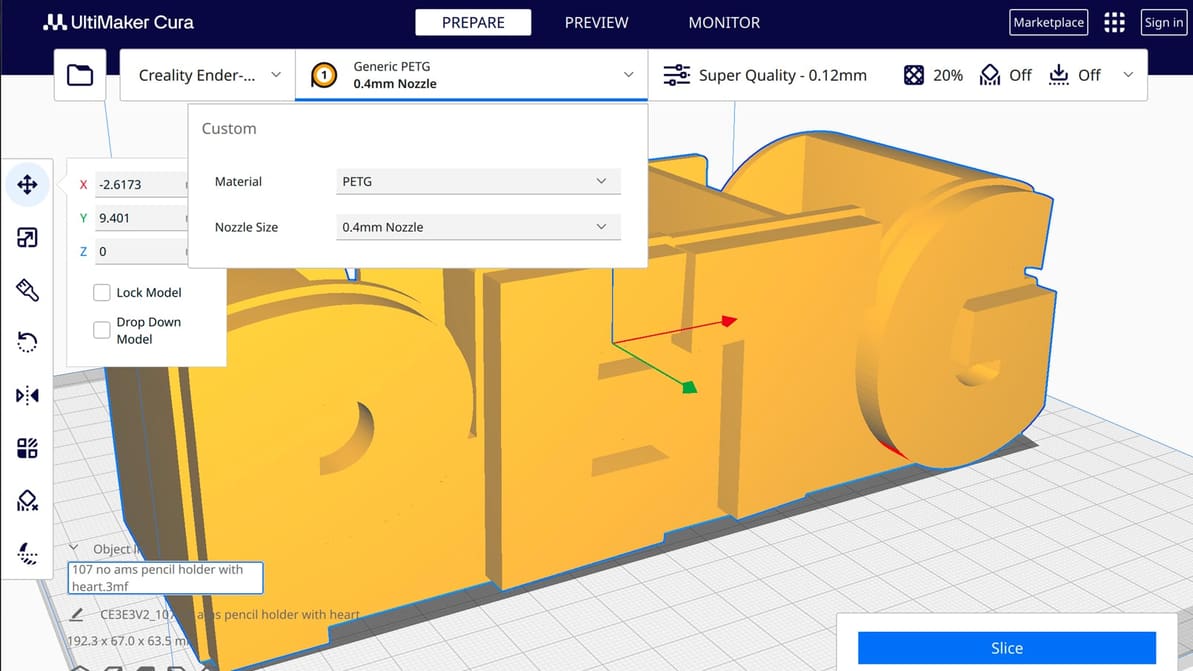
If you're a Cura slicer enthusiast, learn to how to translate PETG printing principles into practical slicer settings.
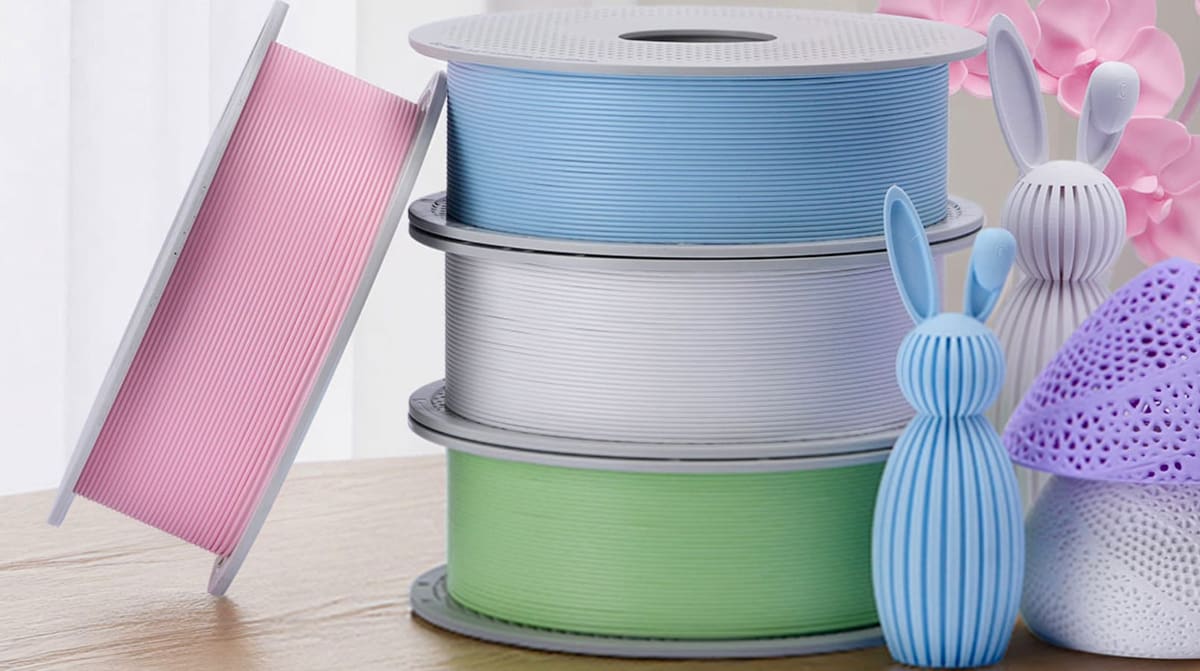
The new filament combines a subdued finish with improved humidity resistance, easier support removal, and the toughness expected from PETG.
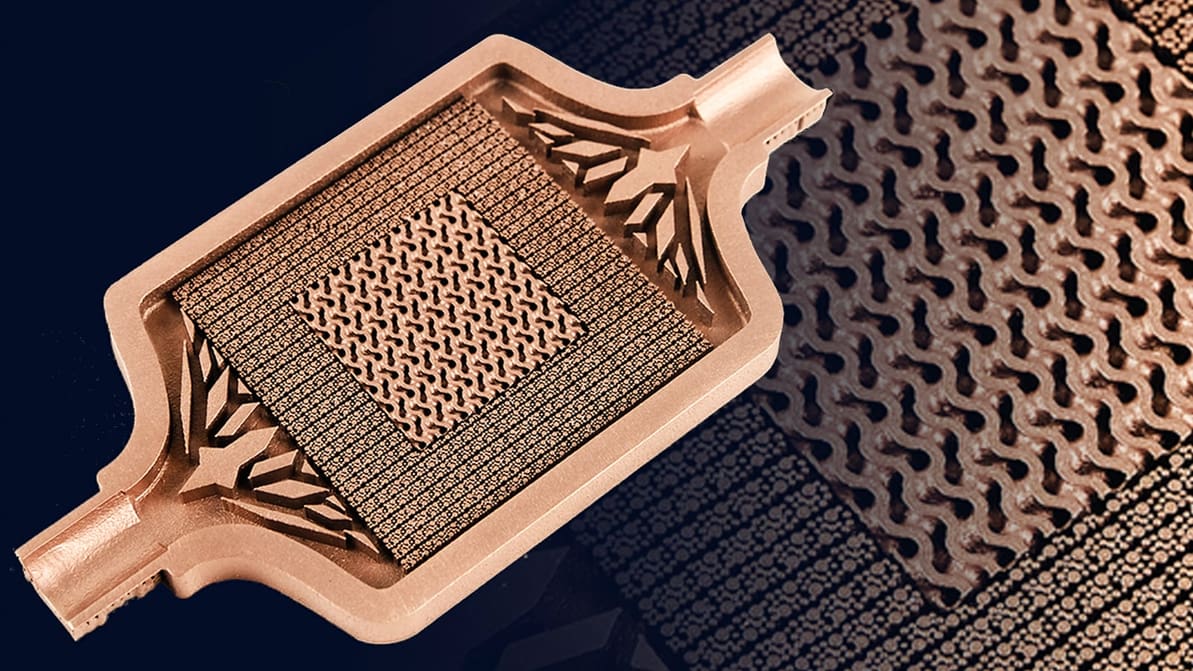
With AI processors pushing traditional thermal management to its limits, metal 3D printer makers are pivoting to produce complex, pure copper liquid cold plates for next-generation data centers.
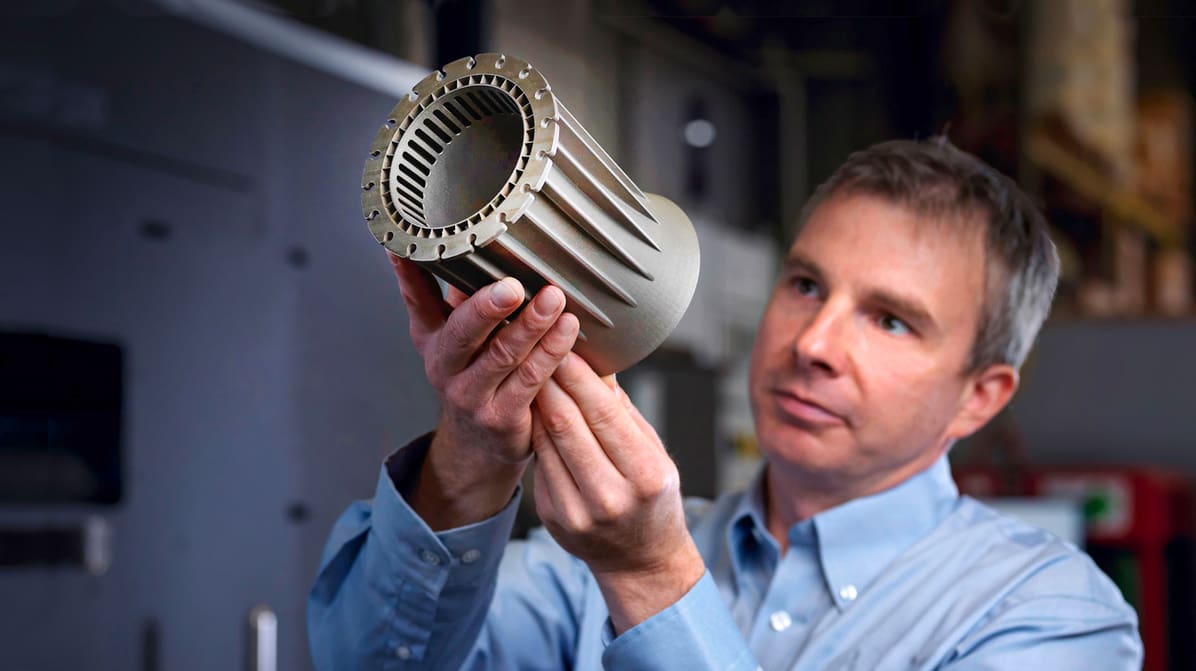
Our updated guide to top metal 3D printing services to help you order everything from stainless steel tools to gold jewelry to copper heatsinks.

Prusa’s new actively foaming PLA promises lighter parts, more prints per spool, and a distinctive matte finish.
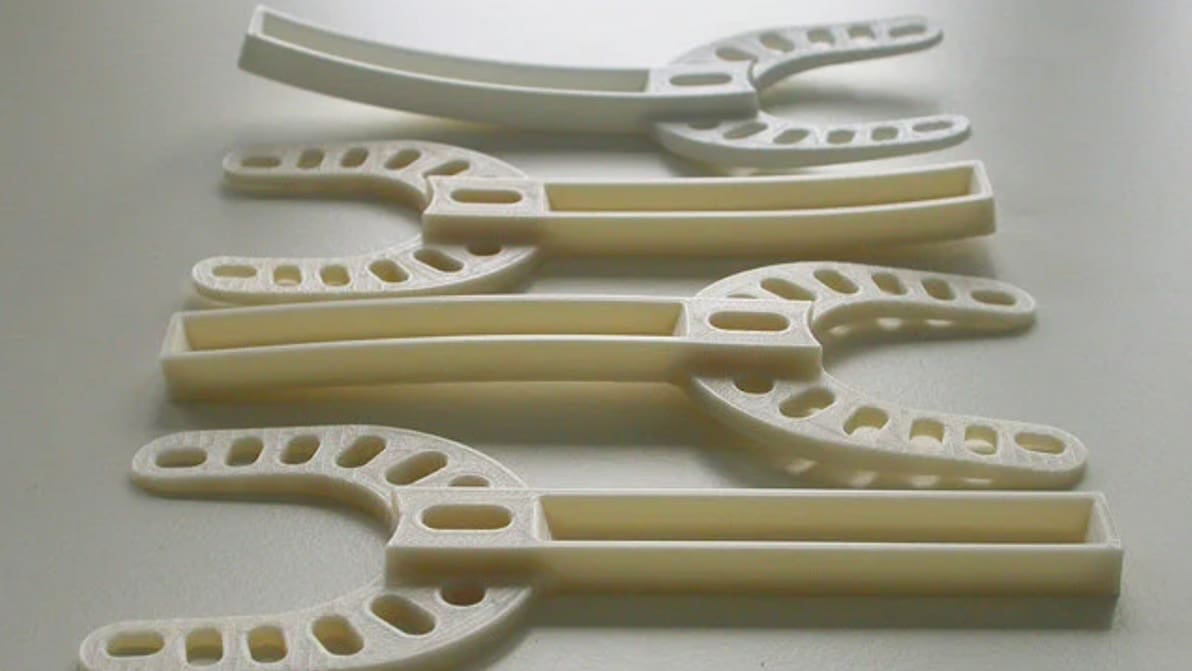
The real reason plastic goes soft before it melts, and what that means for anything you print in PLA, PETG, or ABS
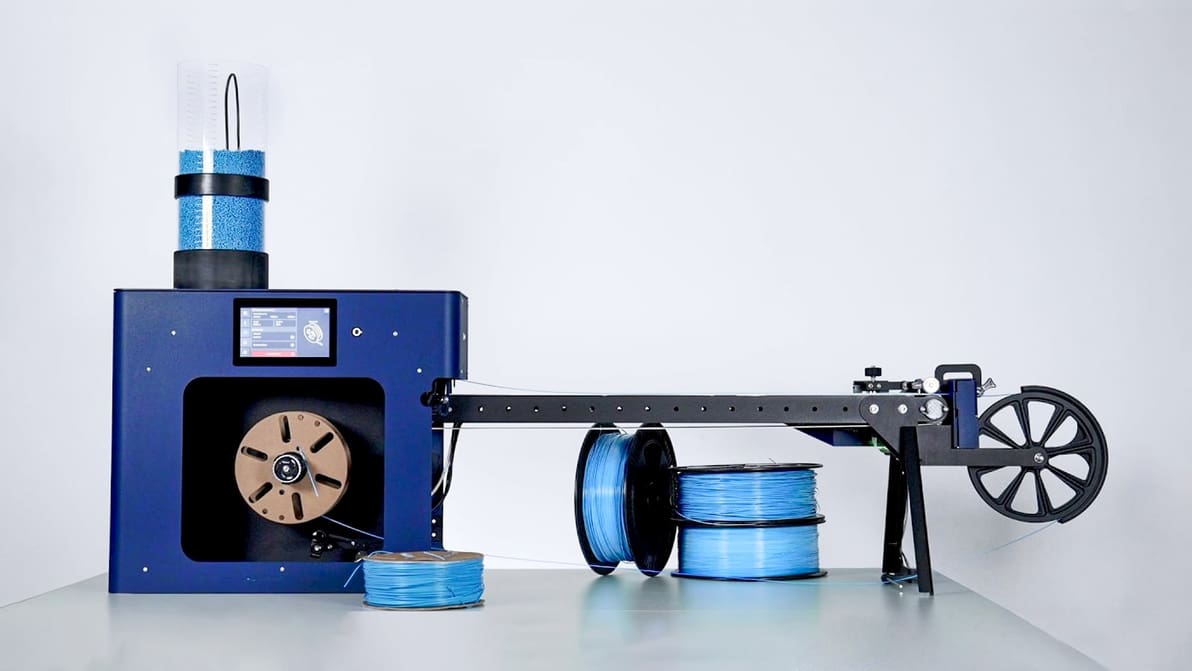
Turn everything from pellets to failed prints to leftover SLS powder into new 3D printing material with 3devo's latest extruder machine.
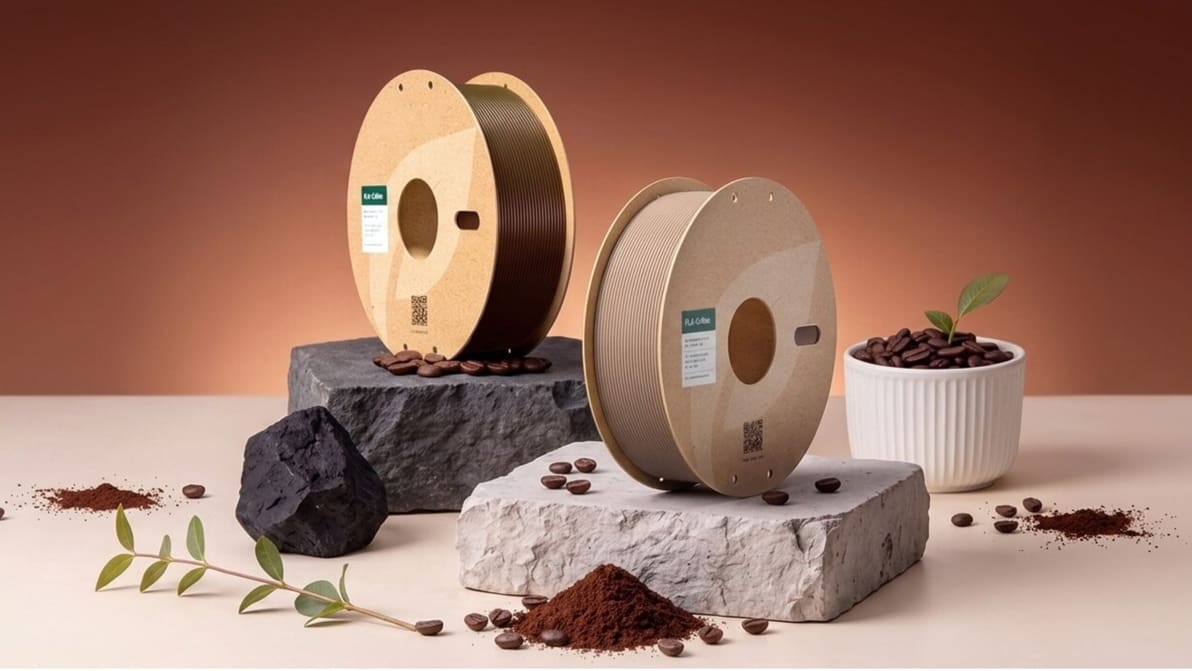
eSun's new PLA-Coffee turns used coffee grounds into a filament that smells like freshly brewed coffee when you print.
Heidelberg University researchers developed a 3D printing resin that a chemical trigger can break down into its molecular building blocks within seconds at room temperature, allowing the material to be remade into polymer and reused. The recycled material retained the original’s molecular composition and properties, pointing to a possible future where your high-resolution resin prints could be recycled into new printable material instead of discarded.
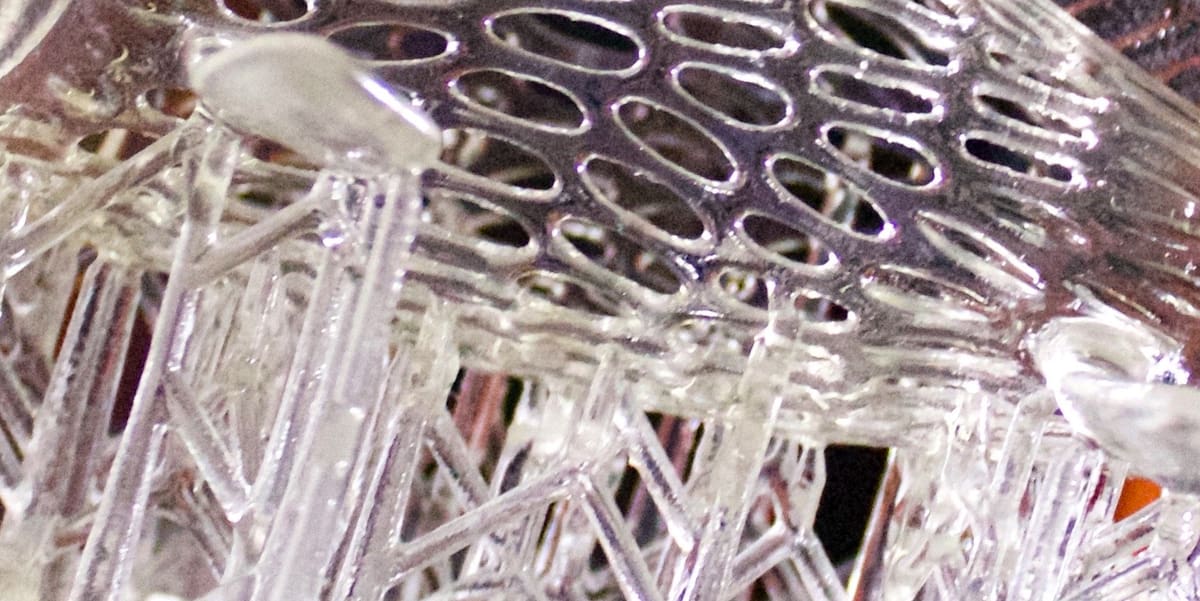
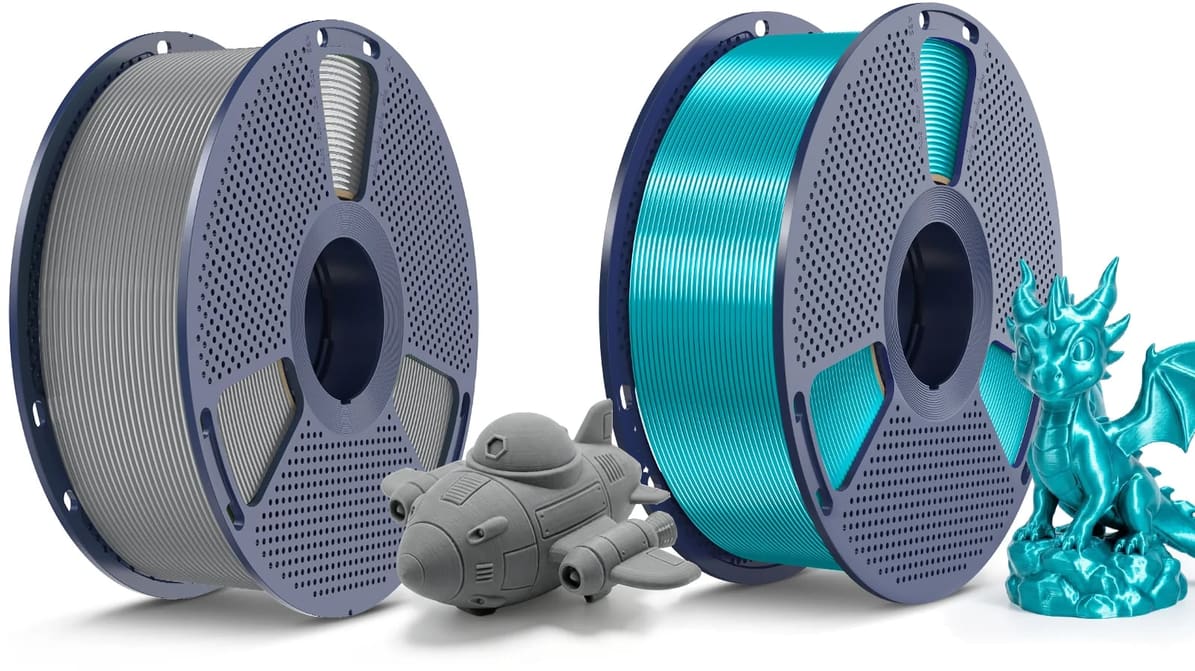
The new polymer formulations target two familiar material headaches: moisture-sensitive PETG and brittle silk PLA.
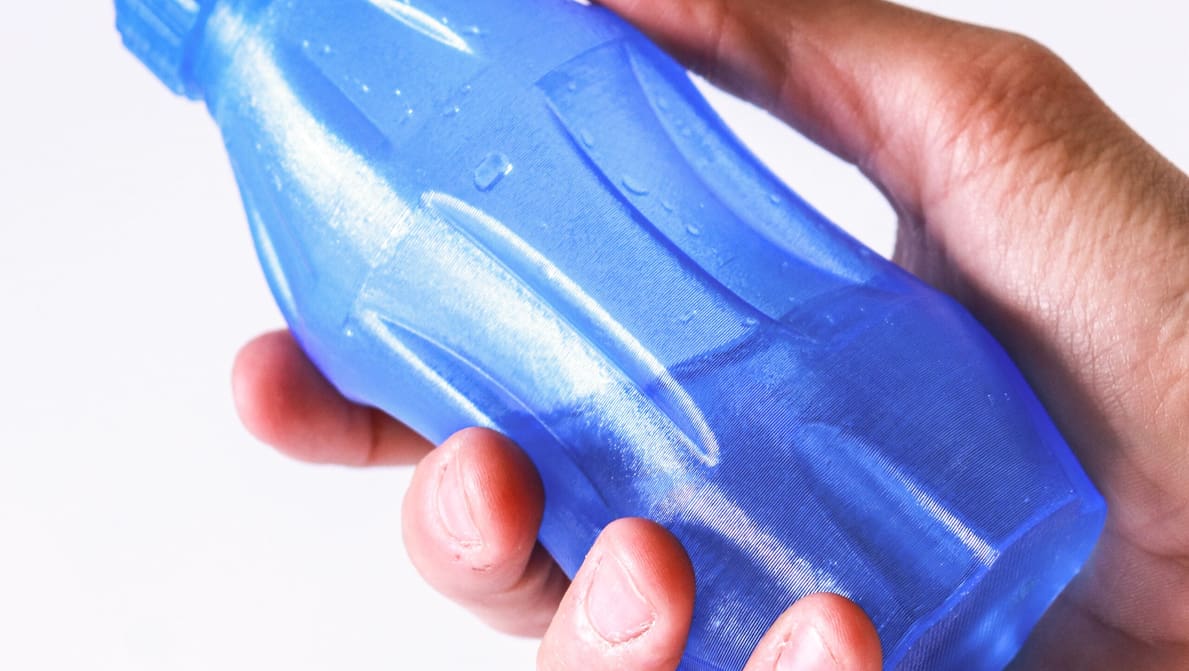
PET and PETG share nearly the same name, but that one letter — the "G" — changes how PETG prints. Here's why.

ABS is a 3D printing classic for good reason: It’s tough, heat-resistant, affordable, and easy to smooth, paint, and drill. But with easier-to-print alternatives now available, when is ABS still the right choice?
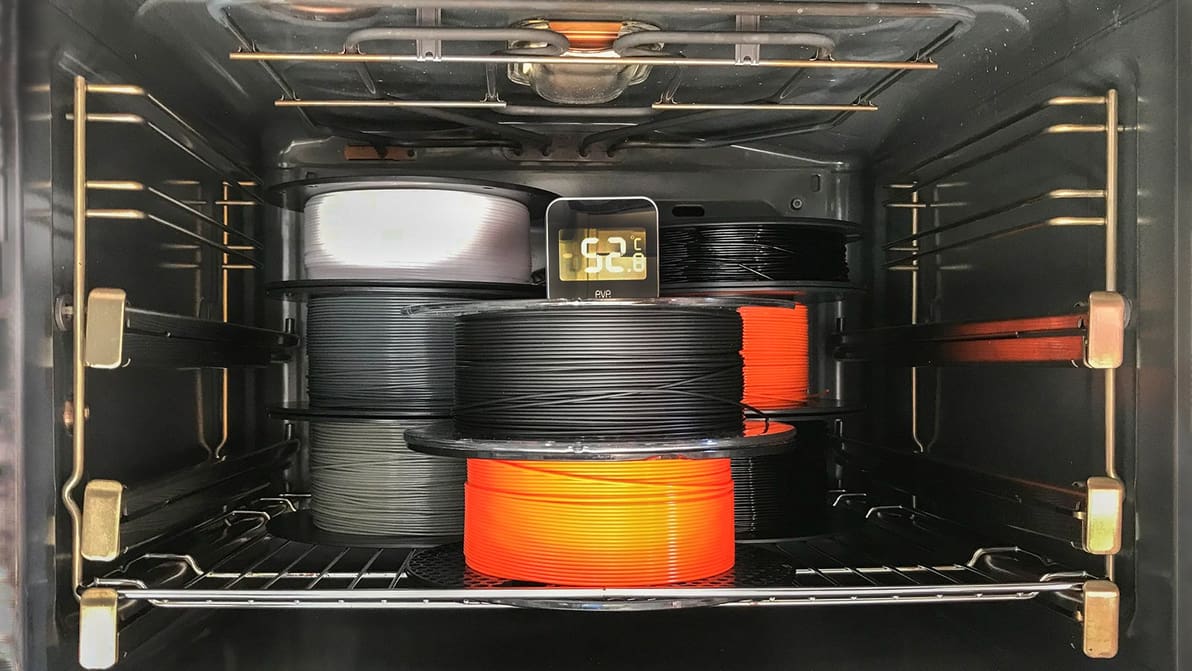
Drying filament is important, but drying filament properly is even more important. Learn the science behind what moisture and drying does to polymer filament to get your drying perfect every time.

New U.S. and EU rules are closing in on vague biodegradability claims, and could change how PLA filament and the resulting products are marketed to consumers.
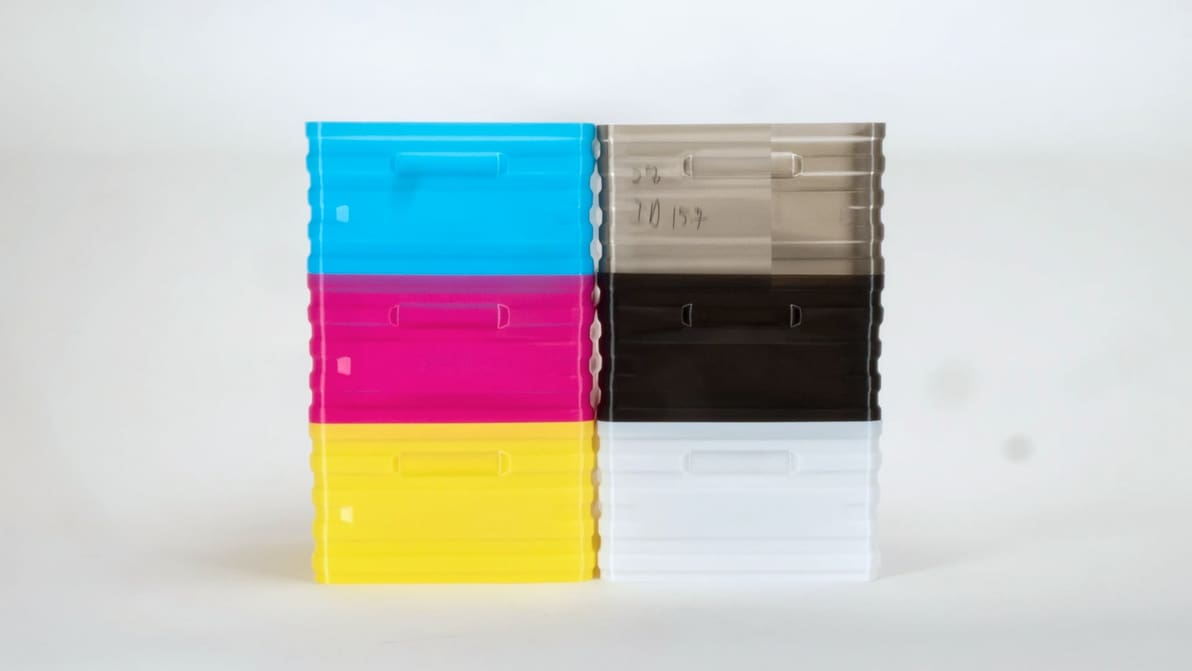
Now available in Translucent Cyan, Magenta, Yellow, White, Black, plus Transparent Smoke Black, 3D-Fuel’s new Pro PCTG colors offer a tougher-than-PETG-prints-like-PLA spin on FullSpectrum color prints for realistic color mixing.
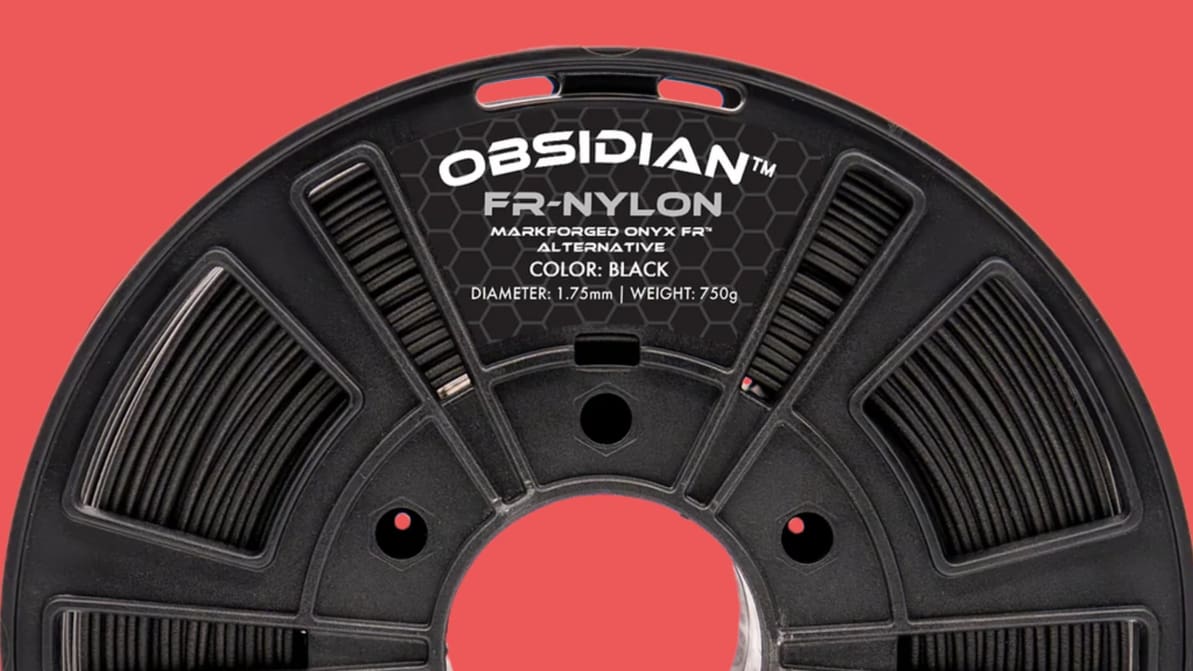
For users seeking flame-retardant nylon without a closed printer ecosystem, 3DXTech is building a library of tested slicer profiles to simplify setup across more machines.
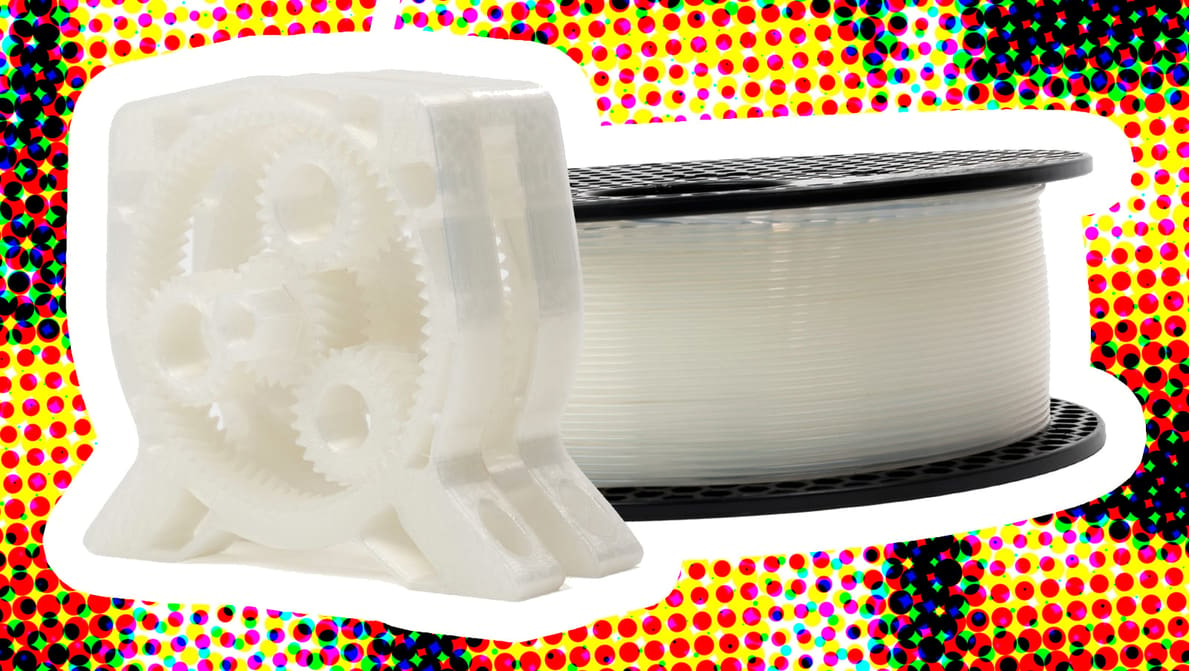
Prusa’s castor oil-derived PA11 filament combines unusually strong interlayer adhesion with low friction, impact resistance, and the durability needed for demanding moving parts.
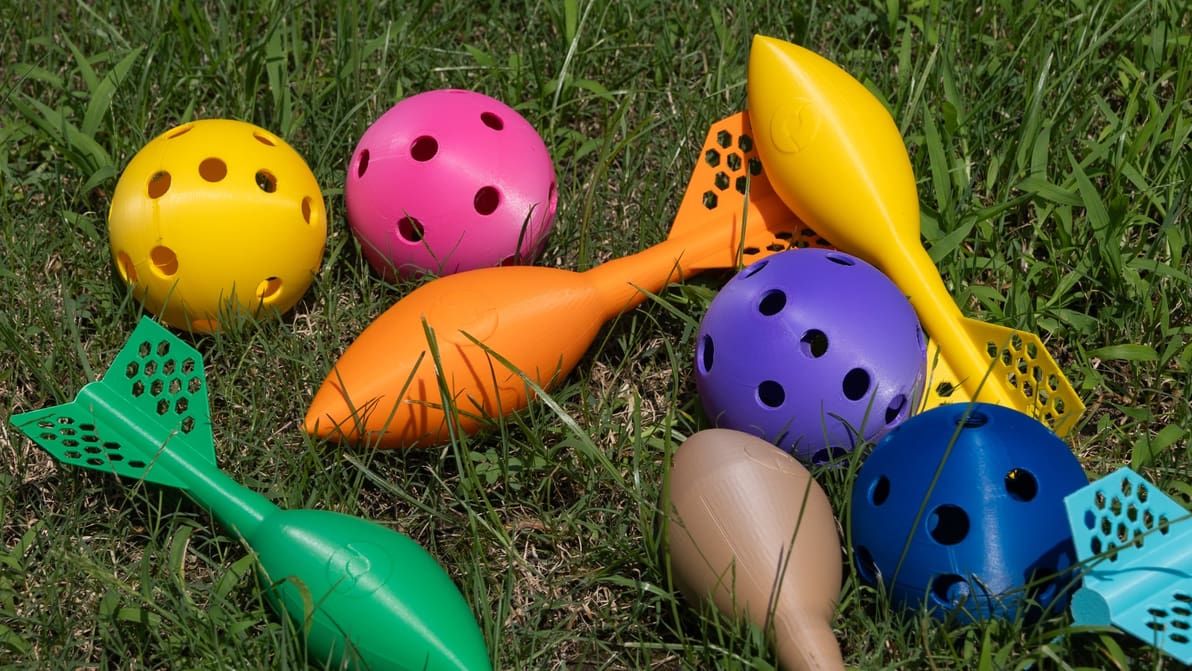
The new material boasts impressive fatigue, strength and temperature resistance, says Polymaker, with all of the easy printability of PLA.
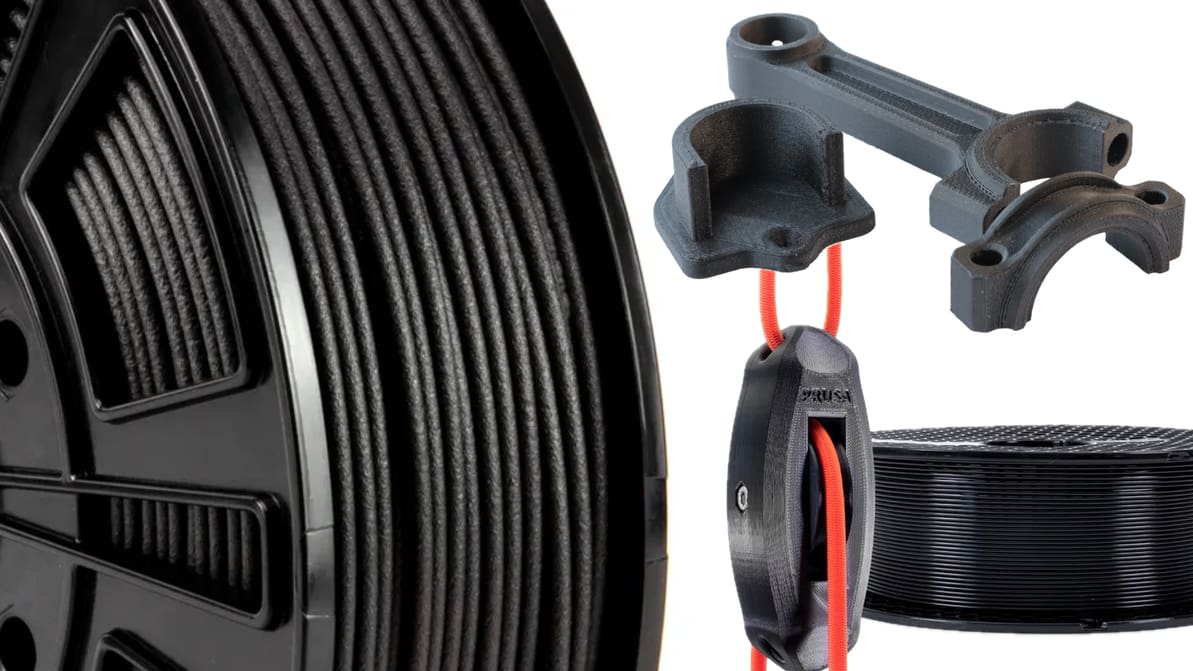
Expand your printing horizon with polycarbonate filaments, a strong and heat-resistant material to create durable parts.
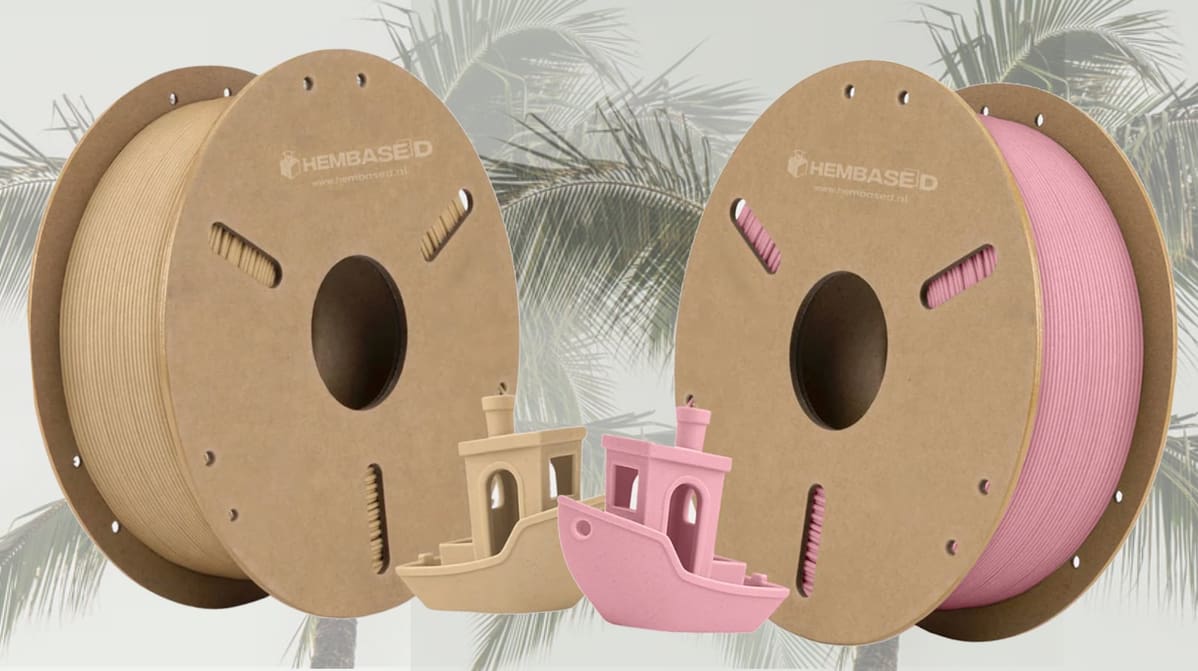
Hembased says its plant-based FDM material is designed to break down in open-air compost, yet scientific analysis and certification details remain unclear.