Pro 3D Printers
Featured
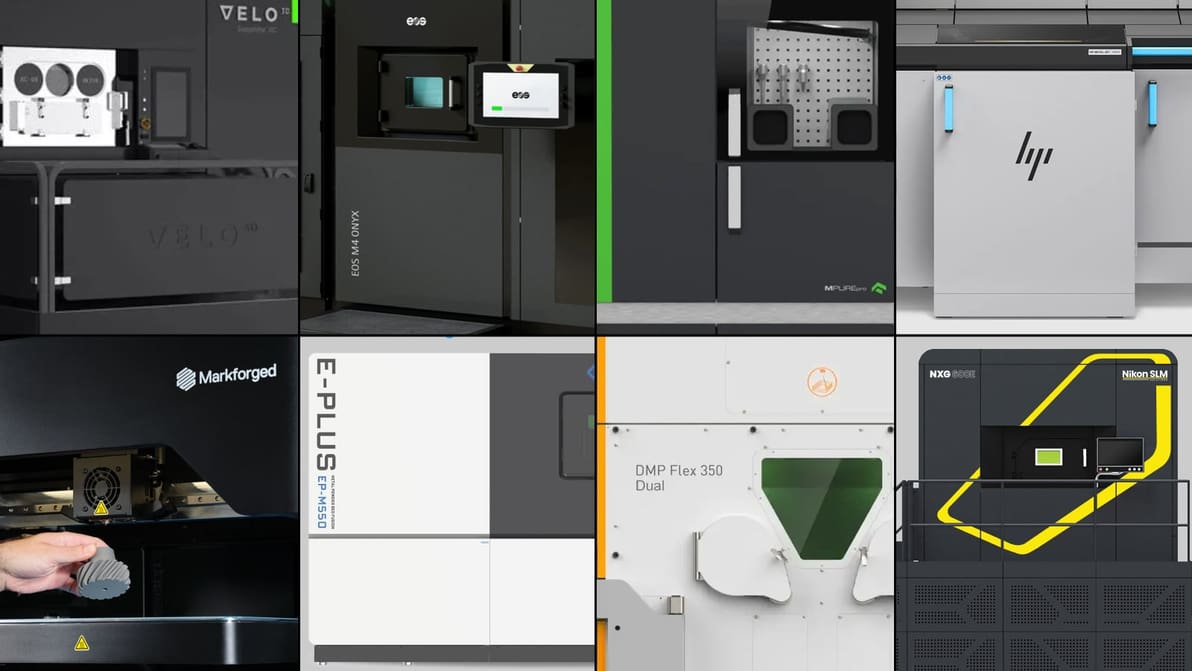
Our decision maker’s guide to the best metal 3D printers for small parts, batch manufacturing, and aerospace & defense. Plus, a metal 3D printing tech primer.
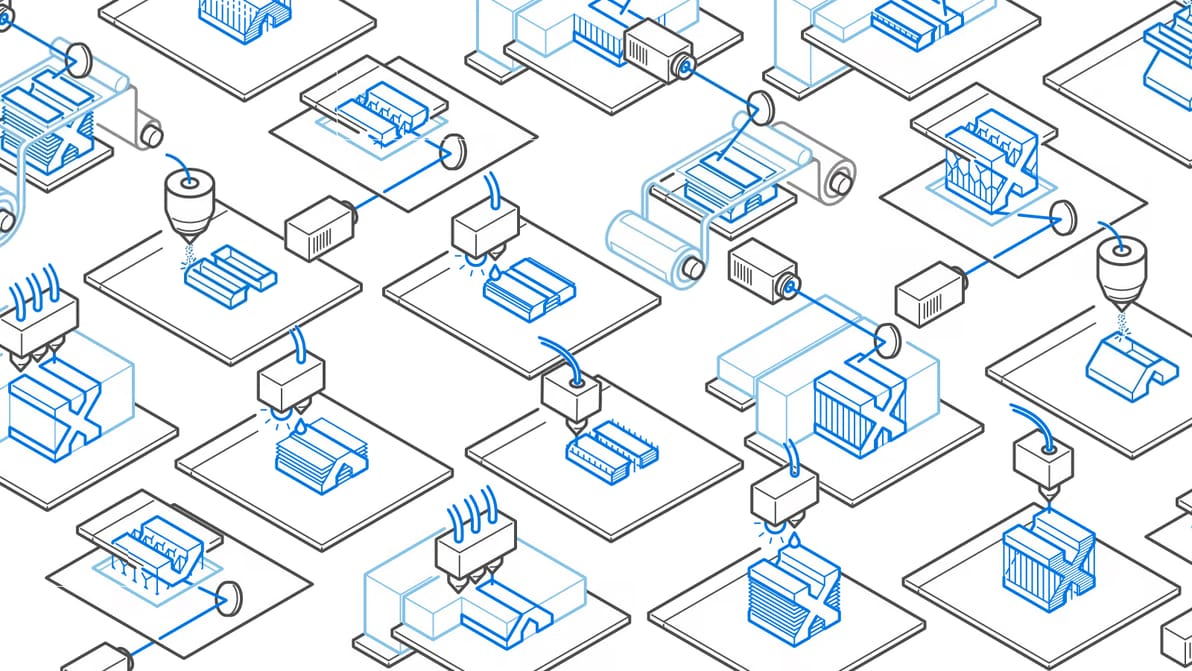
Learn the seven main types and more than 20 subtypes of 3D printer technology, including FDM, SLS, MJF, SLA, SLM, and many more methods of additive manufacturing.
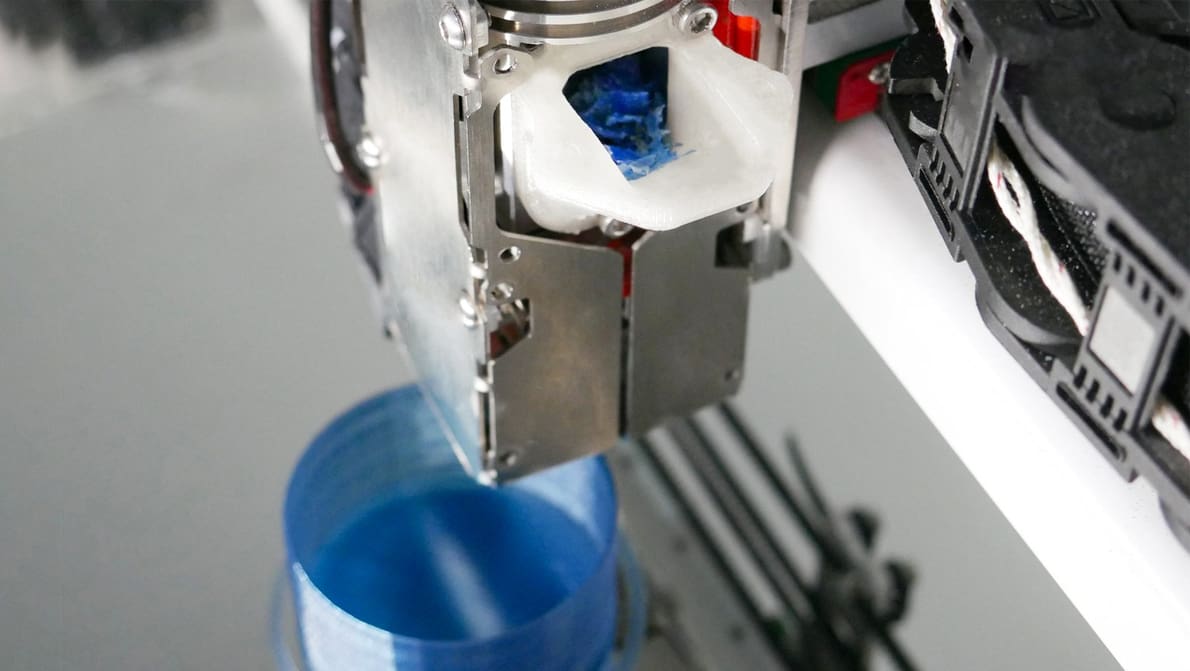
3D printing with pellets and recycled shreds instead of filament can cut material costs up to 90%, but it's not ready for your desktop just yet.
Latest
Learn the seven main types and more than 20 subtypes of 3D printer technology, including FDM, SLS, MJF, SLA, SLM, and many more methods of additive manufacturing.
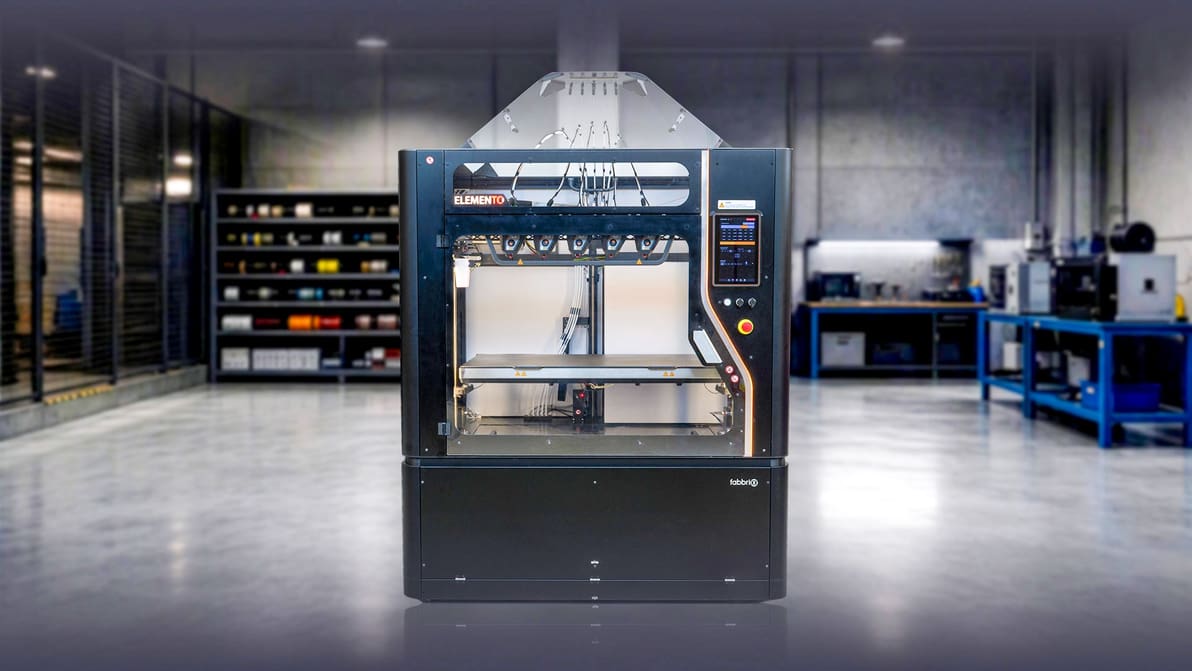
Five independent print heads, a 1.1-meter-wide build area, and support for both 1.75- and 2.85-mm filament put Fabbrix’s latest Elemento firmly at the industrial end of the toolchanger spectrum.
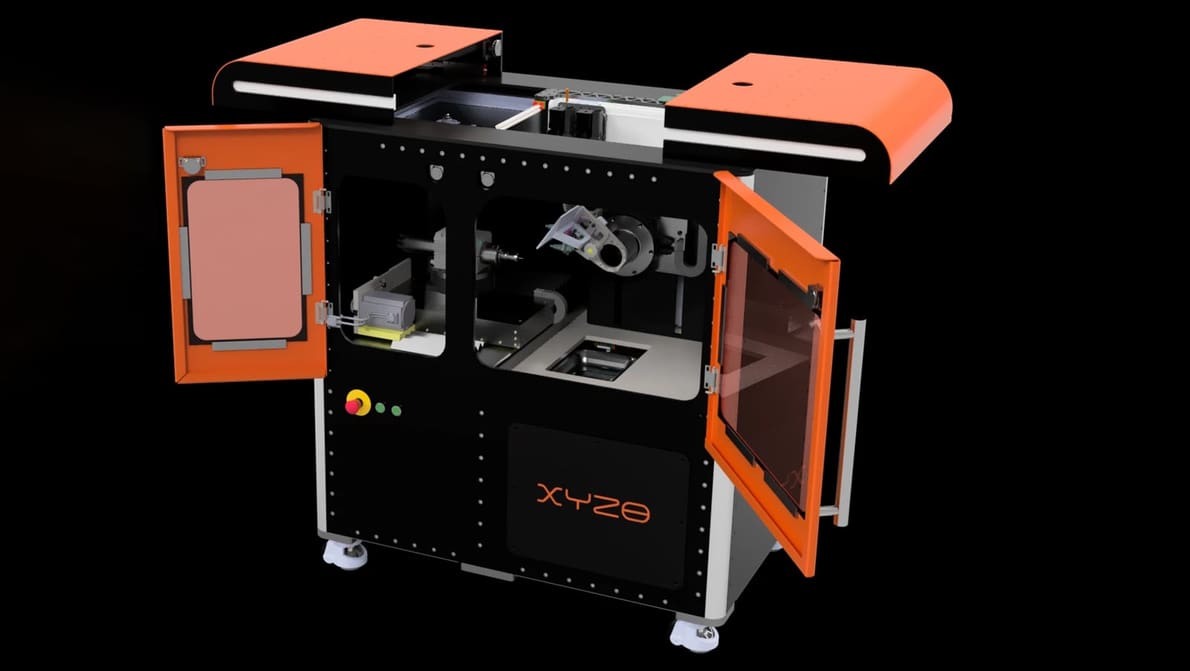
UK startup XYZO has revealed an ambitious modular manufacturing platform that wants to print, machine, cure, clean, and inspect parts without them ever leaving the machine.
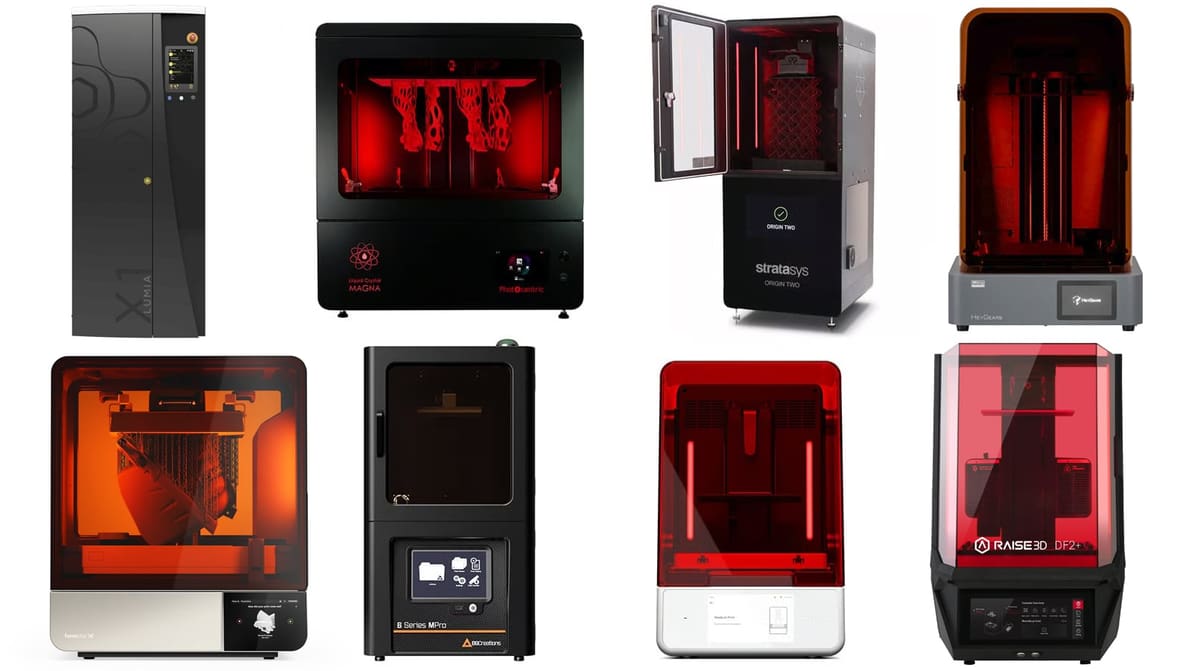
Expand your capabilities with systems designed for certified engineering-grade resins and specialized manufacturing applications.
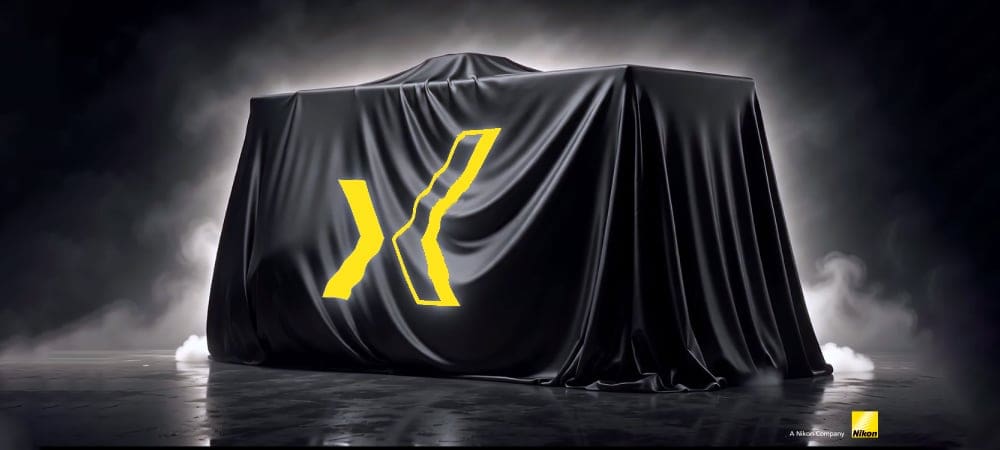
Nikon SLM Solutions just began teasing a new metal 3D printer under the banner “Reach Mach speed,” which appears to be its first genuinely new production platform in years. It's aimed at the “middle range” where most actual manufacturing happens. Details are scarce beyond promises of throughput, reliability, and volume production, while the campaign URL’s “Mach X” offers one more breadcrumb for the speculation pile. The reveal is set for Nov. 17, opening day of Formnext 2026, so until then we’re apparently expected to make do with a countdown clock and our imaginations.
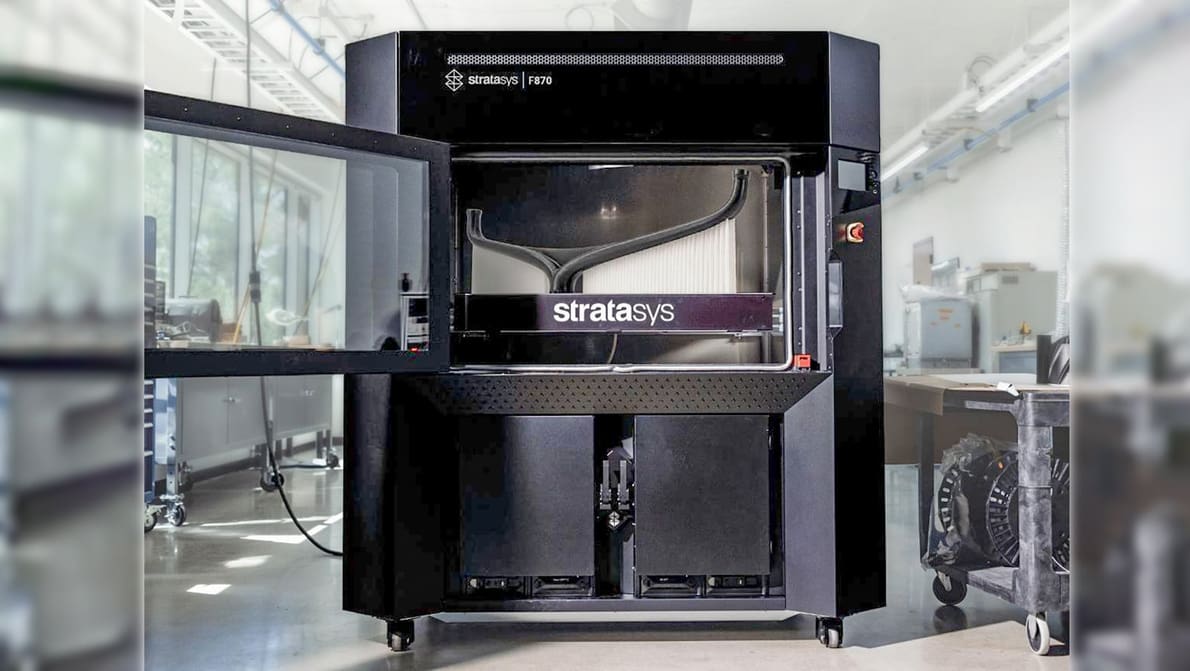
Stratasys' new F870 combines a meter-long heated build chamber, carbon-fiber material support, integrated drying, and enough filament for days-long factory tooling jobs.
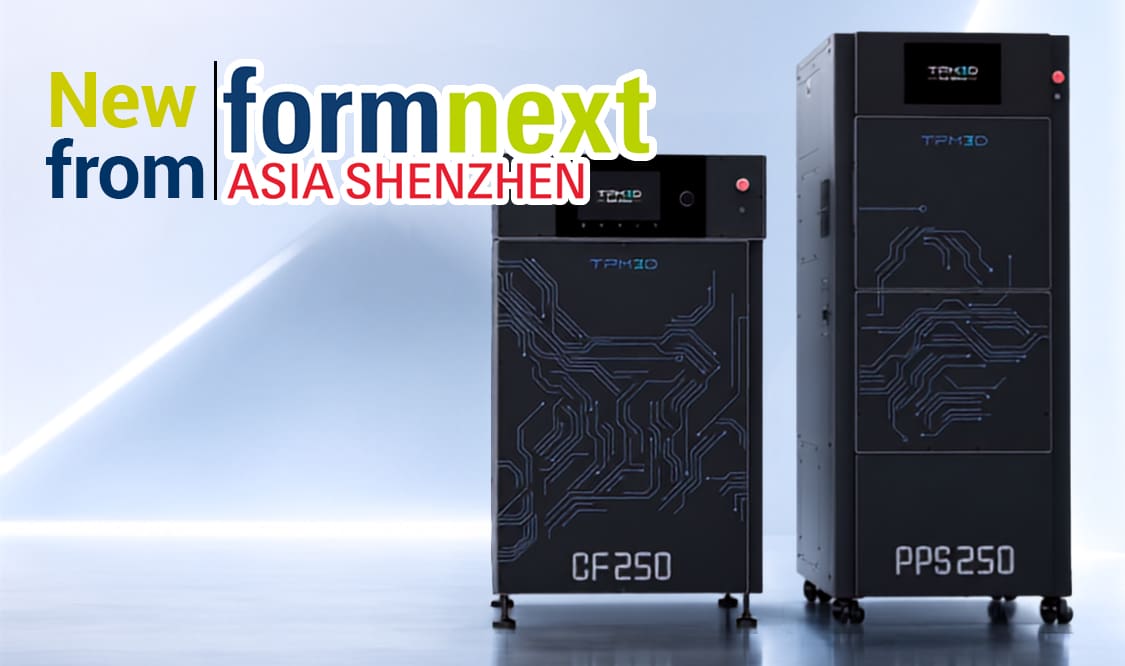
TPM3D used Formnext Asia Shenzhen to launch the CF250 and companion PPS250 powder-processing station, successors to the CF200 + PPS200 system we saw at Formnext Frankfurt in 2025. The CF250 is positioned as a compact alternative to systems like the Formlabs Fuse Fuse 1+ 30W. It now sports a larger chamber than before (250 × 250 × 320 mm) and raised productivity claims to 0.9–1.0 L/h. TPM3D has not announced pricing for the CF250 + PPS250.
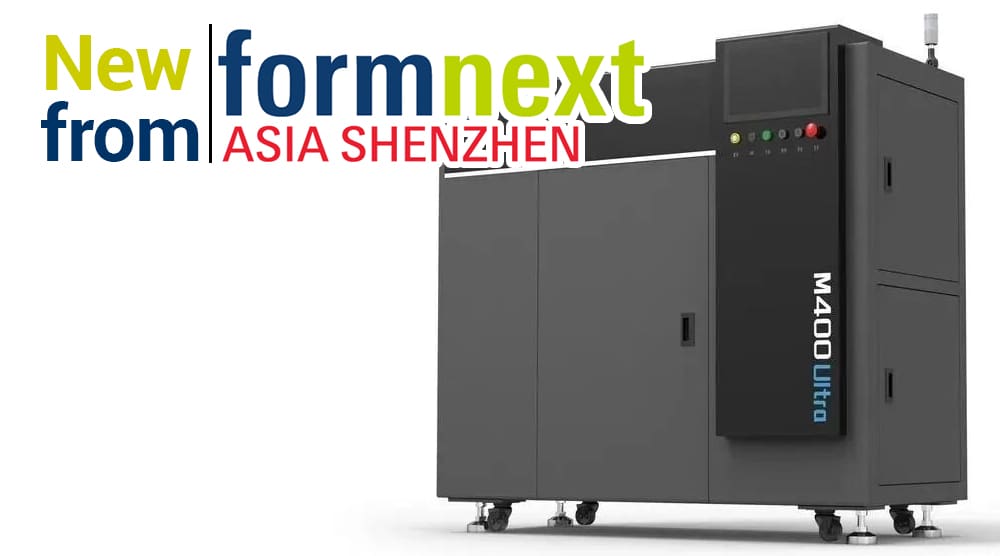
EasyMFG, a Chinese binder-jetting specialist that still sells most of its systems domestically but has recently expanded availability into Europe and North America, just launched the M400Ultra at Formnext Asia, according to Chinese 3D printing outlet Nanjixiong. The company's previous M400Pro made metal binder jetting more affordable (roughly $100K at the time) and suitable for small-batch production, while the new M400Ultra aims to make that same platform consistent enough for true serial manufacturing with a new vibrating powder-spreading system.
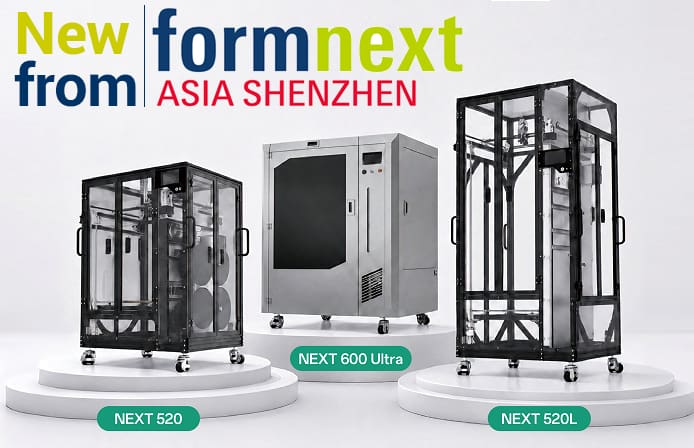
iSun3D, the hardware sister company to filament maker eSun, just unveiled the Next series of three industrial-size FDM 3D printers at Formnext Asia, designed for both elastomers (TPU, TPE, PEBA) and engineering materials, with configurations reaching build volumes of up to 520 x 520 x 1,200 mm. The move suggests iSun3D is putting its experience in specialized production into a broader industrial FDM offering, pairing hardware with eSun’s extensive materials portfolio. There is currently no indication that Next will be marketed outside China, but the shift is one worth keeping on the radar.
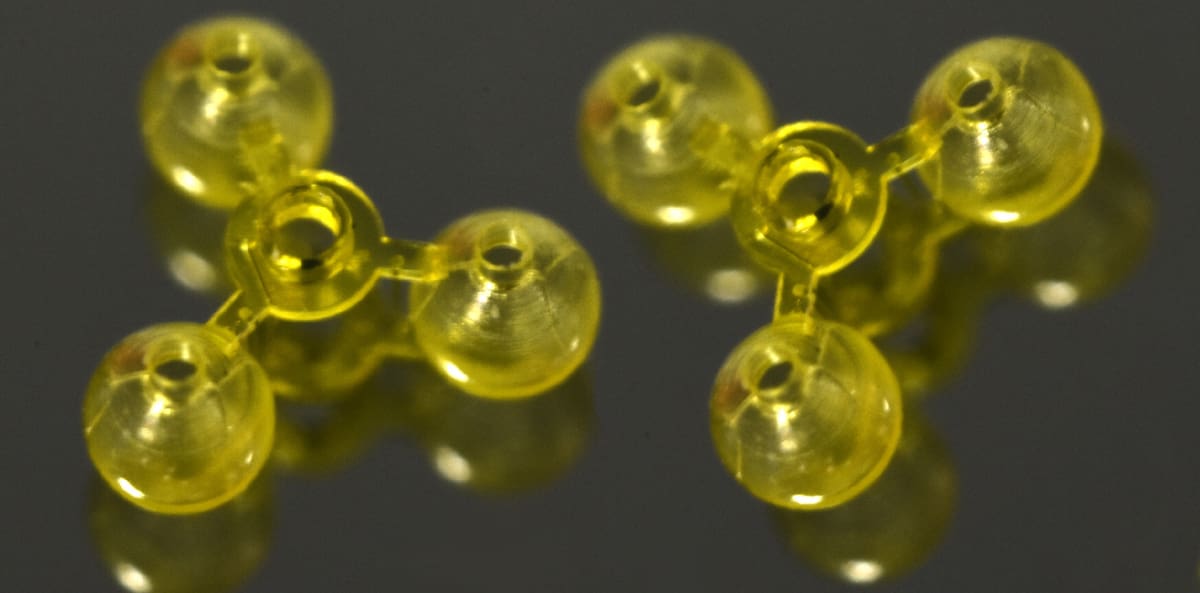
Forget batteries and motors: researchers at the MicroBioRobotic Systems lab at France's EPFL 3D printed tiny robots that fly on sound. Each microflier contains tiny air-filled cavities that work a bit like a bottle when you blow across its opening: hit it with the right frequency the trapped air starts vibrating strongly enough to thrust the robots airborne and enable researchers to steer them remotely. The robots were resin 3D printed using two-photon polymerization tech on a Nanoscribe Photonic Professional GT+.
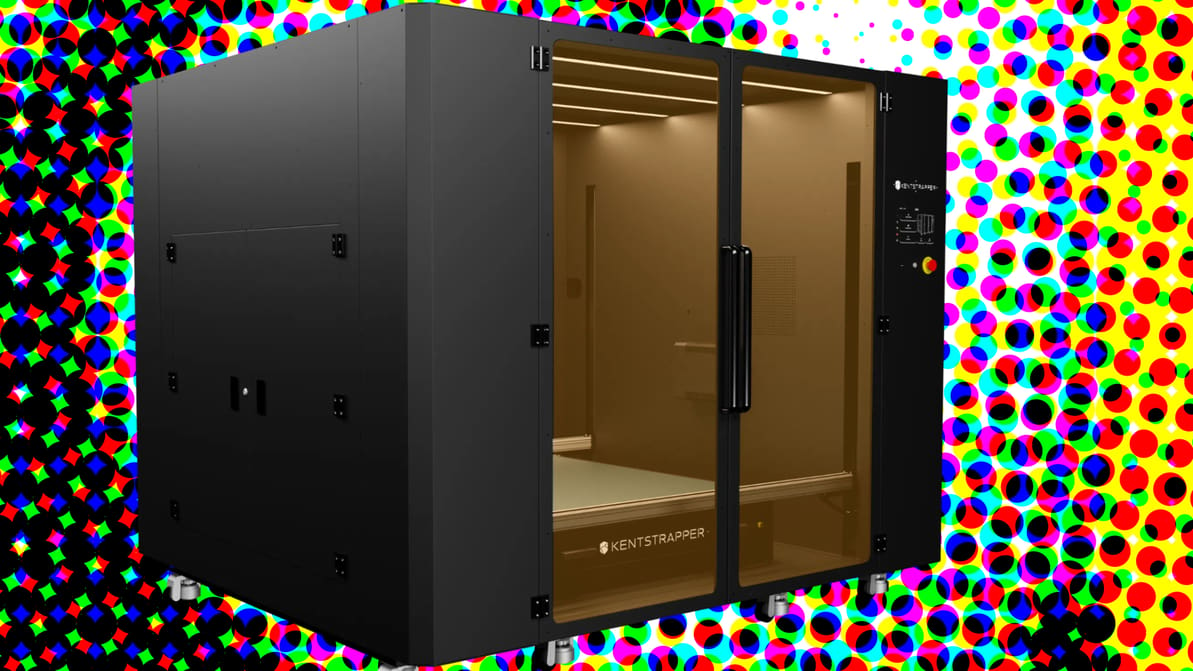
Priced from ~$46,000, this Florence-based manufacturer's new machine packs a full cubic meter of actively heated build space
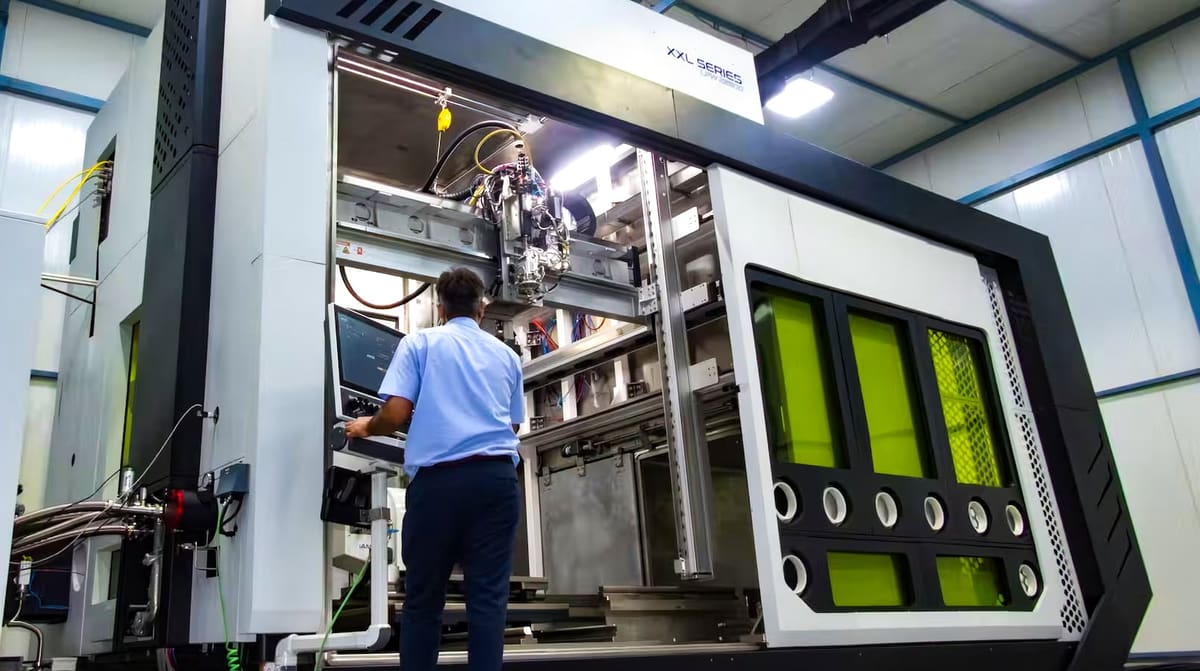
iAM3D’s enormous LPW Z2500 combines powder- and wire-fed laser DED in one machine, with a 2.5-meter-tall build envelope, 6-kW laser, and controlled argon atmosphere.
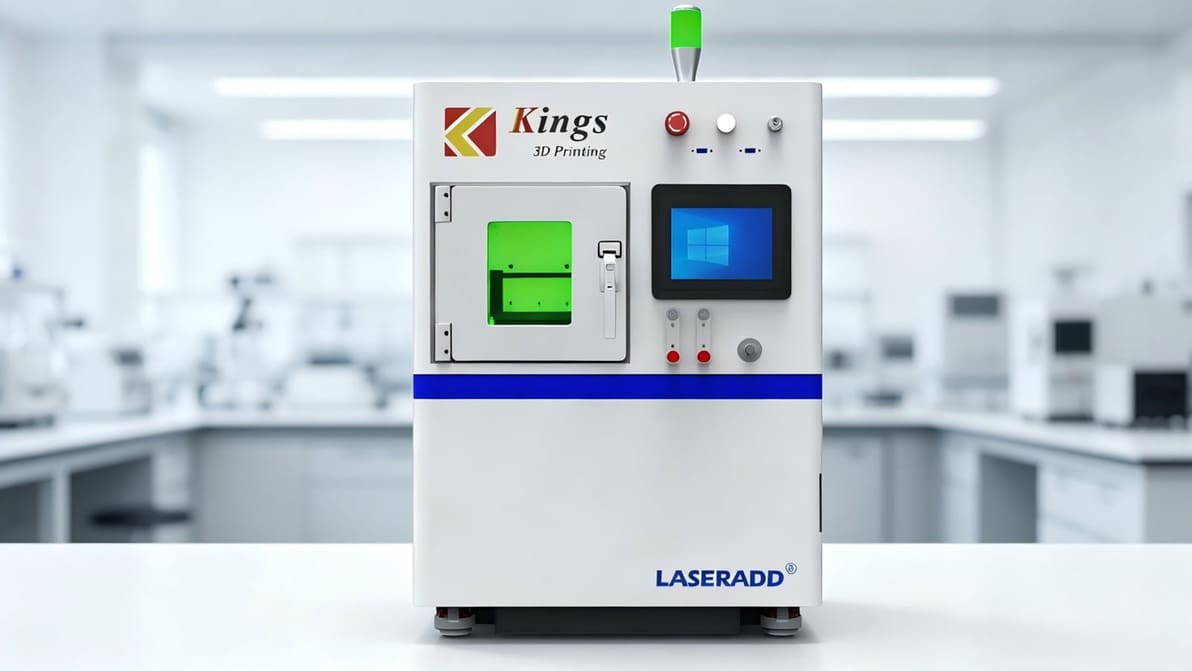
The 140-kg laser metal printer still needs 6 kW of three-phase power, reactive-metal-powder handling, inert-gas purging, and dedicated post-processing to run.
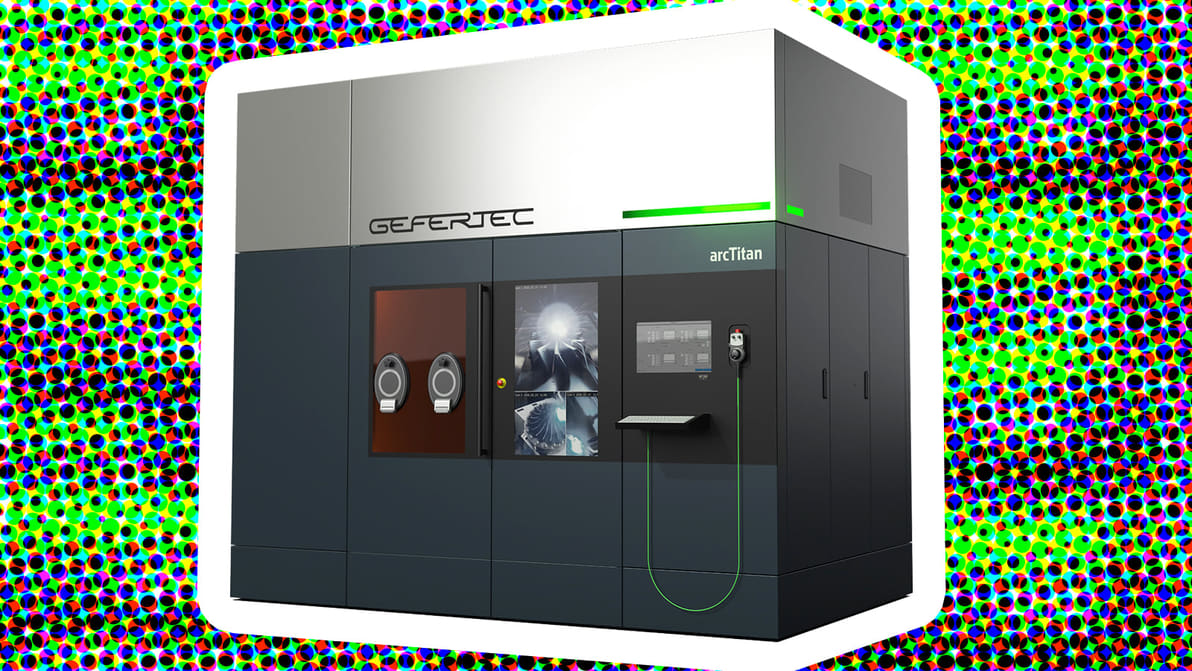
A sealed inert-gas chamber and plasma-based deposition promise more controlled titanium WAAM, although Gefertec has yet to publish material-property data, pricing, or delivery details.
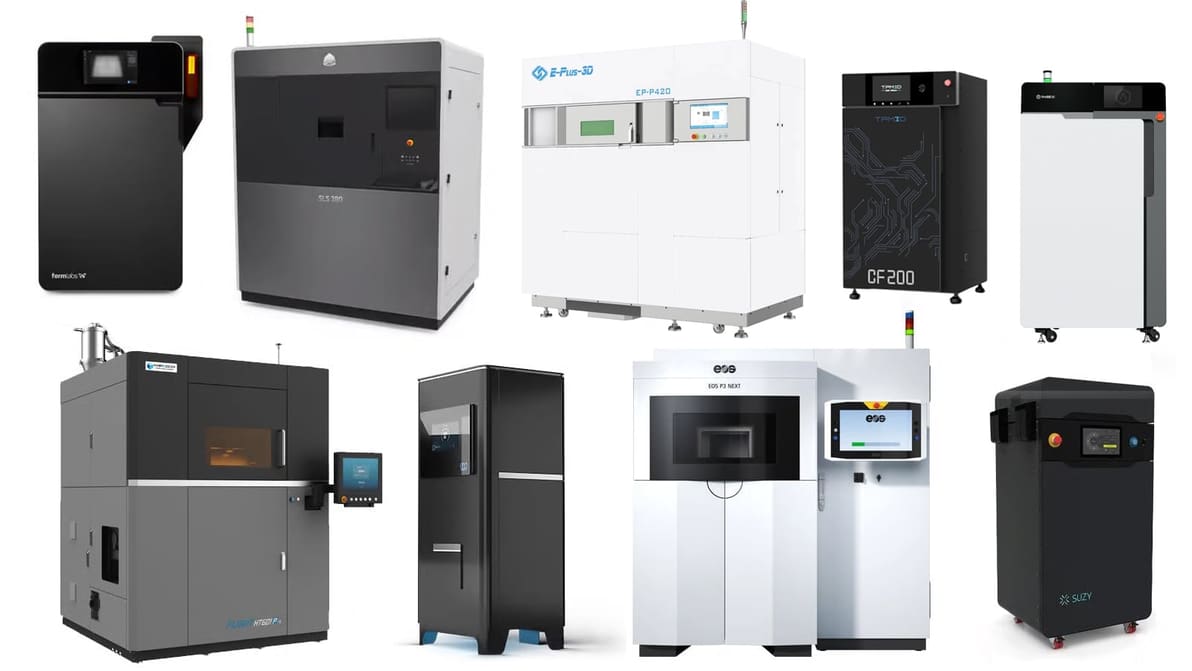
The complete updated buyer's guide to desktop and industrial SLS 3D printers. Plus, learn about SLS technology, SLS 3D printing services, applications, and materials.
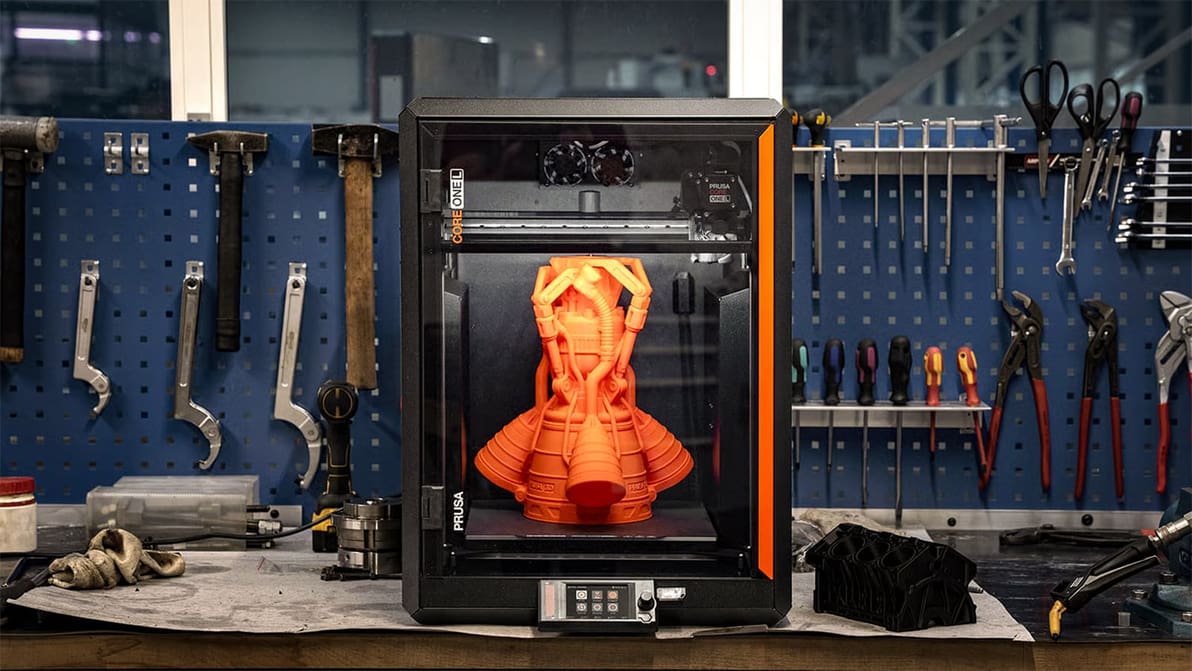
From handling warping-prone engineering polymers and continuous fiber reinforcement to enforcing strict enterprise network security, discover how each system targets a completely distinct workplace bottleneck.
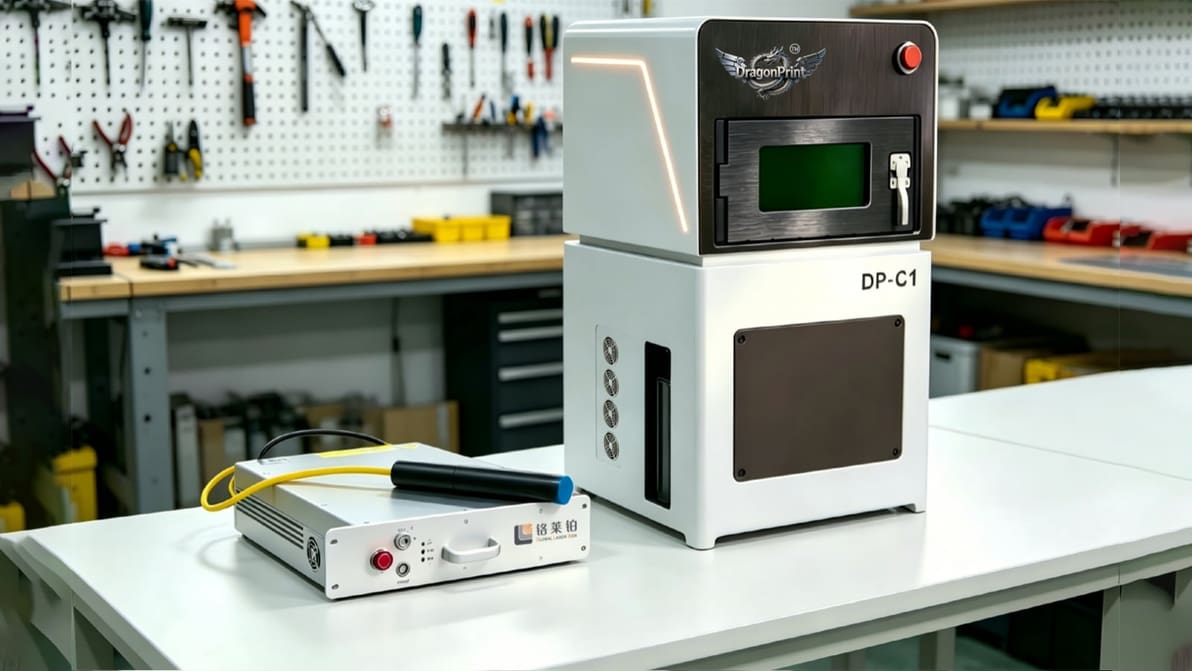
The compact laser powder bed fusion system is being hyped up as a consumer-grade, garage-friendly 'household' metal 3D printer for $4,888, but its safety remains obscured behind a wall of AI images.
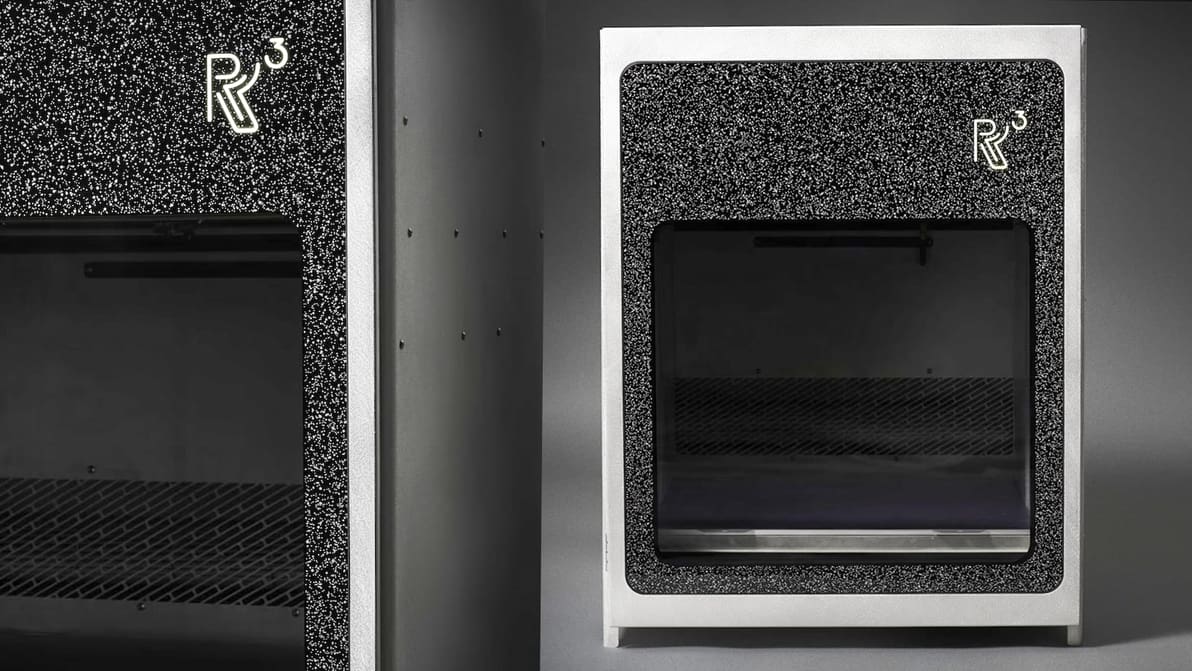
Los Angeles-based R3 Printing debuts a pair of liquid-cooled, open-material FDMs made in the USA and engineered for reliable, cloud-optional production.
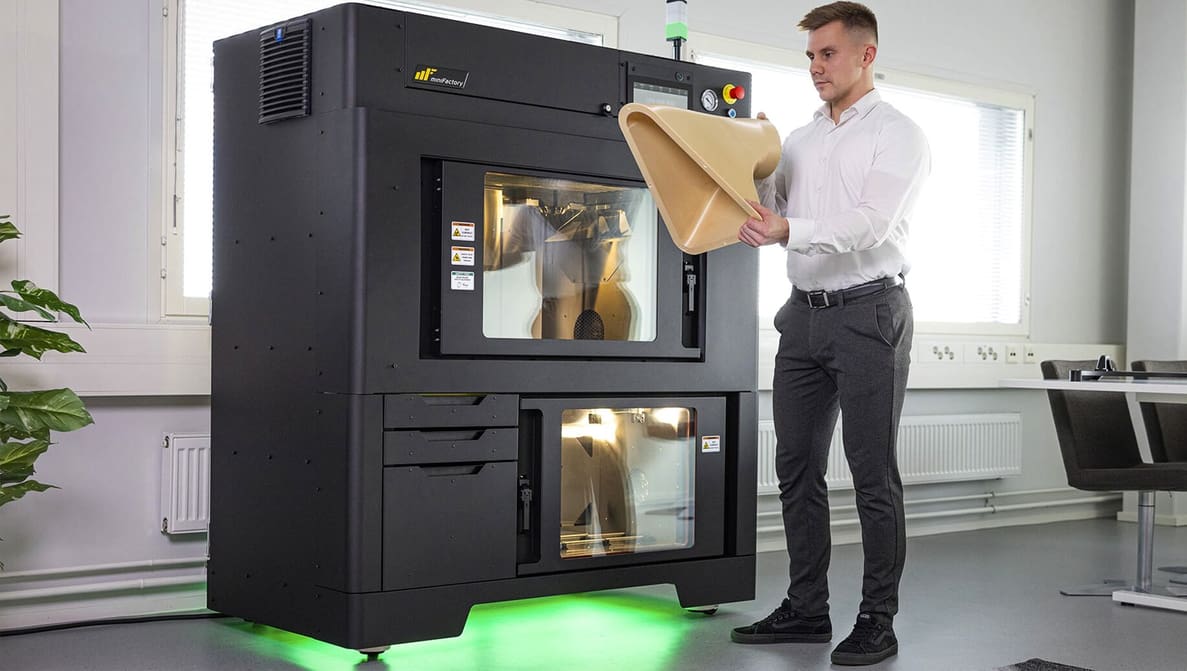
Looking to 3D print with stronger-than-metal PEEK polymer? Our updated guide covers the material and the best 3D printers for the job.
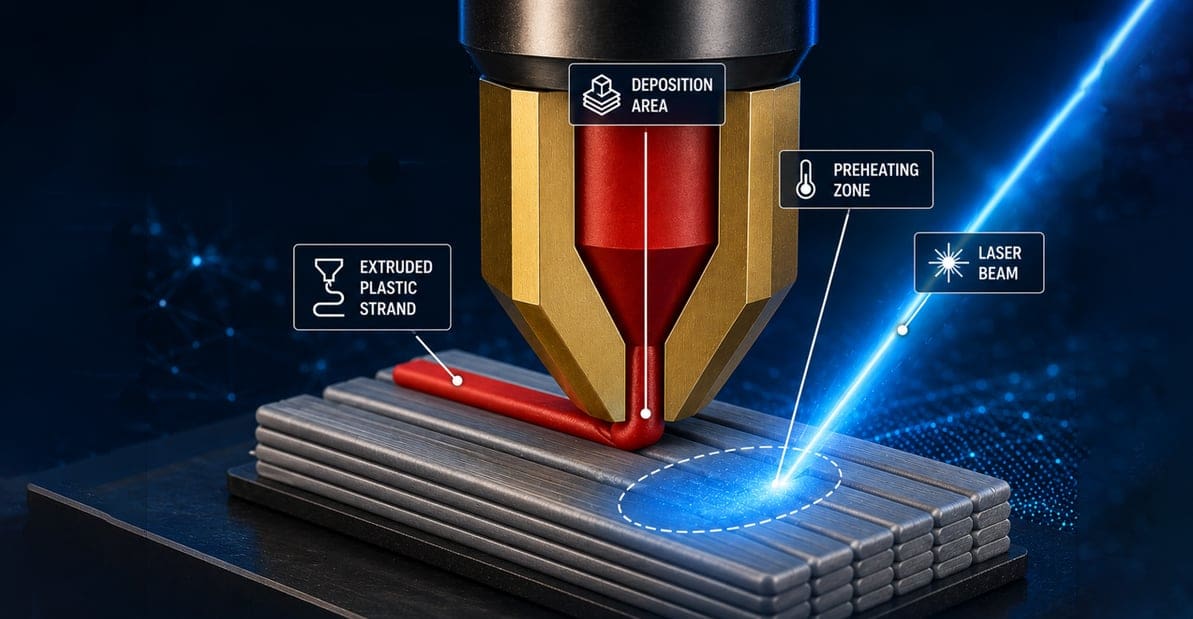
FDM’s dirty little secret is Z-strength: layers that cool too quickly before the next layer arrives making prints delaminate like a stale croissant. Researchers at Germany's OTH Regensburg want to fix that with a laser-enhanced FDM printhead that preheats the surface just before fresh filament lands. Laser-assisted FDM has been studied for years and shown to improve layer bonding, so why is it still mostly trapped in the lab? Cost, safety, and reliability may all be culprits. Still, if this approach works commercially, FDM’s Z-strength problem might finally meet its Bond villain.