Why Desktop-Size Metal 3D Printers Are Suddenly Everywhere (And Cheaper Than Ever)

Metal 3D printers are getting smaller, cheaper, and suddenly much more numerous. But how many are actually available, and can they deliver on the promise of bringing industrial metal printing to ordinary workshops?
Over the past year, a growing number of companies have unveiled compact metal 3D printers, promising to bring a technology traditionally confined to factories and specialist laboratories within reach of small businesses and even hobbyists.
With some machines priced below $5,000, these new systems take a variety of approaches, from laser powder bed fusion to metal paste extrusion. And with new launches appearing throughout 2026, the list of options continues to grow.
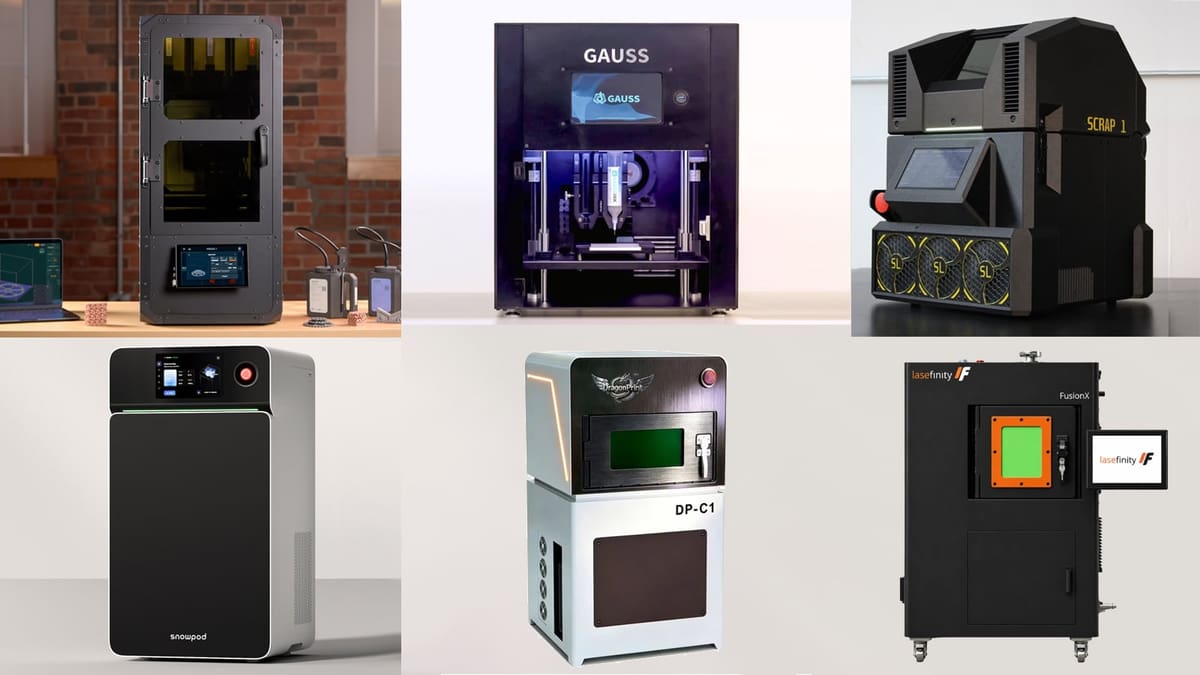
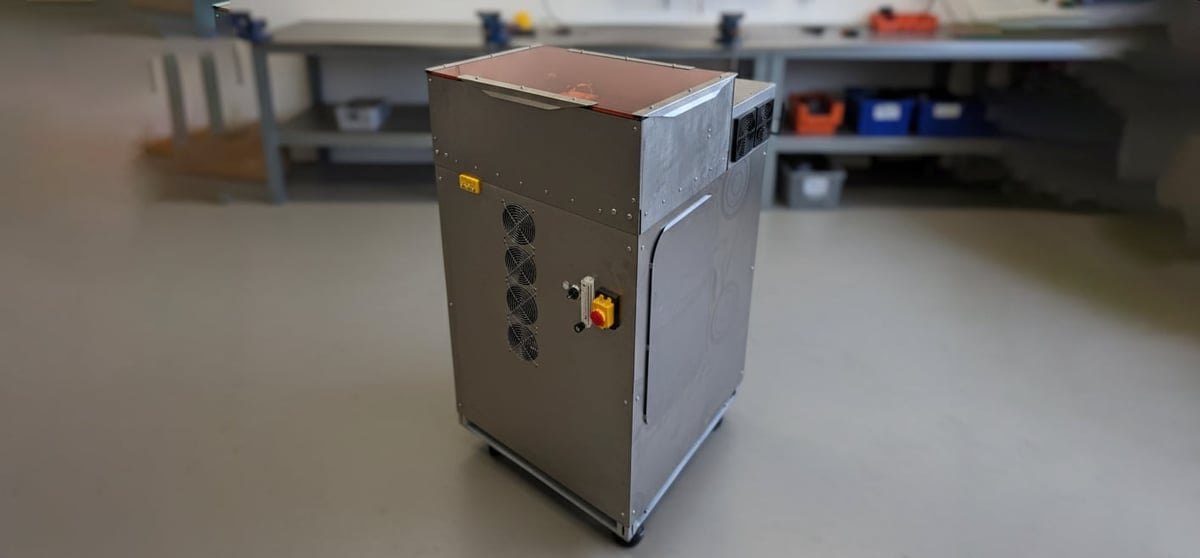
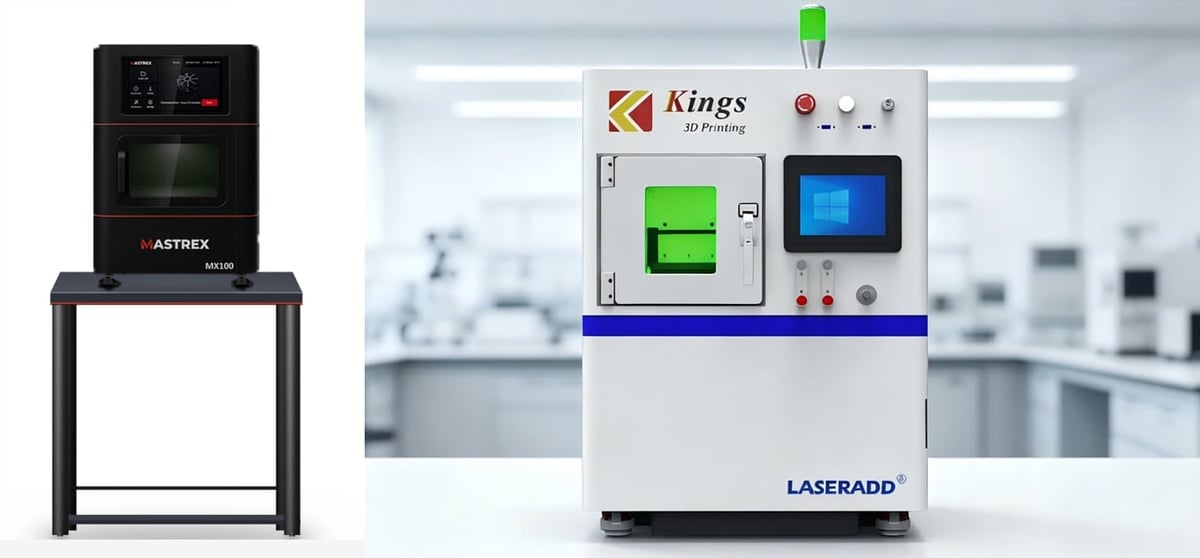
Mastrex’s MX100 arrived in early 2026, promising industrial laser powder bed fusion (LPBF) for approximately $39,000. Then Scrap Labs’ Scrap 1 made headlines with a $9,600 kit price, although that introductory offer has expired (now $14,200). That company has demonstrated prototypes, but its production launch is scheduled for June 2027.
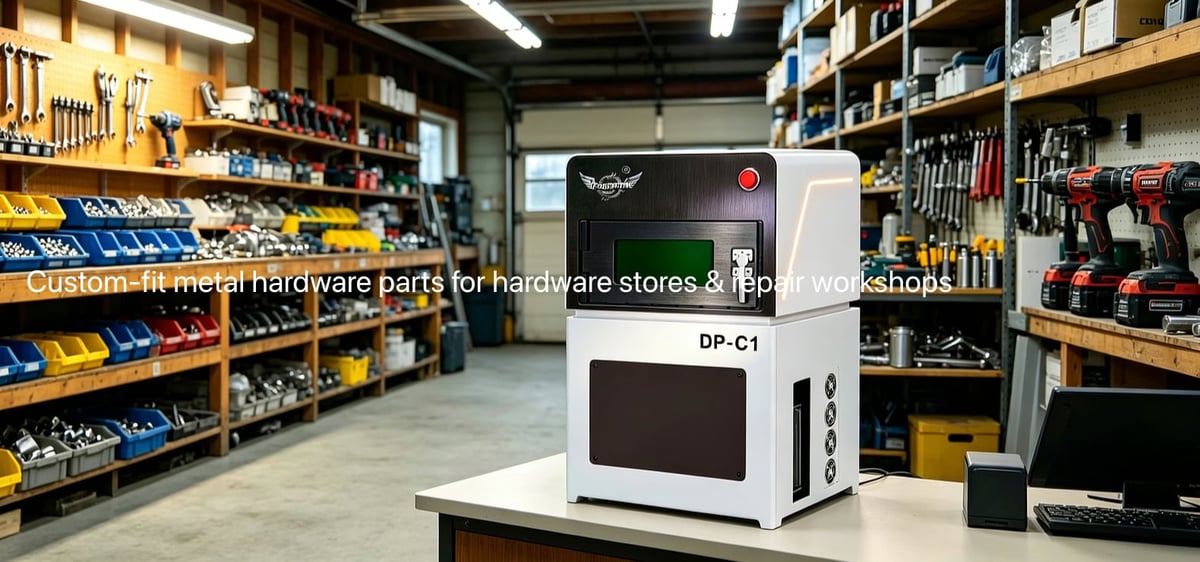
Global Laser Box’s DP-C1 makes perhaps the boldest pitch: consumer-friendly LPBF starting at $4,888. Yet conflicting specifications, AI-generated marketing imagery, and unanswered safety questions make its capabilities difficult to evaluate.
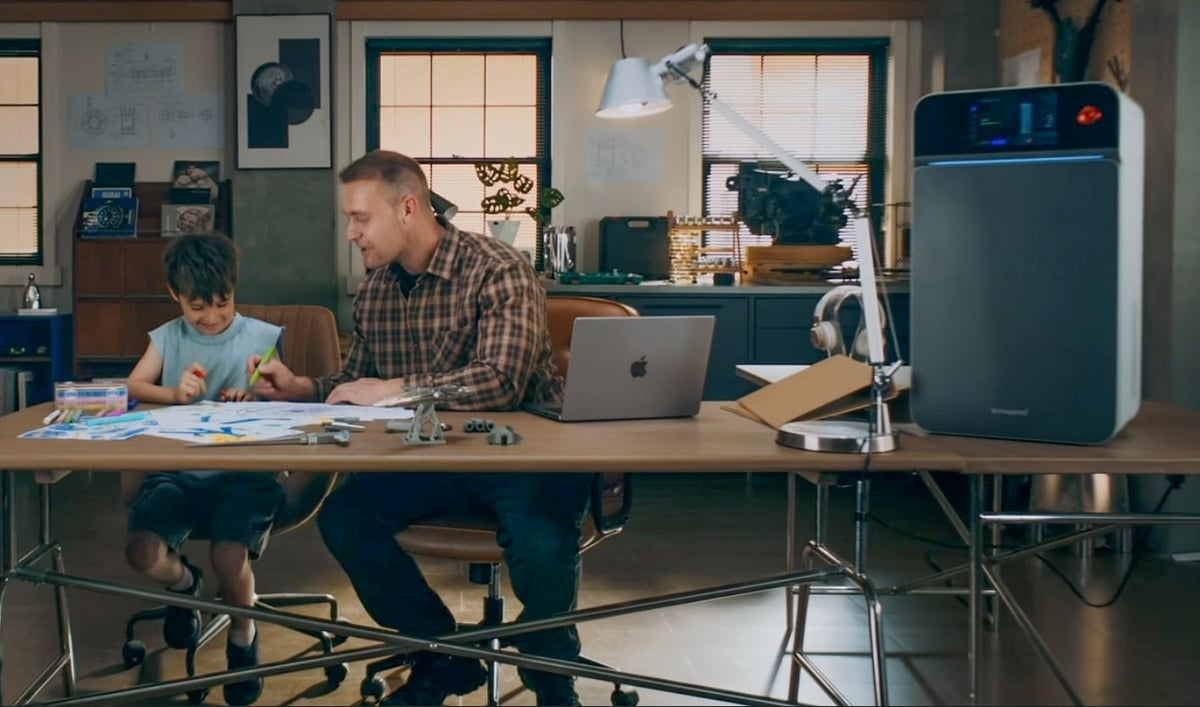
Then there’s SnowX’s SnowPod, an approximately $5,300 desktop LPBF system featuring enclosed powder cartridges, integrated powder recovery, and simplified support removal. Unlike some launches, SnowPod has been observed printing at a trade show. Still, it remains a crowdfunding proposition without a demonstrated commercial delivery record.
And Kings 3D’s DiMetal-100, launched in August, illustrates another issue entirely. Despite its compact appearance, the 140-kg machine requires three-phase power, inert gas, and industrial powder-handling precautions. Desktop-sized, evidently, doesn’t necessarily mean desktop-friendly, but, let’s not confuse dental lab printers like Kings with the ones hoping to attract workshops.
There Are More Contenders Than You Might Think
Several other recent introductions have piqued our interest.
UK startup Lasefinity launched its FusionX in June 2026. The compact LPBF system offers a 500-W laser and a 100 × 100 × 80 mm build volume, starting at £24,999 ($33K). It’s available to order through the manufacturer, although customer installations have yet to be reported. The company also offers a compact wire-fed directed energy deposition system, WireX.
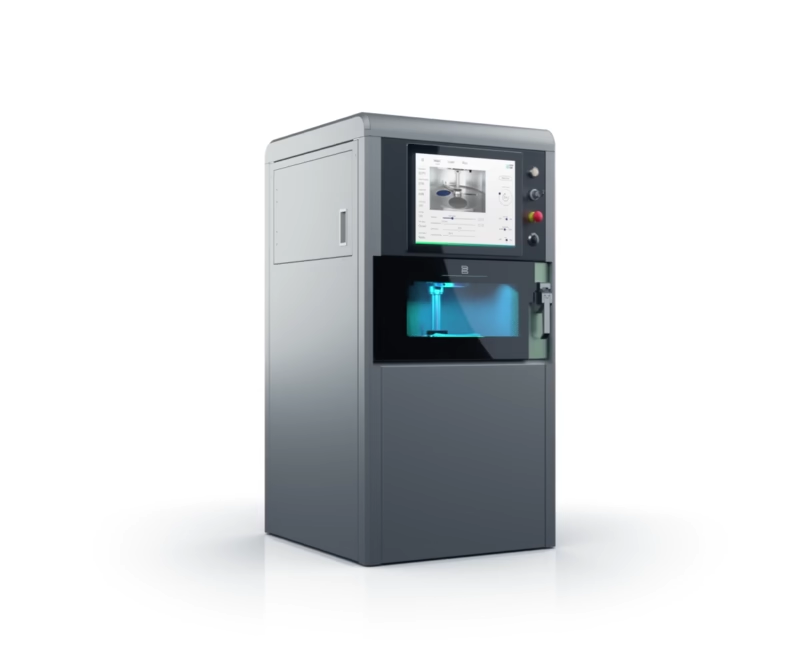
Germany’s 2onelab introduced its 2Create Desktop in February 2026. Weighing 200 kg and marketed at “mobile”, it’s hardly a casual desktop appliance, but its focus on small dental laboratories at least gives it an identifiable commercial purpose. The manufacturer already has an established metal printing business, although that alone doesn’t verify deliveries of the new model.
Perhaps the most intriguing overlooked entrant is the Netherlands-based Metal-Base. Its Kickstarter-funded Metal 1.0 uses a 60-W blue diode laser rather than the more conventional high-power fiber lasers, with prices starting at €9,000 ($9,950) for a partly assembled LPBF system. Metal-Base says it has deployed five beta machines and has published results from externally conducted tensile tests.
Then there’s the rather exciting Studio 3e8’s Mesa 1 that uses a cartridge-fed process with an integrated furnace to sinter parts without transferring them to separate equipment. Its planned Kickstarter price starts at only $3,500 for a kit. Similarly there Ohsung System’s Gauss MT90, introduced at CES 2026. It also avoids loose-powder LPBF by extruding proprietary metal paste and also requires subsequent furnace sintering.
These approaches won’t necessarily match LPBF in every application, but they illustrate how manufacturers are tackling different parts of the accessibility problem.
Why Now?
The opportunity may seem straightforward: industrial metal 3D printing has historically required too much money, floor space, and specialized infrastructure for many potential users. And certainly not everyone needs a large production machine. But isn’t that what 3D printing services are for?
Small metal 3D printers do make perfect sense for dental labs and university research labs, plus maybe jewelry makers, engineering departments, and small machine shops looking to produce relatively small parts or prototypes fast. A compact build chamber can reduce machine cost and material requirements without necessarily sacrificing the capabilities these users need.
But there’s a catch to nearly every promise of affordable metal printing. Even a small LPBF machine can require inert gas, ventilation, powder-handling equipment, filtration, safety precautions, and trained operators. Finished parts may need depowdering, cutting from the build plate, support removal, heat treatment, or machining. These costs don’t disappear when the machine gets smaller.
And metal powder presents hazards that an enclosed cartridge or a filtration system cannot automatically or fully eliminate, particularly during servicing, cleaning, or accidental spills.
The actual comparison is therefore not simply a $5,000 desktop machine versus a $200,000 industrial printer. It’s the complete cost of producing a reliable, finished metal part. For small manufacturers, that includes labor, consumables, failed builds, maintenance, and post-processing.
Perhaps the most important distinction in this emerging market is between a machine that can print metal and one that can reliably manufacture metal parts, even prototypes. But we’re getting ahead of ourselves. We’re now at the Kickstarter stage for most of these machines and we may never get to independently tested parts, documented safety requirements, complete operating costs, and, above all, customers successfully using the machines.
There will undoubtedly be some exceptions to this assumption, and some newcomers are beginning to move toward that evidence. Others, however, have barely moved beyond promotional promises.
The surge in compact metal printers is nevertheless significant. Manufacturers are questioning whether industrial LPBF needs to be as expensive, complicated, and infrastructure-intensive as it has traditionally been. And they’re targeting a potentially valuable market between large production systems and the thousands of smaller workshops, laboratories, and designers that currently outsource their metal parts.
Making a metal 3D printer smaller is increasingly possible. Making the entire process affordable, safe, and practical is the real challenge.
You Might Also Like:

License: The text of "Why Desktop-Size Metal 3D Printers Are Suddenly Everywhere (And Cheaper Than Ever)" by All3DP Pro is licensed under a Creative Commons Attribution 4.0 International License.