Hardware & Services
Featured
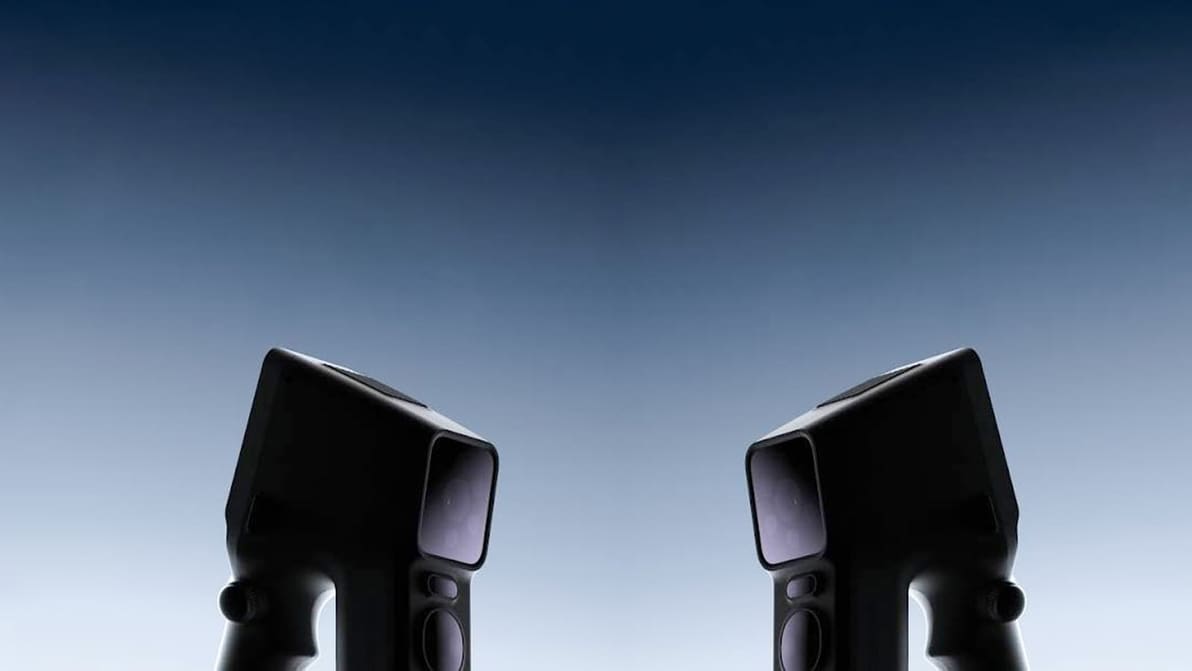
The 3D printing giant is entering the 3D scanning market. Could a simpler scan-to-print workflow be next?
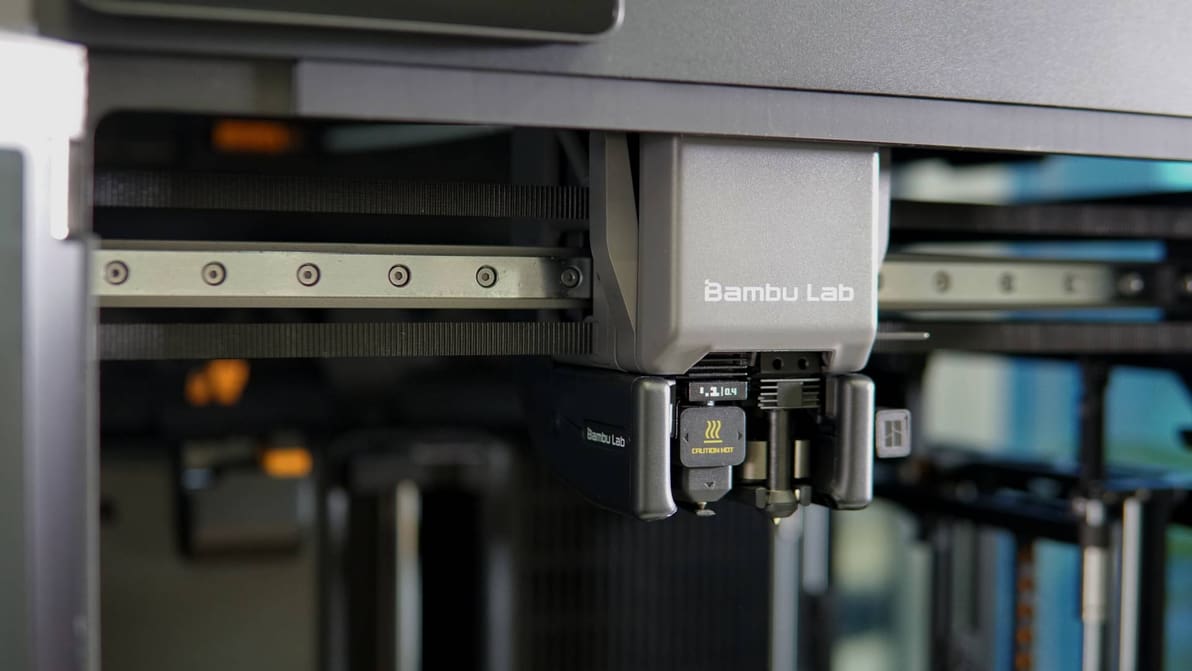
From budget-friendly single-nozzle systems to high-end toolchangers, here are the best multi-extrusion 3D printers for 2026 across five distinct categories.
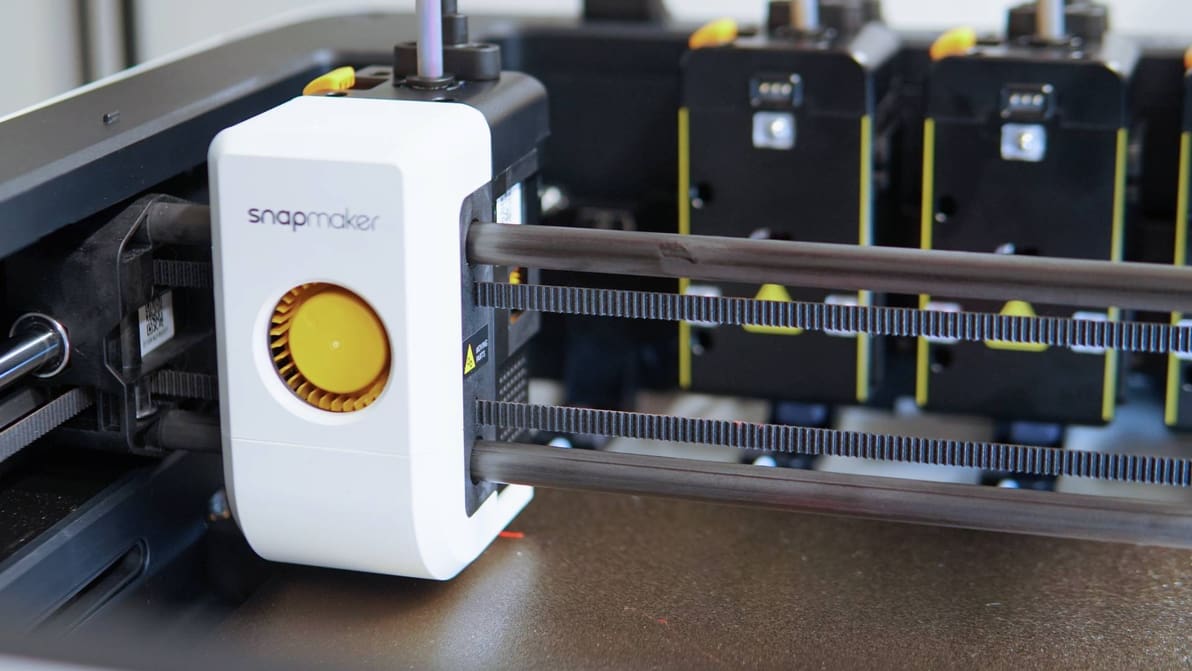
Stop looking and start printing: we’ve reviewed and picked the best 3D printers across many categories to help you find the best tech for your needs.
Latest
Some 66 projects community-built products and projects made it into Snapmaker's first consideration round for funding, with 20 selected for cash rewards.
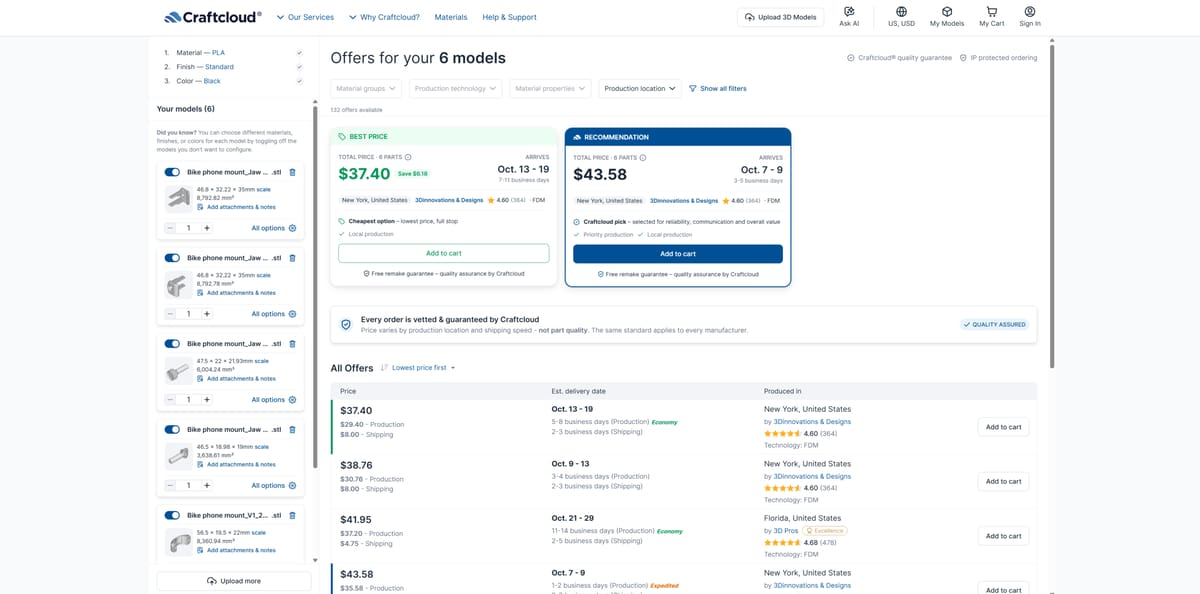
From one-offs to small batches, these online services print your parts for less. Here’s how to weigh price against shipping and lead time.
The 3D printing giant is entering the 3D scanning market. Could a simpler scan-to-print workflow be next?
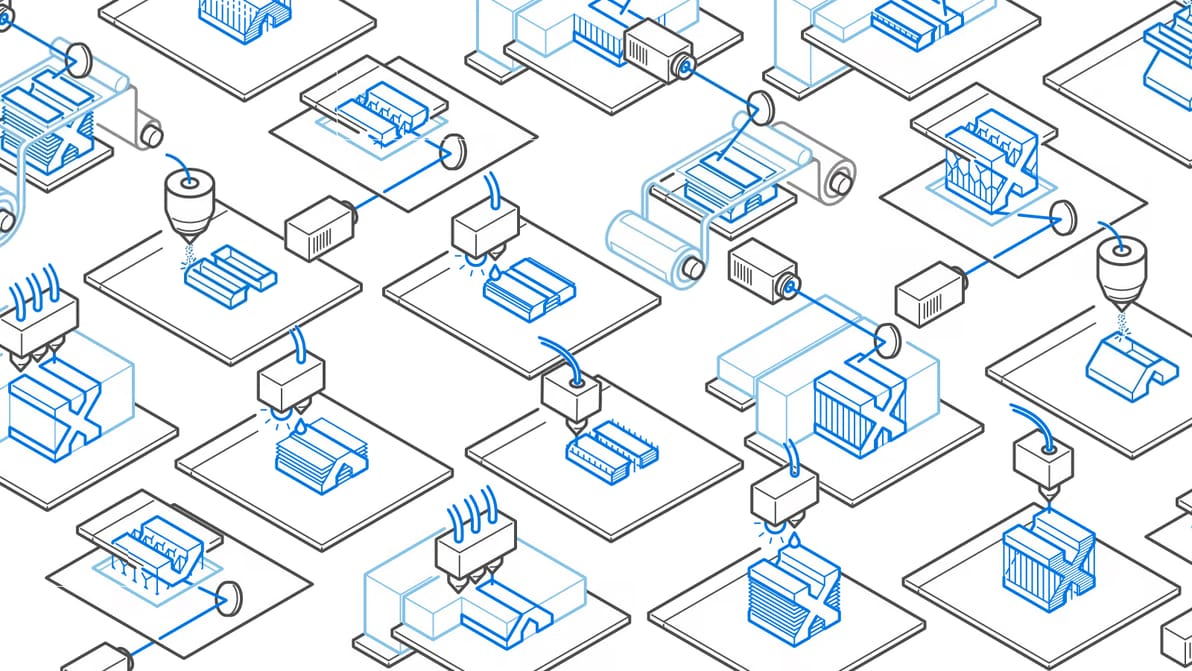
Learn the seven main types and more than 20 subtypes of 3D printer technology, including FDM, SLS, MJF, SLA, SLM, and many more methods of additive manufacturing.
All3DP Senior Editor Matt pits the Snapmaker U1, Flashforge Creator 5, Bambu Lab H2C, Prusa XL, and Prusa CORE One+ Gen2 with INDX against each other to find out which prints fastest, wastes the least filament, and which machine deserves your money. His full comparison review coming soon to All3DP. And before you comment on our lab: We've just moved into a new office. We're working on it. Don't judge.
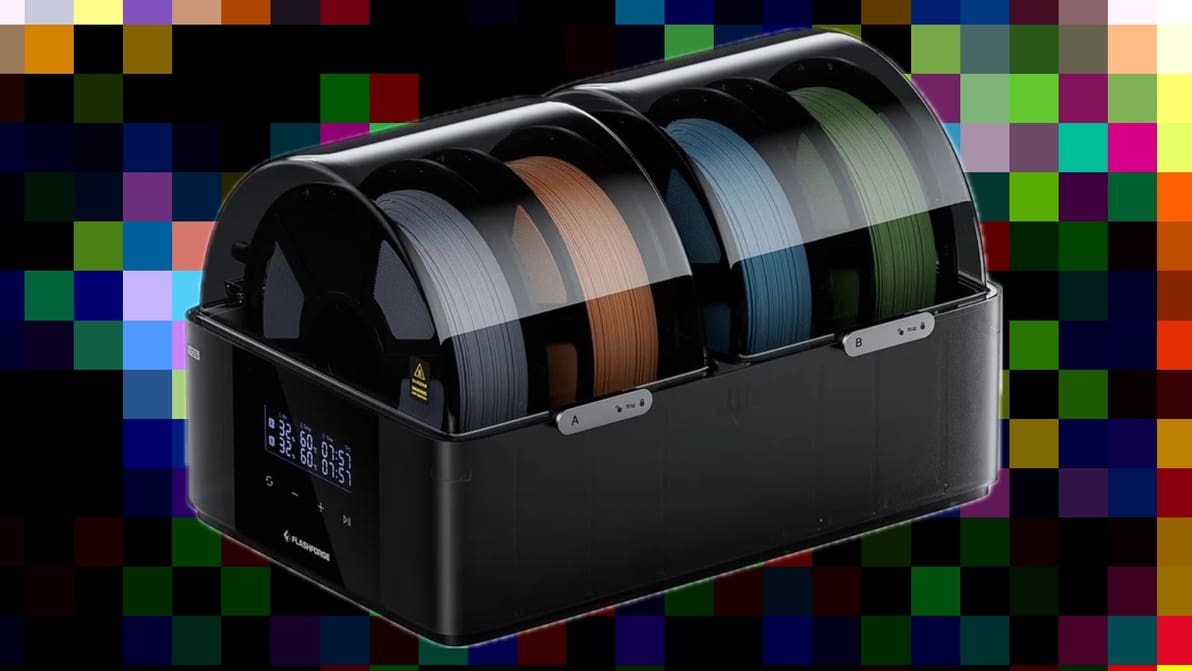
Flashforge's VDS dries up to four spools across two independently controlled chambers, with Creator 5 integration as its main selling point. Shipping starts Oct. 20.
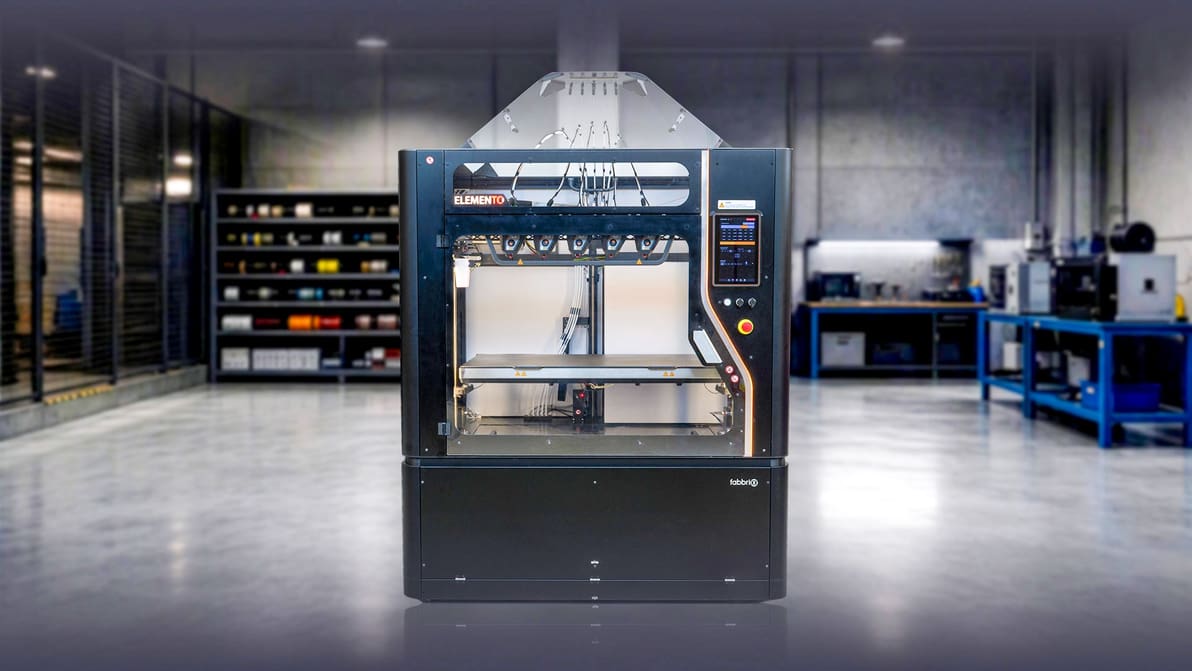
Five independent print heads, a 1.1-meter-wide build area, and support for both 1.75- and 2.85-mm filament put Fabbrix’s latest Elemento firmly at the industrial end of the toolchanger spectrum.
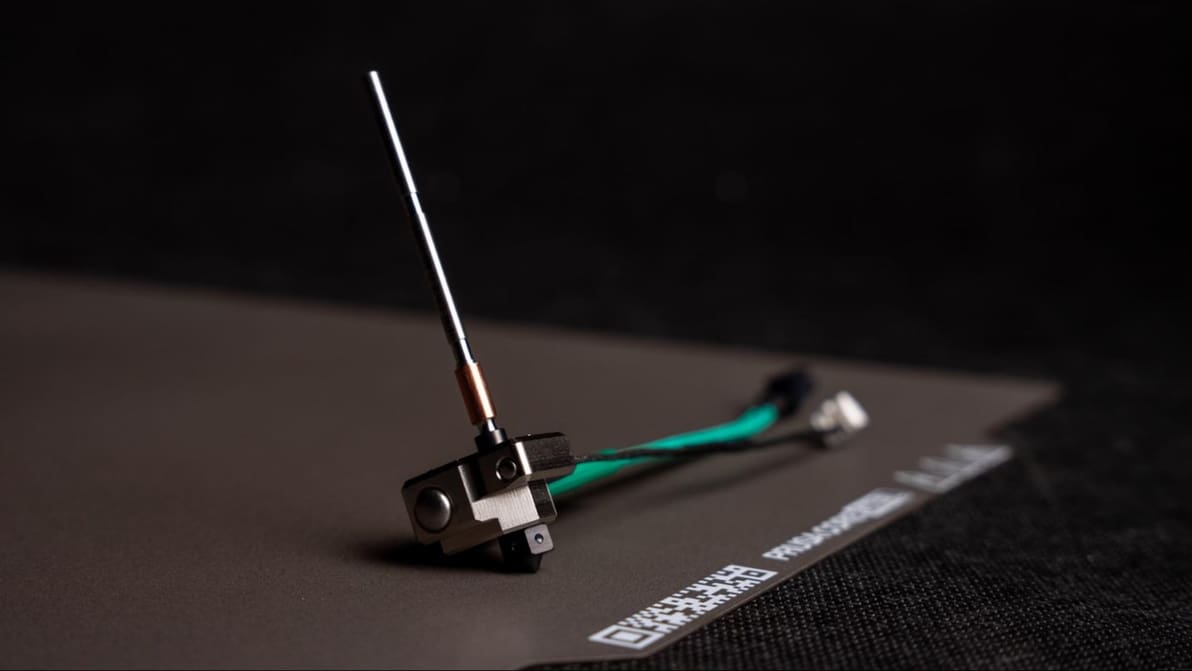
The Prusa HT hot end is now available as a drop-in replacement for all stock Core One 3D printers, with the only exception is INDX-equipped machines (for the obvious reason that they don't use the Nextruder hot end.)
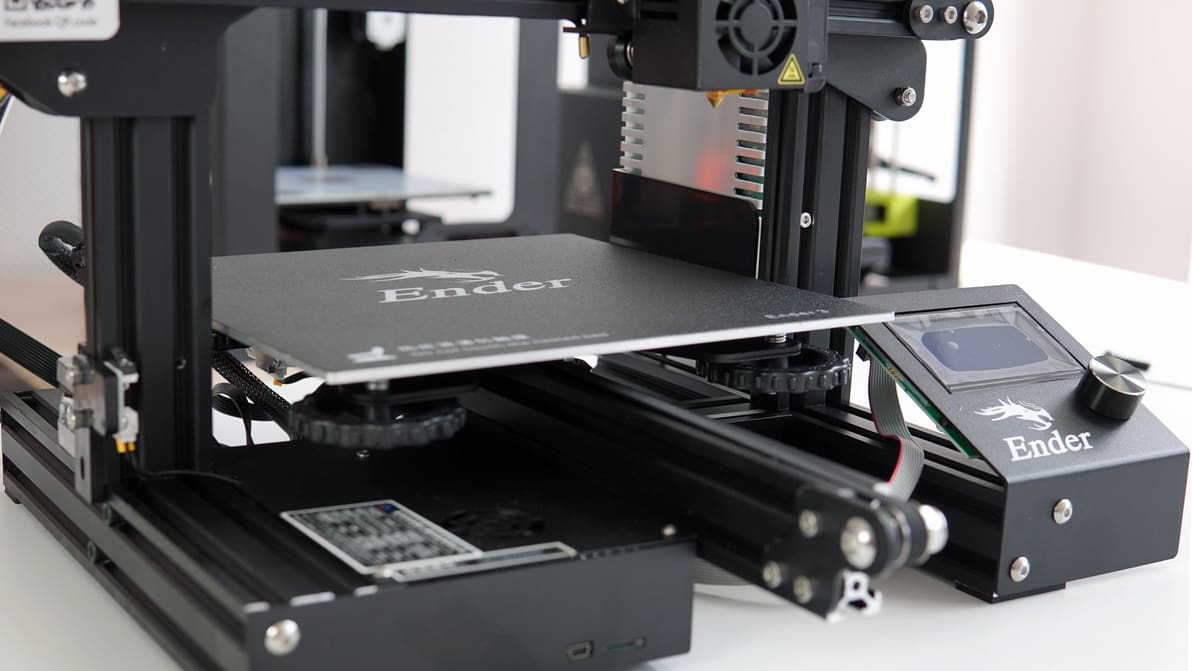
The older Creality Ender 3 series (V2, Max, Pro, and Neo) are still solid machines, and upgrading it is well worth the effort. Here are our recommendations.
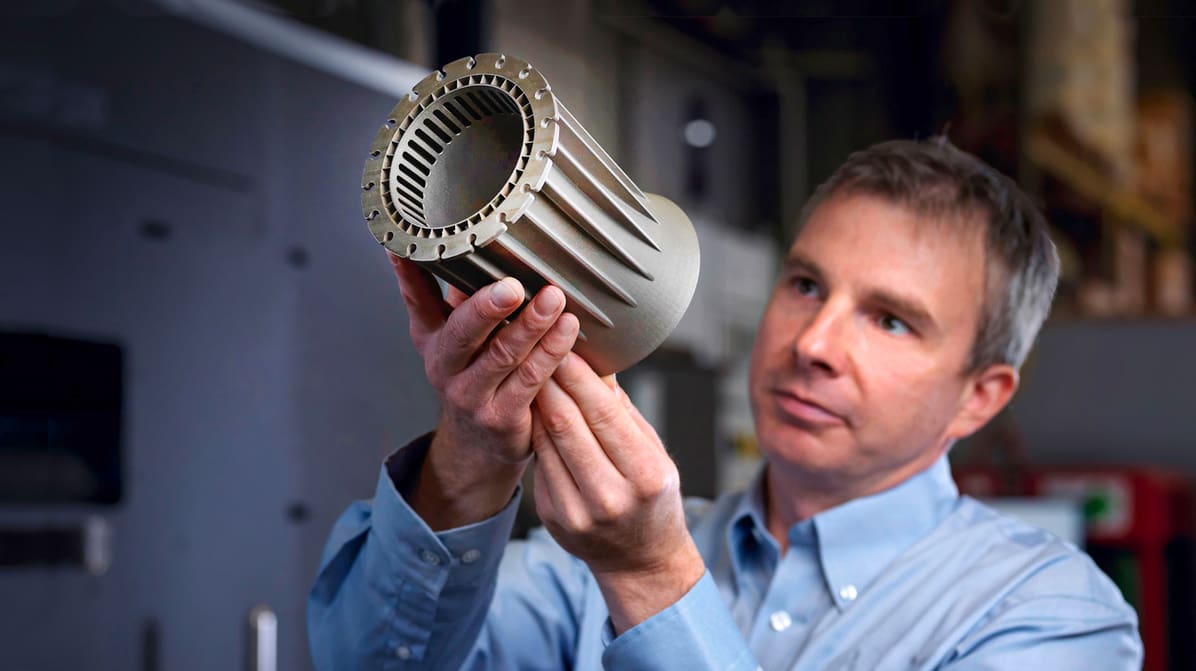
Our updated guide to top metal 3D printing services to help you order everything from stainless steel tools to gold jewelry to copper heatsinks.
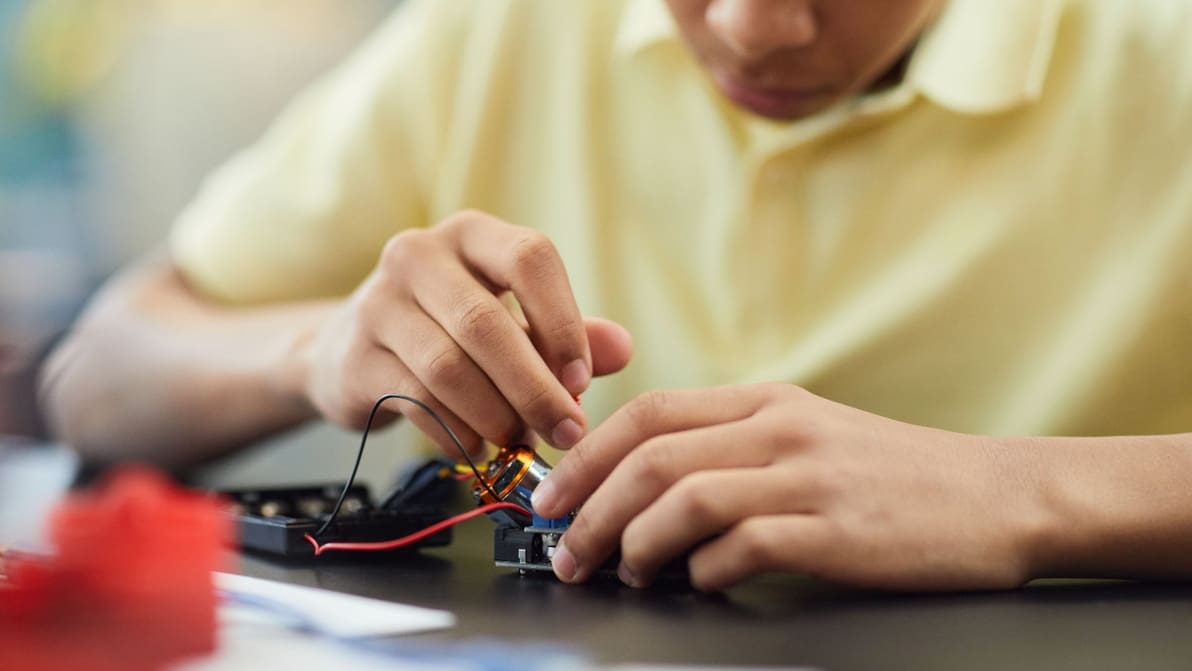
Students can claim up to $200 per project, and schools up to $2,000 per purchase, provided you run the gauntlet of an application review and don't mind a mandatory PCBWay logo on your PCBs.
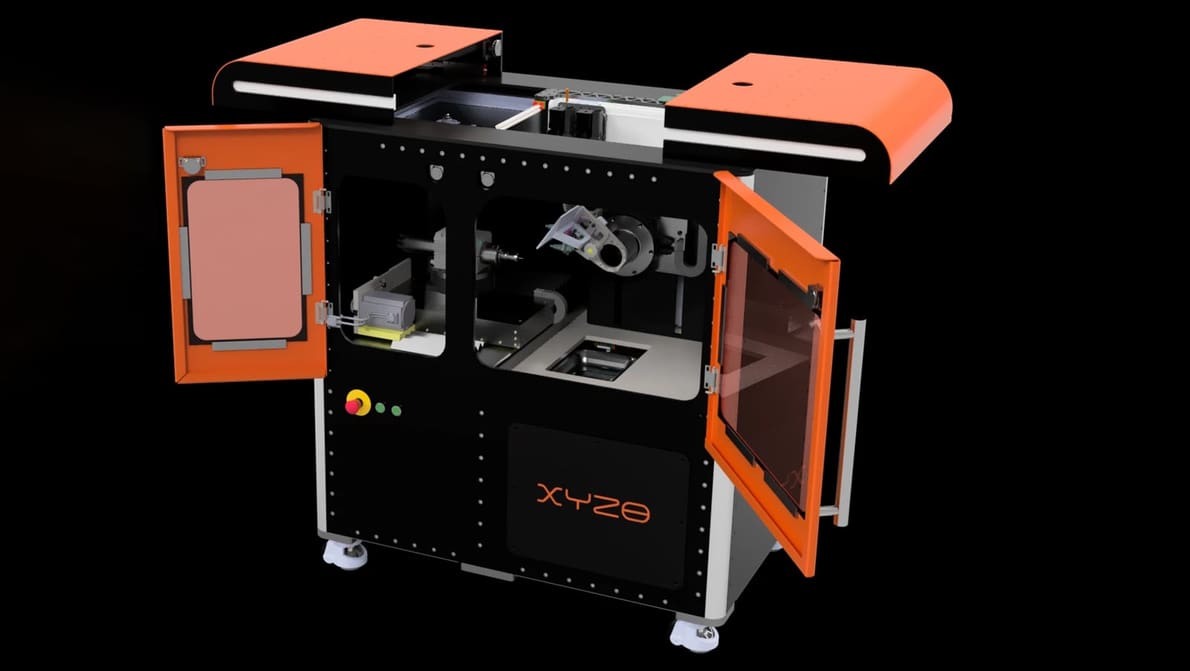
UK startup XYZO has revealed an ambitious modular manufacturing platform that wants to print, machine, cure, clean, and inspect parts without them ever leaving the machine.
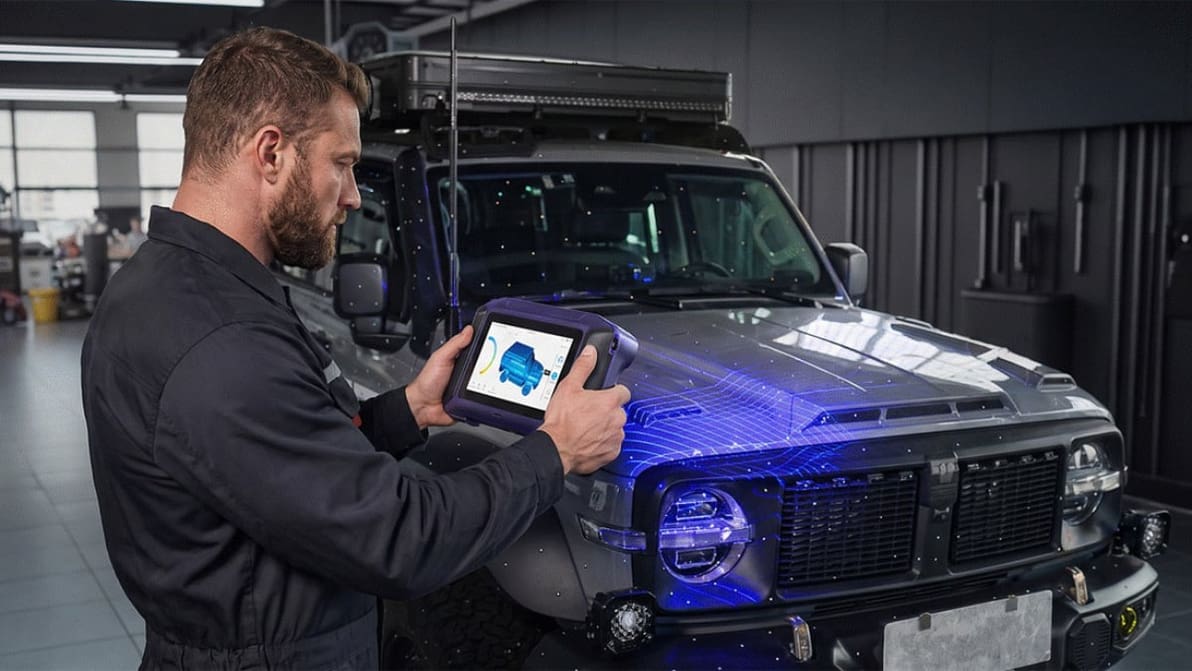
Creality is launching the Sermoon P1S today, a standalone blue-laser and NIR 3D scanner that joins March's Sermoon P1 at the forefront of Creality's pro-focused, but not expert difficulty handheld scanners.

The R1 cuts wood, acrylic, leather, fabric, and paper, plus engraves on glass and stone.
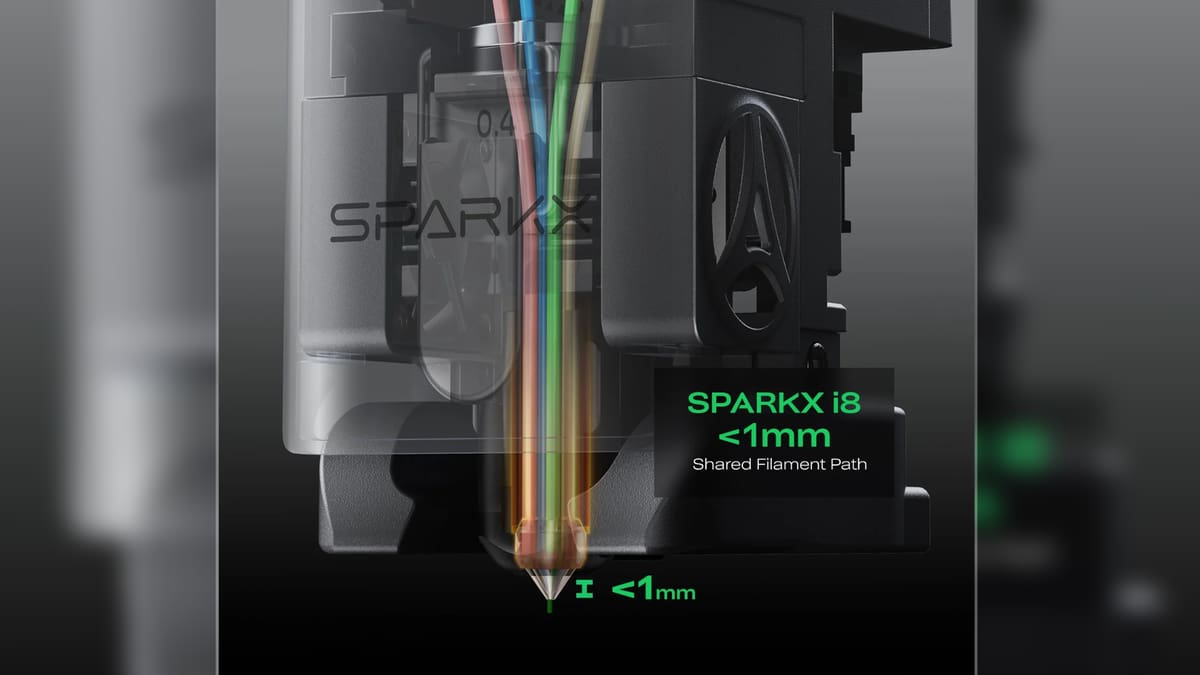
The printer uses a creative four-channel nozzle and switching extruder Creality calls QuarTeks to cut print waste on multi-filament prints. The printer circumvents the filament cut'n'purge other single-nozzle printers use by having each of the filaments primed inside the nozzle in its own discrete channel. Creality claims there's zero purge during printing. See for yourself over on Indiegogo, where a limited early-bird discount has the i8 available from $289.
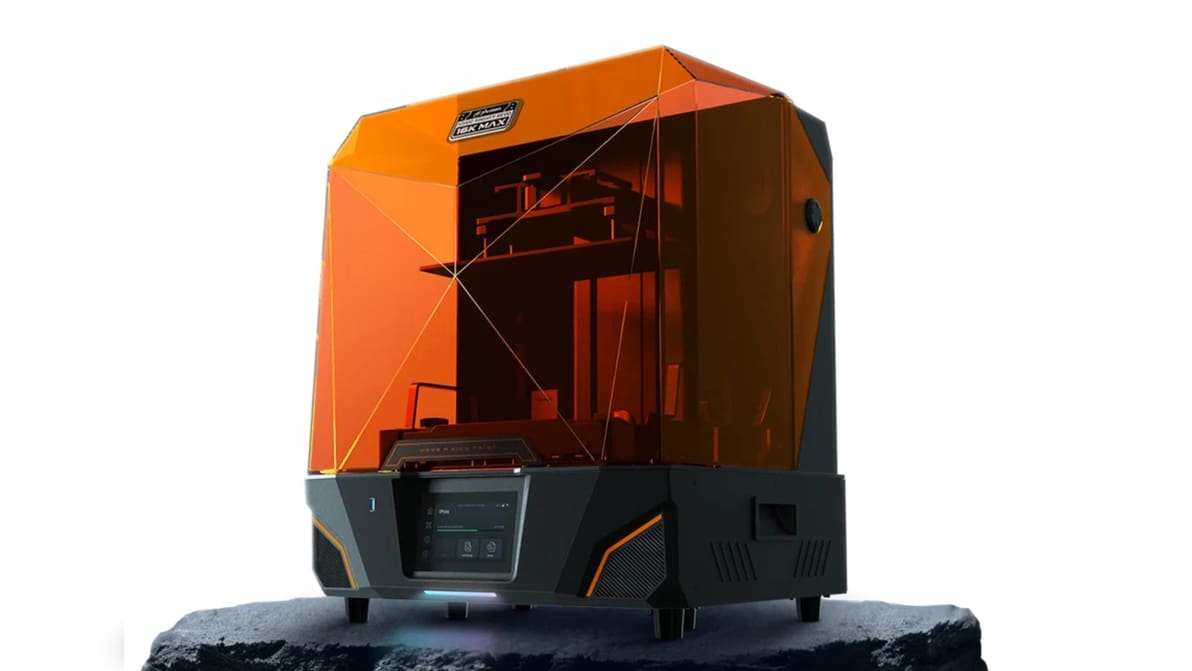
Phrozen supersizes its Mighty Revo resin printer with almost twice the build-plate area and a 2-liter vat, with pre-orders opening September 22.
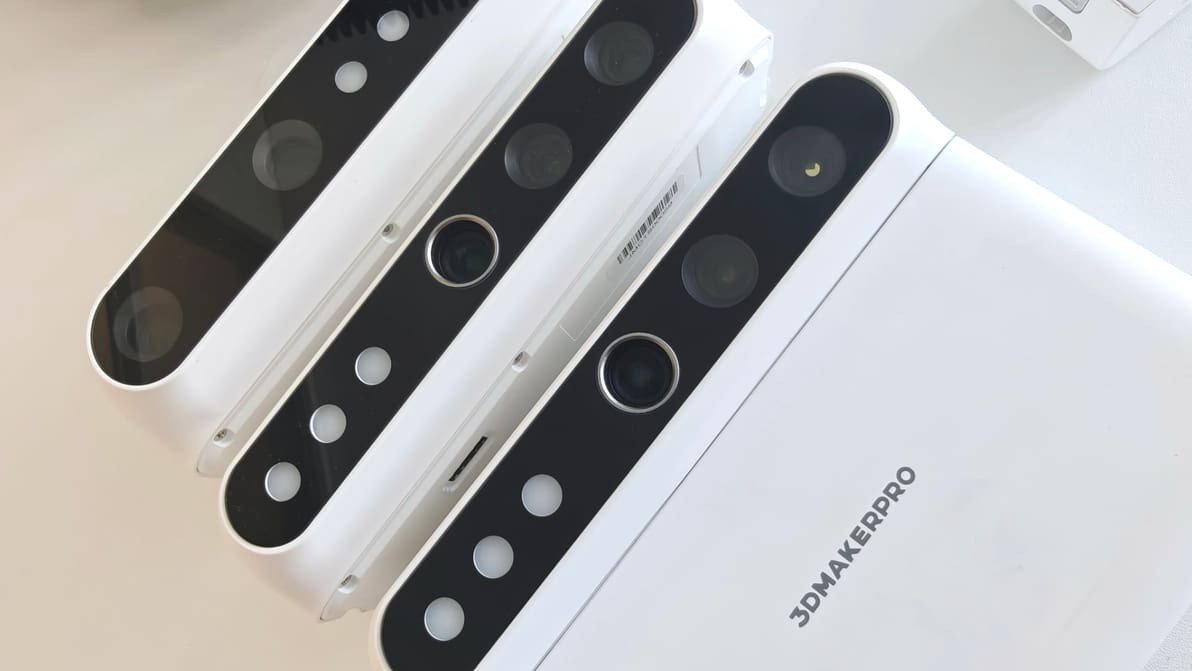
The Turtle is a versatile modular scanner that handles everyday conditions better than most. Swappable cameras for different tasks are handled well, though the company’s software frustrates at times, marring what would otherwise be a stellar scanner.
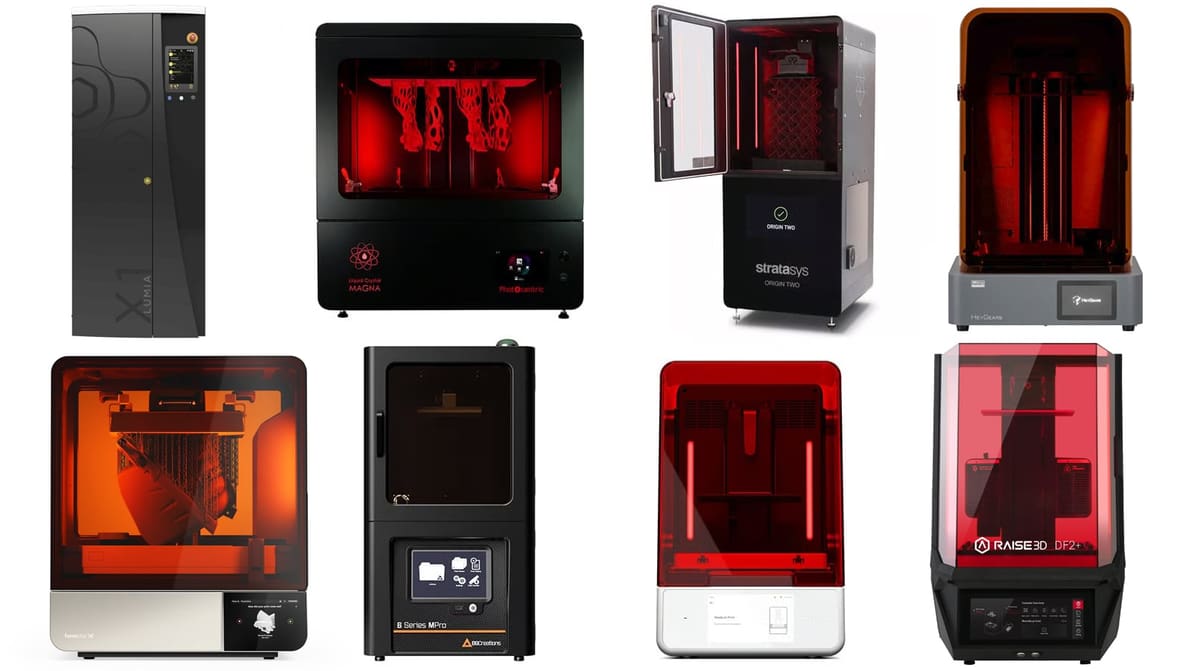
Expand your capabilities with systems designed for certified engineering-grade resins and specialized manufacturing applications.
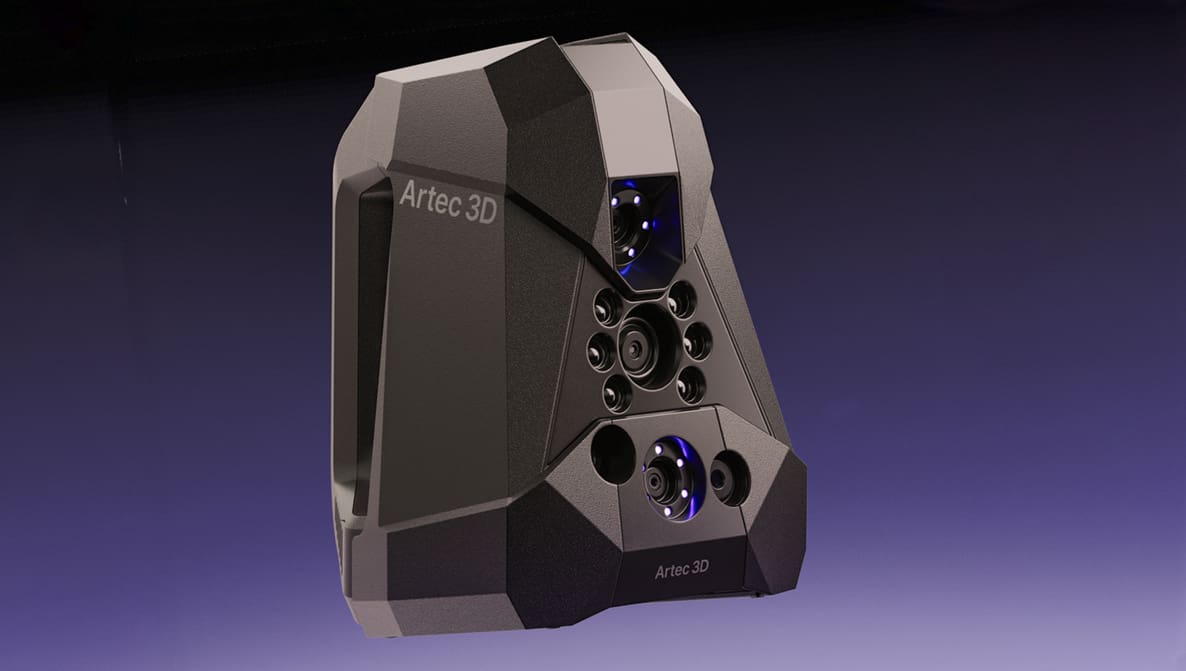
Artec 3D new Neo, a handheld 3D scanner designed to reduce one of the more mundane parts of precision 3D scanning: covering a workpiece with tracking markers before measurement can begin.
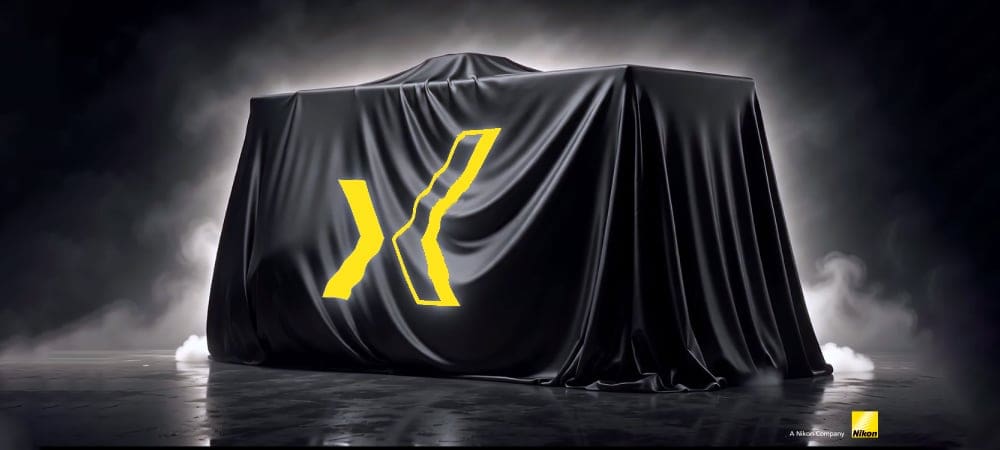
Nikon SLM Solutions just began teasing a new metal 3D printer under the banner “Reach Mach speed,” which appears to be its first genuinely new production platform in years. It's aimed at the “middle range” where most actual manufacturing happens. Details are scarce beyond promises of throughput, reliability, and volume production, while the campaign URL’s “Mach X” offers one more breadcrumb for the speculation pile. The reveal is set for Nov. 17, opening day of Formnext 2026, so until then we’re apparently expected to make do with a countdown clock and our imaginations.