
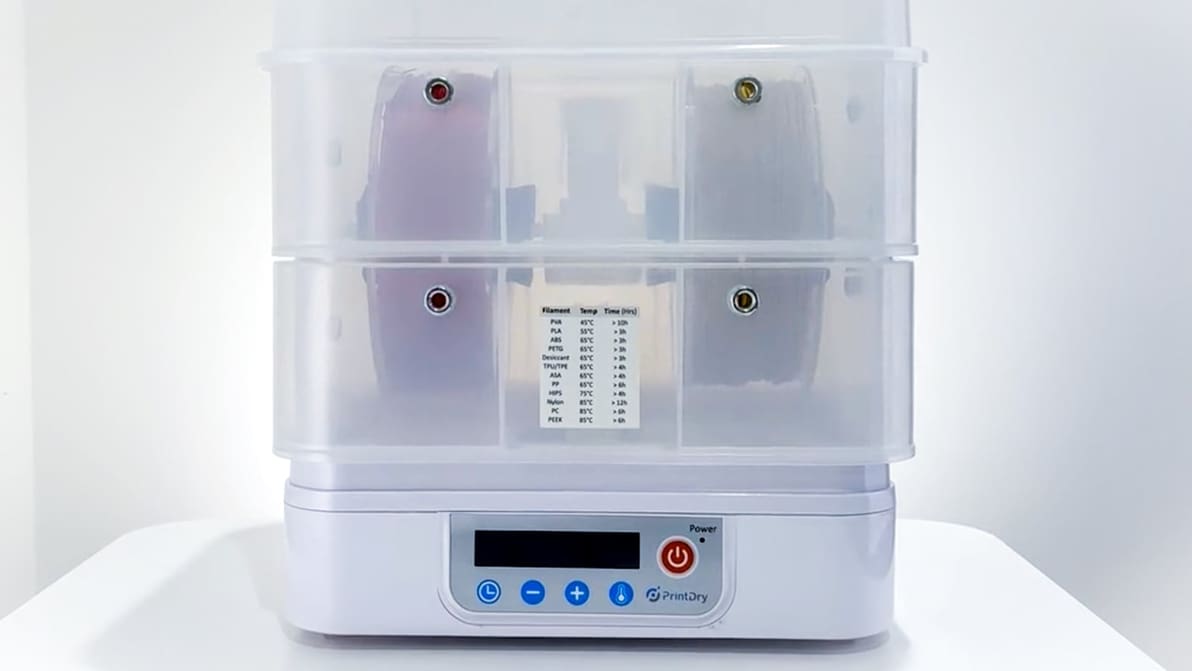
The Pro4's upgraded heating unit may finally deliver the solid temperature consistency your moisture-sensitive filaments have been asking for.
As part of Anthropic’s Claude for Creative Work launch, Autodesk Fusion is now available through Claude, turning natural language prompts into real design actions, bridging concept and manufacturable output.
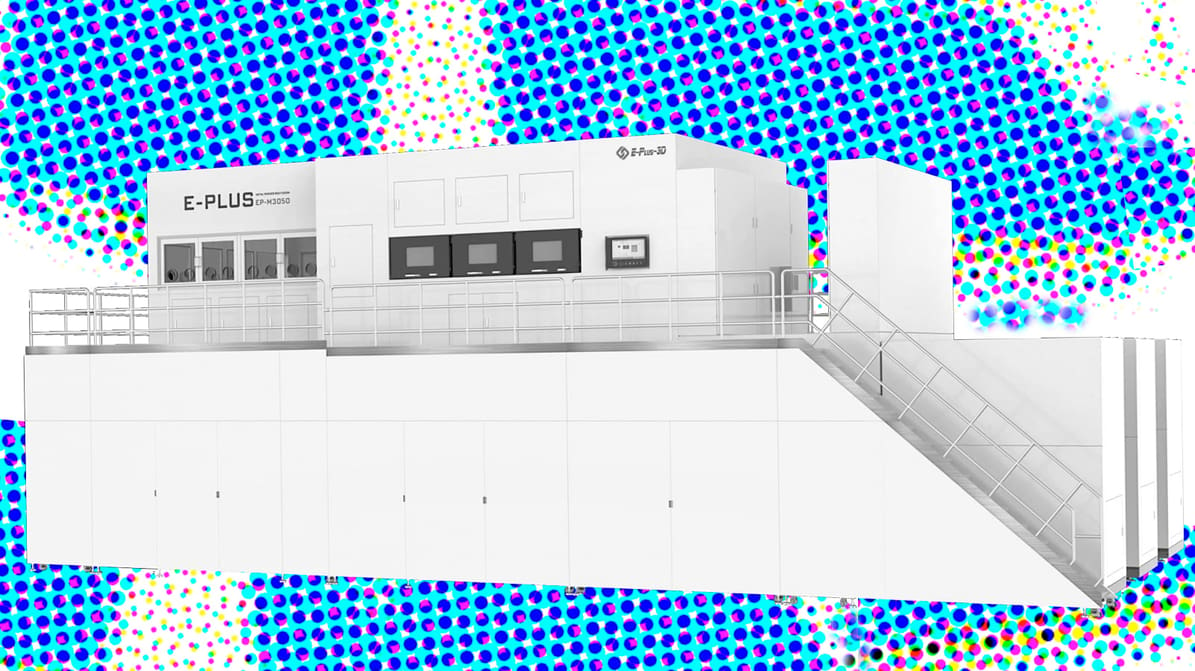
By coordinating 100 lasers across a massive 3,050 mm build plate, this ultra-large-format system for titanium, aluminum, steel and more, eliminates the need for welding rocket thrusters or structural aerospace parts.
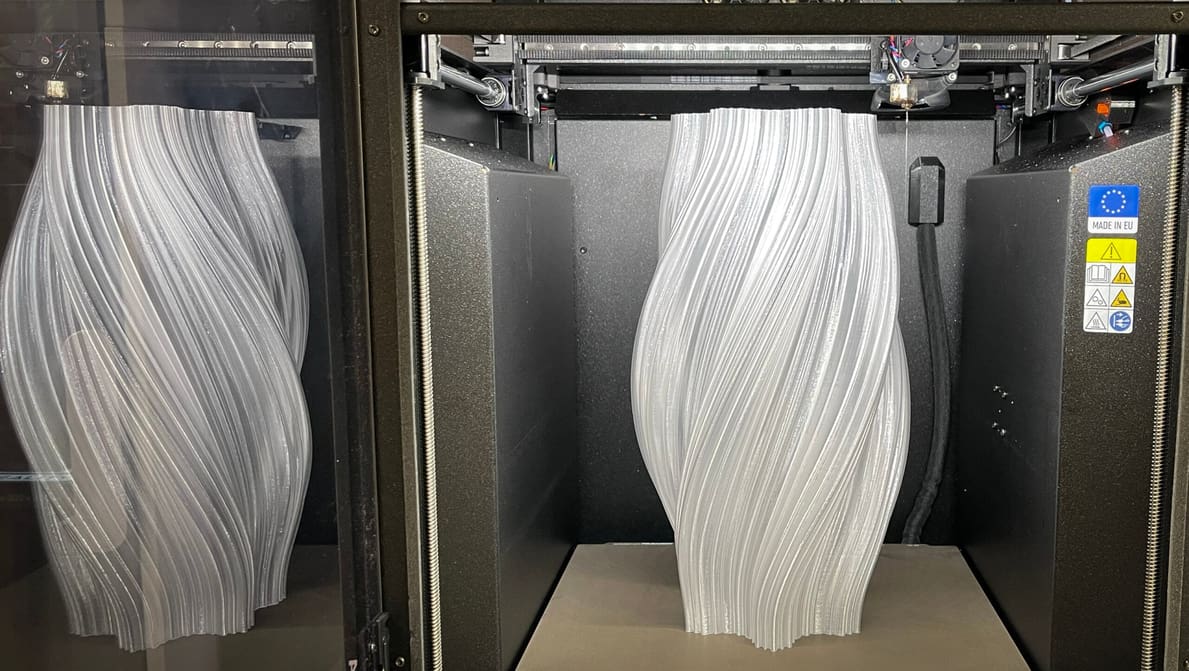
We spent three months print-testing the new rePETG Loopfill to see if recycled waste can deliver the strength, clarity, and printability we expect from PETG.
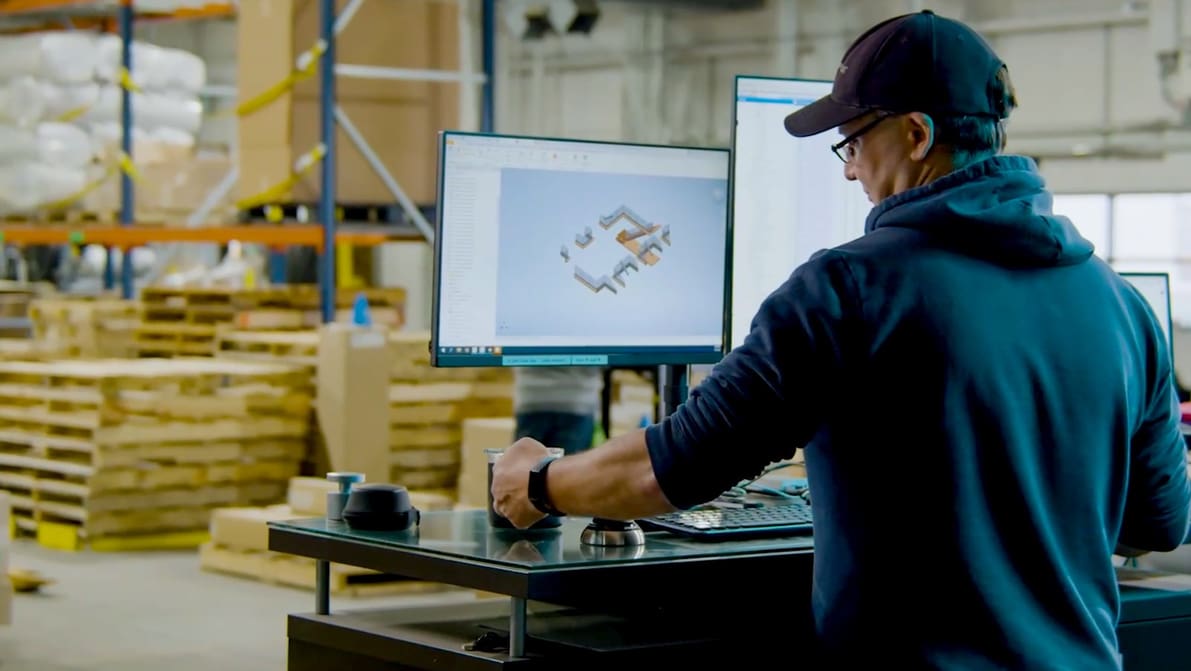
Looking for a full version of Autodesk Inventor to download for free? Check out our article to see what your options are.
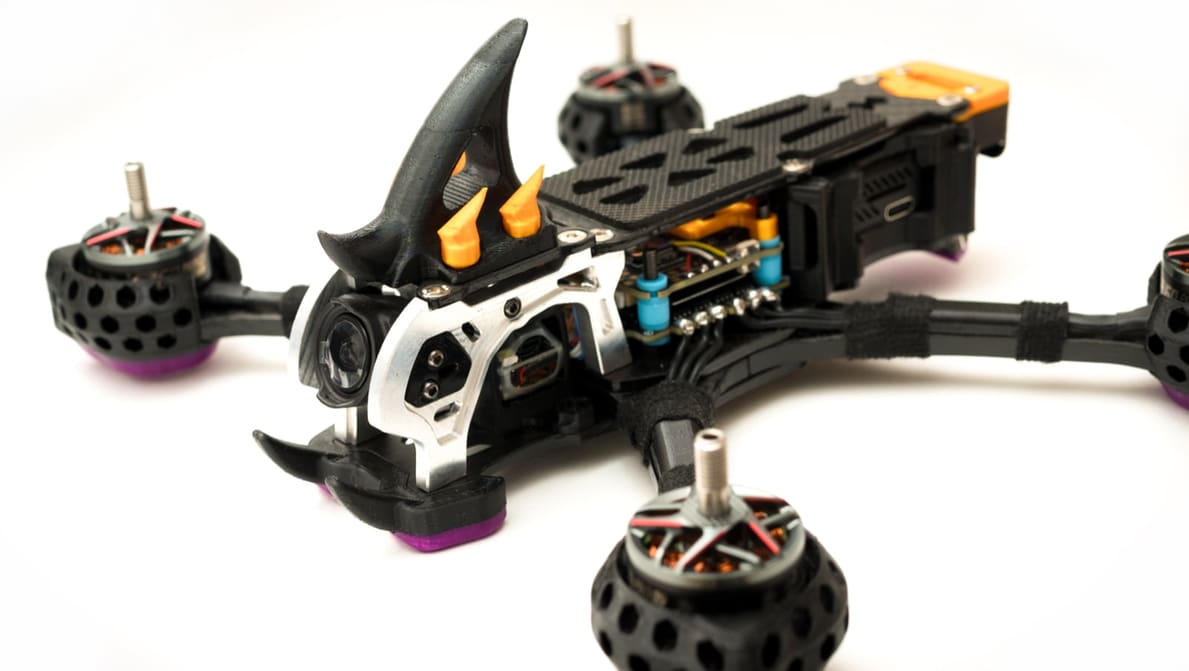
From quick weekend projects to high-performance FPV builds: This all-in-one guide helps you choose the right 3D printing files, mastering the best filaments, and successfully launching your first 3D printed drone.
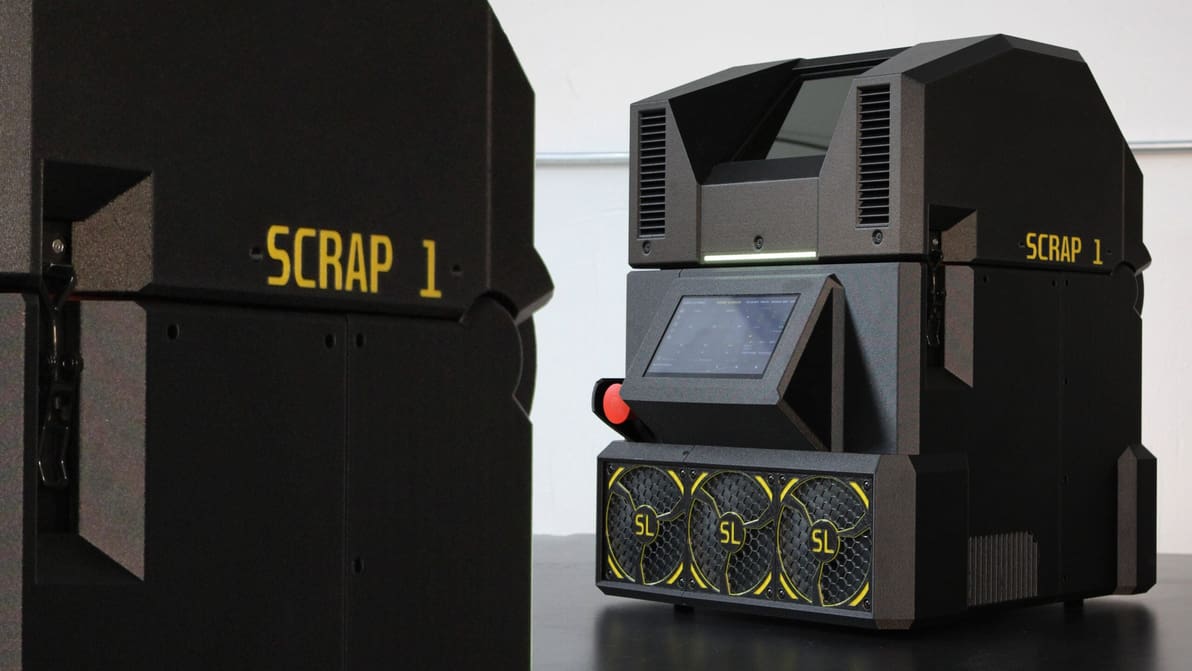
This compact laser-powered system promises industrial-grade results for small shops, delivering metal parts from a scrappy little company with big ambitions.
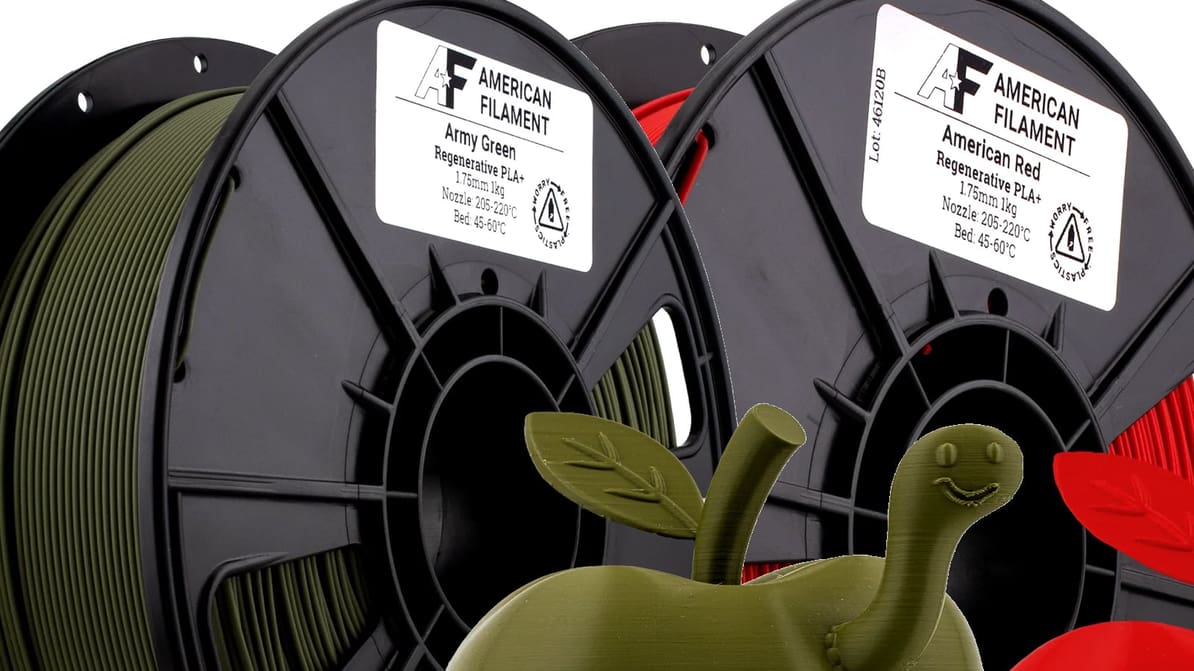
Even plant-based PLA often marketed as "green" requires industrial composting facilities to truly decompose. This new material breaks down in ordinary landfills in under five years.
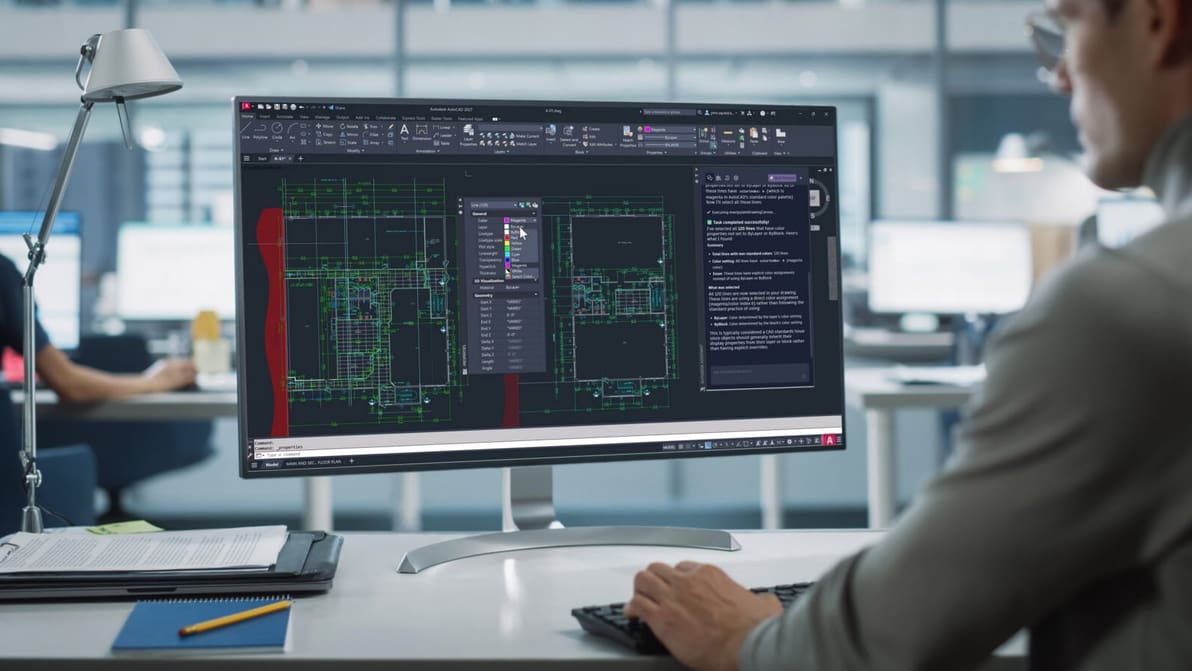
Looking for a full version of AutoCAD 2027 to download for free? Check out our guide to see what your options are.
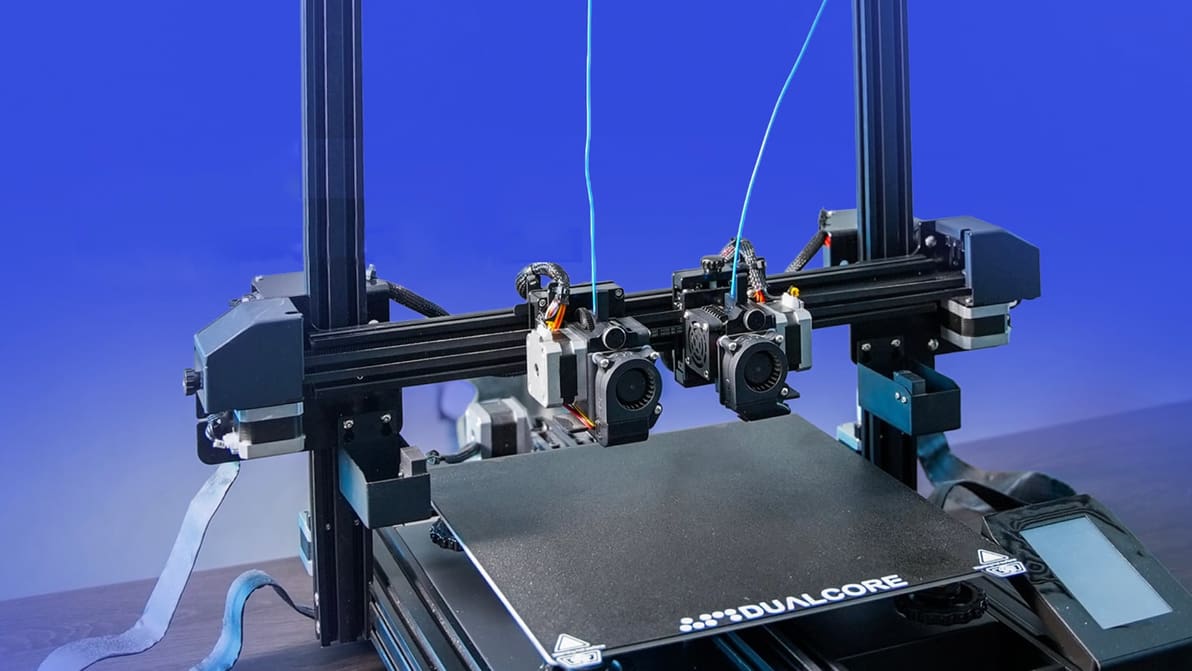
A new Kickstarter project aims to shatter 3D printing speed limits by coordinating two printheads on a single object. We dive into the clever software making it possible—and why that massive speed claim comes with a catch.
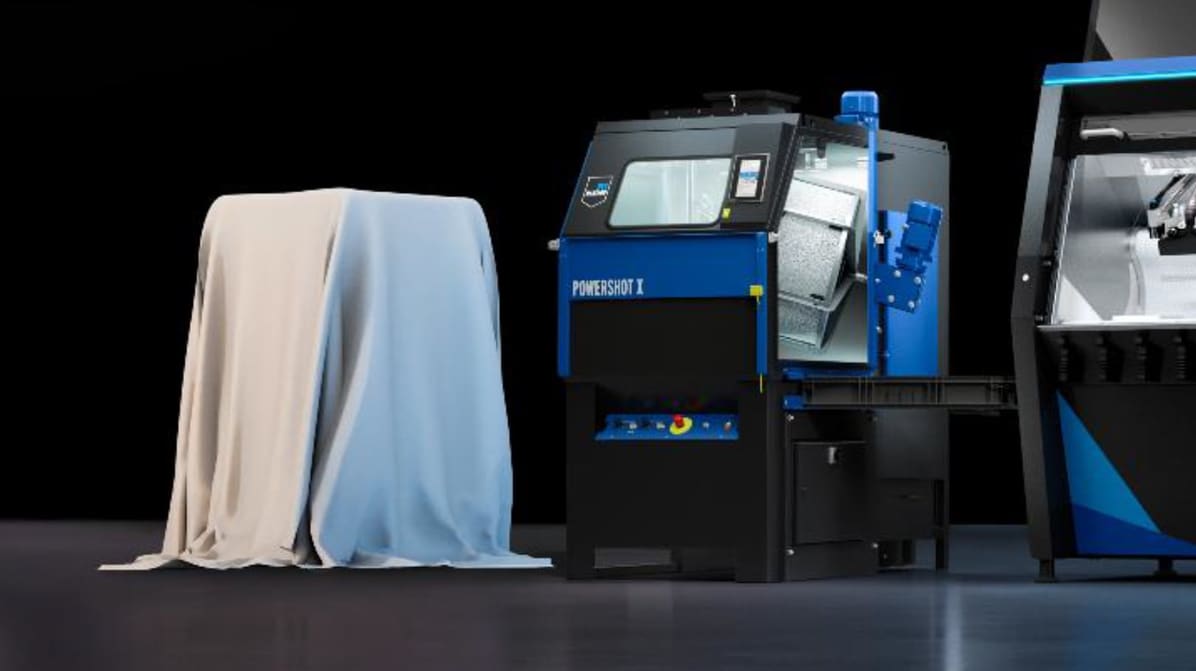
DyeMansion’s upcoming compact Powershot aims to eliminate the manual labor bottleneck with automated PolyShot surfacing for smaller workshops adopting systems like the HP MJF 1200.
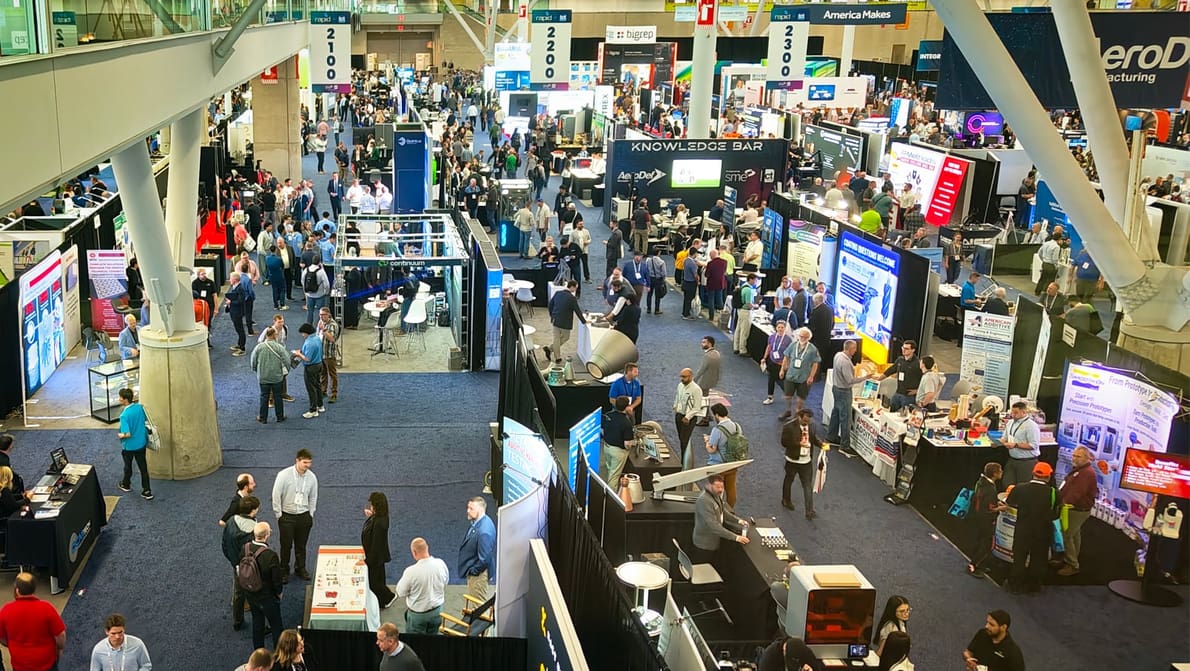
From Anycubic’s surprise reveals to HP’s new entry-level industrial power, we hit the Boston show floor to identify the machines—and the shift from speed to material mastery—shaping the next year of 3D printing.
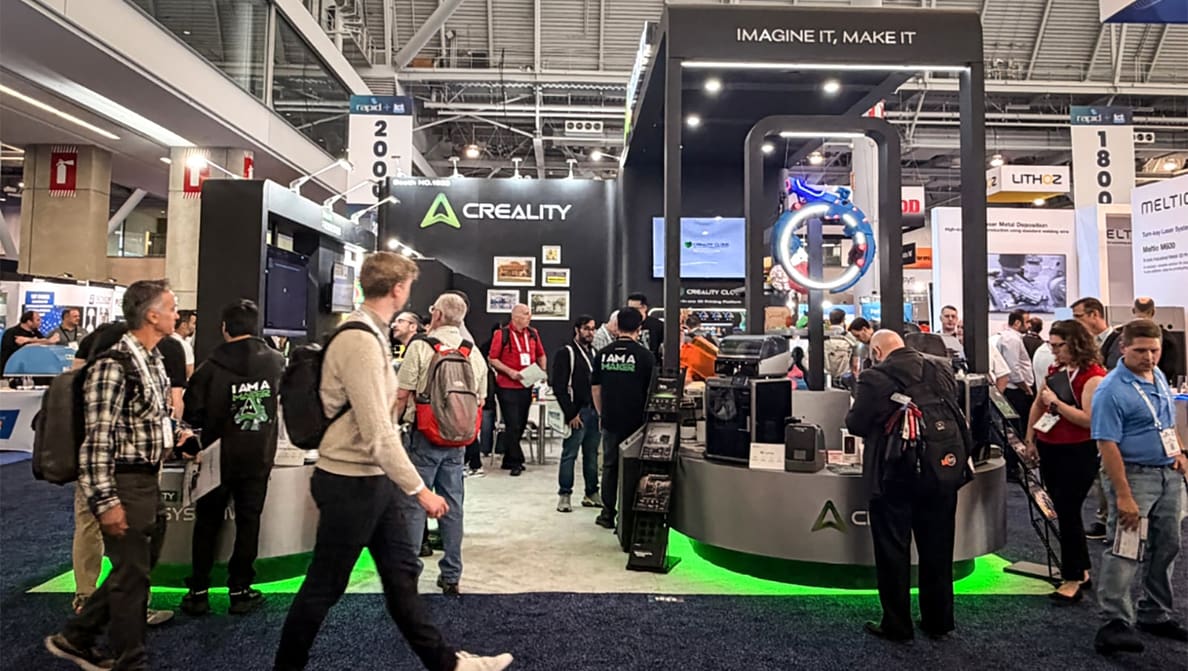
Market intelligence firm Context reports that the global 3D printing sector is finally shaking off its two-year slump, fueled almost entirely by an explosion in entry-level systems.
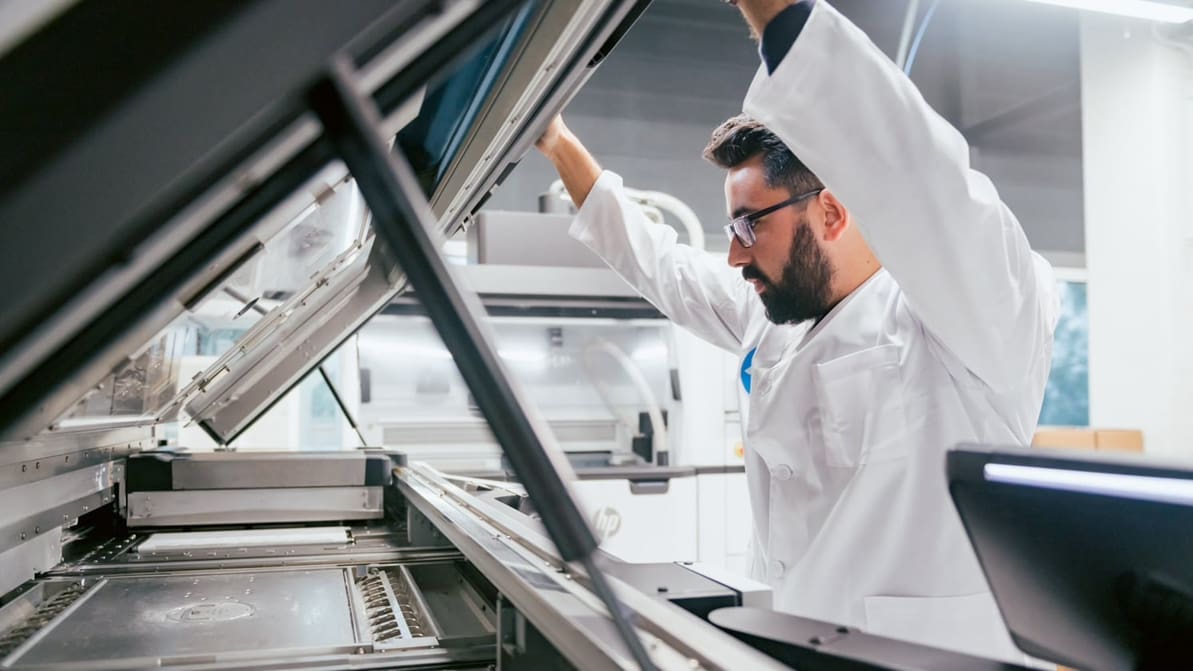
The new HP 3D Printing Service, powered by Craftcloud's marketplace technology provides a single interface for instant quotes and orders from HP’s global production partners.
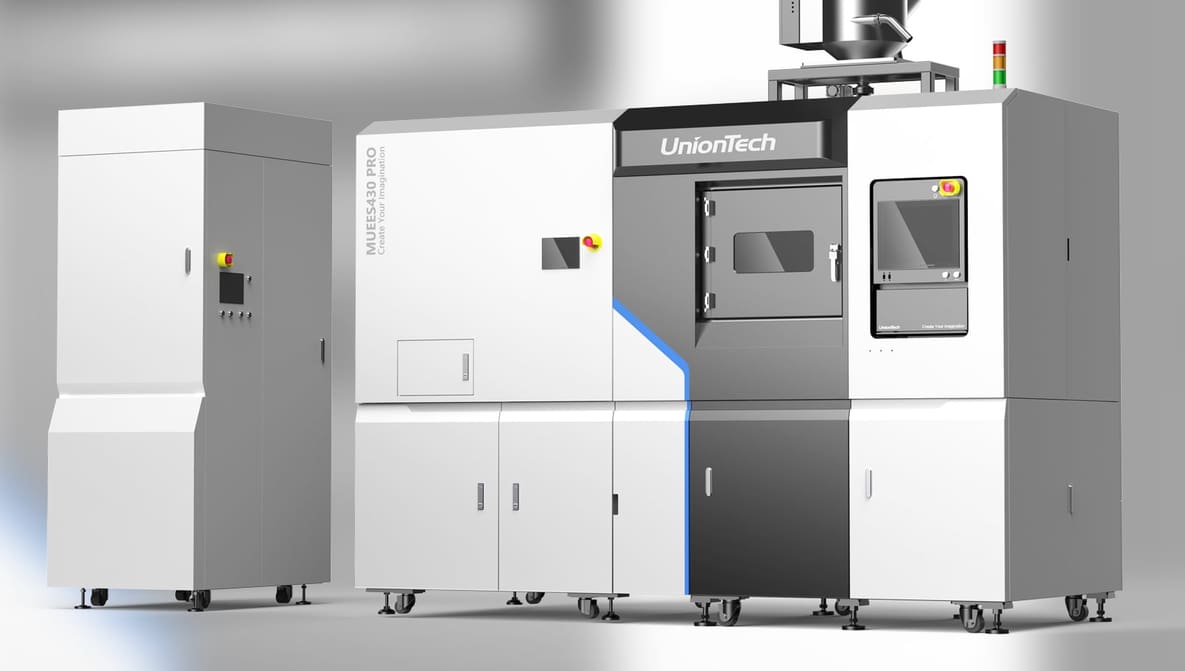
UnionTech’s new quad-laser system promises a 20% efficiency leap for industrial batch production, but how does it stack up to the flood of four-laser systems on the market?
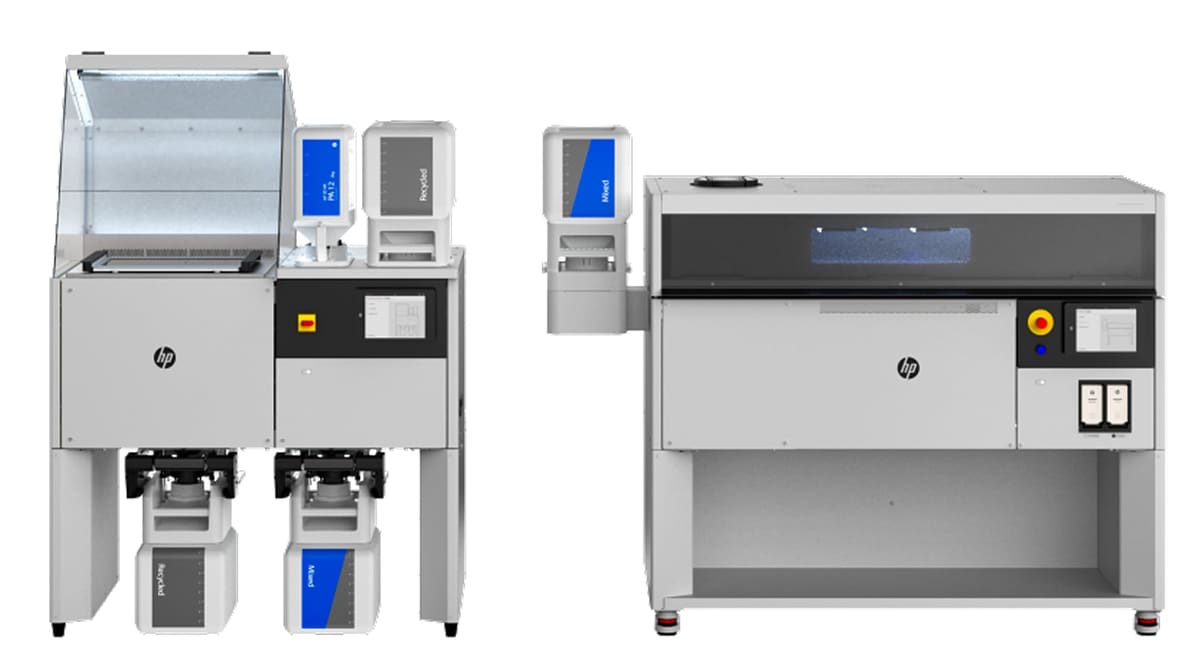
Alongside the compact MJF 1200 hardware, HP’s new 3D printing portal powered by Craftcloud offers instant, professional MJF parts to everyone—even those without a printer.
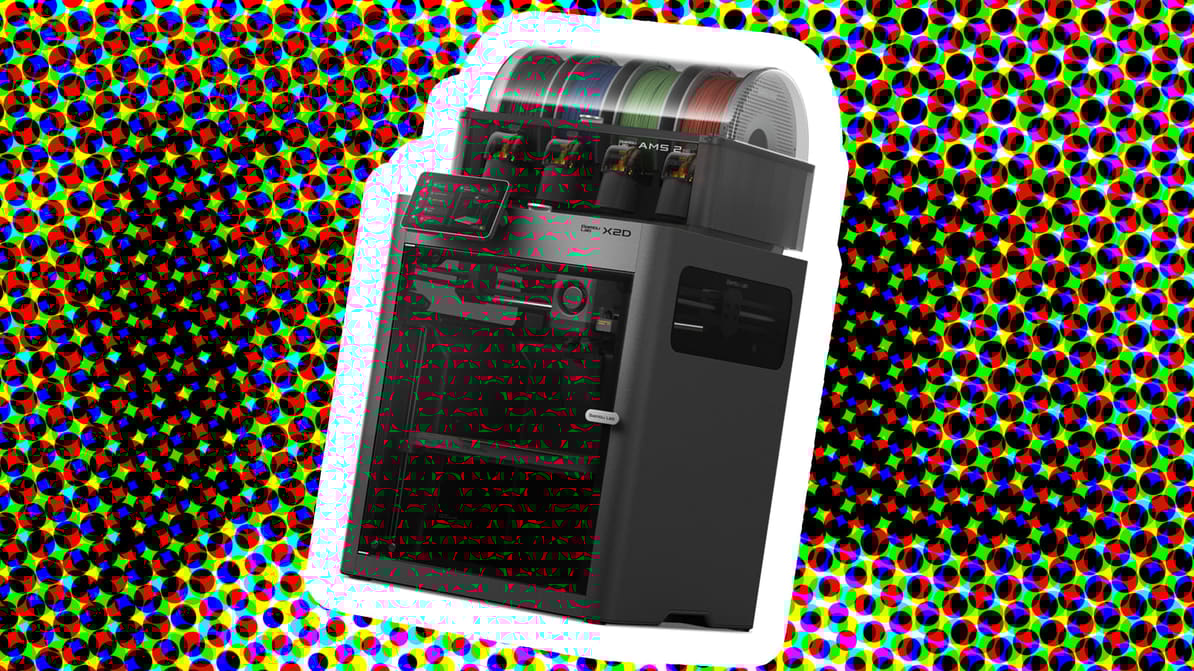
Bambu Lab disrupts its own lineup with the new $649 X2D, packing pro-tier thermal control and nozzle switching into a compact frame that effectively makes high-end engineering far more accessible.
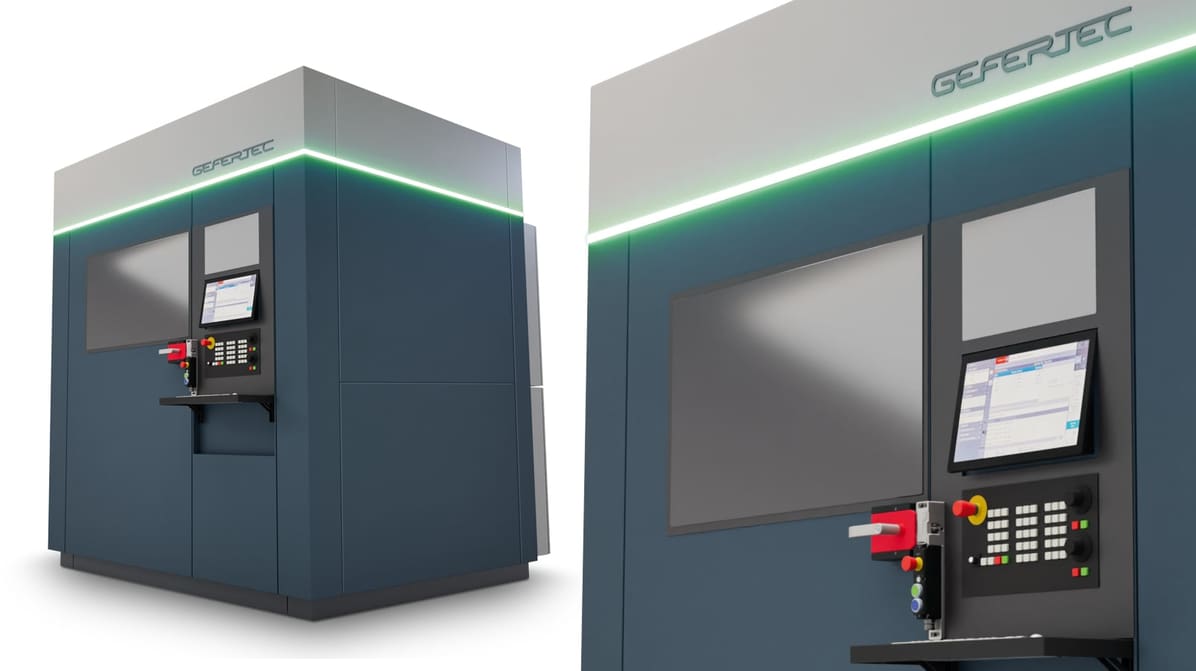
With no cloud connection required and a modular design, the new 5-axis system lowers the investment hurdle for industries prioritizing data sovereignty and accessible metal production.
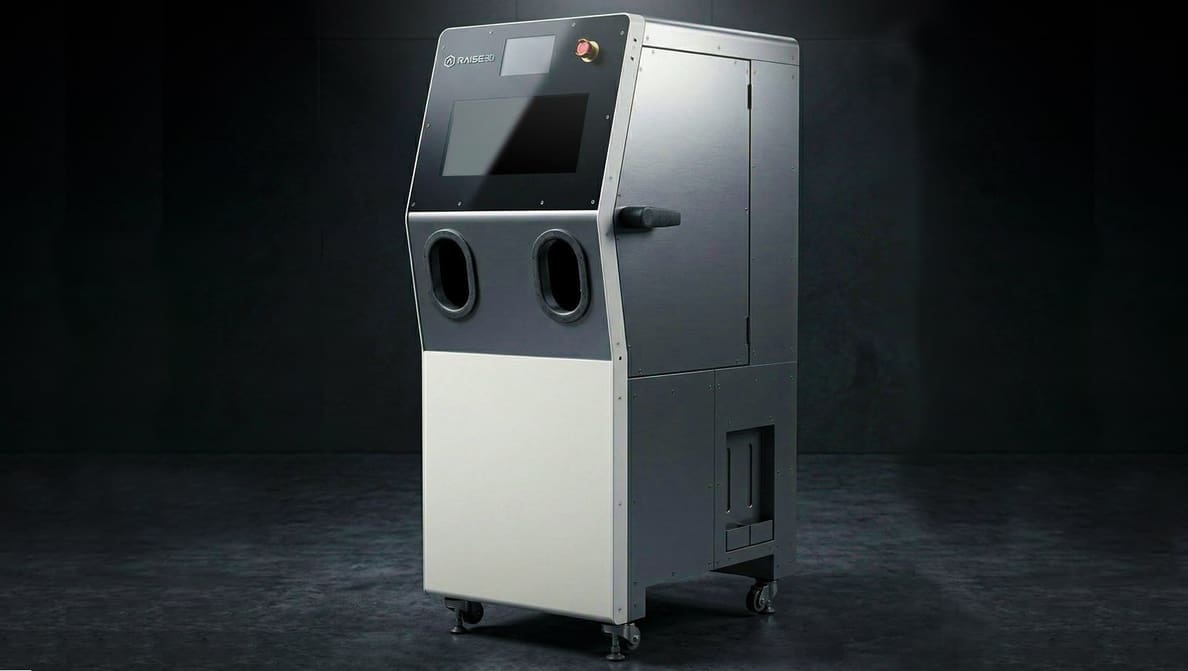
The B520 at $10K may represent a competitive alternative to the Formlabs Fuse Blast, focusing on automating the final finishing step for SLS parts.
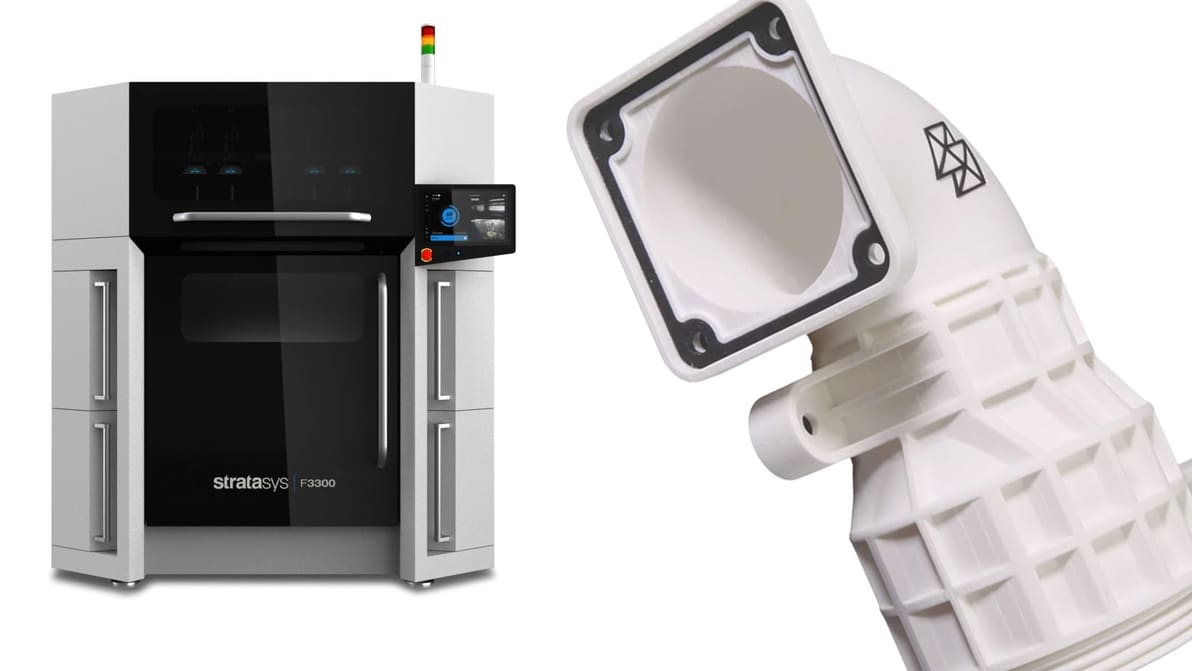
From aerospace-grade ULTEM to high-heat resins, five new material additions and AI-driven software aim to eliminate warping and scale industrial production.