
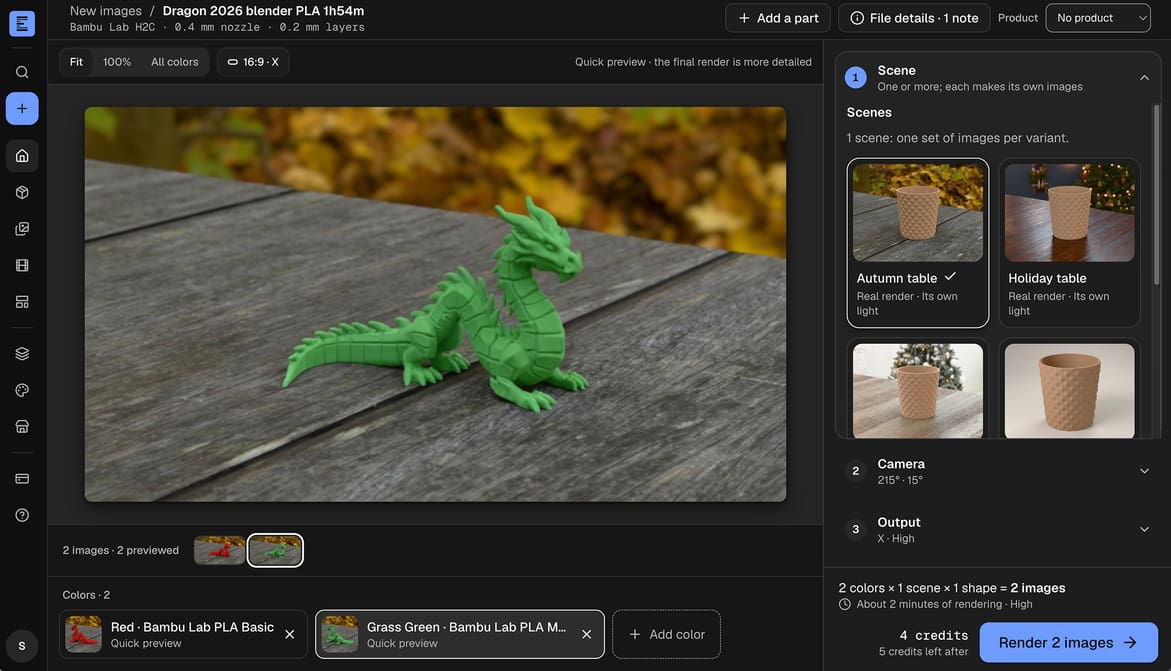
We tested this new app that renders photorealistic images of 3D prints without actually printing them. Handy for sellers, perhaps less so for those of us who want to see what we're really downloading.
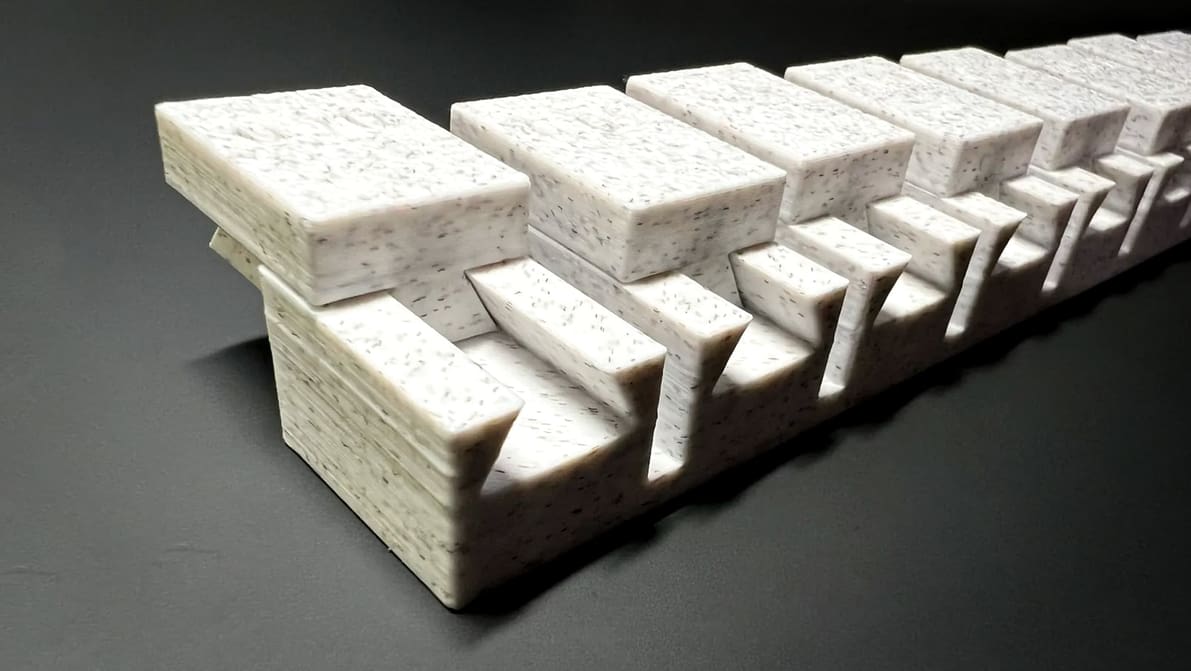
Testing three interlocking joint designs for PLA part strength, researchers find that the shape and size of a connection makes a big difference.
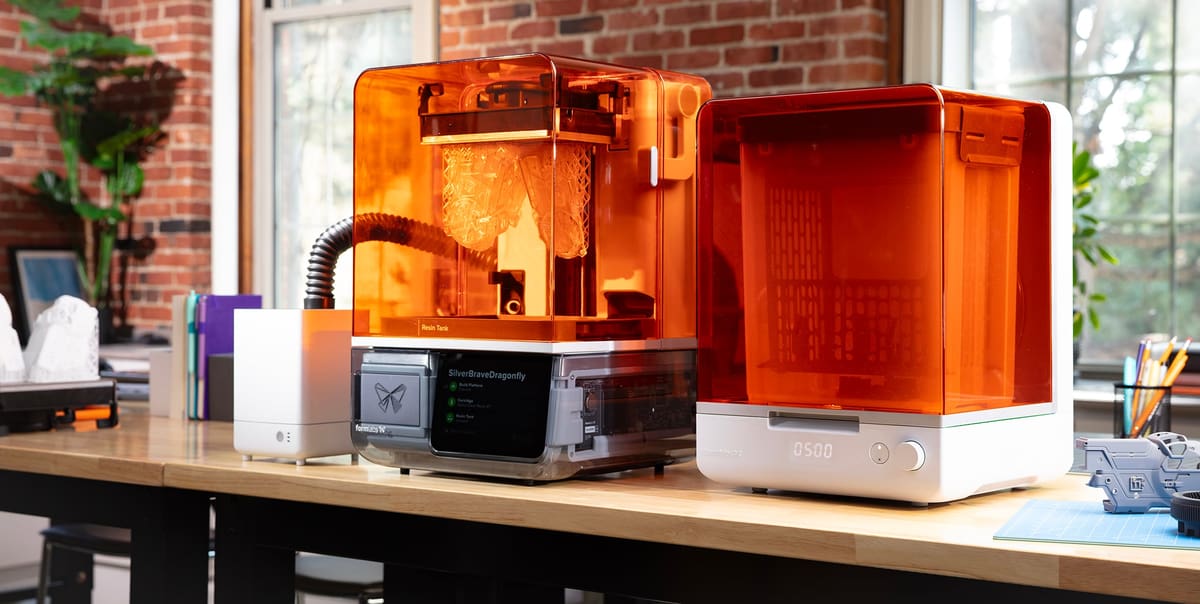
The professional 3D printing manufacturer is going after a new market with an affordable LCD printer, $29 resin, and a compact wash-and-cure station.
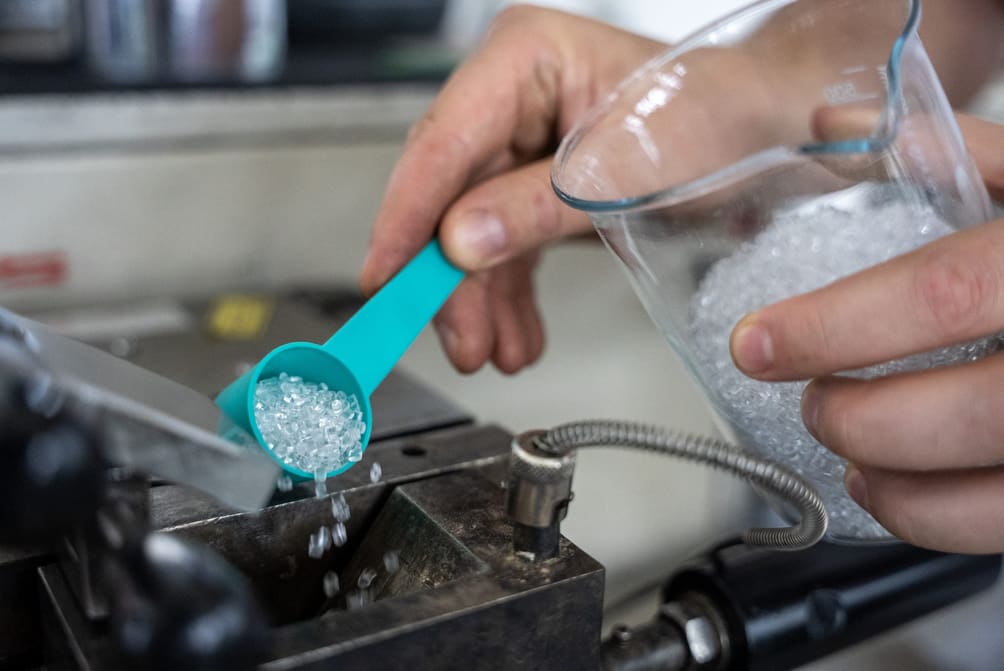
The company is offering the raw polymer pellets used to make its popular filament, opening up new possibilities for large-format printing and DIY filament experiments.
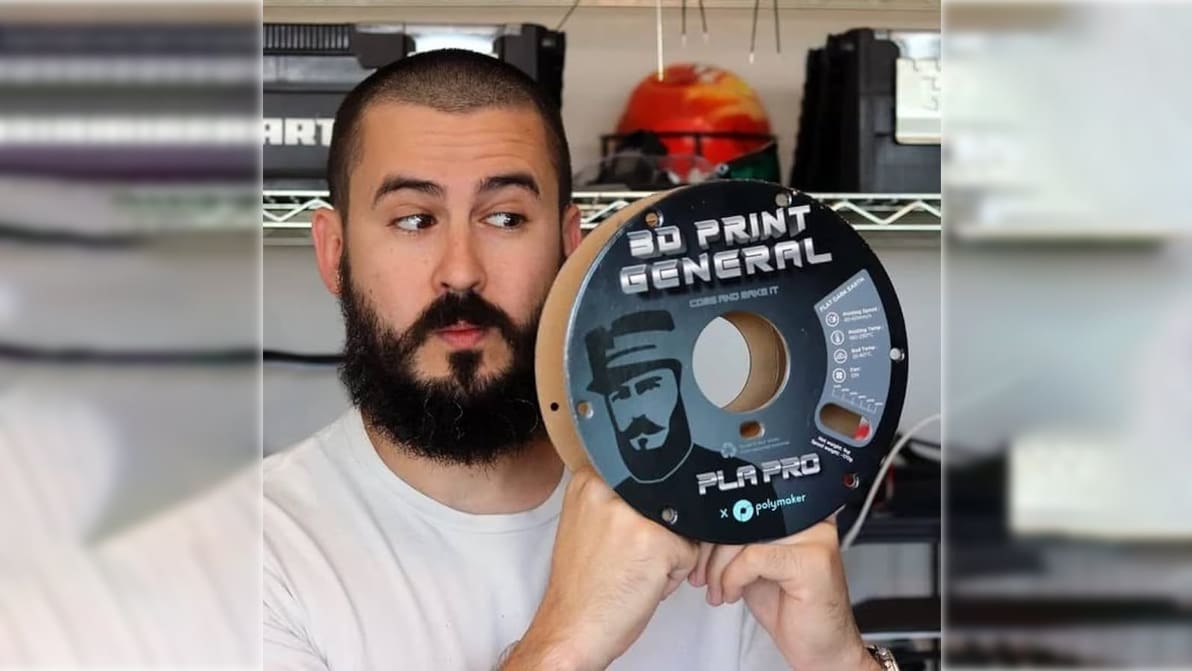
In one of the first tests of California's 2026 firearm law, San Diego County alleges Polymaker crossed the line into unlawful business practices by directly marketing its filament to DIY gun builders.

The 3D printing giant is entering the 3D scanning market. Could a simpler scan-to-print workflow be next?
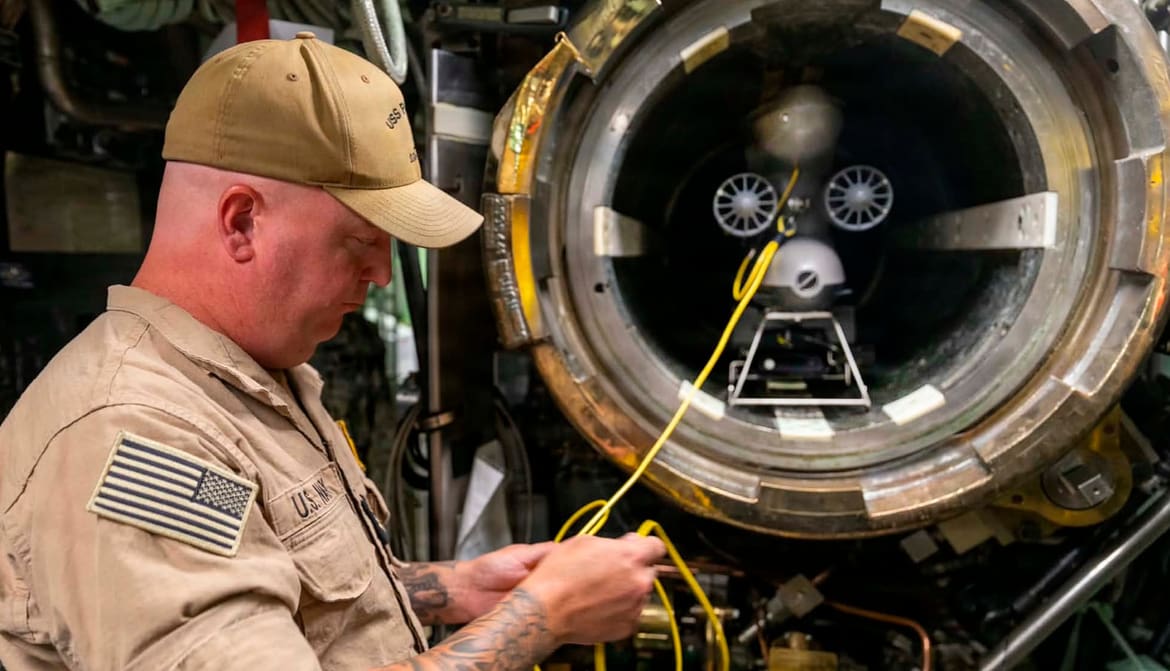
By 3D printing a custom waterproof housing for under $1,000, Navy engineers bypassed an expensive submarine retrofit to deploy a drone directly through a torpedo tube.
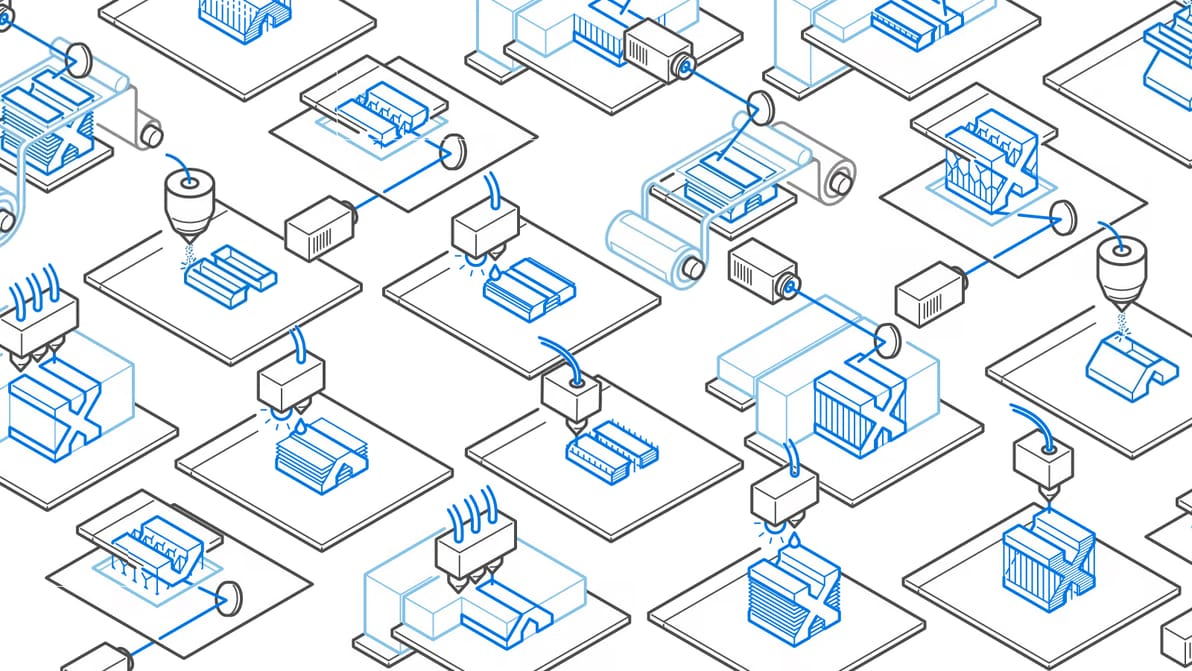
Learn the seven main types and more than 20 subtypes of 3D printer technology, including FDM, SLS, MJF, SLA, SLM, and many more methods of additive manufacturing.
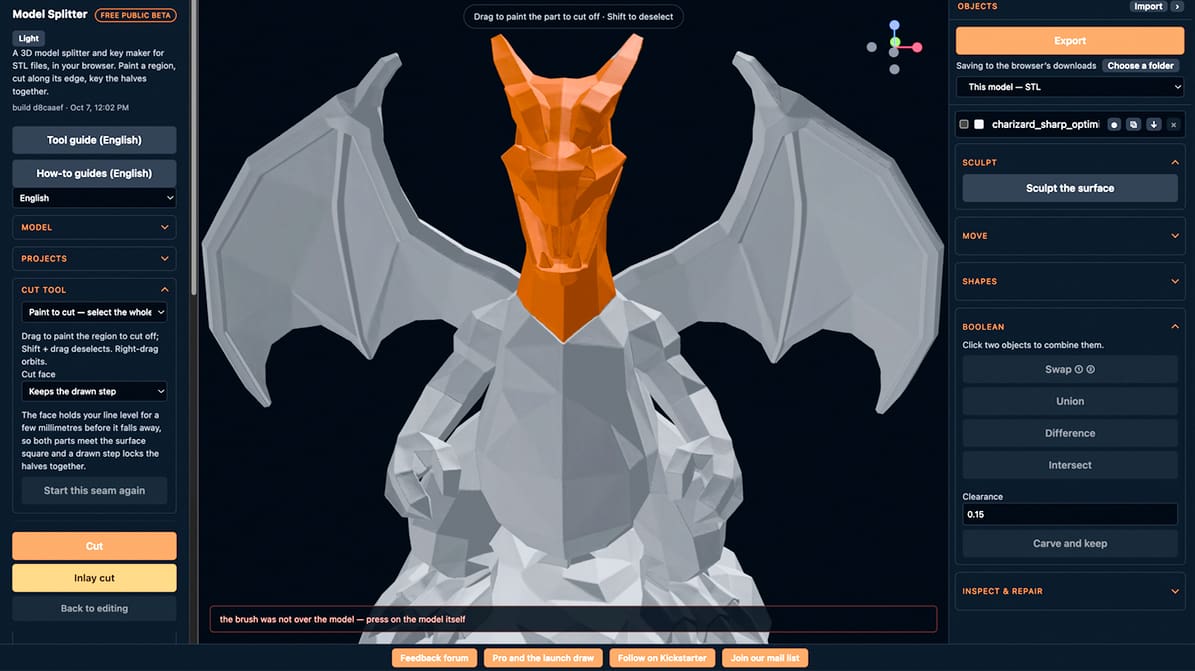
We took the new Model Splitter for a spin and found it's the splitting tool we didn't know we needed. This browser-based tool makes cutting and adding custom seams incredibly simple.
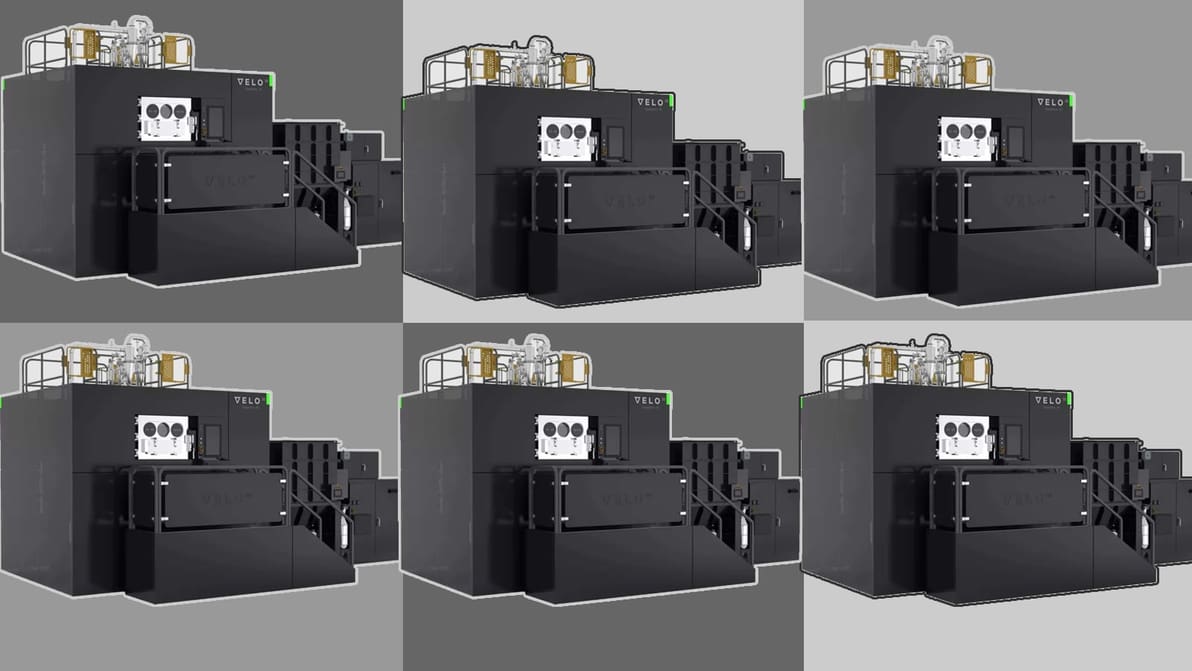
Mears' latest Velo3D investment signals a shift from qualification to production, adding dedicated copper-nickel capacity for marine parts traditionally made by casting.
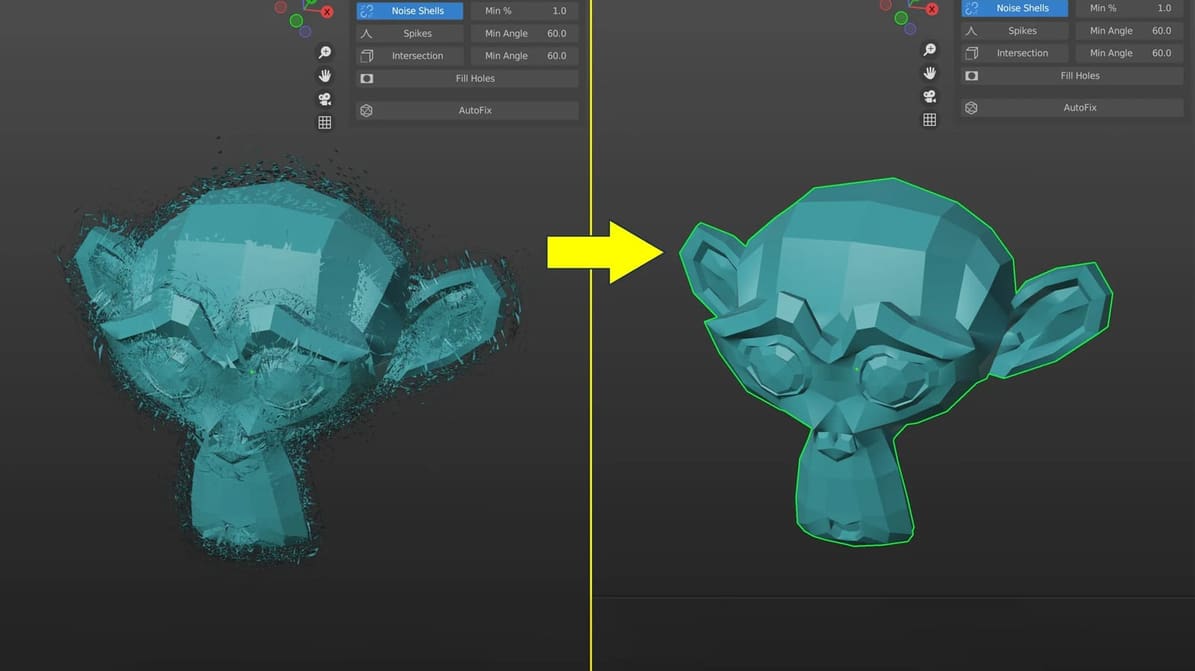
These free add-ons help bridge one of the biggest gaps in AI models: getting from a good-looking AI model to clean, watertight geometry your slicer can 3D print.
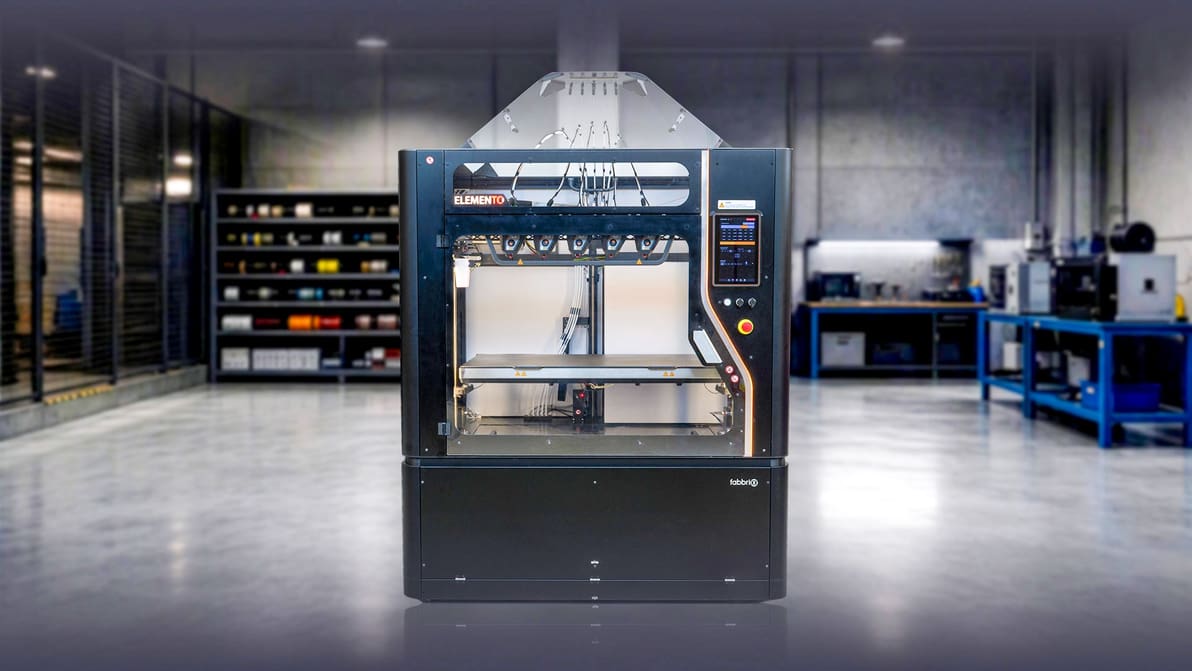
Five independent print heads, a 1.1-meter-wide build area, and support for both 1.75- and 2.85-mm filament put Fabbrix’s latest Elemento firmly at the industrial end of the toolchanger spectrum.
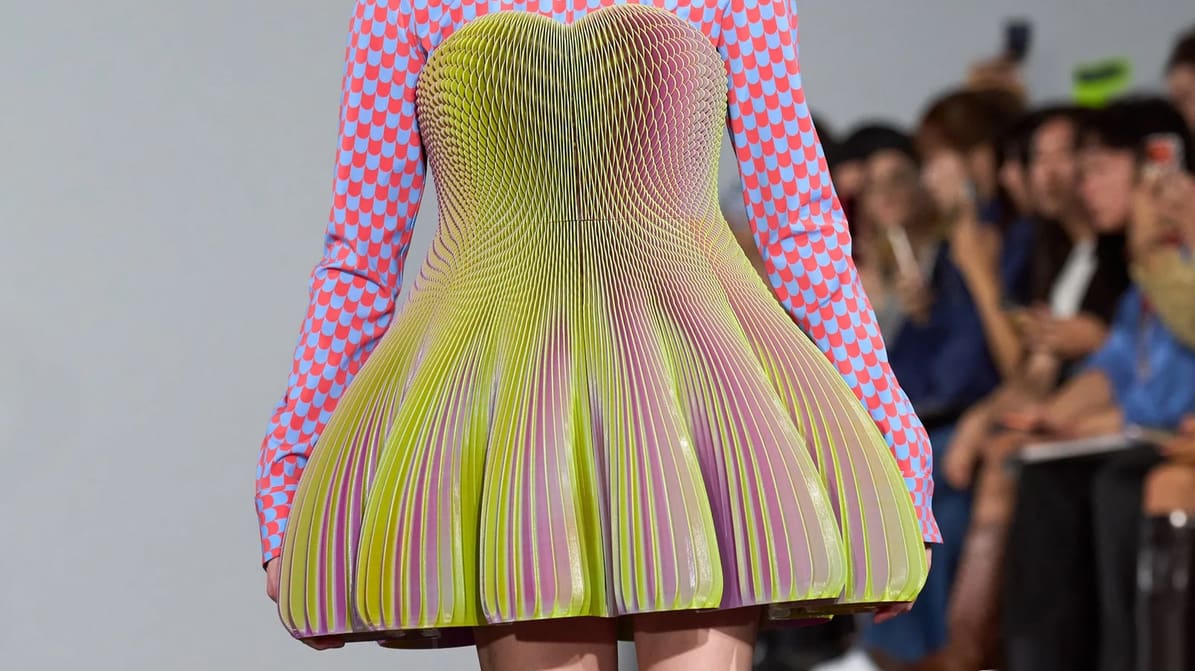
Forget breathable fabrics, the future of haute couture is rigid, custom-extruded, color-shifting PETG. Just don't try to sit down.
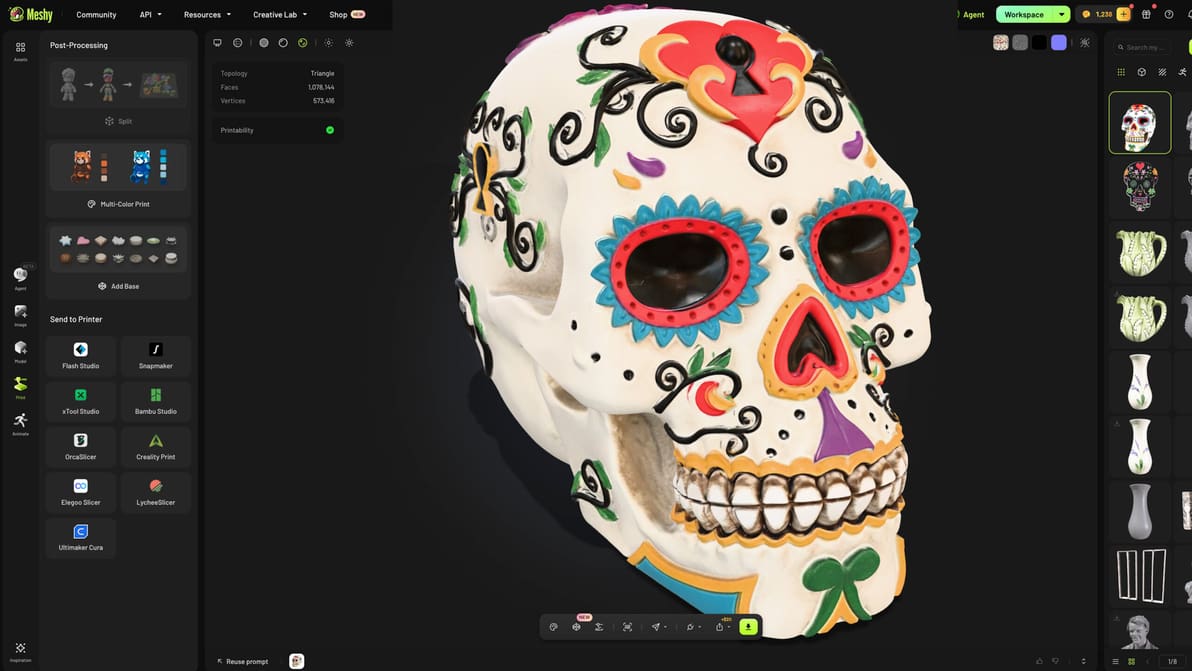
We pushed the latest version of this AI model generation tool to its limits to see if the upgraded resolution translates into better geometry for physical models.
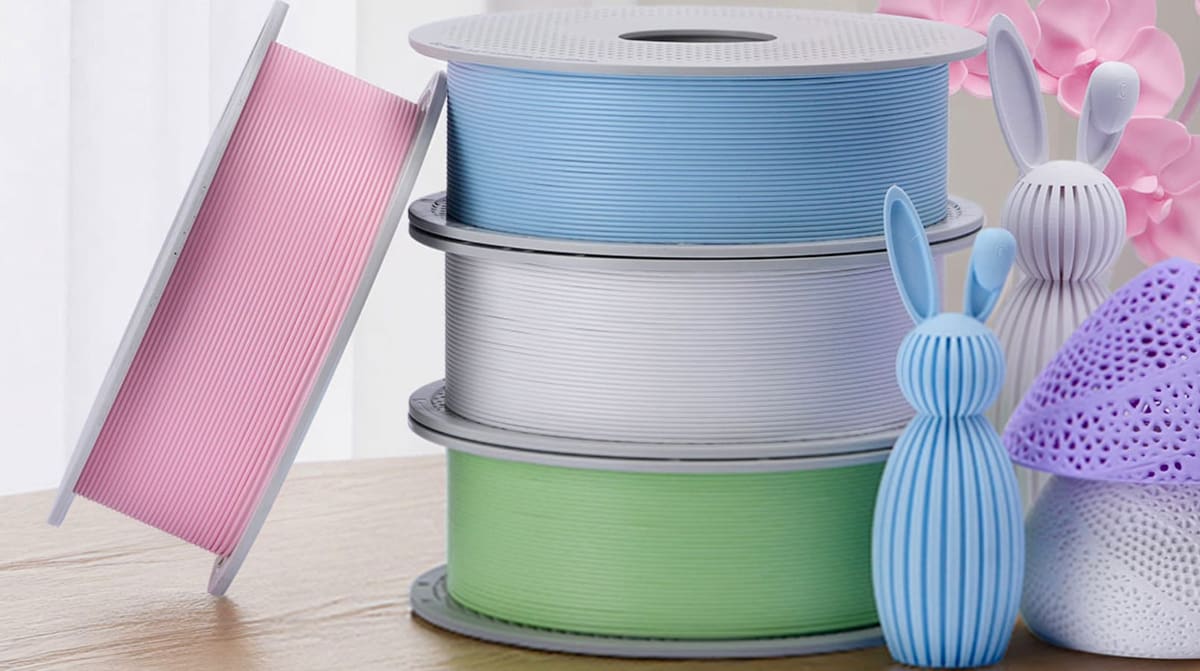
The new filament combines a subdued finish with improved humidity resistance, easier support removal, and the toughness expected from PETG.
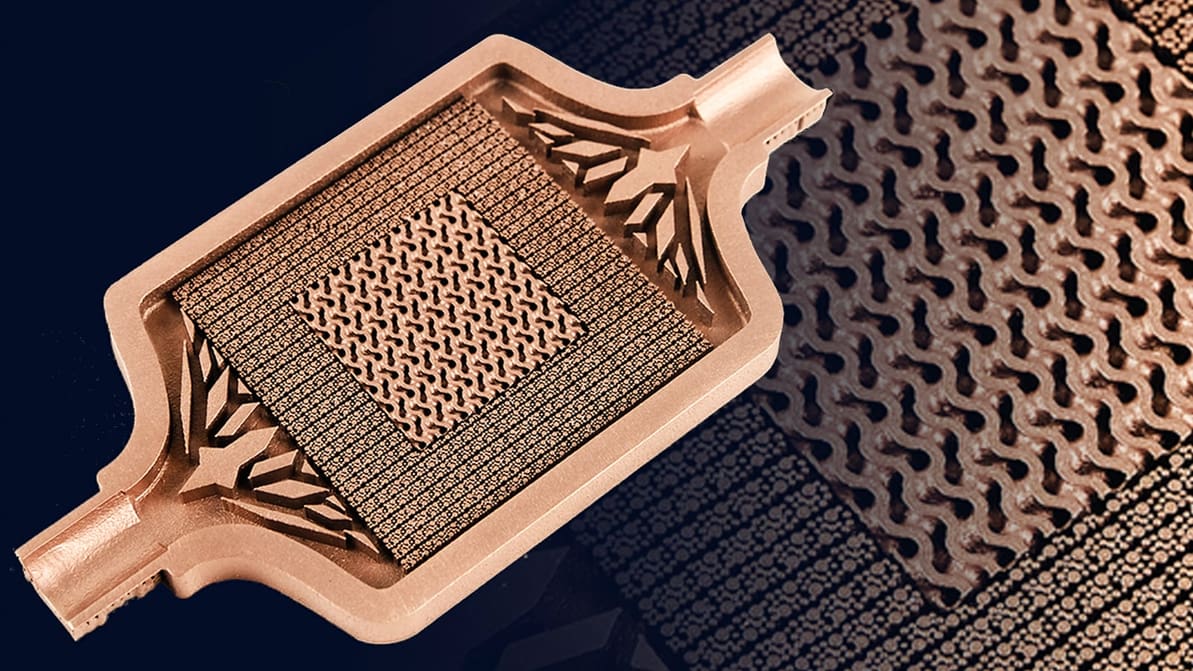
With AI processors pushing traditional thermal management to its limits, metal 3D printer makers are pivoting to produce complex, pure copper liquid cold plates for next-generation data centers.
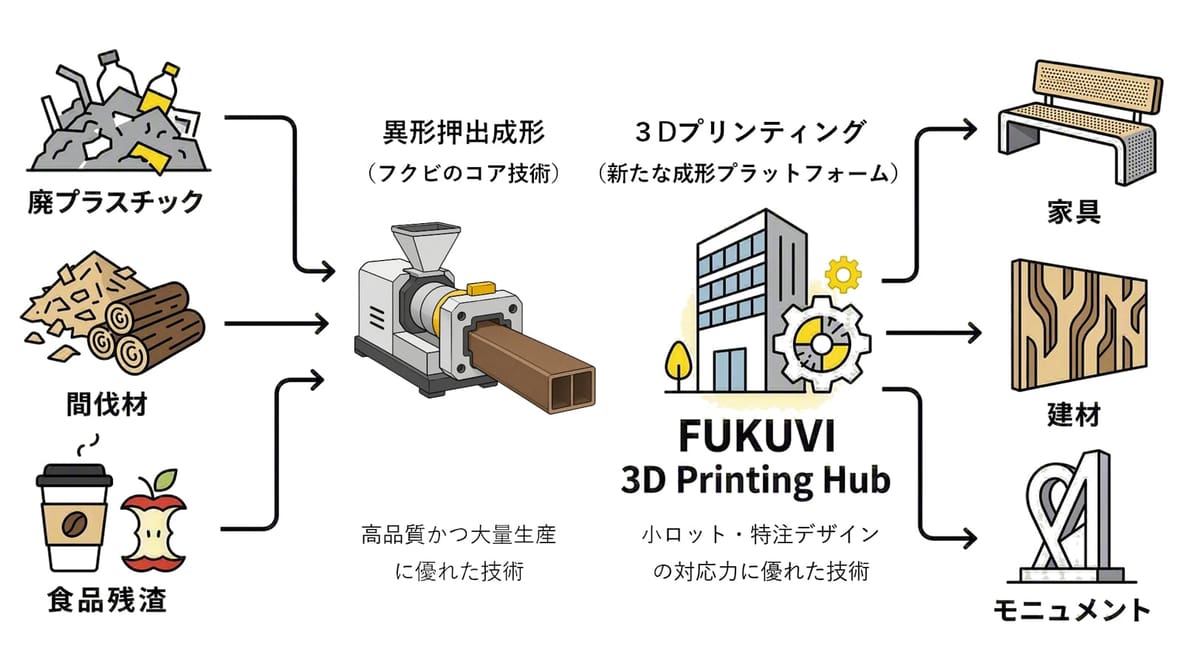
What if your city’s next park bench was 3D printed from morning coffee grounds and discarded household plastics?
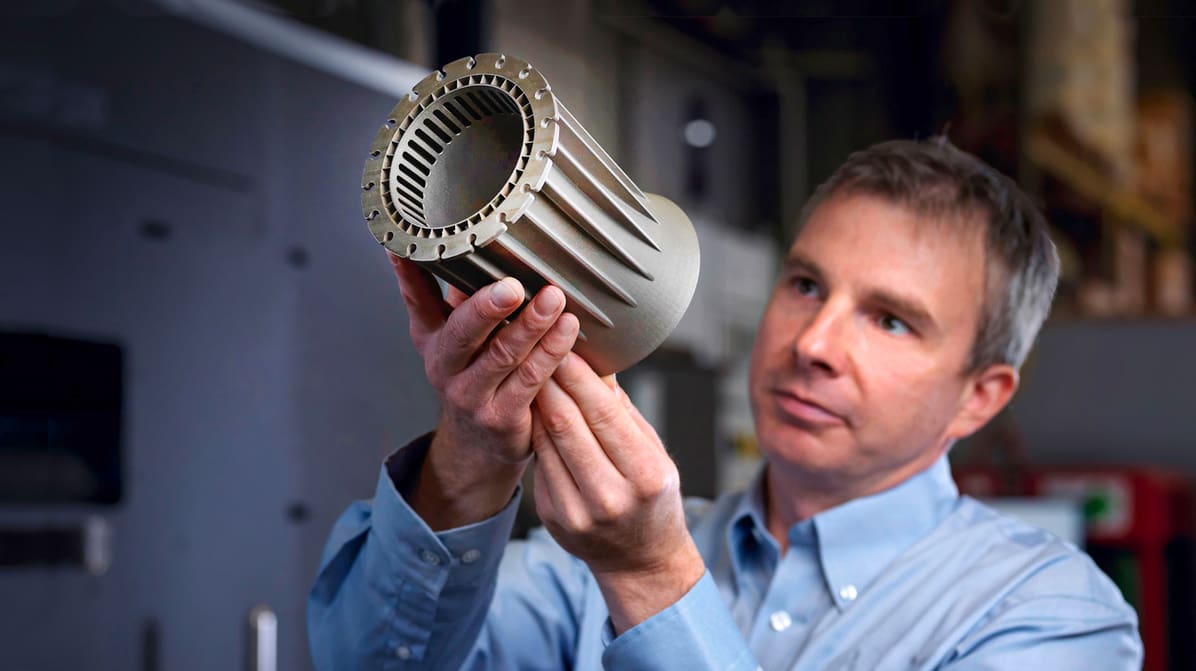
Our updated guide to top metal 3D printing services to help you order everything from stainless steel tools to gold jewelry to copper heatsinks.
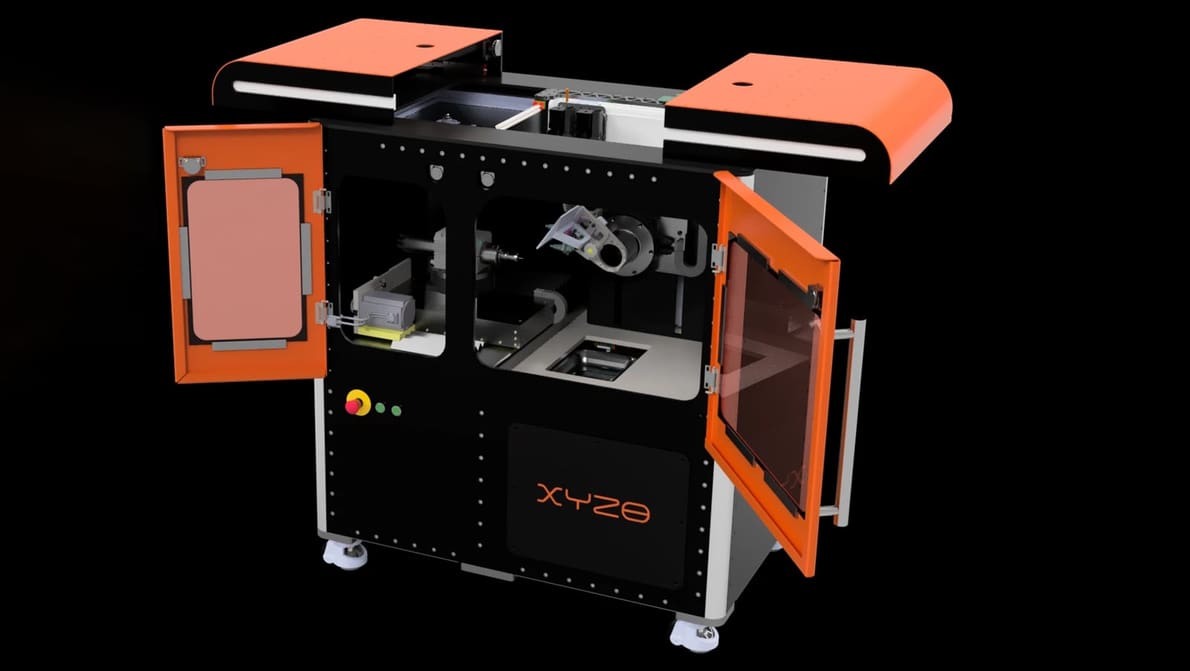
UK startup XYZO has revealed an ambitious modular manufacturing platform that wants to print, machine, cure, clean, and inspect parts without them ever leaving the machine.

The R1 cuts wood, acrylic, leather, fabric, and paper, plus engraves on glass and stone.