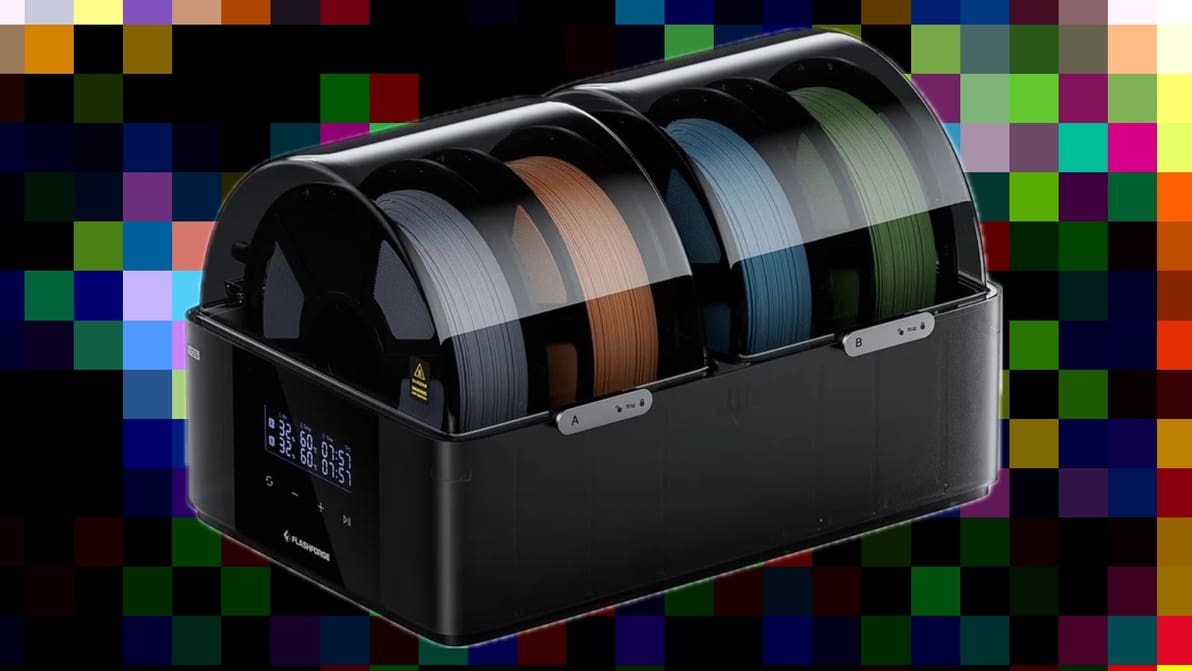
Flashforge's VDS dries up to four spools across two independently controlled chambers, with Creator 5 integration as its main selling point. Shipping starts Oct. 20.
judging by the response to last week's poll. That's incredible to see, and we'll work on a way of doing a proper survey of all the specific machines you've all operated over the years. My first contact with a 3D printer was a Monoprice Select Mini, which didn't print particularly well and died after a fruitless Christmas spent trying to print ornaments and decorations. I had much greater success with a Wanhao Duplicator 6 afterwards.
Was your first contact with 3D printing better than mine? Is your first printer still in service?
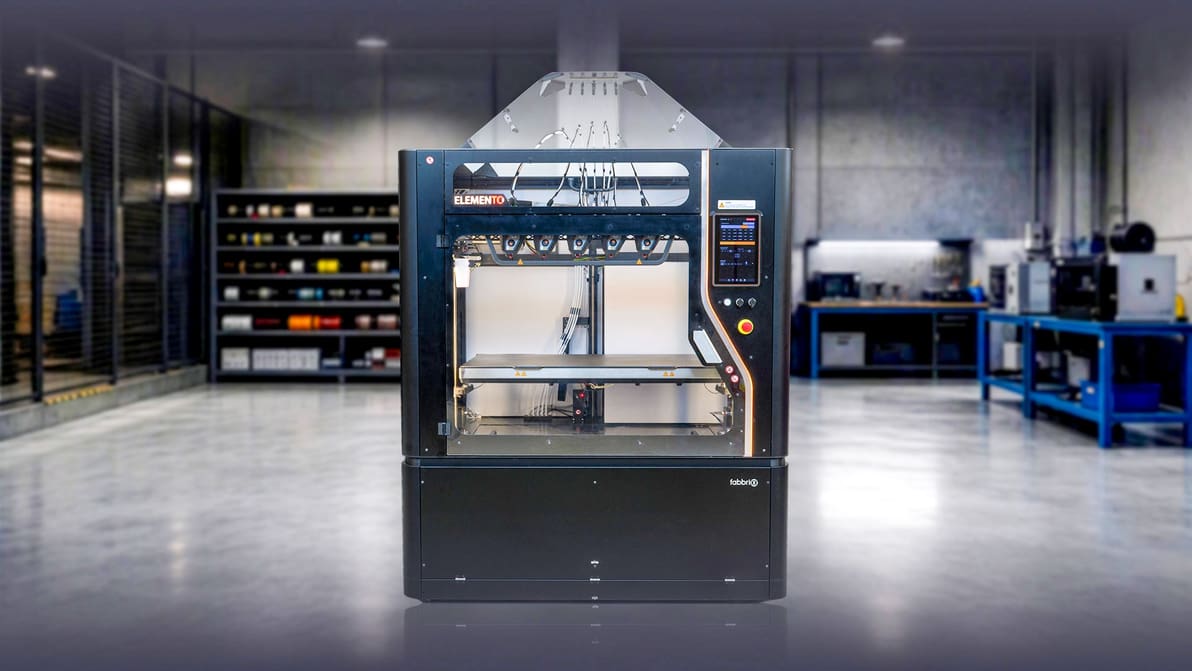
Five independent print heads, a 1.1-meter-wide build area, and support for both 1.75- and 2.85-mm filament put Fabbrix’s latest Elemento firmly at the industrial end of the toolchanger spectrum.
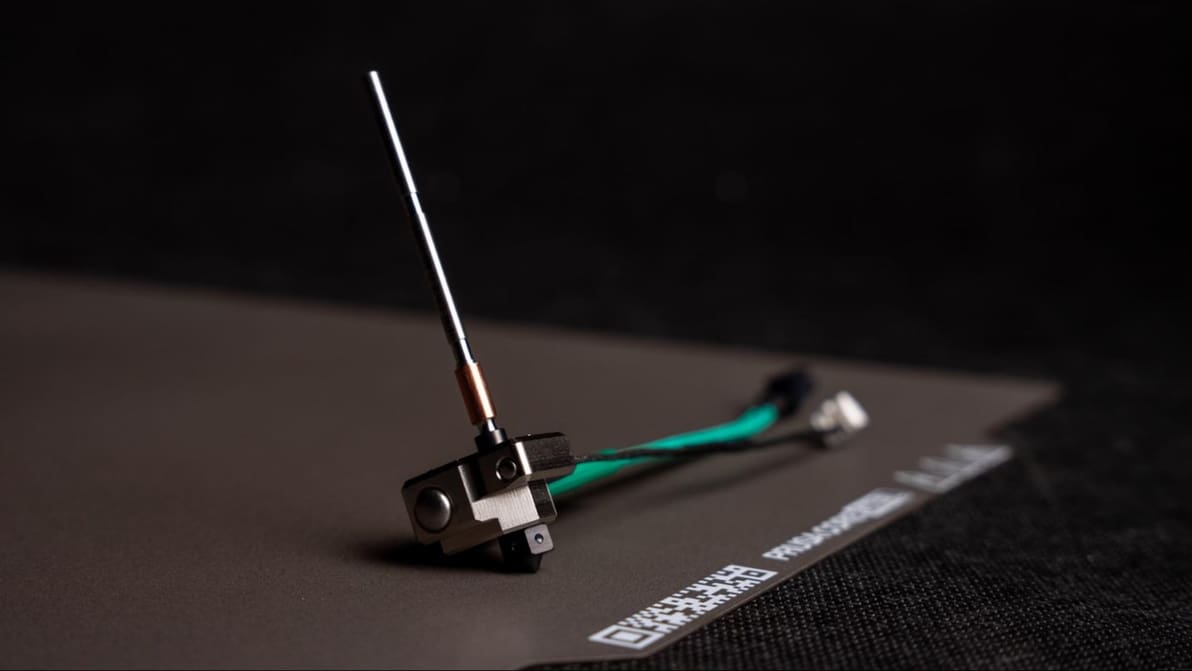
The Prusa HT hot end is now available as a drop-in replacement for all stock Core One 3D printers, with the only exception is INDX-equipped machines (for the obvious reason that they don't use the Nextruder hot end.)
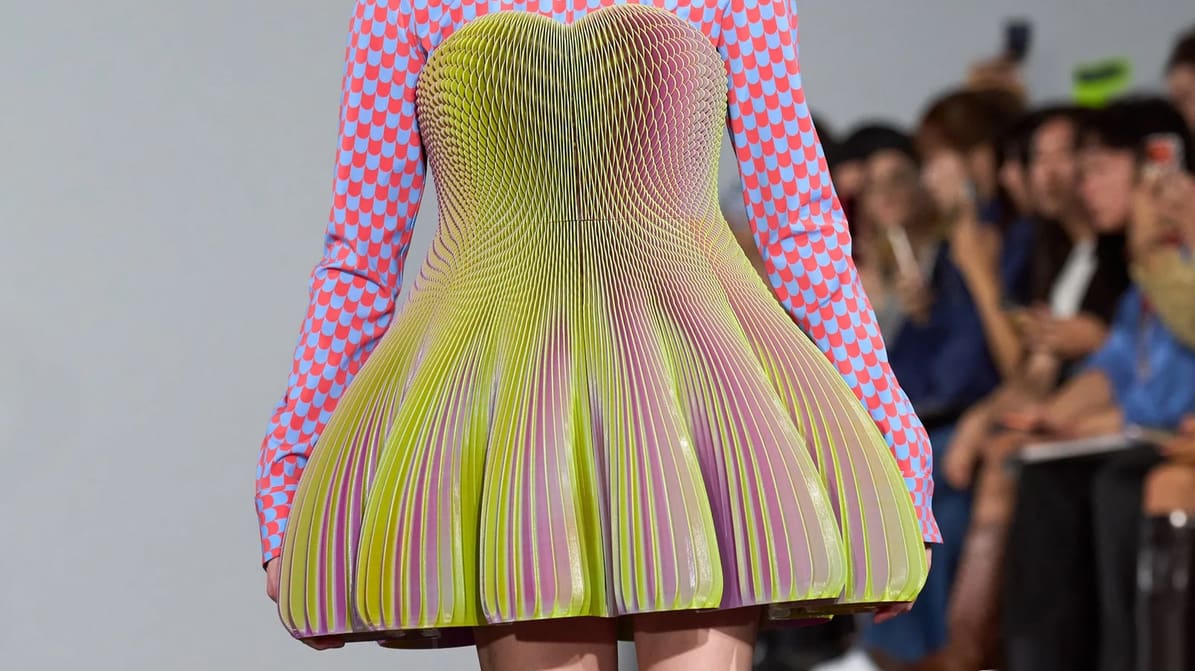
Forget breathable fabrics, the future of haute couture is rigid, custom-extruded, color-shifting PETG. Just don't try to sit down.
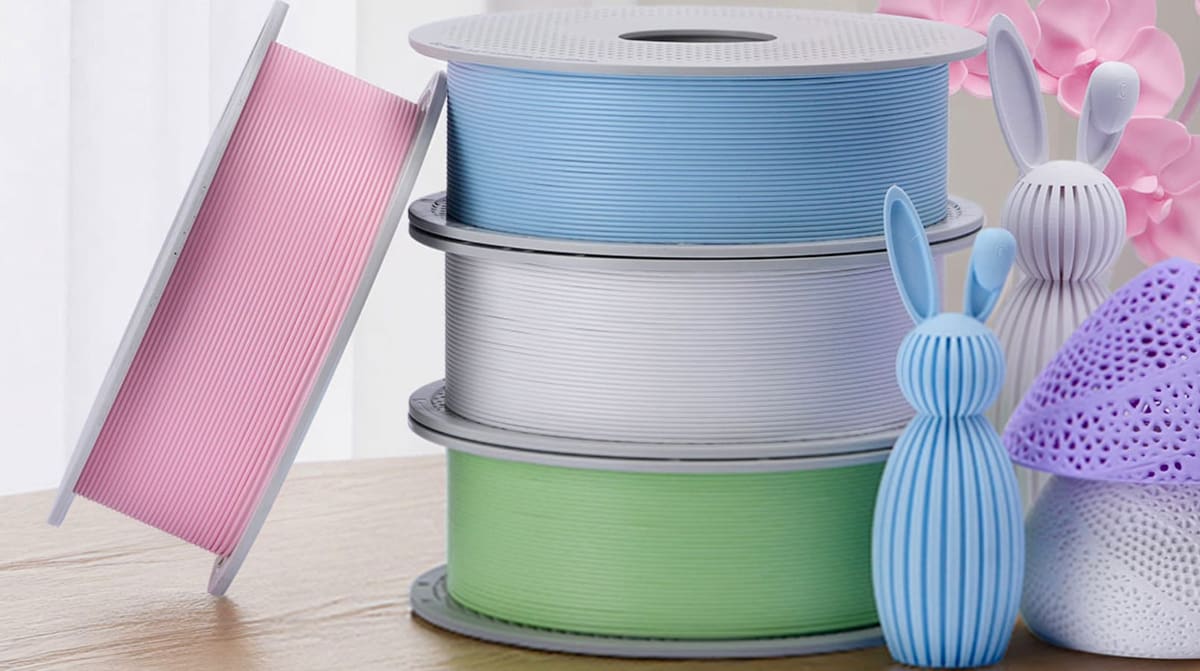
The new filament combines a subdued finish with improved humidity resistance, easier support removal, and the toughness expected from PETG.
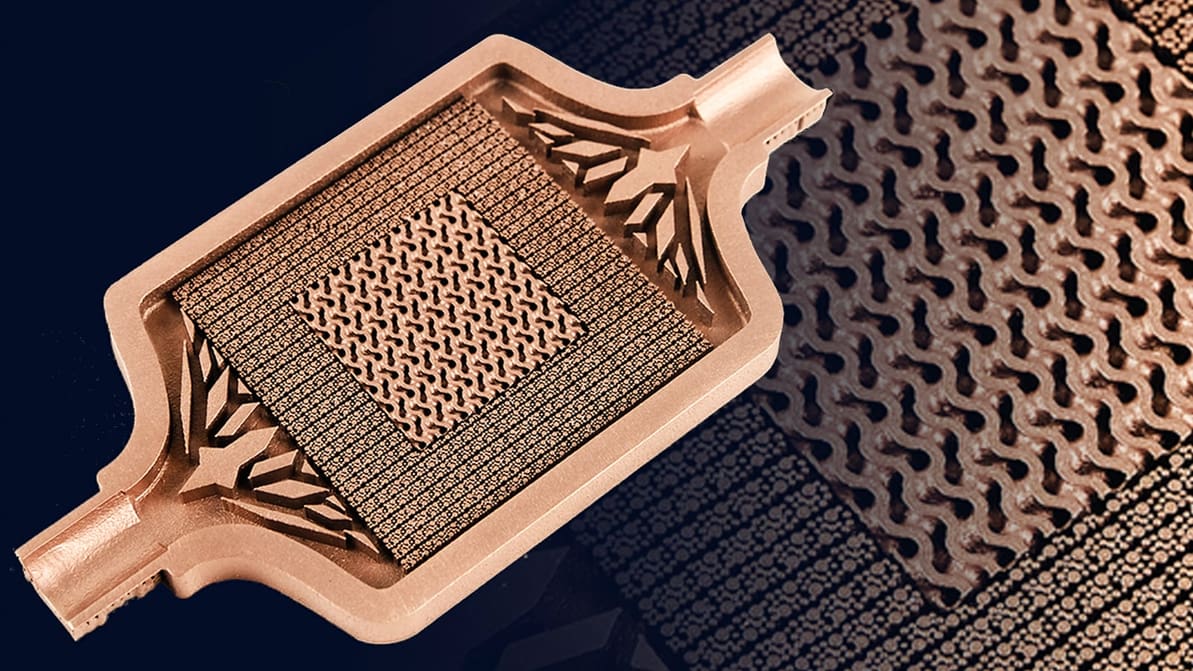
With AI processors pushing traditional thermal management to its limits, metal 3D printer makers are pivoting to produce complex, pure copper liquid cold plates for next-generation data centers.
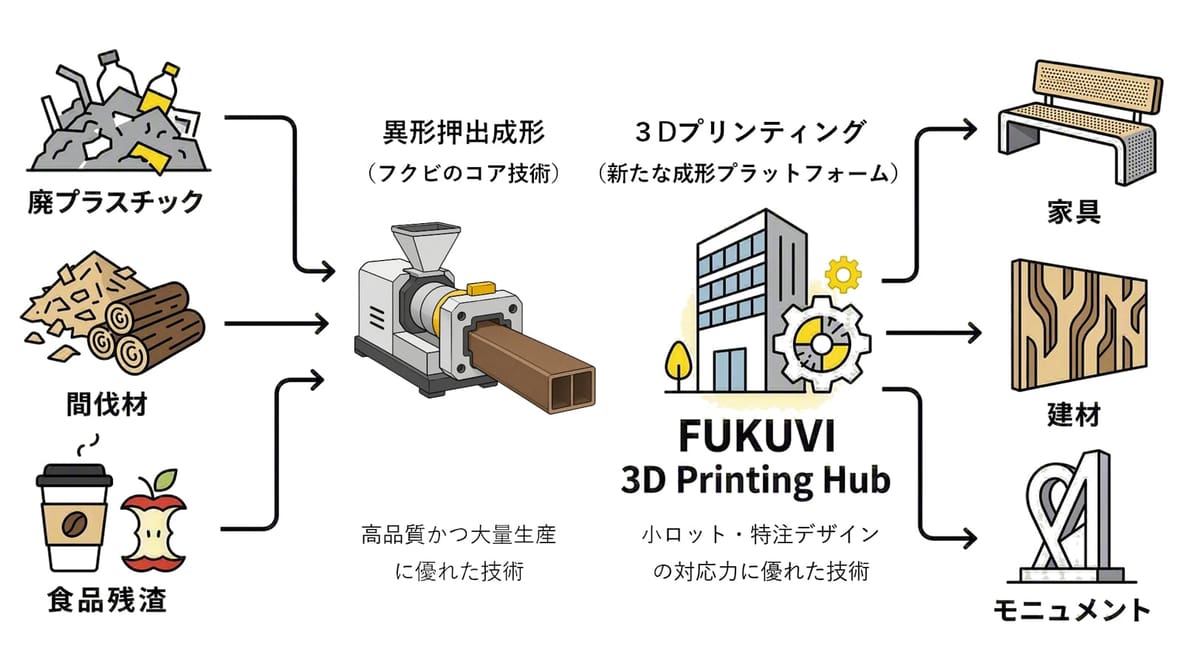
What if your city’s next park bench was 3D printed from morning coffee grounds and discarded household plastics?
Whether your gateway machine was a 1st-gen RepRap cobbled together with hardware store threaded rods (good luck finding hardware-store replacements for a printer today) or an Ender 3 kit that taught you the value of knowing the thickness of a sheet of paper, that first printer defined your entry into 3D printing.
The lines are arbitrary, but there are some attractive boundaries that seem logical – distinct generational waves in desktop printing hardware. So let's take a generational roll call: which is yours?
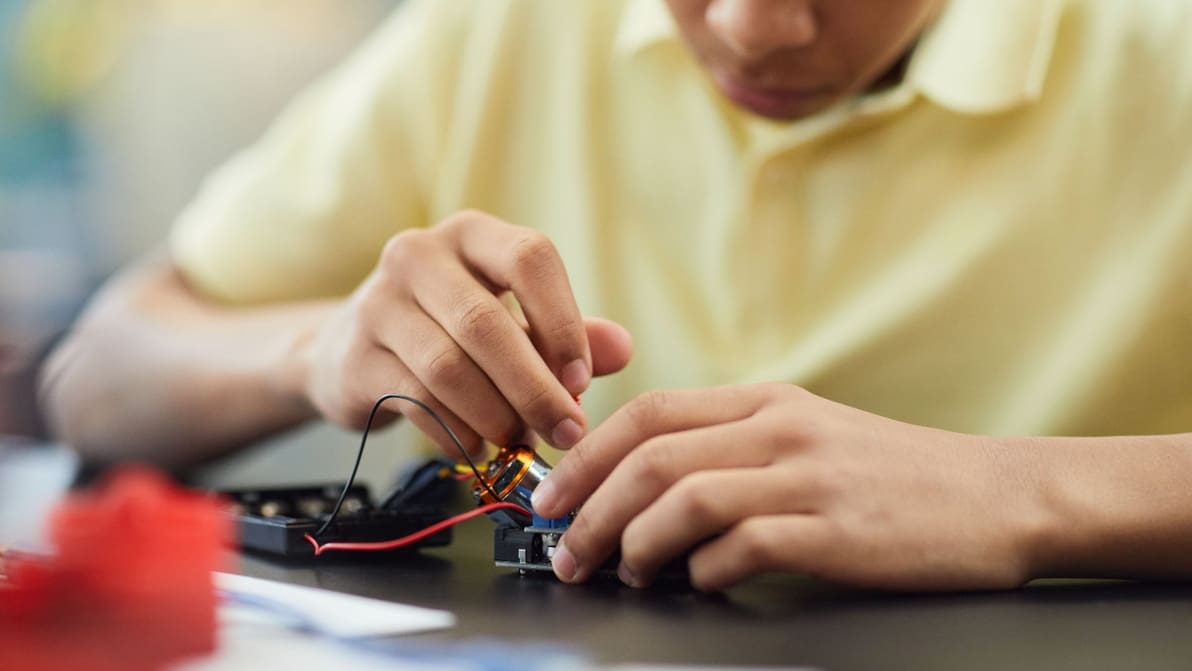
Students can claim up to $200 per project, and schools up to $2,000 per purchase, provided you run the gauntlet of an application review and don't mind a mandatory PCBWay logo on your PCBs.
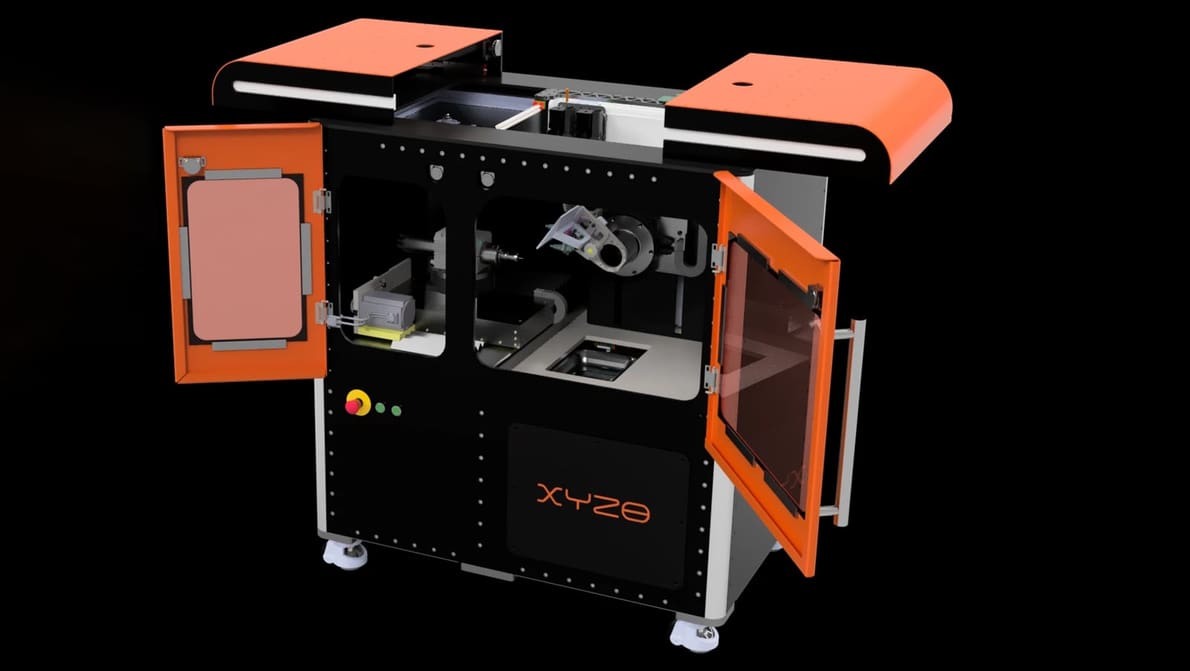
UK startup XYZO has revealed an ambitious modular manufacturing platform that wants to print, machine, cure, clean, and inspect parts without them ever leaving the machine.

Creality is launching the Sermoon P1S today, a standalone blue-laser and NIR 3D scanner that joins March's Sermoon P1 at the forefront of Creality's pro-focused, but not expert difficulty handheld scanners.
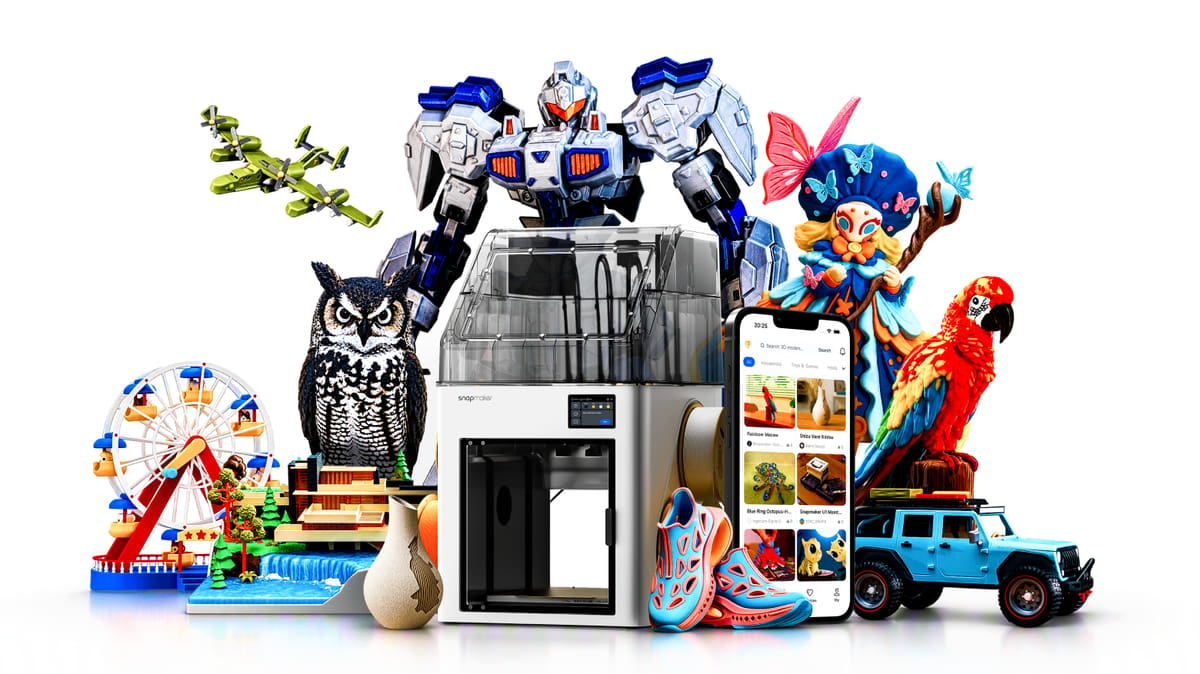
Launching with some 2,500 models and specifically structured around multicolor and multi-material printing, the site features a unique user-reward system that scales rewards based on qualifying print time. It's nothing if not different; a model repository built for the efficiencies of a toolchanger. You can check it out over at Snapmaker Space.
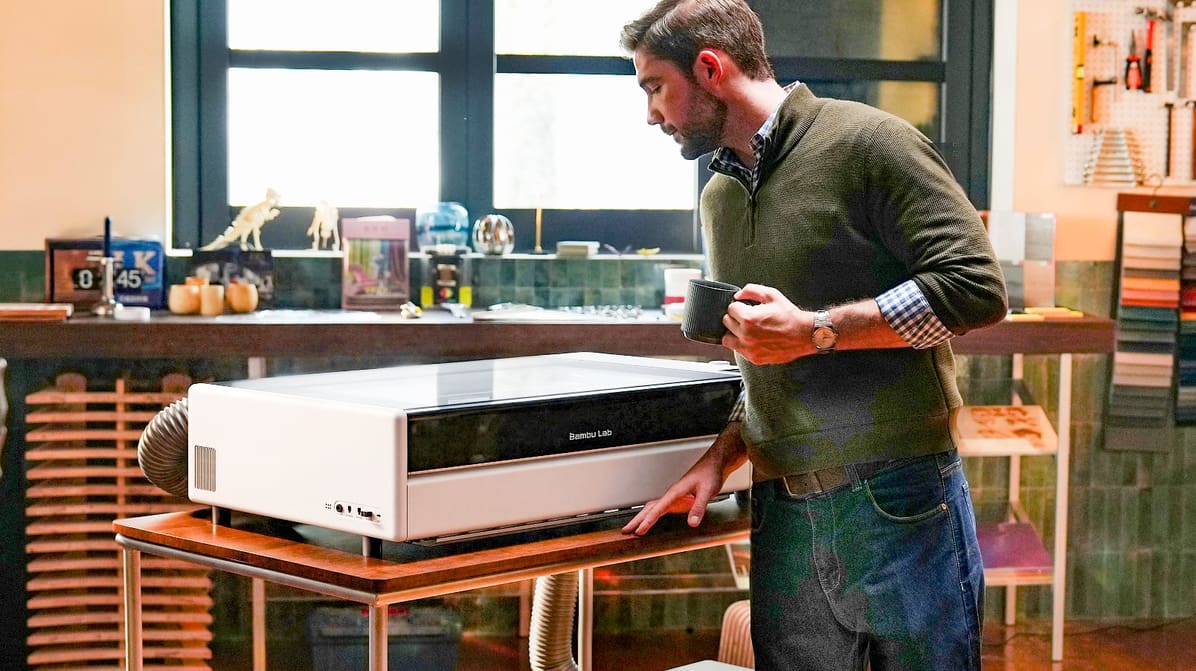
The R1 cuts wood, acrylic, leather, fabric, and paper, plus engraves on glass and stone.
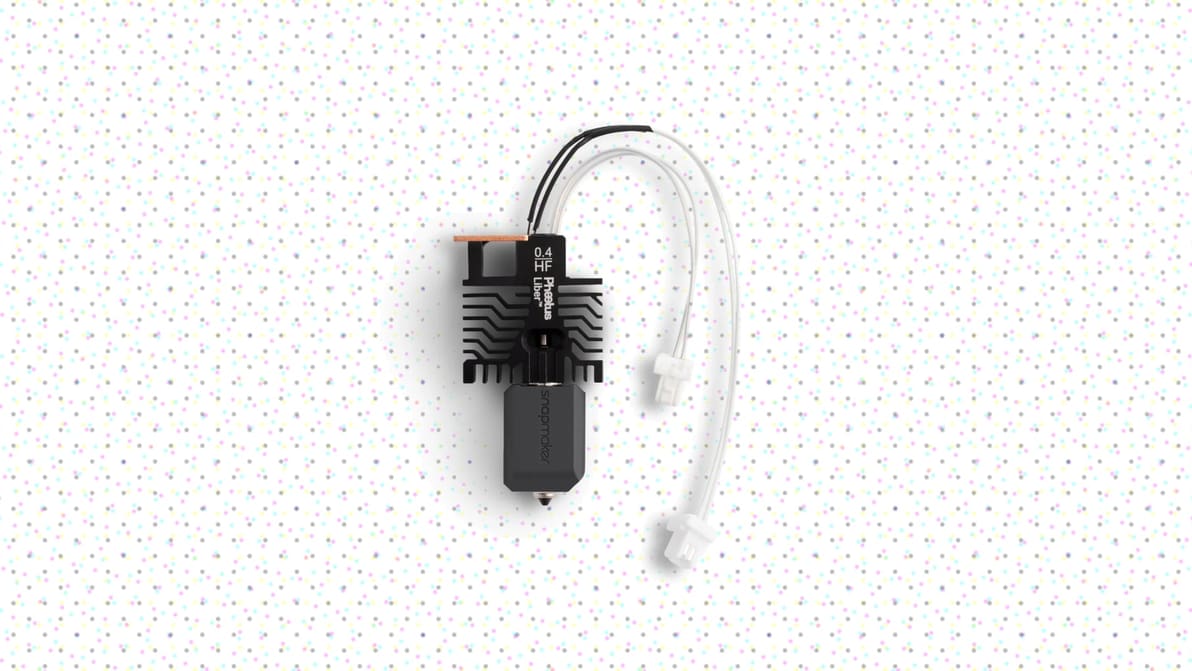
The hotend uses Phaetus’ Liber split channel geometry to heat filament faster, and is capped with a DLC-coated hardened steel nozzle for tough performance.
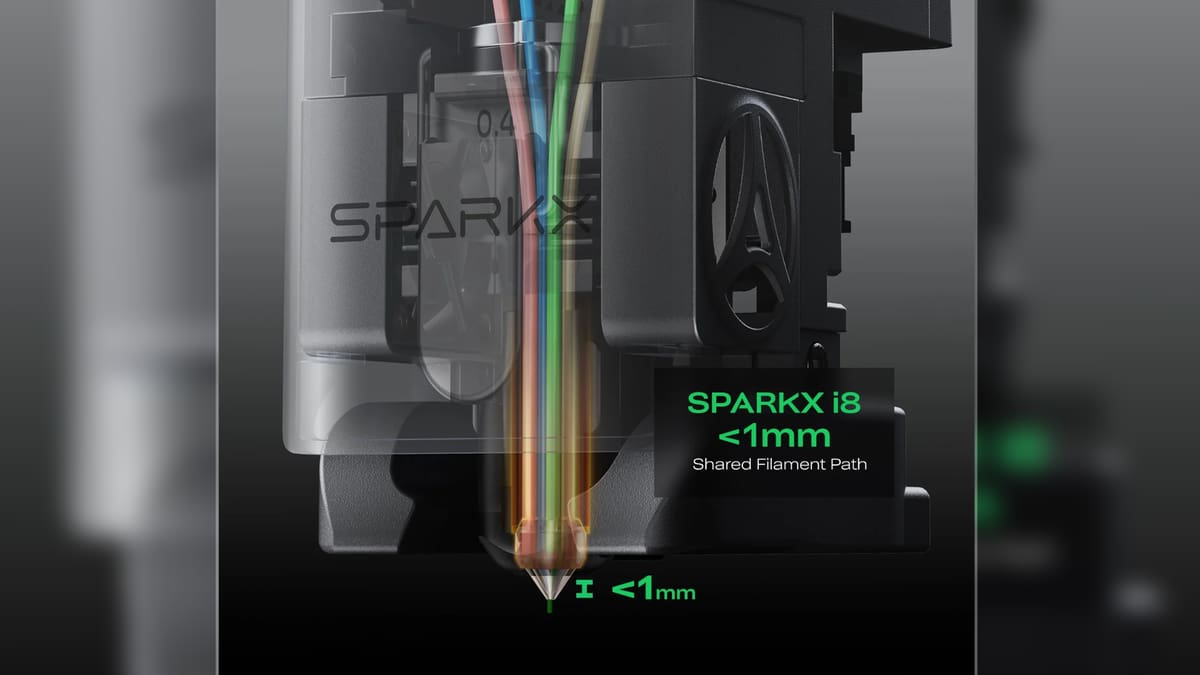
The printer uses a creative four-channel nozzle and switching extruder Creality calls QuarTeks to cut print waste on multi-filament prints. The printer circumvents the filament cut'n'purge other single-nozzle printers use by having each of the filaments primed inside the nozzle in its own discrete channel. Creality claims there's zero purge during printing. See for yourself over on Indiegogo, where a limited early-bird discount has the i8 available from $289.
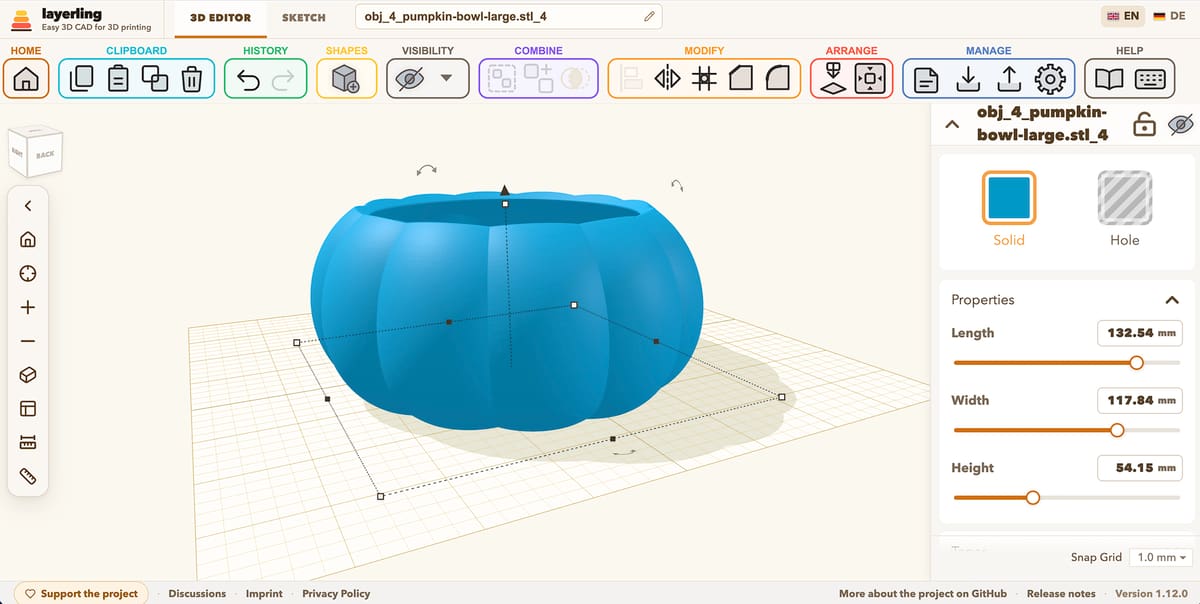
Layerling, a new browser-based 3D modeling tool aimed squarely at people who want a printable part rather than a career in CAD. It requires no account or cloud service, keeps designs in the browser, and exports STL, OBJ, and STEP files. There’s also an MCP server that lets AI clients, such as Codex or Claude, work directly in the editor while you watch. So yes, apparently even dragging boxes around a build plate can now be delegated. It has already been updated dozens of times, so development does not appear to be lingering over coffee.
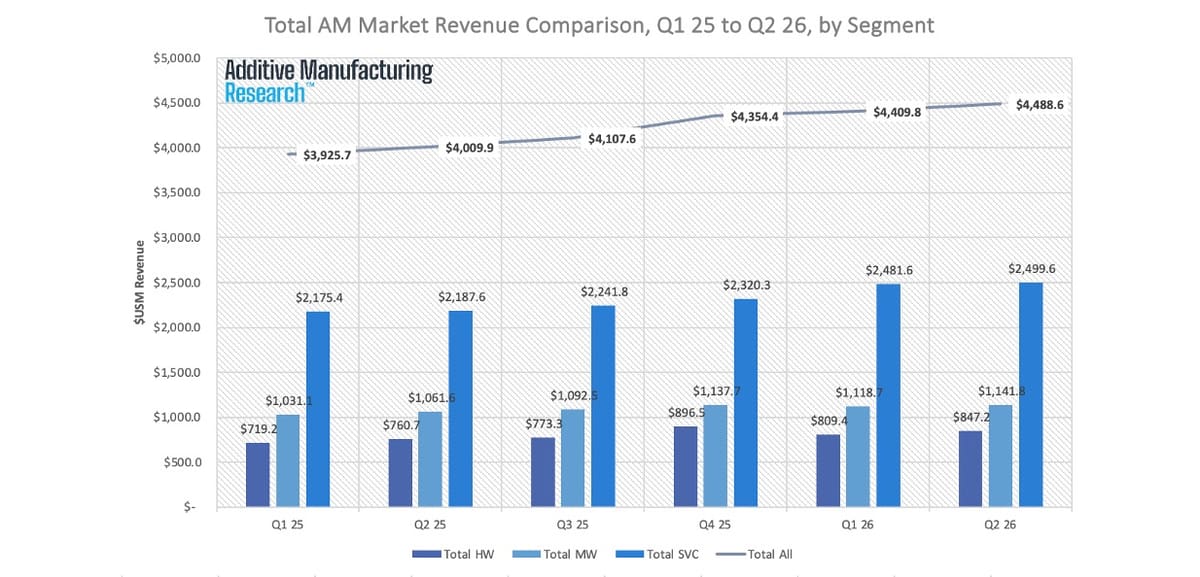
The global additive manufacturing market reached $4.48 billion in Q2 2026, notching a sixth straight quarter of growth, according to AM Research. Revenue across metal, polymer, and ceramic systems, materials, and services rose 12% year-over-year, with metal AM contributing $1.8B and polymer AM $2.7B. Services were the real workhorse, bringing in nearly $2.50B or more than half the market. AM Research's Scott Dunham called the first half of the year “robust growth,” though stubbornly high interest rates could still make manufacturers think twice before signing off on big capital purchases.
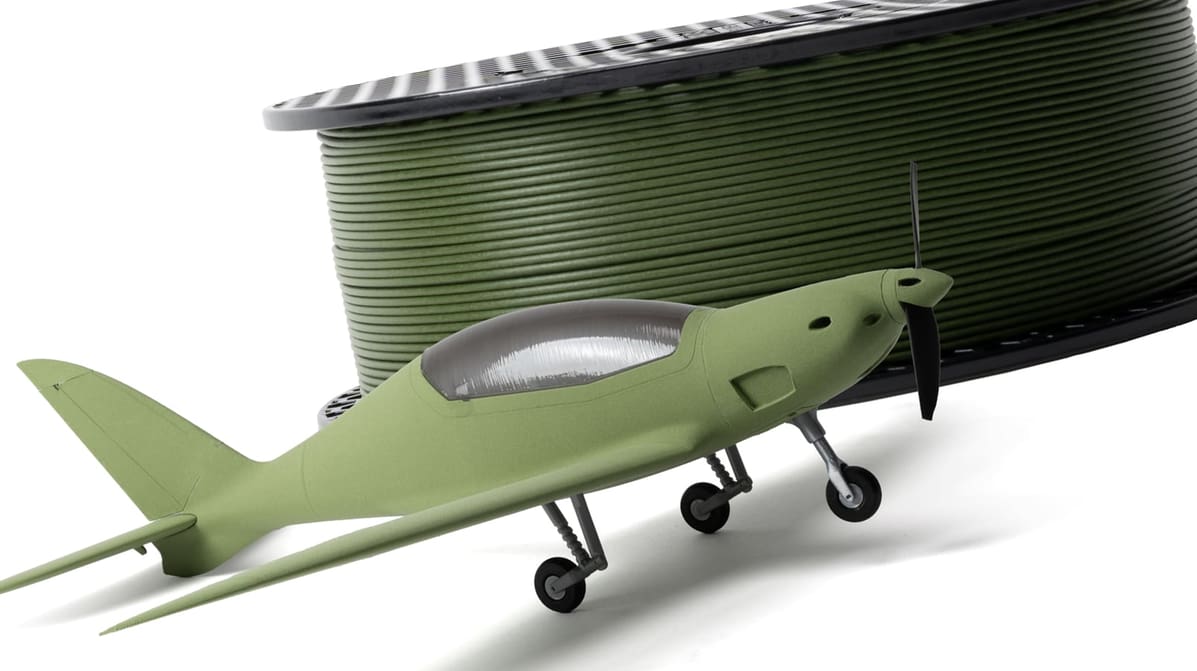
Prusa’s new actively foaming PLA promises lighter parts, more prints per spool, and a distinctive matte finish.
It's a use case we often see scanner manufacturers pushing as a core reason you should use their products, but when the results are often blotchy, fuzzy approximations of the object scanned, we've got to ask, who's actually printing that? Treating the scan as a starting point to reverse engineer, we get, but is anyone printing scans as they come?