The OrcaSlicer fork pulled from GitHub following the threat of a cease-and-desist letter last month is back. The slicer, which reconnected the popular third-party slicer to Bambu Lab's cloud infrastructure without Bambu Connect – control middleware the company launched early last year – is now hosted by right-to-repair advocate Louis Rossmann and PC media outlet GamersNexus, with both publicly daring Bambu Lab to sue them over it.
Bambu Lab has not responded publicly to the rehosting. The slicer is now more accessible than it was before the company intervened.
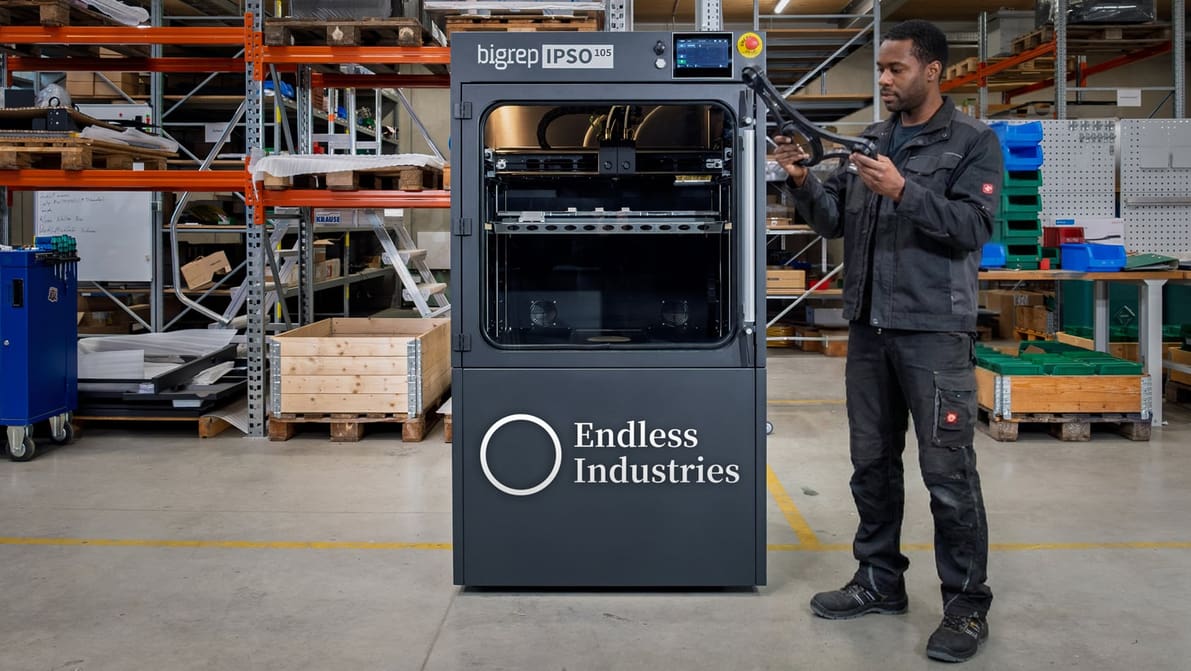
Berlin-based BigRep and Endless Industries are bringing continuous carbon fiber reinforcement to the BigRep IPSO 105, targeting stronger large-format parts at lower cost than traditional composite manufacturing.
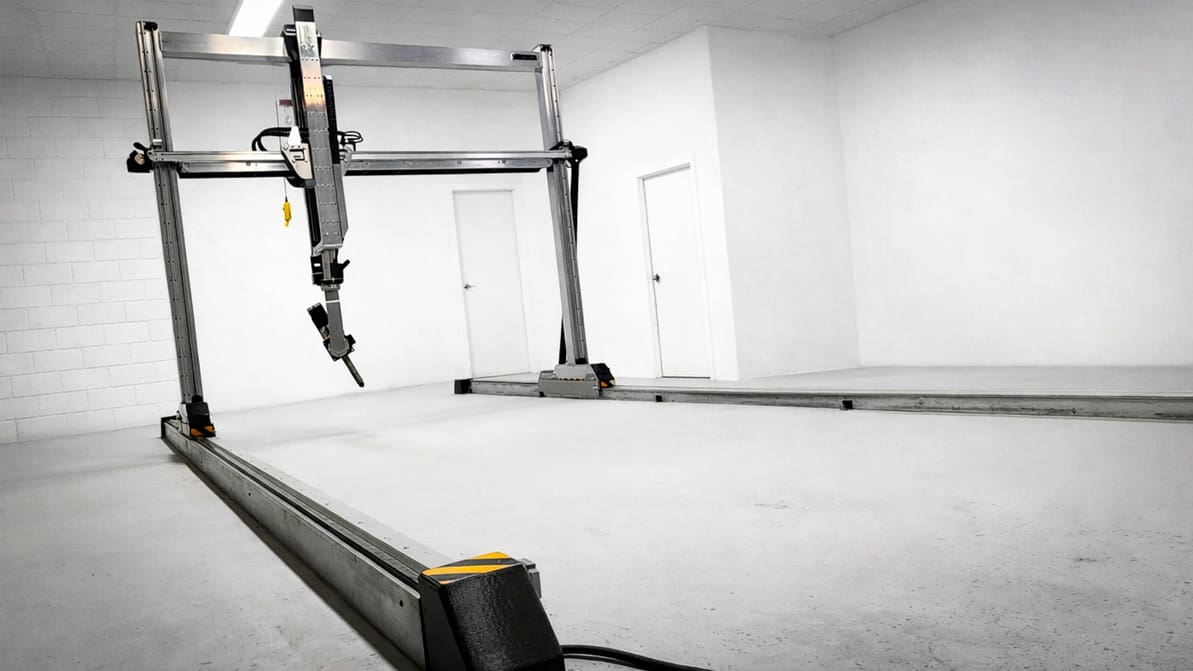
Coupled with machines starting at $15,000, ErectorBot’s hopes its Aibuild software integration can tame the complexity of industrial-scale printing, and make it accessible for any size manufacturer.
Aridditive, a Barcelona-based company specializing in 3D concrete, just 3D printed the full renovation of Sutton Barcelona, one of Spain’s most iconic nightclubs. The company manufactured 340 functional concrete elements off-site, including sofas, staircases, bar counters, walls, and a DJ booth, then installed them as part of a seven-week refurbishment that would have taken roughly five months using conventional methods, the company says. More proof that digital fabrication can handle high-design commercial interiors on a nightlife timeline, not a construction one.
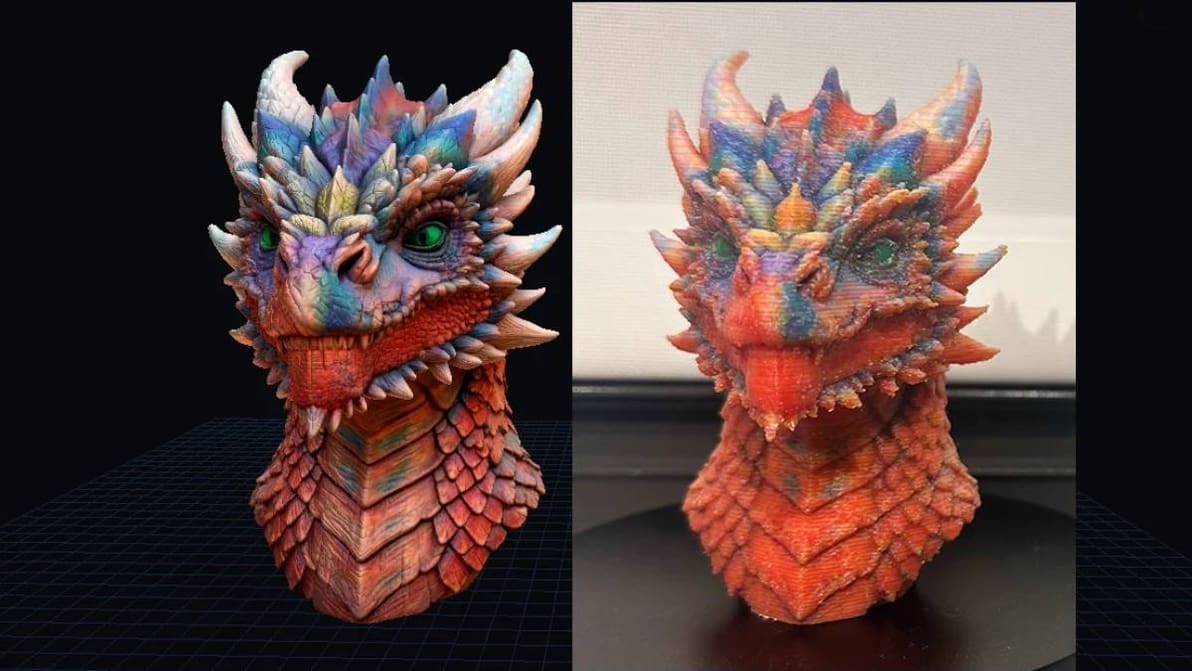
From the brains behind the color interpolation technique known as full spectrum comes ColorStack, a paid-for app that automatically sets 3D printable color data for a CMYW/K 3D print based on texture data.
The prickly overlap between a subset of Bambu Lab users and the company itself flashed into the spotlight this month, following Bambu Lab pressuring a solo developer to take down an OrcaSlicer fork that reconnected the slicer to Bambu Lab's cloud infrastructure.
Cadillac’s Formula 1 team is hit he accelerator before it even hit the pavement, deploying seven of 3D Systems’ SLA 3D printing systems to speed parts development ahead of its 2026 Formula 1 debut. The team is used 3D Systems’ large-format resin 3D printers, software, Accura materials and Application Innovation Group expertise on tool-free manufacturing that cut weeks of lead time and costs. Check out this behind the scenes video about the engineering process.

We all know materials like Nylon and TPU typically print better after a run through a filament dryer, but when it comes to PLA and PETG, things get a little less certain. Some swear by a pre-print bake for flawless results, while others think it’s a waste of electricity. I think the truth is somewhere in the middle. Drying diehards (dryhards?) are probably doing it more than they need to, while those who think it's an overblown 3D printing trope are missing out on the benefits.
Where do you draw the line?
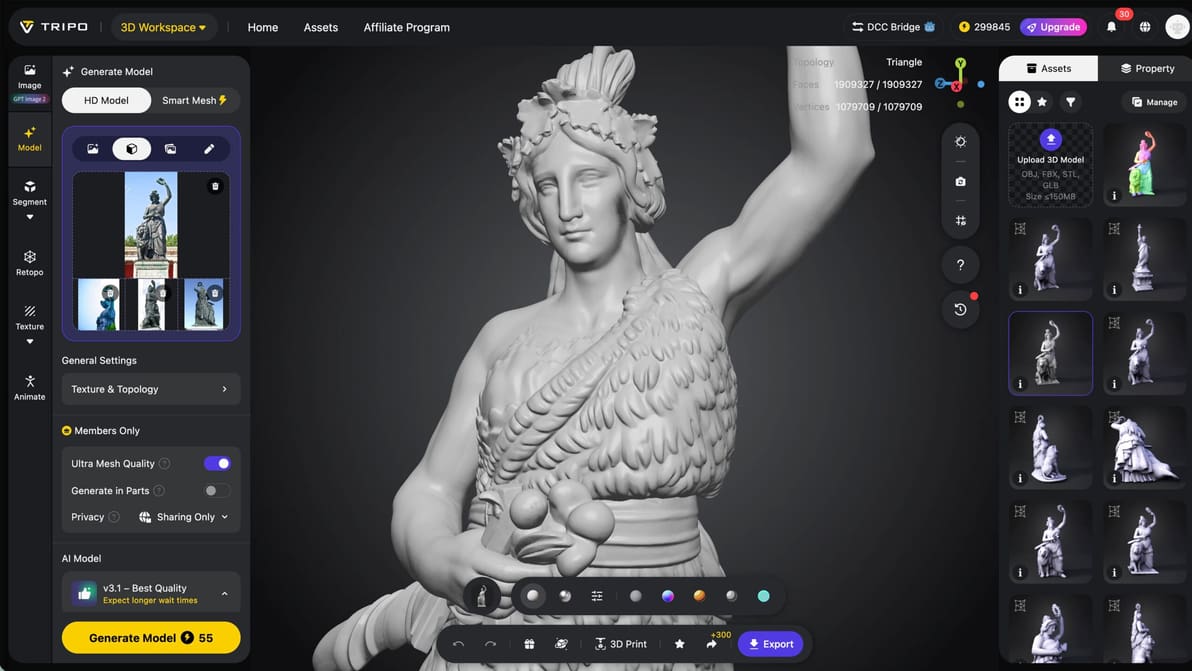
Tripo’s upgrades, Nano Banana 2 integration, and in-platform editing tools, let you tweak, fix, and export 3MF files without ever leaving the app.
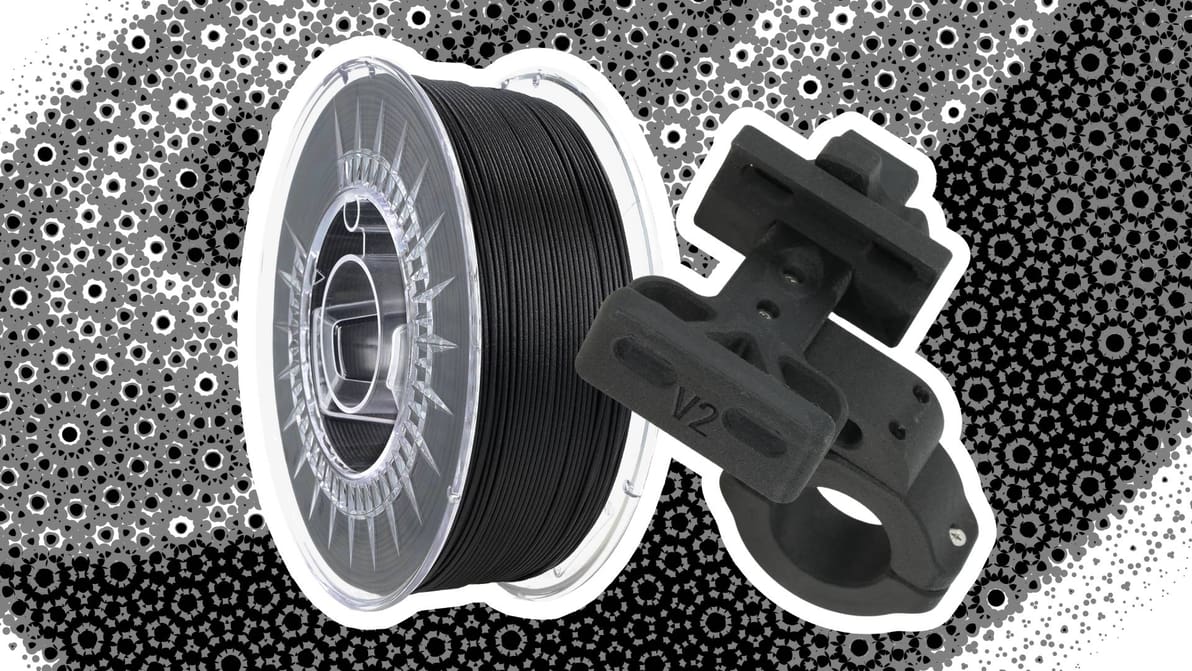
Tough, durable, and chemically resistant, this new glass-fiber reinforced TPU is a technical composite for demanding environmental and mechanical conditions, say Rosa3D. At a Shore hardness of 75D, it bends, but it'll take a lot to break.
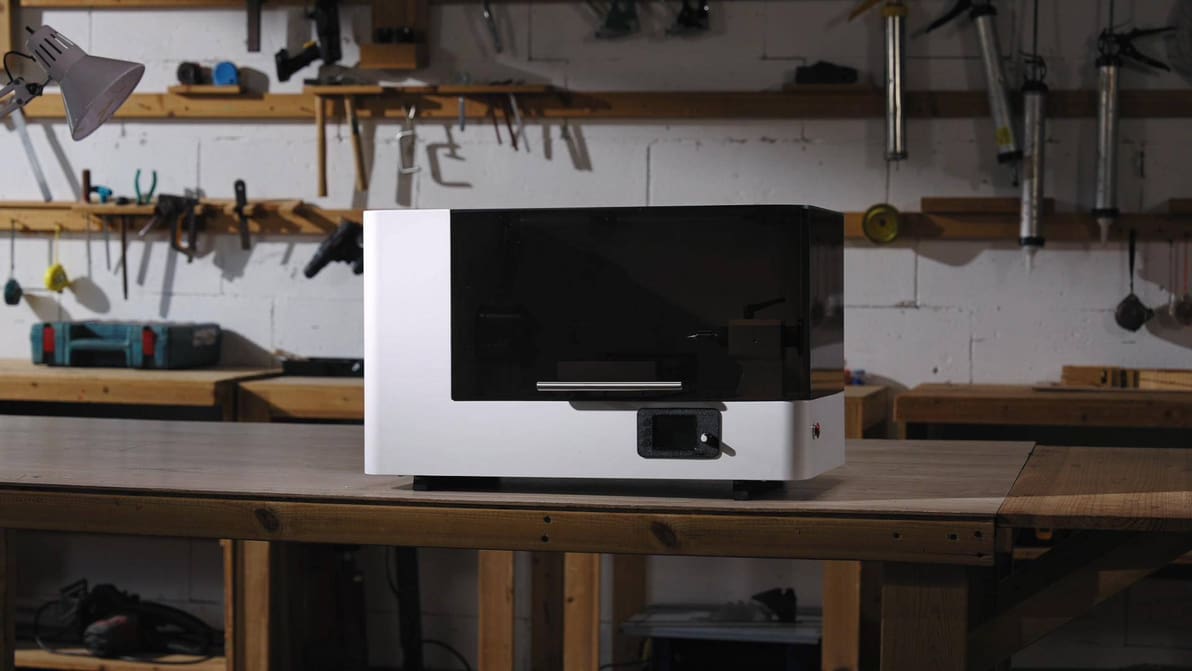
Newcomer Duroxen has taken to Kickstarter to get its eponymous desktop CNC lathe off the ground and into your workshop. But what is a lathe even, and what does that sub-$1,000 pledge get you?
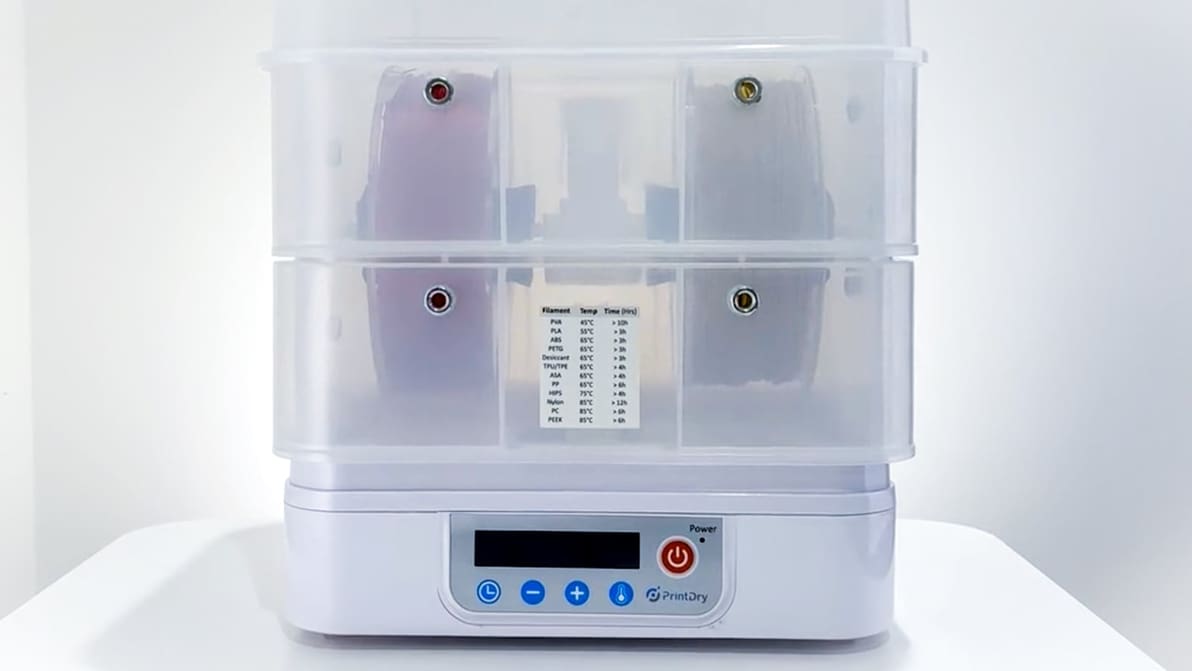
The Pro4's upgraded heating unit may finally deliver the solid temperature consistency your moisture-sensitive filaments have been asking for.
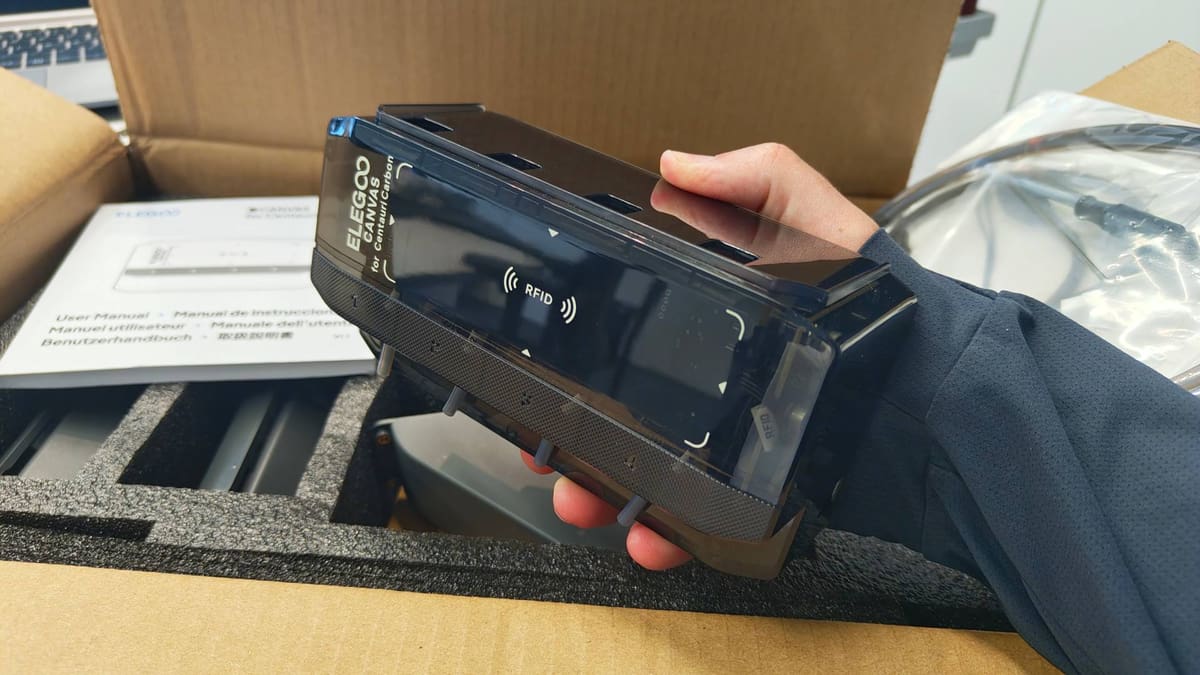
It's the real deal, launching last week after a short debut at Rapid + TCT. The Canvas filament changer unit – along with all the components needed for the upgrade – costs $55 from Elegoo's webstore. If you order one now, though, you’re in for a wait. Lead times have ballooned; first-batch orders ship this month, but an order placed today won’t leave Elegoo's warehouse until late August. Oof.
You use your machines for hyper-specific household fixes and functional engineering: 52% of you said as much in a poll late last year. Last weekend, we sorted the "Browsers" from the "Creators" and found a surprisingly close split: 57% of you upload the models you design, while 43% strictly download and print.
This weekend, we’re looking at that 43%. If your public profile is still sitting at zero uploads, I want to know what’s stopping you. Is it a lack of time, or are your designs just too niche to be worth sharing?
As part of Anthropic’s Claude for Creative Work launch, Autodesk Fusion is now available through Claude, turning natural language prompts into real design actions, bridging concept and manufacturable output.
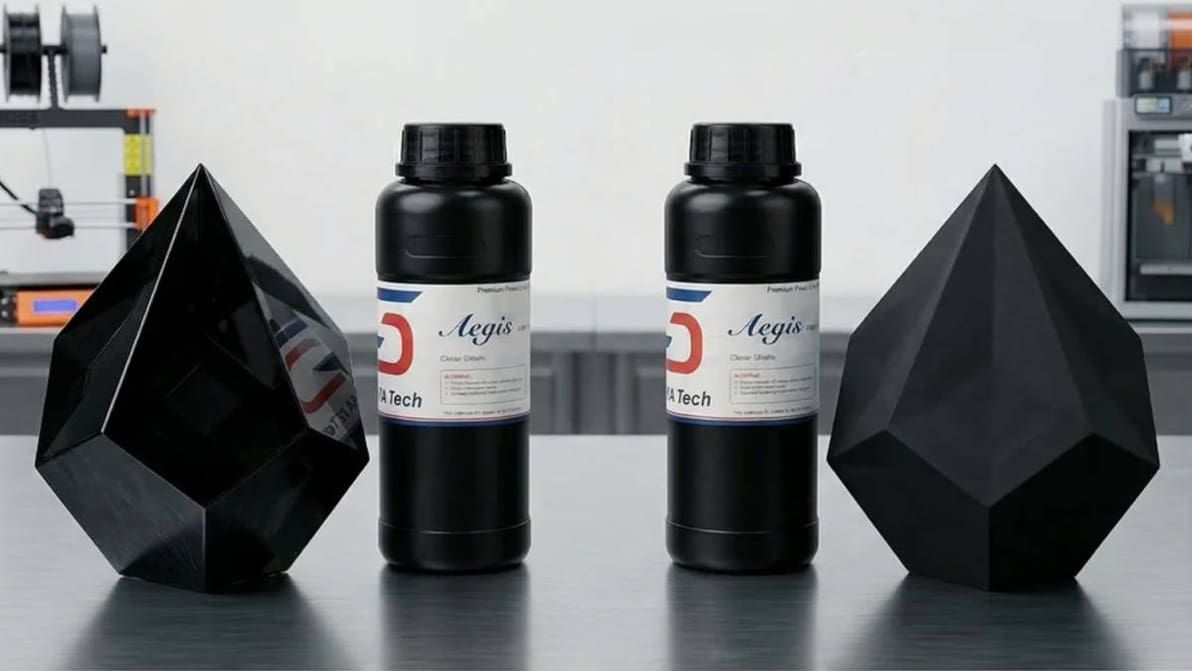
Siraya Tech's one-part 3D print coating has started to roll out for a larger audience, landing in Europe, Japan, and coming soon to other regions too. The coating comes in two types for a clear or matte effect that's said to give "injection-mold" like finish to 3D printed parts.
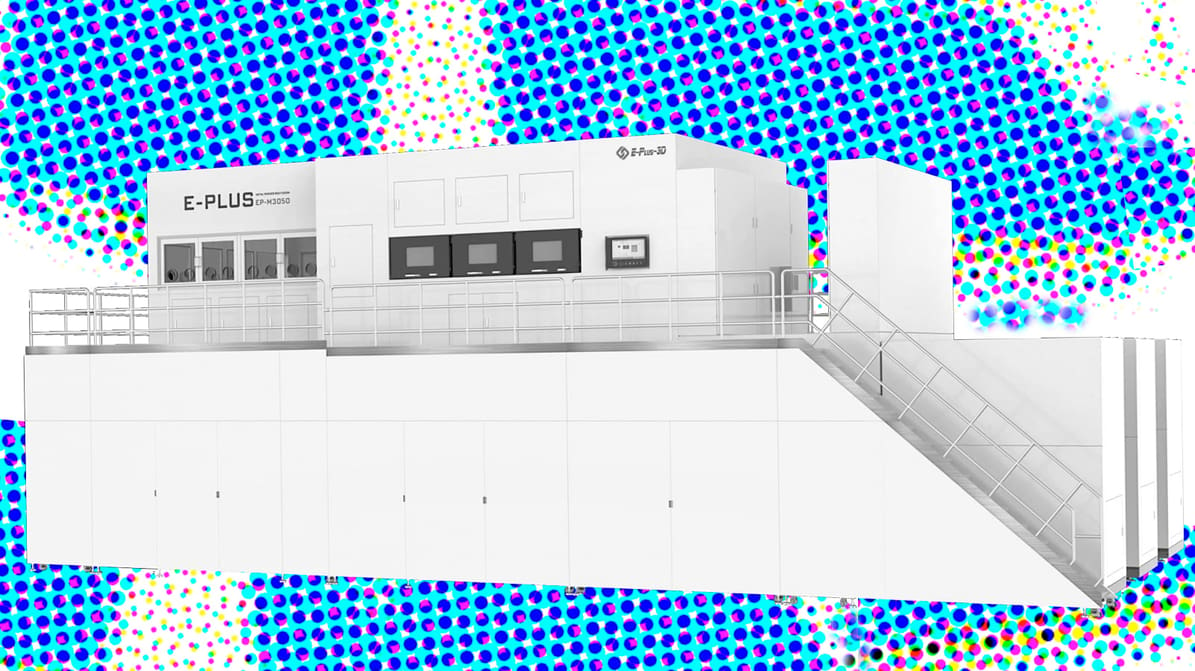
By coordinating 100 lasers across a massive 3,050 mm build plate, this ultra-large-format system for titanium, aluminum, steel and more, eliminates the need for welding rocket thrusters or structural aerospace parts.
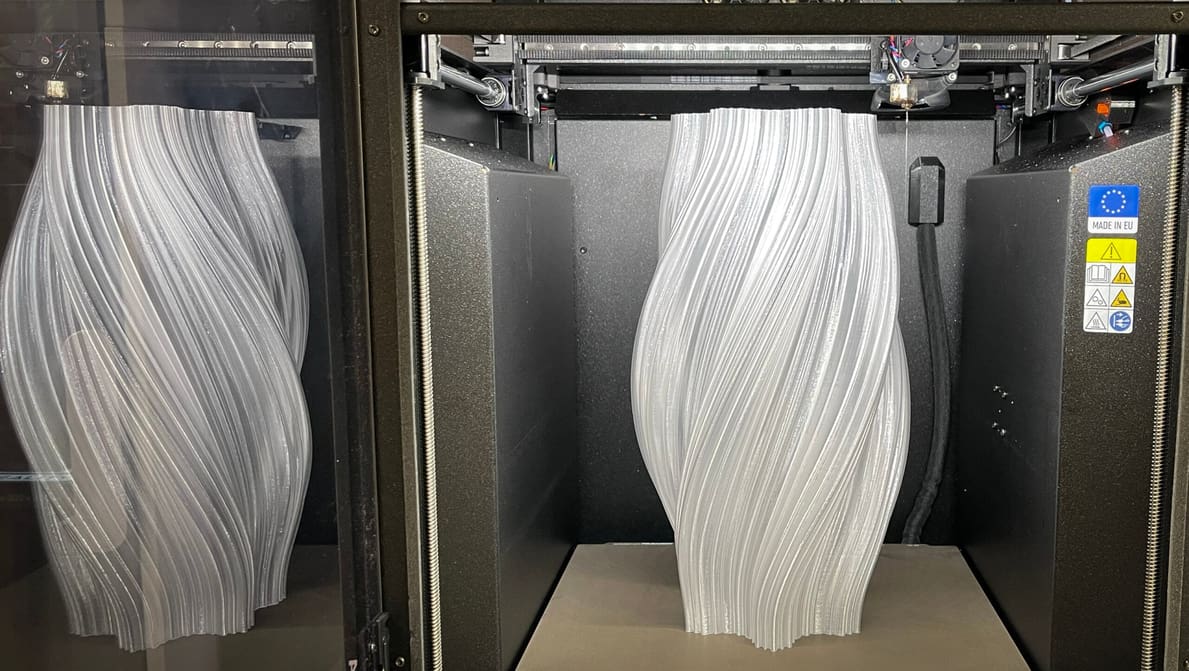
We spent three months print-testing the new rePETG Loopfill to see if recycled waste can deliver the strength, clarity, and printability we expect from PETG.
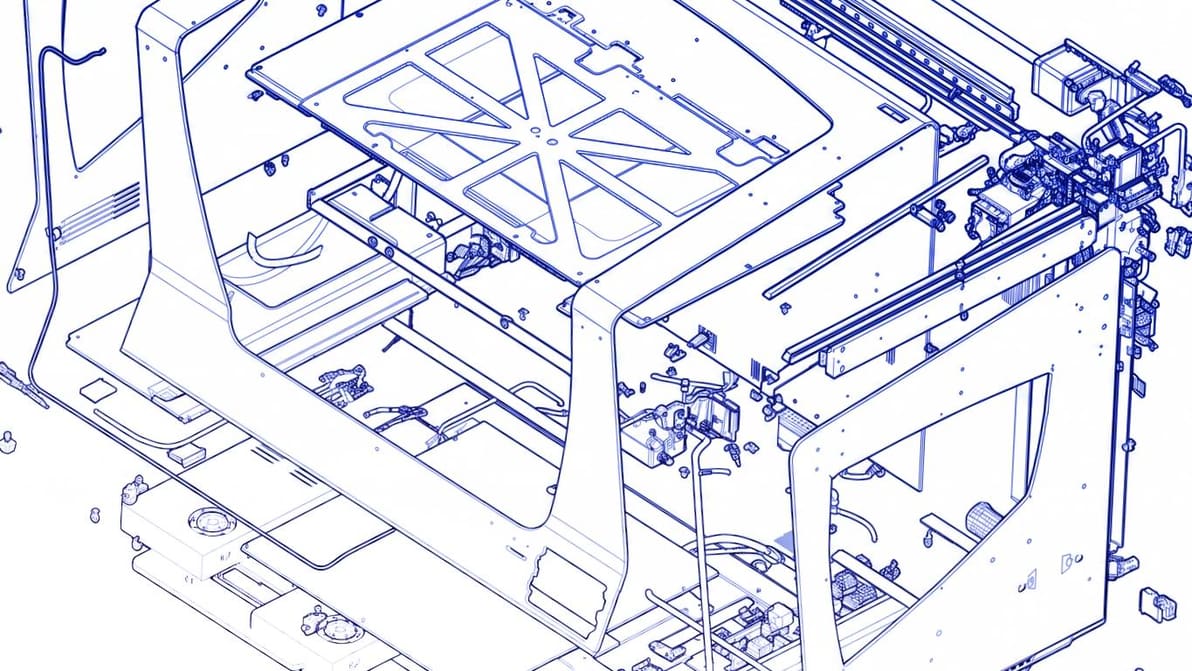
A quiet expansion of licensing options on Thingiverse caught our eye recently, revealing one of the first moves to reposition the site as a space for engineers to post, collaborate on, and eventually even manufacture and monetize their projects.
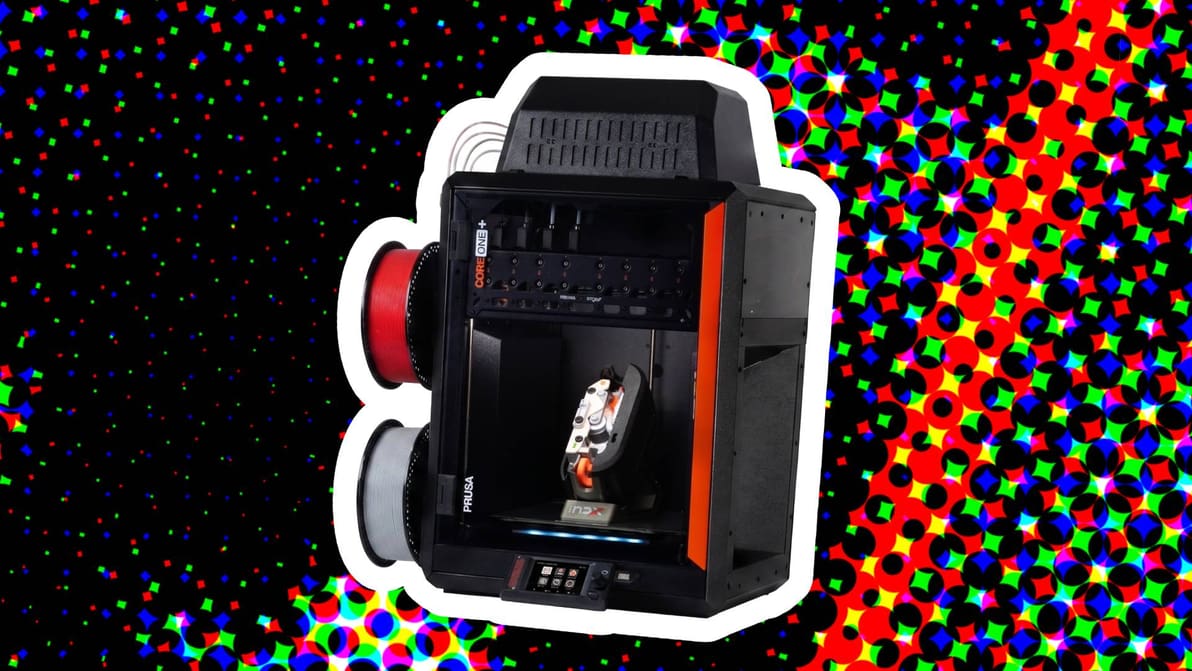
The wait is over but, important to note, what's now available is more than previously shown, with faster calibration tech and massive material savings at nozzle priming. It also sold out near-immediately, so you may be in for a wait before you can get one.