The open-source hardware-minded CERN-OHL-v2 licenses are now an option there – we'll be covering that in a dedicated story soon (it's a pretty interesting development).
Looking into the regular licenses offered across repositories though, we see an awful lot of dense, difficult to parse and nearly identical options. How many of you are actually affected by them, though? So let's ask the question – are you uploading models for others to use, or simply browsing and downloading files to print?
– a new Prusa subscription expands usage limits. Starting at $8.99 a month for the "Basic" tier, you get 20 GB of file storage plus HD camera streaming and longer slicing time using the EasyPrint cloud printing tool. A "Premium" tier adds even more of all three at $29.99. There are discounts for annual subscriptions.
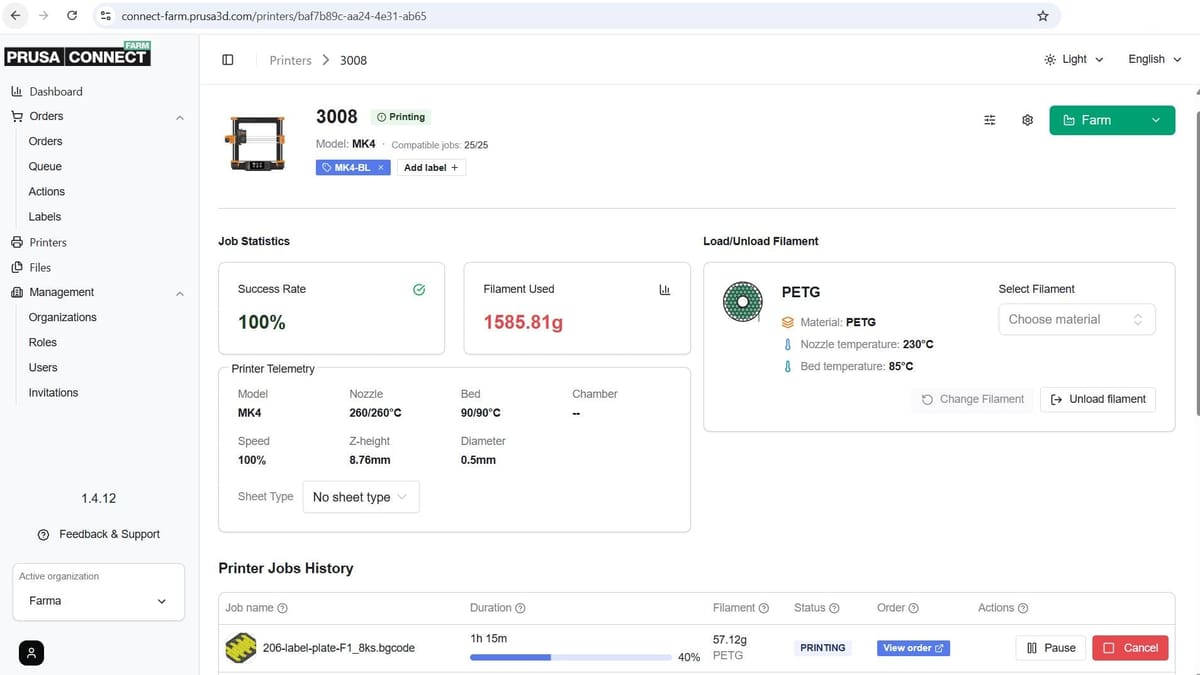
Paid users will get access to the Prusa Connect Farm mode when it launches soon, too. Regular Prusa Connect can handle multiple printers already, but only in isolation. Farm mode treats them as nodes in a network for job assignment and other more productive usage.
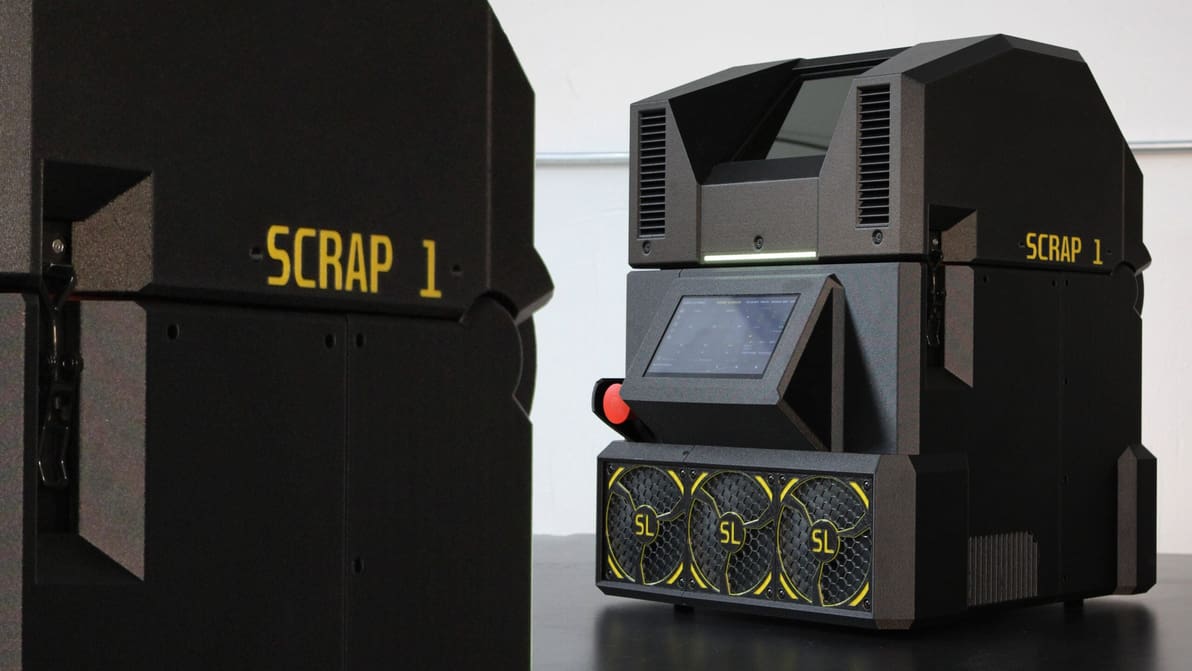
This compact laser-powered system promises industrial-grade results for small shops, delivering metal parts from a scrappy little company with big ambitions.
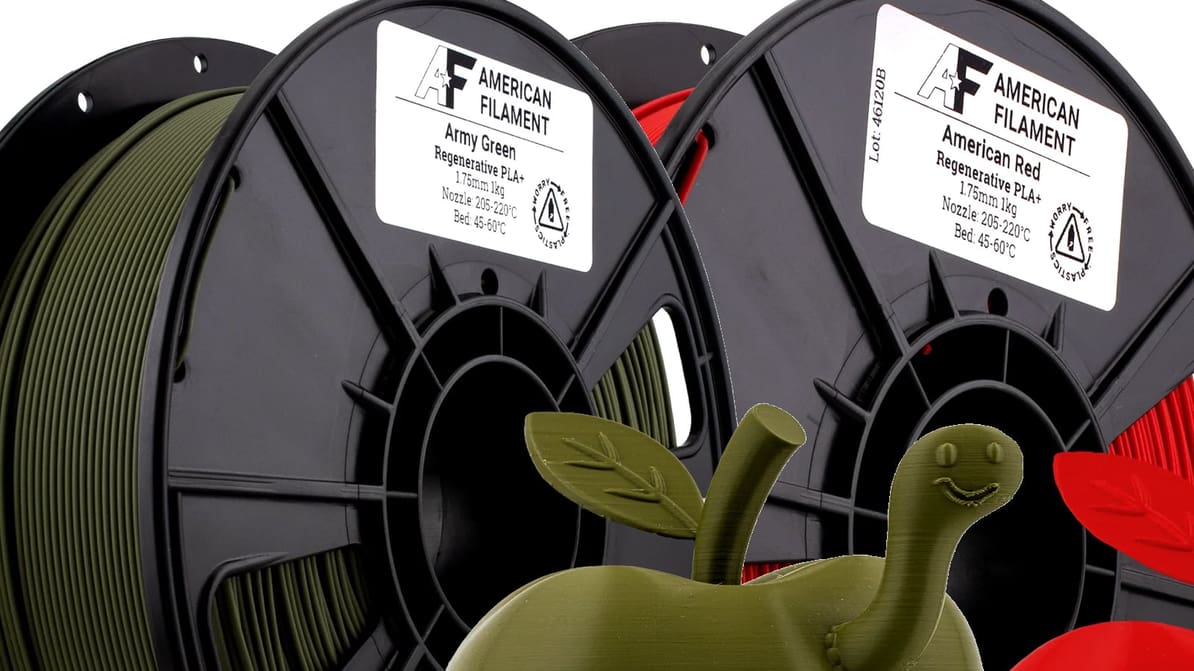
Even plant-based PLA often marketed as "green" requires industrial composting facilities to truly decompose. This new material breaks down in ordinary landfills in under five years.
Possibly. Buried in the release notes for the latest PrusaSlicer 2.9.5 beta is a frank note explaining recent delays – it suggests the long-awaited major update is just a matter of weeks away (though curiously, "maybe more than four").
Seven years after the launch of PrusaSlicer 2.0, version 3.0 is expected to bring a massive overhaul to the tool, freshening up the UI, expanding your workflow with tabbed projects and updating the engine under the hood.
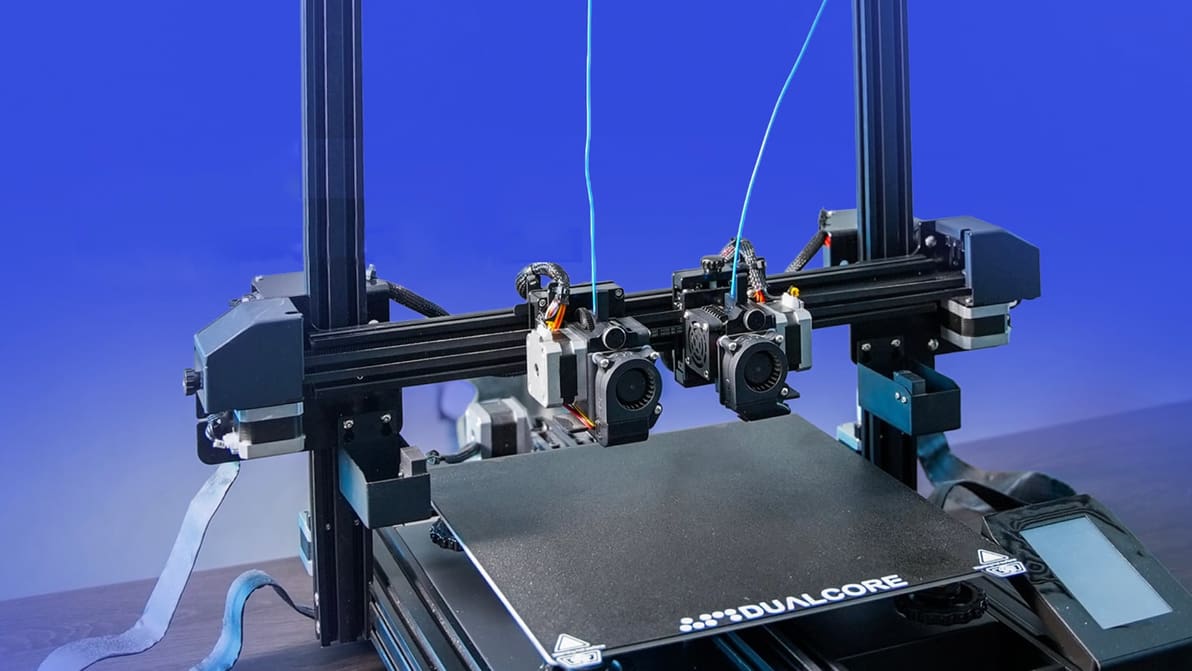
A new Kickstarter project aims to shatter 3D printing speed limits by coordinating two printheads on a single object. We dive into the clever software making it possible—and why that massive speed claim comes with a catch.
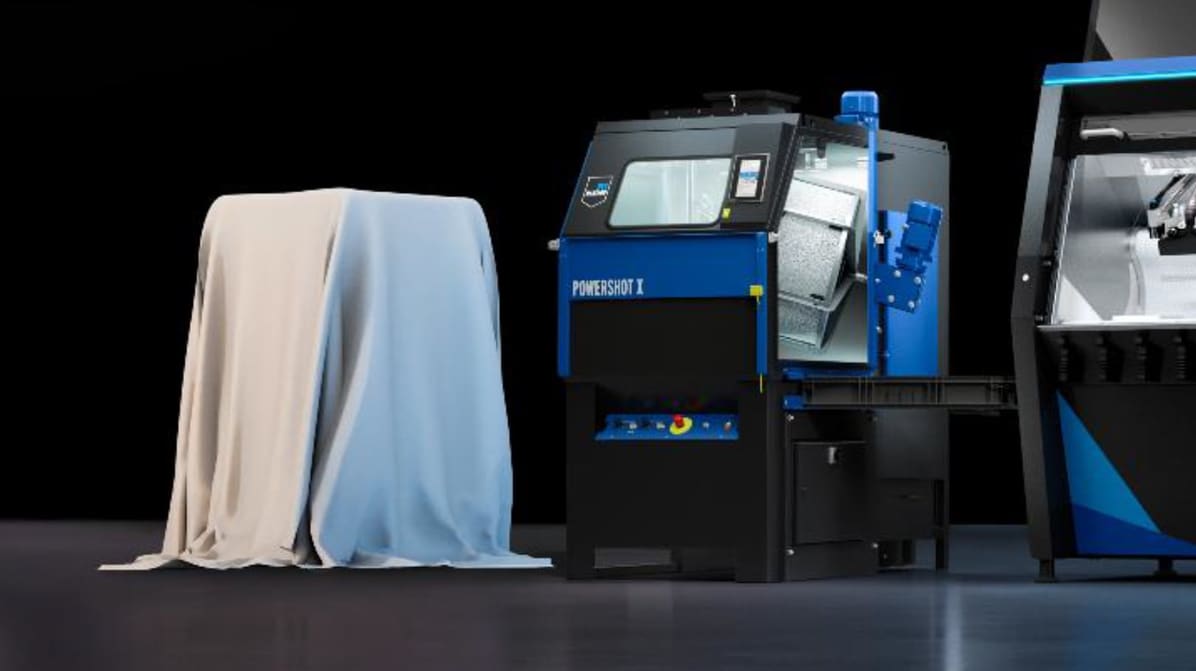
DyeMansion’s upcoming compact Powershot aims to eliminate the manual labor bottleneck with automated PolyShot surfacing for smaller workshops adopting systems like the HP MJF 1200.
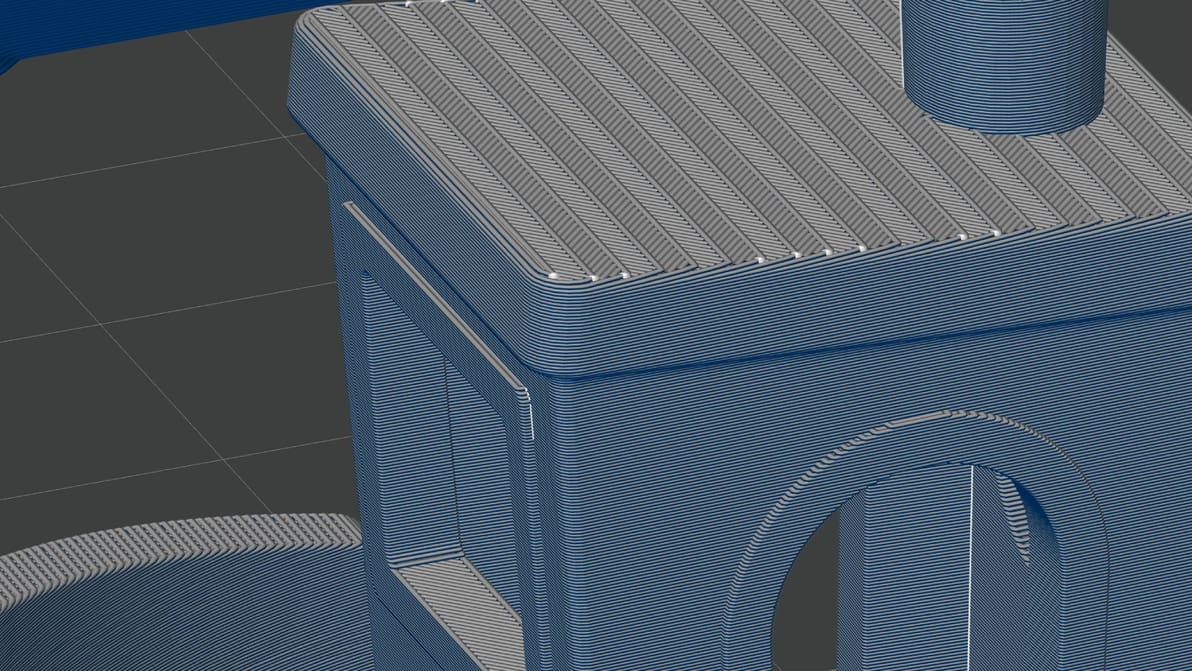
All eyes were on Bambu Lab’s surprise hardware launch of the X2D last week, but a software update alongside introduced a familiar color-mixing feature that deserves some hype, too.
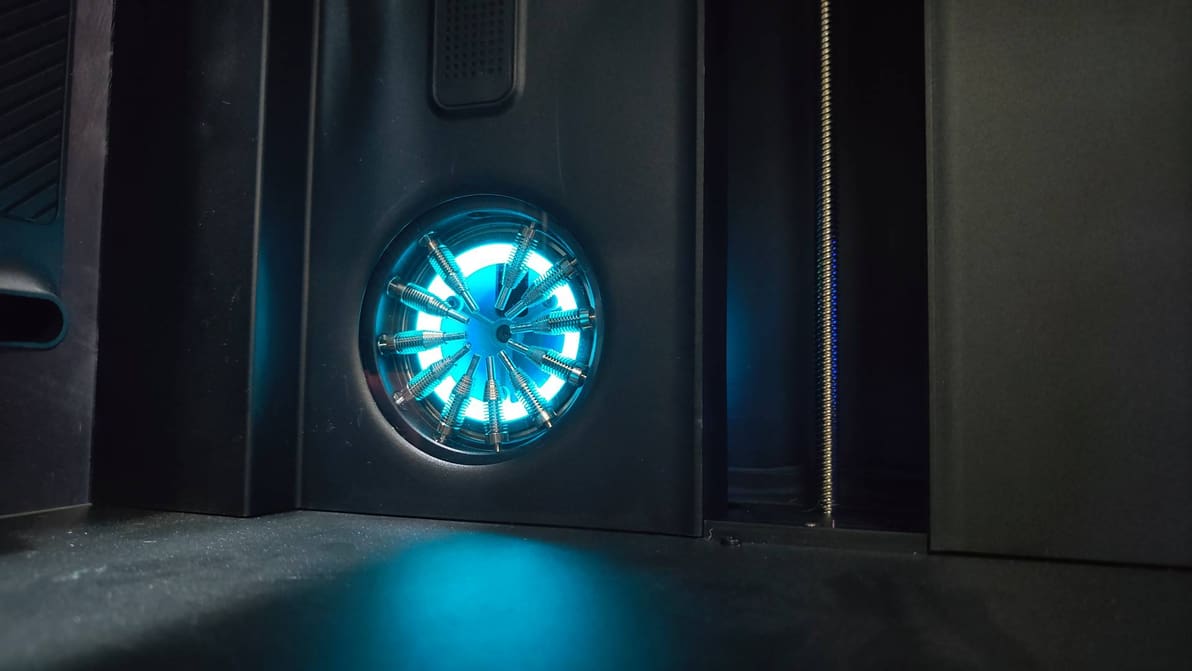
Atomform's twelve-nozzle-changing 3D printer may be coming sooner than you think. We got up close to it at Rapid + TCT to find out how it works and what to expect.
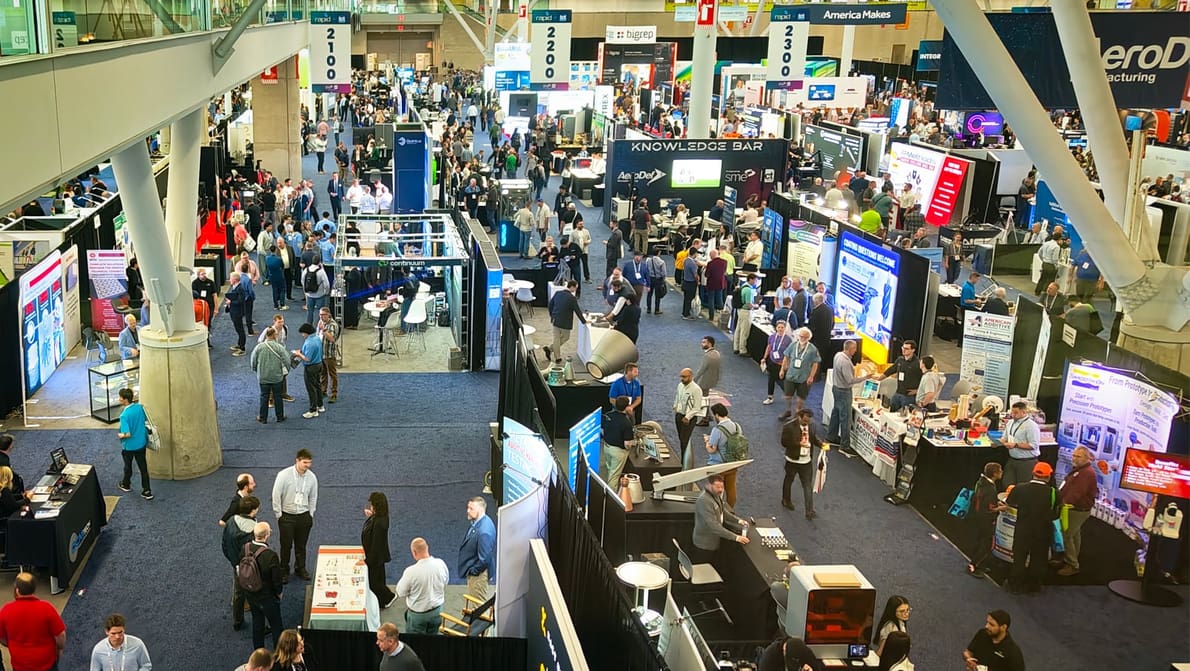
From Anycubic’s surprise reveals to HP’s new entry-level industrial power, we hit the Boston show floor to identify the machines—and the shift from speed to material mastery—shaping the next year of 3D printing.
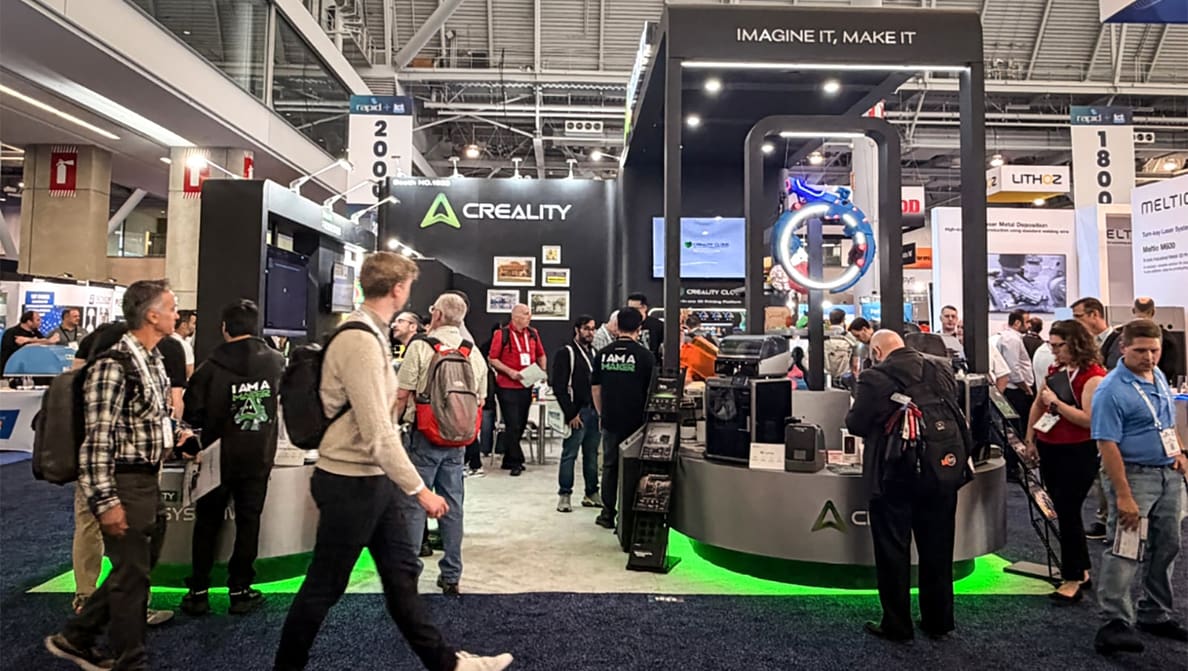
Market intelligence firm Context reports that the global 3D printing sector is finally shaking off its two-year slump, fueled almost entirely by an explosion in entry-level systems.
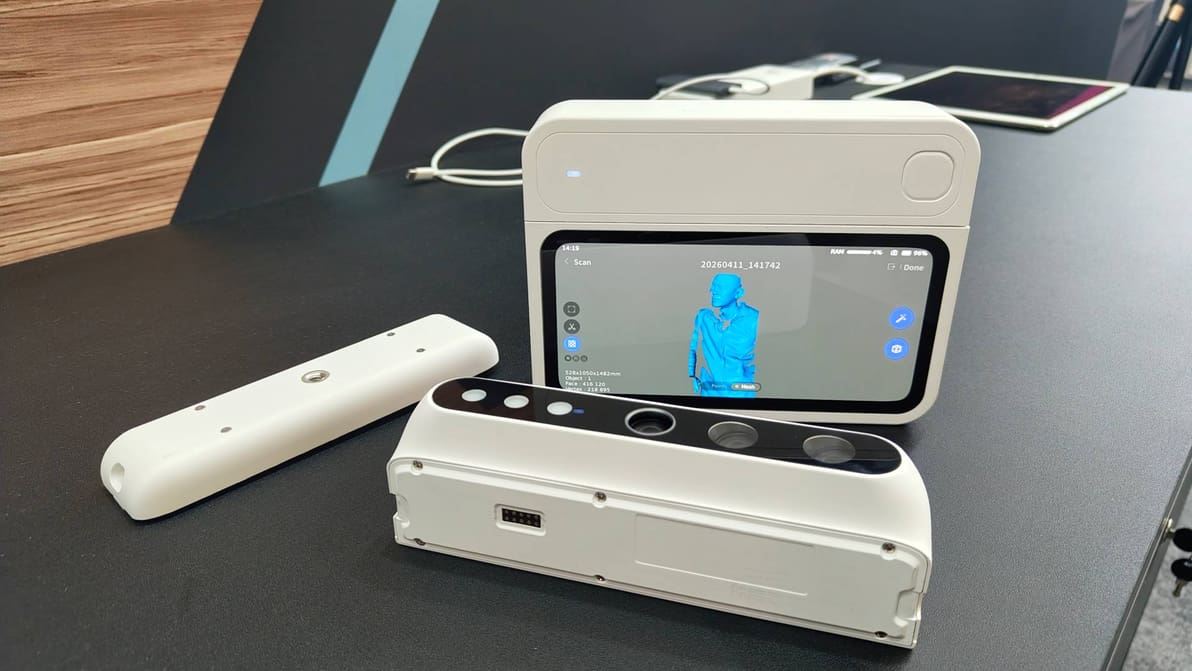
3DMakerPro’s recent lidar-powered pivot to surveyal applications isn't total. At Rapid + TCT, the company showed off two previously unannounced 3D scanners prioritizing affordability and flexibility.
Up close, it looks very feasible for quick(ish) filament experimentation. The air-cooled line looked to largely achieve the 0.05 mm tolerance, though we did see it dip below from time to time. Estimated to achieve up to 1 kg of filament spooled an hour as is, we're told larger spools sizes and weights are on the roadmap. The system is now available for backing on IndieGoGo.
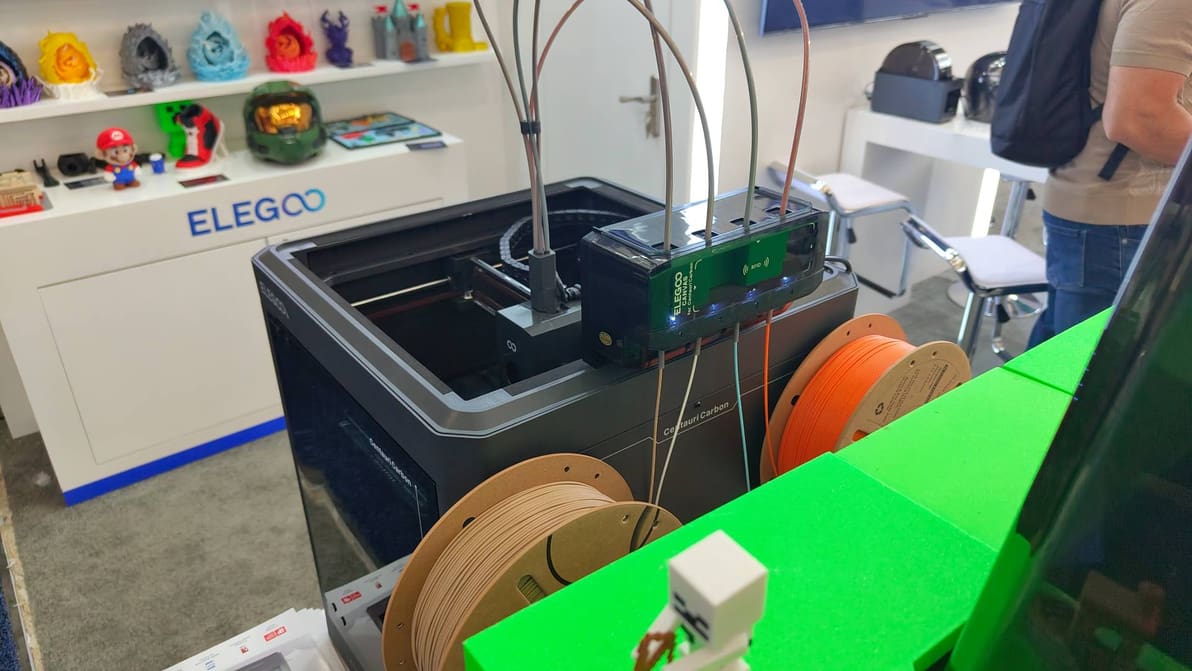
Two years and a whole alternate system later, Elegoo’s indeterminately delayed Canvas for the original Centauri Carbon printer is almost ready.
courtesy of Voxel Percussion. The Akron, Ohio-based design studio prints custom snare drums with a distinct profile, using printed internal geometries and inserts to alter the acoustic characteristic of each set. Each drum takes several weeks to produce, with post processing and finishing stages that remove the layer lines and toughens the piece to withstand a beating. The drums look and sound incredible – expect to see more from this collab in the future.
smaller product updates are quietly adding more value for existing users. We got a look at the new "two-tone" MJF process, which allows for different shades on the surface of a monomaterial print. Arriving later this year – initially for the 5600 machine – this free upgrade enables serialization, QR codes, and custom branding via textures or images directly in the print job. Because the finish survives the dyeing process, it opens up a world of flexibility for manufacturers without additional process steps.
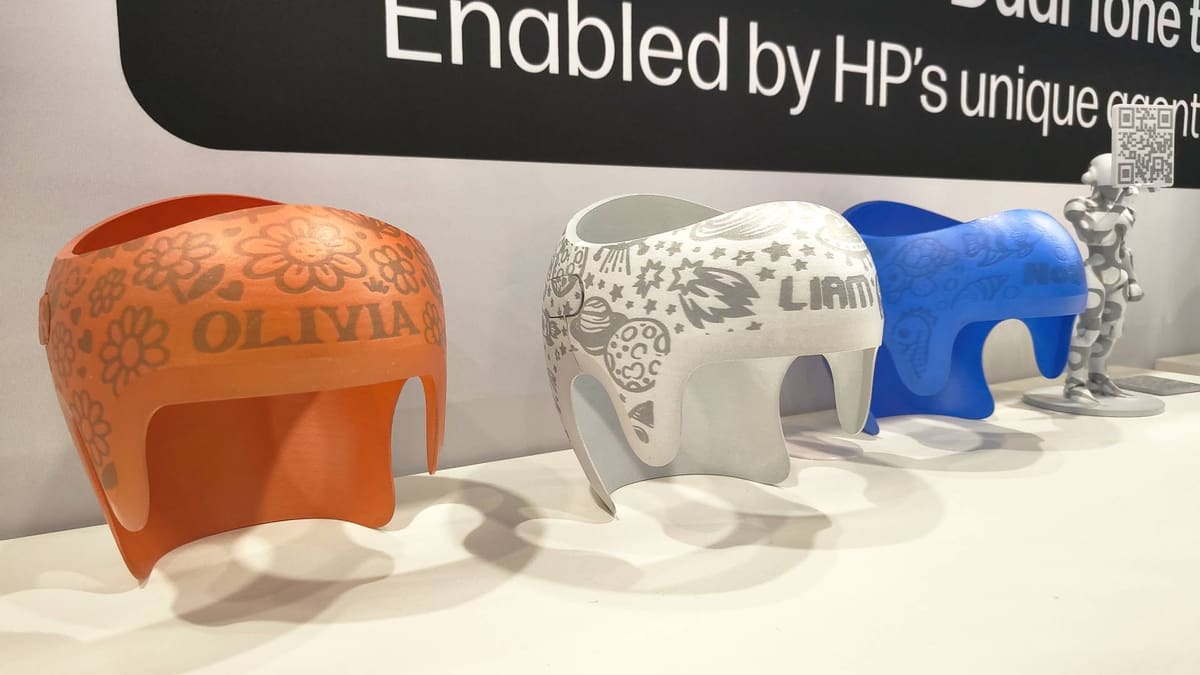
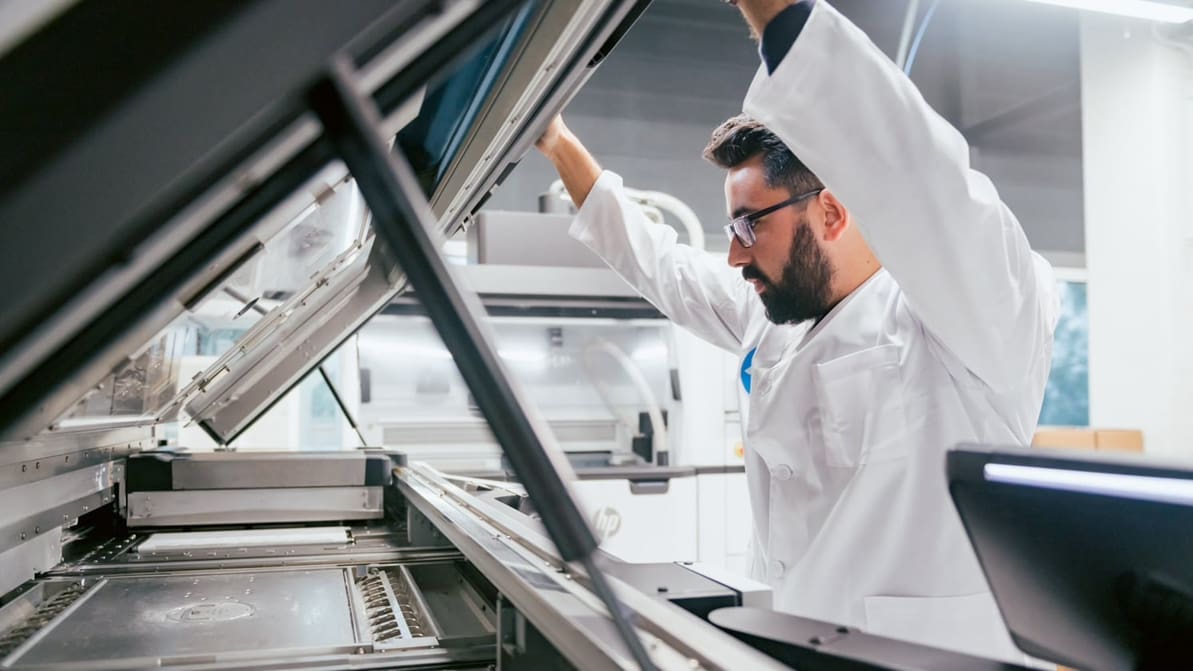
The new HP 3D Printing Service, powered by Craftcloud's marketplace technology provides a single interface for instant quotes and orders from HP’s global production partners.
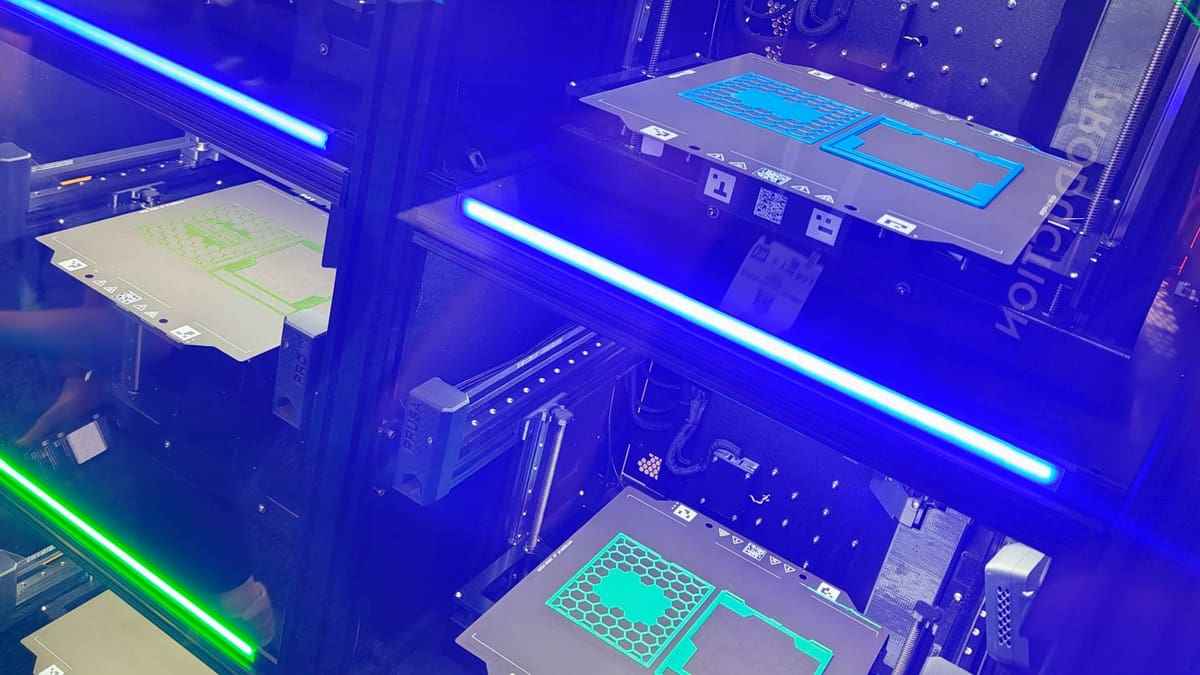
a modular 3D printer comprising many of the company's Pro iX headless 3D printer. Each Pro AFS is overseen by a robotic “harvester” that can remove completed prints and load clean plates for subsequent jobs.
It's a deployable system the company has demoed many times, memorably for me at a music festival in Prague, facilitating a living 3D printed art exhibit of scanned festival goers. The system is currently built in Prague, so you need to really want one to get one this side of the Atlantic. As Prusa's U.S. factory grows, this will surely change.
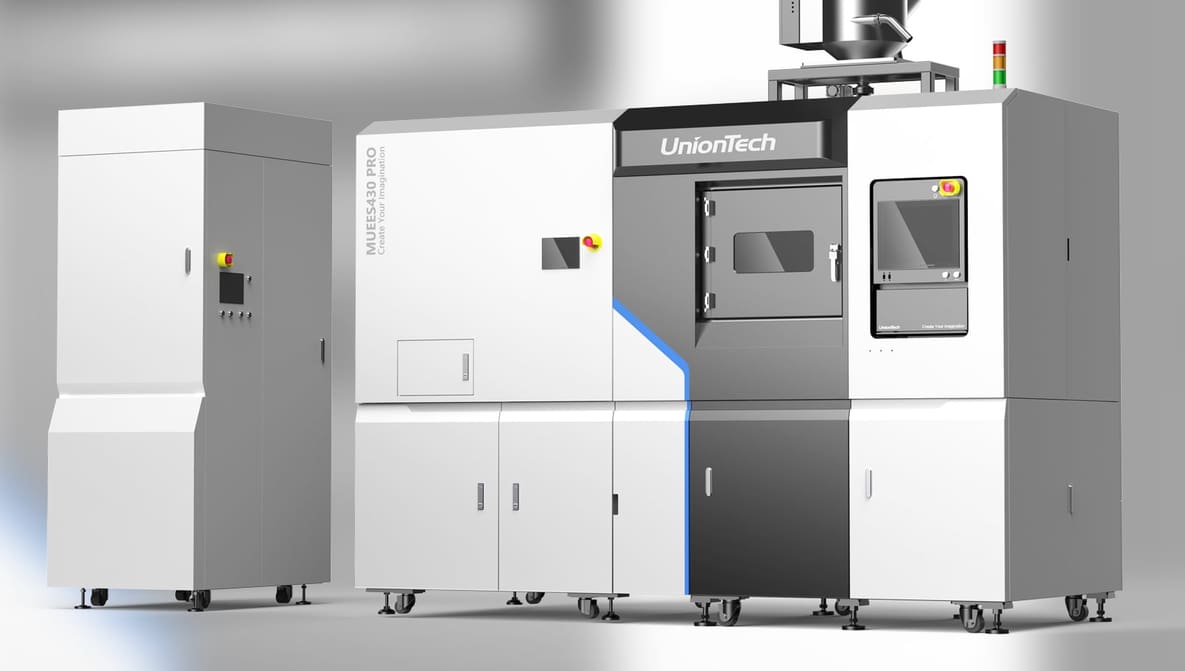
UnionTech’s new quad-laser system promises a 20% efficiency leap for industrial batch production, but how does it stack up to the flood of four-laser systems on the market?
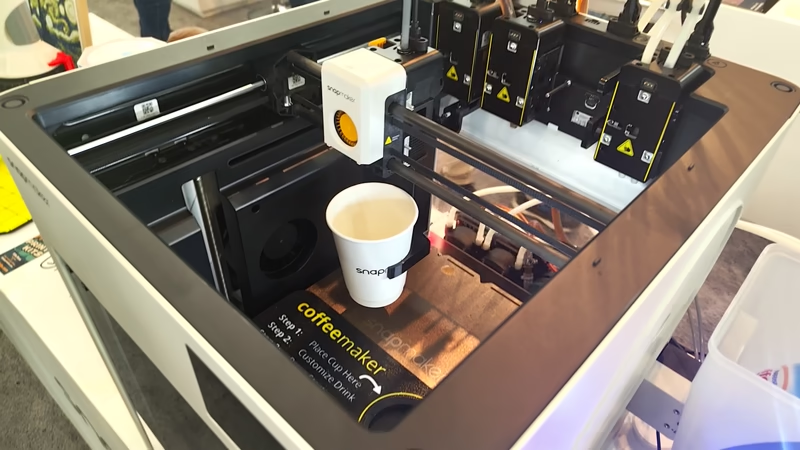
It's a standard thing at trade fair booths to be offered a coffee while you chat, but to have the product itself serve it up is just delightful. Among the drones and defense-minded booths, Snapmaker's modified U1 toolchanger served a fresh cup of coffee, programmed on the spot to pour with your preferred ratio of cream.
This modified U1 is the work of Ellie Rose, founder and CTO of Cocoa Press. The machine was one of a few open works expanding the capabilities of the machine, including the impressive project Sidecar multi-MMU mod.