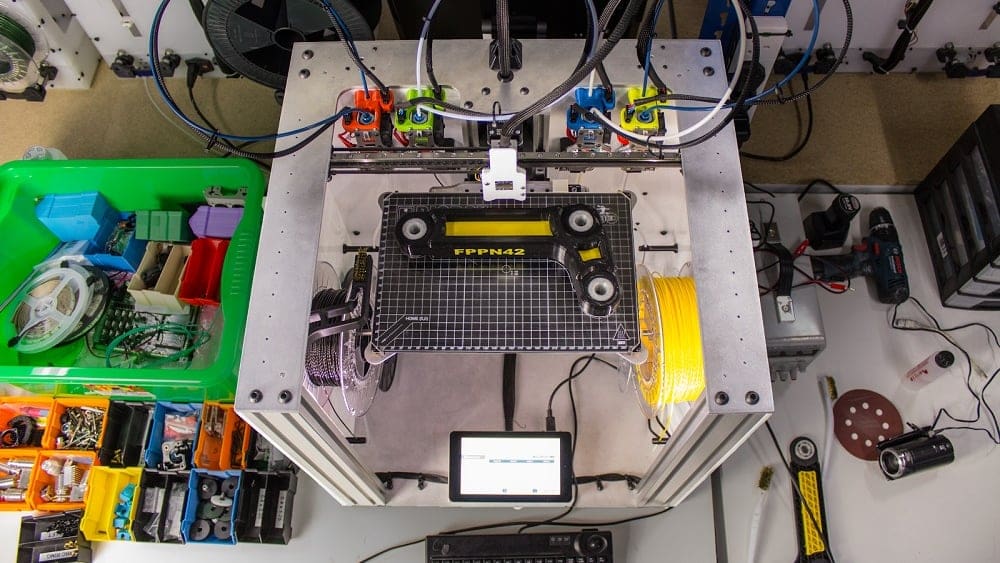
Debuting at the 2018 Midwest RepRap Festival this weekend is a tool changing 3D printer from British company E3D. This is a multi-material FFF machine that's quick, nimble, and very very clever.
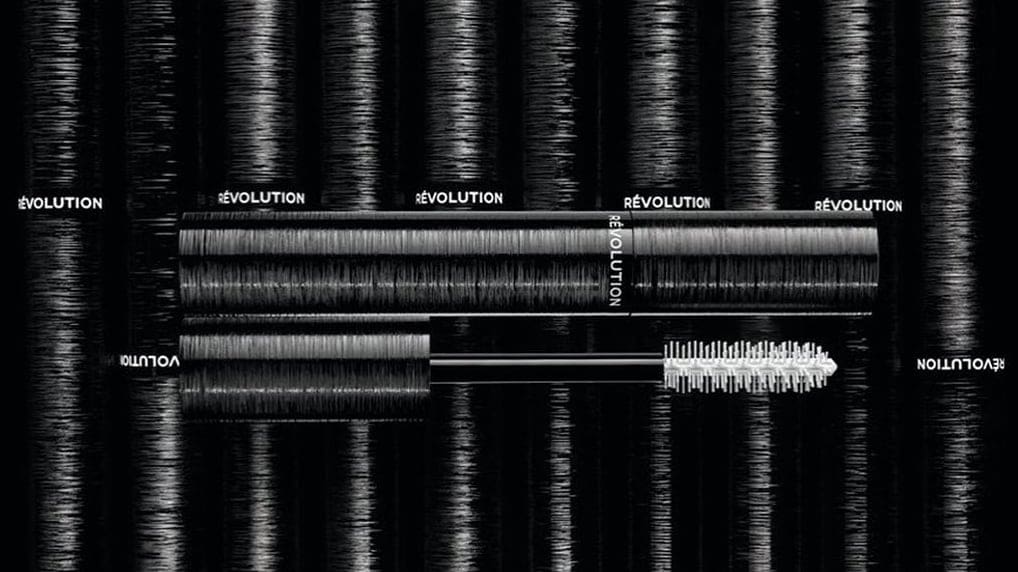
French fashion brand Chanel is launching Le Révolution Volume mascara which has a 3D printed mascara brush. The 3D printed brush is the first of its kind to be manufactured on such a large scale.
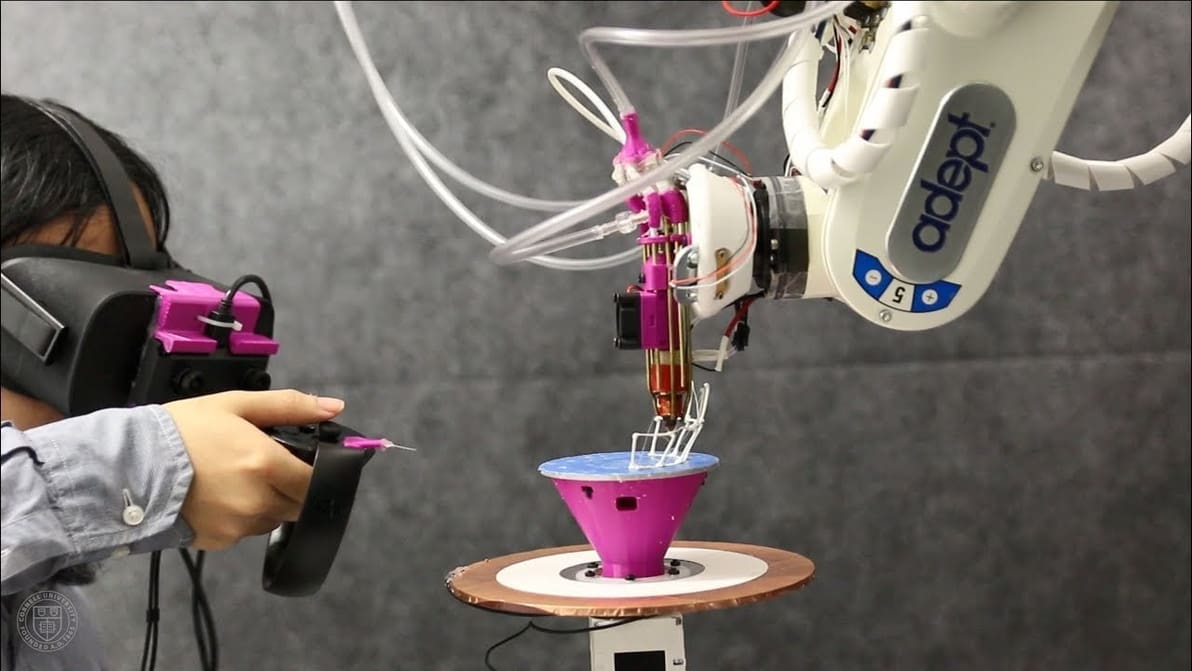
A team of researchers have developed RoMA, an interactive fabrication system that uses virtual reality to 3D model an object while a robotic 3D printer simultaneously builds the design.
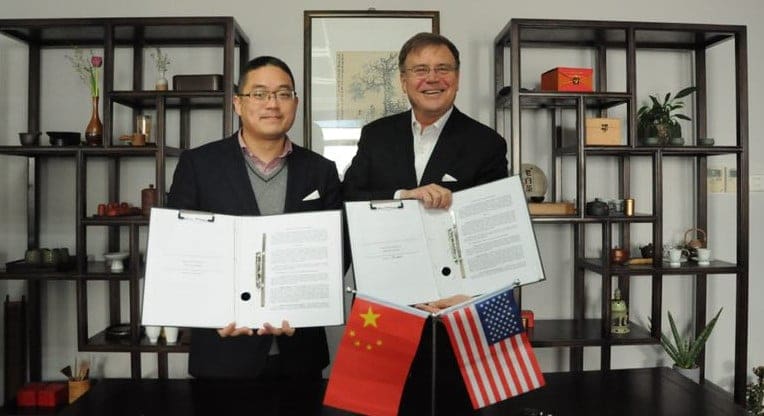
Chinese 3D printer manufacturer Wanhao just bought US-based software company Datatree3D. Together, they want to further develop the SLA-centric software "CreationW3D".
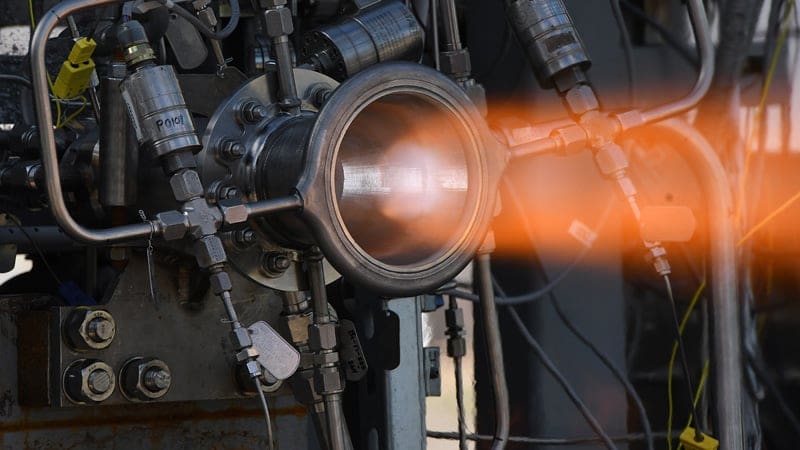
Engineers at NASA's Marshall Space Flight Center have developed a new additive manufacturing method that enables the quicker production of complex, actively cooled rocket nozzles at a reduction in cost.
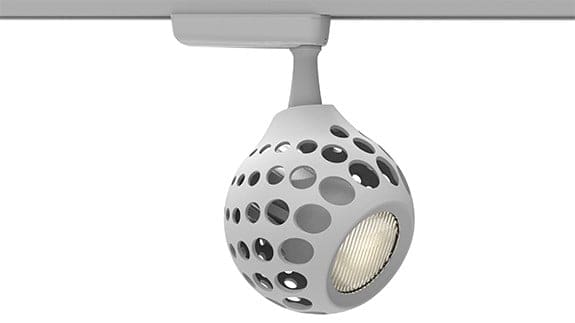
LimeLite, a lighting manufacturer based in Swinburne, Australia, worked with product designers from Swinburne’s School of Design to create a 3D printed energy efficient lighting range called On Track.
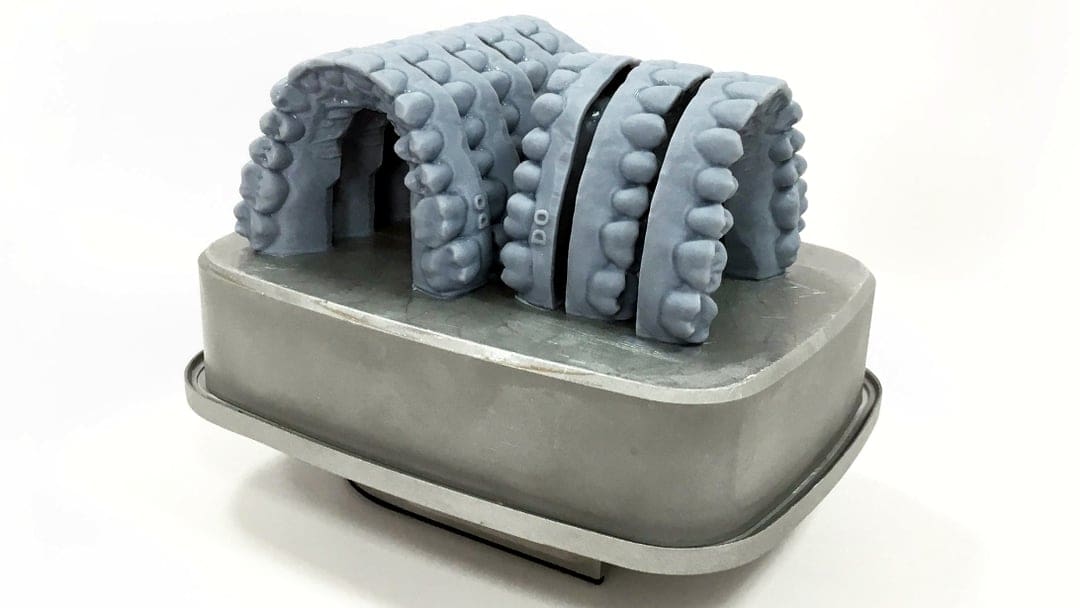
ArchForm provides orthodontists with a more cost-effective way to create retainers and teeth aligners for patients by tapping into the power of 3D printing.
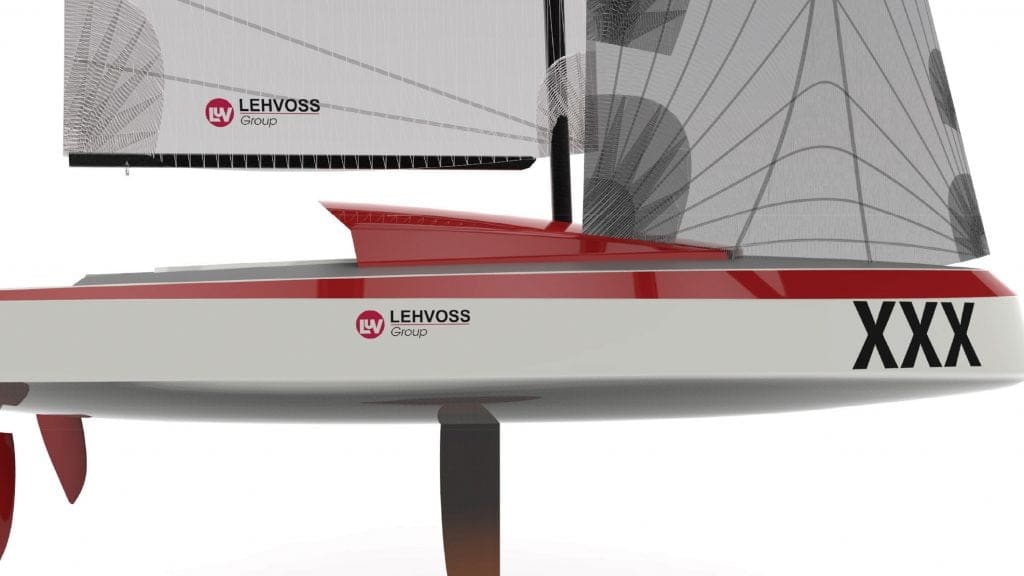
Livrea Yacht, an ambitious project from two Italian boat builders, will be the first-ever 3D printed yacht. The Hamburg-based Lehvoss Group is providing the team with carbon fiber-reinforced thermoplastics to produce parts with dedicated direct extrusion 3D printing technology.
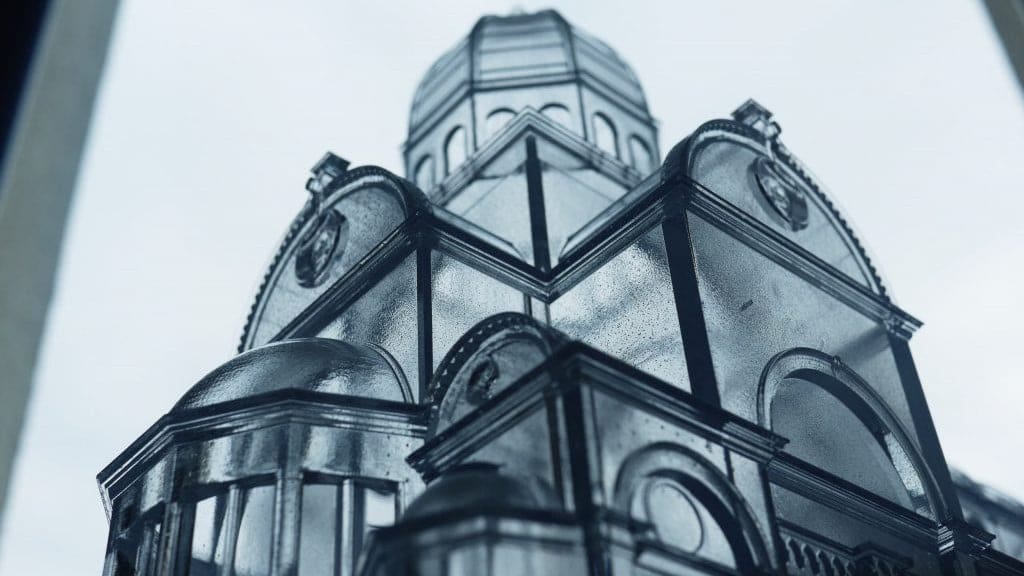
Croatian company Vectrino used 3D printing to create a replica of the Šibenik Cathedral of St James, a UNESCO World Heritage Site, for a new exhibition.
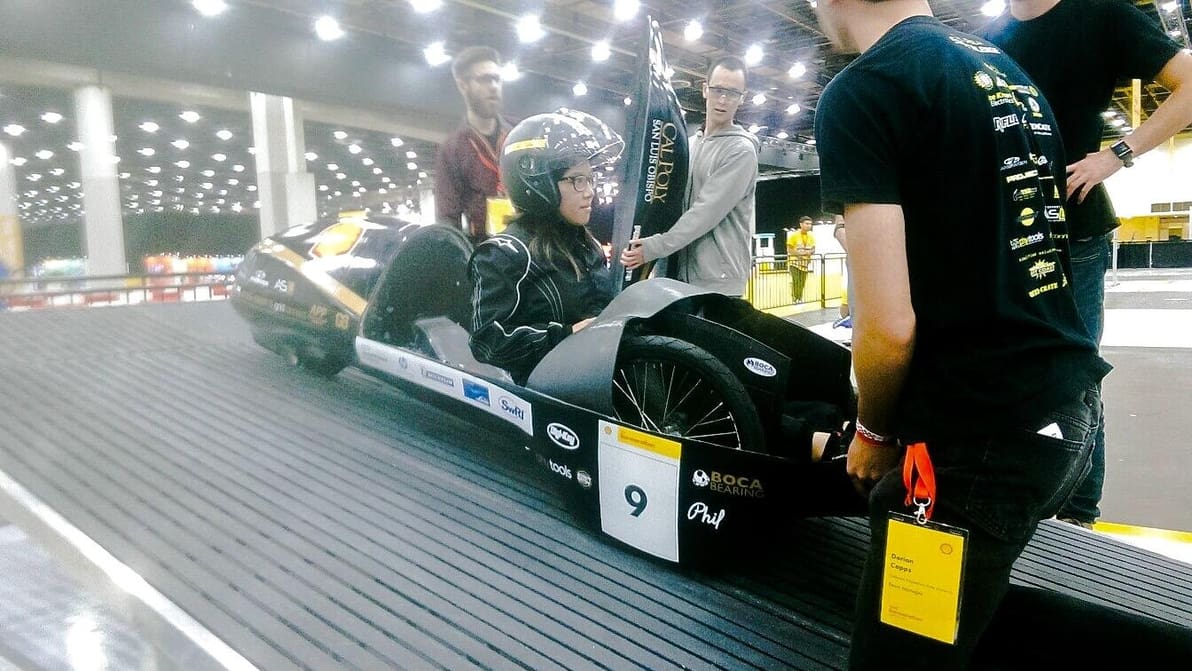
Student engineers use 3D printing to improve vehicle design -- with an emphasis on efficient fuel consumption -- for the Shell EcoMarathon.
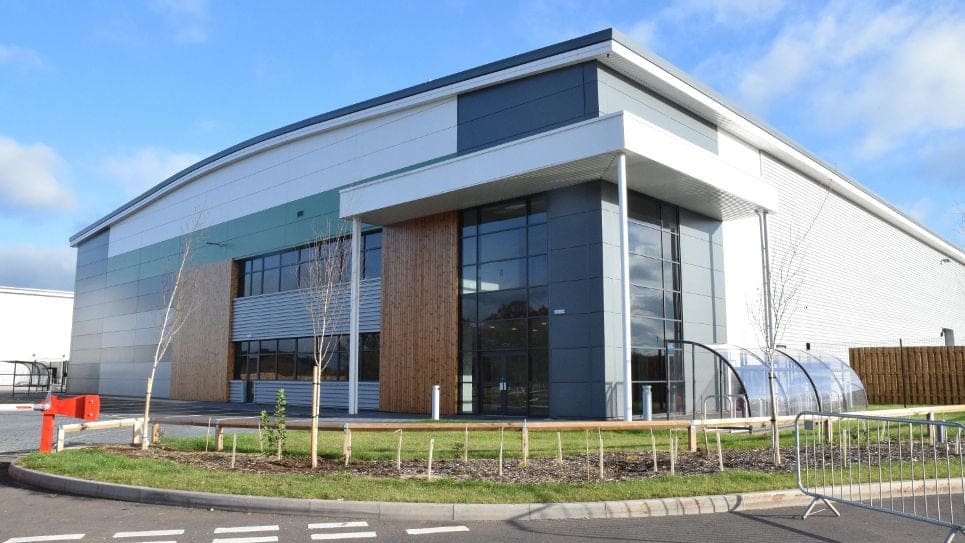
Siemens is planning to build a new $37 million 3D printing factory in the United Kingdom. Located in the town of Worcester, the facility will have a total of 50 industrial 3D printers installed over the next 5 years.
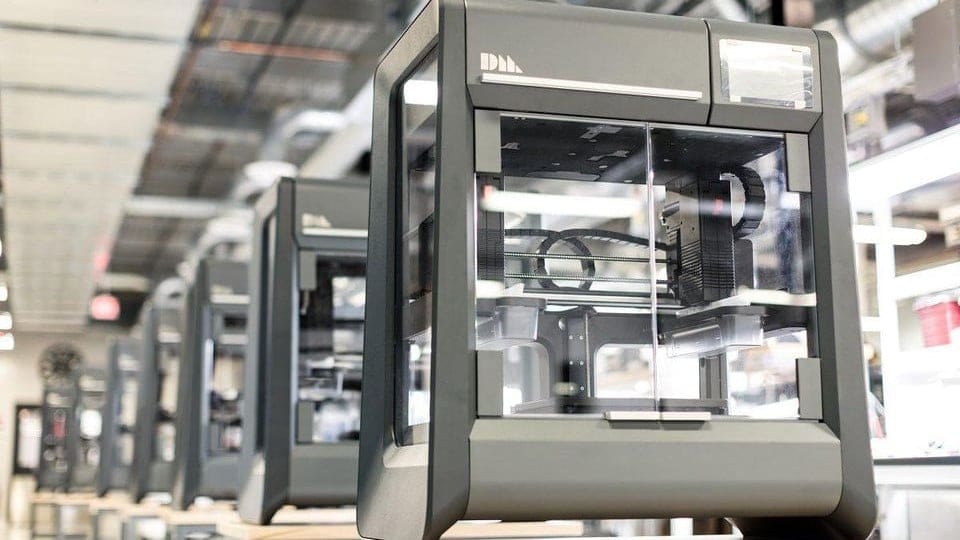
Desktop Metal has raised $65 million during its latest funding round. The new financing, which was led by Ford Motor Company, brings the Boston-based 3D printing startup's total investment amount to $277 million.
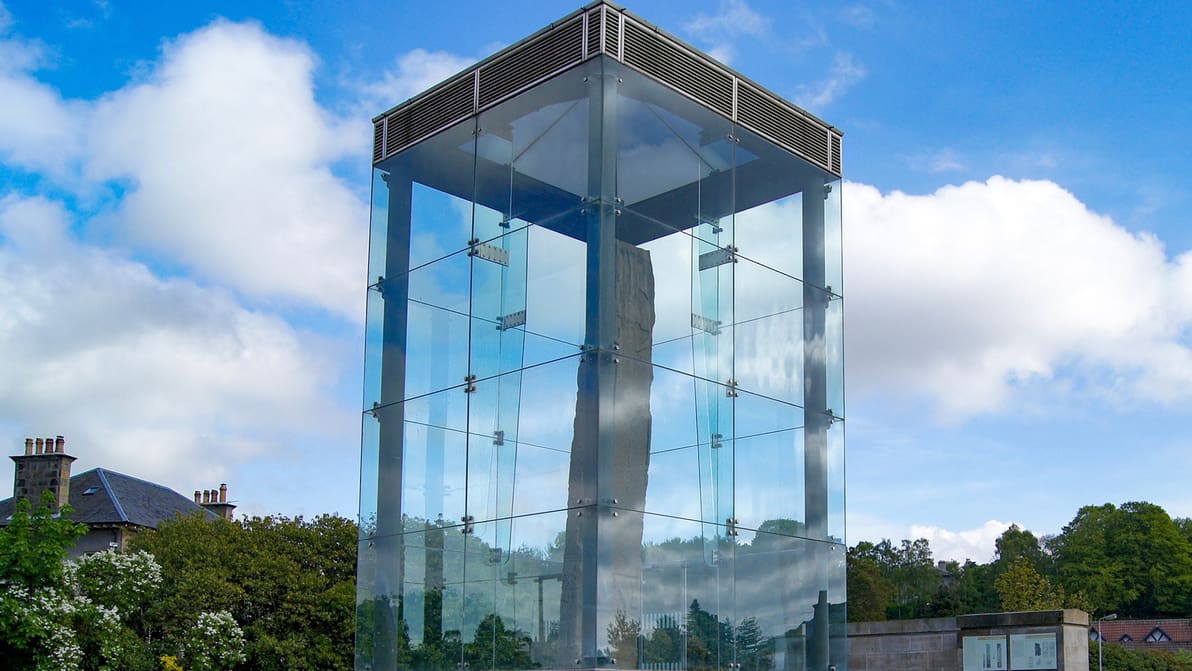
Researchers from Historic Environment Scotland (HES) used 3D scanning to find out more about the largest Pictish Stone in Scotland, UK. This work is part of the ongoing Rae Project which is digitally documenting all of the properties in HES's care.
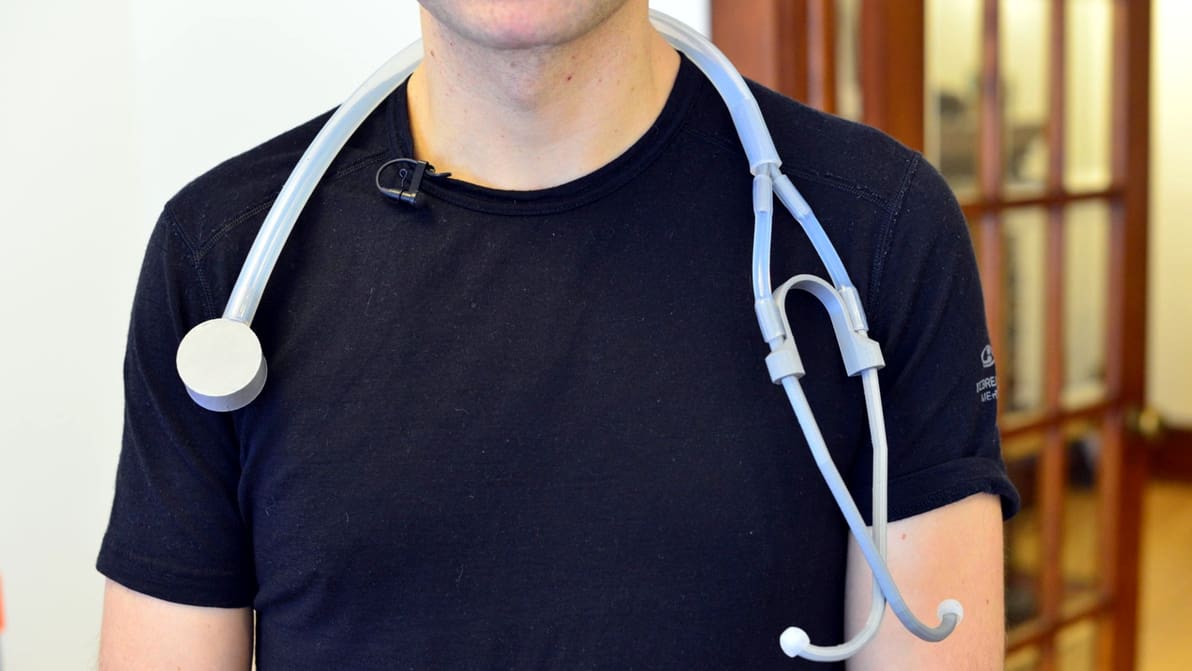
Dr. Tarek Loubani developed a 3D printed stethoscope which can be made using recycled plastic in 3 hours for just $3. The device is especially useful in low-income countries which have little access to diagnostic tools.

GT-Moto is a motorcycle shop in Texas using a Robo R2 3D printer and Robo’s carbon fiber PLA to save time and money while prototyping custom parts.
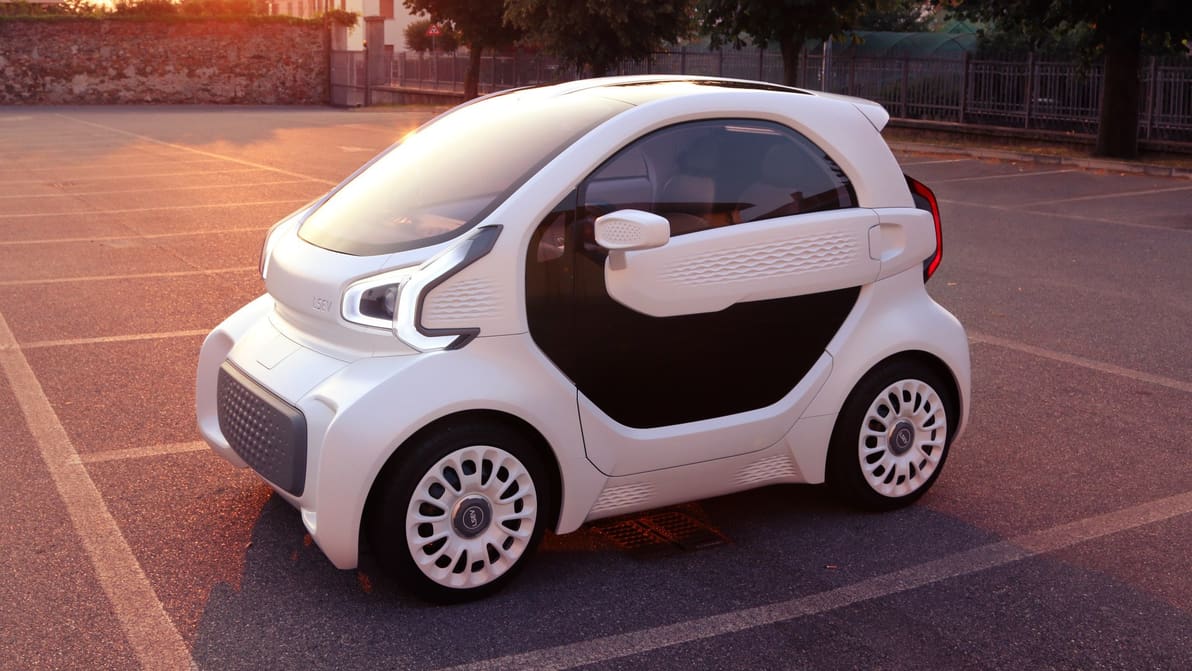
Representing a major breakthrough in the adoption of 3D printing into mass manufacturing, XEV and Polymaker have launched the worlds first mass produced 3D printed electric car. It's constructed from only 57 parts, down from 2,000 in the original design.
Carbodeon and Tiamet 3D strike up a strategic partnership to develop nanodiamond-enhanced 3D printing filament. This PLA-based material will provide enhanced thermal and mechanical properties, including a 100 percent increase in tensile strength.

Loop is a Belgium company helping people avoid hearing loss without "looking like a dork". 3D printing is used to create the earplugs which combine an acoustic channel and filter for natural sound. Choose from eight colors.
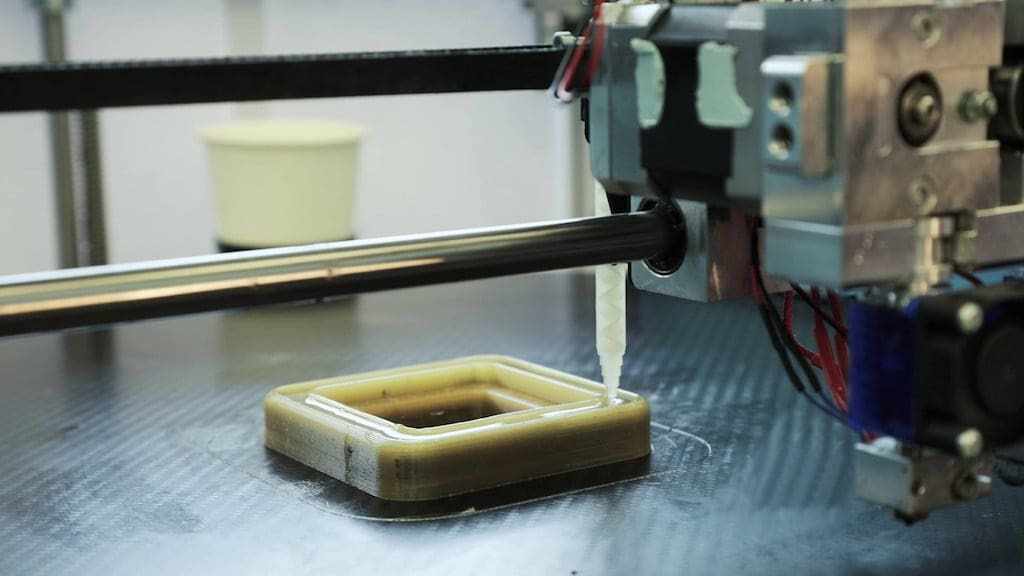
Fraunhofer IPA researchers combined additive manufacturing and injection molding to create the Additive Freeform Casting process which benefits from the advantages of both technologies.