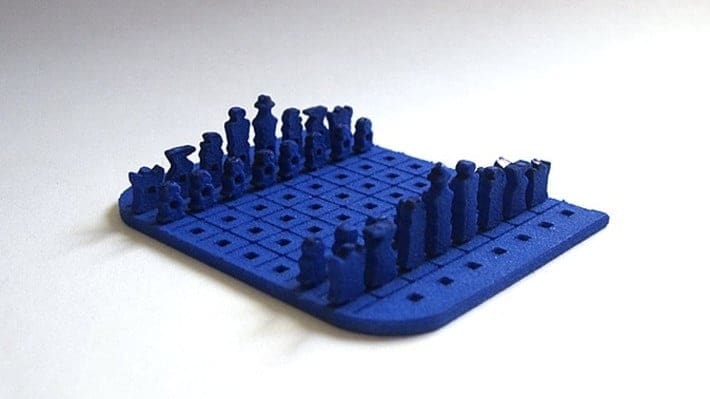
Designer Kiriakos Christodoulou has created the 3D printed Credit Card Chess Set, now available on Shapeways for $11 to $13. This pocket-sized game is quite impractical, but hey, it's also a pretty cool concept too.

The US Army is exploring ways to convert discarded plastic bottles into recycled PET filament. Soliders will become even more self-sufficient in the battlefield by 3D printing useful spare parts from waste material.
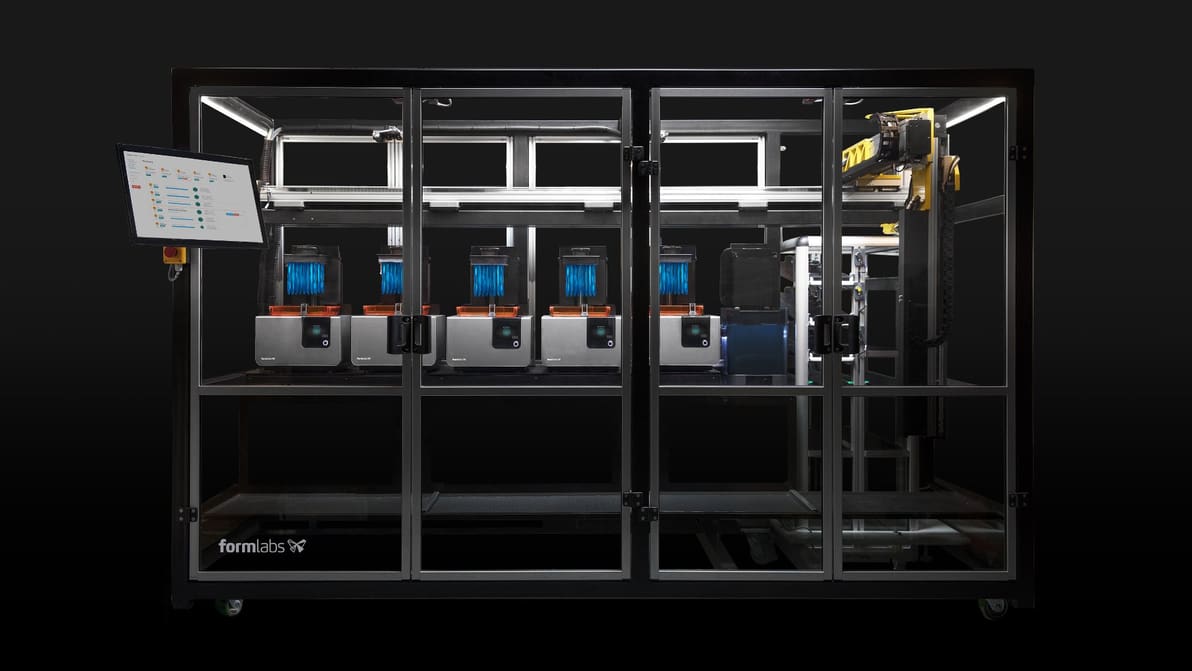
With two major product launches on the horizon, 3D printing startup Formlabs have bolstered their war-chest with $30m in new equity funding.
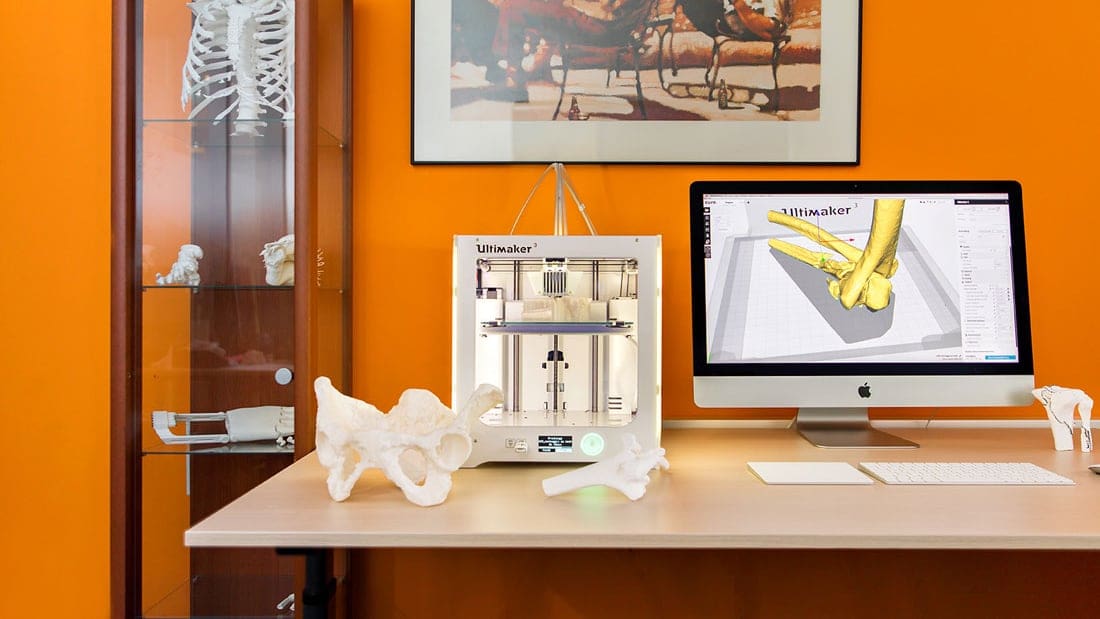
A trio of surgeons at a trauma hospital in the Netherlands, the ETZ, are demonstrating how 3D printing can help improve surgical diagnosis, operation time, and overall patient care.
The 2017 Shapeways Transparency Report shines a light on how the world's biggest 3D printing marketplace handles accusations of infringement of intellectual property.
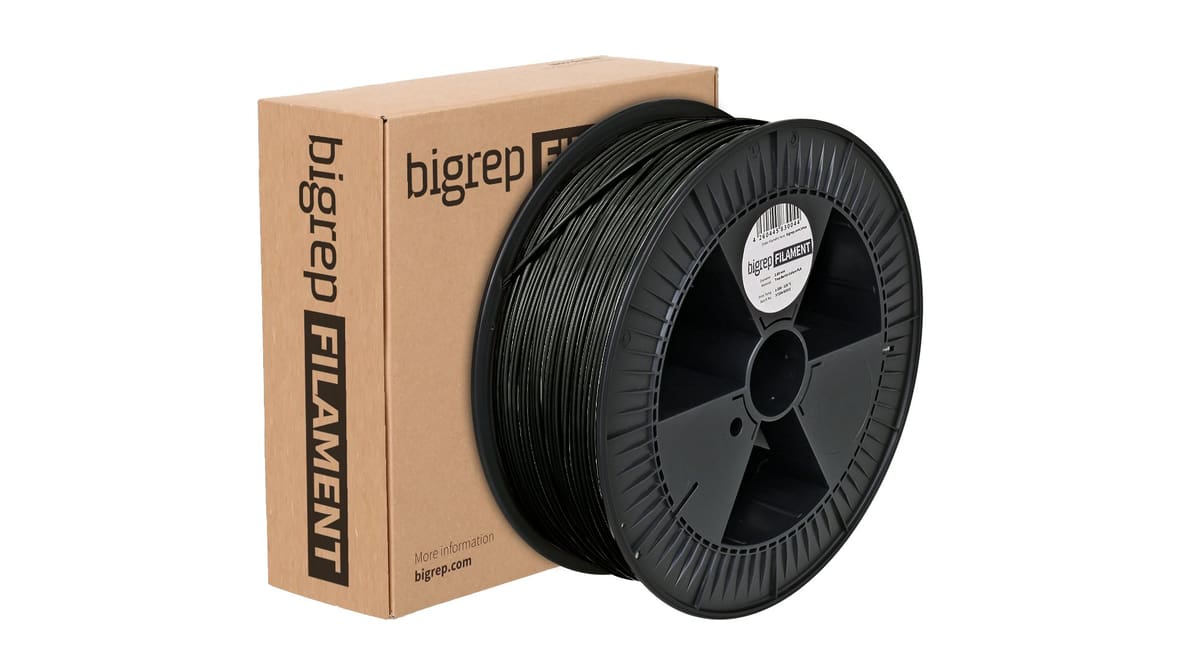
The new Pro Flex filament is a world first for the large-scale FDM industry, according to 3D printer manufacturer BigRep.
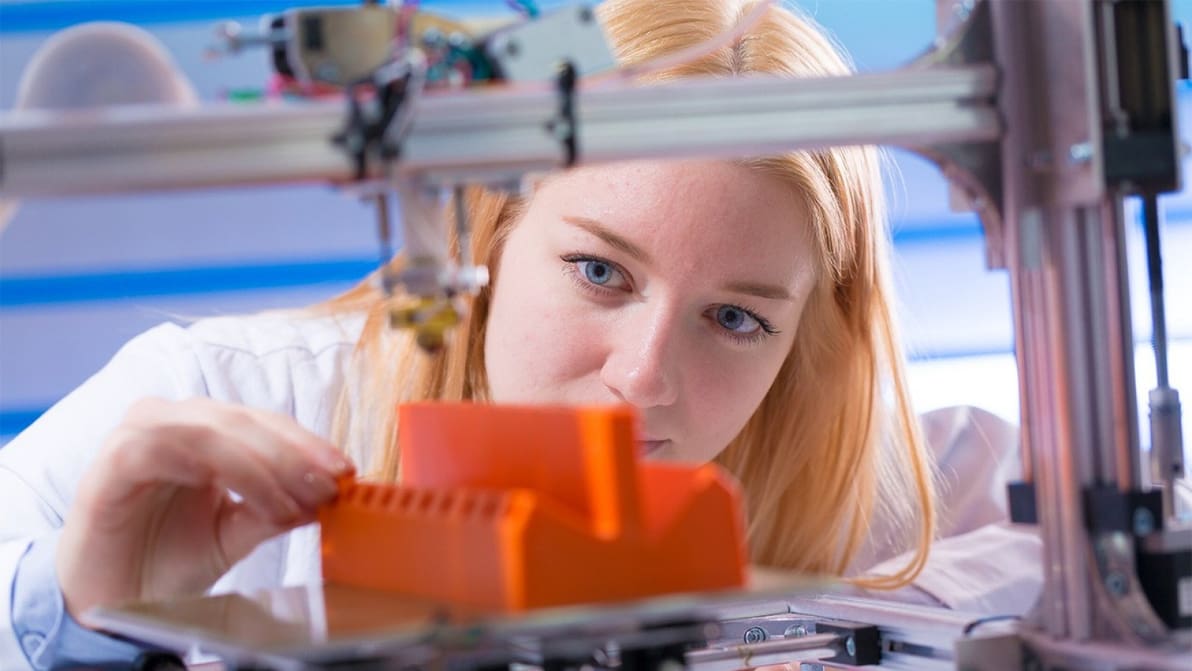
A new quarterly report from the organization Women in 3D Printing takes an in-depth look at diversity within the additive manufacturing, focusing on the employment distribution between genders, the different perception on professional opportunity, and the views of women who are pioneering the industry.
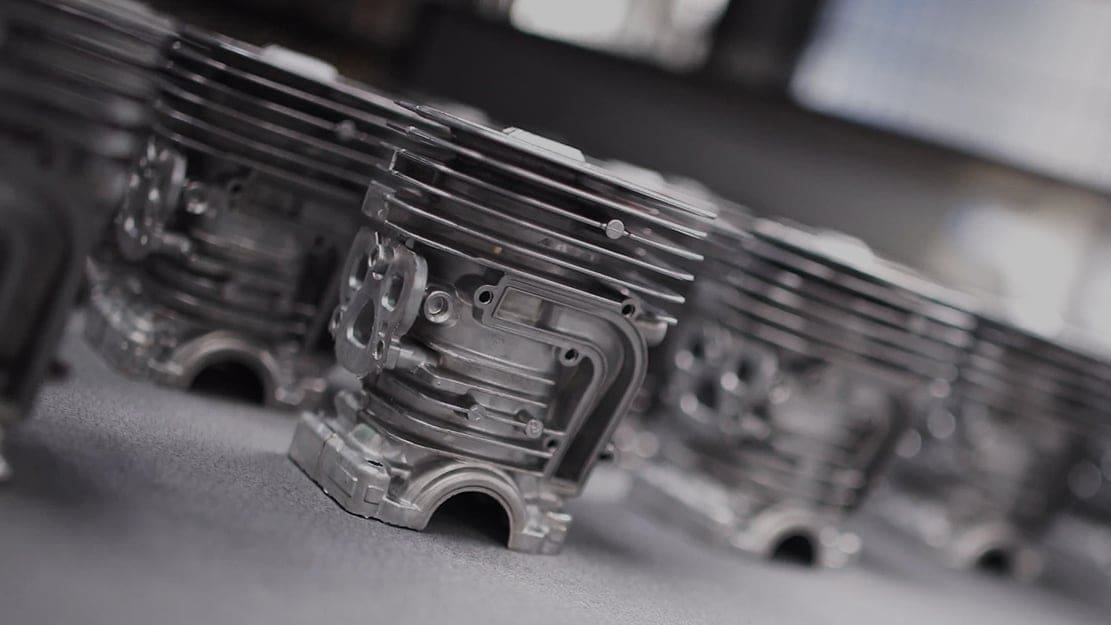
Industrial 3D printer manufacturer Stratasys has spun off a 3D printing operation into a new independent company called Vulcan Labs, specializing in powder-bed fusion technology.
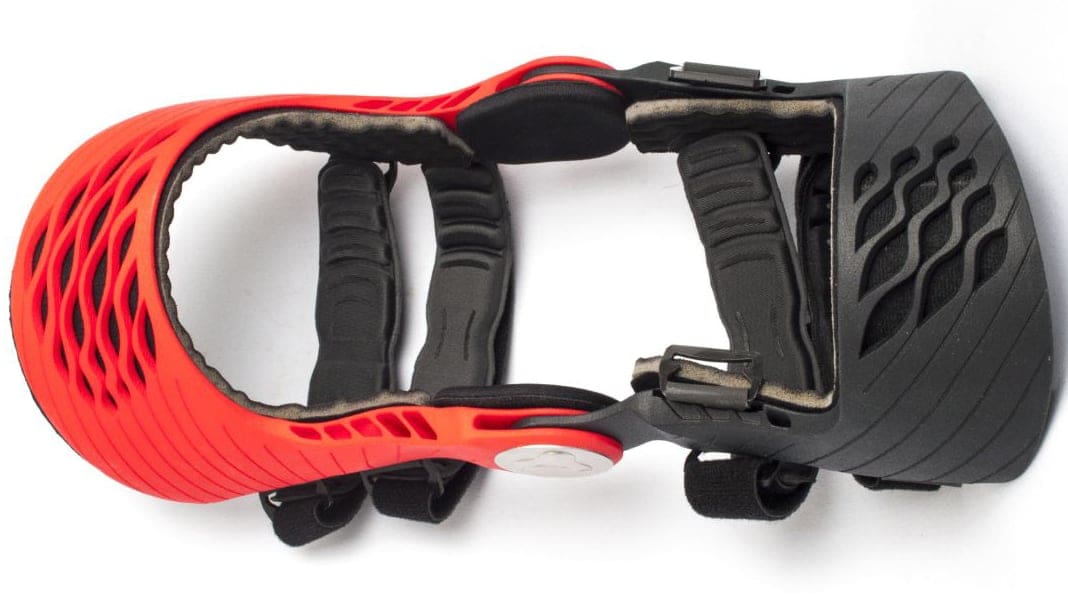
“The future is custom” according to award-winning software company Caboma. Their software SpecifX allows companies to instantly personalize their products and create bespoke solutions through 3D printing.
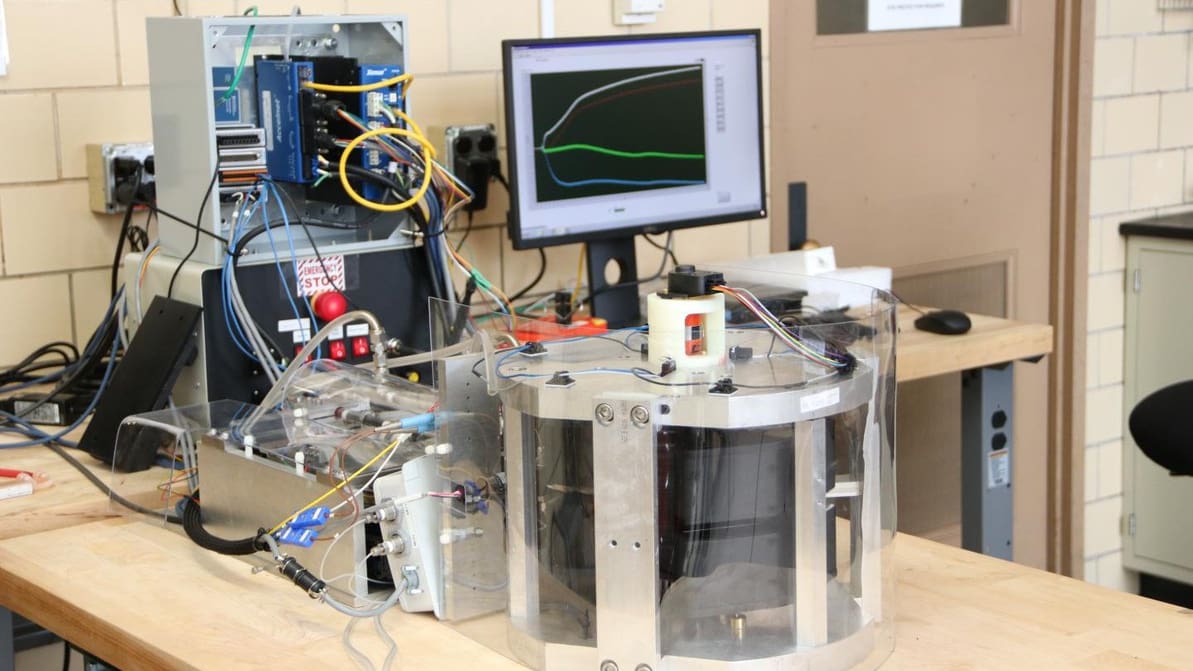
CaloriSMART is a advanced model system that uses magnetocaloric materials to achieve refrigeration cooling. The system was designed by researchers at the U.S. Department of Energy's Ames Laboratory.

At Art Basel Hong Kong, two artists created a backdrop for Swiss watchmaker Audemars Piguet's lounge. Their work uses modern technologies to evoke the watchmaker's home in Switzerland.
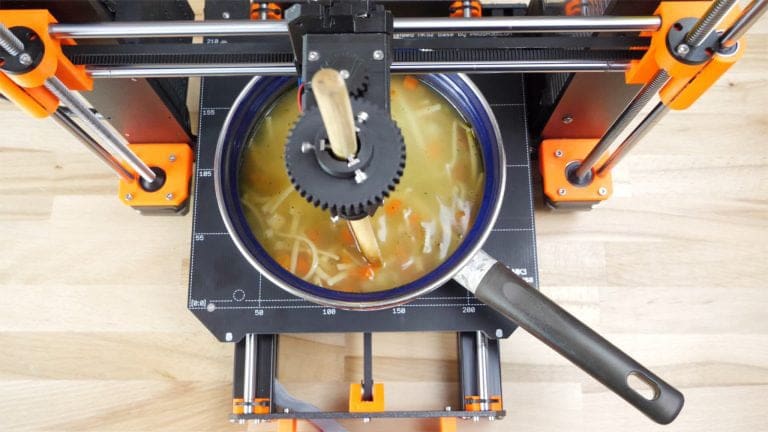
It was a good year for April Fools pranks in the 3D printing world: from food prep to Fast and Furious-worthy N2O upgrades for your printer and more, kick back and have another chuckle at all the 3D printing gags we could find.
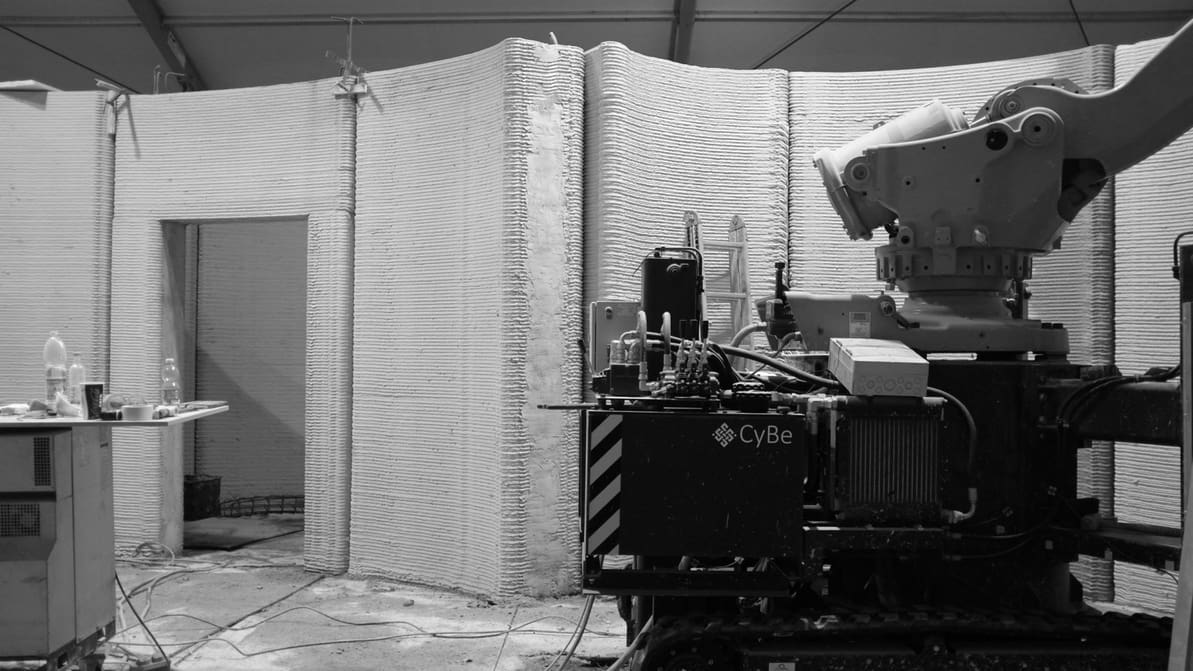
During Milan Design Week, engineering firm Arup and architecture studio CLS Architetti are 3D printing a house called 3D Housing 05 near the Duomo cathedral.
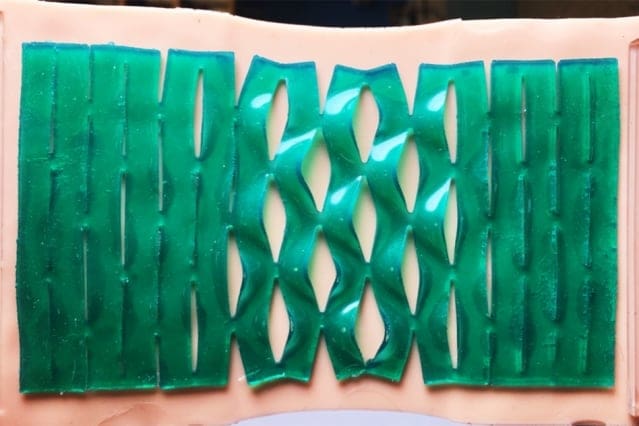
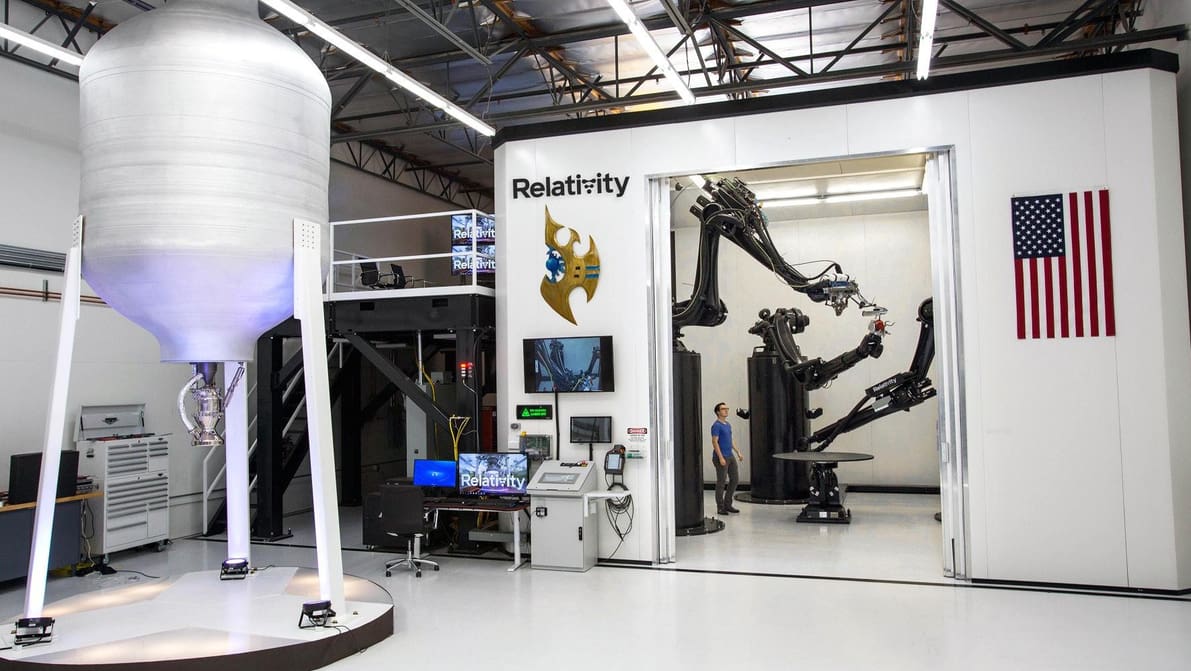
The Los Angeles startup Relativity Space has raised $35 million in its latest funding round led by Playground Global and other investors. The financing will enable the aerospace company to expand, while also paving the way for it to refine and test 3D printed rockets.
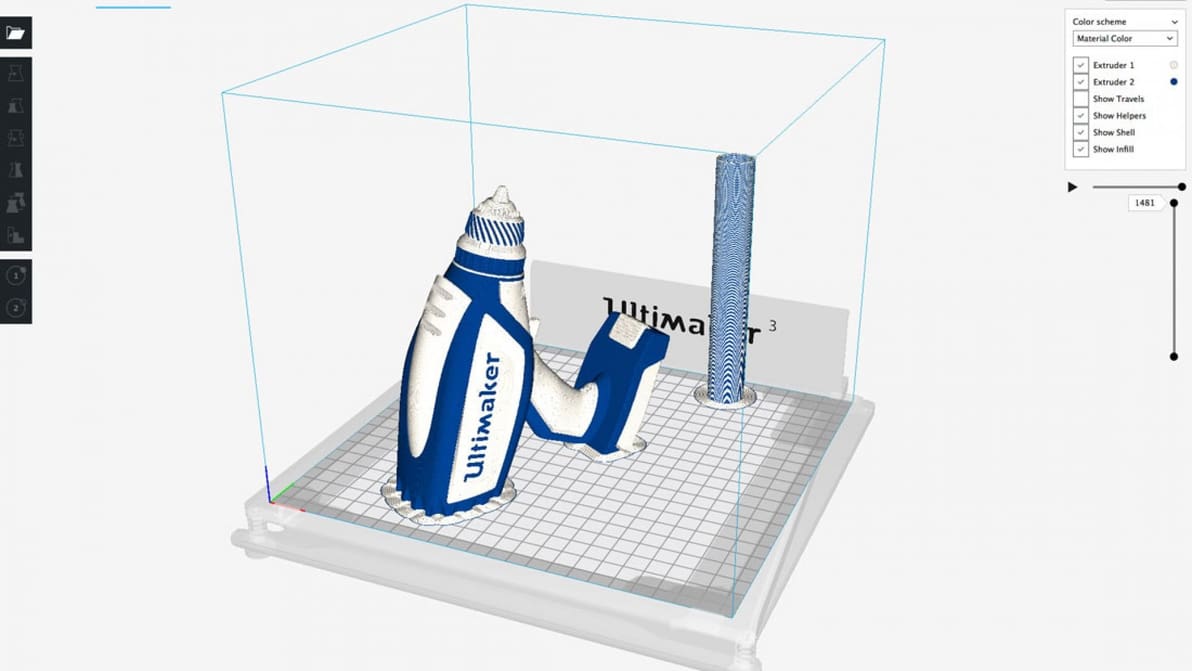
Ultimaker is releasing a new beta version of its popular slicing software. You can now download Cura 3.3 now from the company’s website. As usual, the software is free.
Engineers from Northwestern University have developed a new method to 3D print powerful lenses in a rapid manner. These lenses could be used to turn your iPhone into a microscope for high quality photos or on-the-spot disease diagnosis.
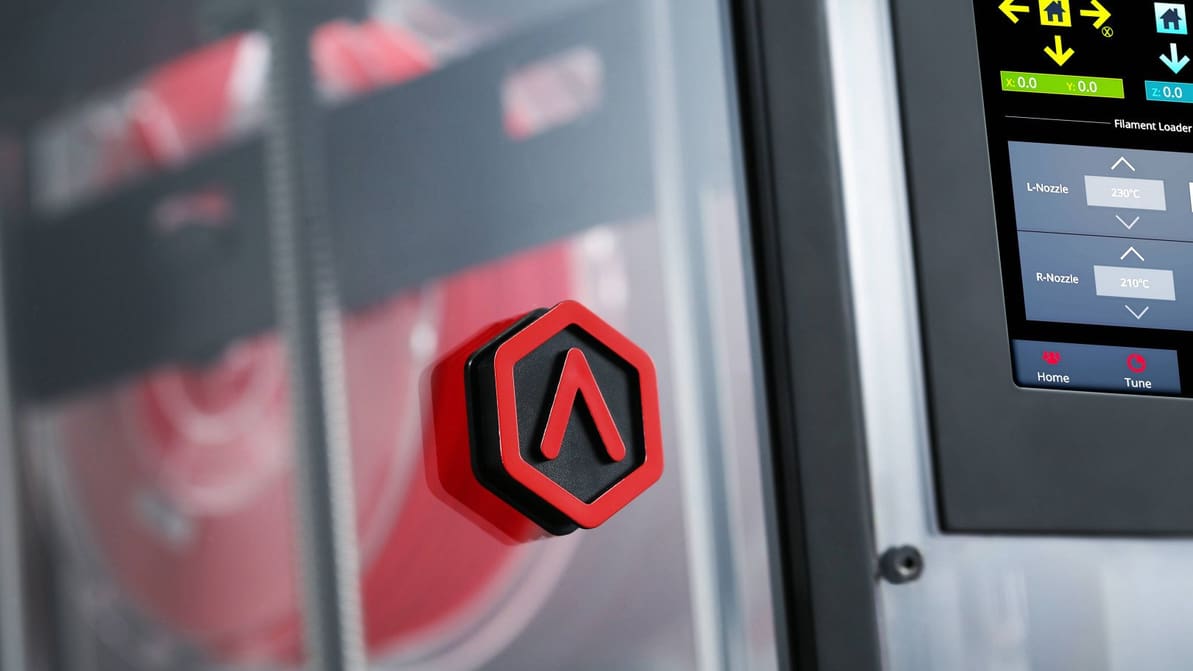
Raise3D has unveiled the Pro2 Series, a line of industrial-grade 3D printers that offer accuracy, reliability, and a wide range of material capabilities. The company has also announced a new vision to "Pathfind Flexible Manufacturing" by providing customized solutions for vertical markets.
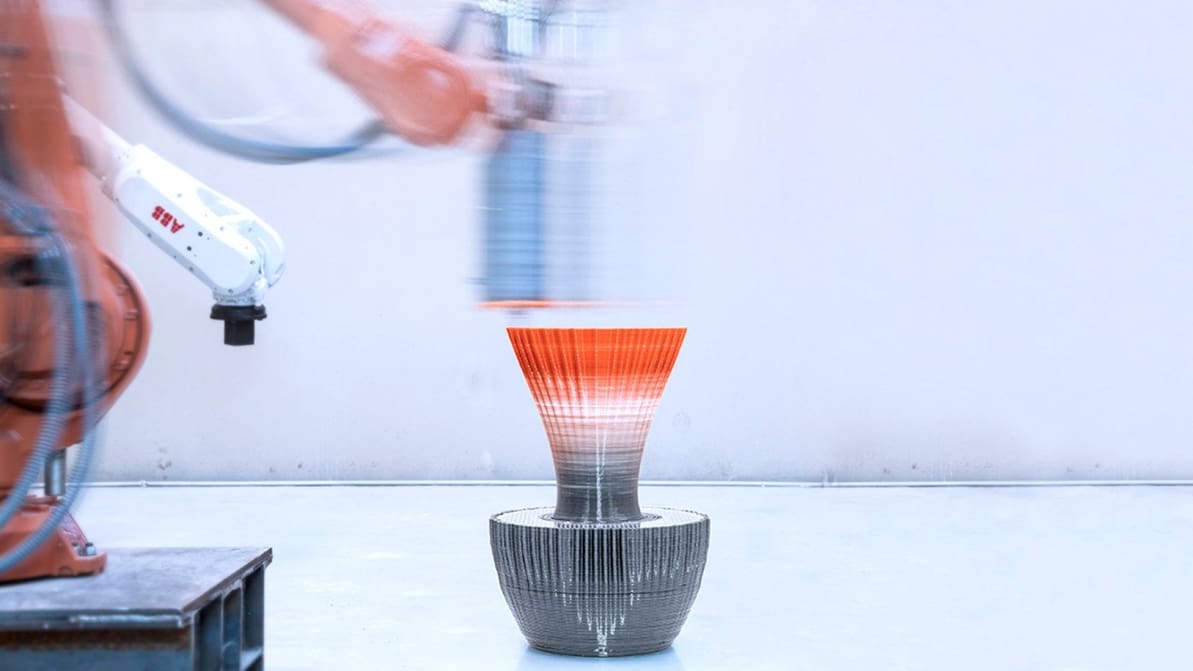
At this year's Milan design week, a new Spanish brand called Nagami will make its debut with four 3D printed chairs designed by Zaha Hadid Architects, Ross Lovegrove and Daniel Widrig. The collection is named Brave New World.