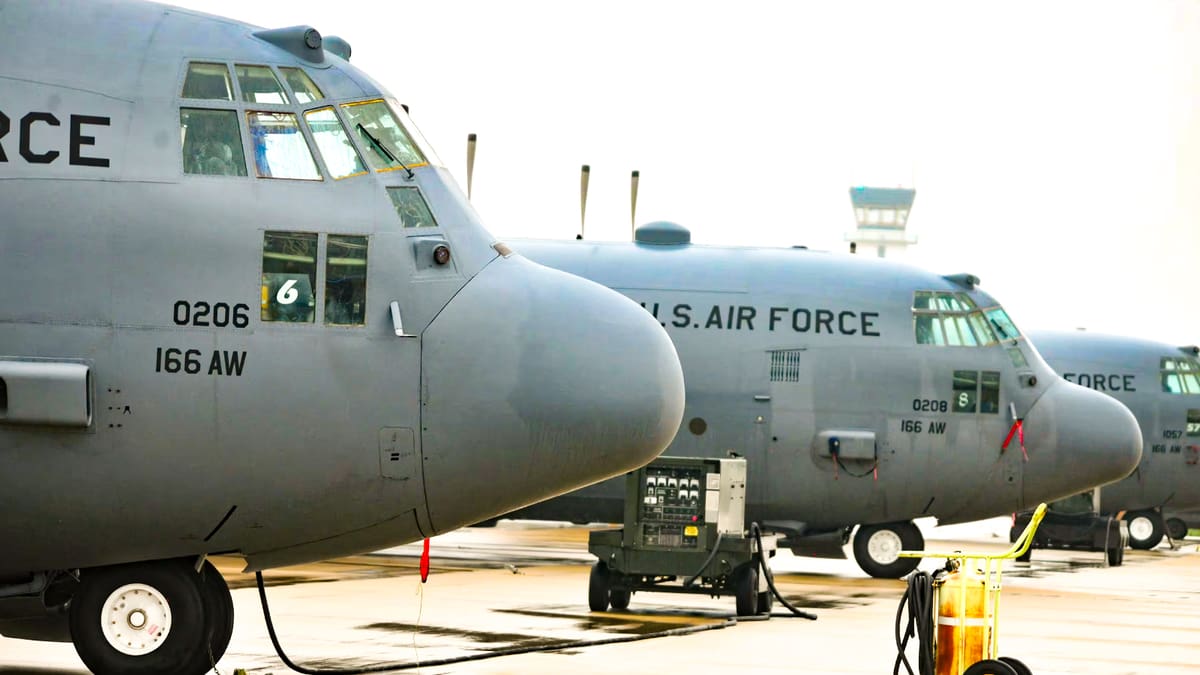
Inside the U.S. Air Force’s READI Lab: 3D Printing Parts Suppliers Won’t

How a specialized four-person team at Robins AFB is leveraging 3D printing and reverse engineering to manufacture critical metal components that are no longer in production.
A compact but ambitious additive manufacturing operation at the Warner Robins Air Logistics Complex in Georgia is redefining how the U.S. Air Force tackles part shortages and supply-chain bottlenecks for aging aircraft fleets. The innovative lab’s work is contributing directly to faster turnaround times and higher aircraft availability across a range of legacy platforms.
The Reverse Engineering, Additive, Design and Inspection (READI) Lab, part of the 402nd Commodities Maintenance Group (CMXG) at Robins AFB, blends 3D printing, reverse engineering, and precision engineering services to produce flight-critical components that are otherwise hard to source through conventional suppliers. Its mission covers venerable airframes including the C-130 Hercules, B-52 Stratofortress, KC-135 Stratotanker and F-15 Eagle, among others.
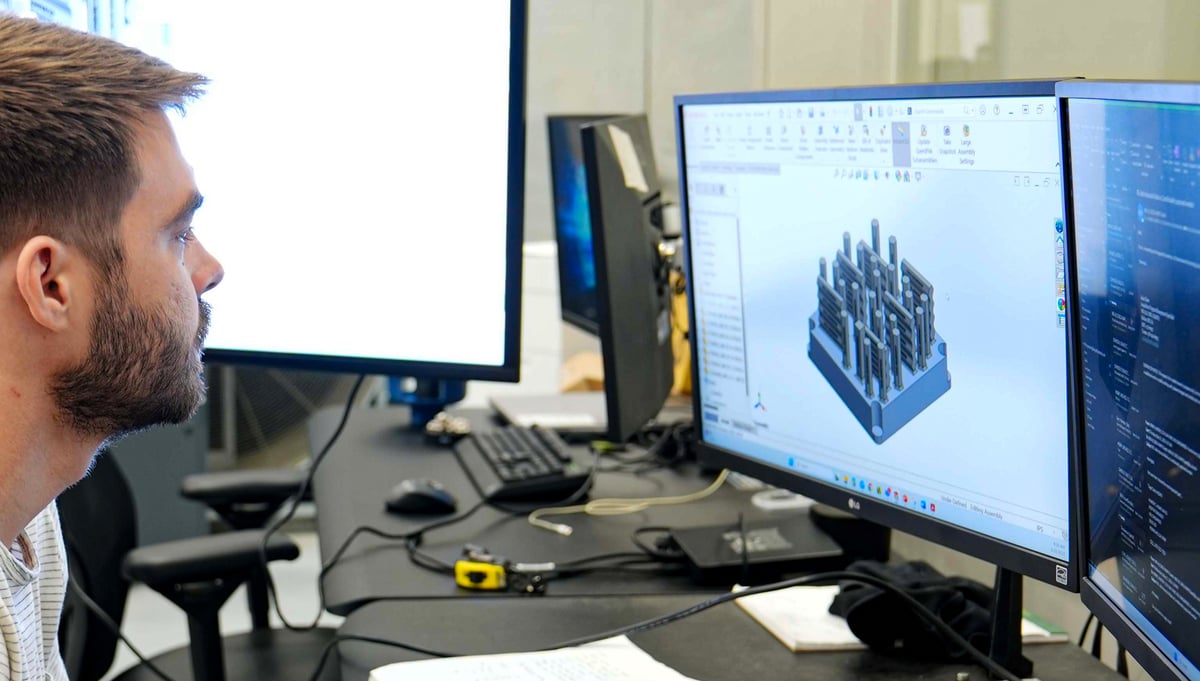
“We’ve seen significant savings with 3D printing,” says Hunter Henry, an additive manufacturing engineer with the 402nd CMXG. According to Henry, the ability to rapidly fabricate prototypes, tooling and custom parts has cut both lead times and costs compared with traditional machining and lengthy procurement cycles.
From Polymer Beginnings to Metal Capabilities
The READI Lab’s additive journey began roughly a decade ago with polymer 3D printers. More recently, the team integrated metal additive manufacturing into their workflow, vastly expanding the types of parts they can produce and the performance requirements they can meet.
“Additive manufacturing bridges the gap when original suppliers no longer exist or can’t produce small production runs quickly,” explains Evan Johnson, additive manufacturing lead at the lab.
In some cases, the team substitutes polymer components and tools in place of metal where feasible — a smart trade-off that preserves metal stock and accelerates field support.
The READI Lab operates with a lean, four-person core team focused on efficiency and engineering ingenuity. Beyond just printing parts, the group performs dimensional verification using automated systems like an Automated Robotic Inspection Station (ARIS), creates computer-aided designs for reverse-engineered components, and uses traditional subtractive operations like CNC finishing where needed to prep build plates or refine parts.
Expanding Materials, Expanding Impact
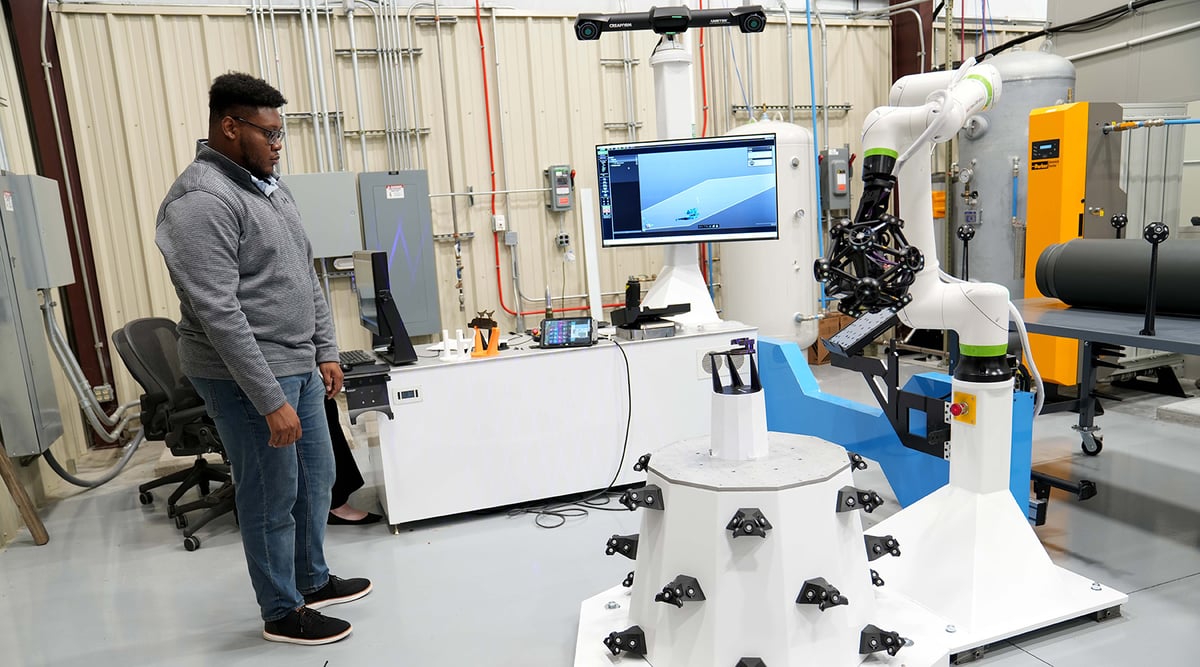
One of the lab’s key strengths lies in its material flexibility. According to Remington Warthen, another engineer on the team, the facility can work with multiple material types not only printing parts but also tailoring design features and specifications to extend service life or enhance performance.
“With these capabilities, we can provide customers custom solutions and extend asset life,” Warthen says, underscoring how additive techniques complement and sometimes outperform traditional manufacturing methods.
Driving Operational Readiness
Taken together, the READI Lab’s efforts are more than a technical showcase, they represent a strategic boost to U.S. Air Force readiness. By generating parts in-house, reducing reliance on slow or unavailable suppliers, and enabling rapid iteration and deployment, the lab helps keep aging aircraft in the air and mission-ready.
As military and civilian industries alike explore the power of additive manufacturing, the successes at Robins AFB illustrate how focused engineering teams can turn digital fabrication into a tangible advantage, especially where time, cost and legacy system support are paramount.
You May Also Like:

Listen to All3DP’s News Podcast:
License: The text of "Inside the U.S. Air Force’s READI Lab: 3D Printing Parts Suppliers Won’t" by All3DP Pro is licensed under a Creative Commons Attribution 4.0 International License.