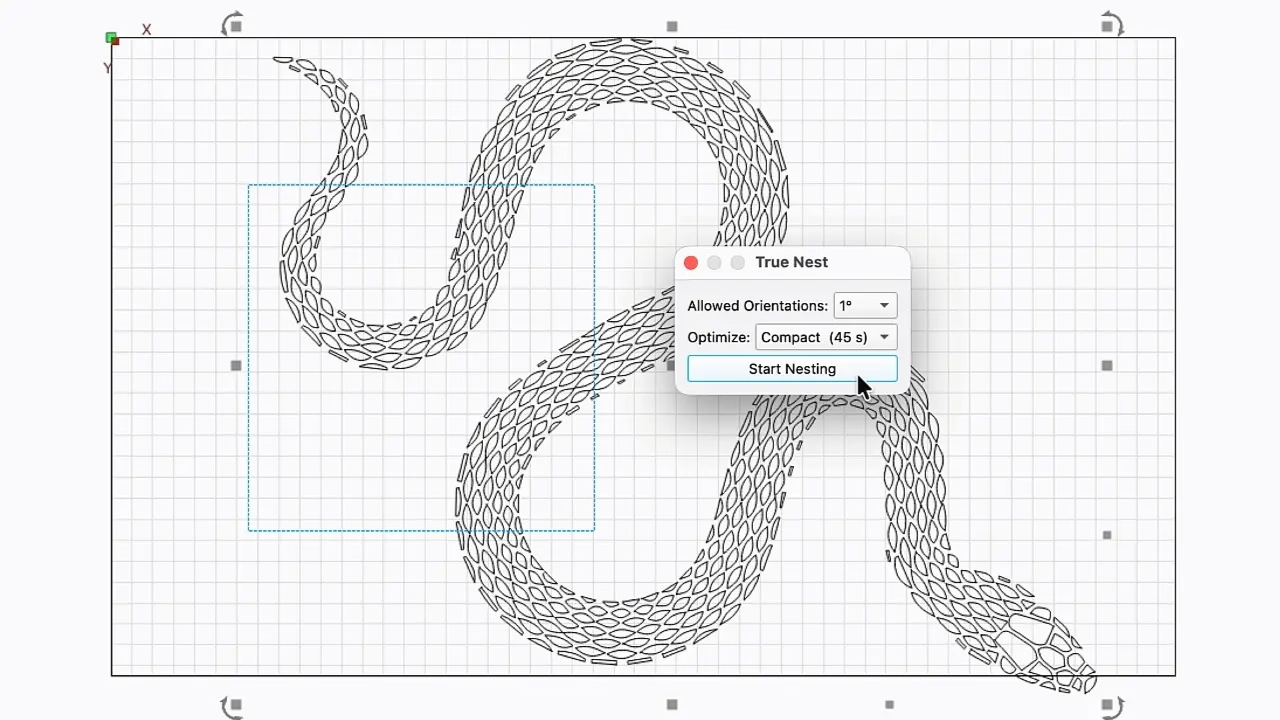
LightBurn 2.1's Quick Nest feature gets an upgrade in 2.2.0. Rather than nesting objects based on their bounding boxes, 2.2.0's True Nest feature jostles objects efficiently together based on the actual contour, saving material with each batch. If you're not into laser cutting, that probably sounds pretty dull, but seeing it in action is infinitely more entertaining than reading about it. Read more about it on the LightBurn blog.
Stratasys alleges Bambu Lab infringed ten of its patents with the X1, P1, and A1 series 3D printers. For four of the patents, the subject of the first of two trials, a jury agreed, awarding $27.6-million in past damages to Stratasys for the infringements. It's worth noting that, so far, there's been no mention of injunction on sales of the machines, some of which are still available, or licensing going forward. Bambu Lab could, and almost certainly will, appeal the decision.
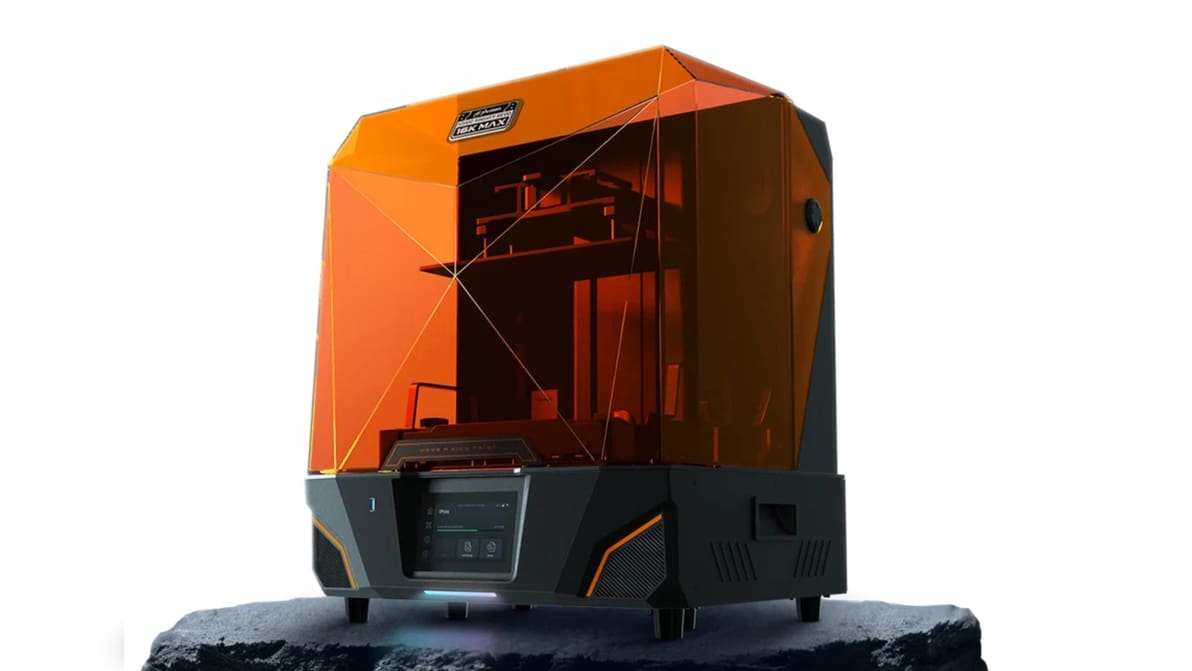
Phrozen supersizes its Mighty Revo resin printer with almost twice the build-plate area and a 2-liter vat, with pre-orders opening September 22.
Autodesk has joined the grand tradition of announcing AI features before they actually exist. The company today announced plans to beef up Autodesk Assistant AI in Fusion so it can use project context to flag problems, trace knock-on effects, and help across design and manufacturing workflows. Users will also be able to hook in their own AI tools. For now, though, this is a roadmap, not a release. The expanded Assistant isn’t generally available, and Autodesk says rollout details are coming in 2027.
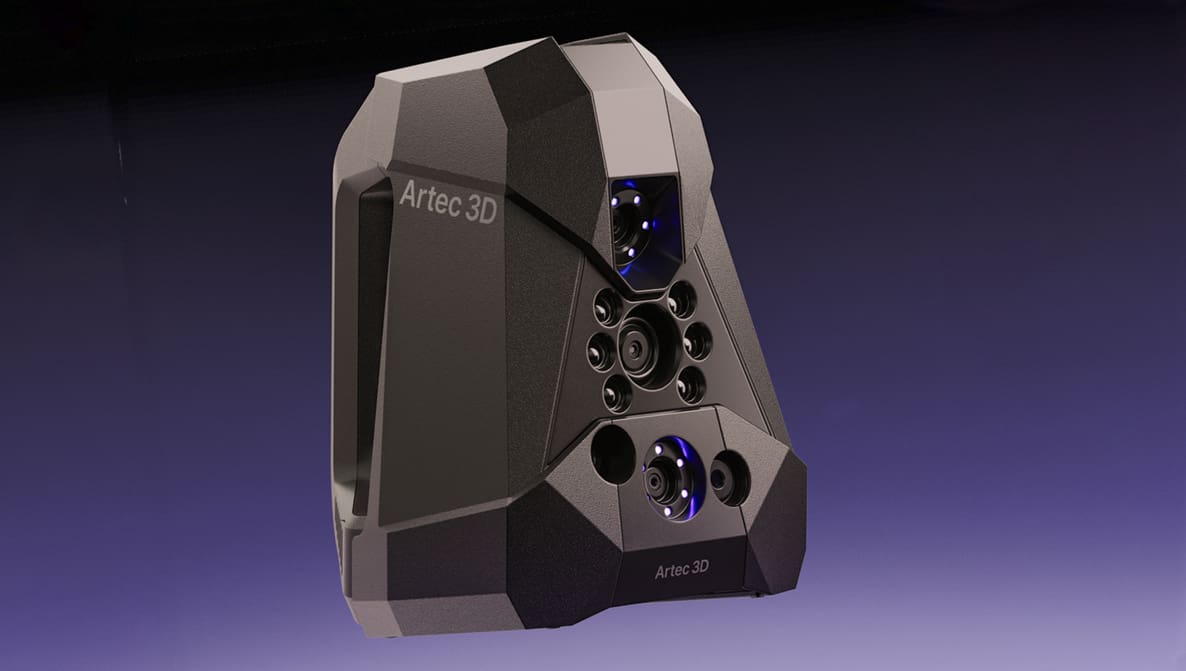
Artec 3D new Neo, a handheld 3D scanner designed to reduce one of the more mundane parts of precision 3D scanning: covering a workpiece with tracking markers before measurement can begin.
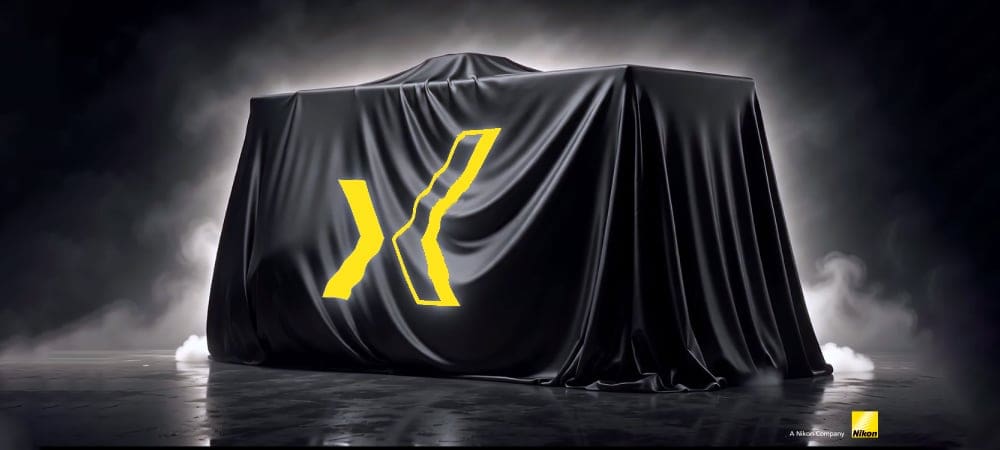
Nikon SLM Solutions just began teasing a new metal 3D printer under the banner “Reach Mach speed,” which appears to be its first genuinely new production platform in years. It's aimed at the “middle range” where most actual manufacturing happens. Details are scarce beyond promises of throughput, reliability, and volume production, while the campaign URL’s “Mach X” offers one more breadcrumb for the speculation pile. The reveal is set for Nov. 17, opening day of Formnext 2026, so until then we’re apparently expected to make do with a countdown clock and our imaginations.
From high-speed 3D printers to the new wave of desktop CNC mills coming out of tech shows like IFA, Kickstarter has become a primary launchpad for desktop fabrication hardware. But how do you actually feel about buying tech through crowdfunding?
gathering user feedback about its software and how it could be better at the little things – all in preparation for launching what it calls Anycubic Software 2.0. The release brings a raft of updates that touches both Anycubic Slicer Next and the Anycubic App. Highlights include making features like spaghetti detection toggleable in-app, syncing materials settings, better support for third-party filament in the material library, and adding file search and full print history to the slicer. It's a solid collection of quality-of-life improvements.


Aiming to "solve the frustration of filament tuning," LayerHub is Polymaker's new hub for 3D printer users to download, validate, and share their own filament presets using the methodology it uses to tune for its own filaments.
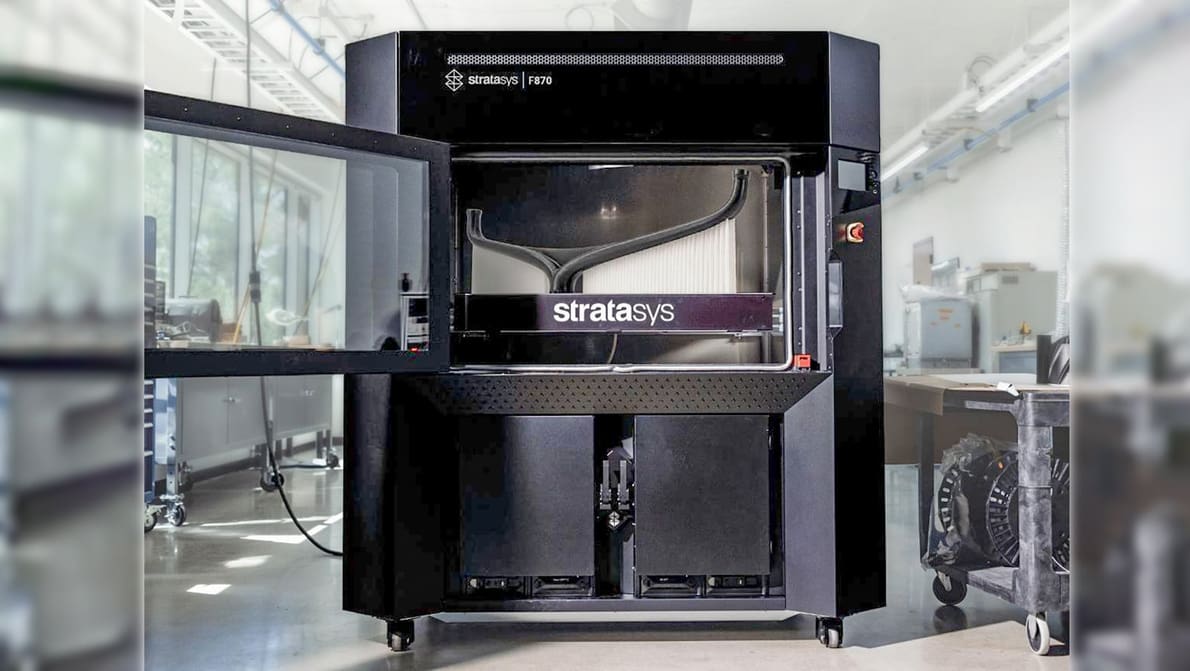
Stratasys' new F870 combines a meter-long heated build chamber, carbon-fiber material support, integrated drying, and enough filament for days-long factory tooling jobs.
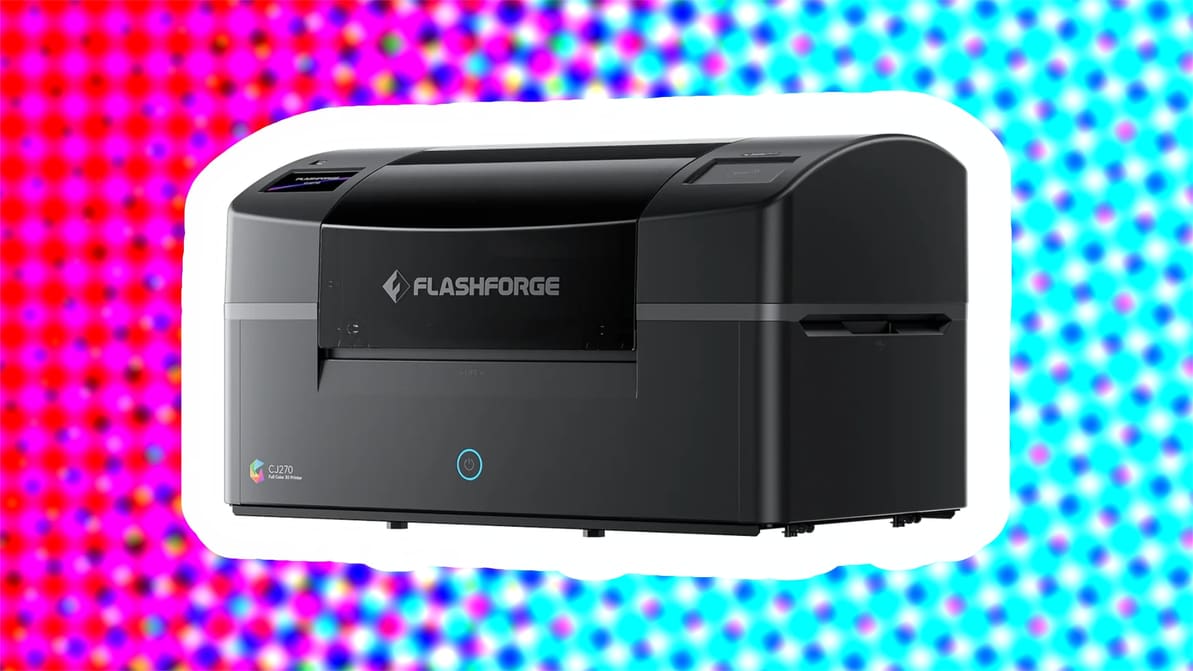
First teased back in 2024, Flashforge's CJ270 promised 10+ millions colors and transparency from its material-jetting resin system. Oh, and a 2025 launch. That window passed us by, but it's ready now and starts shipping in October.
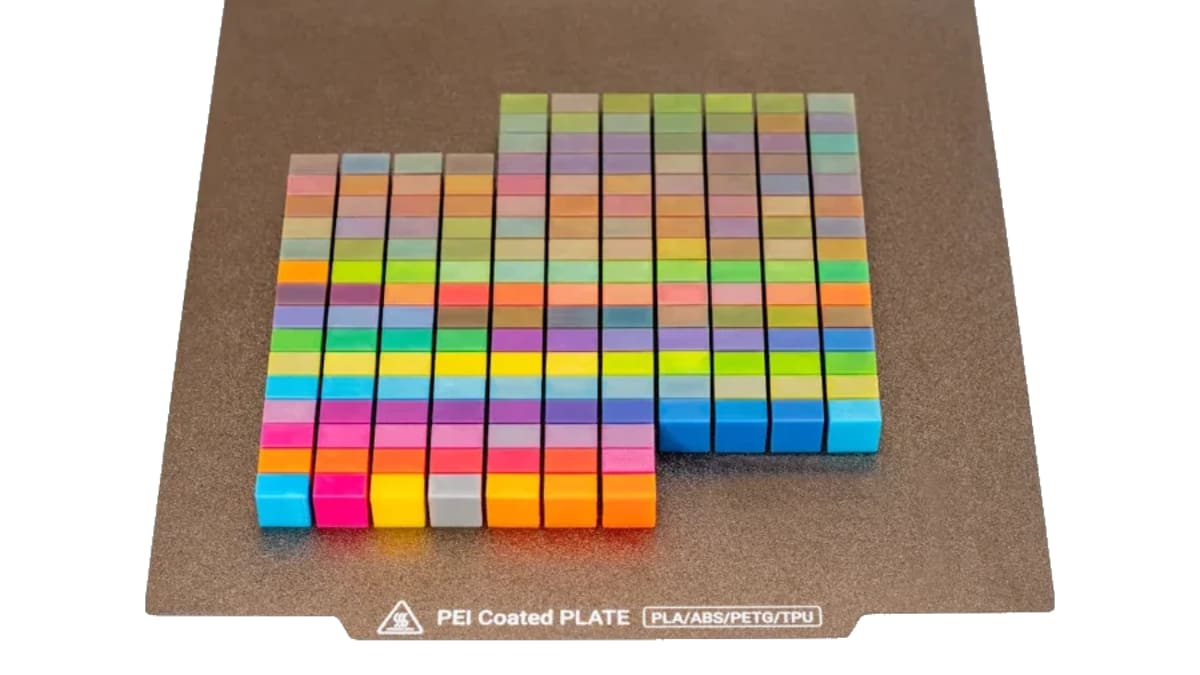
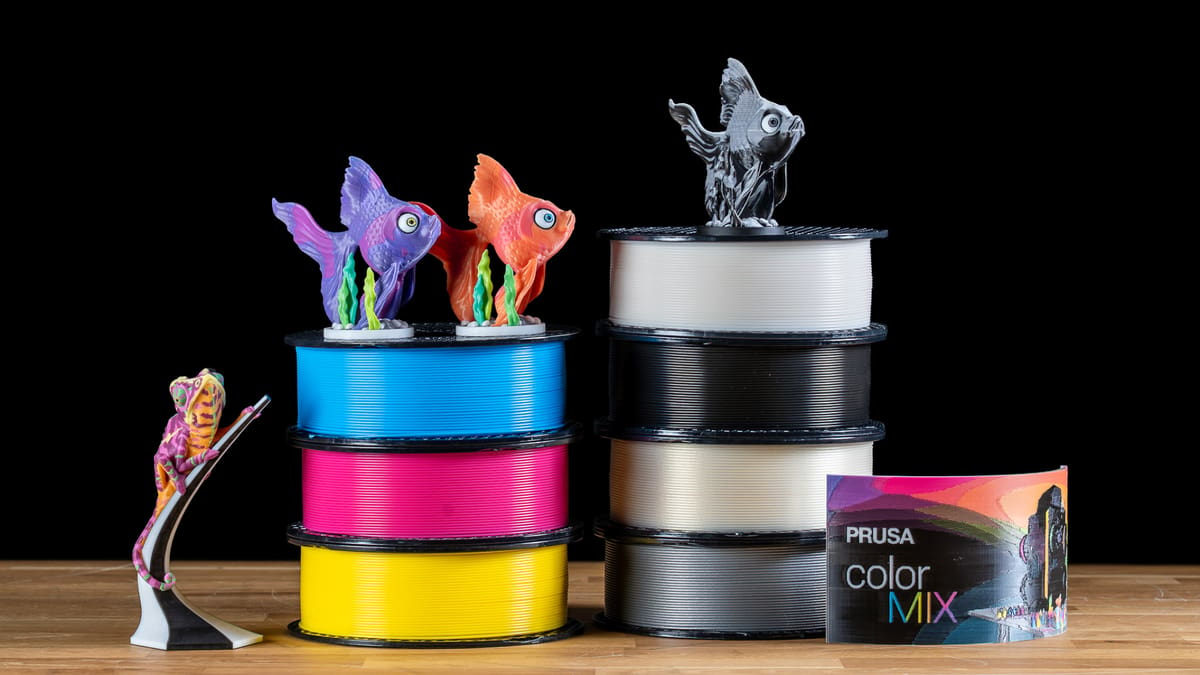
Last week Snapmaker made its FullSpectrum PLA bundle available, and now Prusa Research's Prusament is here with its spin on the concept. The Prusament PLA ColorMix bundle is a seven spool set, including new translucent Prusament PLA in five colors – Cyan, Magenta, Yellow, Black, and White, plus new ColorMix Gold Glitter and Silver Glitter colors, which can be used to add sparkly shading in designs. Available individually at $32.99, a full set of the seven can be picked currently for $179.99, thanks to Prusa's ongoing Back-to-School sale. Read more in the blog post detailing the release.
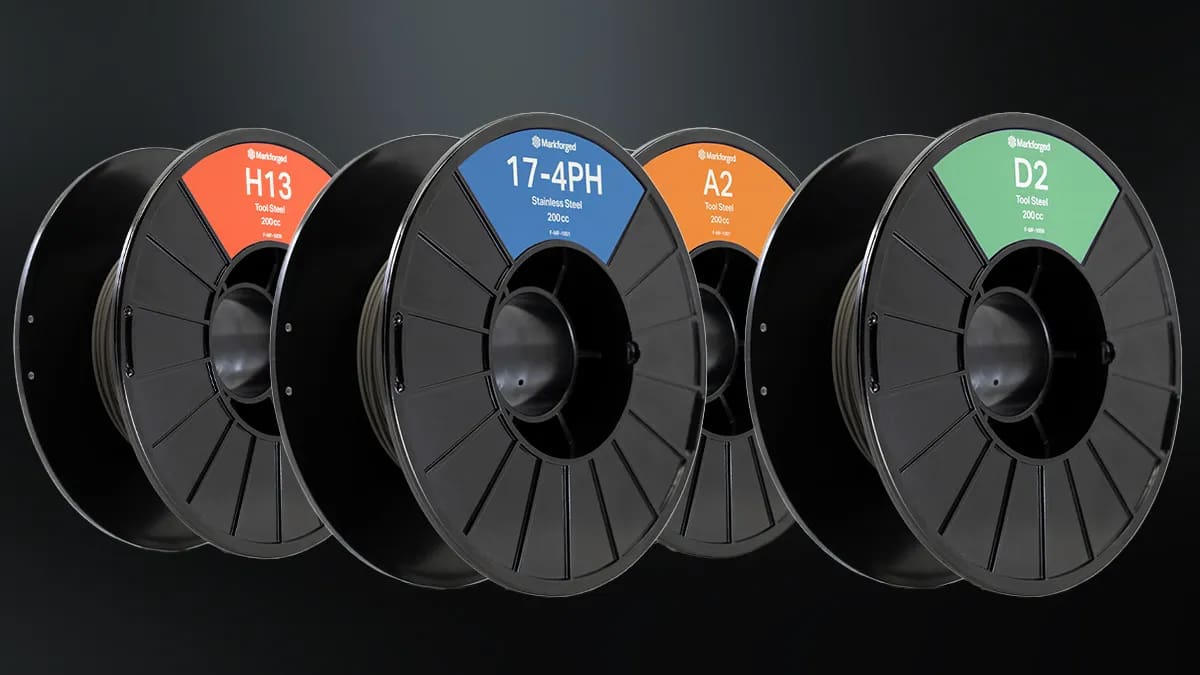
The UL Research Institutes new study of five metal-filled FDM filaments found that, compared with conventional polymer filaments, metal composites generally emitted fewer particles by number and lower levels of VOCs (fumes). Downside: the size of emitted matter was larger but mostly still below 1 micron. Relatively little of the embedded metal powder becomes airborne during printing, researchers found. The paper does not name the filament brand, but the tested lineup very closely matches Markforged’s Metal X material system.
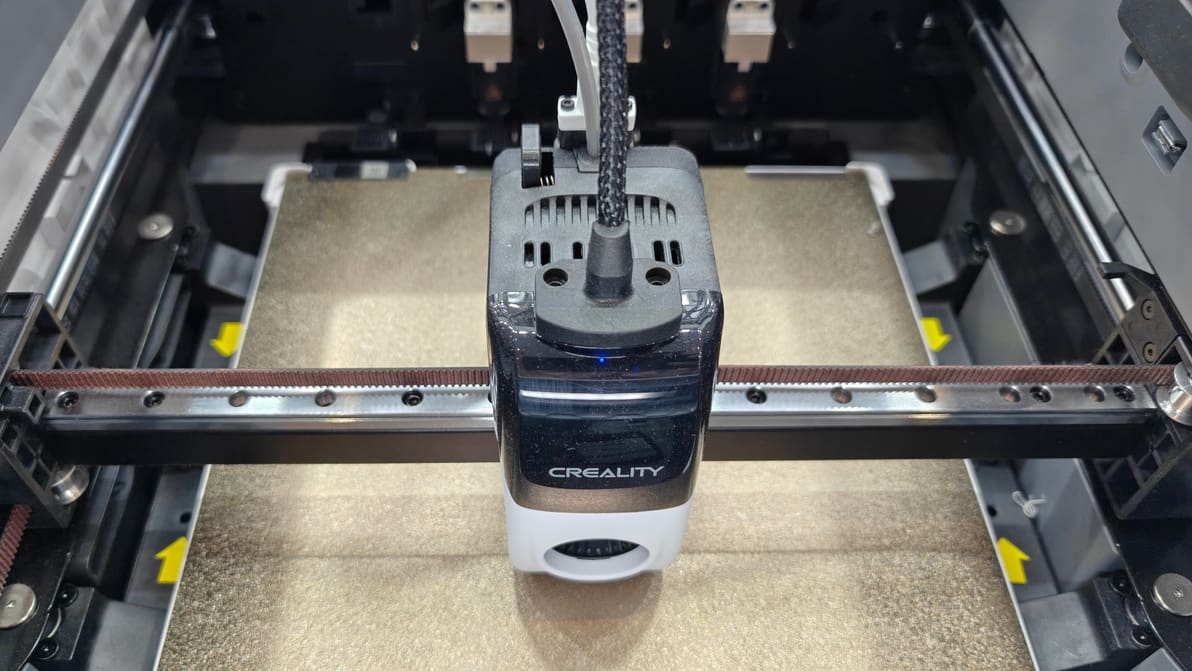
IFA Berlin is a slog to walk, but worth it for a look at the hardware that’ll keep creative tech interesting over the next year. We found 3D printer debuts between a lot, and we mean a lot, of CNC machines, UV printers and innovative laser tech.
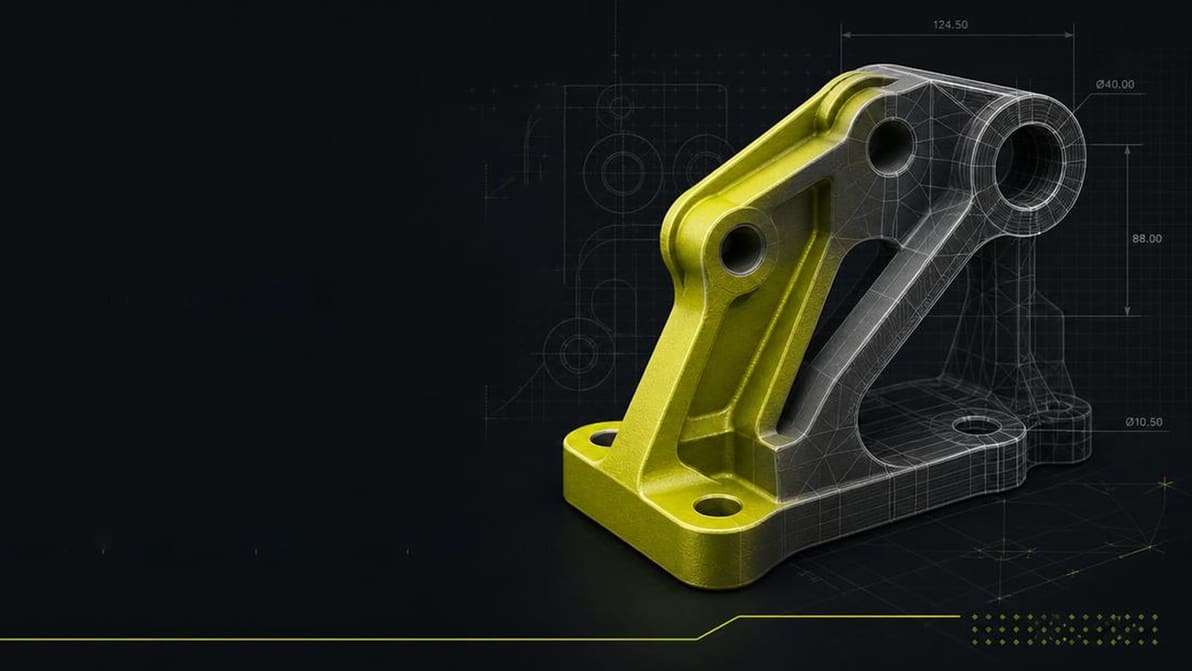
3D Spark’s new Voluminate platform promises to turn old drawings, DXFs, and even photos into useful 3D models in minutes. That sounds ideal for obsolete spare parts, so we tried it.
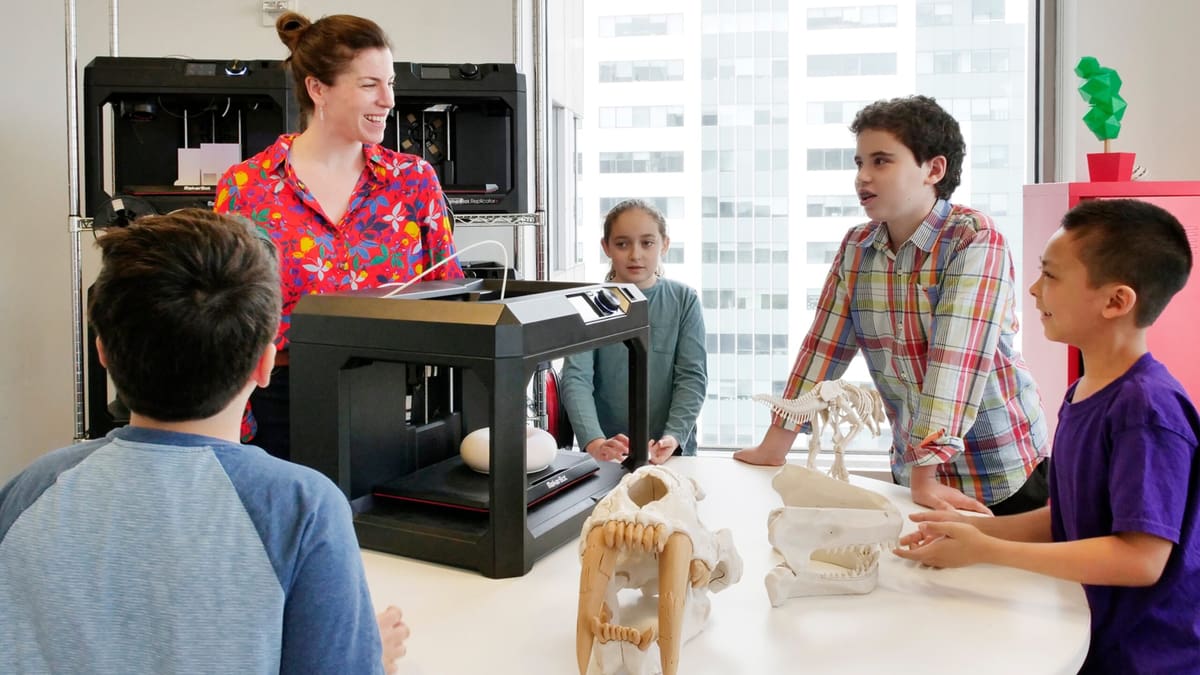
The free guide rounds up 35+ grants, scholarships, and awards that could help schools pay for printers, materials, classroom enrichment, and professional development, while also pointing educators toward federal funding options. It includes grant-writing tips, application windows, grade-level guidance, and practical advice for planning a 3D printing program. Educators can access the 2026 MakerBot Grant Guide here.
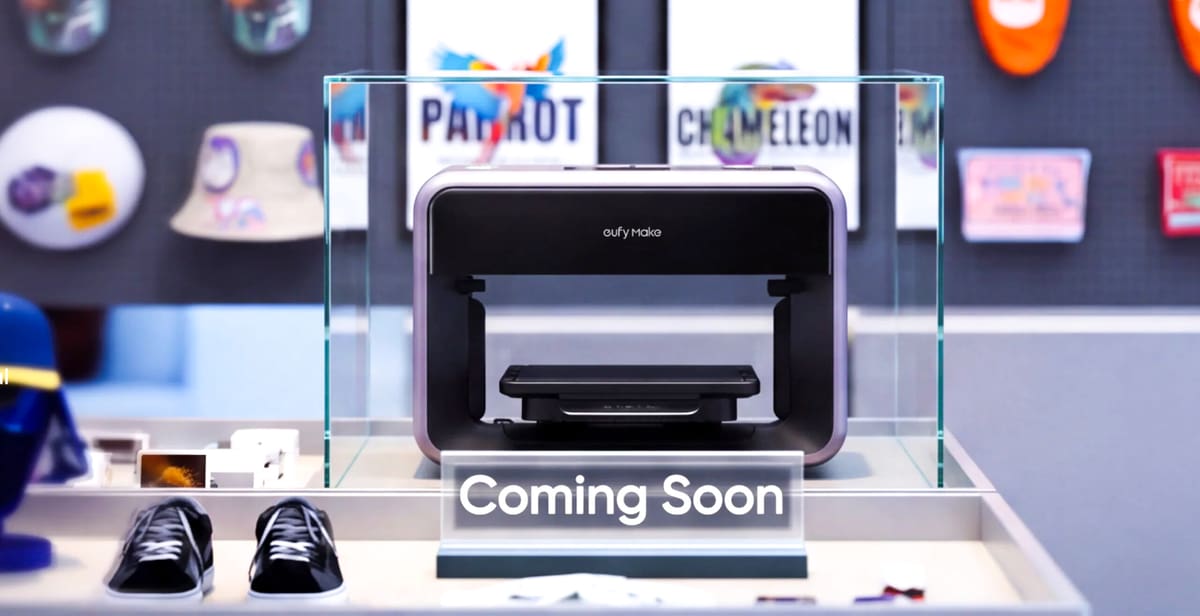
Fresh from its pivot away from making 3D printers under the AnkerMake brand to making desktop UV printers as EufyMake, Anker gave IFA Berlin attendees a sneak peak at its upcoming Next-Gen Fabric Printer that supports both direct-to-garment (DTG) and direct-to-film (DTF) printing, promising desktop apparel customization without the usual industrial-sized setup. The machine is slated for Q1 2027, and EufyMake is already recruiting would-be beta testers at its Facebook page.
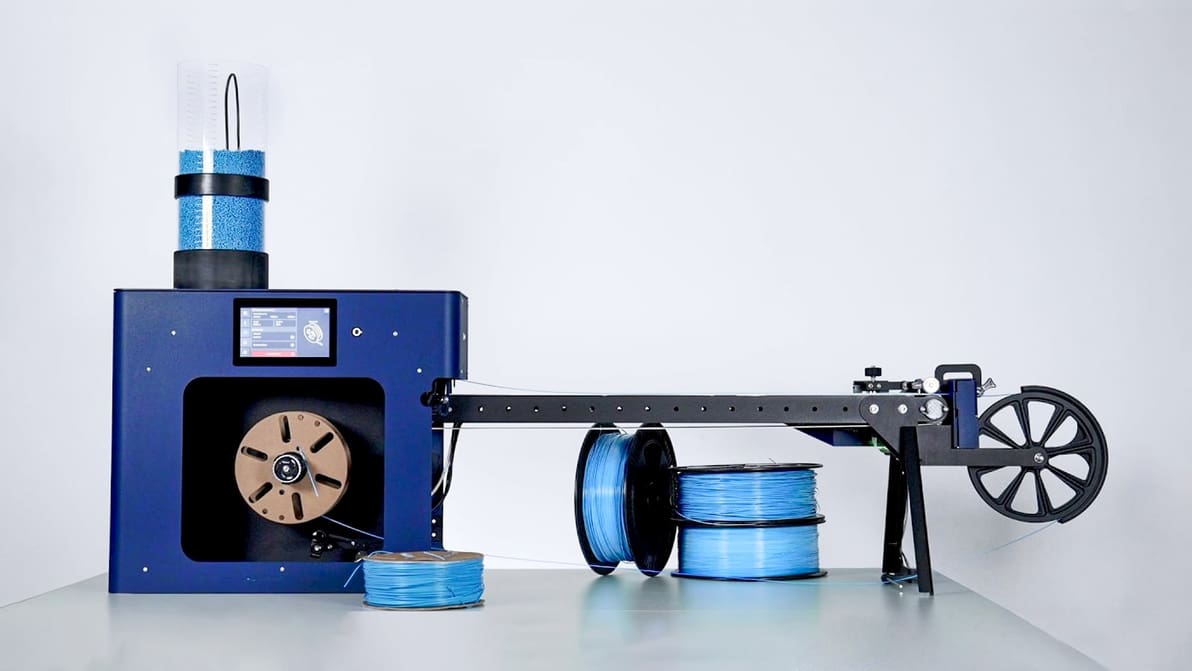
Turn everything from pellets to failed prints to leftover SLS powder into new 3D printing material with 3devo's latest extruder machine.
It's been exactly one year since we started posting a poll to the All3DP homepage every Sunday, and in that time we've gotten some great insights into how you think and do 3D printing.
A year is a short time, but even in that space things have changed a lot at All3DP as we navigate the challenges of a publishing industry in flux and a 3D printing industry that's evolved into something quite different than what we've known and covered in our 12 years of doing this.
So here's to another year of questions and answers. The next few polls will be about us, and what you'd like to see from us.
Available now from the Snapmaker webstore at $89, the PLA Full Spectrum bundle includes four 1 kg spools of semi-translucent PLA, in Cyan, Magenta, Yellow, and Grey colors. The manufacturer has the light transmission distance values dialed and material profiles available in the latest version of Snapmaker Orca slicer, letting you accurately color mix on your U1 3D printer. If you need a refresher on what Full Spectrum is and means, we explained when we took it for a spin earlier this year.