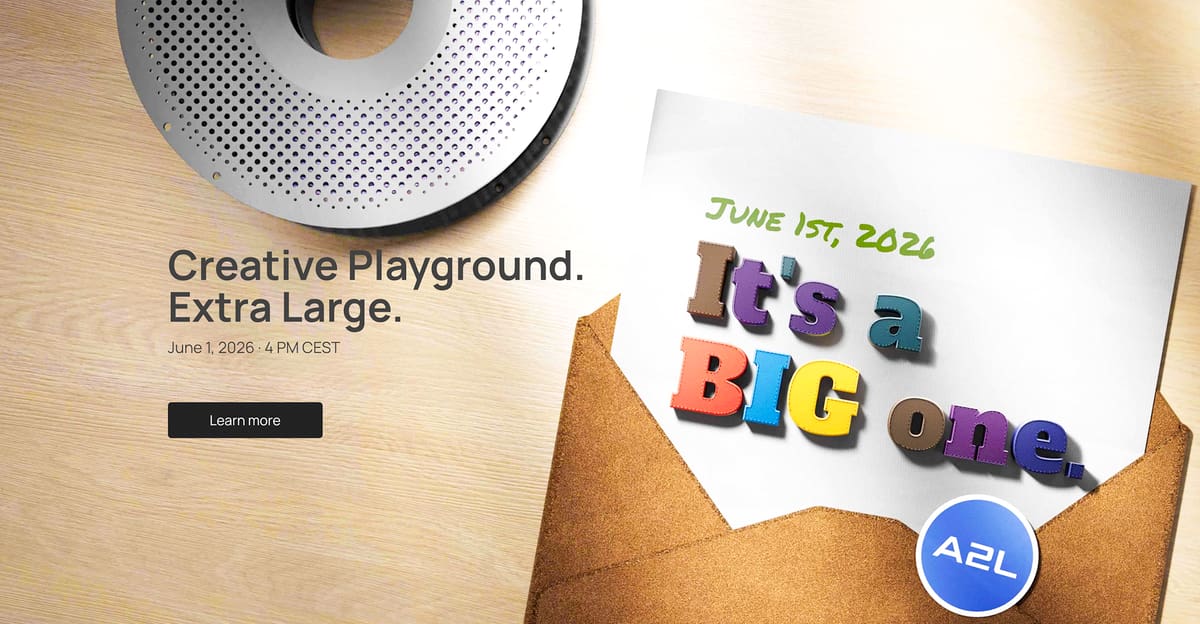
With marketing material that looks suspiciously like a baby announcement, Bambu Lab is stoking expectations for its next addition. Congratulations, it’s a printer. The new machine appears to be called the A2L, with the “L” presumably standing for “large,” “larger,” or “look, we needed more build volume.” Details are under wraps until June 1, but clues suggest it's a bigger sibling to the popular A1. The ad also shows multi-color print, hinting that the A2L supports multi-filament printing like the A1 and A1 Mini. In other words: same family, bigger crib.
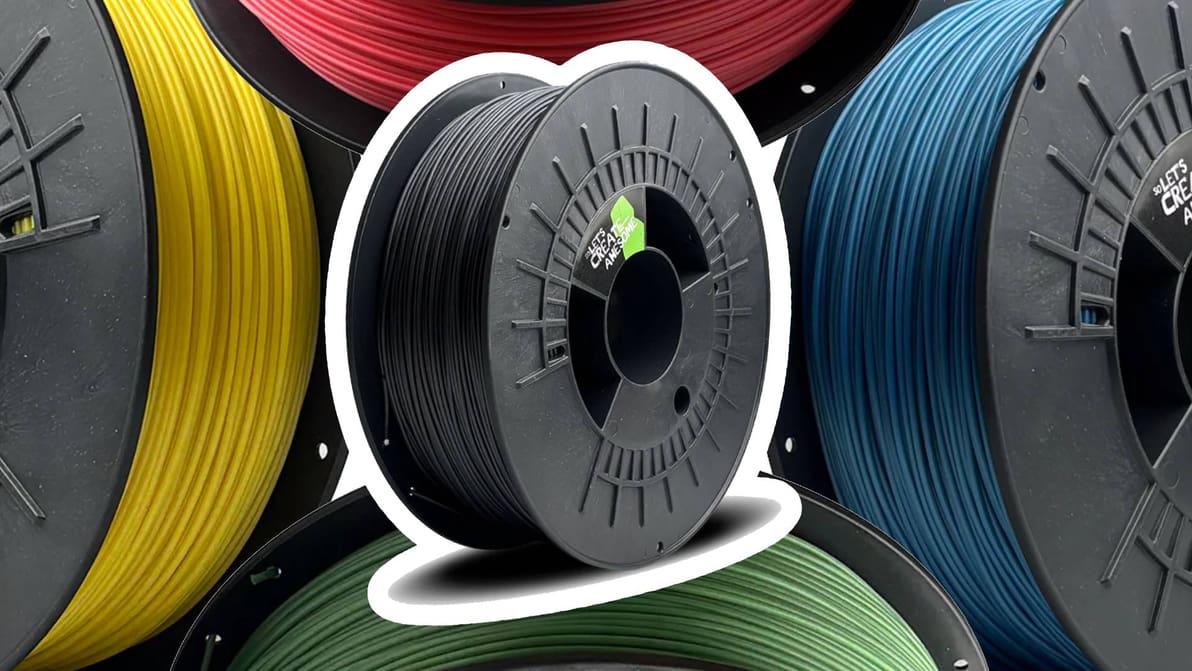
Fillamentum’s circular NonOilen filament expands with new colors that Fillamentum says keep the material’s reusability intact.
Stratasys has entered a definitive agreement to acquire Markforged from Nano Dimension in an all-cash deal valued at $42.5 million, subject to customary adjustments. The acquisition is expected to close in the second half of 2026 and would add Markforged’s line of continuous carbon fiber FDMs, software, and materials capabilities to Stratasys’ portfolio, strengthening its position in aerospace, defense, automotive, and other industrial applications.
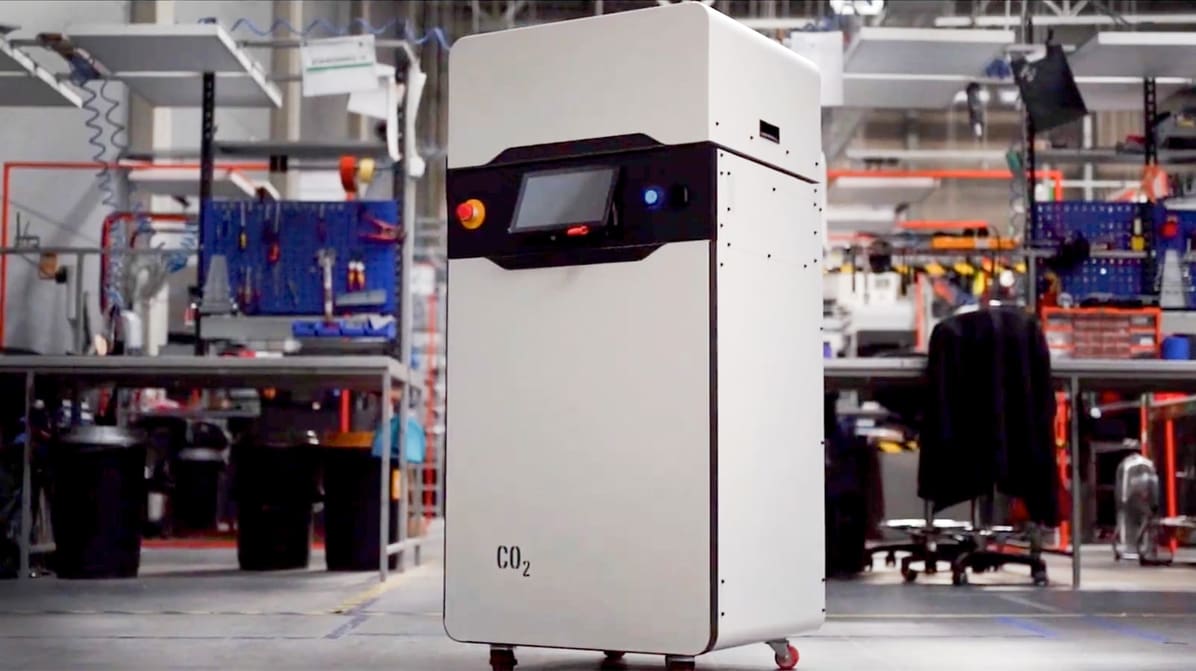
By switching to a 30-W CO2 laser source, Sinterit’s latest compact system enables high-speed printing of white, natural, and colorable powders.
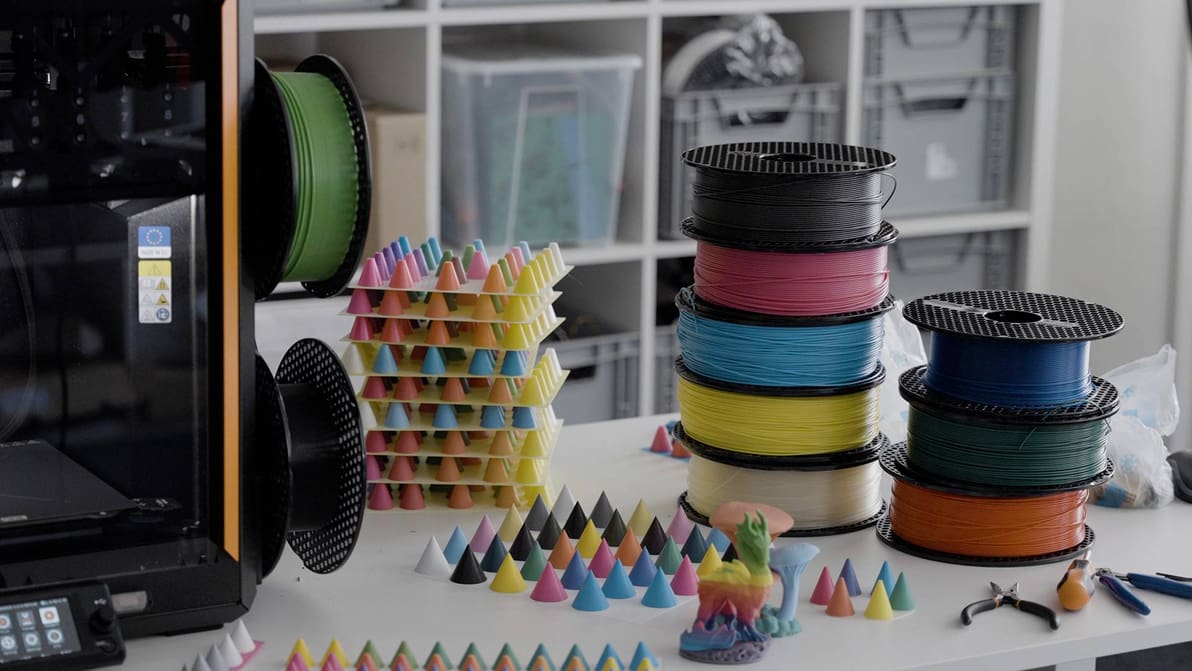
Prusa Research has dropped a beta of PrusaSlicer 2.9.6 alongside an EasyPrint update, both shipping Prusa ColorMix – the company's take on the FullSpectrum filament mixing technique that’s spread across desktop slicers in the past three months.

OrcaSlicer hit version 2.4.0 alpha on May 25, with a release that bundles a handful of welcome new features alongside something more strategically significant: Orca Cloud, the project's own centralized profile and synchronization platform.
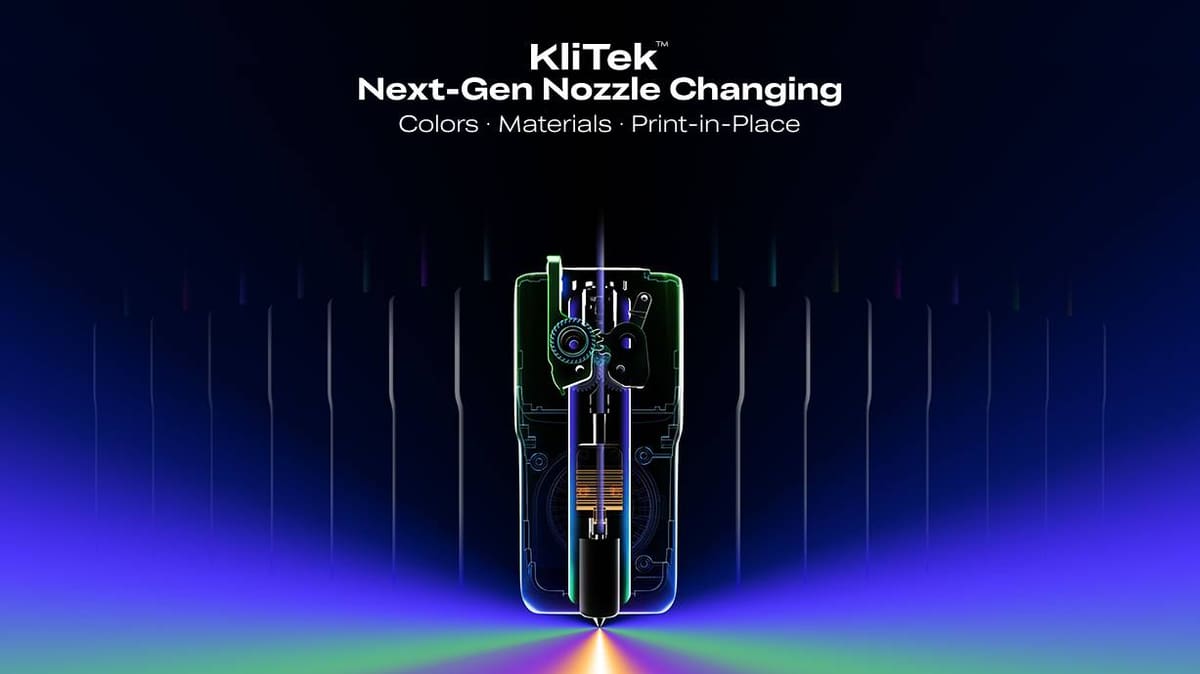
the arrival of Creality's anniversary means a new hardware drop. As the company gears up to celebrate, some teasers are starting to work their way out, and it sure looks like we'll be getting a toolchanger.
This banner from the Creality website talks about something called KliTek and "next-gen nozzle changing." As for questions like "what kind of toolchanger" and "how many toolheads," we'll have to wait and see.
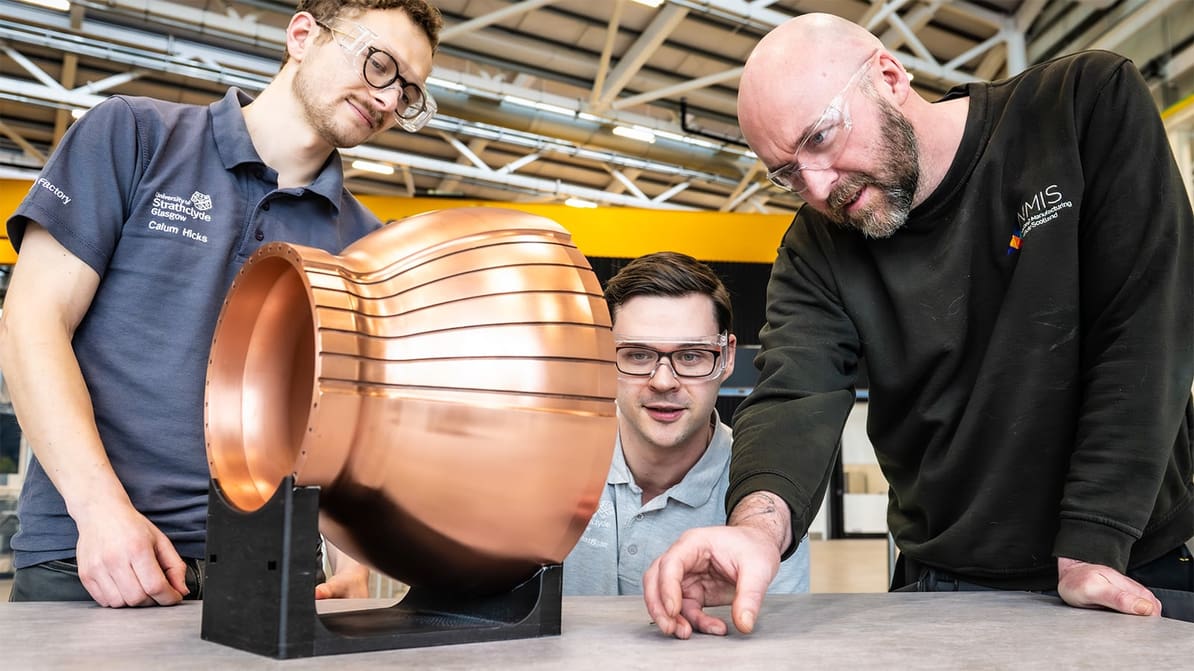
This hybrid solid-state manufacturing method bypasses laser-melting limitations to slash production lead times for complex aerospace components.
How about Kapton tape, painters tape, Ultrabase... IKEA mirrors? Over the years, the advice has changed. We just updated our guide to help you find a suitable build plate.
For most new printer users, I'd wager it's the print bed that came with the printer and nothing else. Print beds today are pretty well tuned to the majority of materials, but are still consumable. You'll need to replace it at some point in its life, but have the manufacturer defaults gotten so good there's no room to experiment with others? Are you still using the bed that came with your printer, or have you replaced it?
The company announced this week that it has taken on developer Radu "Ratdoux", who popularized the new color mixing technique that manufacturers are scrambling to introduce to their slicers.
What does this mean? Well, it's all open source, so whatever Snapmaker puts out will be a part of its open Snapmaker Orca slicer. The company is banking on this being a significant feature, potentially even influencing the make up of the next generation of hardware, we reckon.
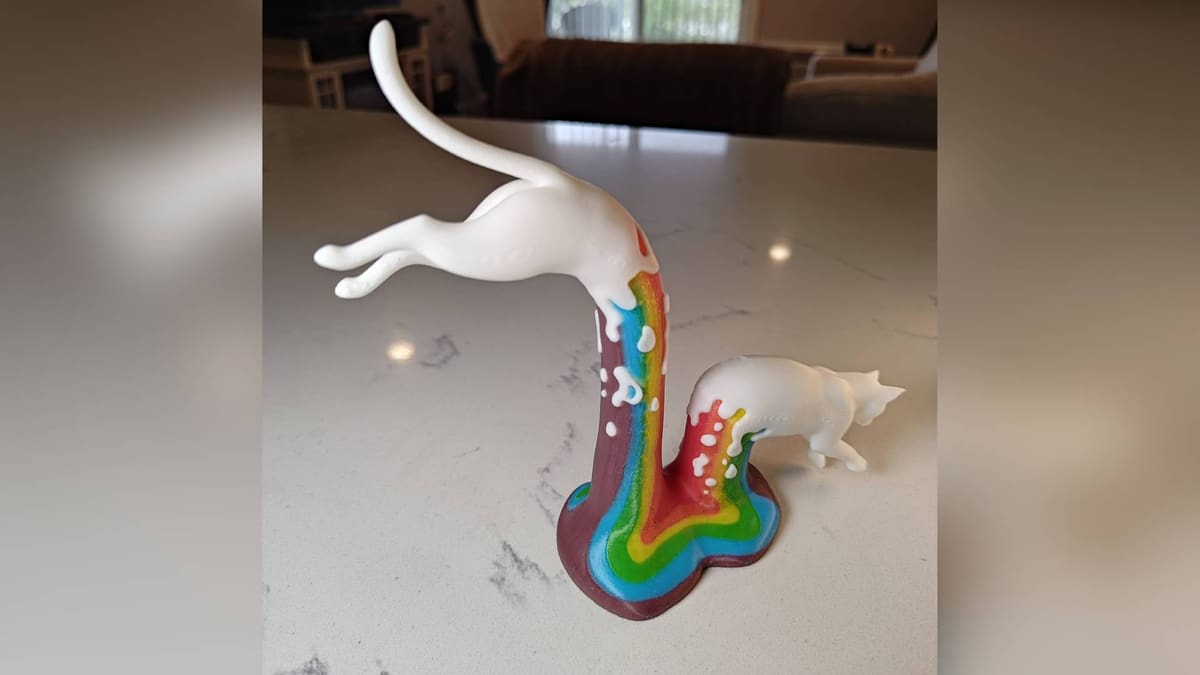
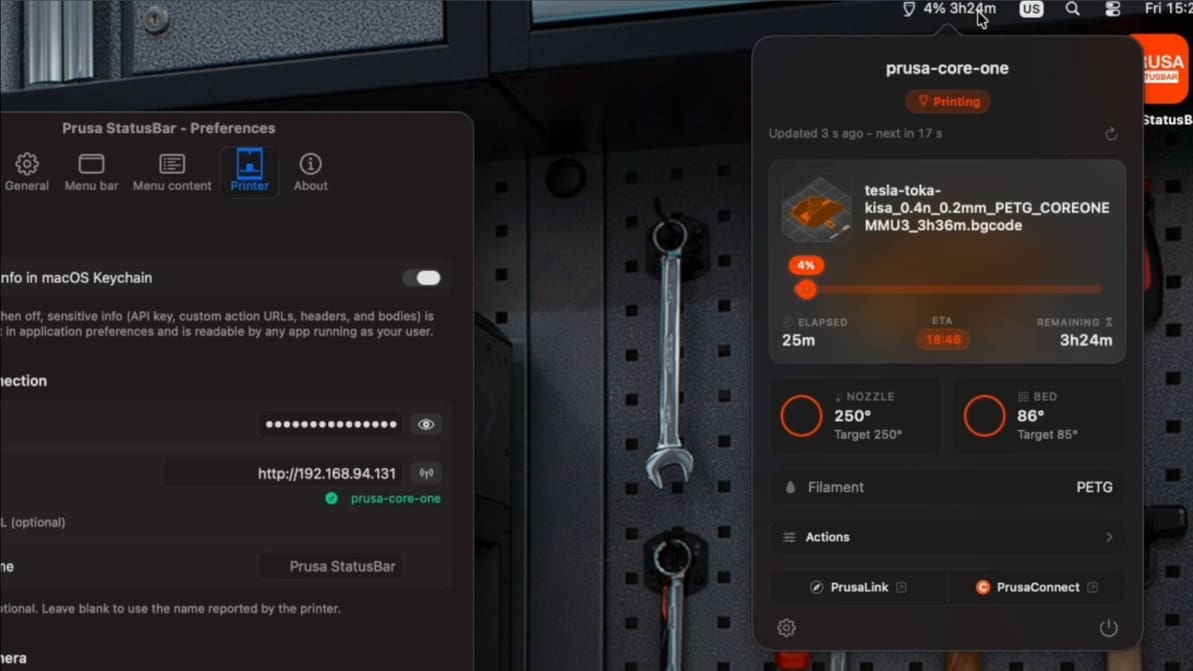
New unofficial Prusa MacOS desktop app brings your locally connected 3D printer directly to your Mac’s status bar, giving you at-a-glance updates, webcam feed, and even one-click Home Assistant triggers right from your desktop.
We’re putting Protopasta’s new High Impact Carbon Fiber PCTG to the test, and honestly? It’s just flexing at this point. We’re printing a heavy-duty, snap-close broom holder (a remix by Simple£D on MakerWorld), and the print process has been pretty flawless and effortless on our lab's Prusa CoreOne L. Carbon fiber strength with zero drama? So far, we’re impressed. More on PCTG coming this week.
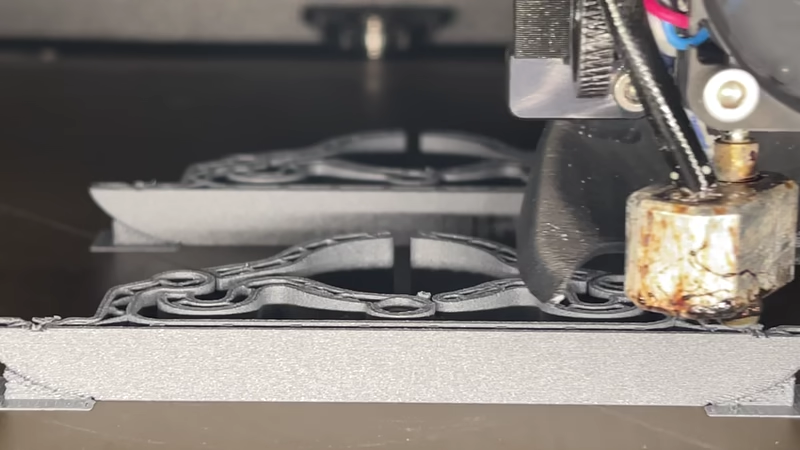

Bambu Lab’s critics continue to line up to take shots at the company. Following the company's pressure to take an OrcaSlicer fork that restores the connection to its cloud service offline, attention has sharpened onto an alleged AGPL license violation that may have lived within Bambu Studio since its launch in 2022. Bambu Lab contests this.
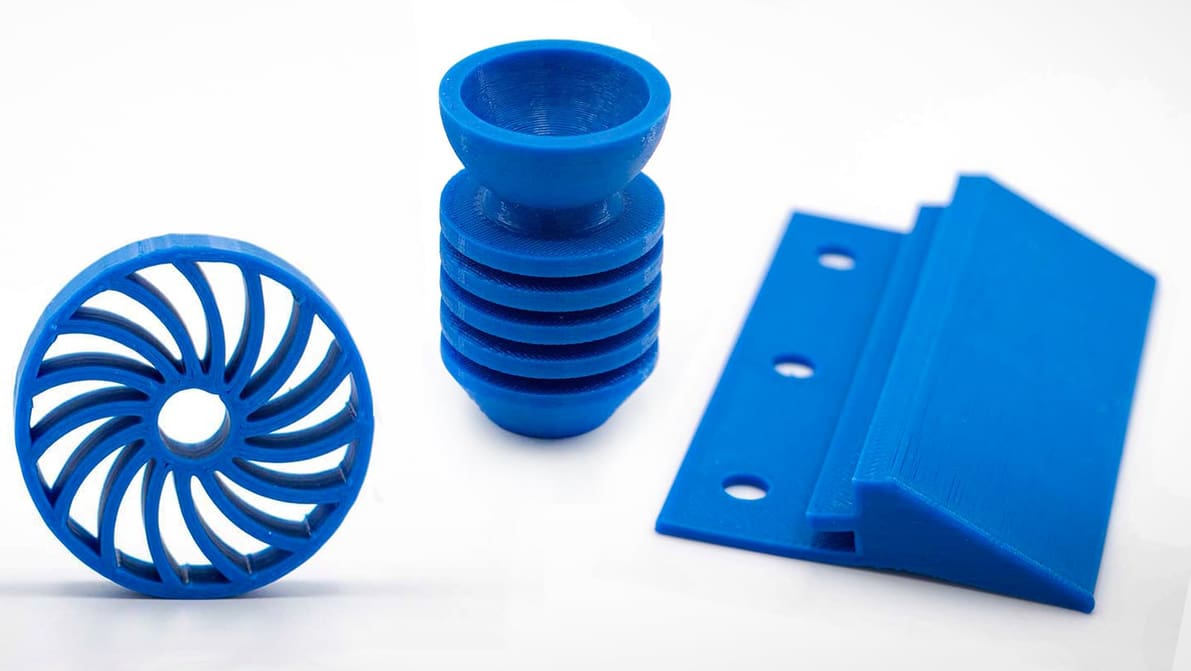
This new additive material offers food-processing plants a rapid, cost-effective method to produce custom gaskets, seals, and production-line parts at fraction of the time of traditional manufacturing.

After a 3D printed turbine prototype successfully passed a grueling six-year continuous operational test, the ORNL-backed technology is now ready to scale, offering a cost-cutting blueprint to unlock clean energy at thousands of U.S. dams.
Between FullSpectrum slicer in March, Bambu Lab integrating it directly into its software, and new tools like ColorStack making it possible to print color texture data directly on a regular 3D printer, things are looking vibrant in desktop 3D printing.
And it's all possible from software that can interpolate between different color filaments – having them optically blend to give the appearance of another color altogether. Some folks are pushing it far, but right now it's too wasteful to do without a toolchanger. Say toolchangers become the standard one day – are you on board with it?
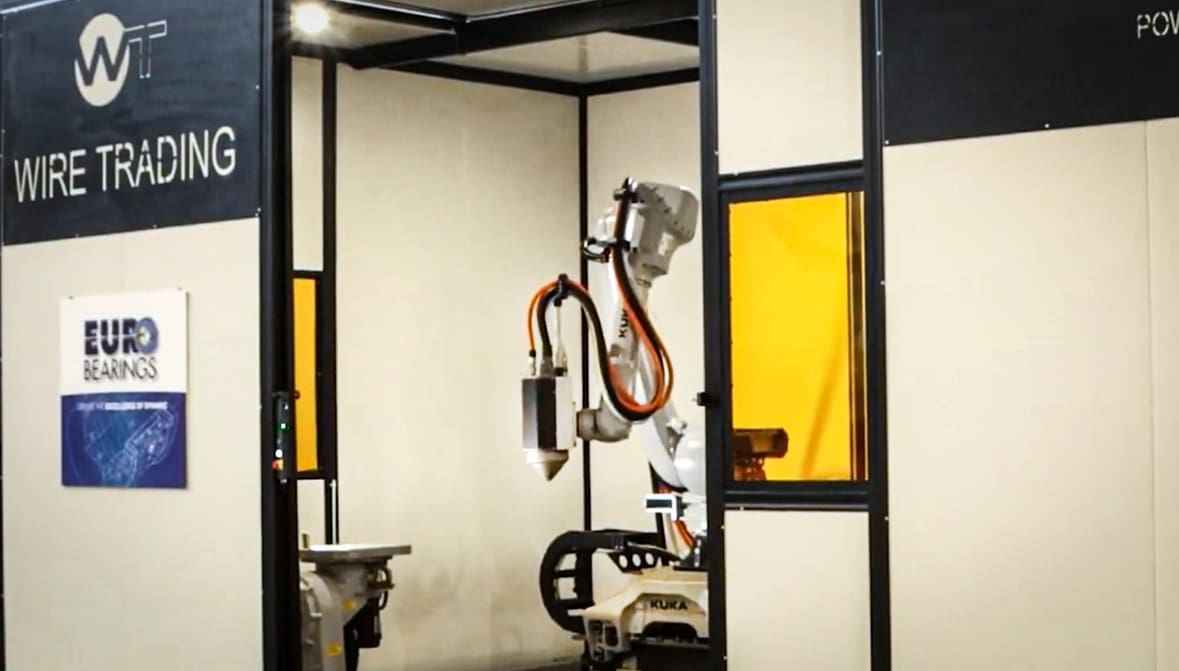
By integrating Meltio’s metal wire DED technology, Italian specialist Eurobearings is replacing weeks of traditional machining and welding with days of additive manufacturing to repair and produce massive industrial components.
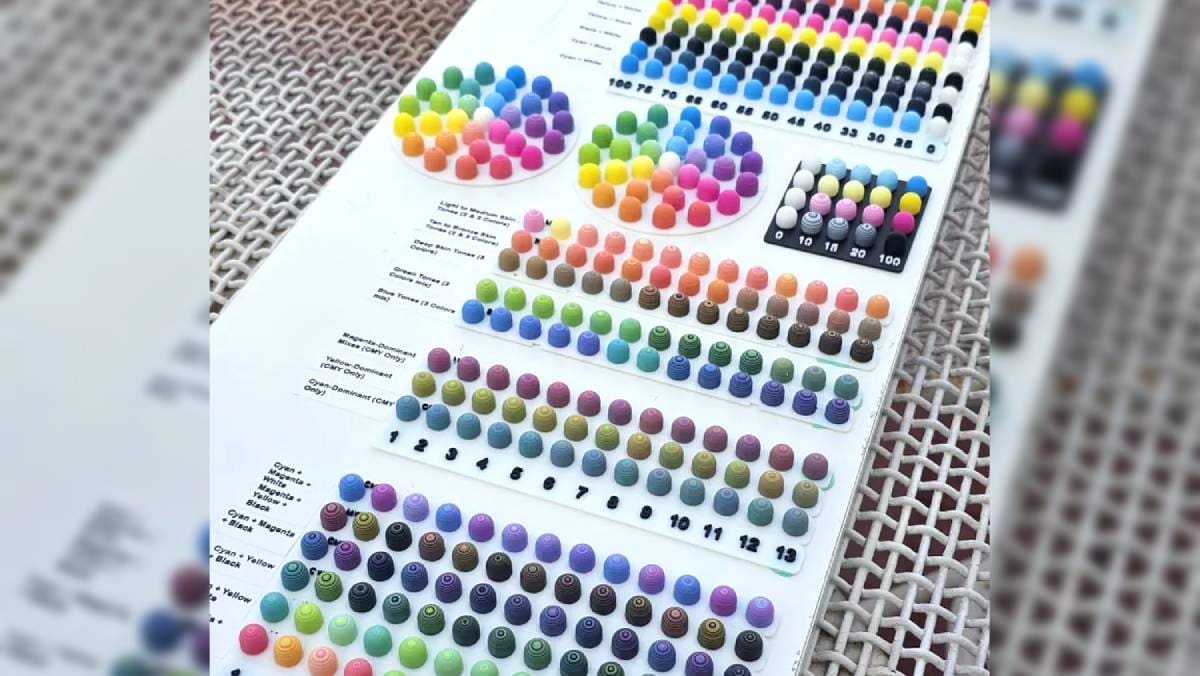
and with it, the groundwork to make the effect repeatable and consistent. This model on MakerWorld shows off 292 distinct printable colors from five source PLA filaments – cyan, magenta, yellow, black, and white – printed on a Bambu Lab H2C. The project comes with a recipe book of sorts, describing the precise ratios to reproduce each color, helpfully split out into palettes, including skin tones.
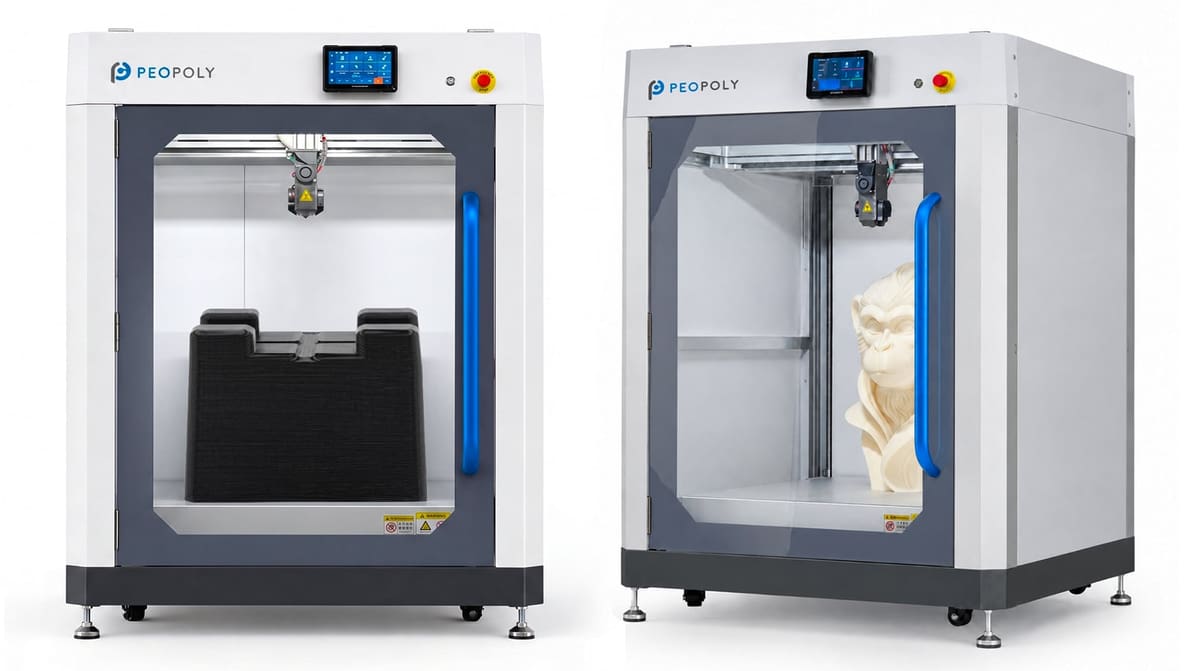
With a massive 800mm build volume and a 3kg/hour extrusion rate, Peopoly’s pellet-fed disruptor is built to slash material costs by 90% and replace expensive industrial systems.
The OrcaSlicer fork pulled from GitHub following the threat of a cease-and-desist letter last month is back. The slicer, which reconnected the popular third-party slicer to Bambu Lab's cloud infrastructure without Bambu Connect – control middleware the company launched early last year – is now hosted by right-to-repair advocate Louis Rossmann and PC media outlet GamersNexus, with both publicly daring Bambu Lab to sue them over it.
Bambu Lab has not responded publicly to the rehosting. The slicer is now more accessible than it was before the company intervened.