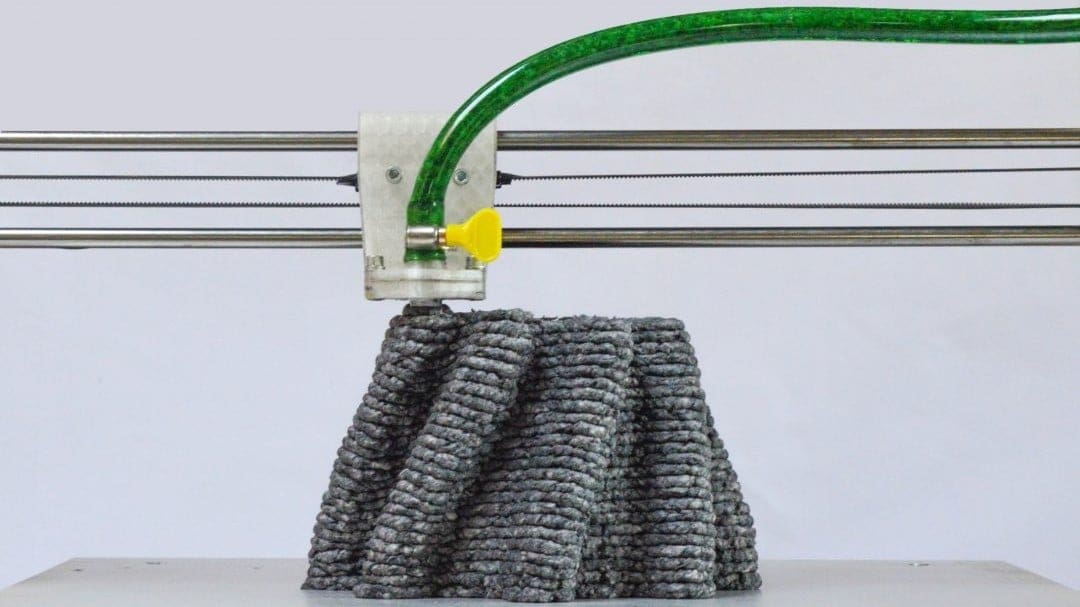
Designer Beer Holthuis has developed the Paper Pulp Printer: a 3D printer that squirts out fascinating objects made from wet paper pulp. The project aims to give artists and designers a way to 3D print more sustainable objects.
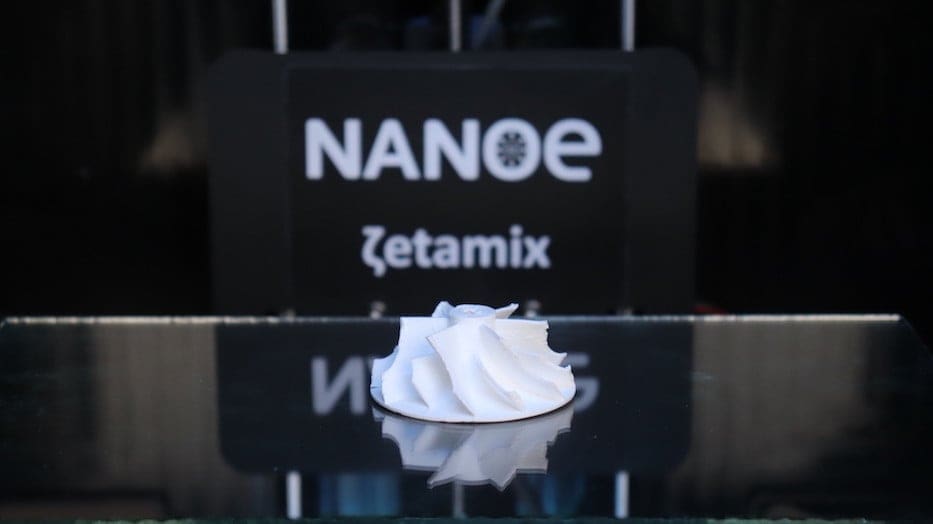
Nanoe, the developer of ready-to-sinter Nanopowders for the ceramic industry, is to launch a metal and ceramic desktop 3D printing system at Formnext. Called Zetaprint, the system will debut alongside the company's new Zetamix stainless steel 316 filament.
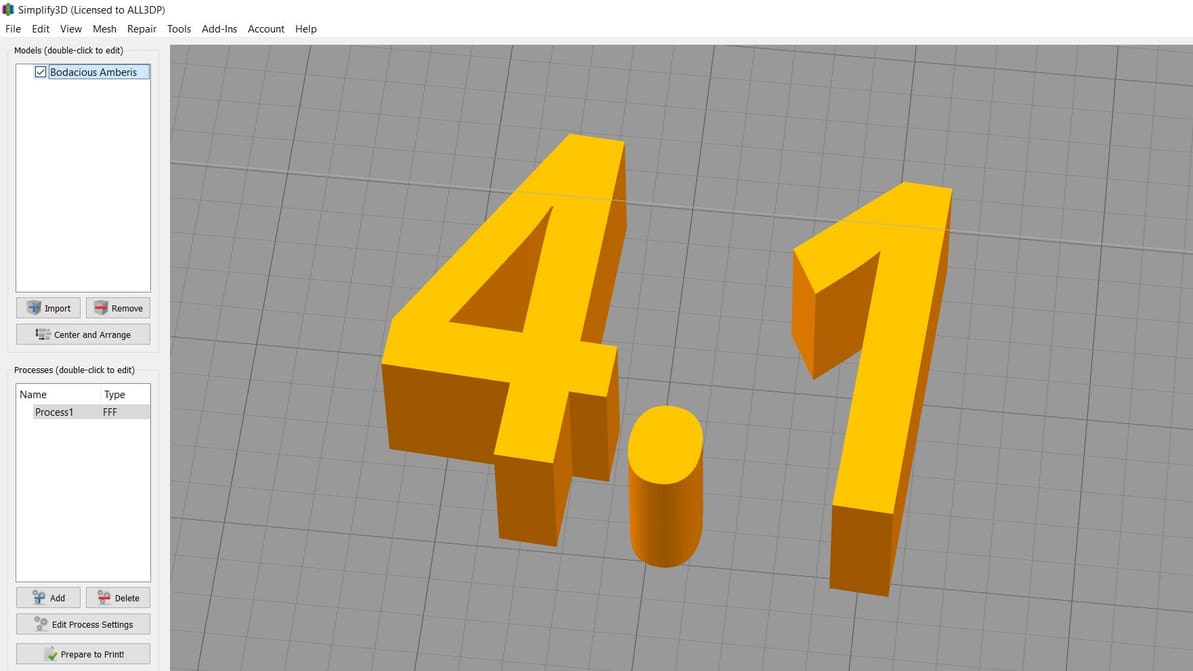
Simplify3D has just released the latest version of its premium 3D model slicing software. Improvements come in toolpath optimization, file size generation plus usability support for six-material extrusion and individualized processes across multiple parts.
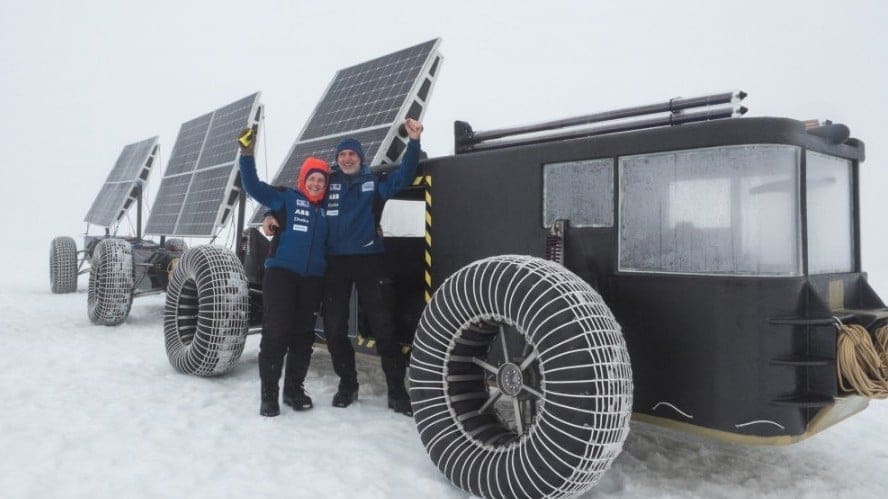
Clean2Antartica is a "playful" project started by Edwin and Liesbeth ter Velde which will see them drive a 3D printed truck from Antartica's base camp to the South Pole.
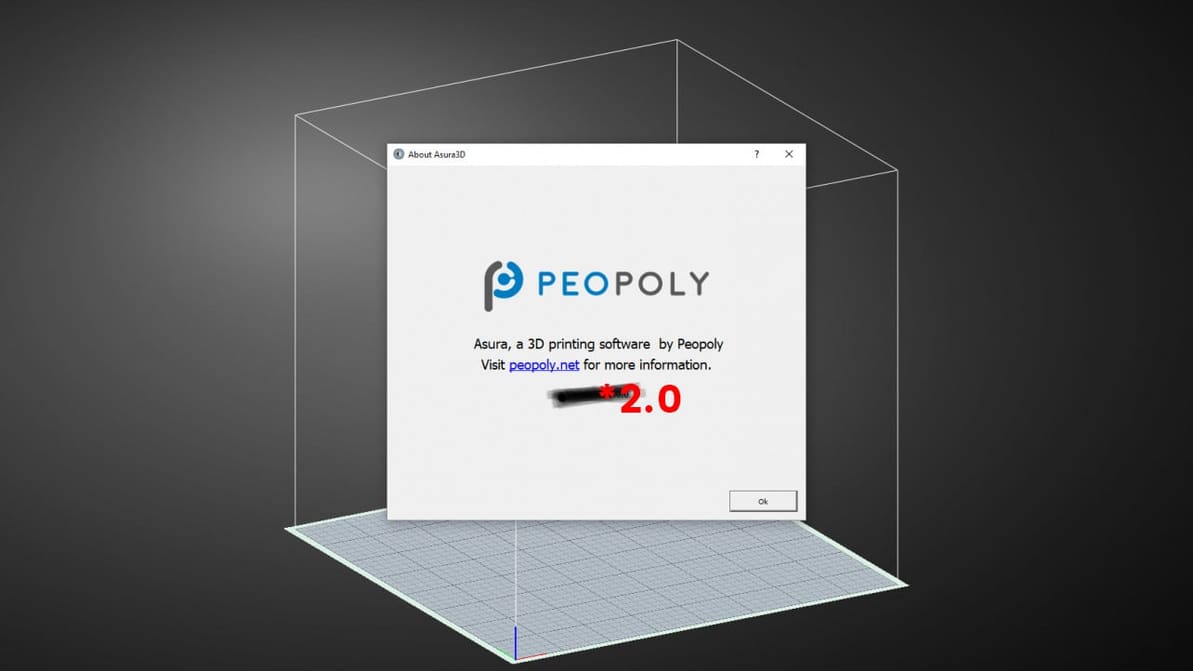
Users of SLA 3D printers have a robust new solution for their print preparation needs; updated to 2.0, Peopoly's Asura now features built-in slicing and distortion adjustment for precision prints.

On Sunday at Ottawa City Hall, a world premiere occurred: An ensemble playing only 3D printed instruments performed traditional chamber music. The all-female ensemble is called 3D String Theory.
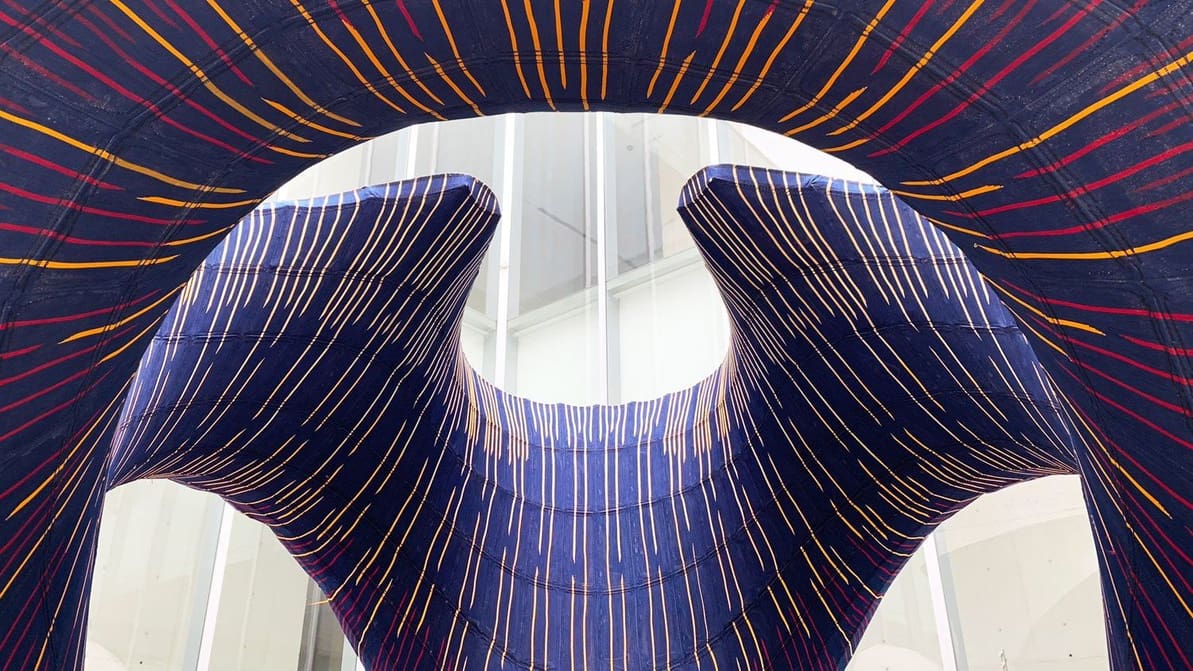
Zaha Hadid Architects and ETH Zurich have collaborated to create the KnitCandela, a colorful and visually striking concrete structure that was produced with a newly developed 3D-knitted textile technology called KnitCrete.

Verbatim, the data storage and recently 3D printing filament company, has launched a new bio-friendly filament called Durabio. The company will be at Formnext this month to discuss this latest development.

Researchers from the University of Colorado Boulder have developed a 3D bioprinting technique that enables local control over an object's firmness. It could one day be used to create patient-specific artificial vessels and organs.
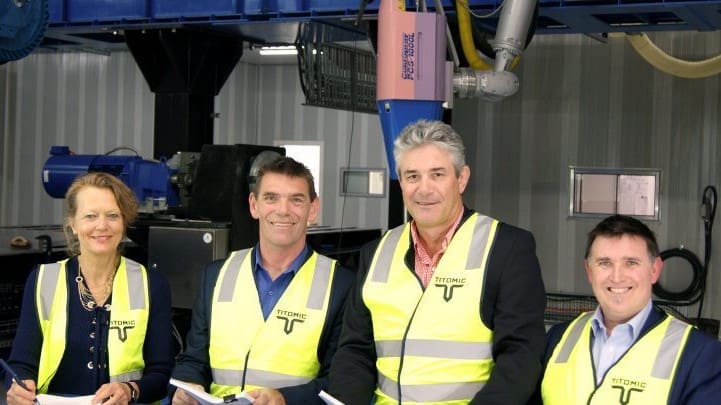
Australian based metal additive manufacturing company, Titomic Limited, has partnered with the Innovative Manufacturing Cooperative Research Centre (IMCRC), CSIRO and RMIT University in a $2.6 million deal to meet aeronautical standards for the company’s Kinetic Fusion (TKF) technology.
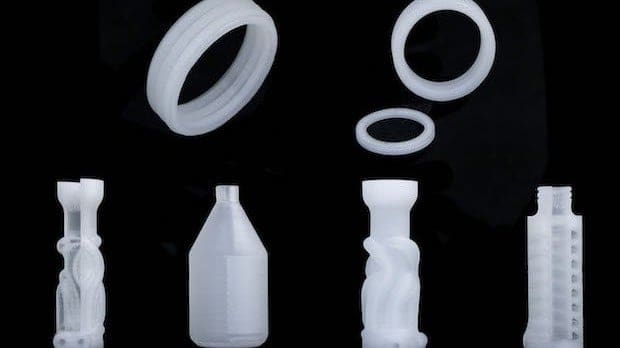
Apium Additive Technologies, the 3D printing manufacturer, has launched a polypropylene (PP) material to its additive manufacturing portfolio. More news from the company will be announced at Formnext in November.
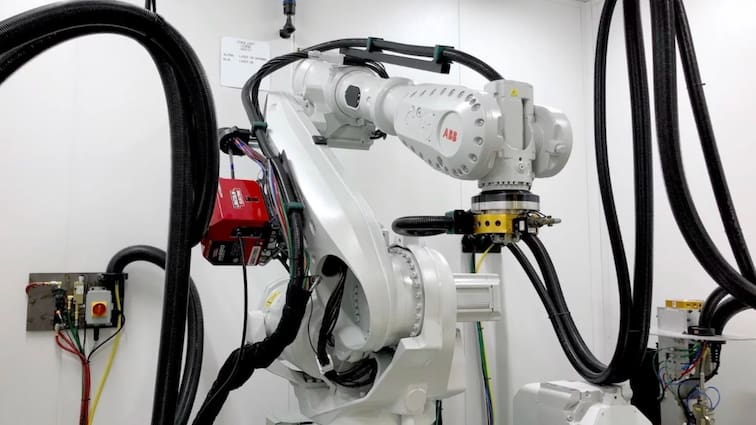
Lockheed Martin, the aerospace and defense giant, is the first company to be certified for Additive Manufacturing safety by UL, the global safety consulting and certification company.
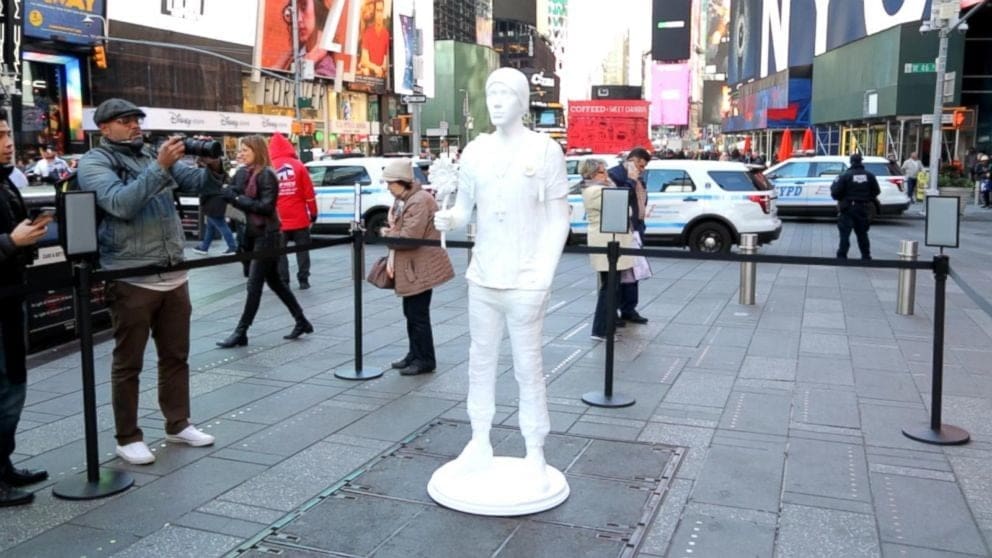
Manuel Oliver, the father of a student who was killed in the school shooting in Parkland, has 3D printed a life-size sculpture of his son "Guac". The sculpture is a protest against the pending legality of 3D printed guns and was put on display in Times Square.
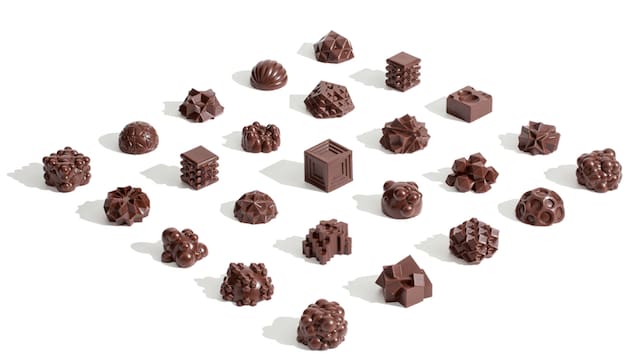
Classic chocolate making techniques meet 3D printing in the Kickstarter campaign "Chocolate for the Digital Age". Chocolatier Ryan L Foote is hoping to raise $7,100 to create nature-inspired shapes with daring, locally-inspired flavors.
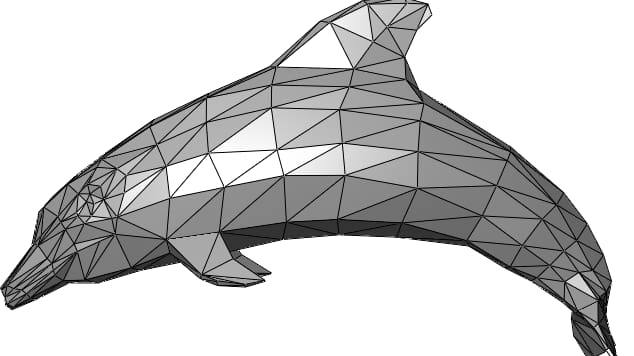
This week, the U.S. Patent and Trademark Office released a series of granted patents made by Apple. One of the 46 patents granted shows a new way to create 3D print models.

The Japanese electronics manufacturer Mitsubishi Electric Corporation has announced the development of a new metal additive manufacturing process. Dubbed as "dot forming technology," the technique combines laser, CNC, and CAM technologies to produce near-net metal parts.
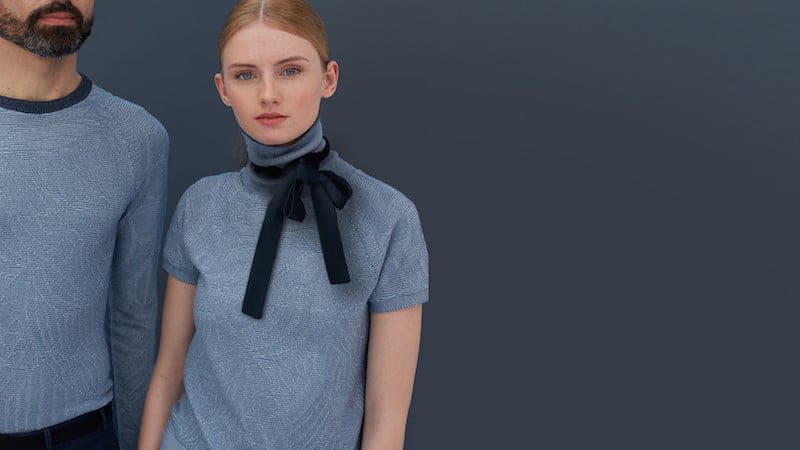
Now launched on Kickstarter is a 3D printed knitwear campaign by The Girl and the Machine which aims to reduce consumption by providing high quality, luxurious merino wool jumpers made to meet your tastes and sizing exactly.

Askja Audio, a French company creating systems for audiophiles, reveals how important 3D printing processes are to its manufacturing process.

The global tech titan HP is teaming up with the Nanyang Technological University in Singapore to construct an $84 million Digital Manufacturing Lab that will focus on researching 3D printing, materials, AI, and more.
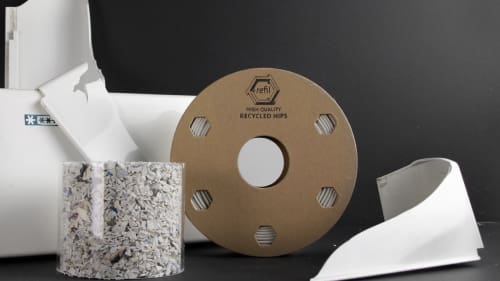
The international waste-to-product company, Renewi, and Dutch recycling filament specialist, Refil, are collaborating to create a high-quality HIPS filament that is made from recycled refrigerators.