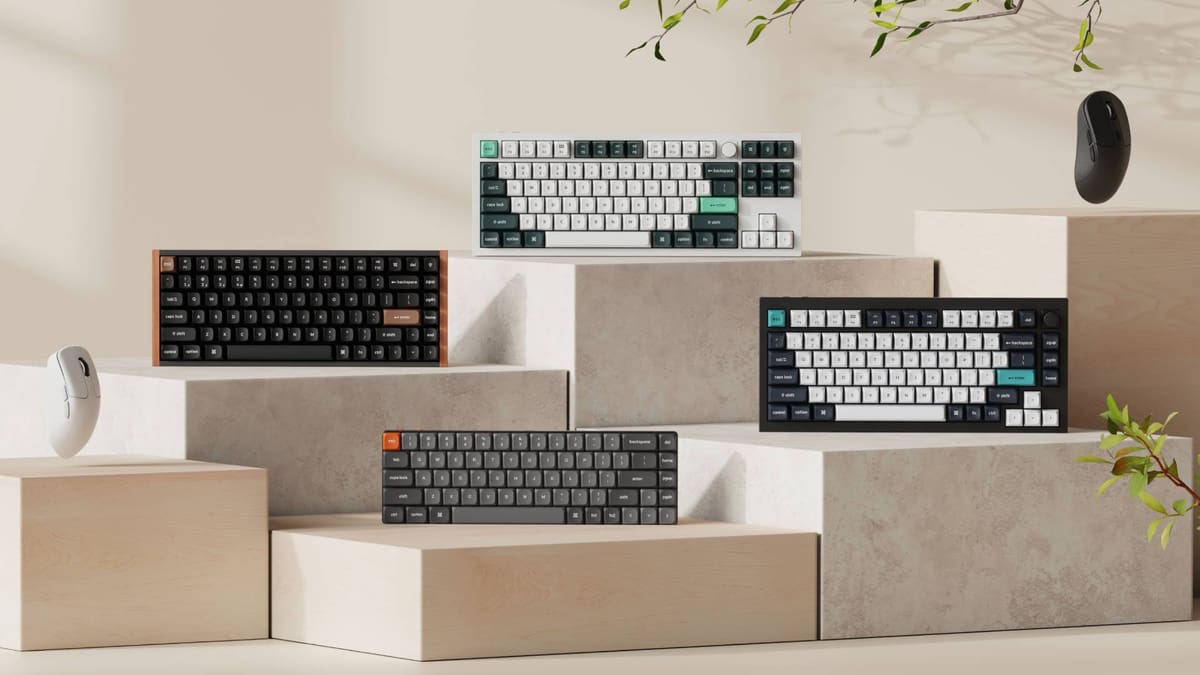
Best known for its smart-looking mechanical keyboards, the brand's in-depth GitHub repo includes all the CAD for some 80+ products, giving you access to reference files to adapt, remix, and design around. The kicker? Personal use only – this is source available, not open source. It gives a fascinating look behind the curtain at a series of minimal looking peripherals, and for owners, an easier starting point to design your own 3D printable accessories.
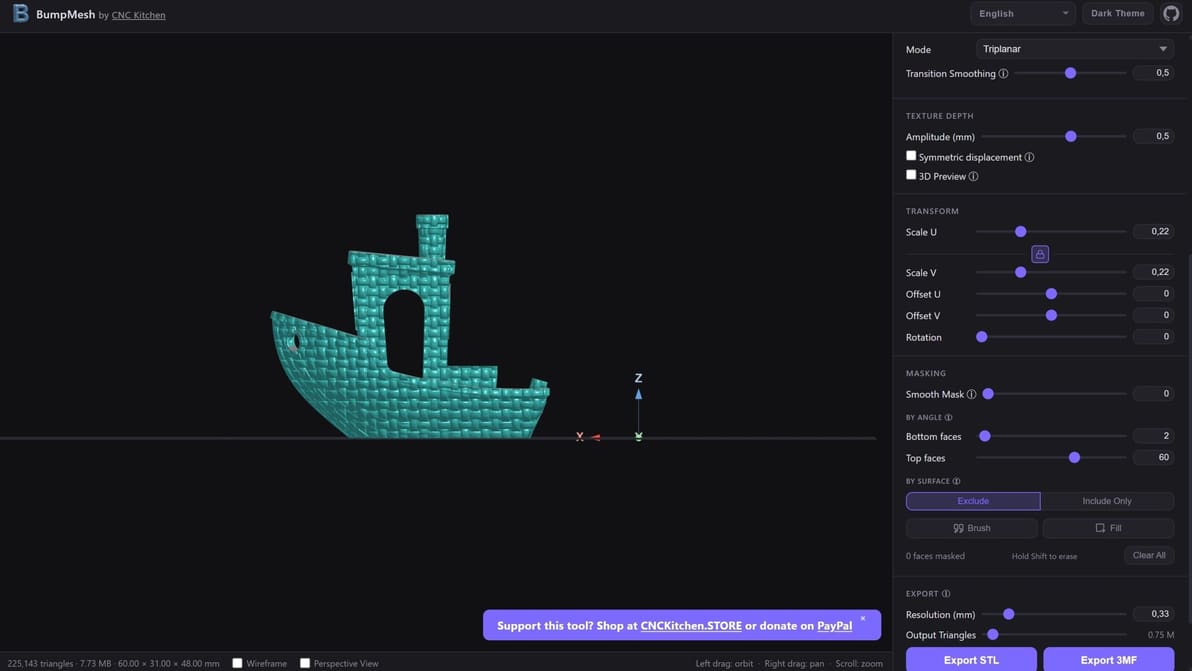
YouTubing engineer CNC Kitchen’s open-source vibe-coded mesh displacement mapping tool lets you easily manipulate the surfaces of your prints. How does it work and what can you achieve with it?
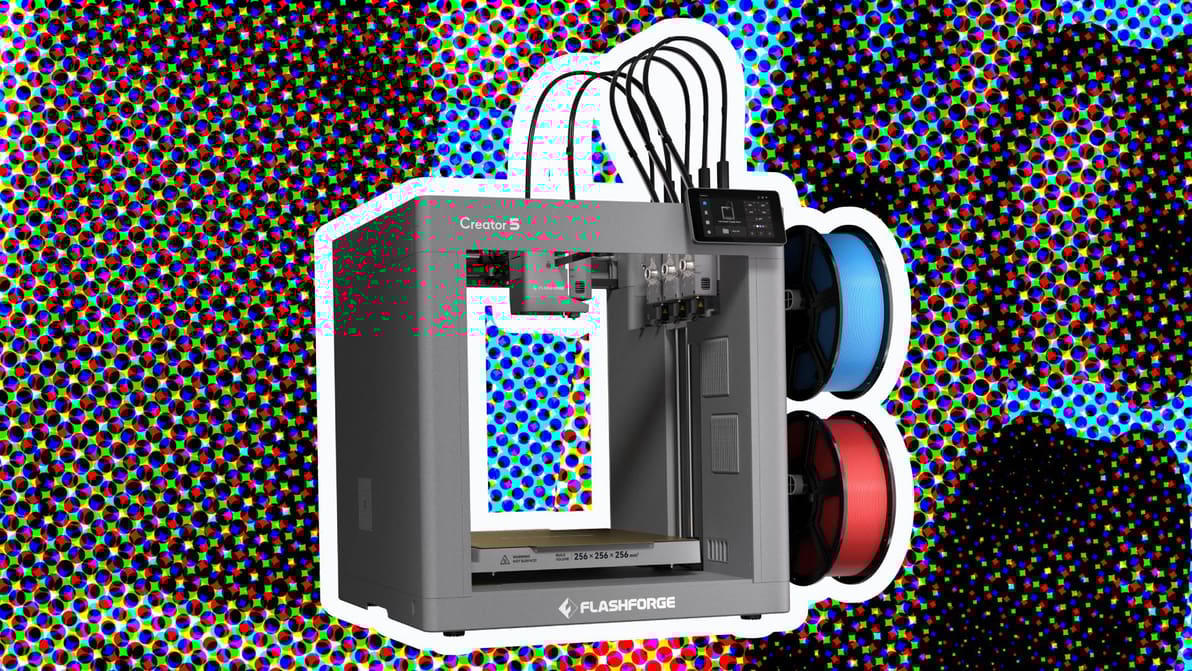
Flashforge’s new 3D printer, the Creator 5, ditches IDEX to go all-in with four toolhead toolchanging. Reservations are now open for delivery in May.
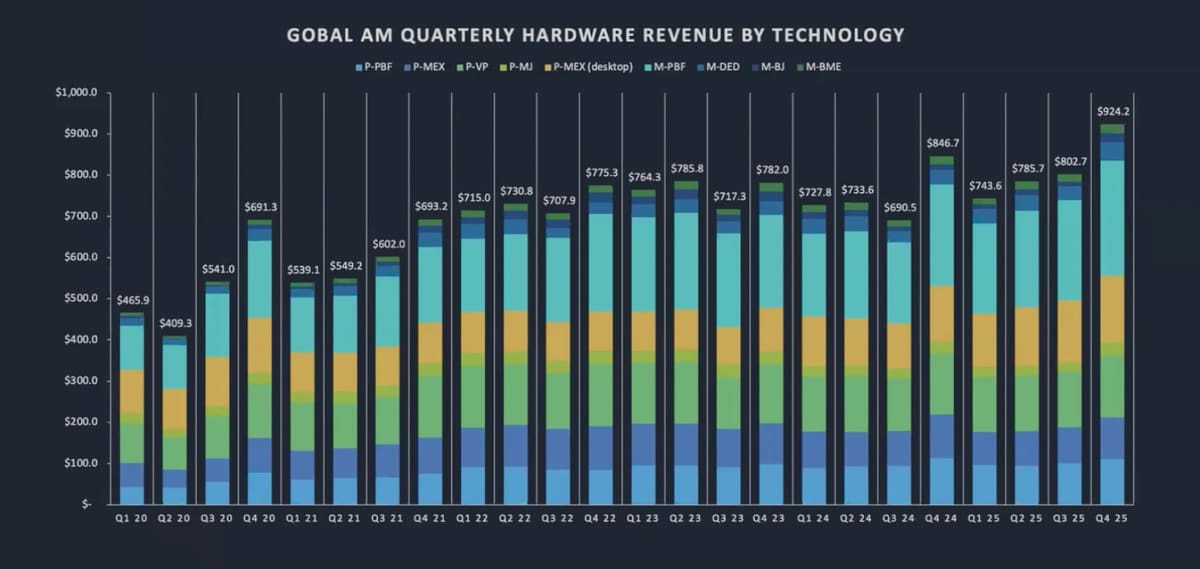
After a slow start that echoed the struggles of the past two years, the additive manufacturing (AM) market staged a surprising comeback in the second half of 2025, according to new data from Additive Manufacturing Research. This pushed the industry to $16 billion in total revenue. AM Research also expects services to become the largest segment over time, as more companies rely on external providers rather than building everything in-house. Check out the company's free recorded webinar for more.
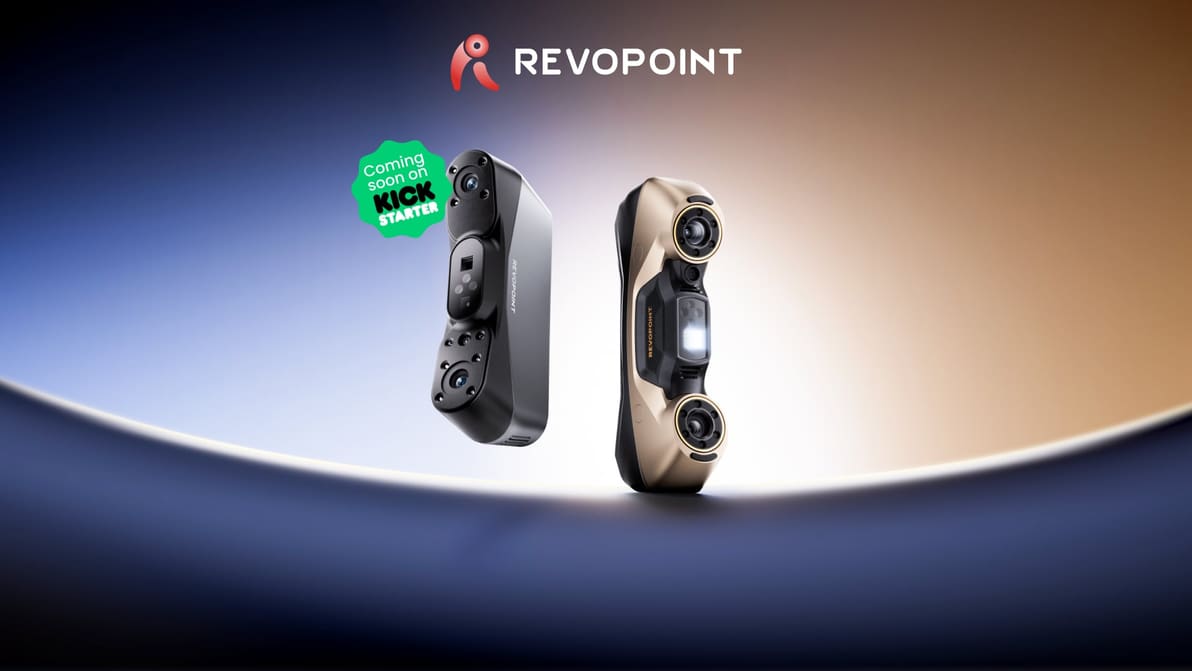
Revopoint marks its 12th anniversary with two new 3D scanning solutions built for distinct professional needs: Meet the MetroY Ultra and POP 4.
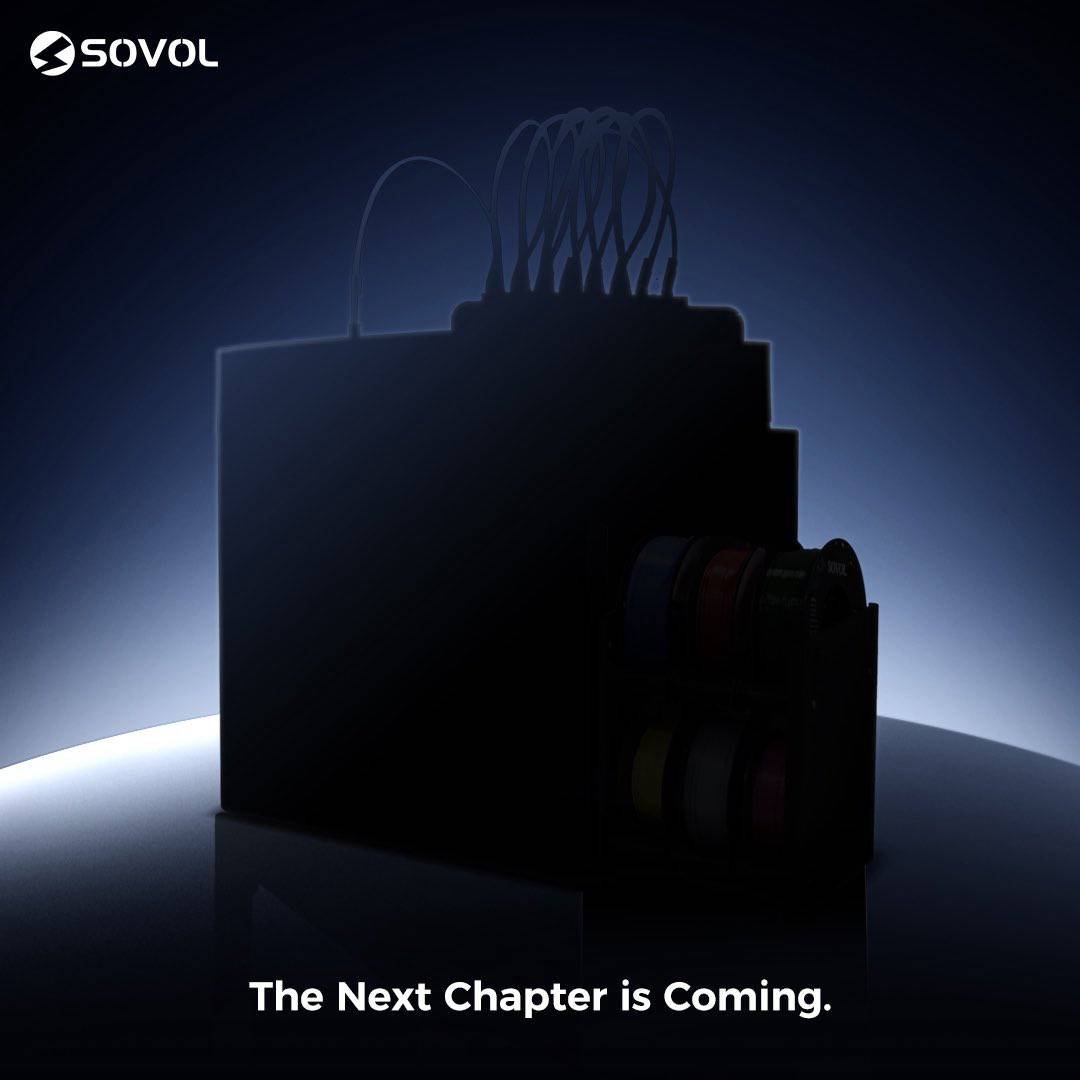
Posted earlier this week to the company's social media accounts, Sovol has teased what appears to be a new multi-filament, multicolor 3D printer that's "unmistakably Sovol". What does that mean, exactly?
Well, we have a couple of ideas. The company's recent printing hardware has been based on the Voron project – open-source, and supportive of it financially, with some proceeds from sales going directly to the project.
Running with that idea, could it be a toolchanger upgrade for the SV08 or SV08 Max based on a community design? Seems plausible.
The PolyDryer Box now comes in an XL variant, designed to hold 3 kg spools. The system incorporates user feedback from the original PolyDryer, with changes including a new carry handle and latch, as well as color-changing desiccant as standard.
It loses the combined, clean silhouette of the original – the Dryer module matches the original 1 kg spool box footprint, not the XL's larger outline – but like that system, also benefits from community designs and mods.
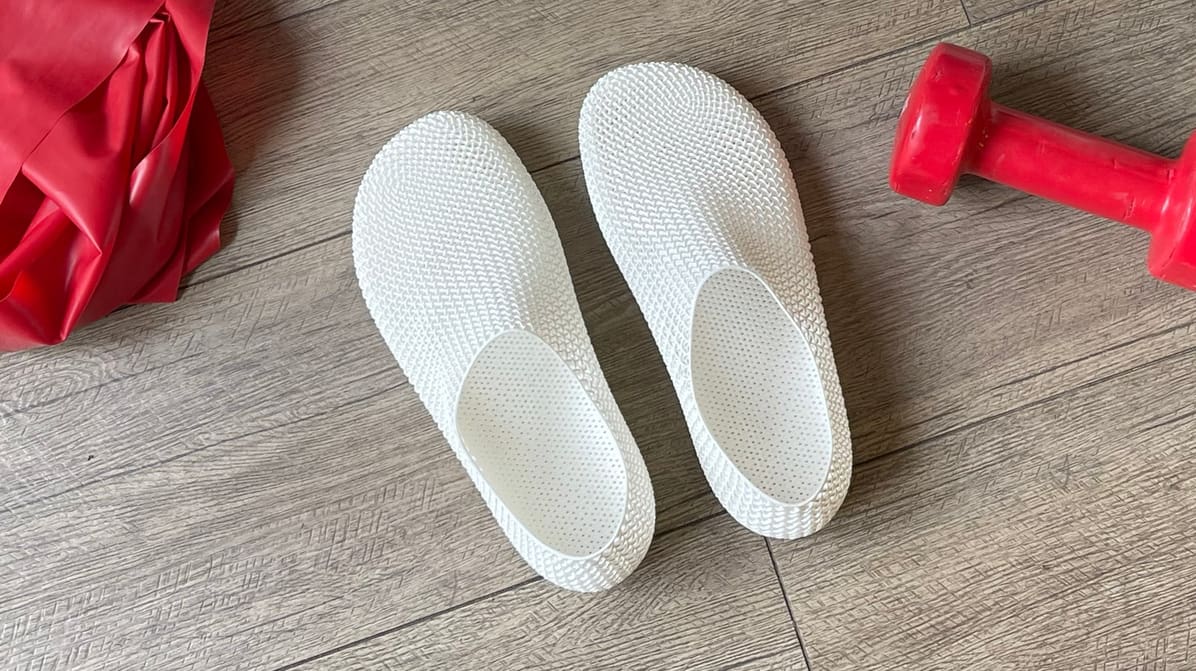
I spent three weeks testing these seamless, 3D printed lattice sneakers to see if they offer real-world support or if they’re just a high-tech novelty.
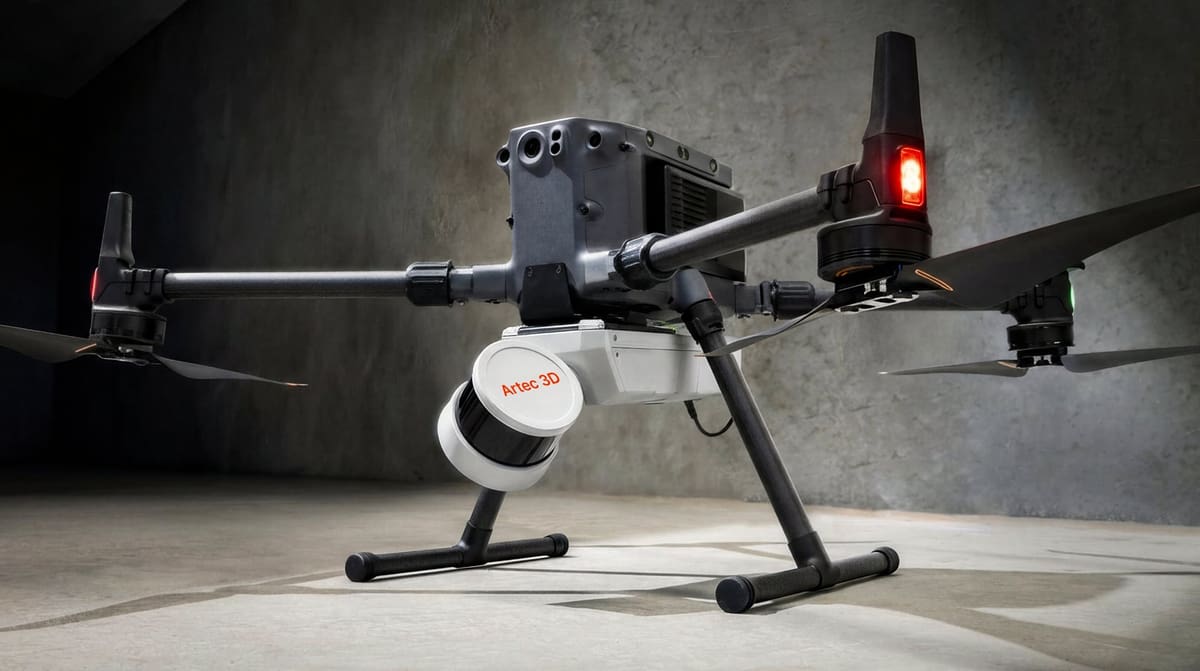
Forget stationary tripods and GPS limits: Artec 3D’s first SLAM-based mobile mapping system delivers rapid digital twins of almost any environment.
leaving a big, metal-clad "flagship" shaped hole in its offering. For some, the P2S mostly fits the bill, whereas others are likely more than satisfied by the larger and more capable H2 series. Does Bambu Lab need a new printer to replace the X1-series?

Looking for the full version of Maya 2027 to download for free? Check out your options here.
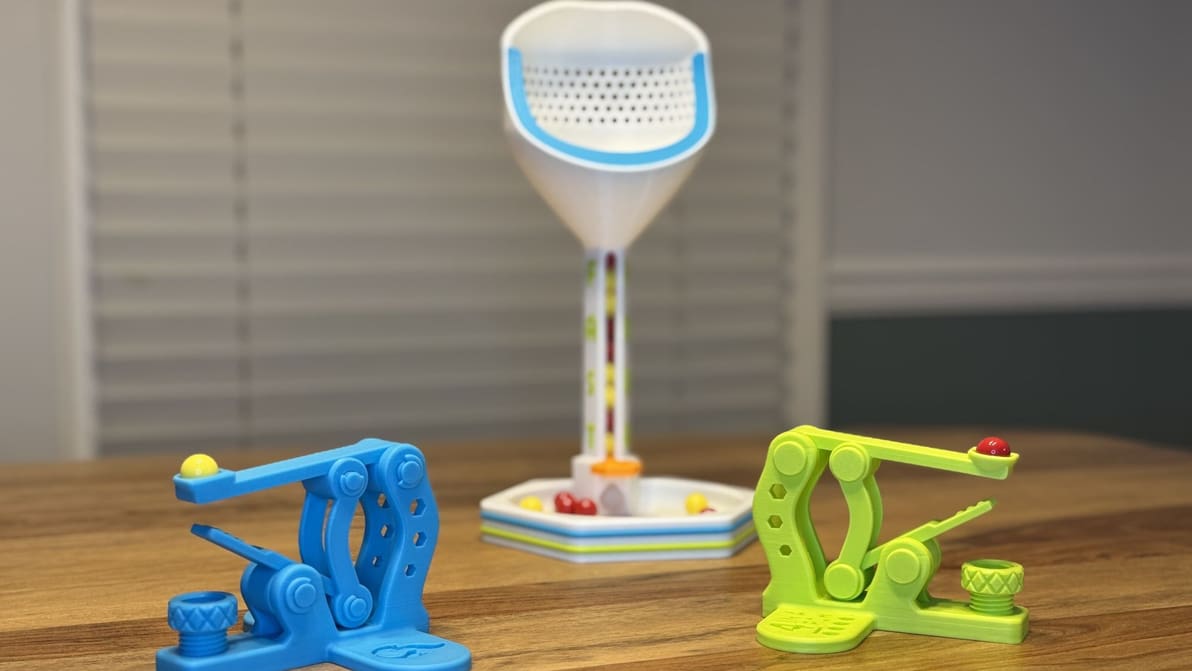
3D printing can be fun for the whole family – the process and the results! Check out these great 3D printed toys for kids (and grown-ups).
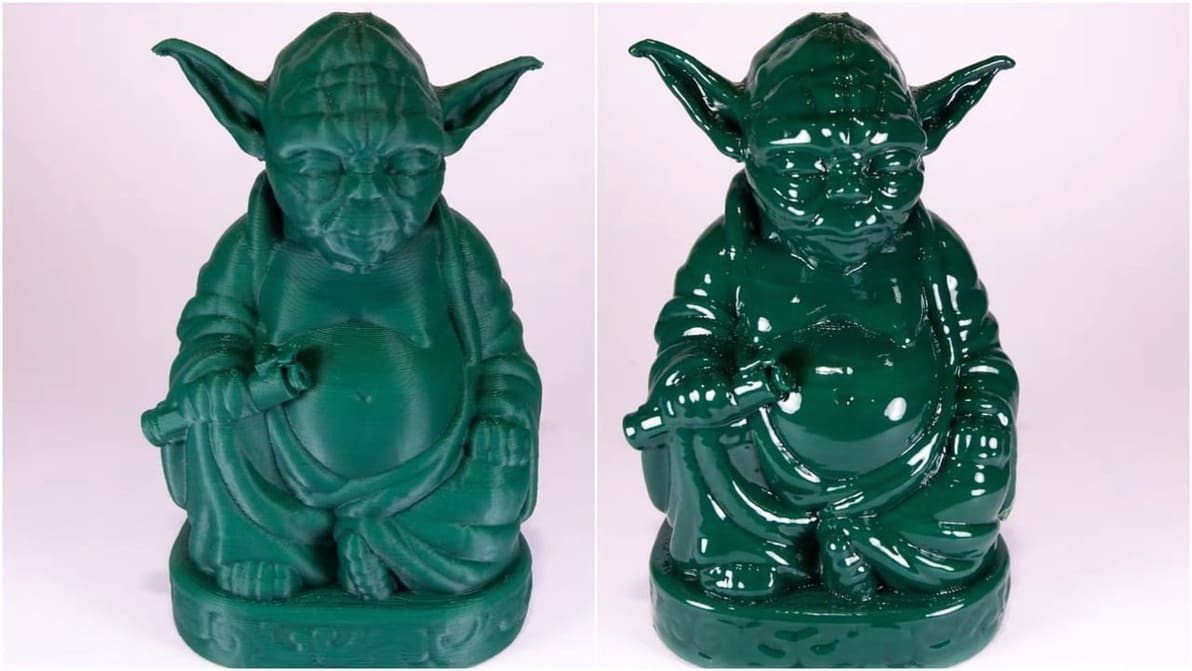
FDM 3D prints usually show layer lines. Learn about ABS acetone smoothing and how to get a totally smooth surface finish in four easy steps.
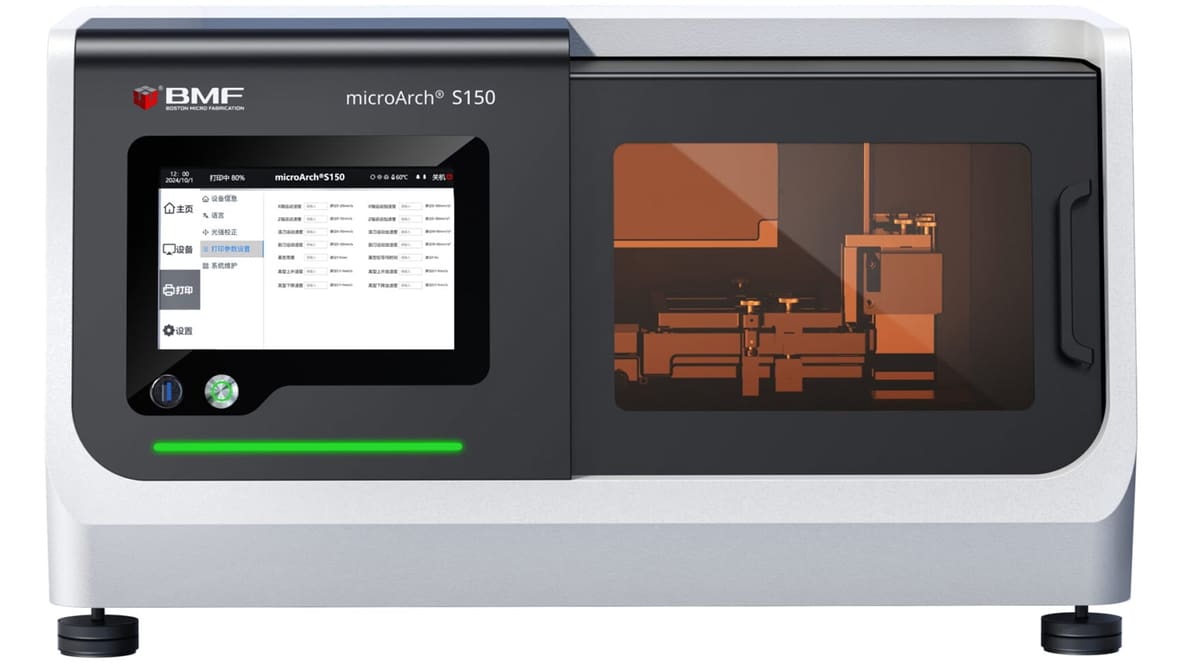
BMF announced the MicroArch S150 Series, pairing a new S150 Ultra with the existing S150 to create a two-tier accessible entry point into 25-micron-resolution resin printing.
A video released on April 1 with the title "Happy April Fools' Day!" (make of that what you will) shows off something the company calls ACE Gen 3. This third generation of its "color engine" filament switching tech, mounted on what appears to be its Kobra S1 platform, shows four nozzles in a two-by-two arrangement. Amid the renders, one clip appears to be a genuine time lapse of such a printer in action. A parting "stay tuned" leads us to believe it might be real.
People expect silly things on April 1, but if you're trying to fool them, maybe don't announce it in the title.
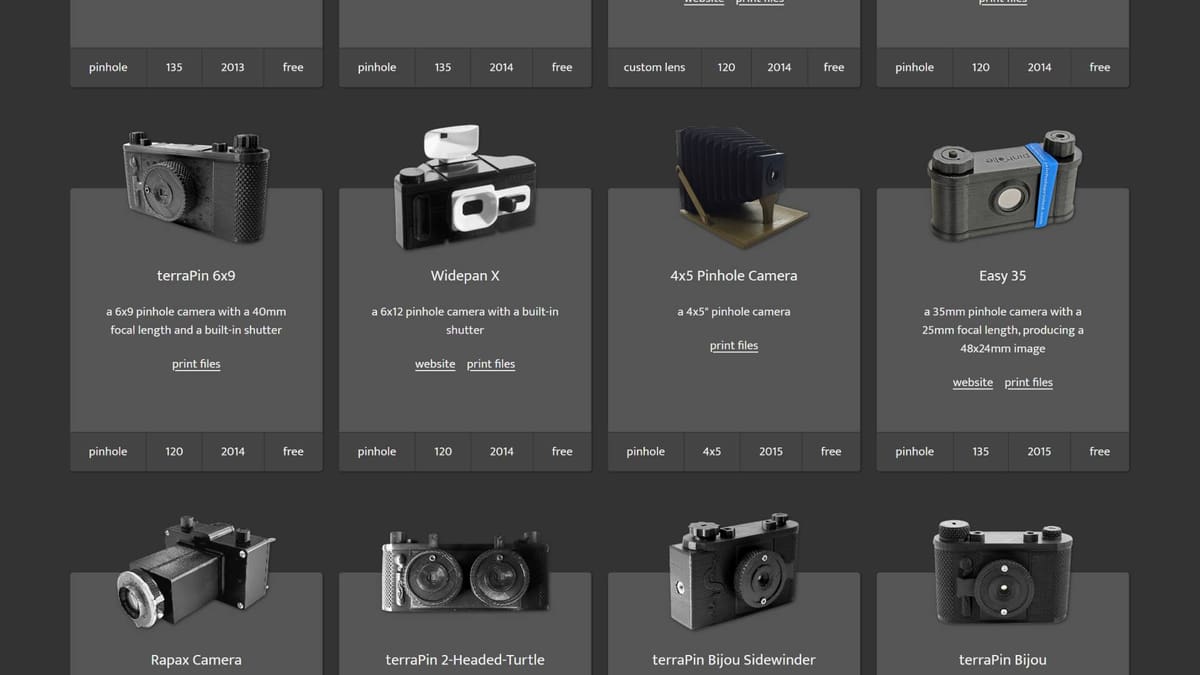
Then look no further than photographer Sebastian Lay’s curation of fully 3D printable analog cameras. You don't even have to be a photography geek to appreciate this easy-to-browse database. In it, you'll find 113 models, across a variety of film types and formats, shapes and sizes (including pinhole and lens-mountable models) dating all the way back to 2013.
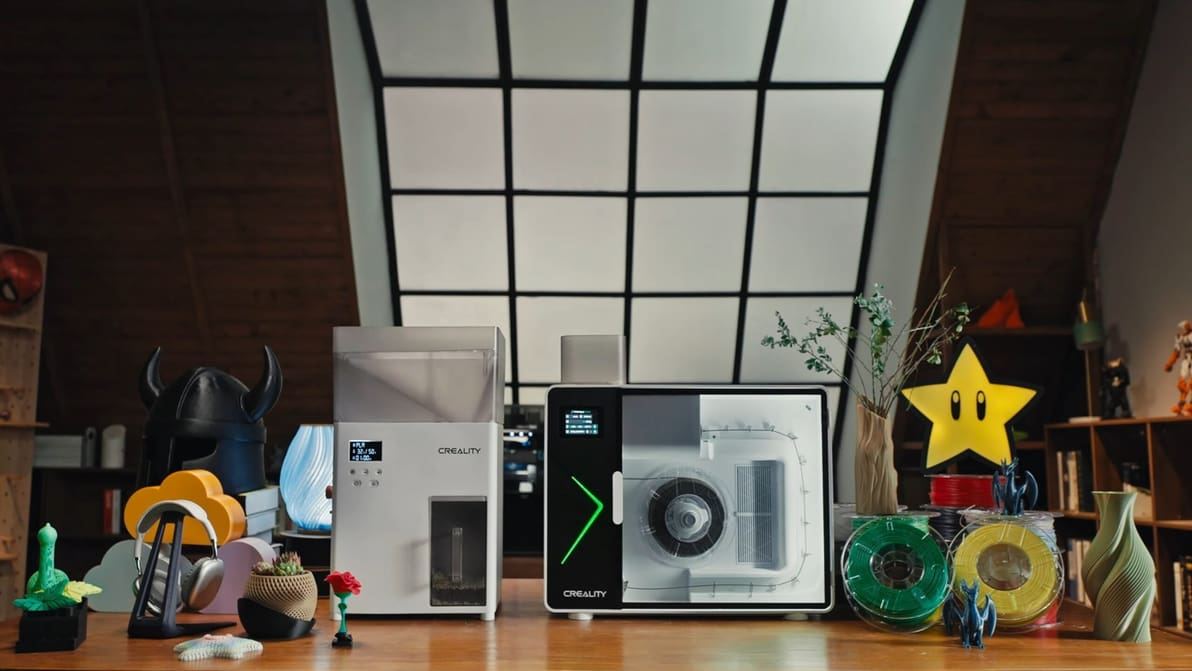
Opening the doors to full material control within your 3D printing workflow, Creality's desktop filament-creation system is now live on Indiegogo.
that's simultaneously plausible and absurd. This year it's the Prusa Pro Active Conditioning Unit (ACU), a filament rehydration accessory for the just-launched USS Drybox. Designed to reintroduce moisture to your filament for optimum printability, just saturate some silica or fill it up with water and choose a "precision operating mode". It'll even go so far as to cook your material to a nice al dente texture. You can actually print it, too: files are available on Printables.
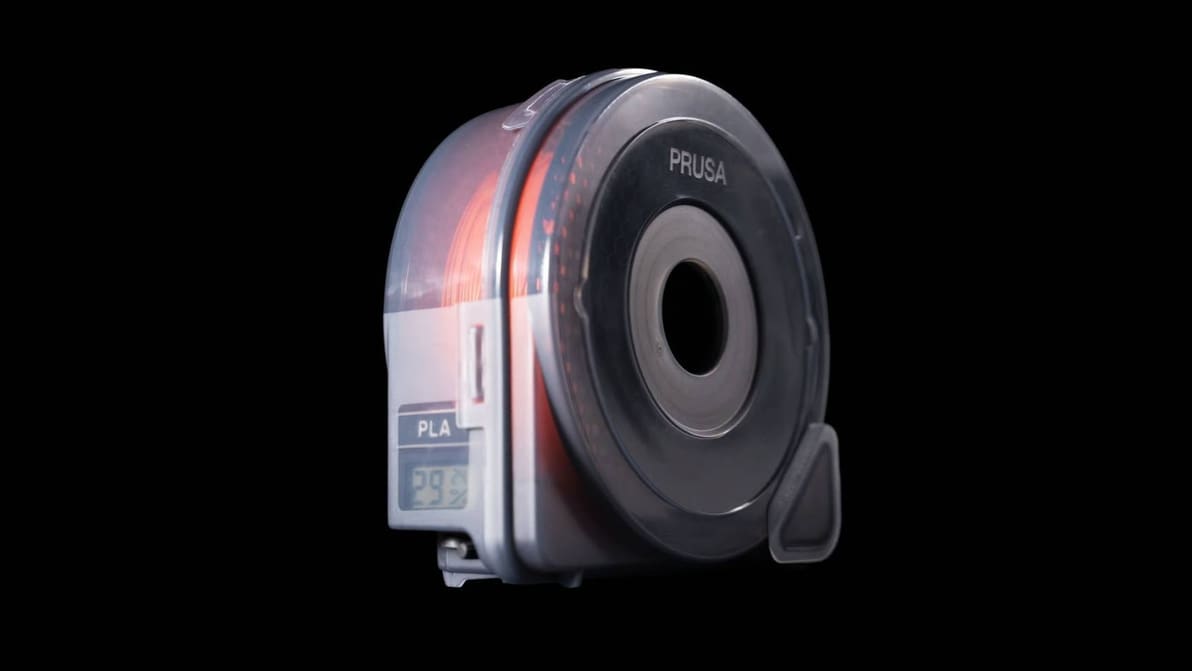
Available now, Prusa’s Universal Storage System (USS) drybox looks like a “Swiss Army” box for filament storage, allowing external switching of desiccant, direct printing, as well as a hygrometer and thermometer for condition monitoring.
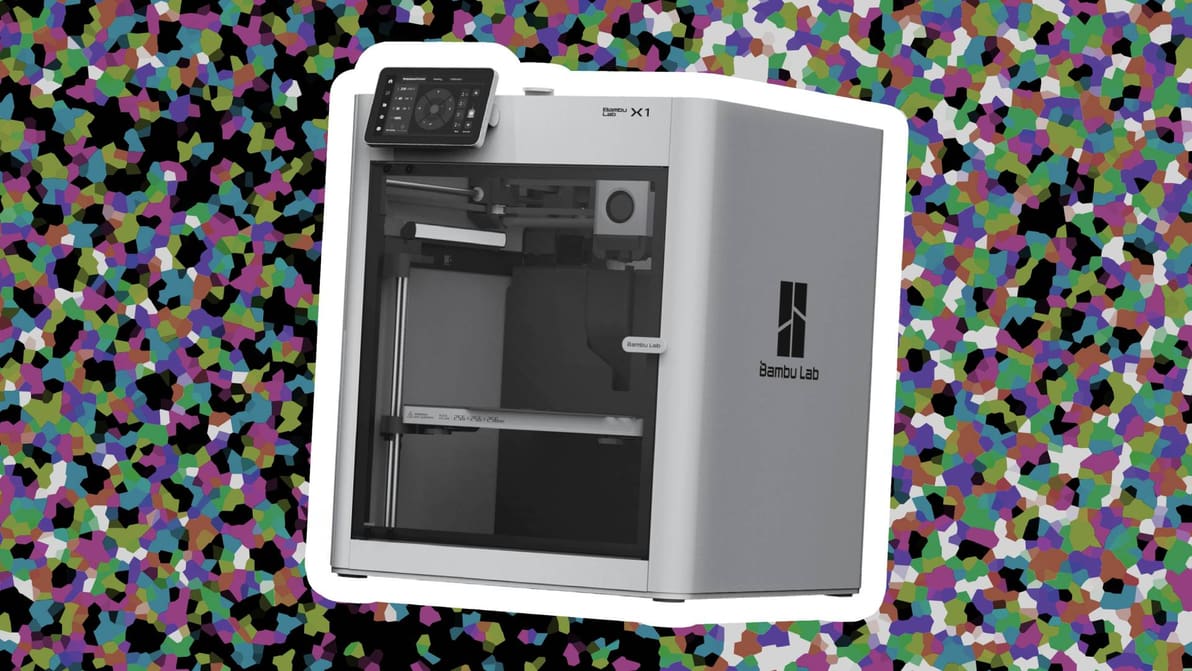
Bambu Lab's X1 3D printer line-up has entered its end-of-life service plan, effective today. Owners of any of the X1, X1C, and X1E can expect firmware and feature updates through to May 2027 and security patches through May 2029.