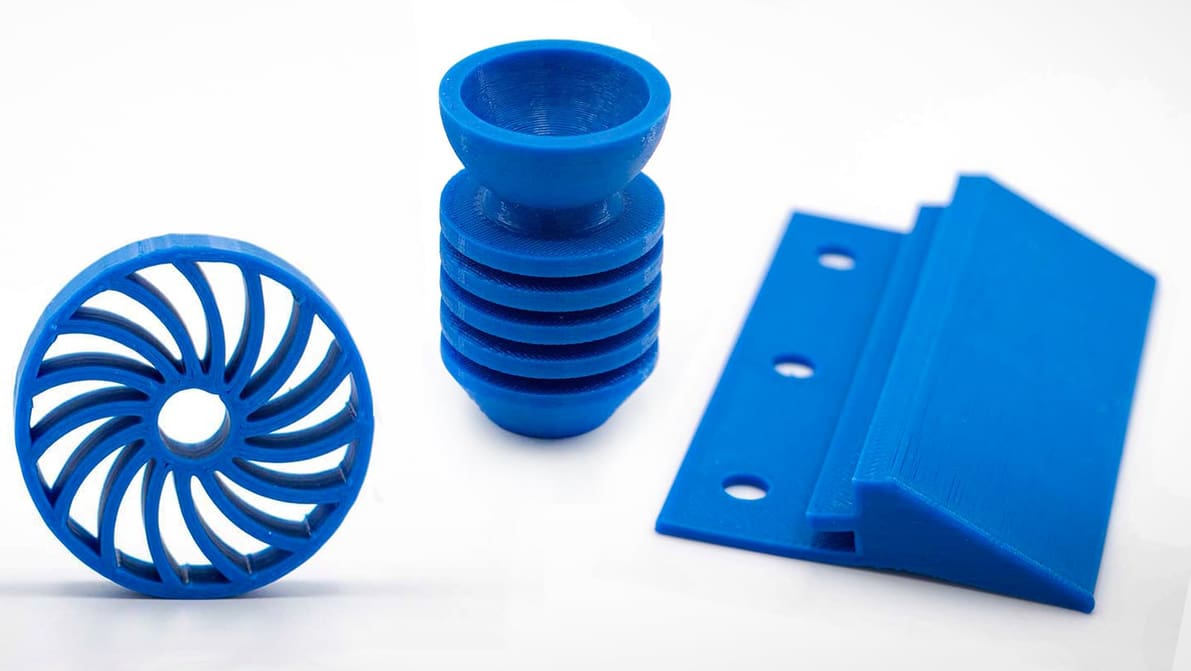
This new additive material offers food-processing plants a rapid, cost-effective method to produce custom gaskets, seals, and production-line parts at fraction of the time of traditional manufacturing.
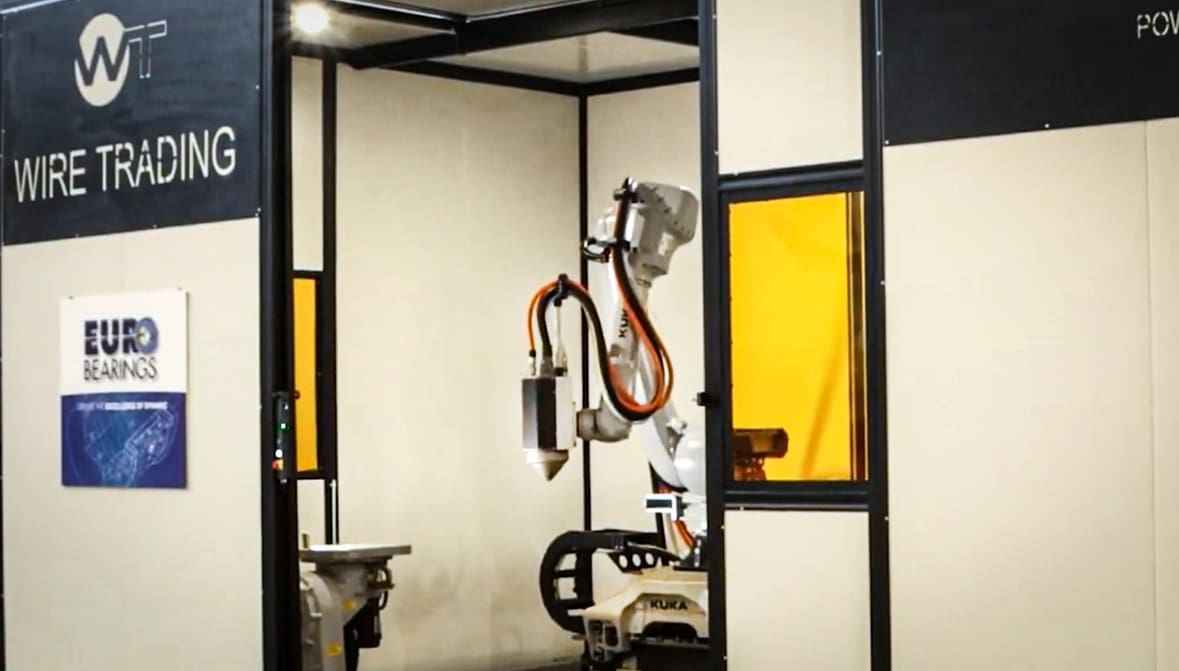
By integrating Meltio’s metal wire DED technology, Italian specialist Eurobearings is replacing weeks of traditional machining and welding with days of additive manufacturing to repair and produce massive industrial components.
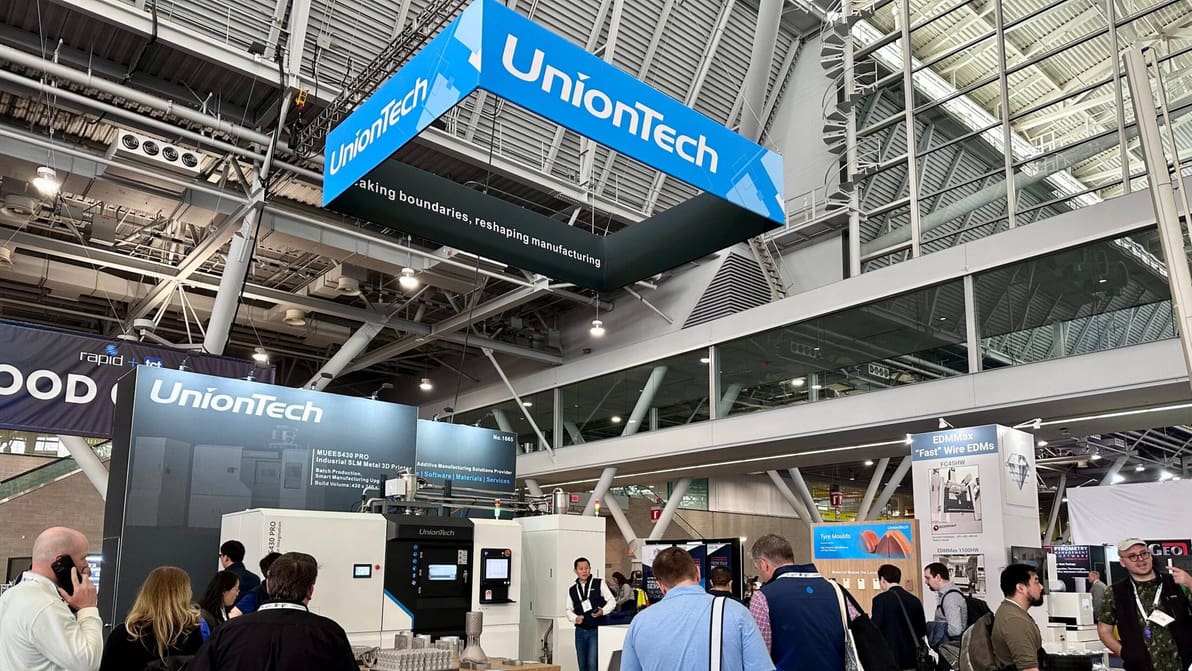
At RAPID + TCT 2026, UnionTech officially entered the North American metal market with the global debut of the MUEES430 PRO, a quad-laser SLM 3D printer designed for high-efficiency batch production.
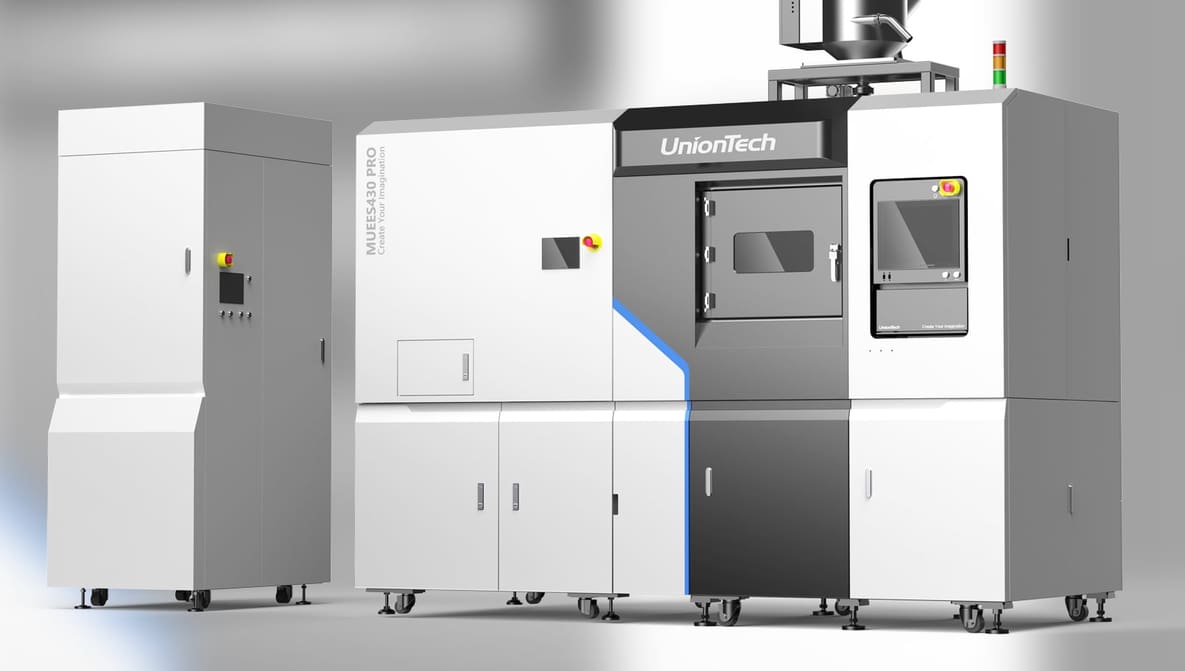
UnionTech’s new quad-laser system promises a 20% efficiency leap for industrial batch production, but how does it stack up to the flood of four-laser systems on the market?
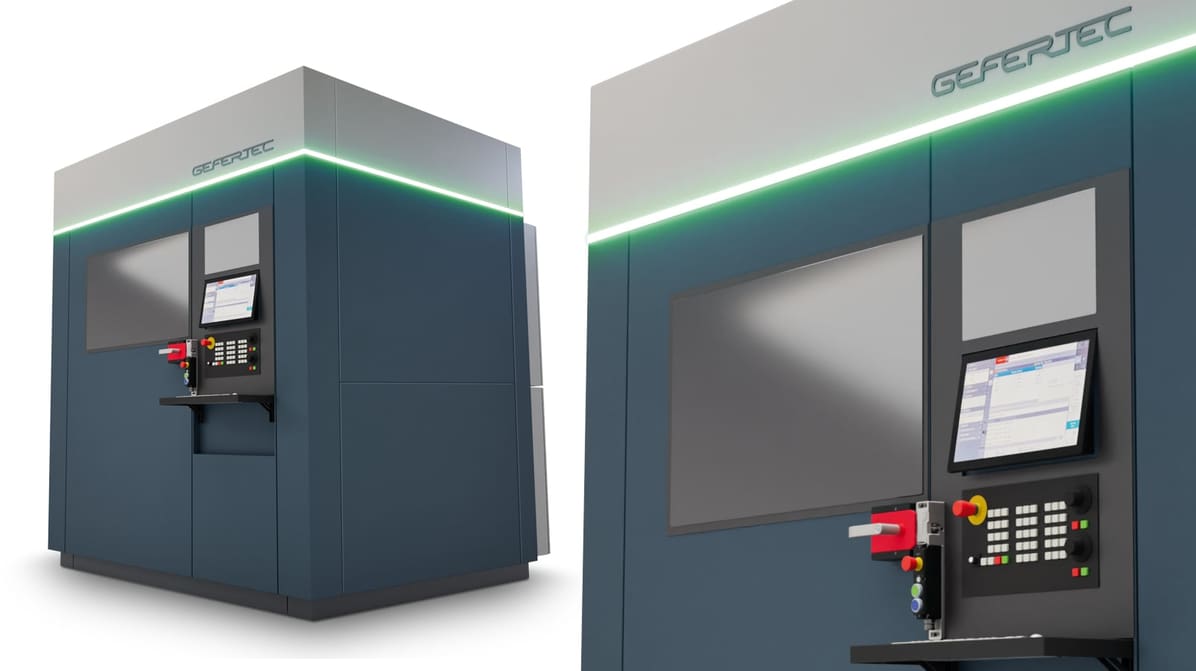
With no cloud connection required and a modular design, the new 5-axis system lowers the investment hurdle for industries prioritizing data sovereignty and accessible metal production.
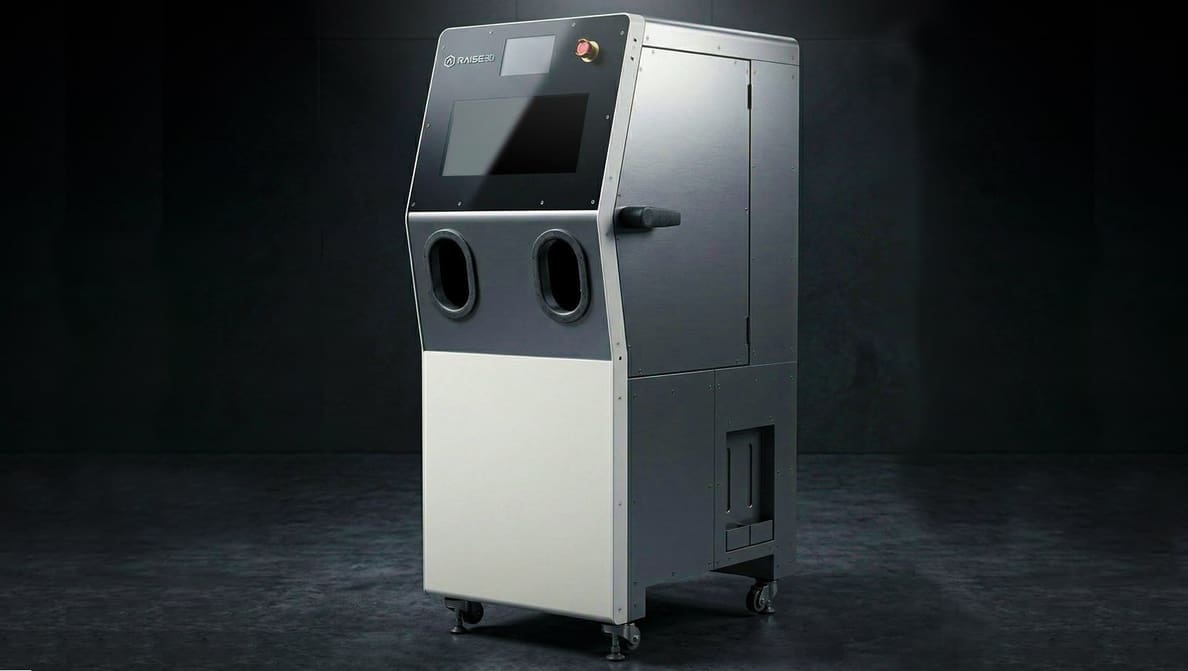
The B520 at $10K may represent a competitive alternative to the Formlabs Fuse Blast, focusing on automating the final finishing step for SLS parts.
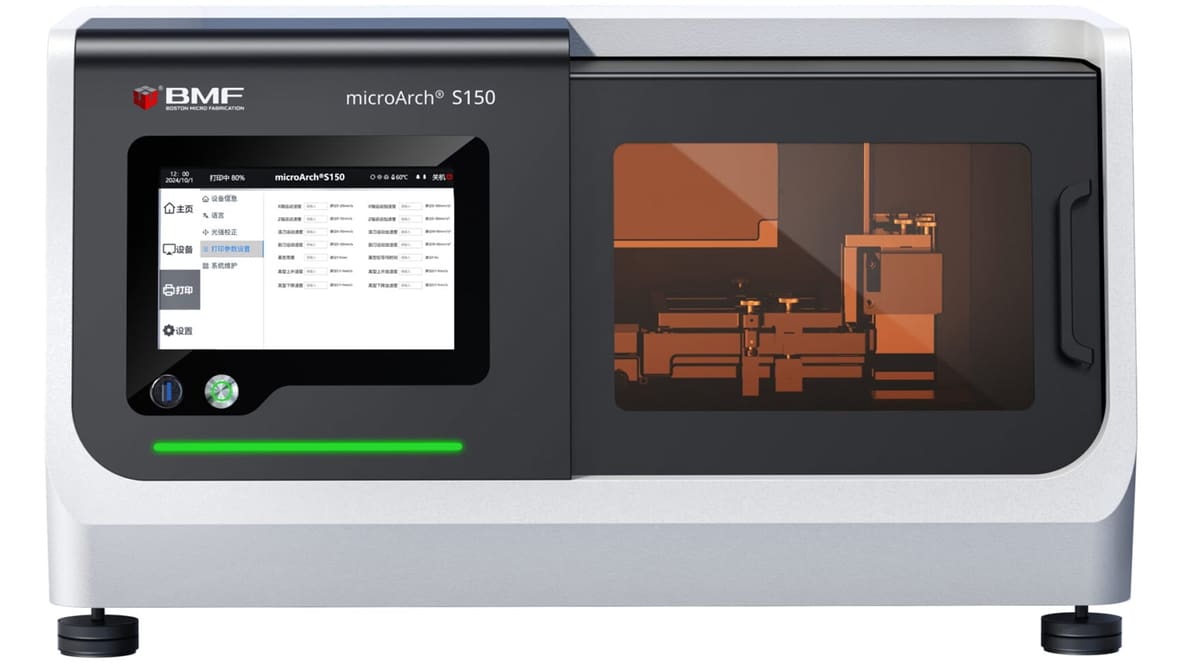
BMF announced the MicroArch S150 Series, pairing a new S150 Ultra with the existing S150 to create a two-tier accessible entry point into 25-micron-resolution resin printing.

El Paso Makes is launching a cloud-based engineering platform to bridge the digital divide, providing regional small-to-medium manufacturers with the secure, high-tier tools required to modernize the U.S. Defense Industrial Base.
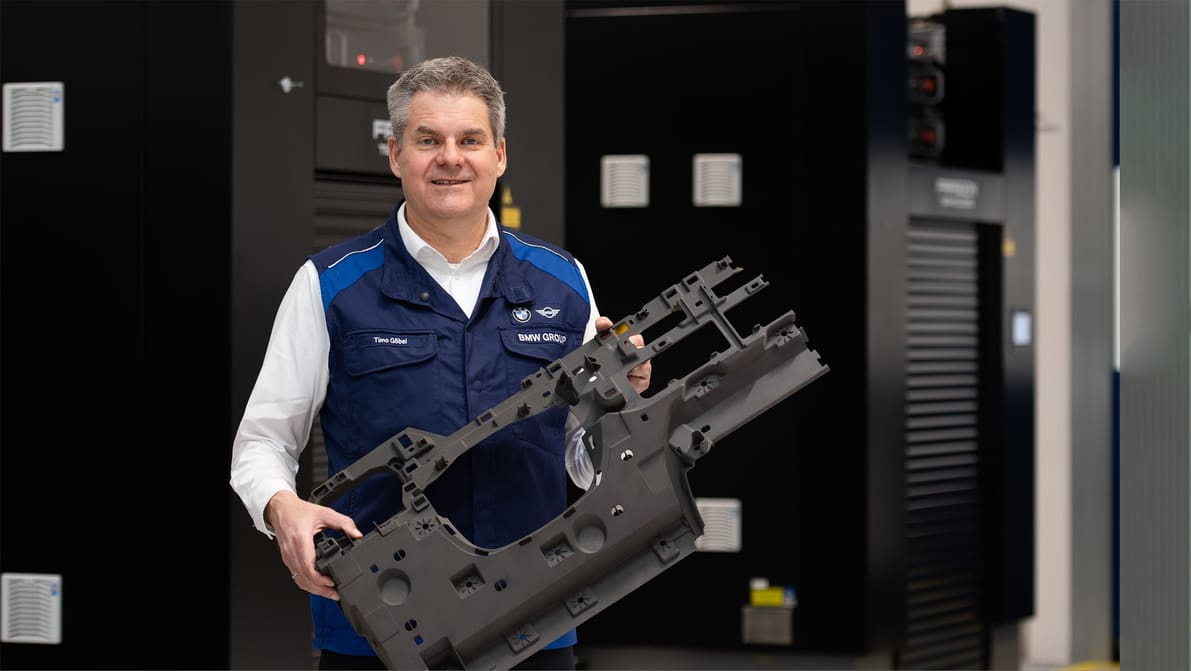
BMW’s transition to automated, open-material additive manufacturing moves beyond prototyping to a fully integrated production ecosystem, potentially replacing traditional machine tooling with 3D printing across the entire vehicle lifecycle.
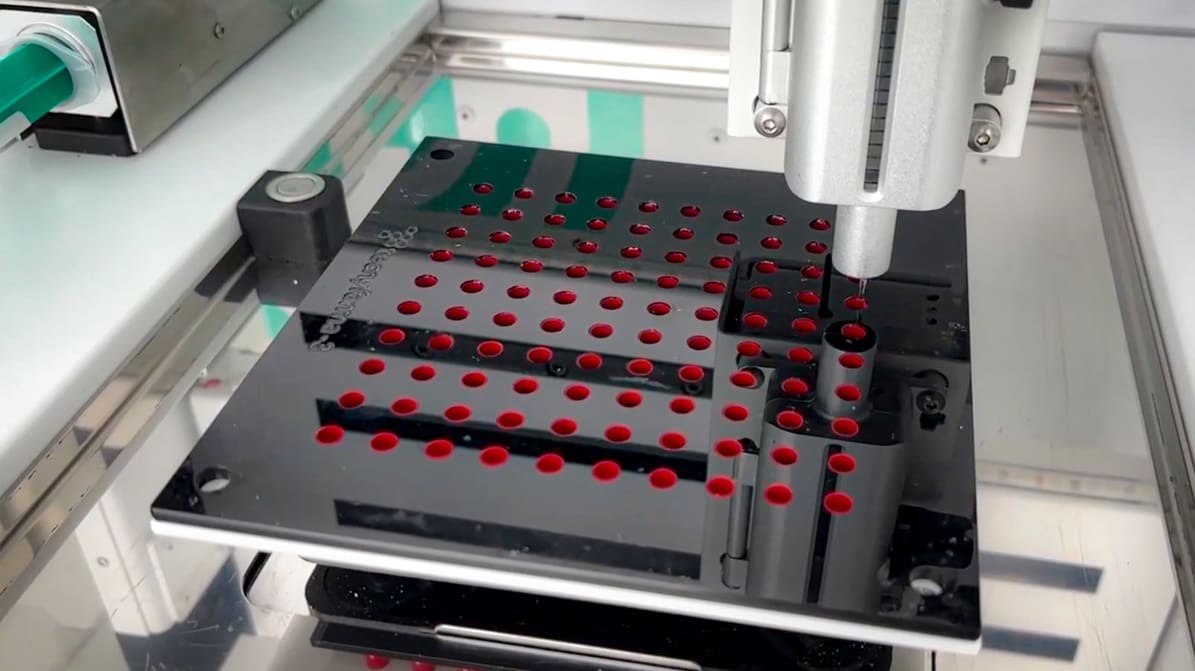
FabRX’s desktop 3D printing platform is rapidly scaling across the United States through new strategic partnerships, moving custom drug manufacturing out of industrial centers and directly into local independent pharmacies.
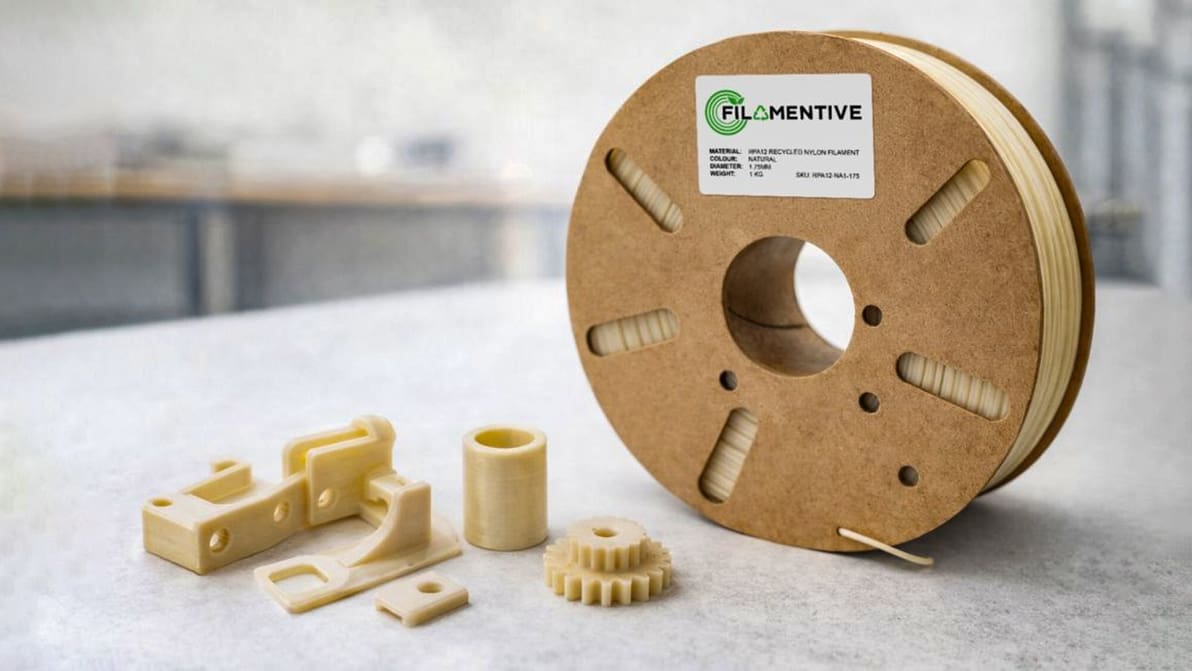
By reclaiming industrial waste into a high-performance rPA12 with 46 MPa tensile strength, this "loop-closing" filament aims to prove that sustainable manufacturing doesn't have to sacrifice engineering performance.
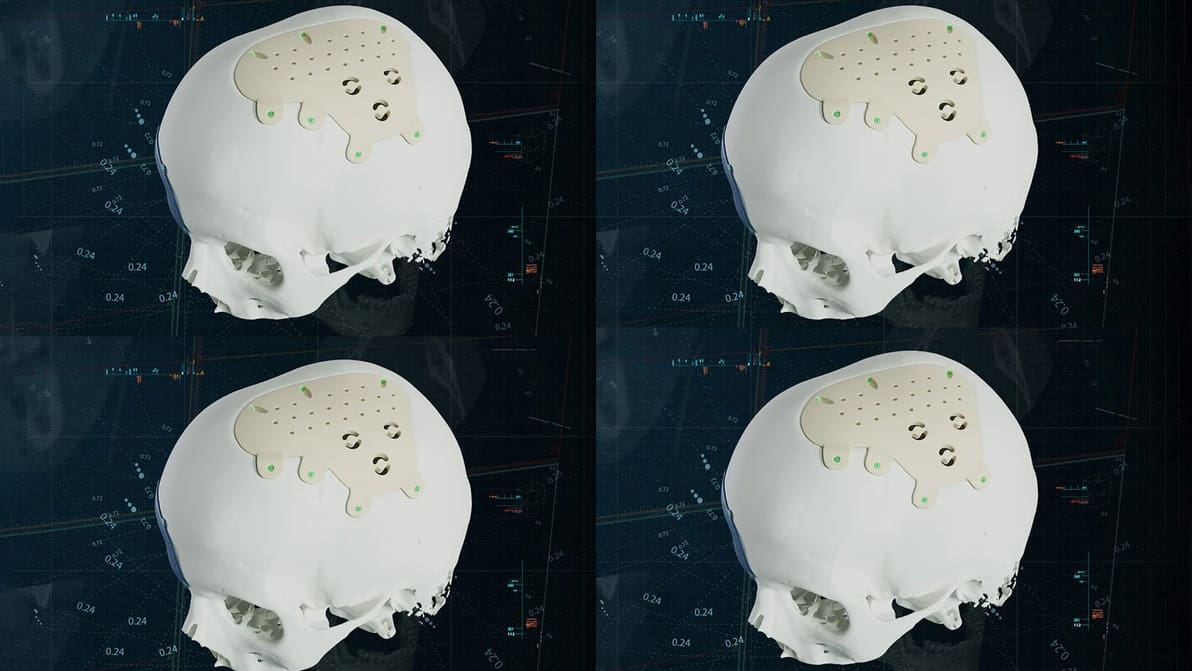
By integrating medical-grade PEEK into its established digital workflow for cranio-maxillofacial implants, Materialise offers surgeons an alternative to titanium.
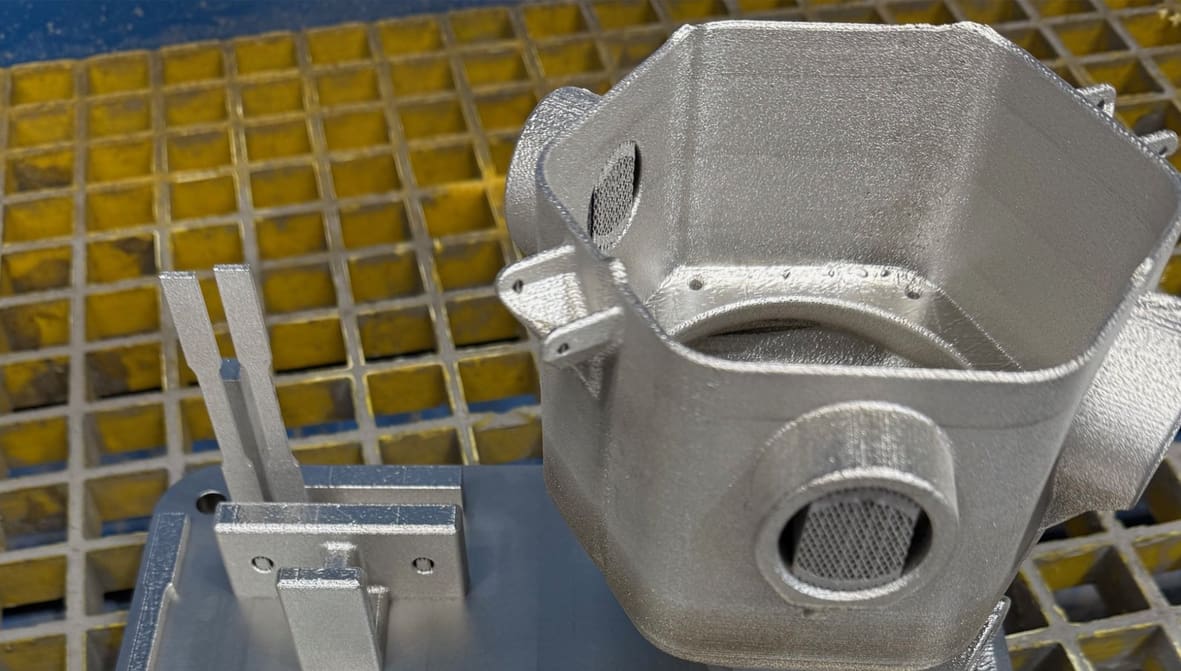
Research proves that a 3D printed redesign of a traditional oil industry device can consolidate complex assemblies into a single, high-performance part.
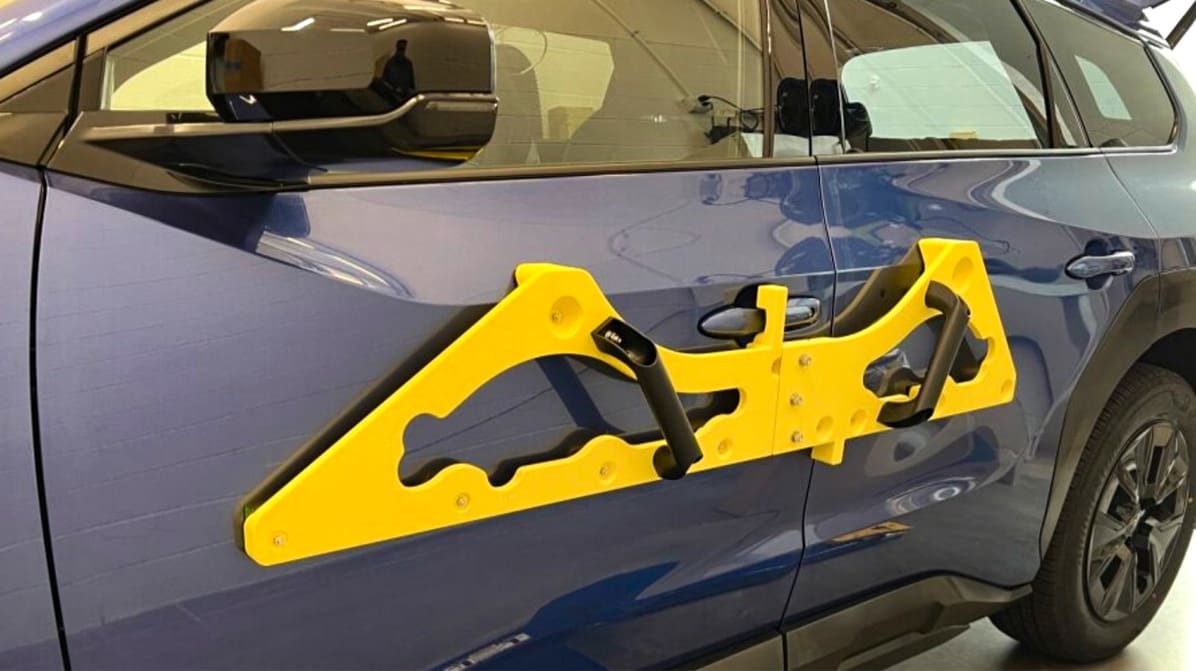
A new Stratasys high-throughput T25 print head improves large-format FDM production, enabling Subaru to cut tooling development dramatically.
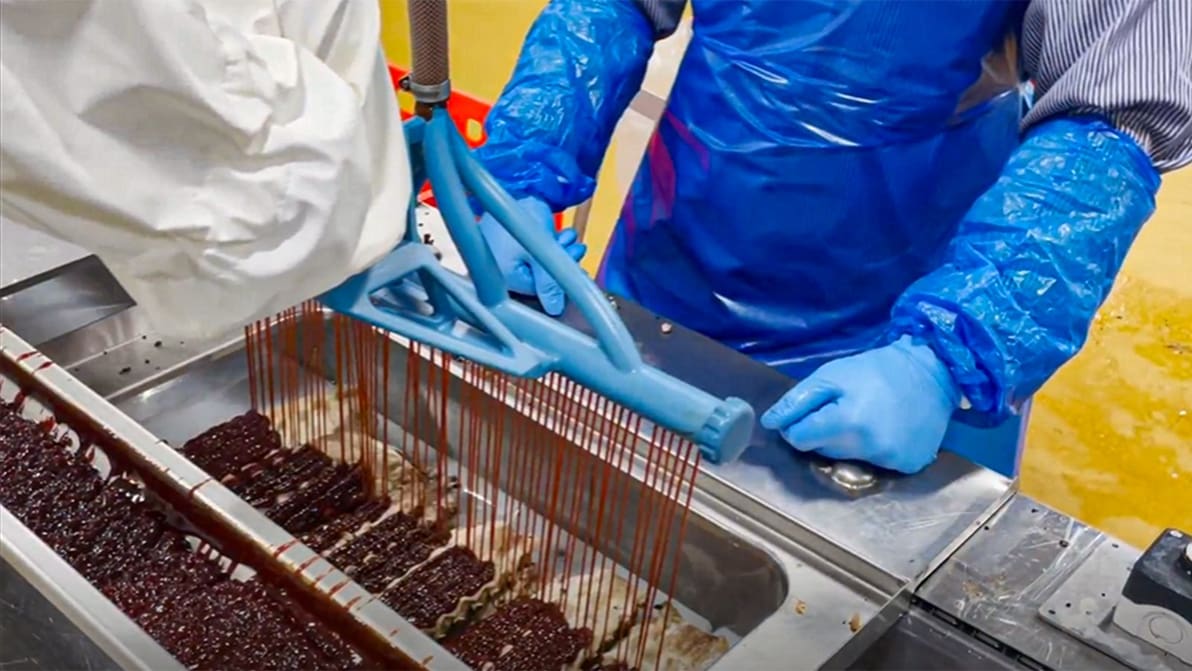
By eliminating complex assembly and traditional lead times, this food-safe, single-piece nozzle demonstrates how additive manufacturing is ready for food manufacturing.

With the strategic takeover of Forecast 3D, Addman’s fleet surges to over 160 systems and adds a West Coast manufacturing powerhouse to expand polymer production.
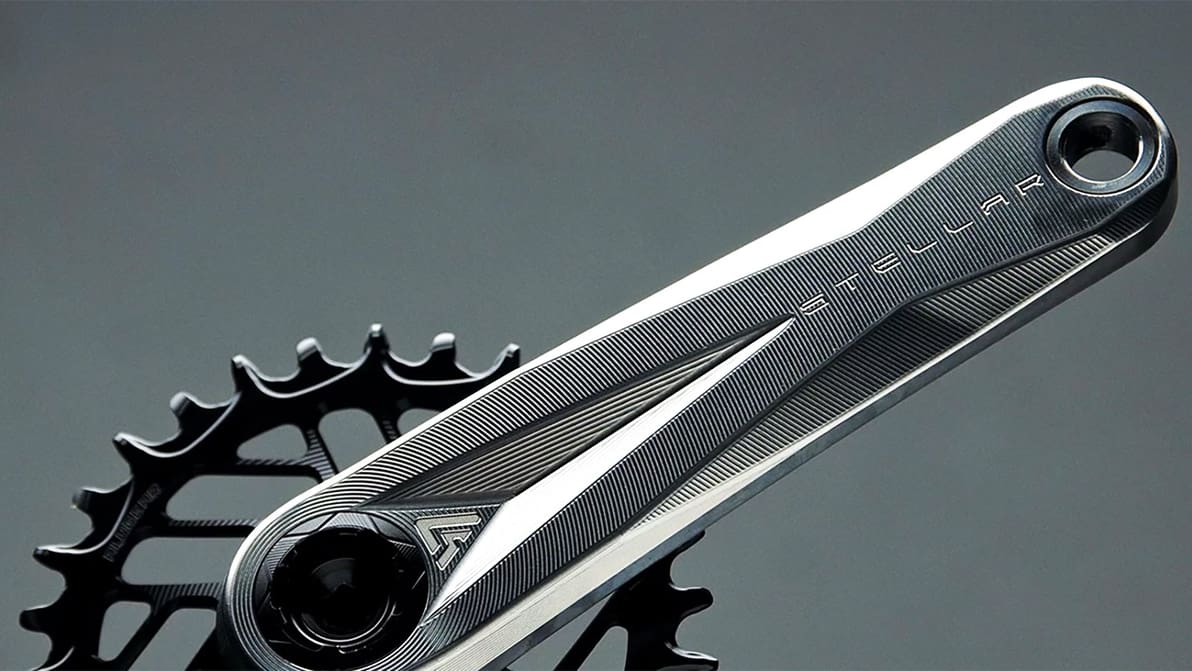
Coming in at just 345g, the weight of a full 12-oz can of soda, the 3D printed and CNC machined crankset from Alugear is bound for production.

With the concrete shells now printed—the last taking just five days—Denmark’s Skovsporet project moves toward final completion in summer 2026.
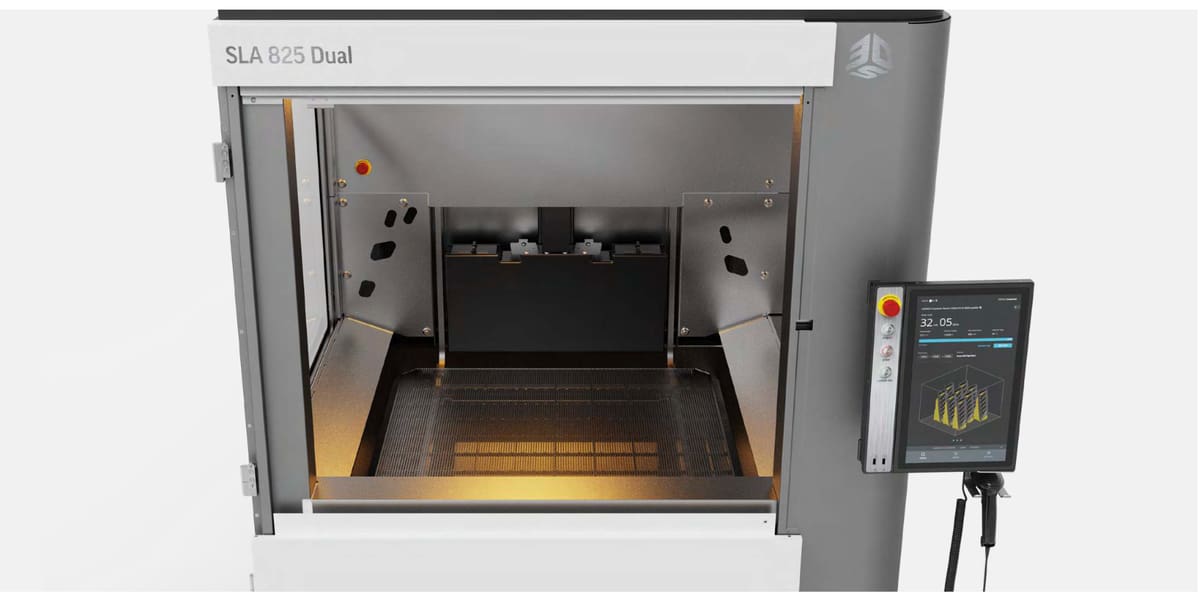
The SLA 825 Dual from 3D Systems is designed to offer the best of both worlds, pairing its 830 x 830 x 550 mm volume with HyperScan™ dual-laser speed for industry-leading precision.
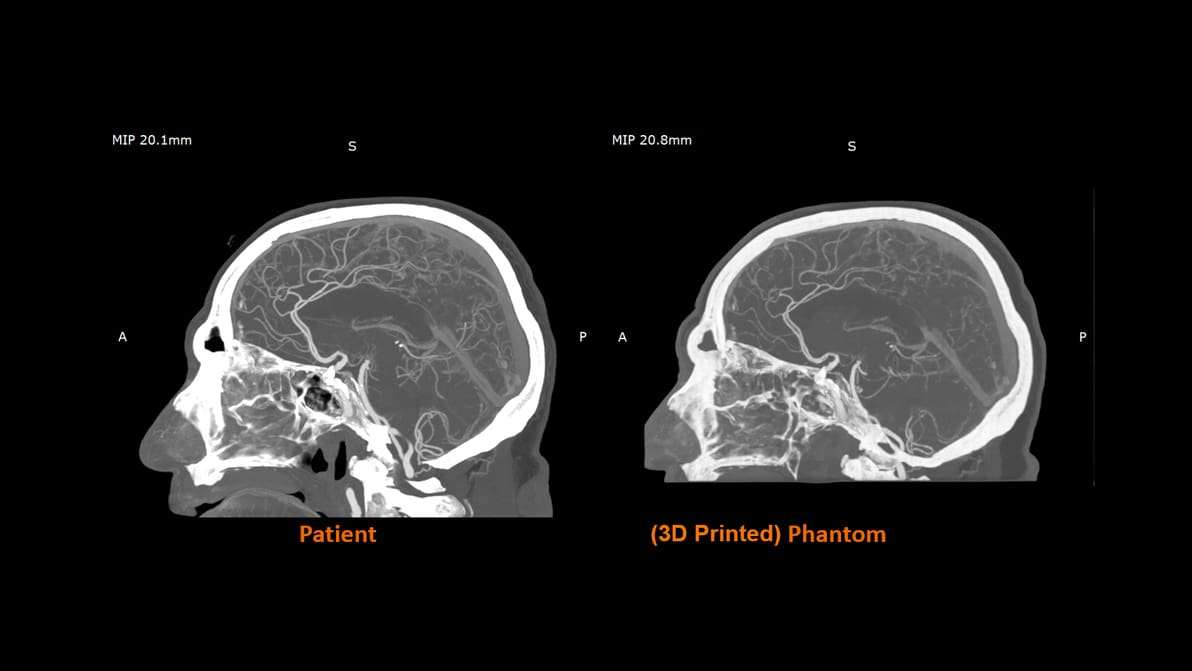
Medical professionals and device manufacturers can now create patient-specific anatomically realistic models that behave like real tissue under CT or X-ray.