Why Your Pharmacist Is Buying a 3D Printer & Reshaping How You Get Your Prescriptions

FabRX’s desktop 3D printing platform is rapidly scaling across the United States through new strategic partnerships, moving custom drug manufacturing out of industrial centers and directly into local independent pharmacies.
Pharmaceutical 3D printing company FabRX, based in the UK, is seeing rapid expansion of its desktop-size pill 3D printer technology across the United States as a growing list of partners roll out the platform across pharmacy networks. The latest move comes via a new partnership between Pete Pharma, a new U.S. partner helping distribute and implement the FABRX platform in compounding pharmacies, and Atrium24 Technologies, a pharmacy-technology startup, aimed at bringing 3D printed medicines to independent pharmacies.
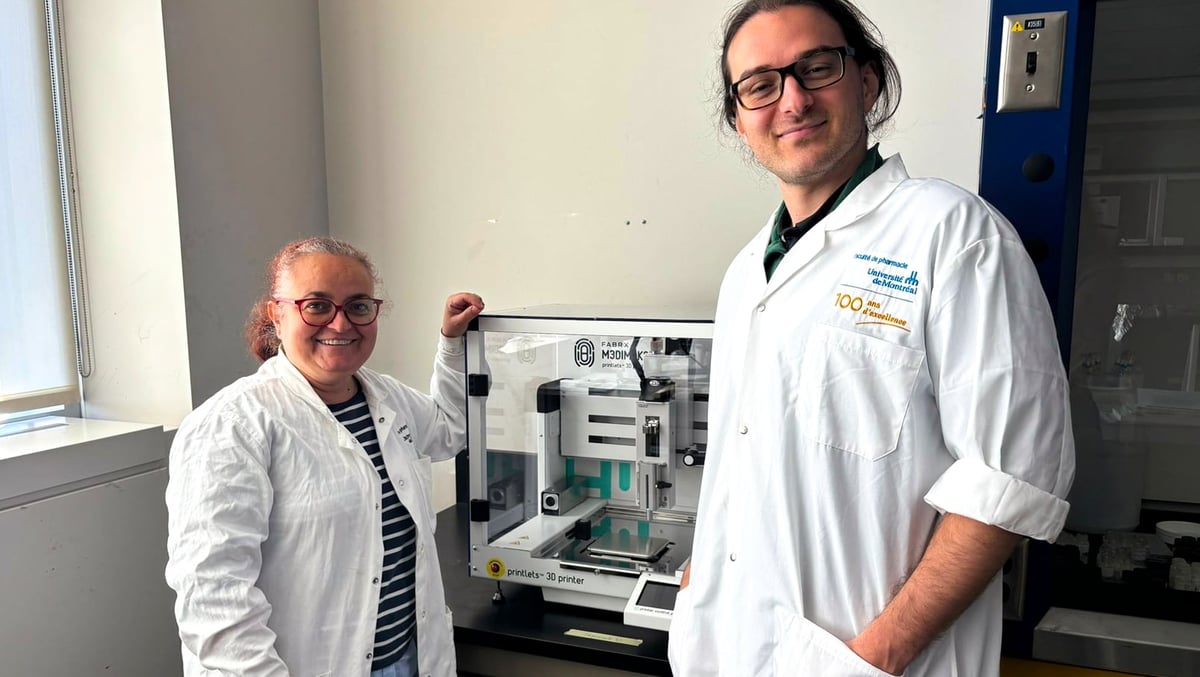
Under the agreement, Pete Pharma will provide pharmaceutical 3D printing systems to pharmacies within Atrium24’s group purchasing organization. The deal marks the latest step in the growing distribution of FabRX’s pharmaceutical 3D printing platform beyond research labs and hospitals and into commercial pharmacy environments.
FabRX has spent more than a decade developing additive manufacturing systems designed specifically for drug production. Its printers are built to manufacture personalized medicines or small-batch drugs directly in pharmacies, hospitals, or clinical research environments.
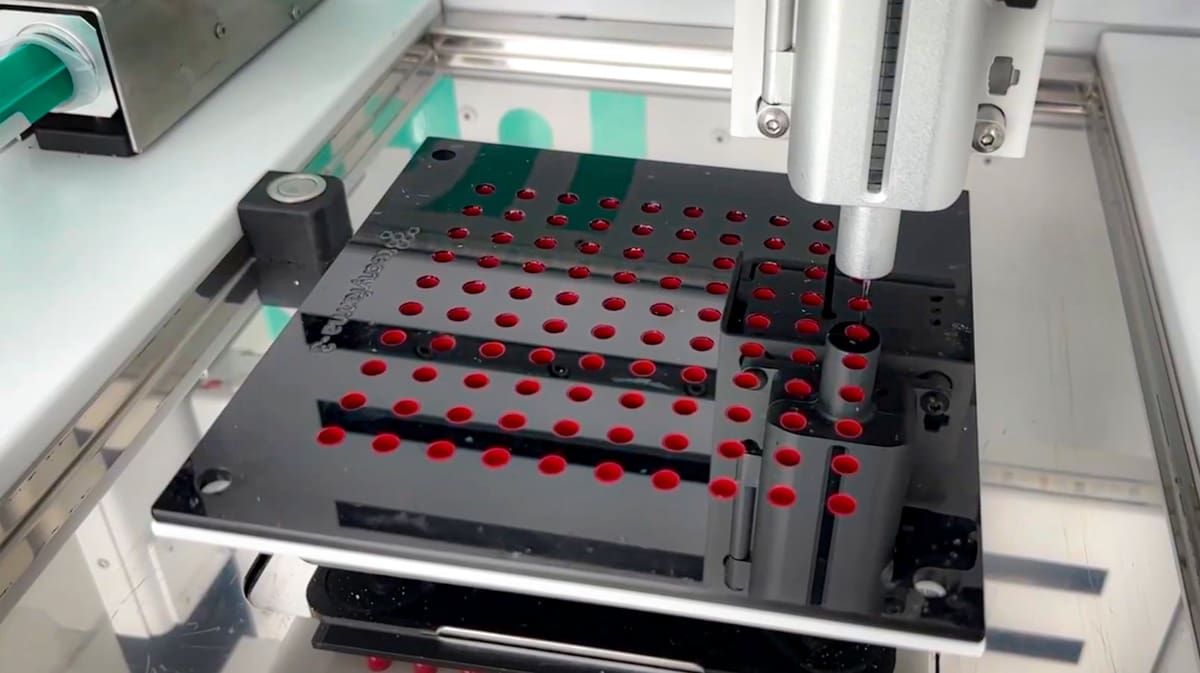
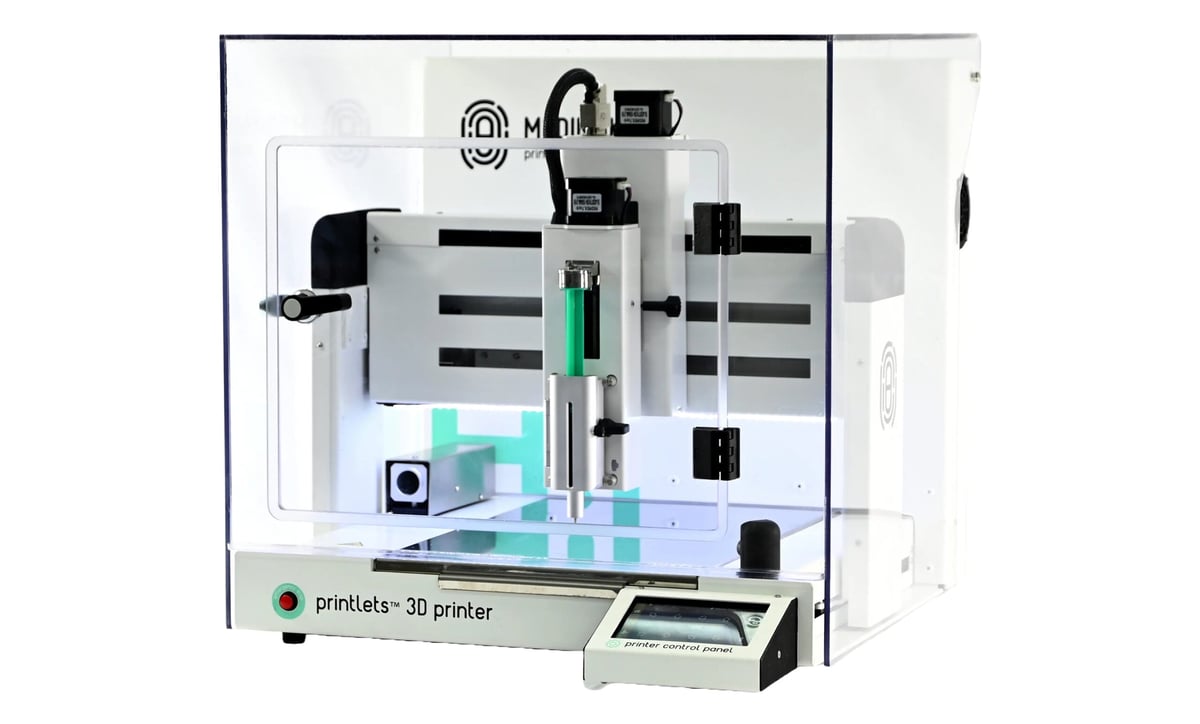
The company’s core hardware platform includes the M3DIMaker series of pharmaceutical 3D printers. These machines can produce tablets and other dosage forms using interchangeable printheads and multiple extrusion methods for liquids, powders, and pastes. This flexibility allows pharmacists and researchers to work with different formulations and create customized dosage forms tailored to individual patients.
In practice, the systems can produce a wide range of pharmaceutical products, including immediate-release tablets, extended-release formulations, oral films, chewables, and troches.
Beyond the Capsule: How 3D Printing Fixes Traditional Compounding
While pharmaceutical 3D printing is often framed around personalized medicine, systems like those developed by FABRX could also help level the playing field for smaller pharmacies. Traditional compounding is a hands-on, time-consuming process that requires pharmacists to measure ingredients, fill capsules, and verify doses manually. Automating parts of that workflow with a digital manufacturing system could reduce the labor involved and allow small pharmacies to produce medications more efficiently without needing large production facilities.
Consistency is another advantage. Manual compounding can introduce variability, especially when pharmacies are producing small batches. A controlled printing process helps standardize dosing and drug distribution while keeping digital records of how medicines are produced. That kind of repeatability and traceability could make it easier for smaller pharmacies to maintain quality standards and compete with larger chains that already benefit from more automated processes.
Just as importantly, on-demand production could help independent pharmacies manage costs and inventory. Instead of stocking multiple dosage strengths or preparing batches in advance, medicines could be produced as needed. In theory, that means less waste and more flexibility — giving smaller pharmacies new tools to offer specialized therapies while staying competitive with larger pharmacy networks.
A Growing Network of Commercial Partners
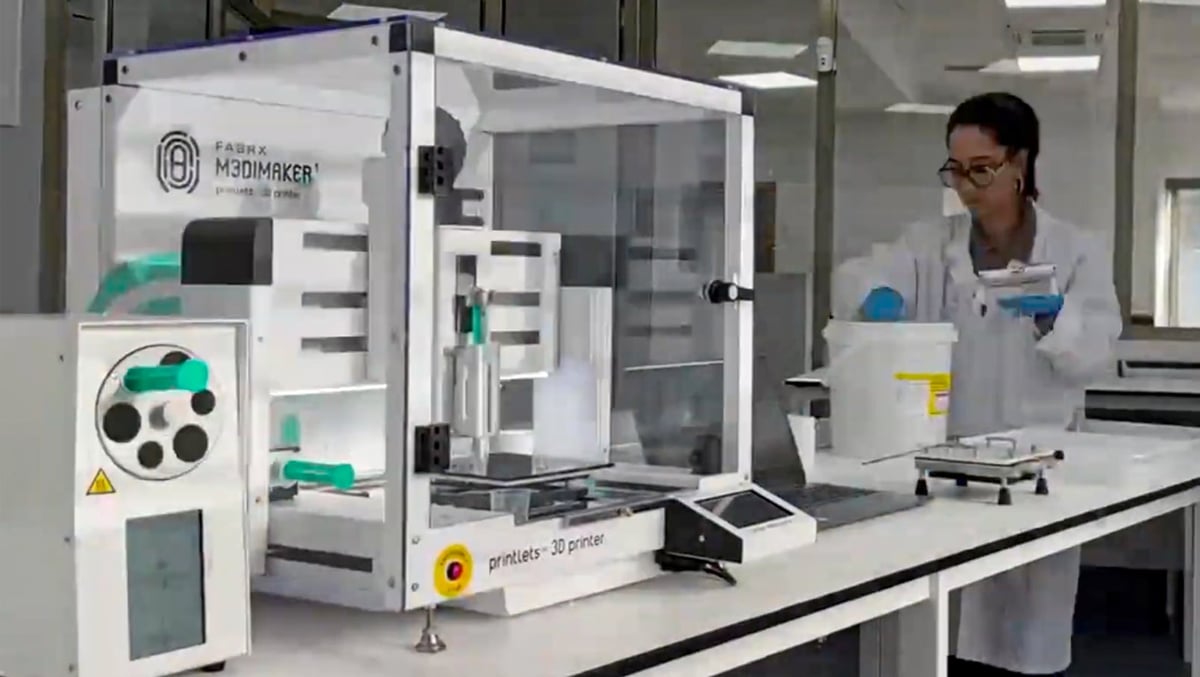
Launched in the U.S. just two years ago, the accelerating rollout of FabRX builds on a successful string of deployments in Europe. With a growing number of commercial partnerships now forming around the platform worldwide, FabRX’s systems are beginning to mainstream 3D printing pharmaceutical technology.
Pharmaceutical 3D printing has long been explored as a way to enable personalized medicine. By digitally controlling dose size, release profile, and drug combinations, additive manufacturing allows medications to be tailored to individual patients. The technology is particularly relevant in areas where standardized dosing is difficult, such as pediatric treatments, hormone therapy, and certain metabolic or chronic conditions.
There are very few competitors in the desktop-scale pharmaceutical printer printer market. Most companies working on 3D printed drugs focus on drug development platforms or industrial production, not small point-of-care printers that could sit in a pharmacy.
If adoption continues at the current pace, pharmaceutical 3D printing could gradually shift some aspects of drug production away from centralized manufacturing and closer to the point of care — with pharmacies themselves acting as small-scale digital drug factories.
You May Also Like:



Listen to All3DP’s News Podcast:
License: The text of "Why Your Pharmacist Is Buying a 3D Printer & Reshaping How You Get Your Prescriptions" by All3DP Pro is licensed under a Creative Commons Attribution 4.0 International License.