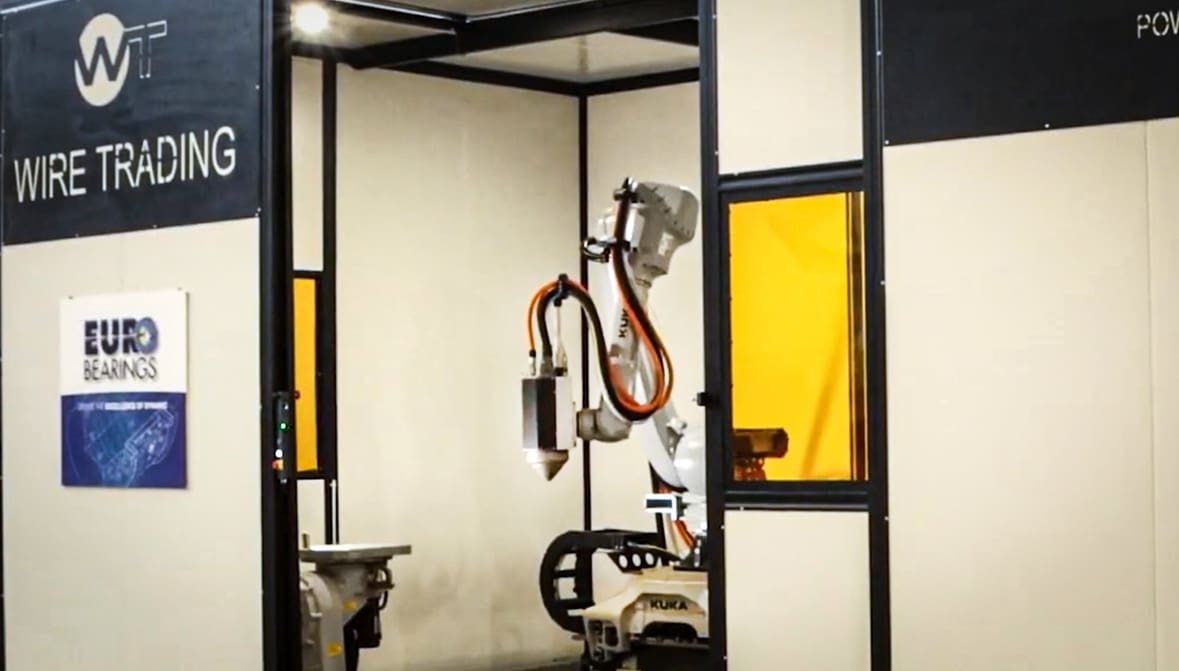
By integrating Meltio’s metal wire DED technology, Italian specialist Eurobearings is replacing weeks of traditional machining and welding with days of additive manufacturing to repair and produce massive industrial components.
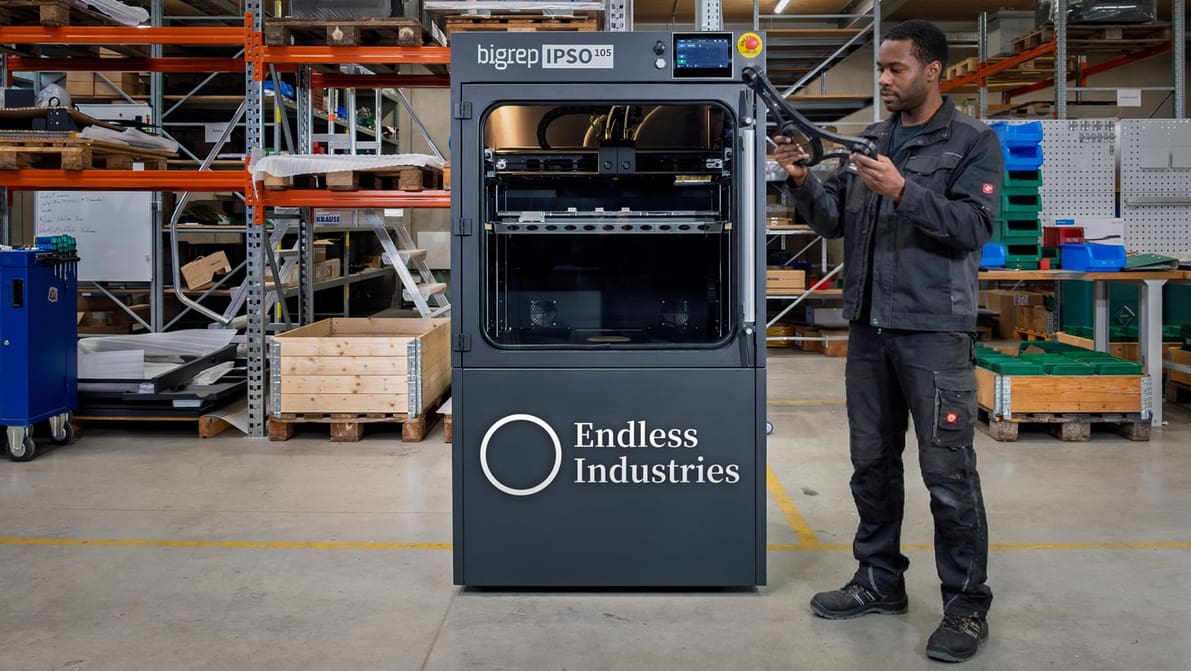
Berlin-based BigRep and Endless Industries are bringing continuous carbon fiber reinforcement to the BigRep IPSO 105, targeting stronger large-format parts at lower cost than traditional composite manufacturing.
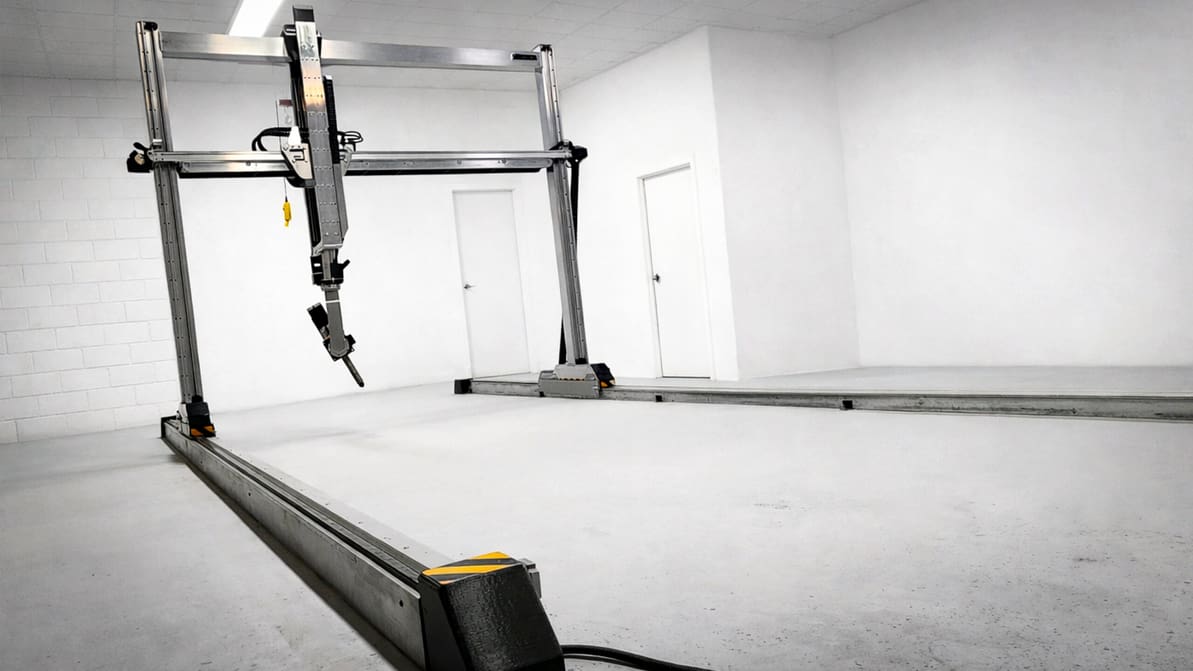
Coupled with machines starting at $15,000, ErectorBot’s hopes its Aibuild software integration can tame the complexity of industrial-scale printing, and make it accessible for any size manufacturer.
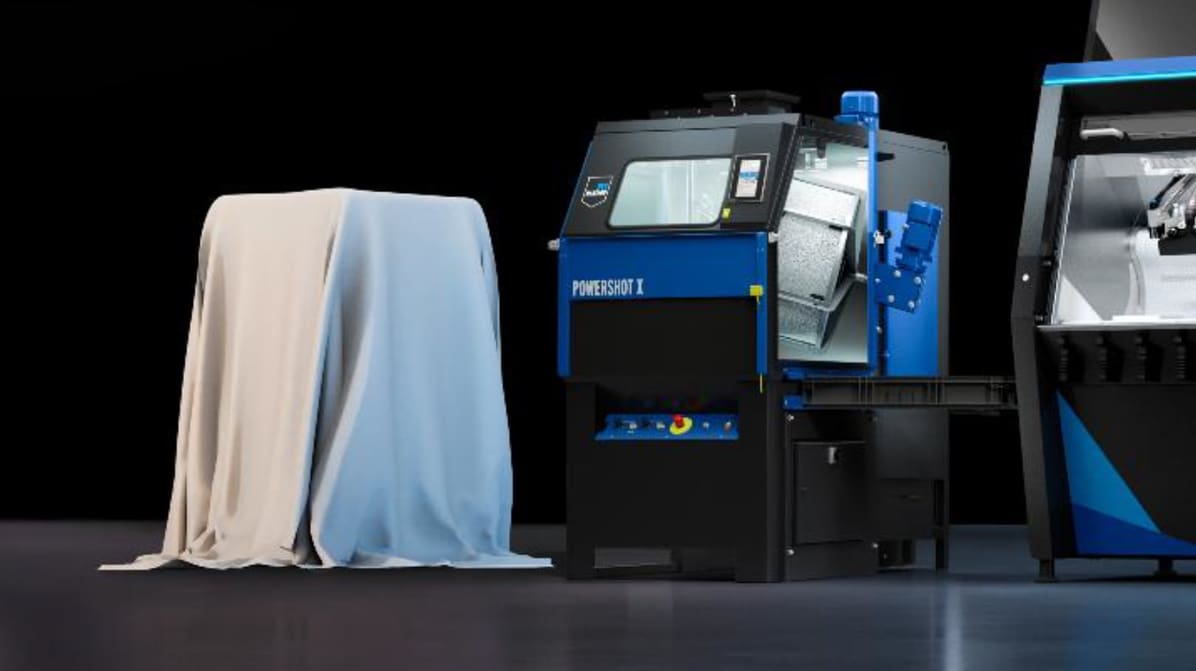
DyeMansion’s upcoming compact Powershot aims to eliminate the manual labor bottleneck with automated PolyShot surfacing for smaller workshops adopting systems like the HP MJF 1200.
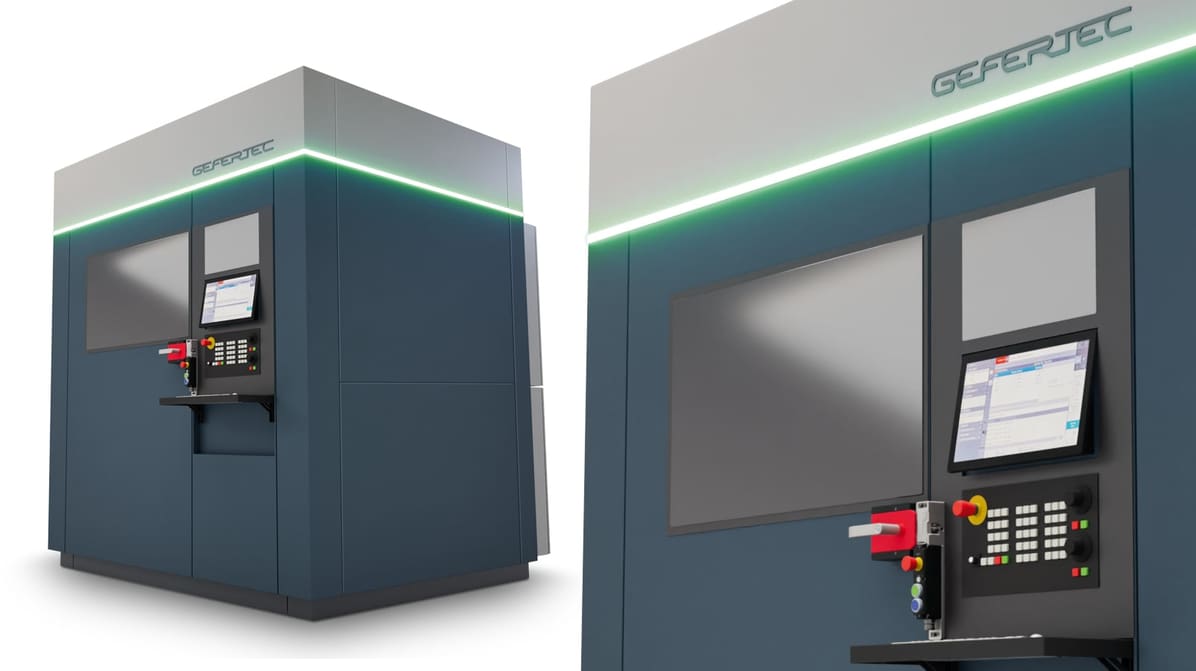
With no cloud connection required and a modular design, the new 5-axis system lowers the investment hurdle for industries prioritizing data sovereignty and accessible metal production.
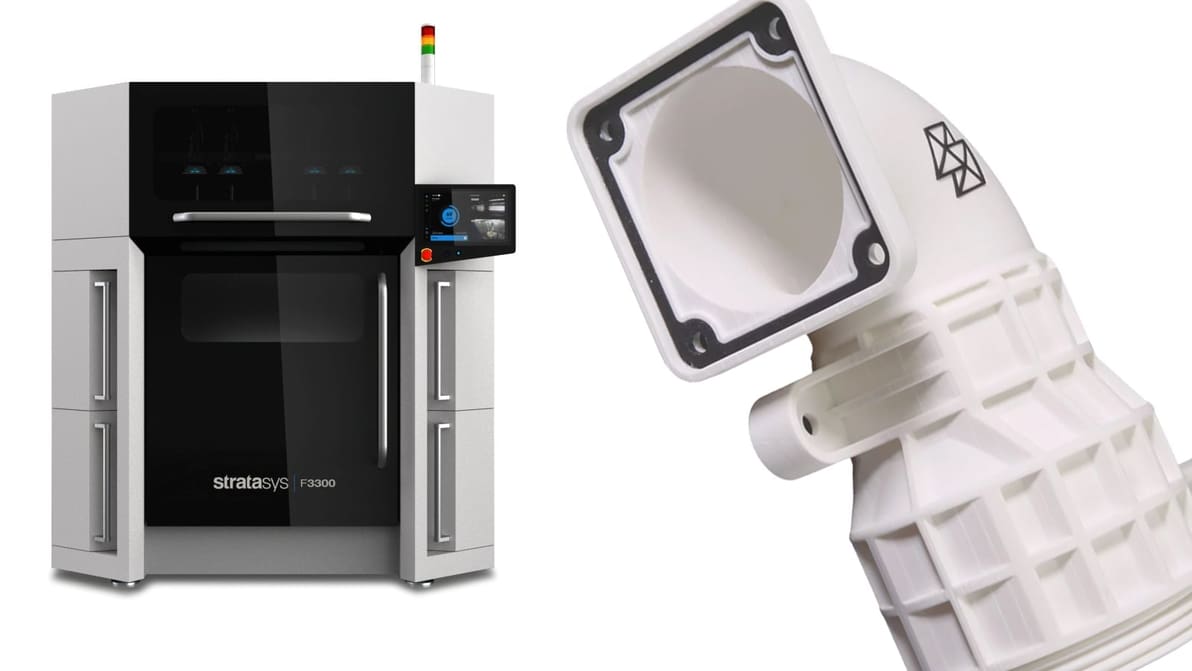
From aerospace-grade ULTEM to high-heat resins, five new material additions and AI-driven software aim to eliminate warping and scale industrial production.
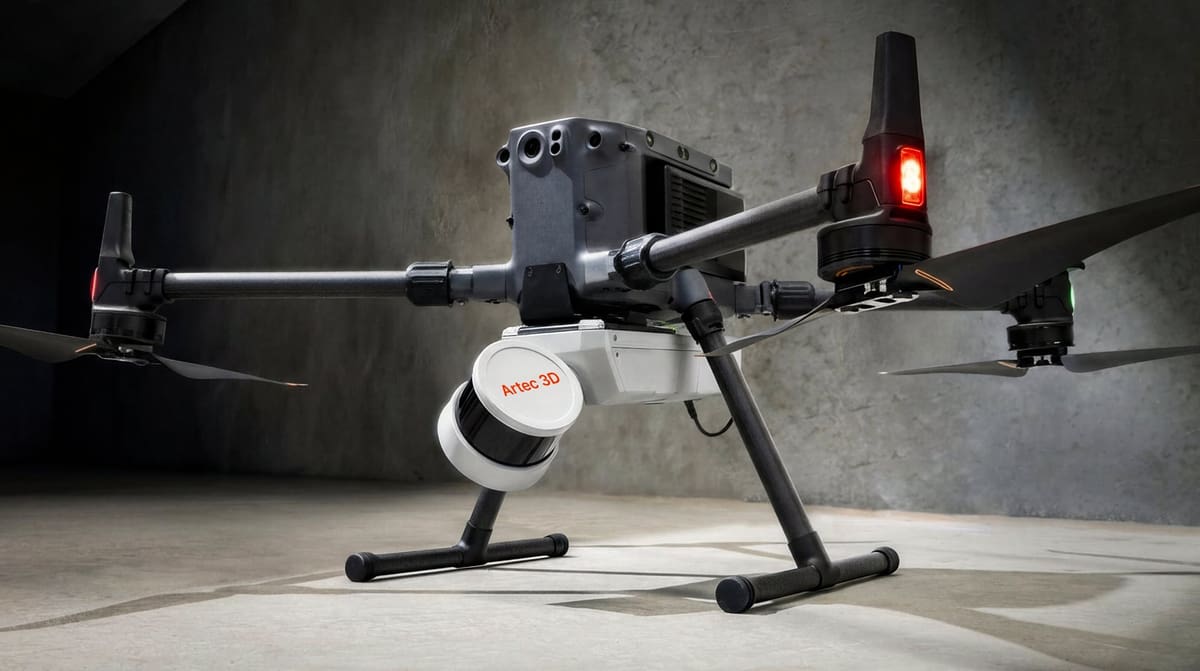
Forget stationary tripods and GPS limits: Artec 3D’s first SLAM-based mobile mapping system delivers rapid digital twins of almost any environment.

While machines have reached industrial maturity, a critical "competency gap" is stalling production lines—and traditional engineering degrees aren’t providing the fix.

A larger 3D printer build volume means less compromise in a part’s design, functionality, and performance.

El Paso Makes is launching a cloud-based engineering platform to bridge the digital divide, providing regional small-to-medium manufacturers with the secure, high-tier tools required to modernize the U.S. Defense Industrial Base.
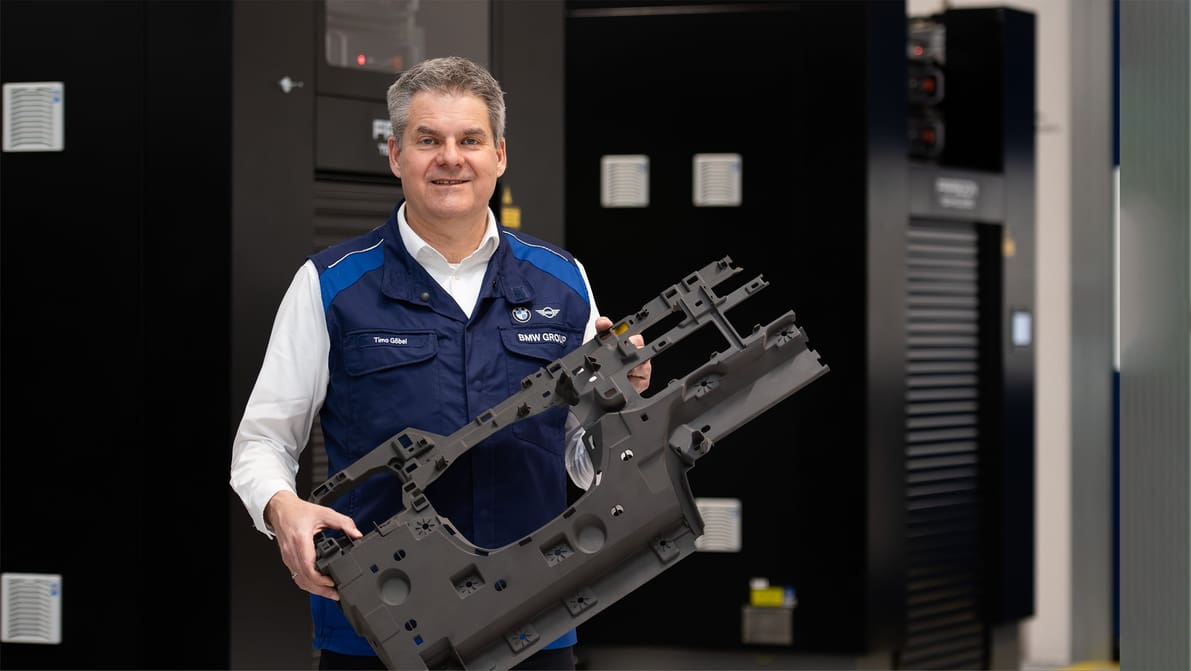
BMW’s transition to automated, open-material additive manufacturing moves beyond prototyping to a fully integrated production ecosystem, potentially replacing traditional machine tooling with 3D printing across the entire vehicle lifecycle.
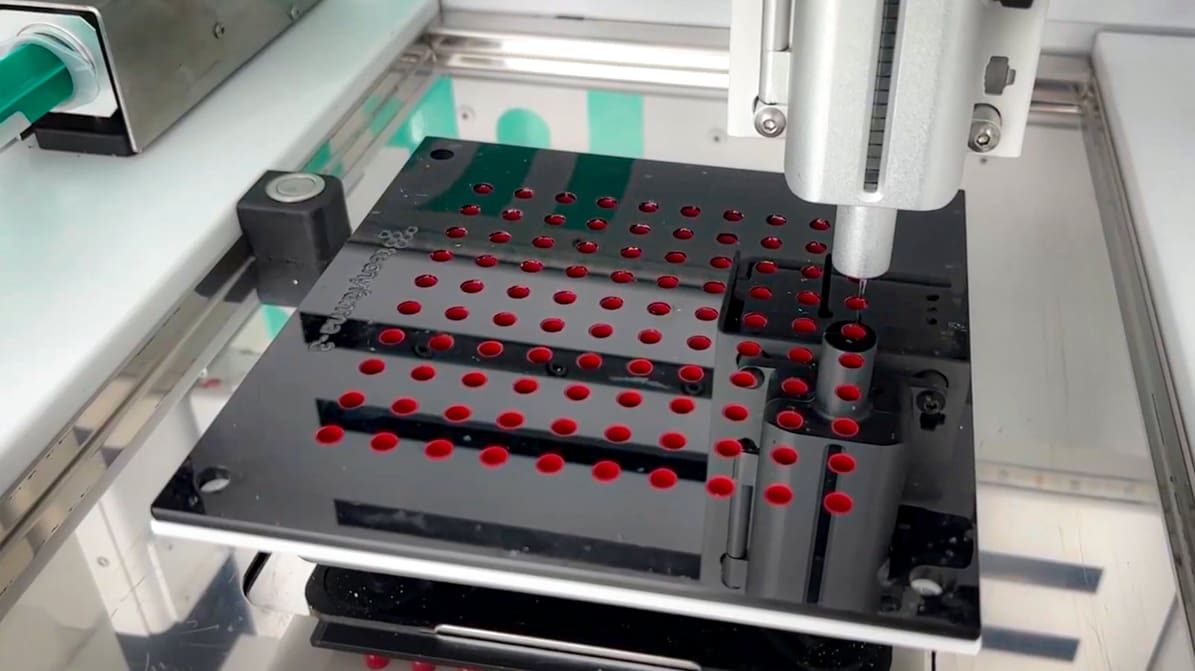
FabRX’s desktop 3D printing platform is rapidly scaling across the United States through new strategic partnerships, moving custom drug manufacturing out of industrial centers and directly into local independent pharmacies.

By integrating generative AI directly into the Flow Studio platform, Autodesk enables creators to bypass tedious manual modeling and generate production-ready, editable 3D assets in seconds.
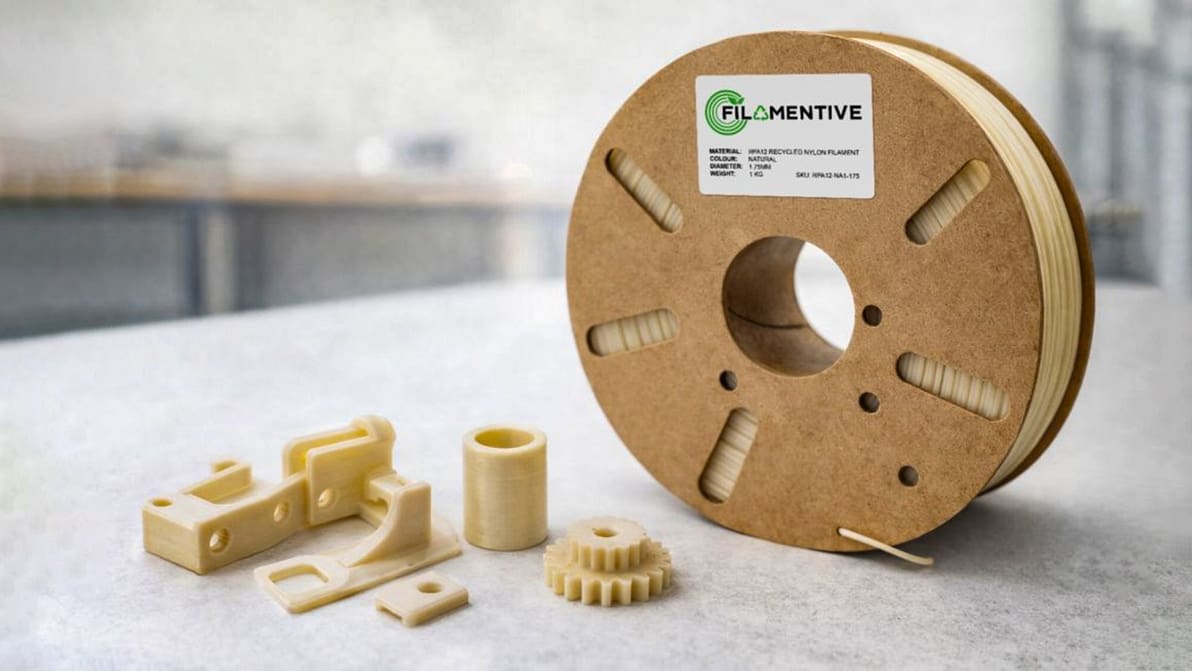
By reclaiming industrial waste into a high-performance rPA12 with 46 MPa tensile strength, this "loop-closing" filament aims to prove that sustainable manufacturing doesn't have to sacrifice engineering performance.

The latest handheld scanner from Shining 3D eliminates the workstation bottleneck, allowing engineers to capture, mesh, and export full reports entirely on-device.
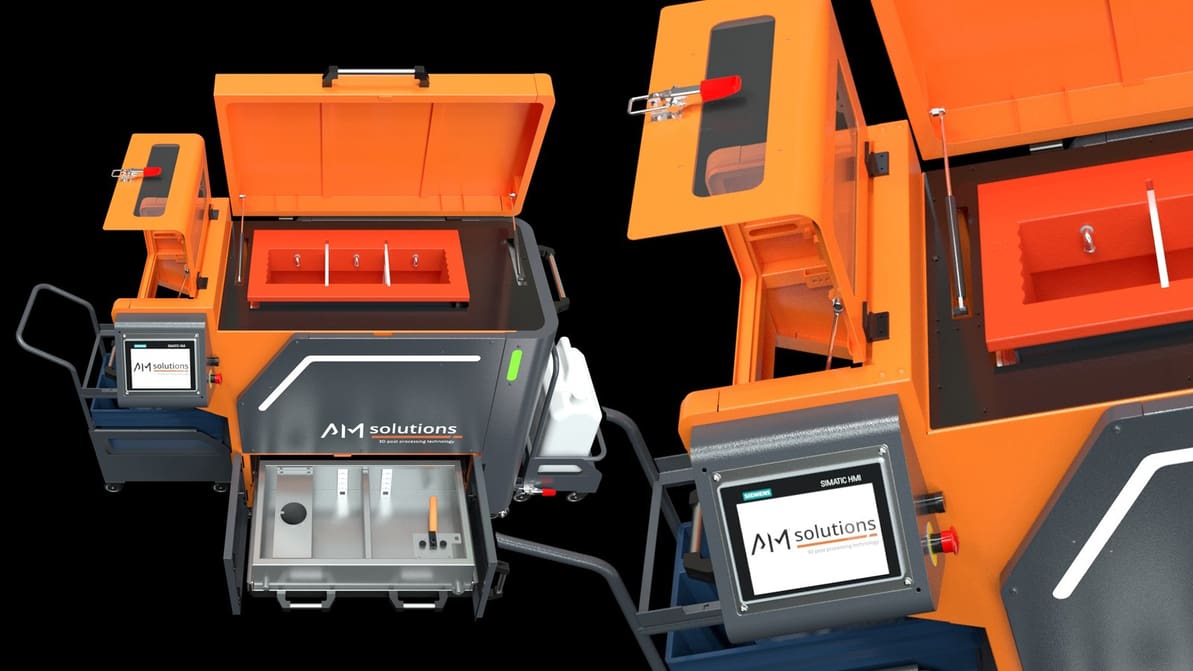
From deburring to polishing, the upgraded and compact M1 system eliminates manual labor by running multiple surface treatments simultaneously—addressing one of the biggest hurdles in serial additive manufacturing.
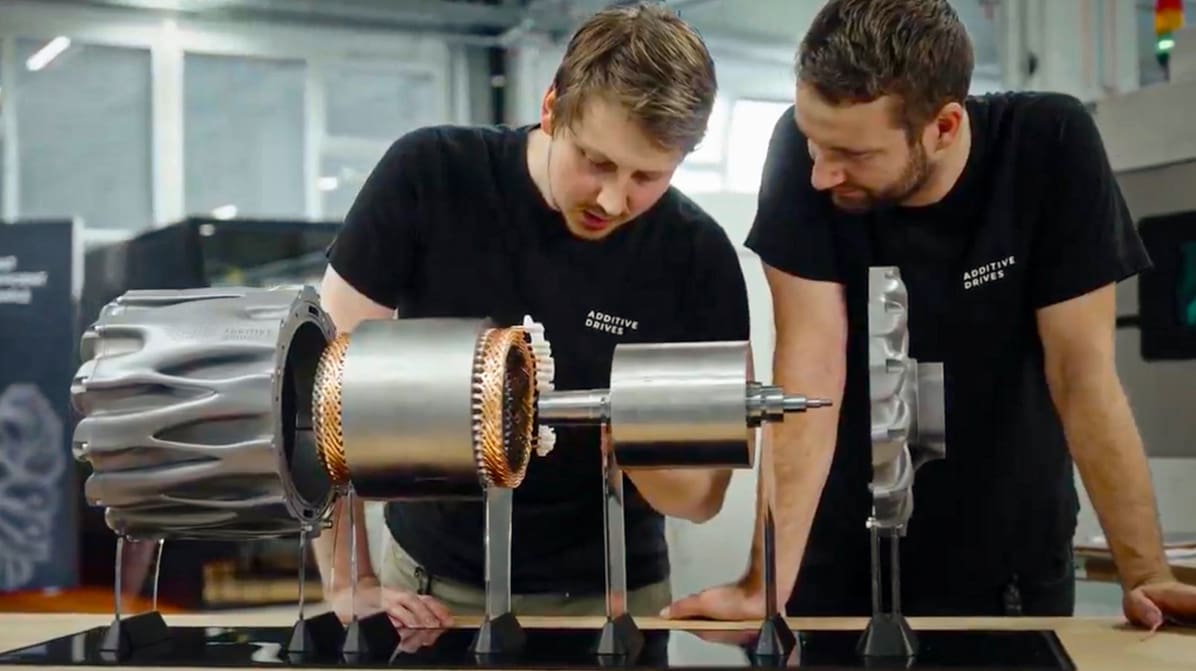
With €25 million in new funding and innovative 3D printing techniques, researchers and startups are now achieving 98% efficiency in electric motors—while slashing the need for critical and rare minerals.

Precision Additive claims its new PA series hits speeds of 10,000 cm³/h — ten times faster than industry leaders — but is it a breakthrough or just bold marketing?
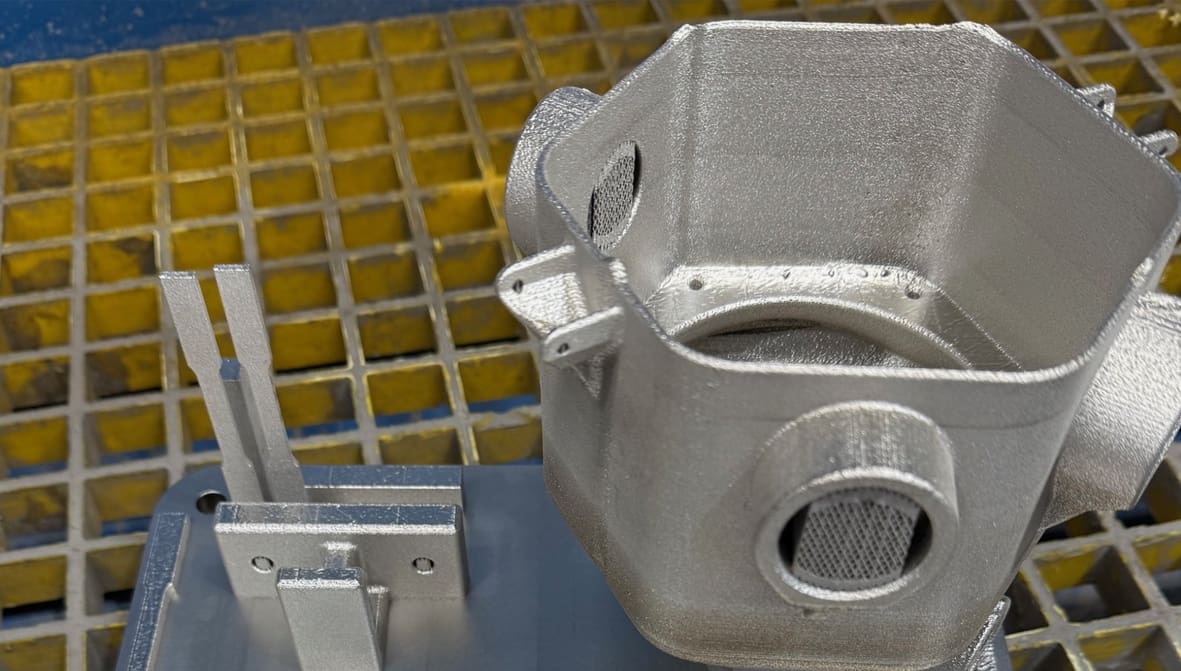
Research proves that a 3D printed redesign of a traditional oil industry device can consolidate complex assemblies into a single, high-performance part.

From 60% faster material testing to critical submarine components printed at sea, the U.S. Navy is moving past experimentation to build a self-sustaining, 3D printed frontline.