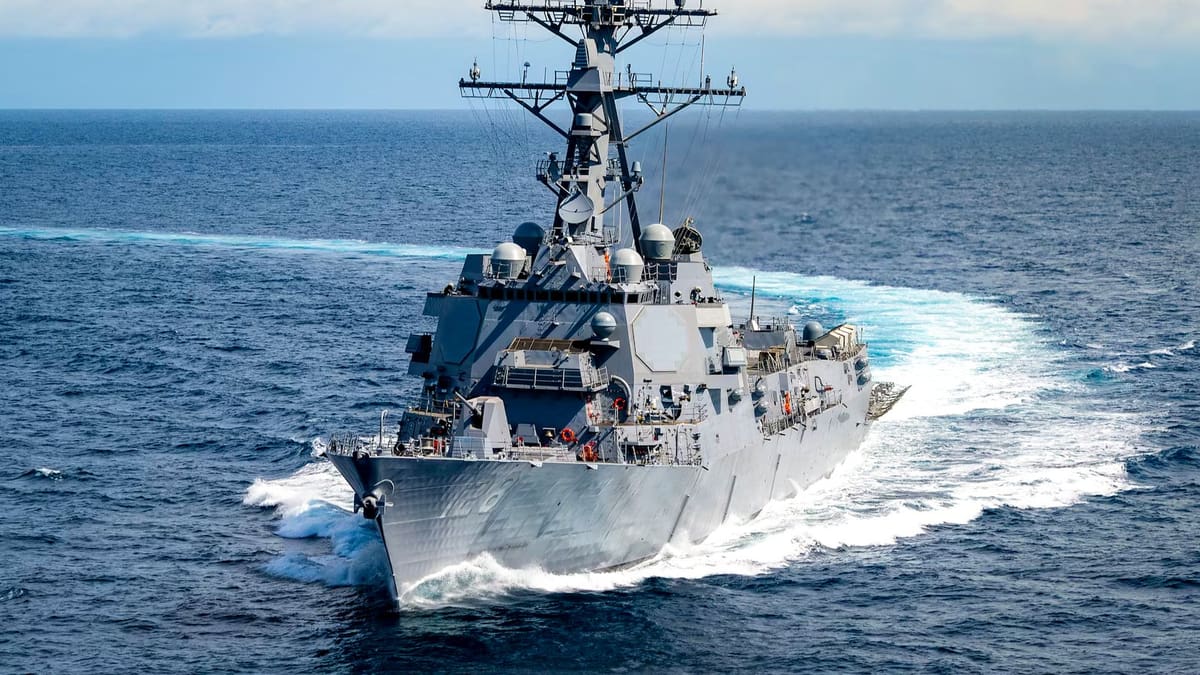
From Lab to Fleet: Will the Navy’s 2025 3D Printing Wins Trigger Acceleration in 2026?

From 60% faster material testing to critical submarine components printed at sea, the U.S. Navy is moving past experimentation to build a self-sustaining, 3D printed frontline.
In a strategic leap forward for naval logistics and sustainment, the U.S. Navy successfully expanded the use of additive manufacturing into frontline fleet operations during 2025, marking a transformative shift from laboratory experimentation to operational capability, according to a report by the Naval Sea Systems Command (NAVSEA).
In partnership with NAVSEA, the maritime industrial base, fleet maintenance units, and academic institutions, the Navy’s additive manufacturing initiatives achieved major milestones across multiple platforms and mission areas. These efforts underscore a new era in naval readiness, where parts can be produced faster, more efficiently, and closer to where they are needed most.
Although the Navy can not disclose specific details on all of its additively manufactured parts, we do know about these in 2025:
The barriers that have limited AM adoption (qualification, standards, certification, inventory integration, and industrial participation) were actively reduced in 2025, according to NAVSEA’s report. When barriers go down, adoption tends to go up — especially in logistics and sustainment domains.
Operational Integration Reaches New Heights
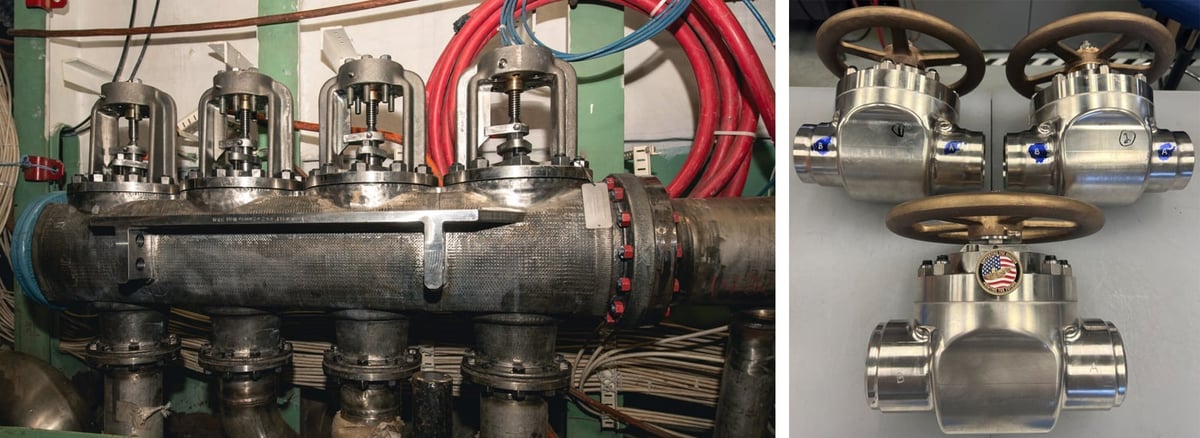
Last year’s developments saw AM move decisively out of pilot projects and into the operational mainstream. Components fabricated through 3D printing were integrated directly into the fleet’s logistics and maintenance pipelines — a signal that the technology has matured beyond research and into service-wide utility.
NAVSEA’s coordinated work streamlined material qualification processes, reducing testing requirements by more than 60% and saving millions in qualification costs. At the same time, the command released multiple new additive material specifications — now available on the Department of Defense’s central standards repository — to support future applications across the fleet.
Fleet Readiness Enhanced
A core objective of the initiative was improving fleet availability and sustainment. With AM parts now on inventory lists and incorporated into maintenance planning, the Navy anticipates improved equipment uptime and reduced dependence on long supply chains.
Industry partners are already stepping up. Companies such as Hunt Valve are developing and certifying additional AM components to expand the catalog of parts available for in-service use, further broadening the scope of what can be produced afloat or ashore.
To consolidate and share additive manufacturing information and processes, NAVSEA just launched a military data repository, The Navy Resources for Additive Manufacturing (N-RAM), that centralizes additive and advanced manufacturing information for users with Flank Speed access. The goal is to shorten the path from guidance to production. Open to the public is a collection of other specifications, standards, and technical guidance in the AM Center of Excellence.
From Experiment to Enabler
The accomplishments of 2025 reflect a broader cultural and technological shift across the naval enterprise. What once stood as an emerging capability is now recognized as a readiness enabler, fully embedded in fleet planning, maintenance strategies, and sustainment operations.
As global operational environments grow more complex, the Navy’s adoption of AM stands as a pillar in its strategy to maintain a lethal, resilient fleet — one capable of adapting quickly and sustaining itself with innovative, in-theater manufacturing solutions.
The Navy is not alone in its shift to implementing additive manufacturing. The broader U.S. Department of Defense launched several initiatives in 2025 reflecting its willingness to accelerate the adoption of additive manufacturing, from relaxed implementation standards to enabling troop-level production of parts. The record-breaking Pentagon budgets have prioritized modernization, sustainment, and industrial base resilience.
You May Also Like:



Listen to All3DP’s News Podcast:
License: The text of "From Lab to Fleet: Will the Navy’s 2025 3D Printing Wins Trigger Acceleration in 2026?" by All3DP Pro is licensed under a Creative Commons Attribution 4.0 International License.