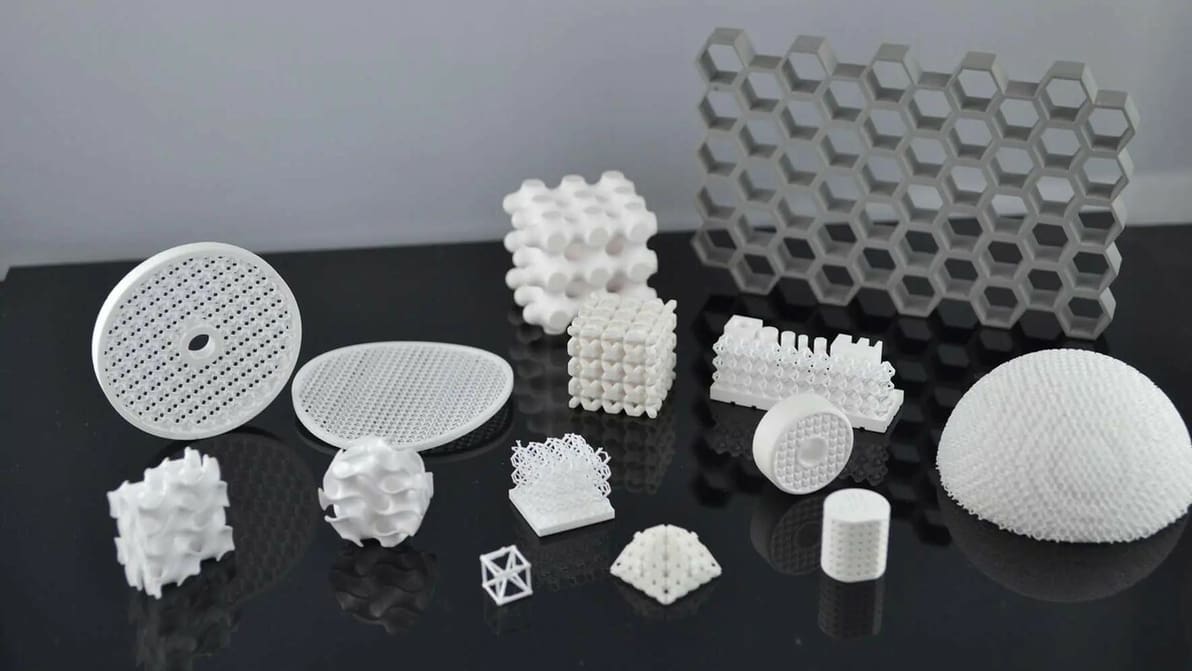
Learn why vat photopolymerization is the most advanced 3D printing method for technical ceramic materials used for more parts today than ever.
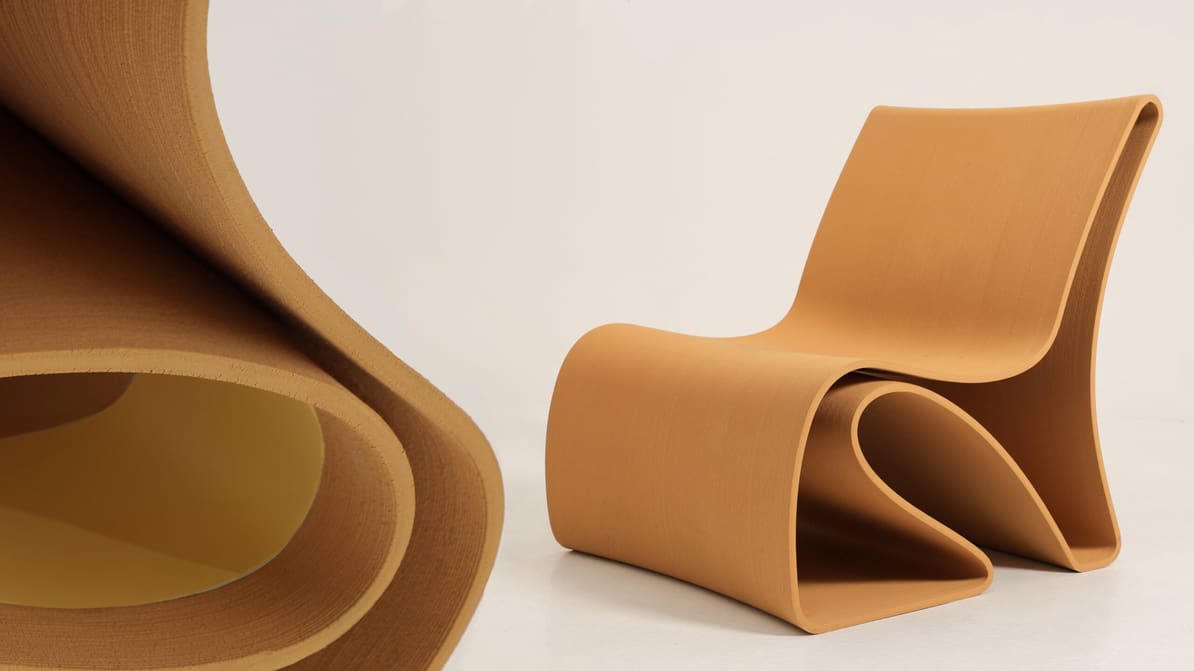
3D printed, made-to-order, 50% recycled wood, and 100% recycleable is the furniture for a new generation.
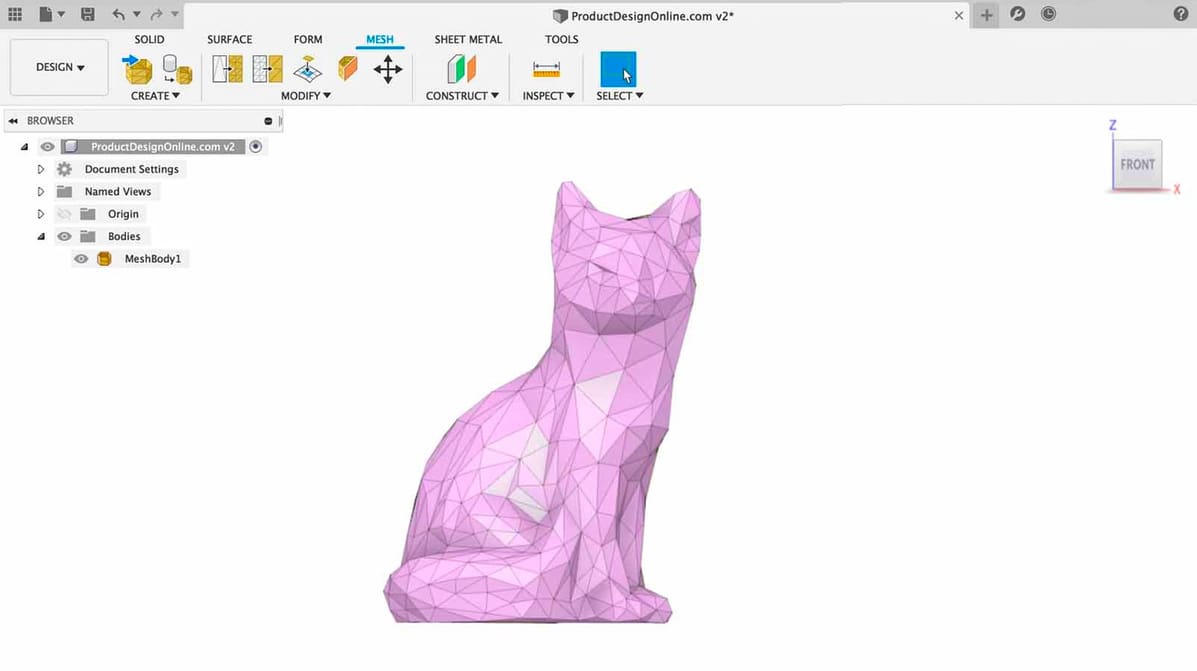
Who can design the part you want 3D printed? It turns out there are a lot of options for simple printable 3D models or full product development.
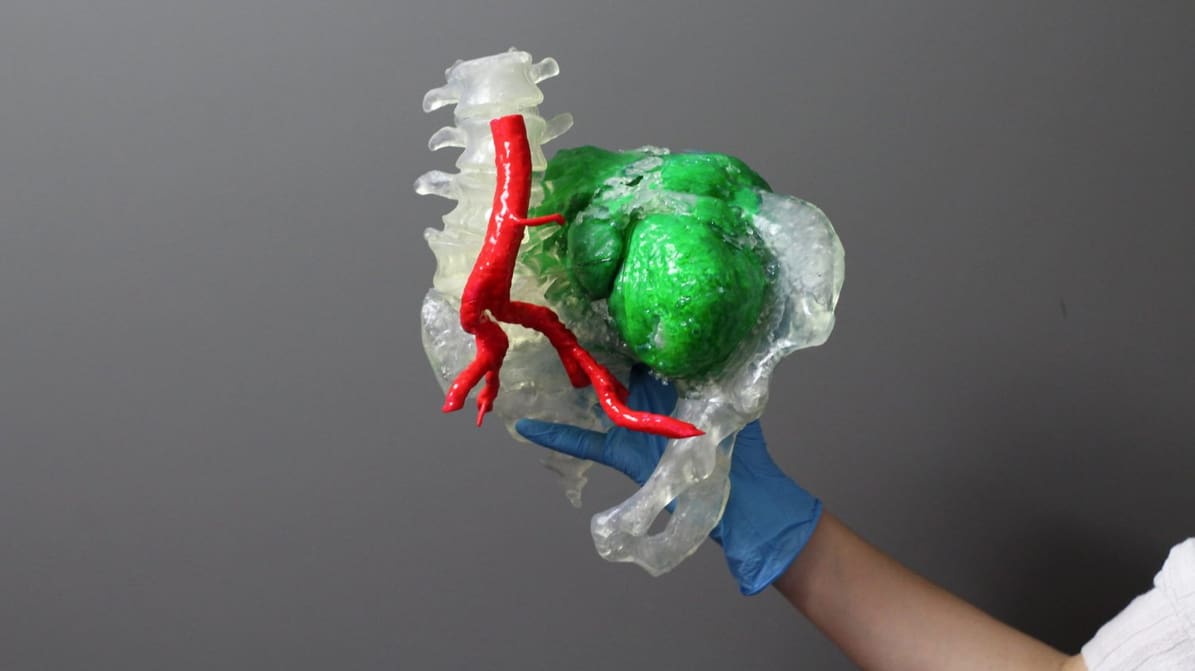
US FDA approves cloud-based AI software solution for creating personalized 3D anatomical models used in diagnostics and surgical planning.

Love it or hate it, the 2023 Boston Commons statue "The Embrace" is a triumph of 3D printing.
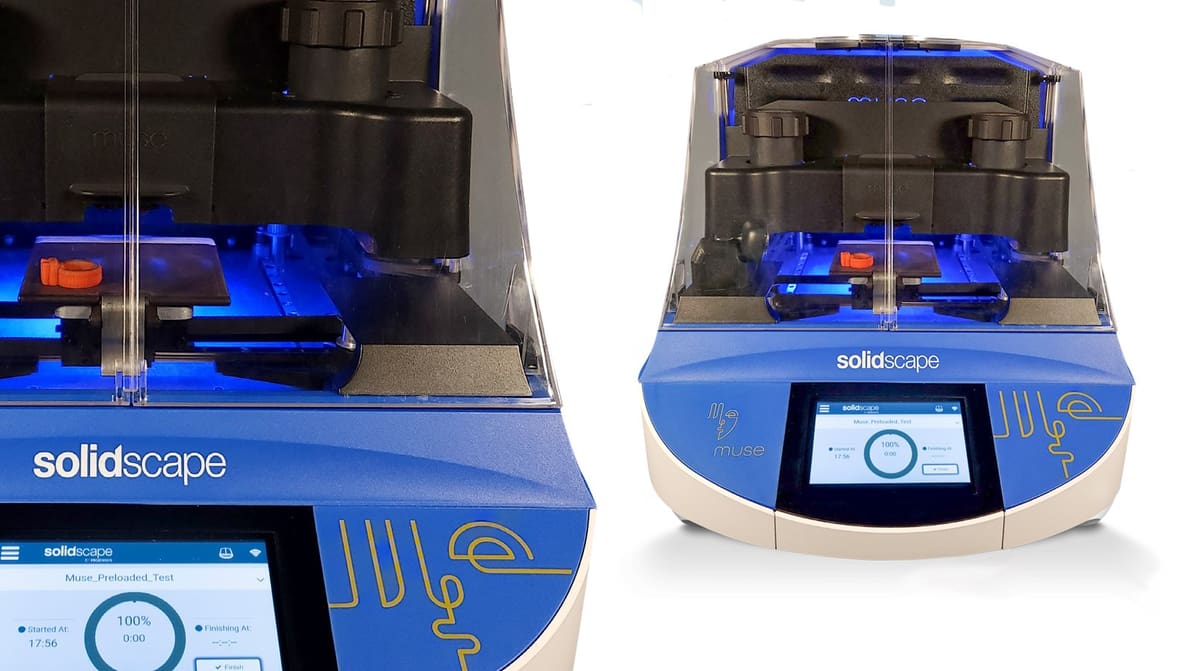
Delivering highly detailed wax models in an easy-to-operate package, the Muse brings the benefits of 3D printed wax models to independent jewelers.
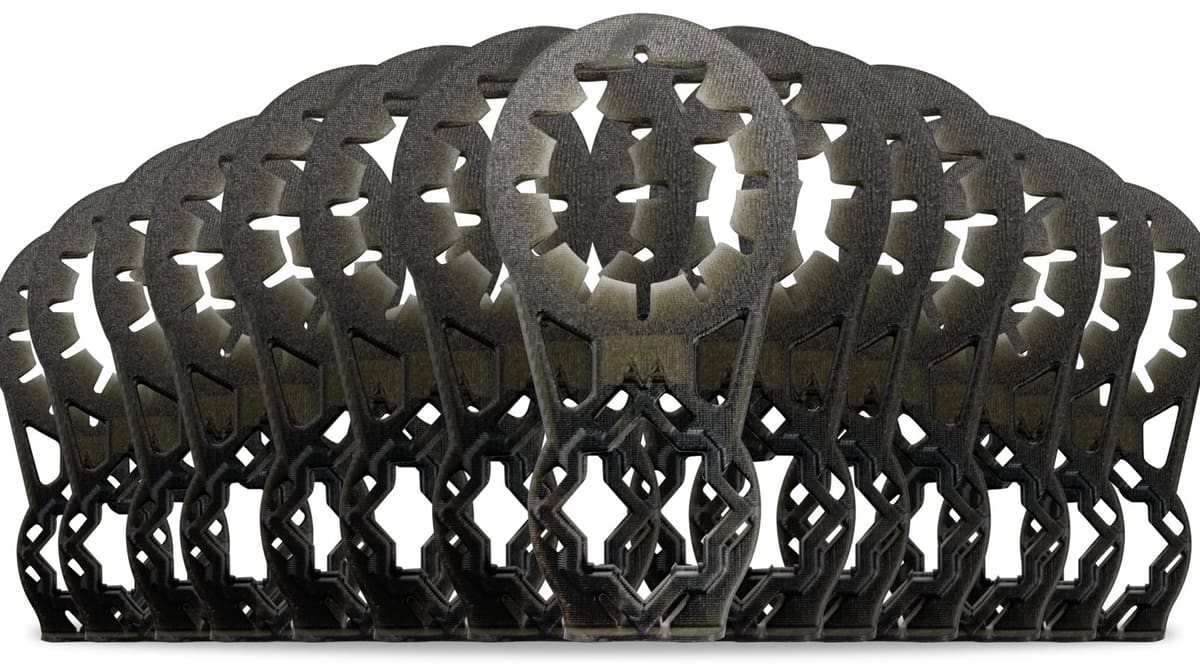
3D printing may not be cheaper than injection molding for mass production yet, but cost savings come from value-add innovations.
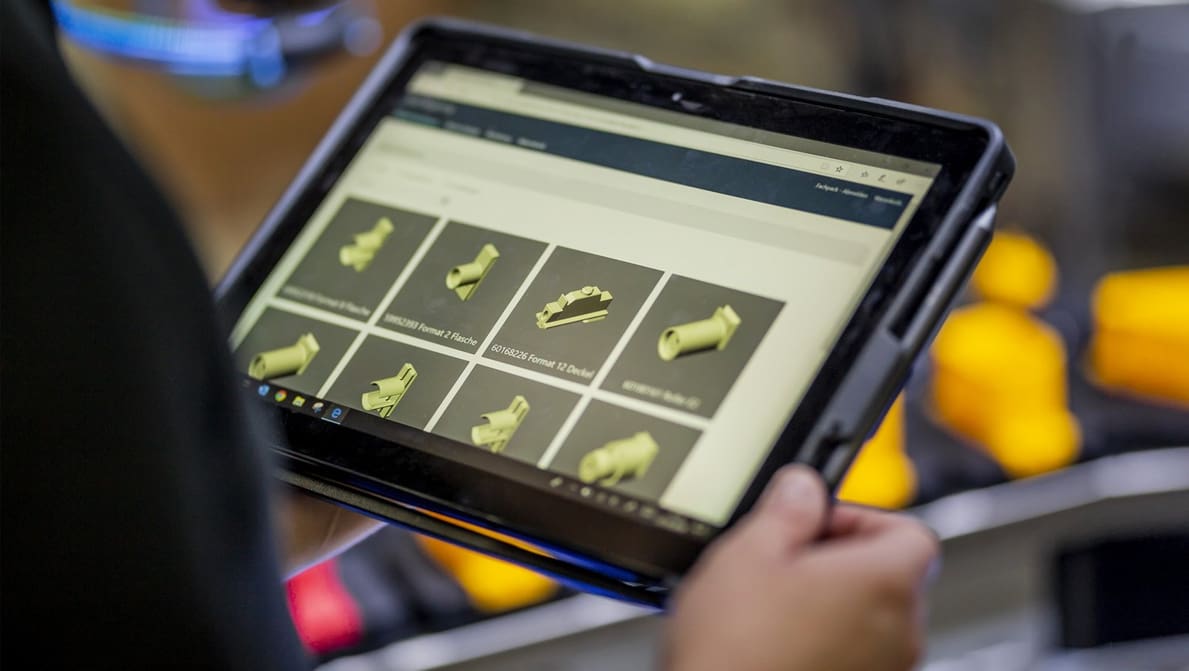
Physical spare part storage is quickly becoming a thing of the past. Find a digital warehouse solution to help you shorten supply chains, eliminate part obsolescence, cut costs, and minimize lead times.
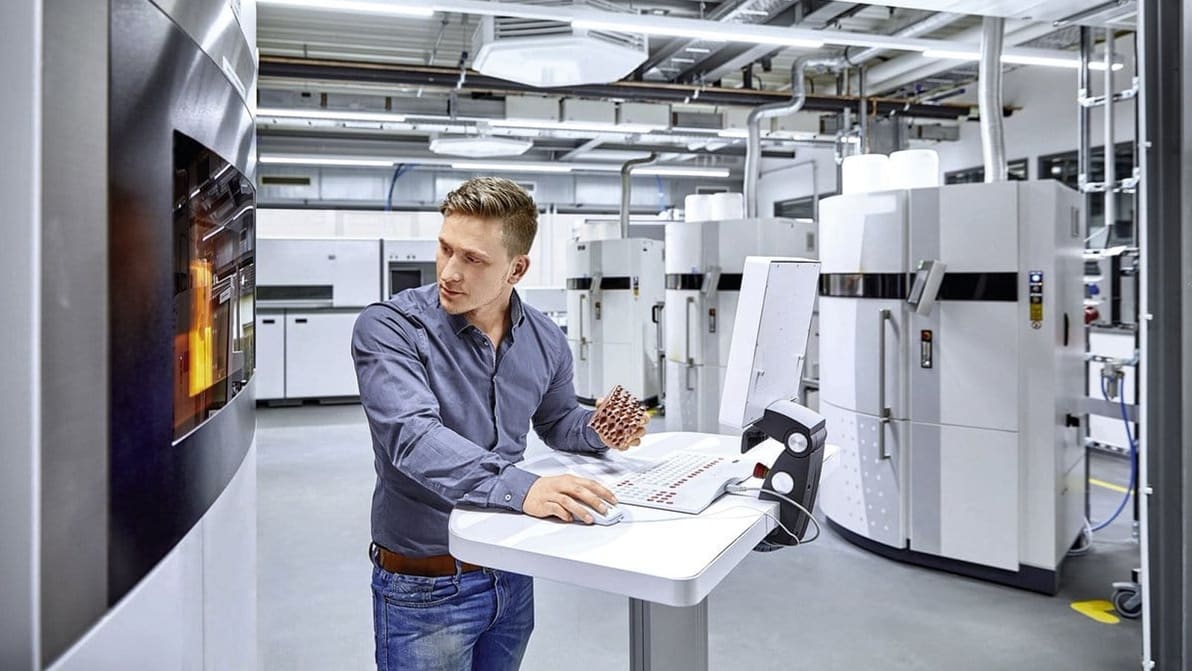
3D printing-as-a-service delivers the parts you need now without the equipment investment. Check out the top 20 on-demand additive manufacturers.
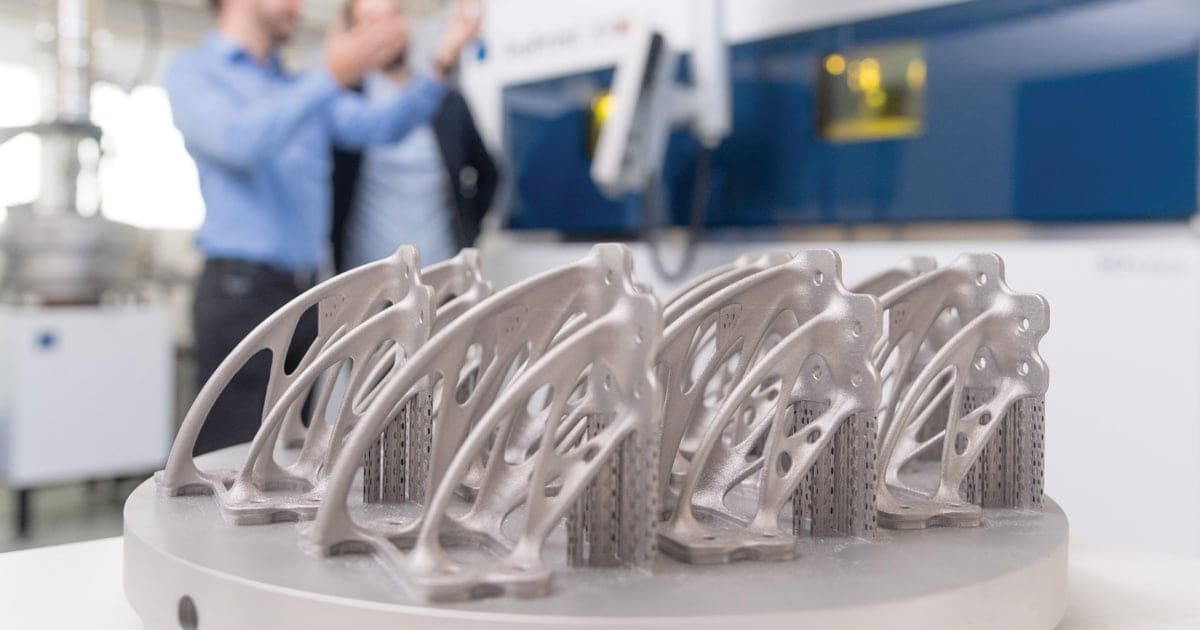
Nearly any metal part can be made quicker, cheaper, and better with metal 3D printing. Let's take a look at the top five applications.
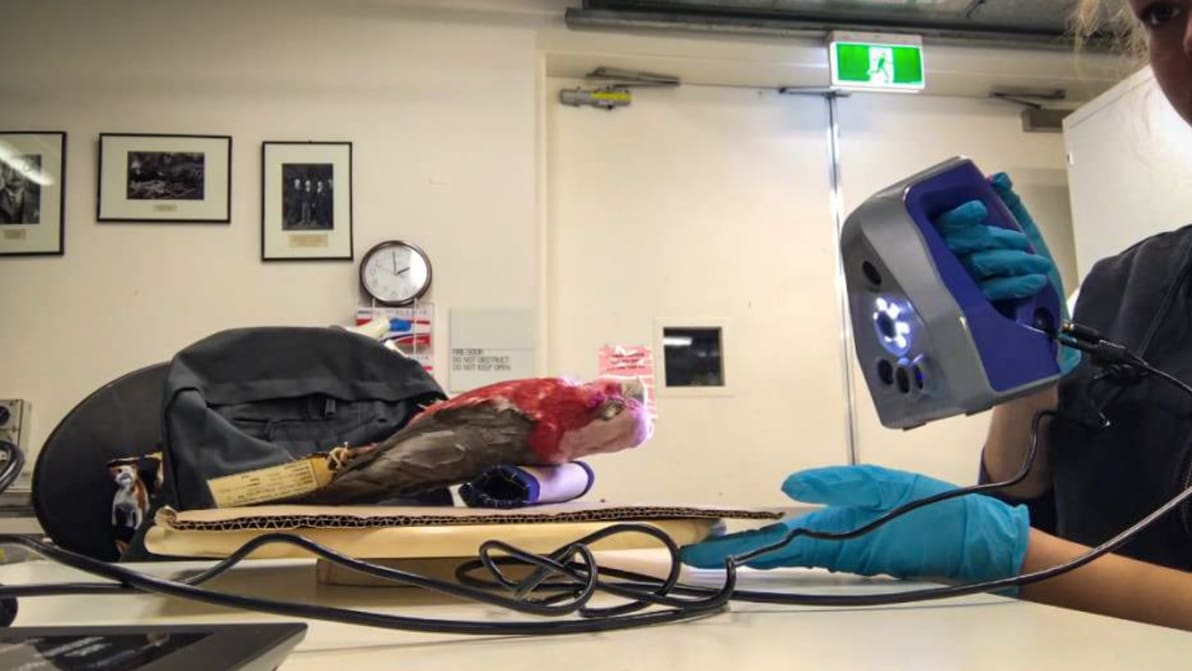
To record accurate measurements of objects from museum collections faster without damage, researchers pack hand-held 3D scanners.
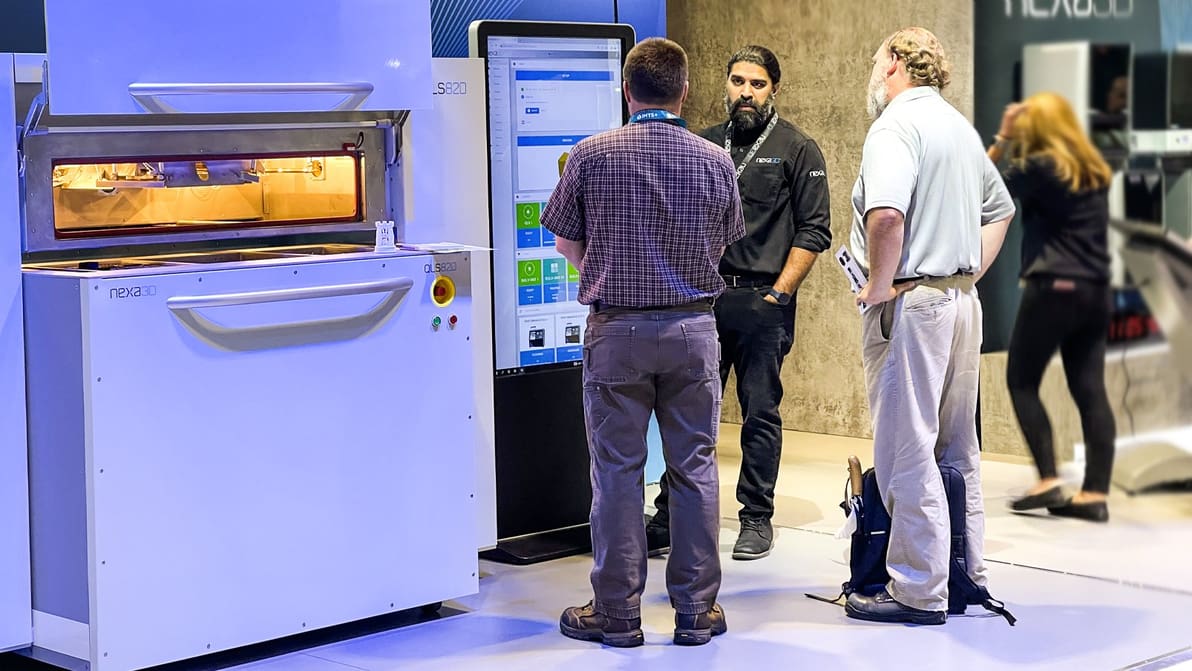
With so many 3D printers, how do you decide? Our six-step guide covers everything you need to know about technology, materials, and brands.
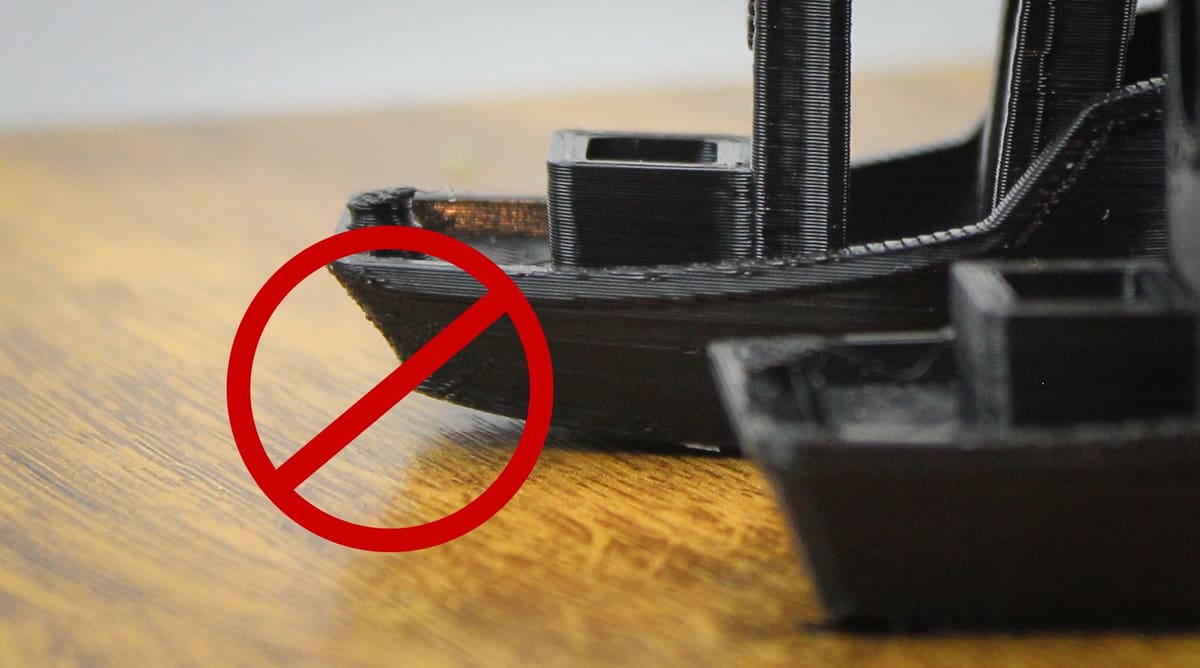
If managing heat, ensuring strong bed adhesion, and adjusting your slicer settings aren't fixing warp in your 3D printed parts, change your design.
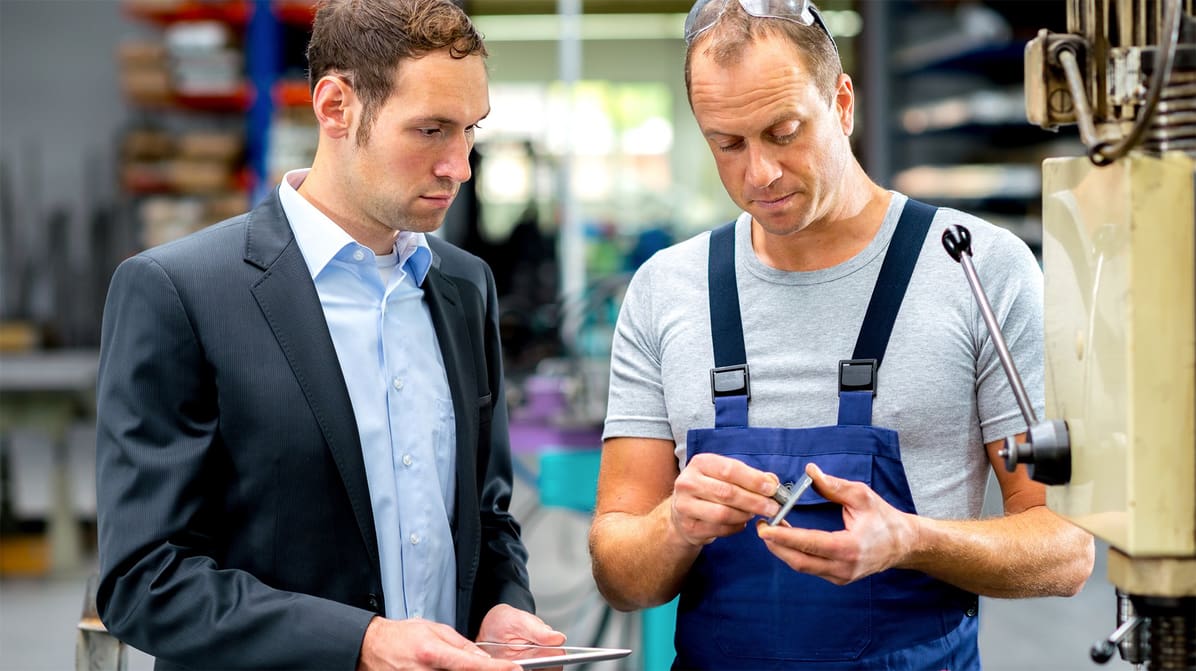
Looking to get into 3D printing at your business and don't know where to start? Follow the advice of industry thought leaders on the right way to enter additive manufacturing.
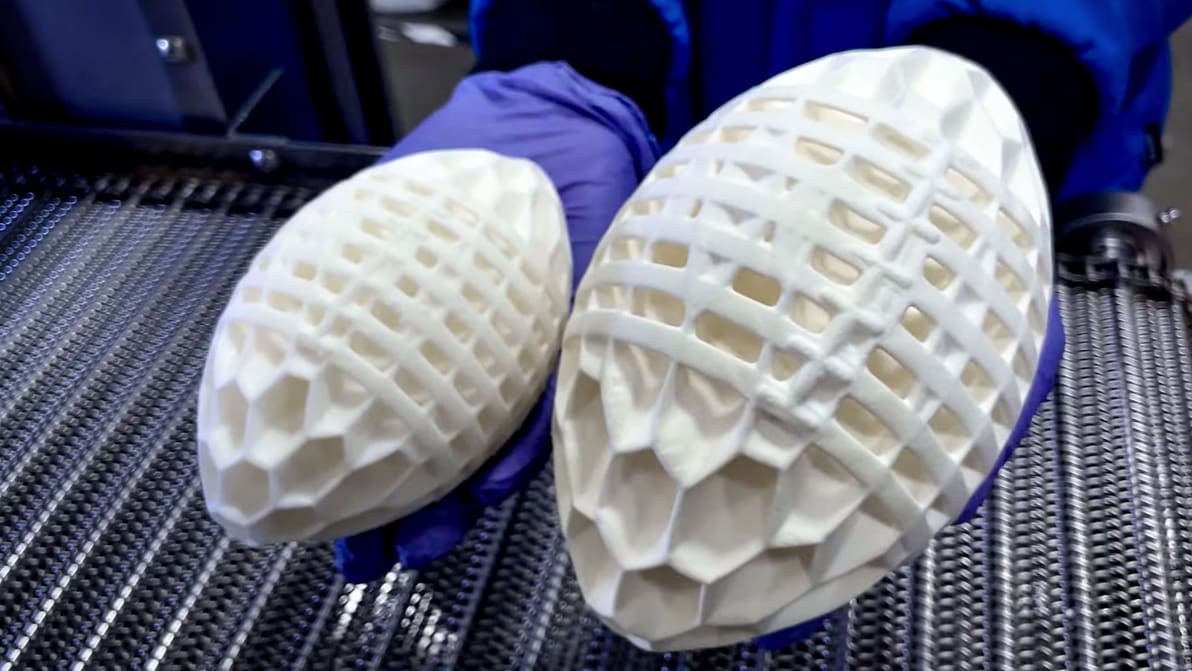
Desktop Metal introduces a new family of heat-activated foaming resins to cut the waste and tooling out of everything from car seats to sporting goods.
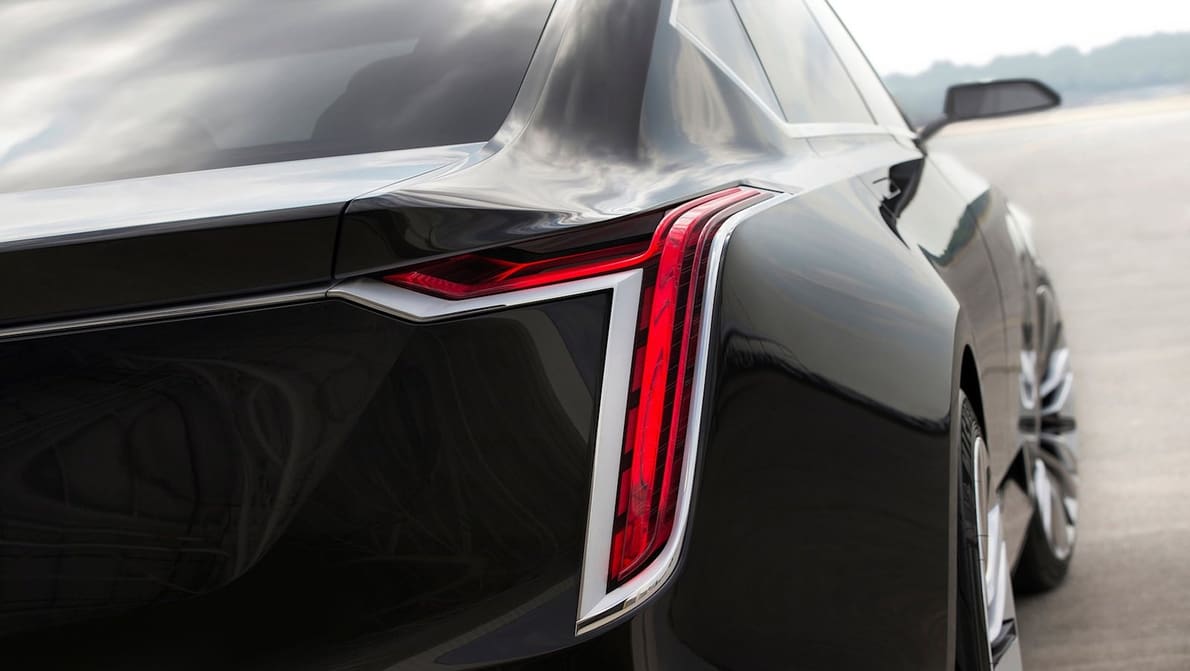
The hand-built luxury electric sedan will feature more than 100 3D printed parts and be manufactured with 3D printed factory tools.
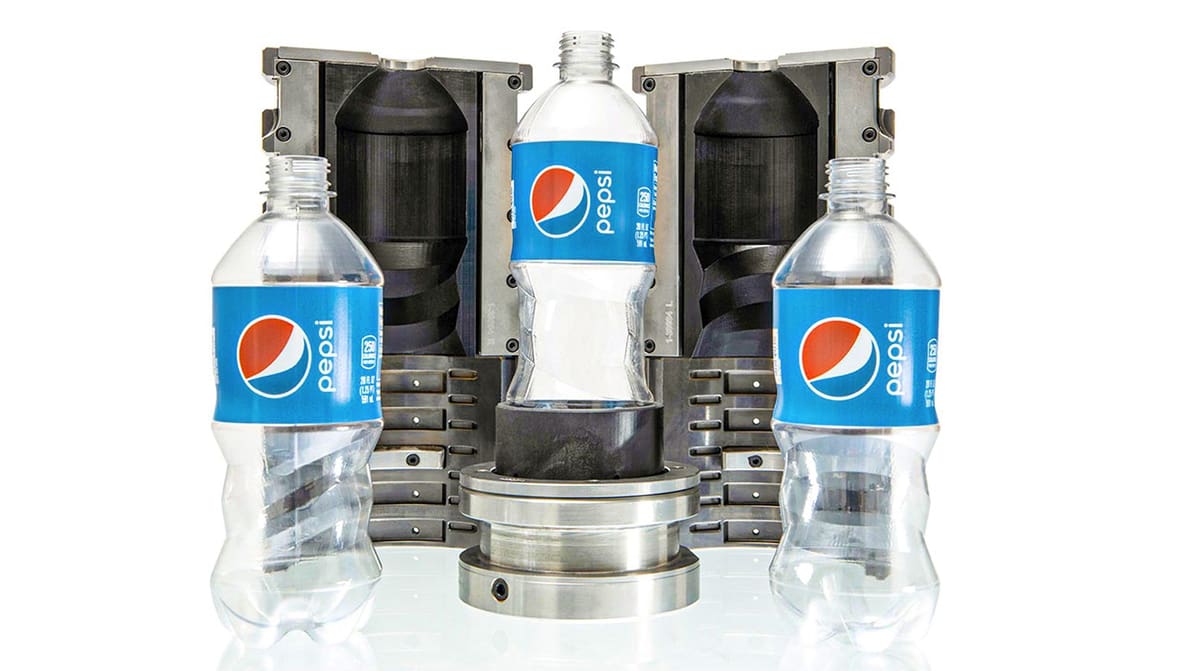
Compared to the traditional metal tooling, PepsiCo gains speed, lowers cost, and expands flexibility by turning to 3D printers to make bottle molds.
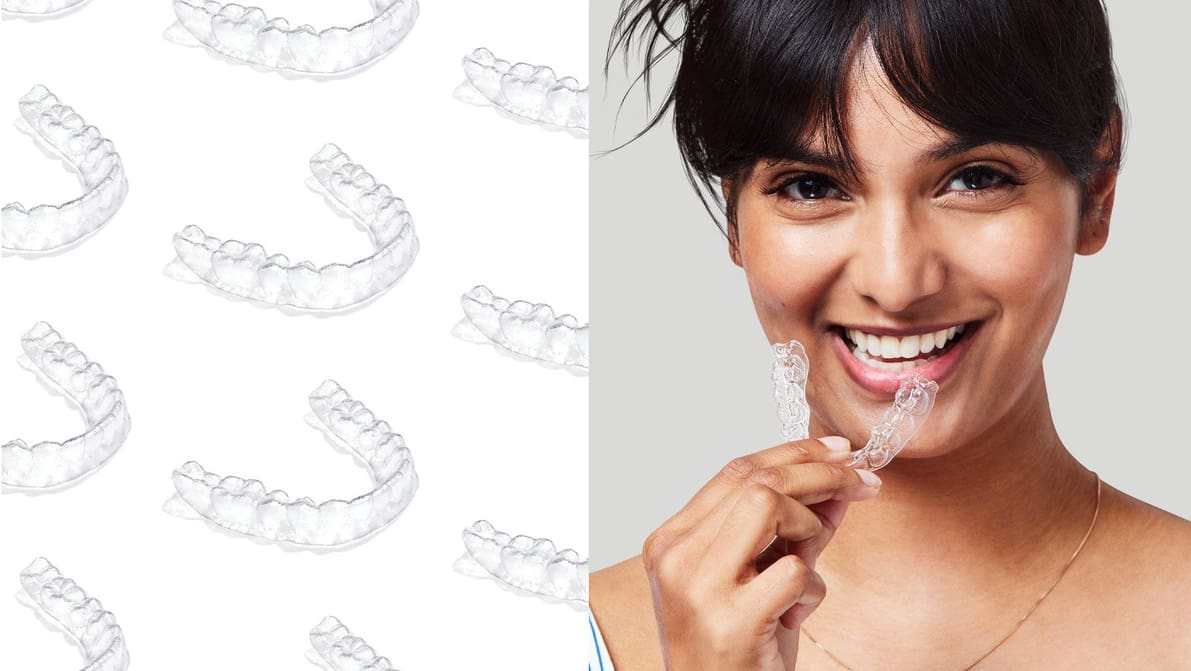
The technology is advancing, but still, don't 3D print your own dental aligners at home. Take a look at the medical practice and the latest 3D printing tech.

3D printed home builder Icon debuts the "world’s most beautiful 3D printed home" in Austin, Texas.
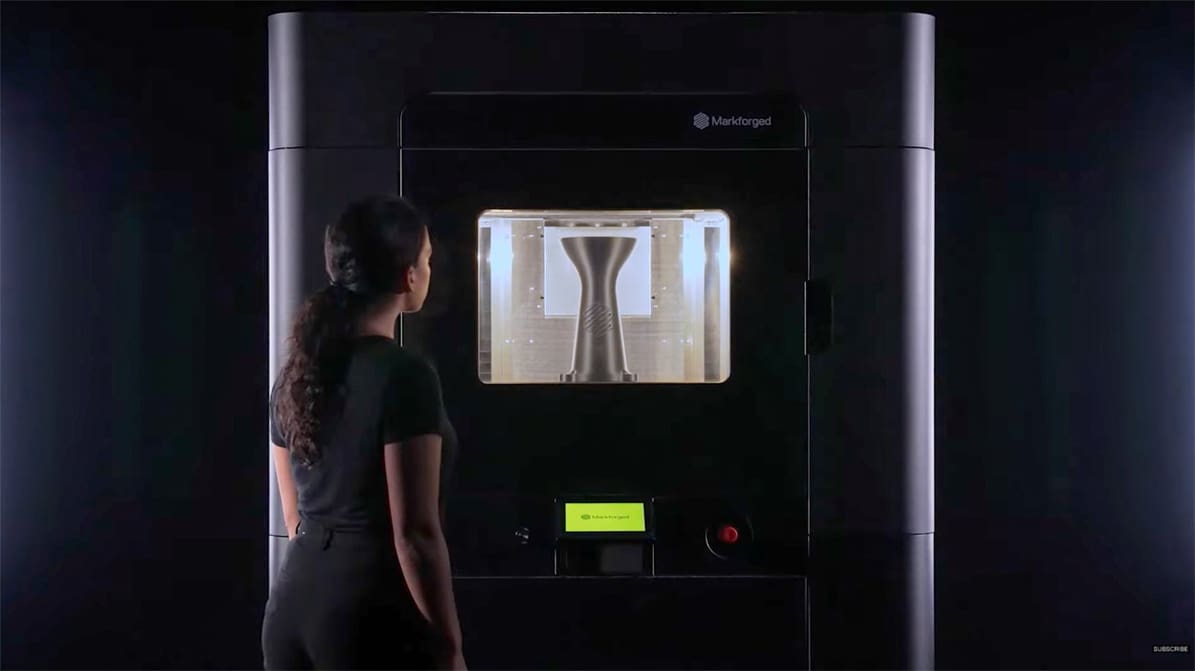
Your one stop for all you need to know about Markforged carbon fiber and metal 3D printers, including the X7, Metal X, and new FX20.