3D Printing News
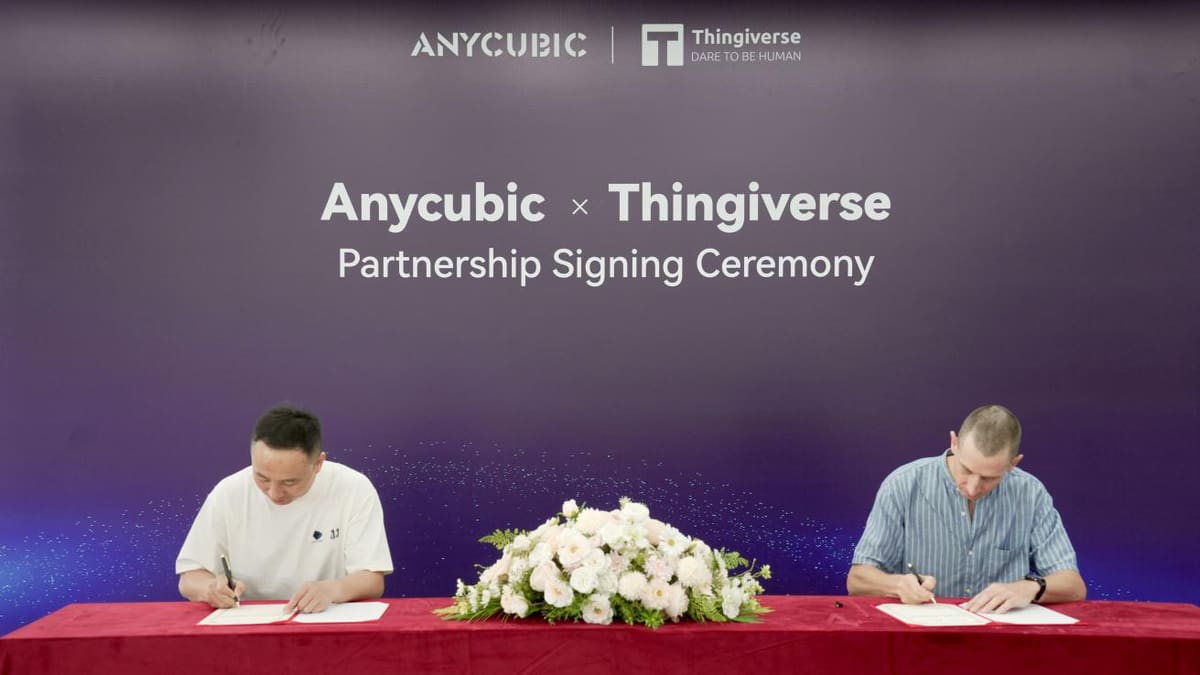
Thingiverse's model library of some 2-million models will be integrated with Anycubic's products in the future, starting with a bridge to Anycubic's MakerOnline repository. Part of the agreement will see select models from Thingiverse converted from STL to 3MF, shortening print setup time.
Thingiverse' relaunch towards open source hardware and the rejection of AI, and Anycubic being, well, largely not that suggest its more a move born from pragmatism than the ideology presented. In any case, this new bridge will directly expose models to potential printerers, which can't be a bad thing.
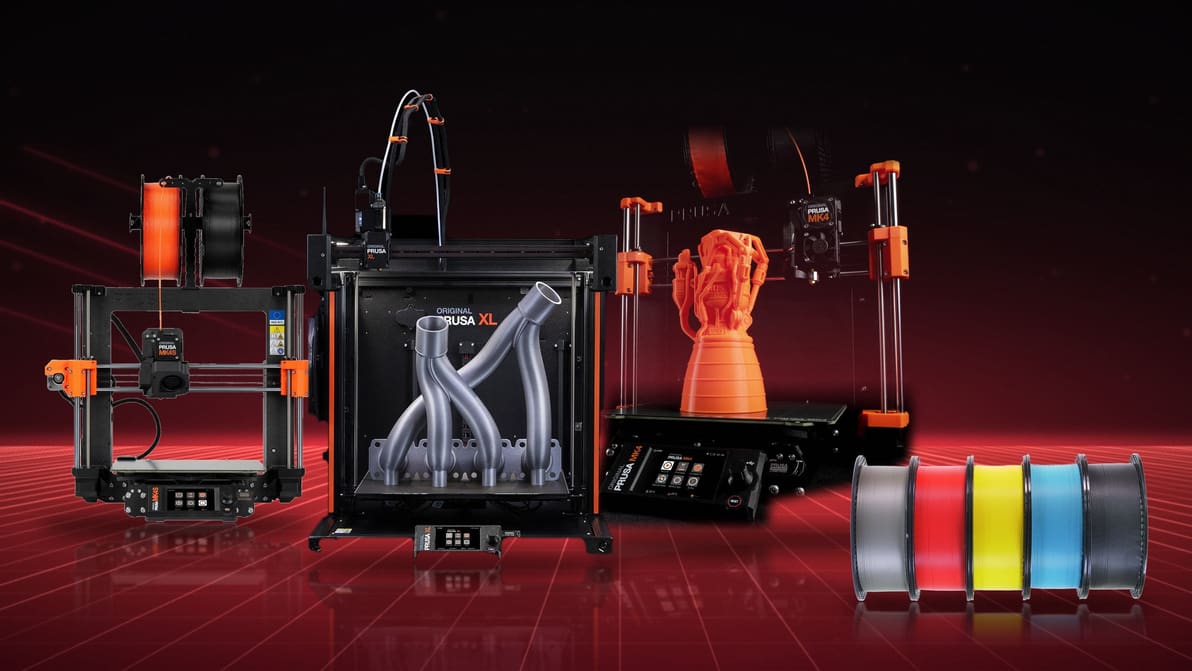
Free accessories, extra filament, and extended warranties sweeten the deal on Prusa's 3D printers, though outright price cuts are mostly reserved for materials and accessories.

Company releases video teaser showing nine-tool printer, revealing the name and a date we can expect to see more.

Released as a ~$20 upgrade, the OpenPrintTag NFC Upgrade sits between the spool and printer, reading tag's information, triggering automations, as well as writing material usage updates to the spool directly. And like the name suggests, it's open – it works with all your spools, Prusament or not.
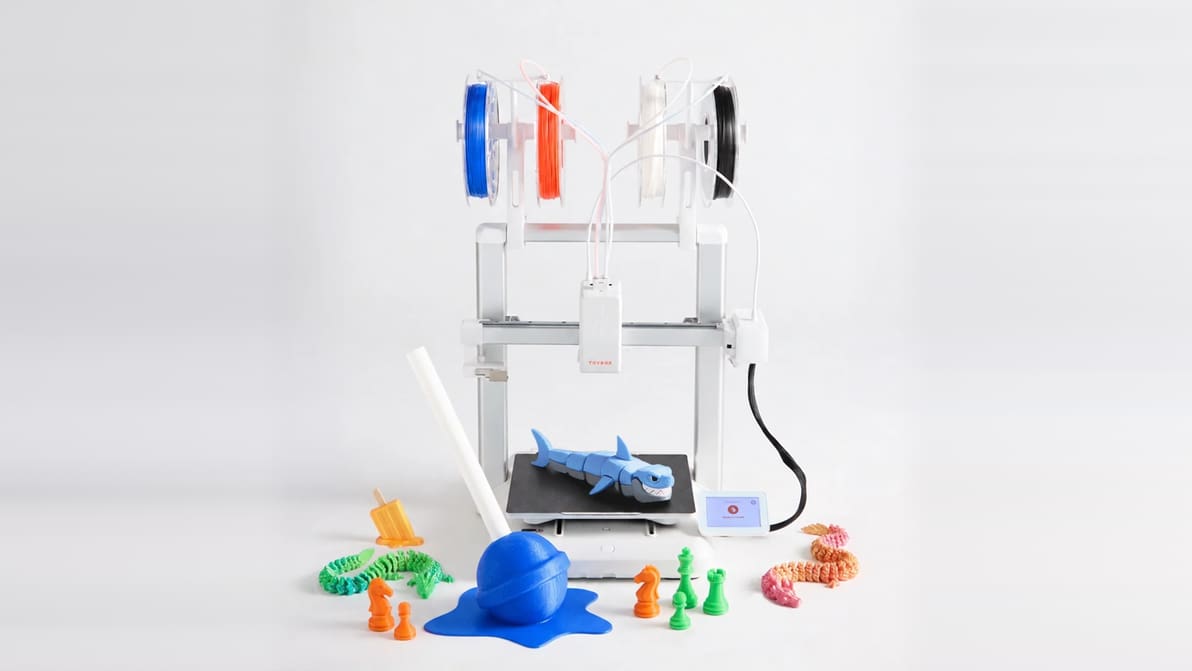
Toybox's new flagship prints in up to four colors straight from a kid-friendly app and website. Aimed at families and schools, it comes with parental controls and a moderated model library.
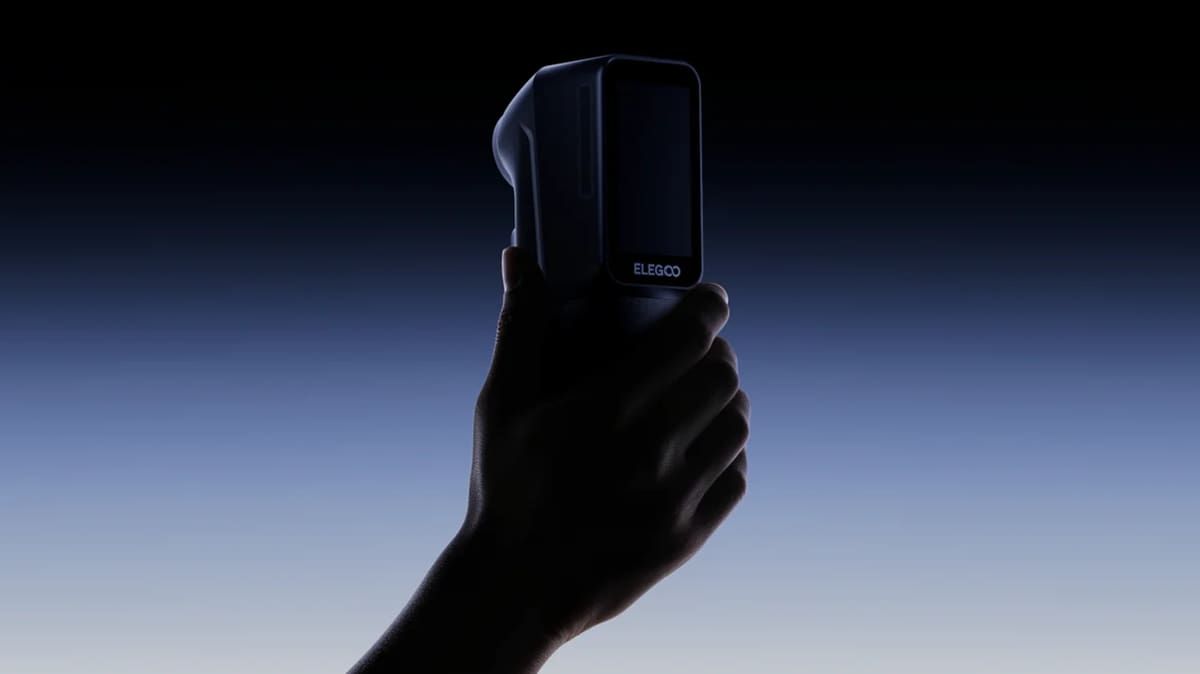
A teaser for the new device, called the M1 Ultra, appeared today. Details are thin, but so far we know it's a compact, handheld form with touchscreen operation and can process scans locally. Beyond this, the object volume range is 5 to 4,000 mm³, putting it in that versatile mixed-range space alongside scanners like the Revopoint Miraco, and that it can capture color data, too. The release will put Elegoo in company with Creality and, also soon, Bambu Lab as 3D printing manufacturers with complementary scanning tech.
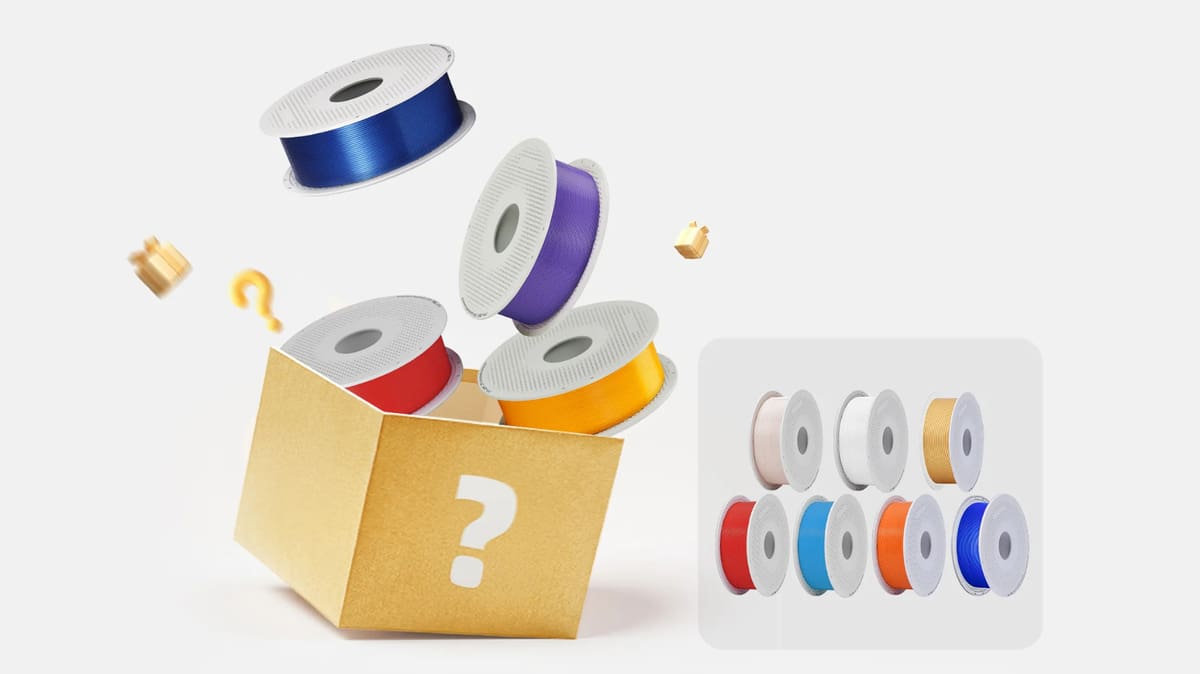
Starting today through October 27, you can sign up for updates and coupons for up to an additional $30 off during the main sale (Oct. 27 - Dec. 1). Right now, mystery filament bundles have our attention, with themed packs offering a 99% chance of 4x spools, and a 1% chance of 7x spools. With a PETG Mystery bundle going for $38.99, that splits out at, worst case, $9.75 per spool or, best case, $5.57 per spool.
The animation studio behind Coraline and the upcoming Wildwood is set to integrate Prague-based Additive Appearance’s PrismSlicer into its workflow for future projects, following years of joint research. Until now, getting a 3D printed face to look right has meant iterating in physical prints on its Stratasys PolyJet machines. By previewing color, translucency and surface finish under studio lighting, PrismSlicer is projected to cut print iterations and speed up feedback, letting Laika's artists settle creative calls before hitting print.
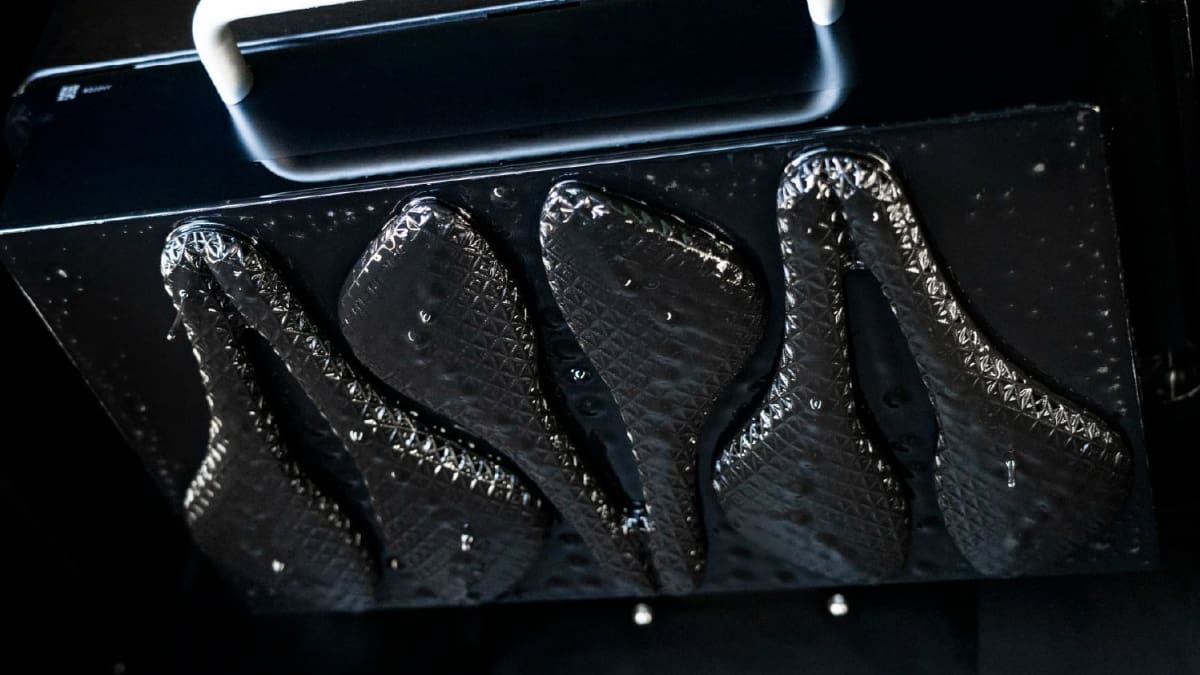
It’s a milestone spread across 11 brands and more than 60 models, all swapping foam padding for printed lattices – including the custom fizik Argo Adaptive Tadej Pogačar raced at this year’s Tour de France, and Selle Italia’s new Unica, two unique saddles that offer cushioning, support and performance tuned to the rider. Carbon CEO Phil DeSimone explains: “Brands do not need more examples of what additive manufacturing might be capable of one day – they need evidence that it can deliver today. One million saddles is one very visible example of this.”
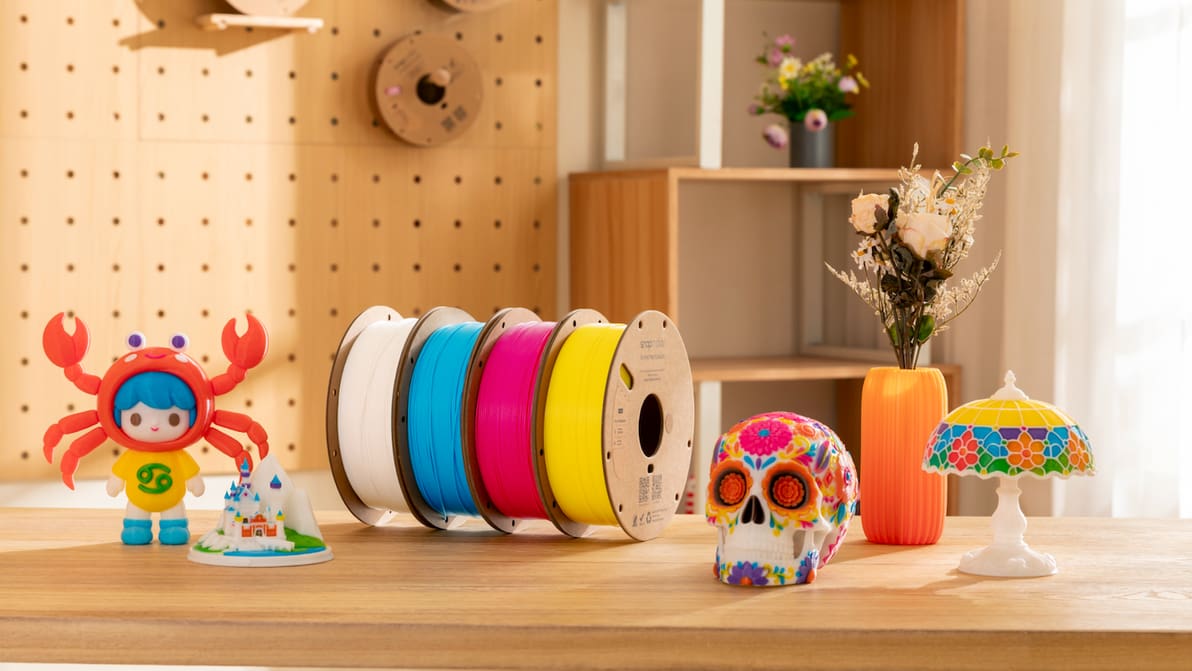
With reformulated cyan, magenta, and yellow PLA alongside it, the new white spool promises pastels, pure-white details, and more vivid mixes from four spools.
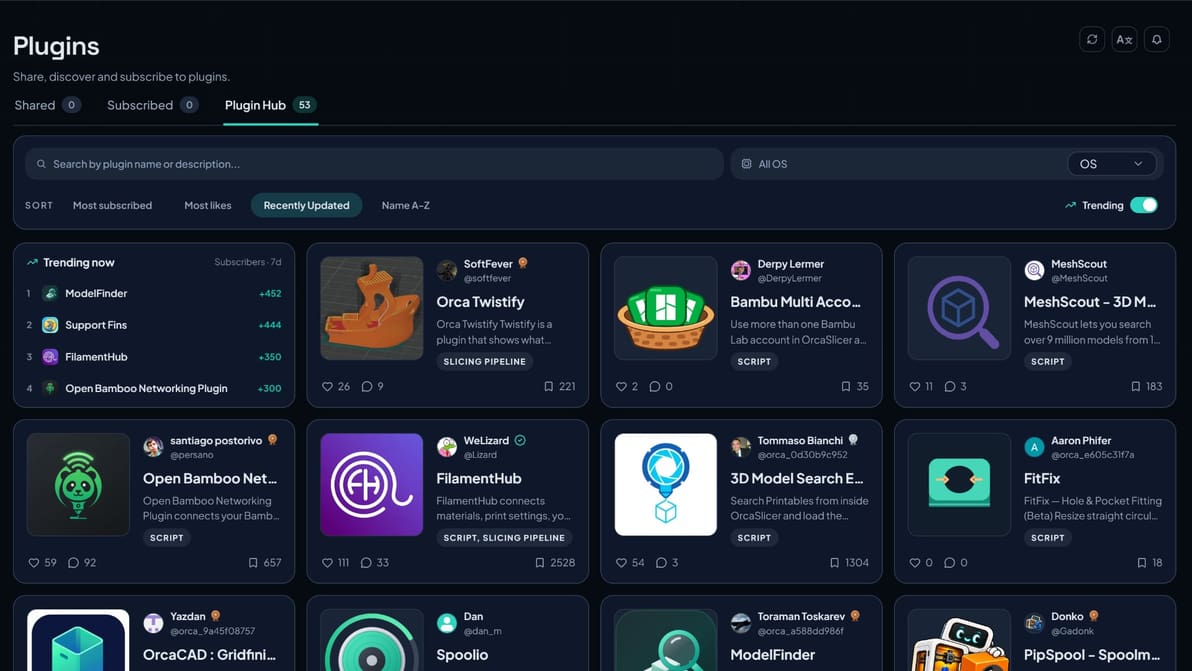
The OrcaSlicer devs have been busy. Native belt printing, parallel printing for IDEX and IQEX machines, and support for Bambu Lab’s H2C and A2L are just a few of the big changes in motion and testing in the OrcaSlicer 2.5 Alpha release.
It takes the majority of the conveniences of the company's pricier pro resin printers and packages it all into a $699 price tag. If anyone were on the fence about dipping their toes into the gloopy world of resin 3D printing, it's a pretty compelling place to start. (But seriously, don't dip your toes in resin. Figuratively, yes. Literally, no.)
This new machine hitting the market has me curious about where you all land on resin printing. Do you own and operate a resin 3D printer?
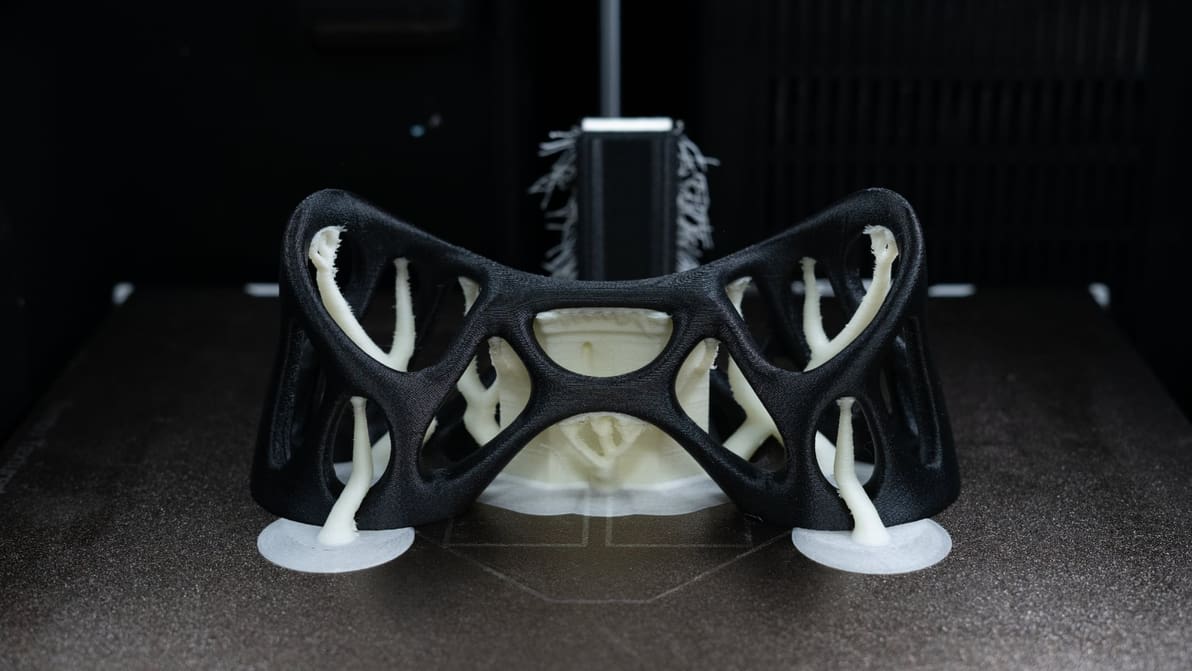
Support PET Ivory and Support PPA Ivory come as 1 kg spools and are designed for supporting engineering filaments on multi-material printers. Both are available through Amazon, rather than Siraya Tech’s own store.
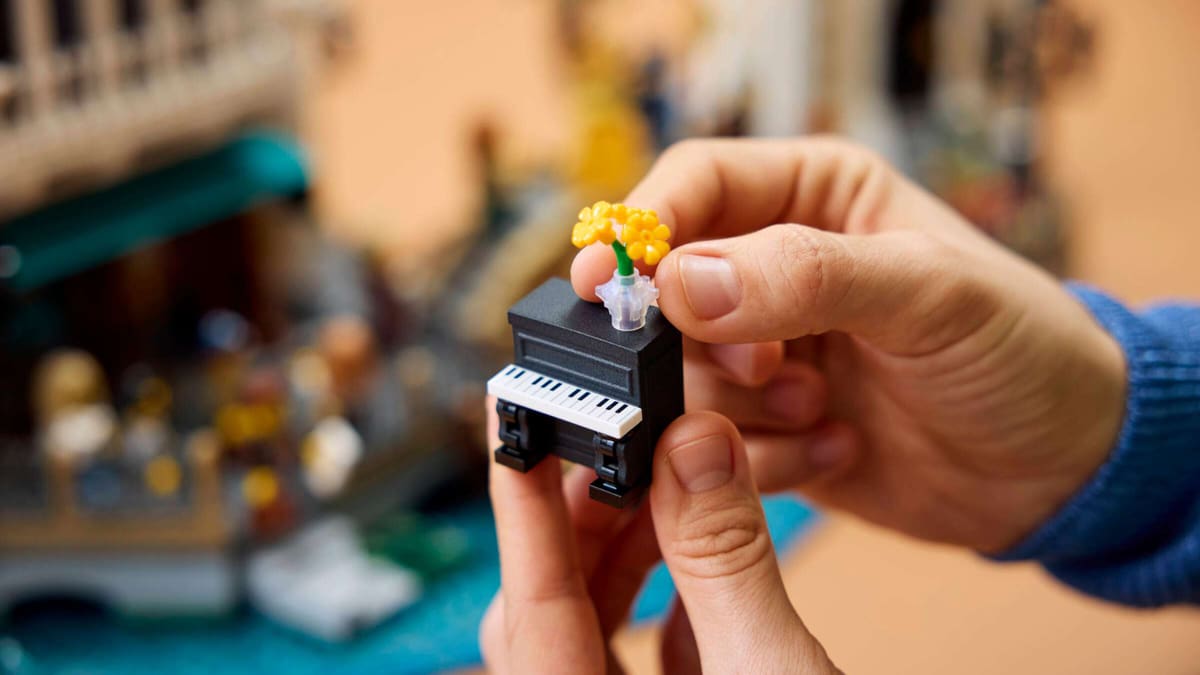
It's a piano – a playable 3D printed piece (twist a flower on top and it'll plink out a few notes) that's part of the upcoming Venetian Neighborhood set. A 5,682-piece addition to the Icons series, the set launches Nov. 4. If you can't wait that long, the company's first mass 3D printed piece, a toy train, is still available in the Holiday Express set. Company execs have previously detailed how they use selective laser sintering and EOS hardware to achieve the intricate pieces – the piano better demonstrates how complex or novel functions from internal geometries can elevate things.
and it's been printing up a storm! Formlabs has just unveiled its new Form Studio 1, but we've already had our hands on it for weeks, and let's just say we've been having a lot of fun. In this video, All3DP senior editor Matt teases his full review of the new $699 resin printer, which feels remarkably like using one of Formlabs' professional machines costing thousands of dollars. Big-league resin printing without the big-league price tag?
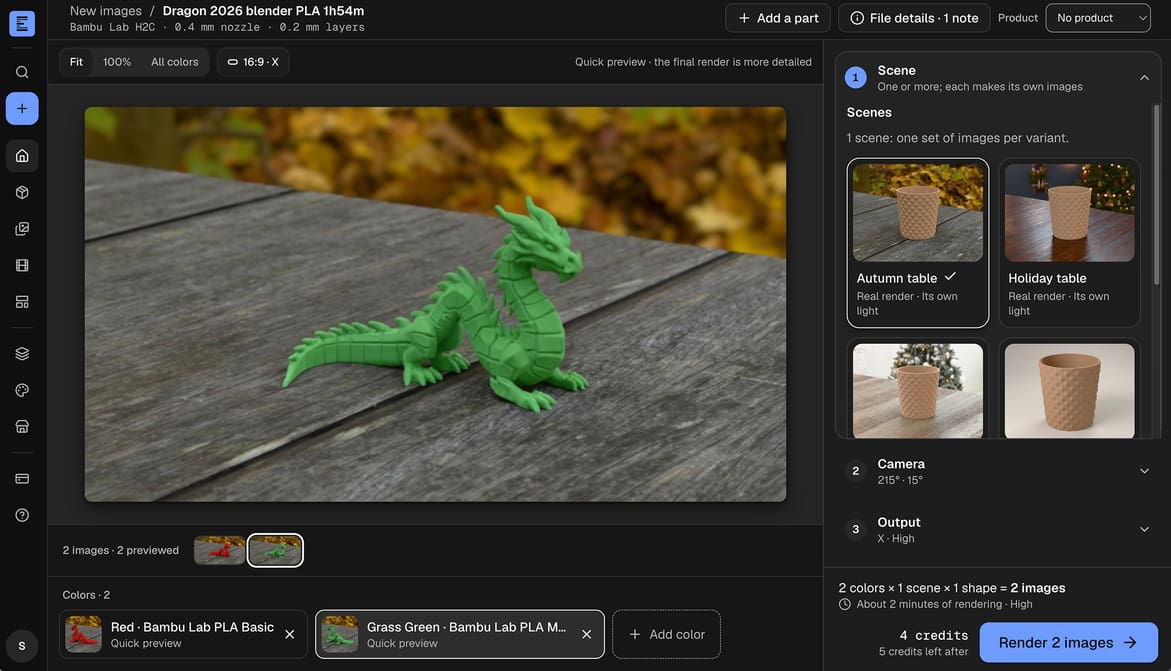
We tested this new app that renders photorealistic images of 3D prints without actually printing them. Handy for sellers, perhaps less so for those of us who want to see what we're really downloading.
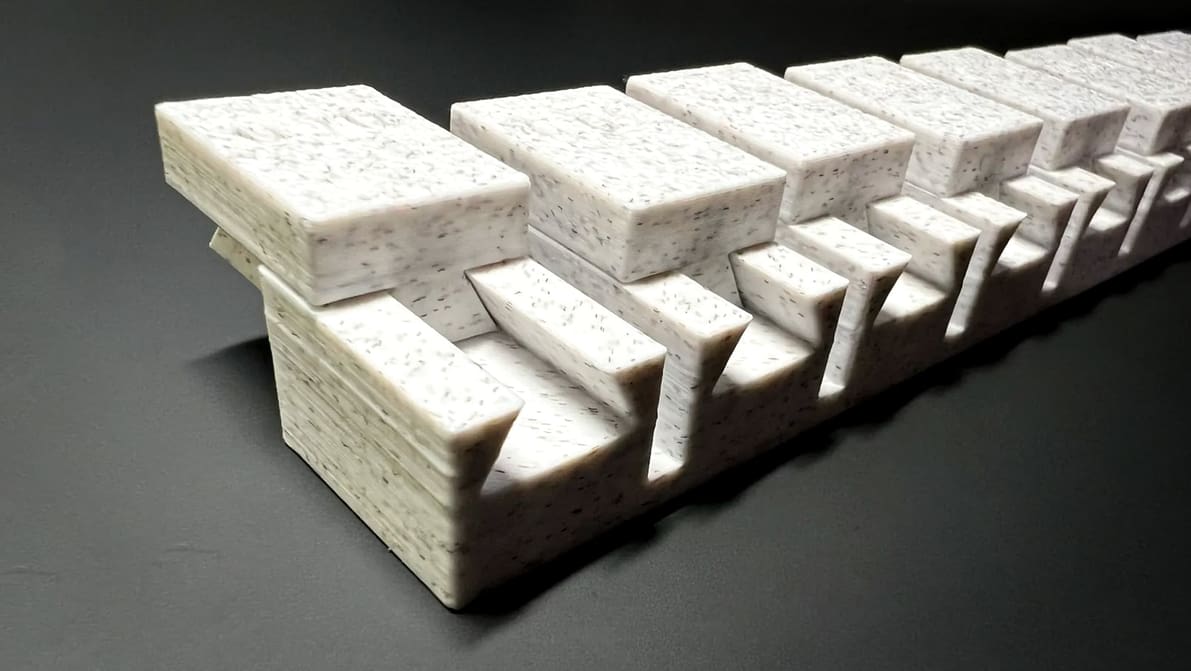
Testing three interlocking joint designs for PLA part strength, researchers find that the shape and size of a connection makes a big difference.
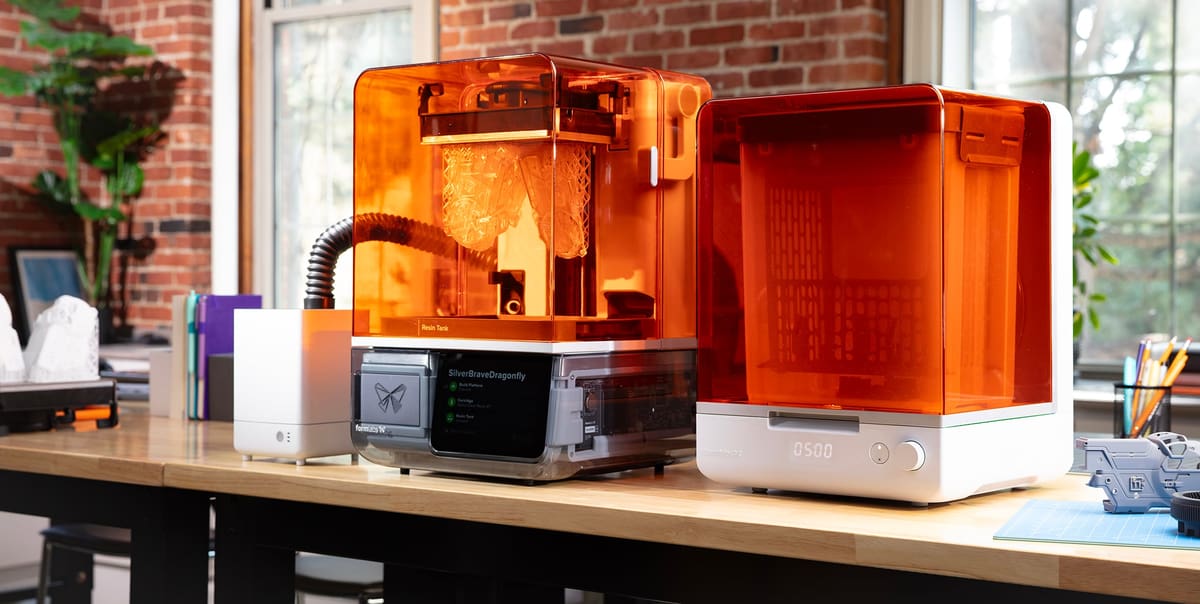
The professional 3D printing manufacturer is going after a new market with an affordable LCD printer, $29 resin, and a compact wash-and-cure station.
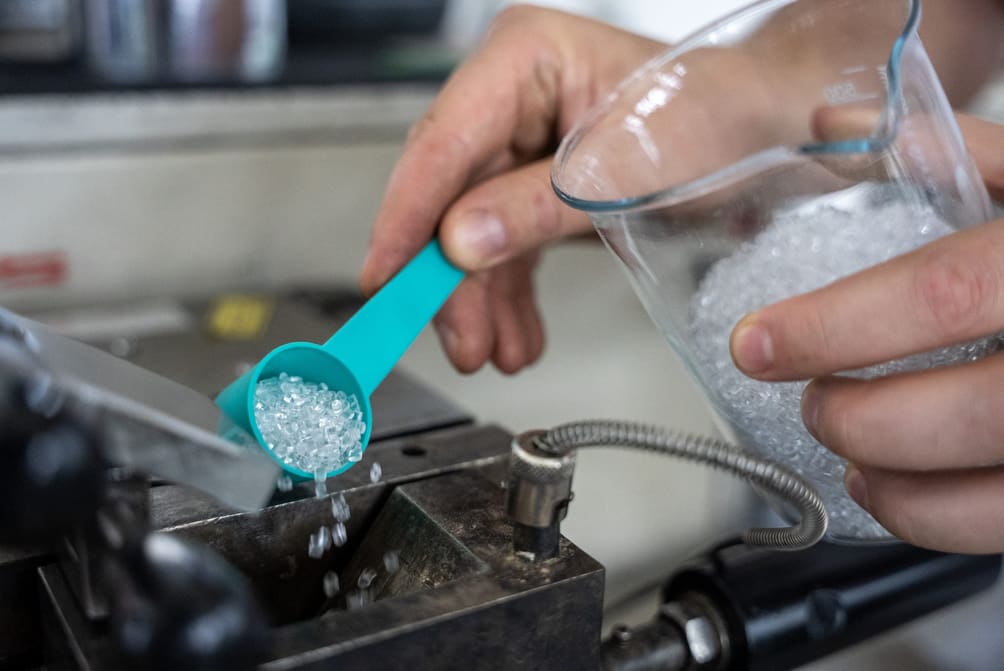
The company is offering the raw polymer pellets used to make its popular filament, opening up new possibilities for large-format printing and DIY filament experiments.
Some 66 projects community-built products and projects made it into Snapmaker's first consideration round for funding, with 20 selected for cash rewards.