INDX Founders Edition units shipped with "hardened" steel nozzles that turned out to be... well, only kinda hardened – approx. 30 HRC on the Rockwell hardness scale compared to the 60 that's typical for heavy-duty abrasives-resistant printing. Basically, not up to the task of "zero fear of wear" as initially advertised.
After a wave of quiet product page edits and Bondtech and Prusa community discontent, Bondtech fessed up, admitting to bungling the messaging. It has promised to do better on that front, and is currently putting together a plan for redress for affected early adopters.
The 3D model marketplace has put out a report (PDF) charting the growth of its userbase and platform over the last year, and it shows demand for 3D printable models outpaced that for general 3D (CG) models. A (small) portion of that boom was powered by AI generation – approximately 1 in 6 uploads – but the value of such models is muted, representing only approx. 1 in 90 dollars of revenue. Only 1 in 25 buyers of AI-created models to 3D print think they "work well" – 72% haven't touched an AI model at all.
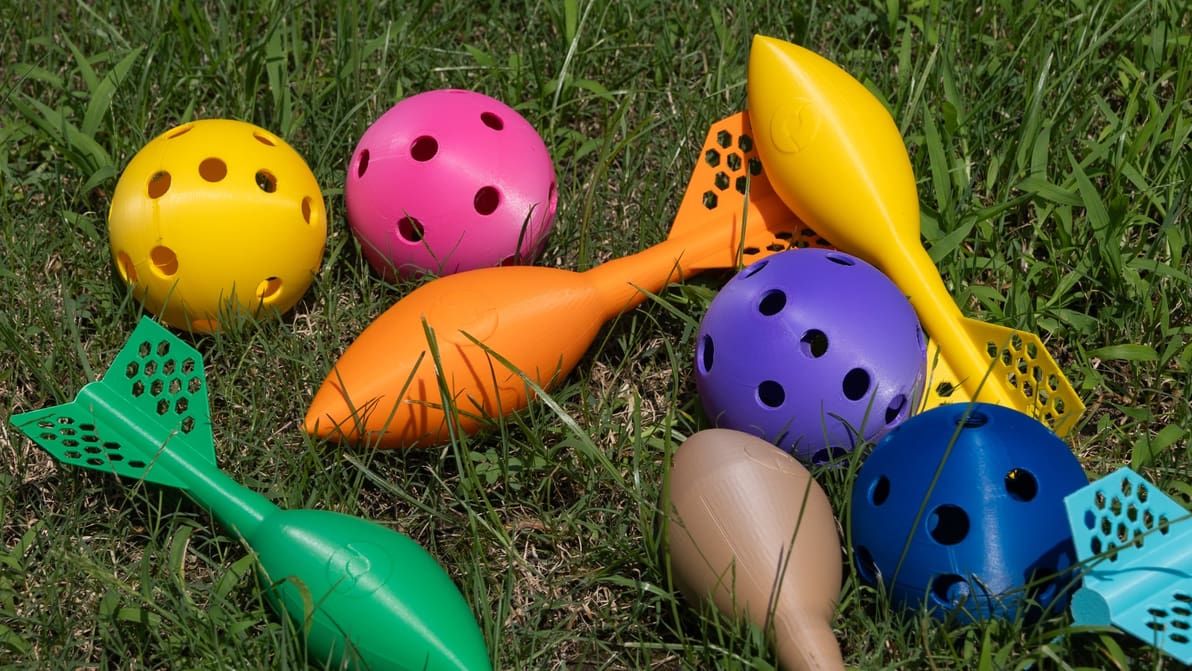
The new material boasts impressive fatigue, strength and temperature resistance, says Polymaker, with all of the easy printability of PLA.
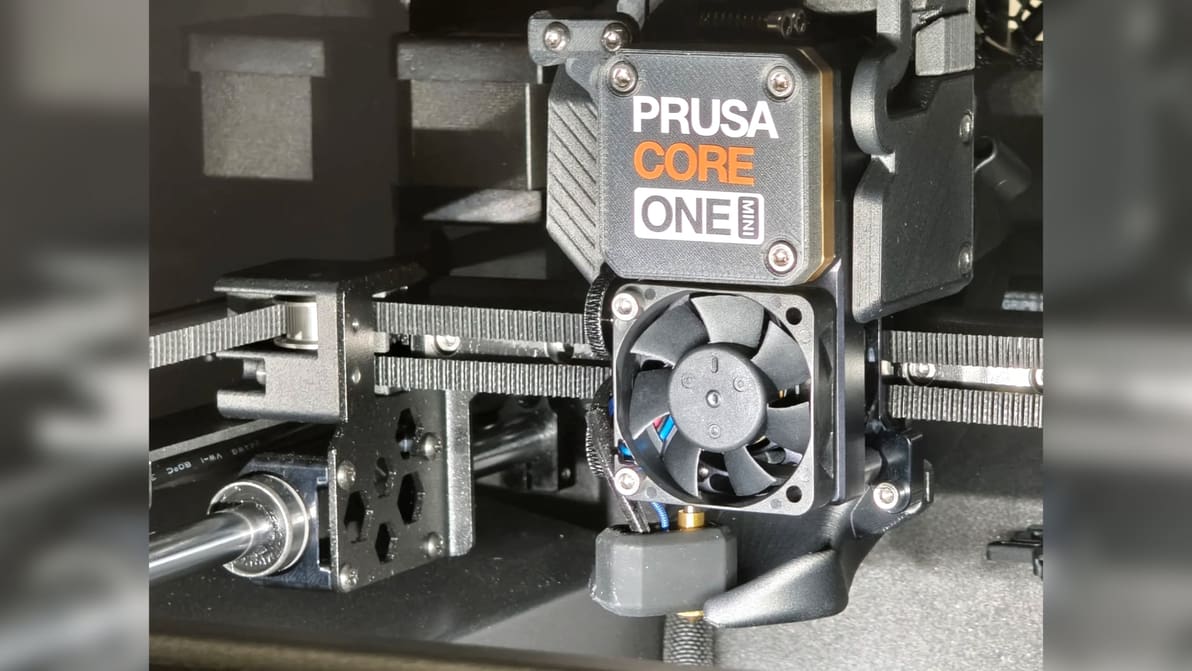
Normally an upgrade in the universe of Prusa means upcycling parts from your printer into a newer, more capable (or bigger) printer. An industrious maker has flipped this concept on its head and repurposed a Core One kit into an on-brand-looking Core One Mini. Why? To prove they could.
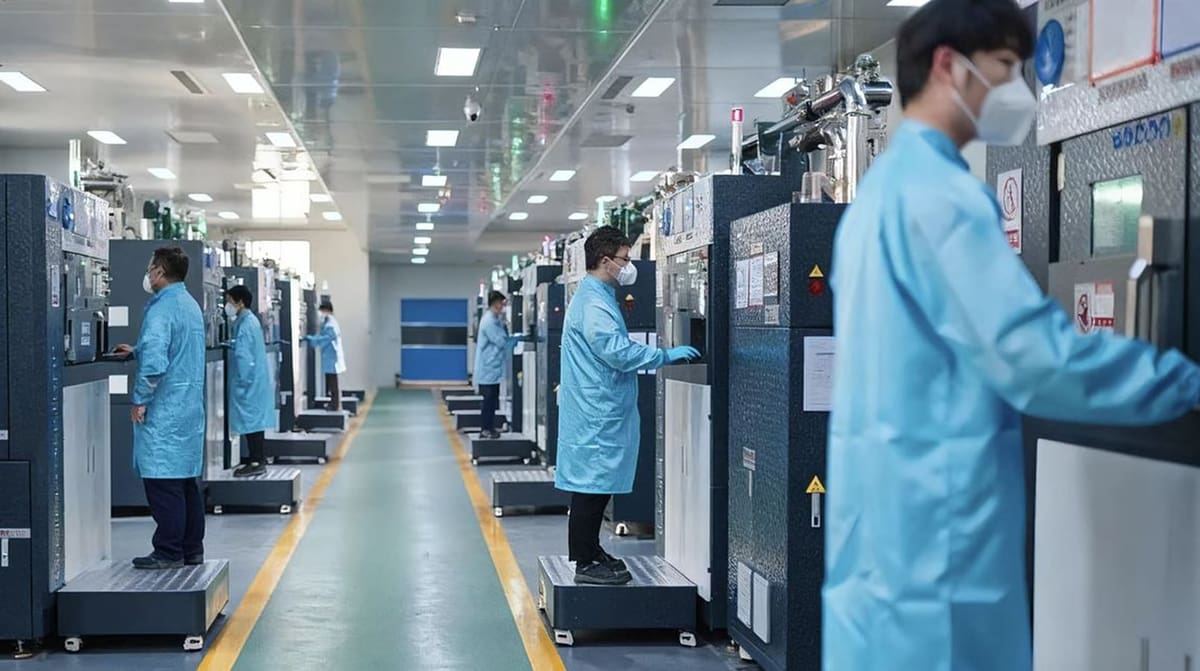
Chinese Academy of Sciences spinout is reportedly investing more than $14M in aerospace additive manufacturing, with plans to acquire over 100 large-format metal 3D printers.
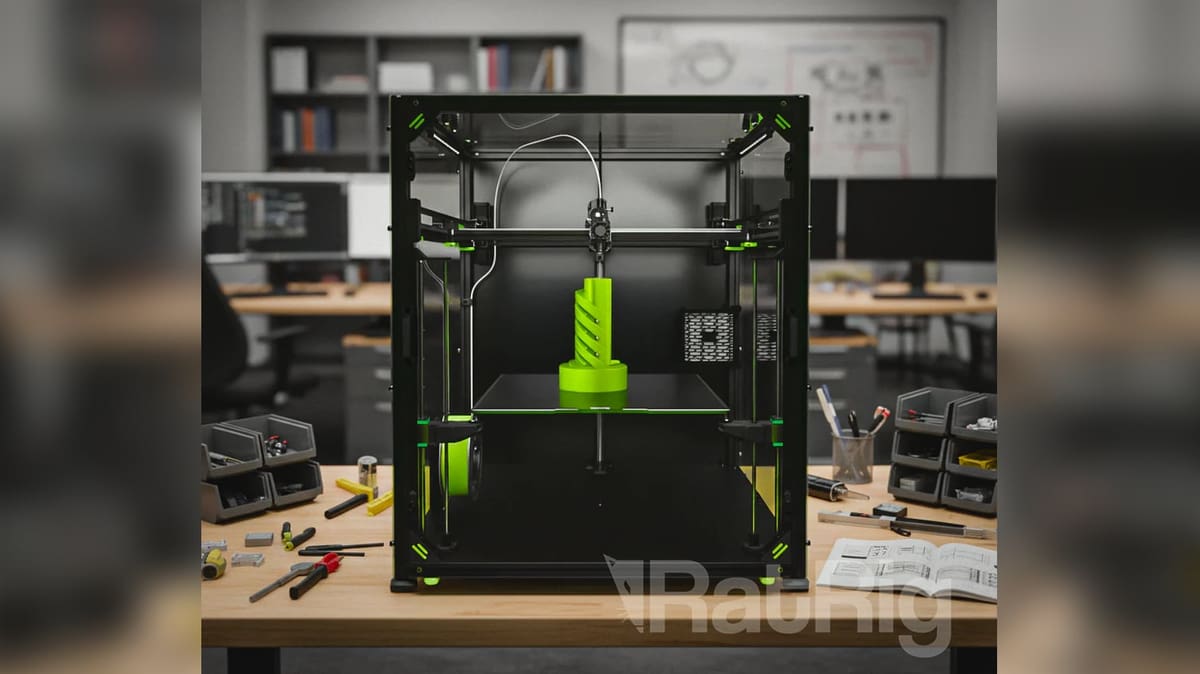
The company tells us the 500 (500 mm³ build volume) version of its open source, configurable 3D printer has long been the most popular size, and that production costs and keeping full inventory for the less popular 300 and 400 versions no longer made sense.
Right now, those models are up to 10% off on the RatRig webstore. Owners of 300 and 400 will continue to benefit from all warranties, support, and software compatibility, the company tells us, with spare parts remaining available for the foreseeable future.
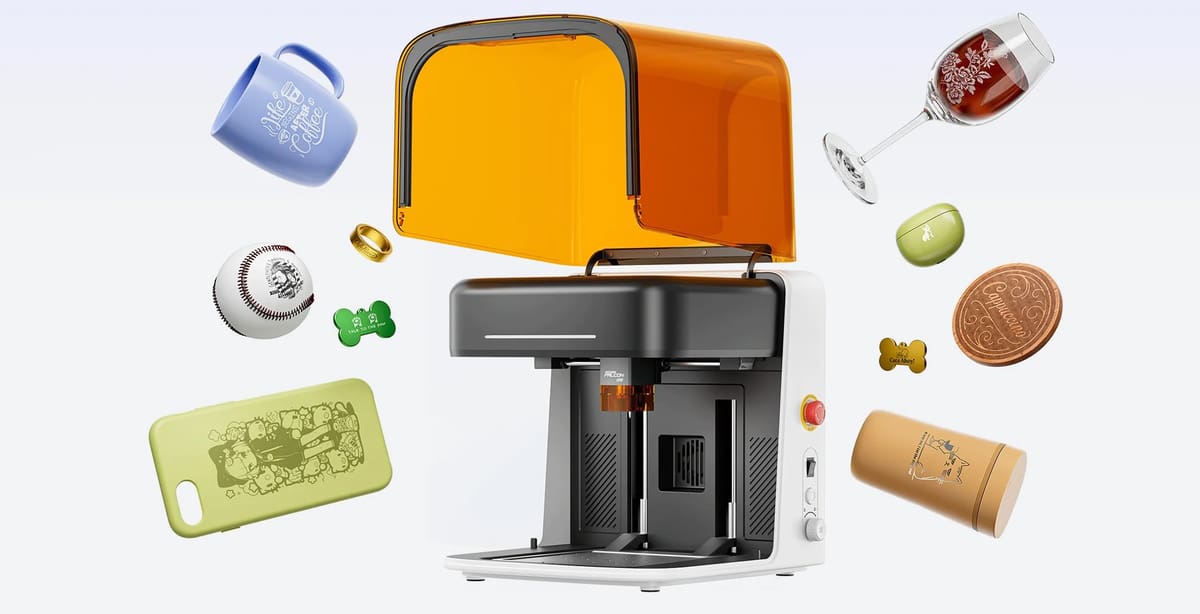
Creality just opened pre-orders for the Falcon A1C, a compact, fully enclosed laser engraver aimed squarely at first-time makers, and anyone who prefers their lasers without the supervillain goggles. The approachable machine starts at $199 and features automatic positioning, autofocus, a 150 × 150 mm work area, and tool-free 5W, 10W, or 1.2W infrared laser modules. AI-camera versions add material recognition, contour extraction, background removal, and smart layout tools. Claim 15% off with code LAUNCH10 through July 31 (U.S. & EU only).
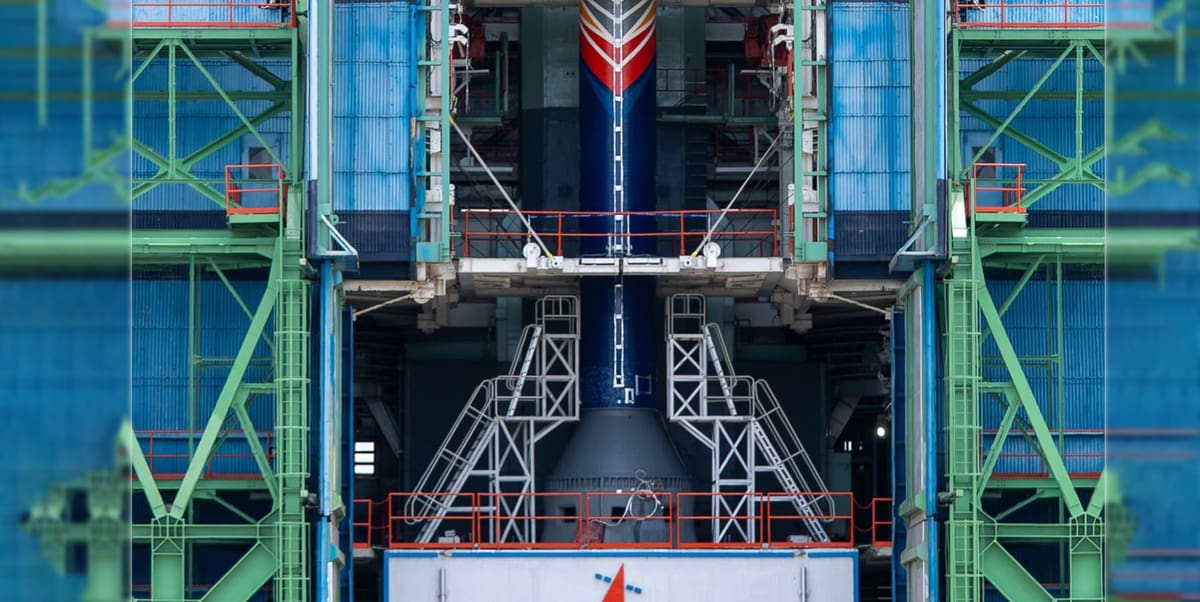
Vikram-1’s successful maiden flight takes Skyroot’s additively manufactured propulsion technology beyond the test stand, although the Indian startup has yet to reveal exactly how the engine is printed.
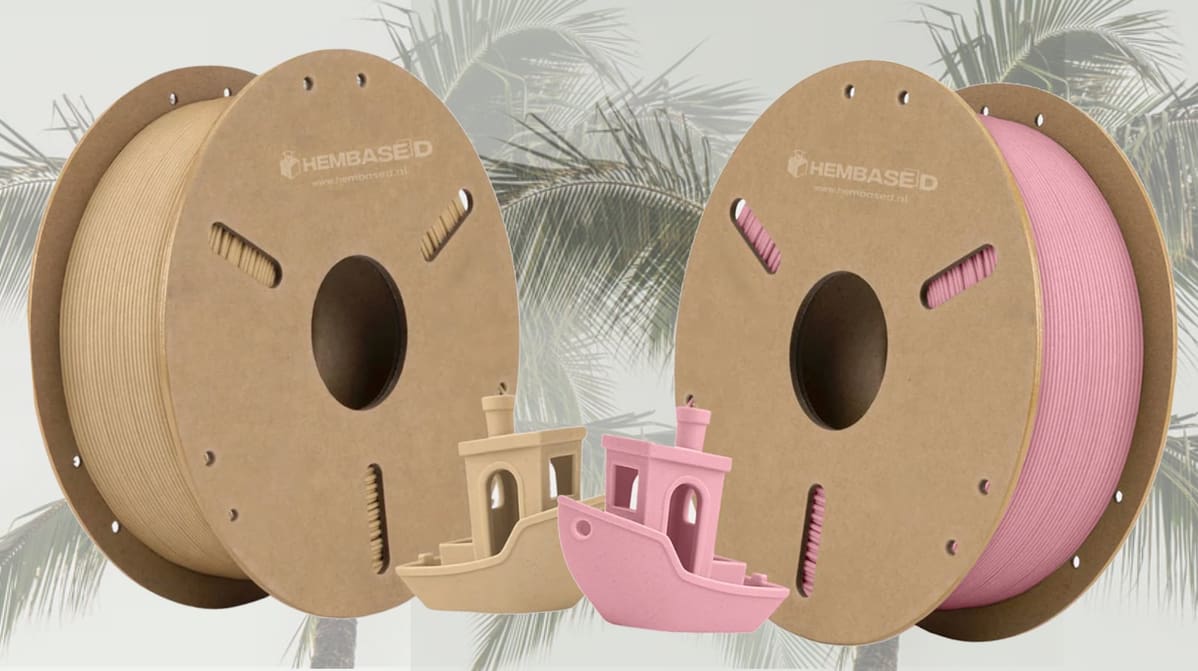
Hembased says its plant-based FDM material is designed to break down in open-air compost, yet scientific analysis and certification details remain unclear.
And won't ship for a few months still. This DIY alternative by Printables user cmh probably costs all of a few dollars, with zero 3D printing necessary. The project is hosted on Printables but the key file is a JPG image, not a 3D model. Scroll on through the project's gallery and you find a JPG with the dimensions and pattern for cutting a foldable bucket lid from a flat sheet of cardboard or corrugated plastic. Super smart. Credit to Hackaday for flagging.
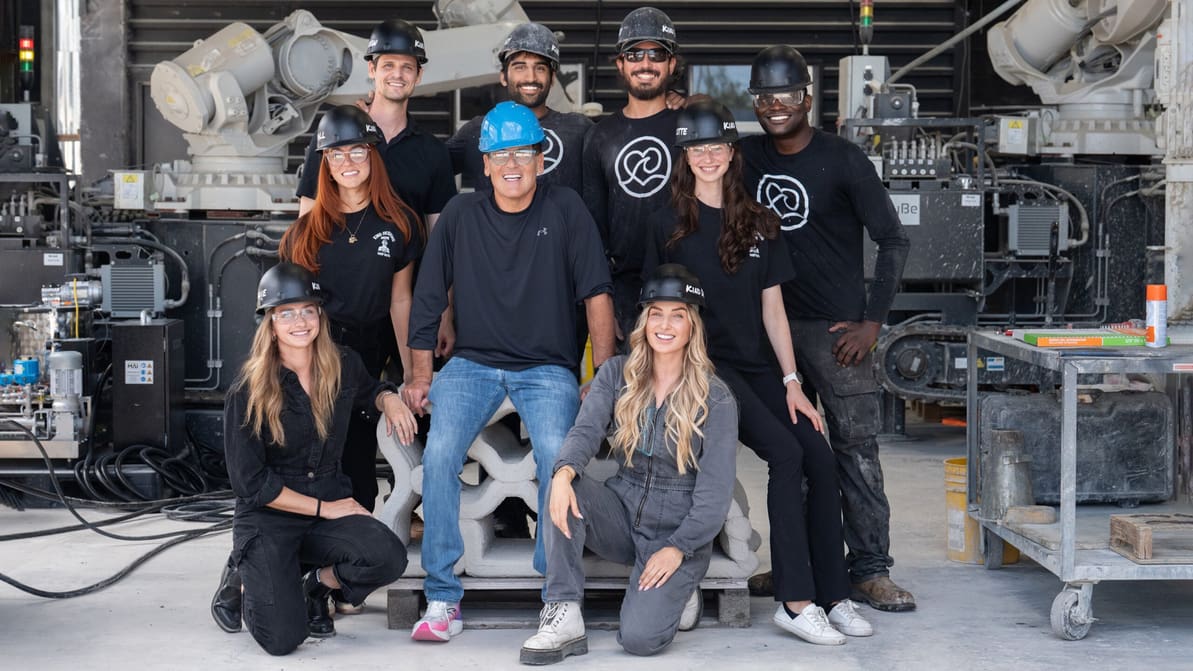
Investors are betting millions on Kind Designs, a startup using large-format concrete printing to turn ordinarily flat coastal barriers into customized infrastructure with habitat features and architectural appeal.
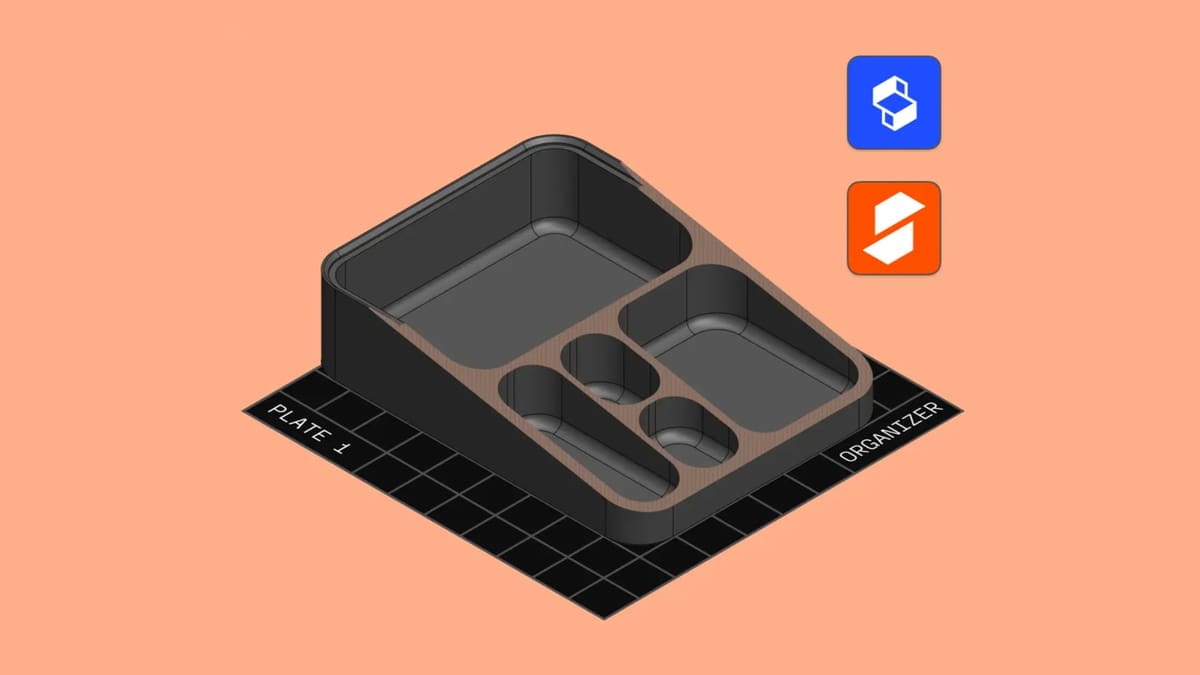
The tablet-centric design app (but also available on desktop,) Shapr3D now lets you export your 3D models directly to PrusaSlicer and EasyPrint, for an immediate design-to-print workflow. This is great news not just for owners of Prusa's 3D printers – EasyPrint is Prusa's cloud-based slicer, and it can send prints to many non-Prusa 3D printers via LAN, too. It offers all the essential controls needed to set up and send jobs to your printer, cutting full slicing software out of the picture.
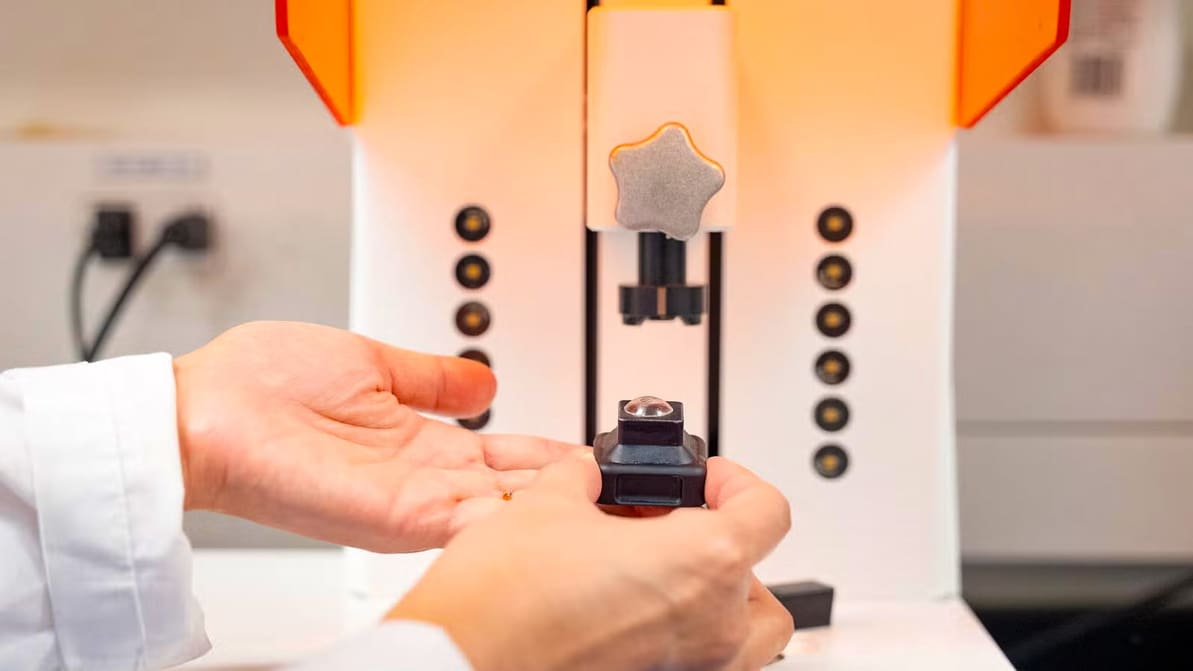
Researchers have developed an end-to-end digital manufacturing workflow that turns a patient's corneal scan into a customized contact lens with a post-processing technique that smooths printed optics without ever touching them.
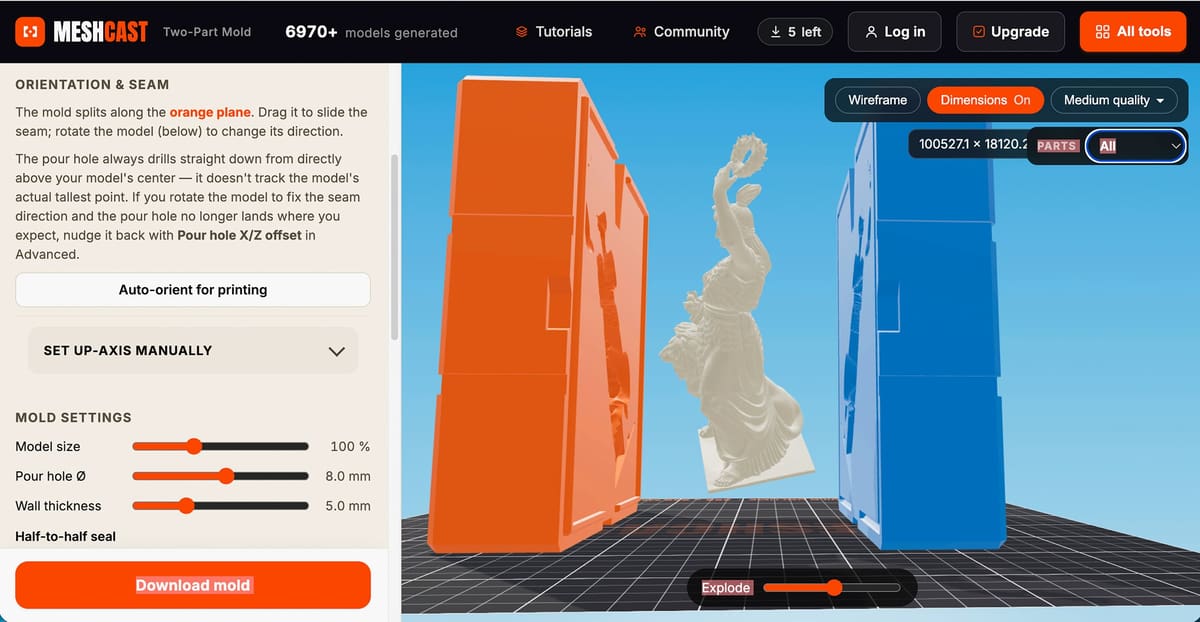
Daniel Haag turned us on to the browser tool Meshcast that he created to convert uploaded 3D models into printable molds for candles, soap, resin casting, and more in seconds. We gave it a spin with our decidedly complex Bavaria Statue STL, and, impressively, it produced a mold that appeared ready for soap-making duty. Bavaria soap is now within reach finally solving a problem nobody knew they had. Meshcast also does cookie cutters, stamps, and other printable odds and ends, but the mold generator is the main attraction. It's free for a few downloads, then there's a paid plan.
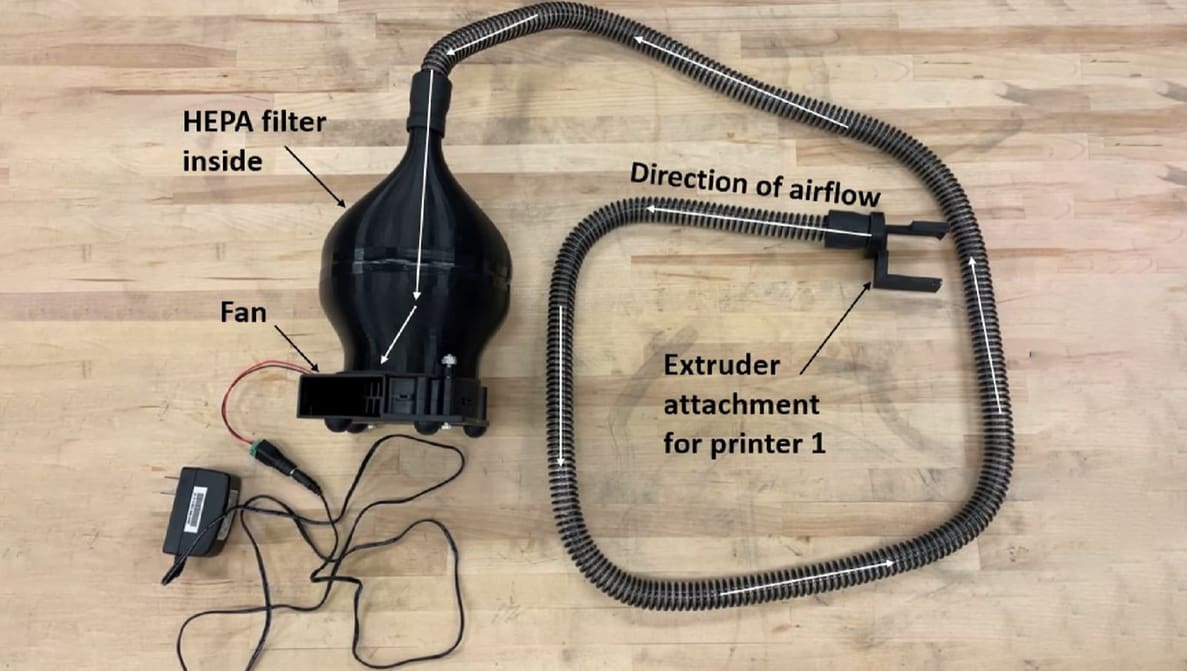
A new study suggests that well-designed nozzle extraction and fully ventilated enclosures can reduce particles released while printing ABS by 99%, but leaves users without a practical safety solution.
The quake has killed and injured thousands and displaced many more, triggering a massive humanitarian crisis. You can help through the IFRC and other verified aid organizations – and, for 48 hours, just by buying filament.
From July 13 to July 15 (8 AM UTC-4), for every sale of Bambu Lab Basic PLA Refills in Red, Yellow, and Blue – the colors of Venezuela's flag – in the U.S. and EU, Bambu Lab will donate an amount equal to each qualifying spool's MSRP to UN Crisis Relief. Use the code "4Venezuela" at checkout to register the donation.
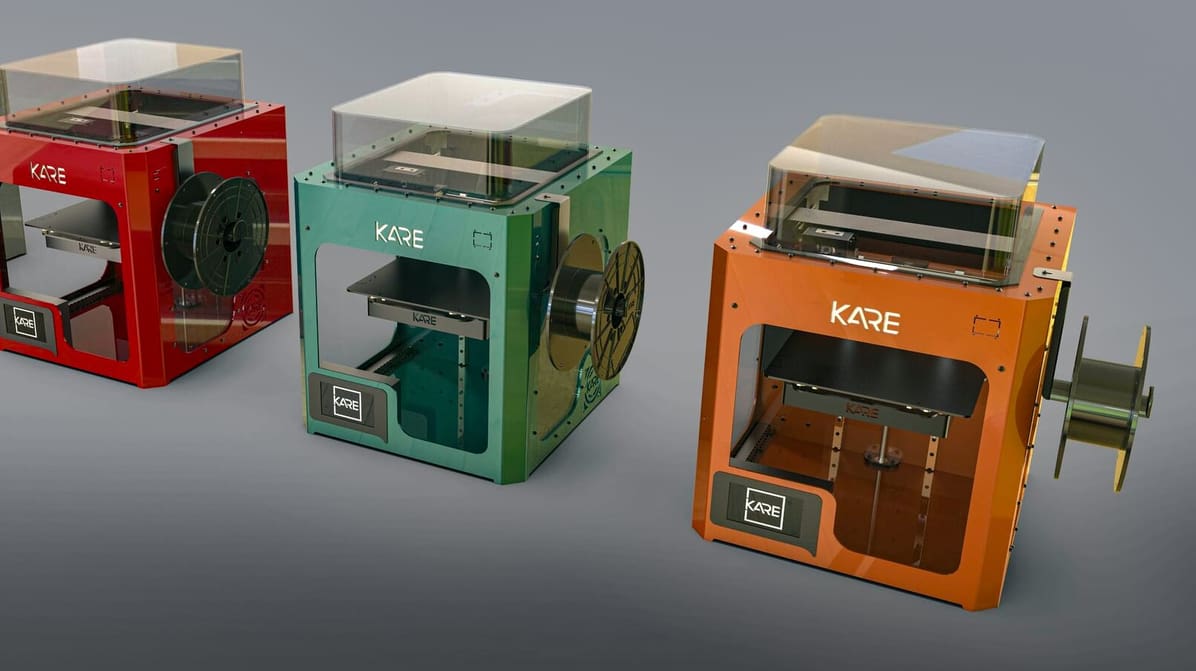
Startup Kare 3D just launched a Kickstarter campaign for a high-temp desktop 3D printer that it says can process almost any material.
No, that's not a euphemism. User manuals prescribe preventative maintenance schedules that, if we're being honest with ourselves, we don't always follow. Some printers will remind you to grease your rods, rails and screws, but even we're prone to occasionally hitting "remind me later."
Following the last weekend poll about confidence hitting "print" and walking away (itself an interesting three-way split between first-layer-only watchers, remote monitors, and hit "print" and don't look backs) we want to know how many of you maintain your machines to the manufacturer's schedule?
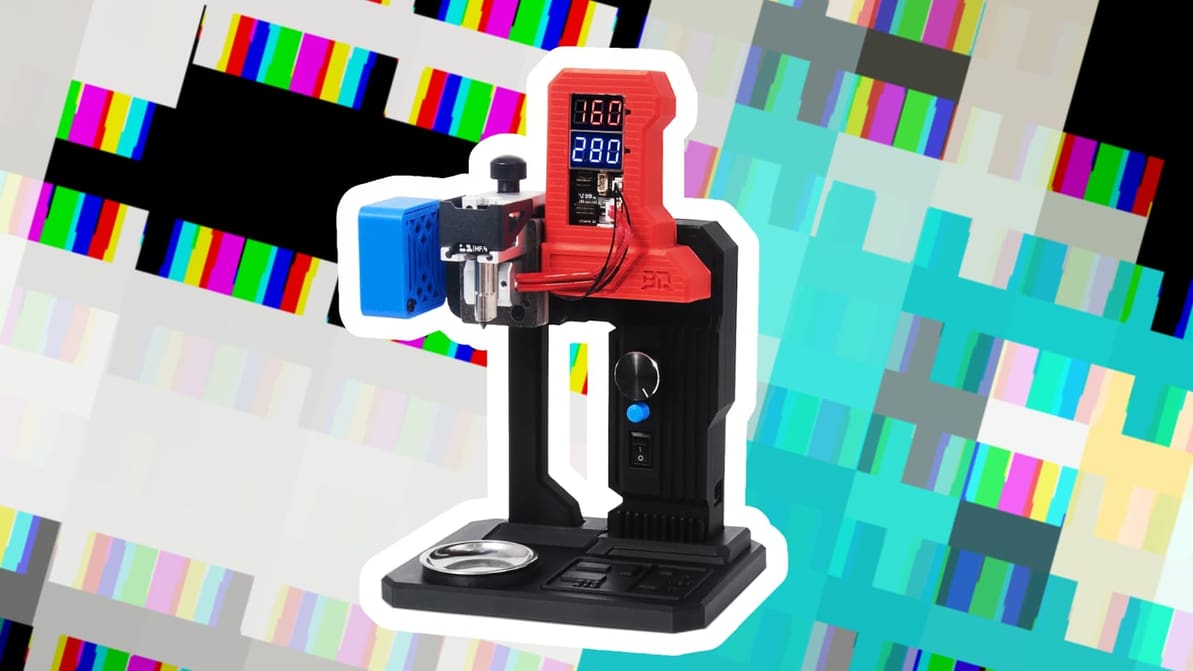
This new accessory lets you recover clogged Bambu Lab hotends without needing to use the printer, but it’s pricey: starting at $139.99.