3D Printing News
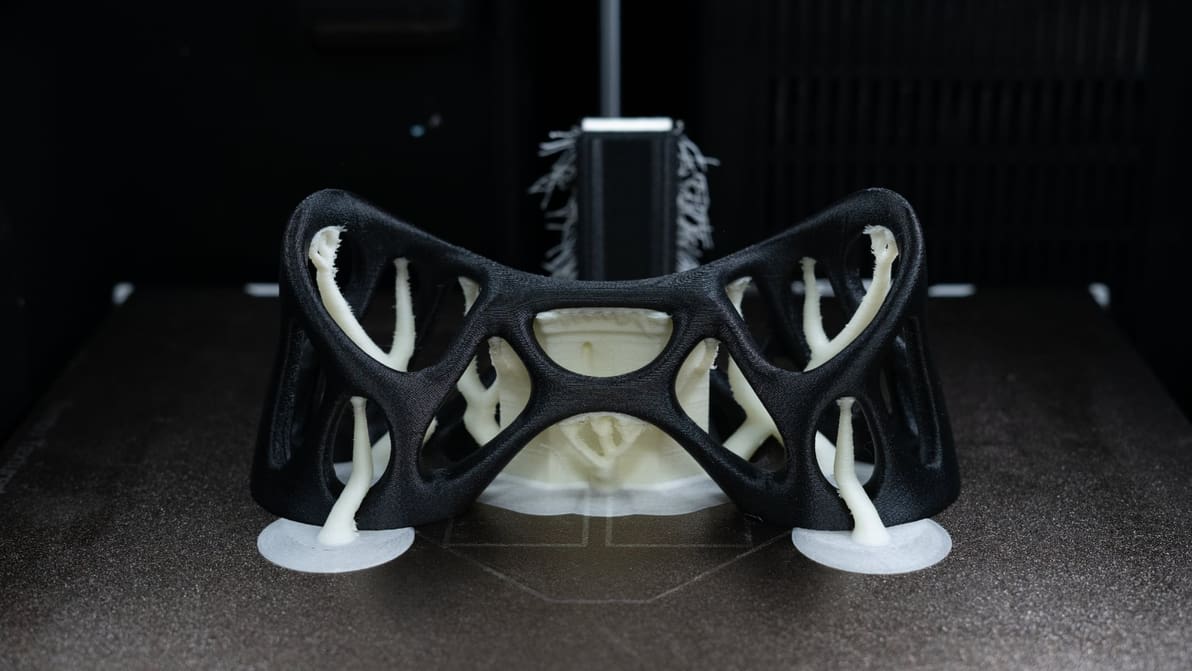
Support PET Ivory and Support PPA Ivory come as 1 kg spools and are designed for supporting engineering filaments on multi-material printers. Both are available through Amazon, rather than Siraya Tech’s own store.
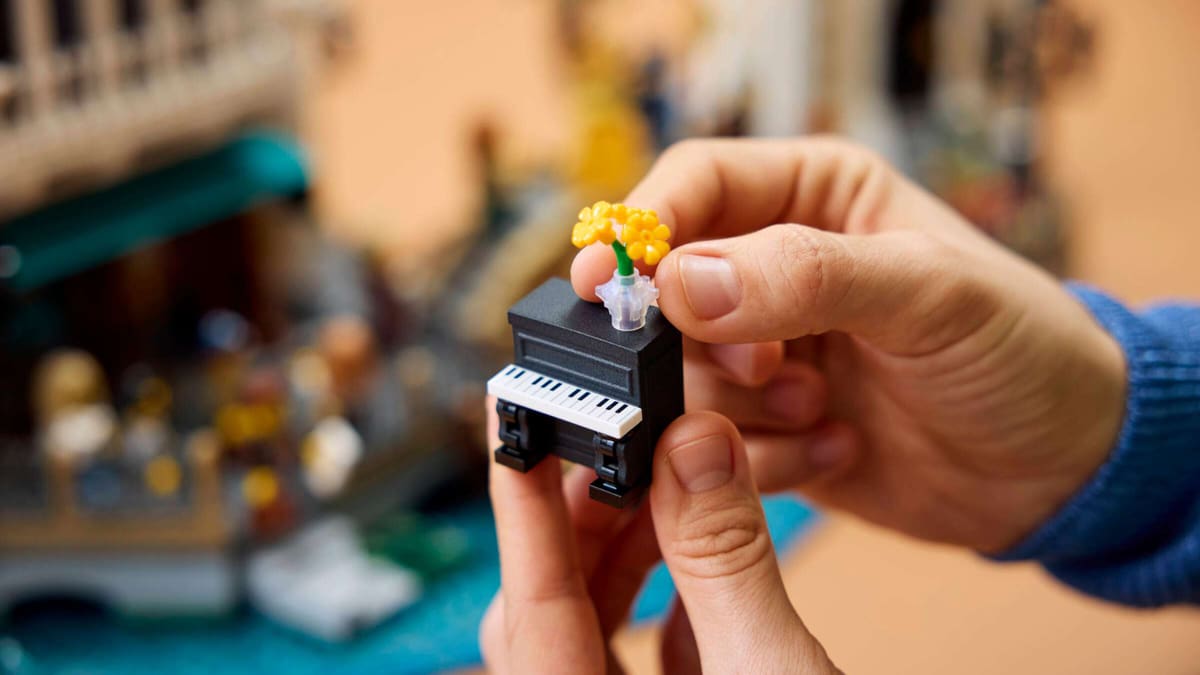
It's a piano – a playable 3D printed piece (twist a flower on top and it'll plink out a few notes) that's part of the upcoming Venetian Neighborhood set. A 5,682-piece addition to the Icons series, the set launches Nov. 4. If you can't wait that long, the company's first mass 3D printed piece, a toy train, is still available in the Holiday Express set. Company execs have previously detailed how they use selective laser sintering and EOS hardware to achieve the intricate pieces – the piano better demonstrates how complex or novel functions from internal geometries can elevate things.
and it's been printing up a storm! Formlabs has just unveiled its new Form Studio 1, but we've already had our hands on it for weeks, and let's just say we've been having a lot of fun. In this video, All3DP senior editor Matt teases his full review of the new $699 resin printer, which feels remarkably like using one of Formlabs' professional machines costing thousands of dollars. Big-league resin printing without the big-league price tag?
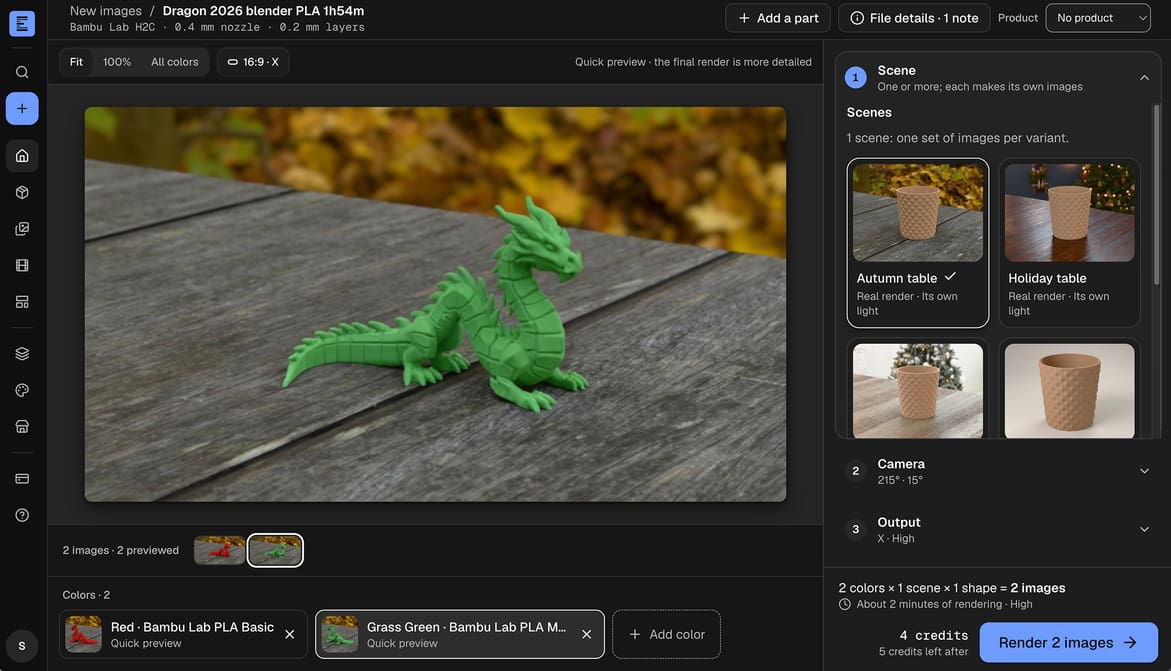
We tested this new app that renders photorealistic images of 3D prints without actually printing them. Handy for sellers, perhaps less so for those of us who want to see what we're really downloading.
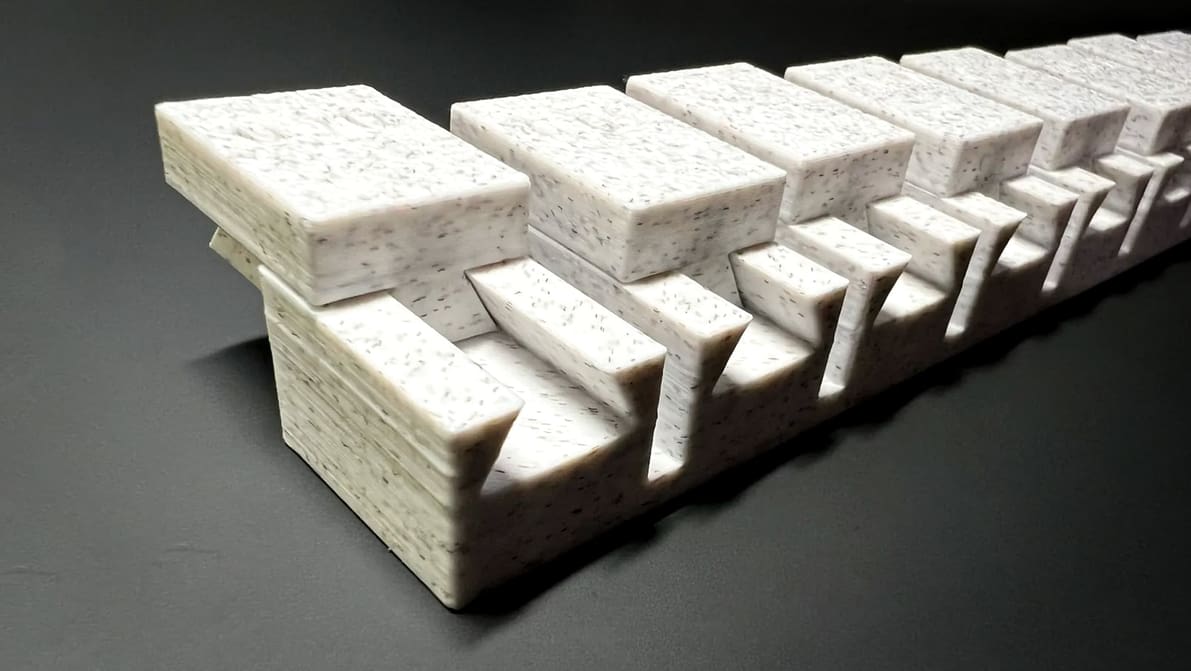
Testing three interlocking joint designs for PLA part strength, researchers find that the shape and size of a connection makes a big difference.
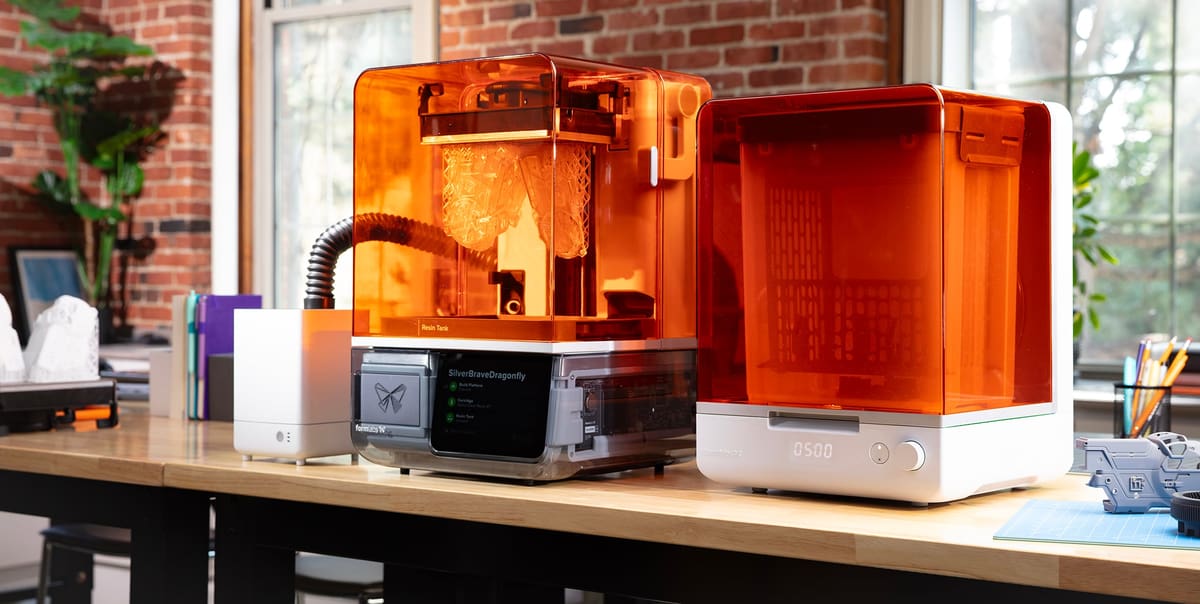
The professional 3D printing manufacturer is going after a new market with an affordable LCD printer, $29 resin, and a compact wash-and-cure station.
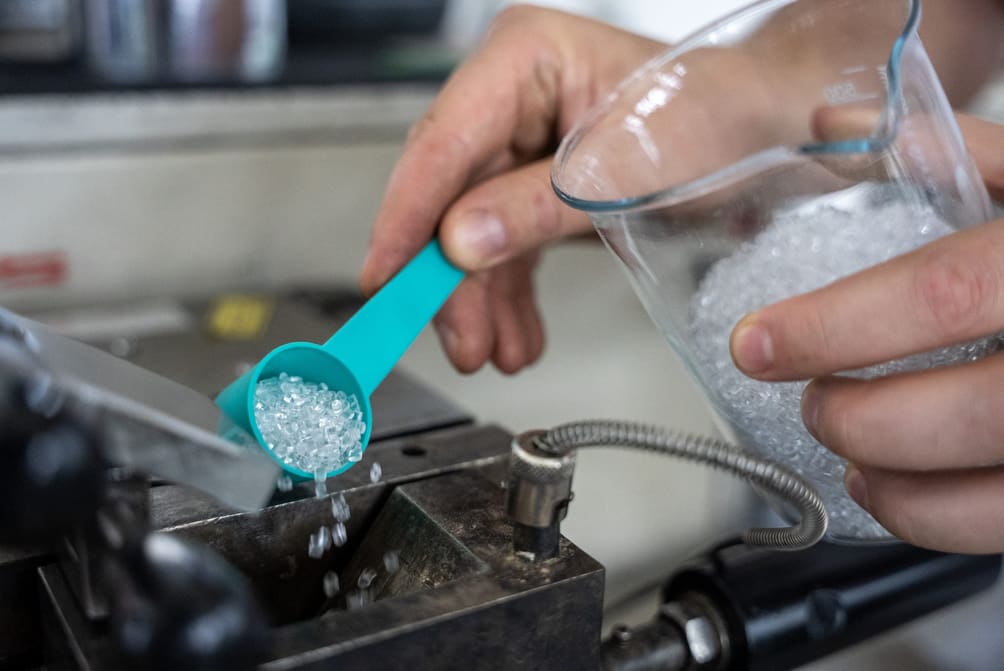
The company is offering the raw polymer pellets used to make its popular filament, opening up new possibilities for large-format printing and DIY filament experiments.

Some 66 projects community-built products and projects made it into Snapmaker's first consideration round for funding, with 20 selected for cash rewards.
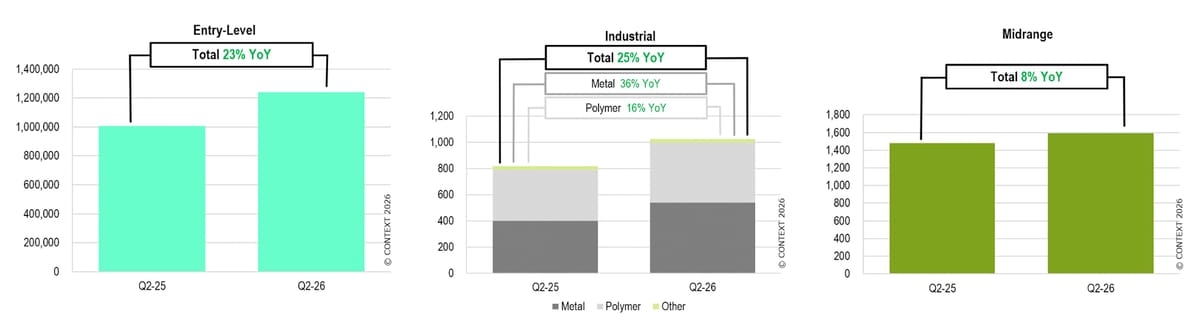
but the biggest winners are at opposite ends of the price spectrum. According to market research firm Context, overall global 3D printer revenues jumped 31% year-on-year in Q2 2026, driven by surging demand for affordable desktop printers (up 36%) and a recovery in high-end industrial machines (up 40%) fueled by aerospace and defense manufacturing. Mid-market machines are still getting squeezed, suggesting that increasingly capable budget machines are eating into demand for more expensive systems.
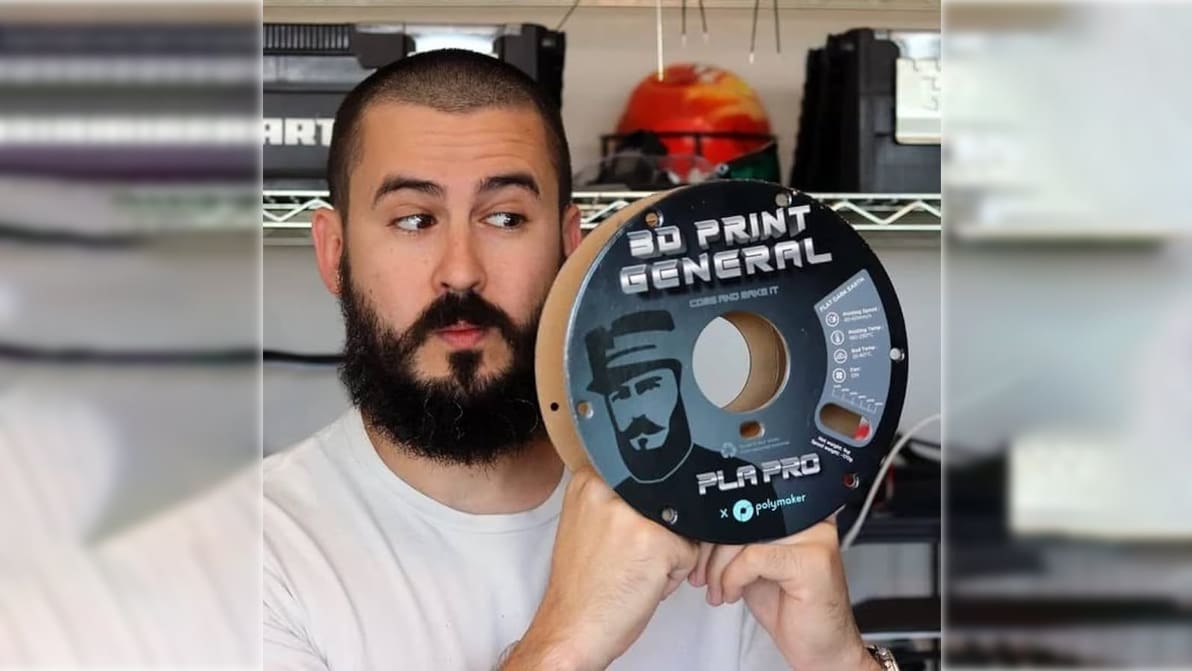
In one of the first tests of California's 2026 firearm law, San Diego County alleges Polymaker crossed the line into unlawful business practices by directly marketing its filament to DIY gun builders.

The 3D printing giant is entering the 3D scanning market. Could a simpler scan-to-print workflow be next?
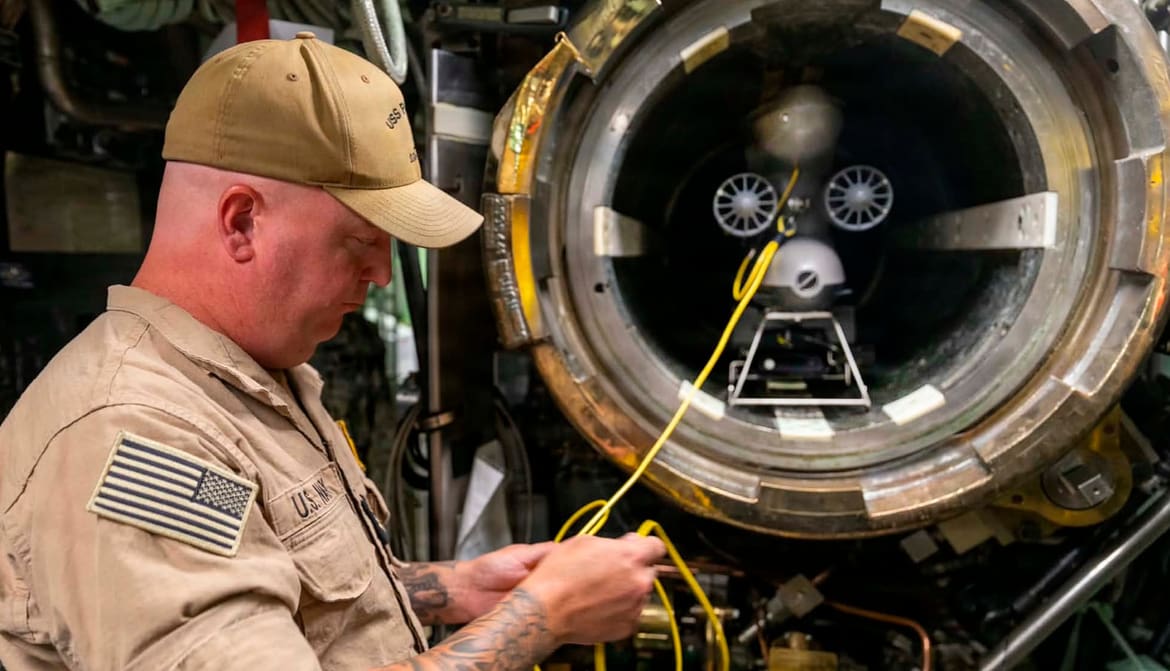
By 3D printing a custom waterproof housing for under $1,000, Navy engineers bypassed an expensive submarine retrofit to deploy a drone directly through a torpedo tube.
Was that by design? Possibly. These polls roll weekly, and I need to plan ahead and leave myself room to maneuver, you know. I asked what happened to your first 3D printer, but not whether your setup simply grew. So tell me: how many 3D printers are you rocking these days?
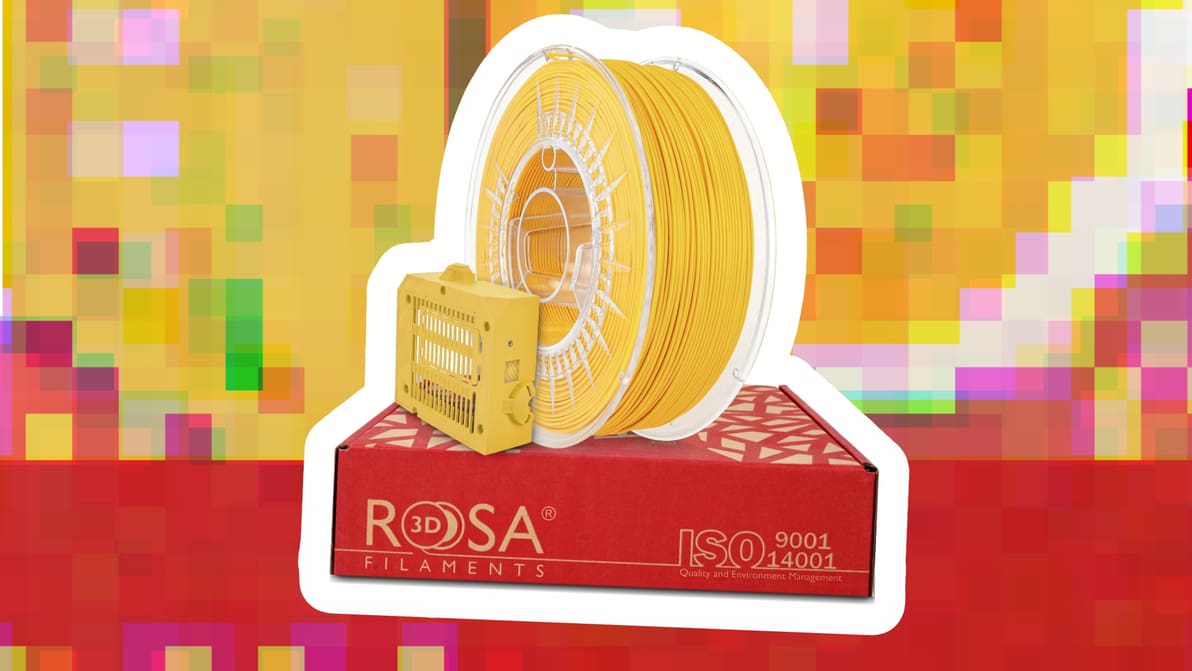
Rosa3D’s ESD filament now comes in more than black, and in a greater diversity of material type to suit different projects. Alongside PETG ESD, the Polish filament manufacturer now also sells PLA ESD.
All3DP Senior Editor Matt pits the Snapmaker U1, Flashforge Creator 5, Bambu Lab H2C, Prusa XL, and Prusa CORE One+ Gen2 with INDX against each other to find out which prints fastest, wastes the least filament, and which machine deserves your money. His full comparison review coming soon to All3DP. And before you comment on our lab: We've just moved into a new office. We're working on it. Don't judge.
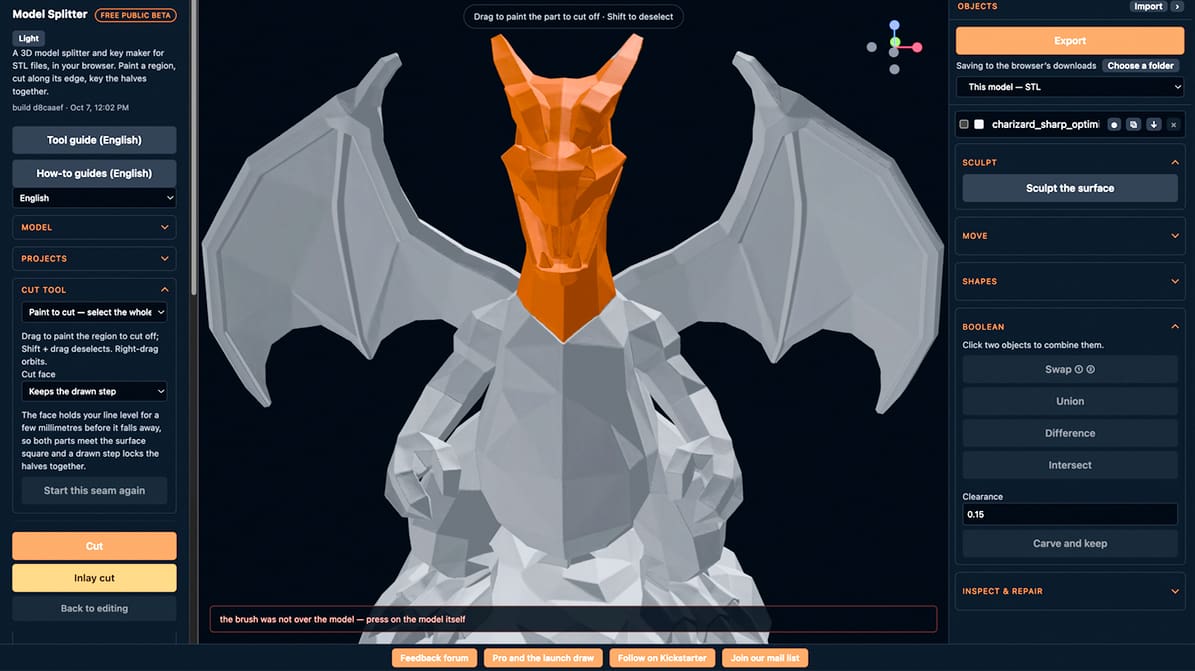
We took the new Model Splitter for a spin and found it's the splitting tool we didn't know we needed. This browser-based tool makes cutting and adding custom seams incredibly simple.

Two weeks after a Texas jury found Bambu Lab infringed four Stratasys patents, the U.S. Patent and Trademark Office has dealt Stratasys a setback, finding claims in four of its patents unpatentable. The fight is far from over, but Bambu Lab is steadily chipping away at Stratasys’s case.
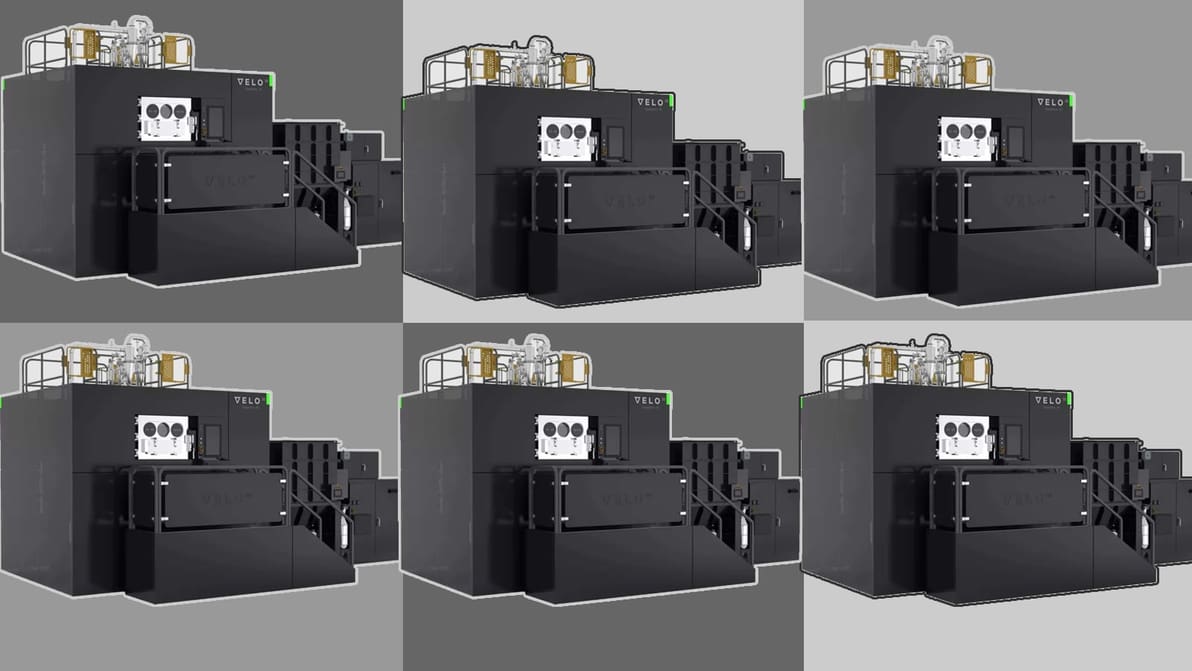
Mears' latest Velo3D investment signals a shift from qualification to production, adding dedicated copper-nickel capacity for marine parts traditionally made by casting.
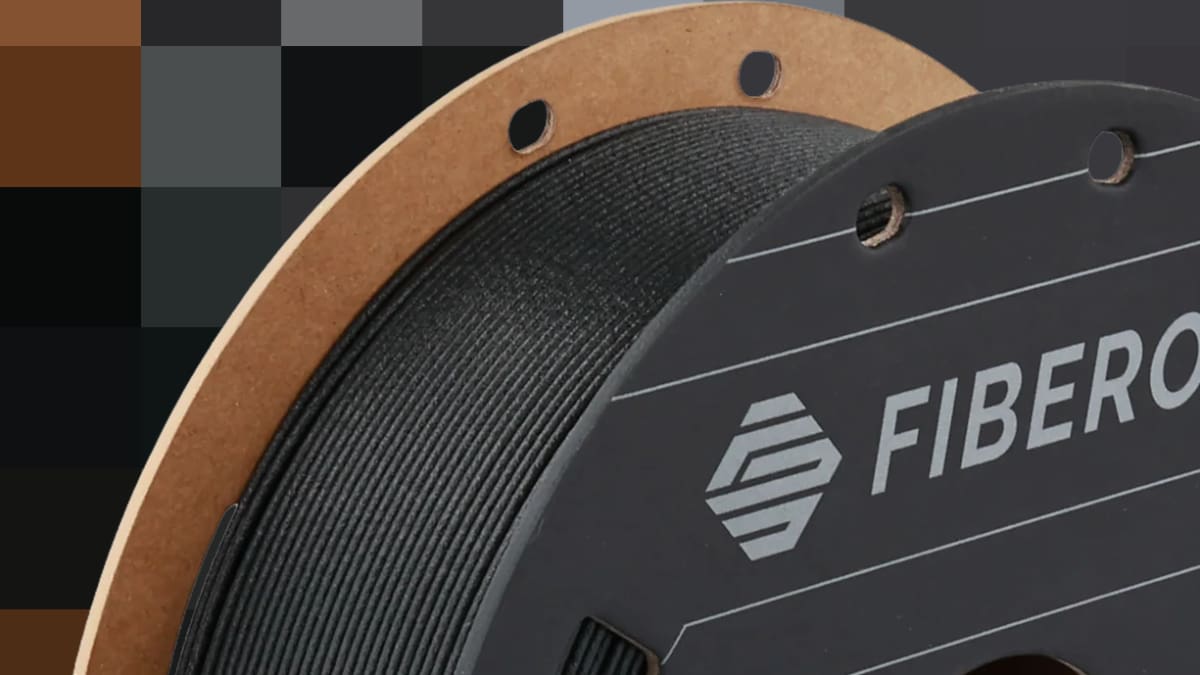
offering up to 35% off filaments and accessories sitewide. Individual spools drop as low as $11.70 for Panchroma Basic PLA, but you can also pick up tougher blends like Fiberon ASA-CF08 for $13 a spool. It's only for a limited time, with many of the deals ending at midnight EST today.
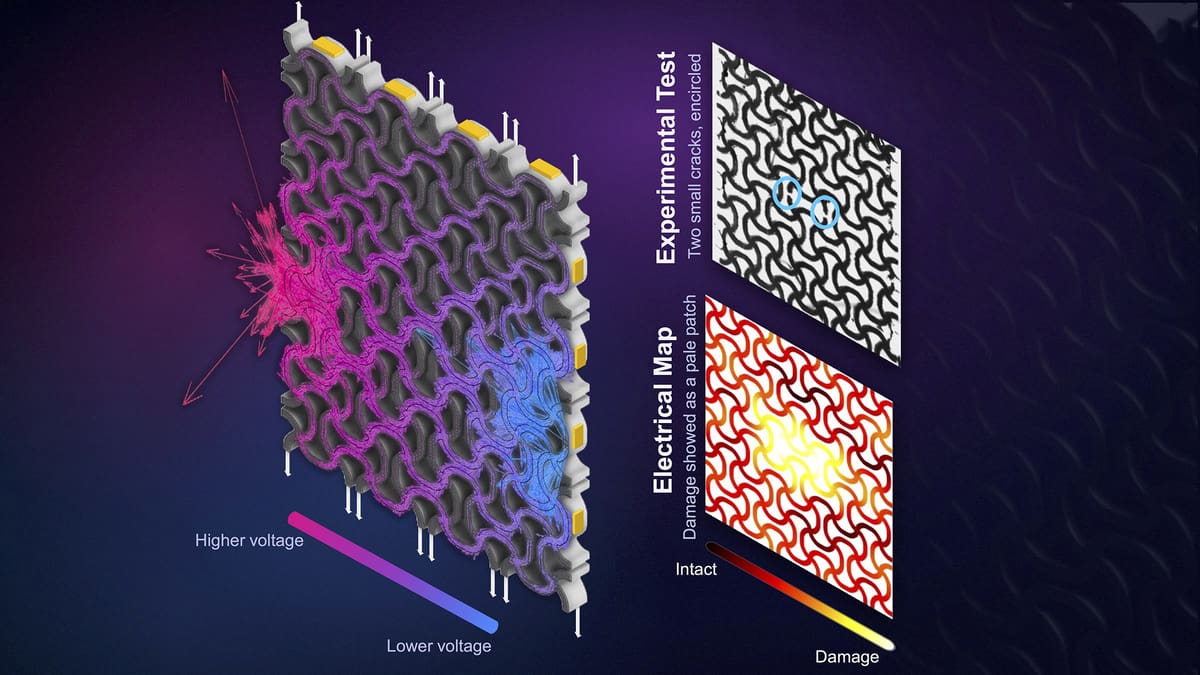
Imagine a 3D printed aircraft part that sends of an alert well before a stress becomes a failure. That's genuinely useful. Researchers at the University of Glasgow and University of Sydney have developed conductive lattices that can map damage as it forms under stress, potentially giving maintenance crews an early warning. The goal: less “what broke?” and more “fix this now.”