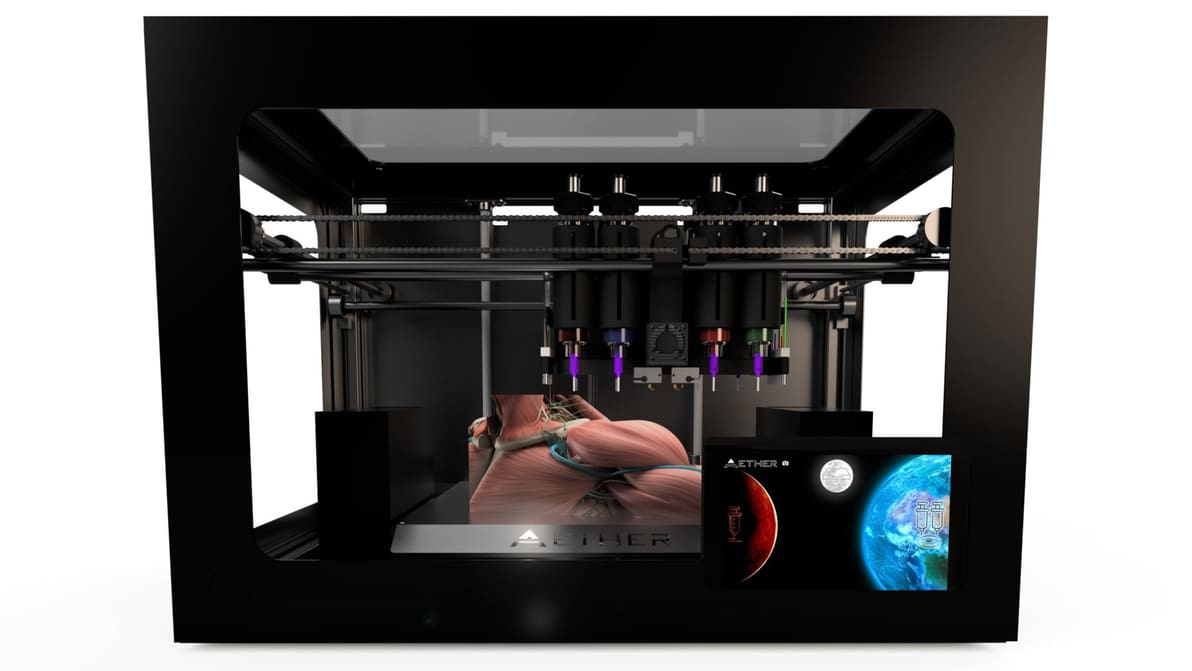
The 3D printing and AI start-up Aether has reached a two-year joint agreement with Procter & Gamble to further develop its AI-driven 3D bioprinting system into an "intelligent robotic craftsman".

Airbus Beijing Engineering Centre and Farsoon Technologies announced an R&D agreement to develop an additive manufacturing polymer material for civil aviation use.
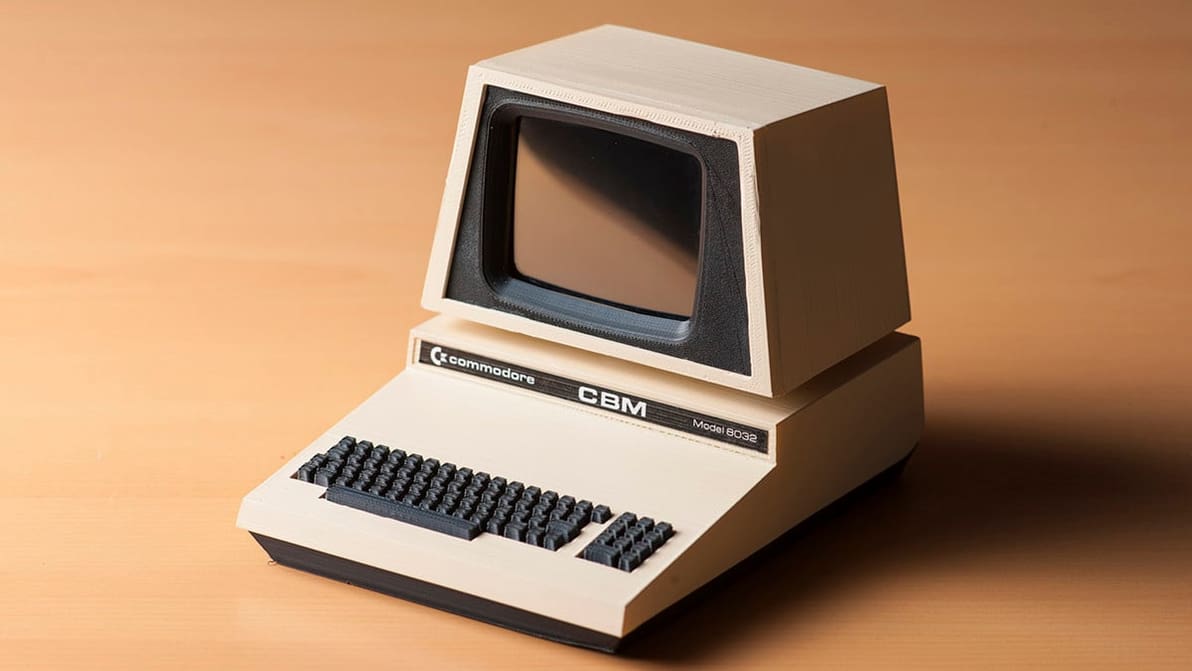
Maker Lorenzo Herrera used a 3D printer and a Raspberry Pi computer to create his own version of the Commodore PET model 8032, an iconic 70s computer. You can follow Herrera's detailed instructions and build your own too.
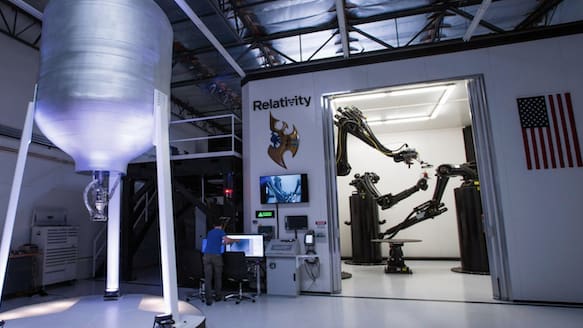
Relativity, the autonomous rocket factory and launch service, has been granted a patent for its machine learning 3D metal printing technology. It's also added three senior leaders from the aerospace industry to its executive team.

Eighteen months in the making, E3D spinoff Pathio debuts its eponymous slicer. In beta and available now, Pathio features nifty new features and a slick UI that’s simultaneously familiar and completely fresh.
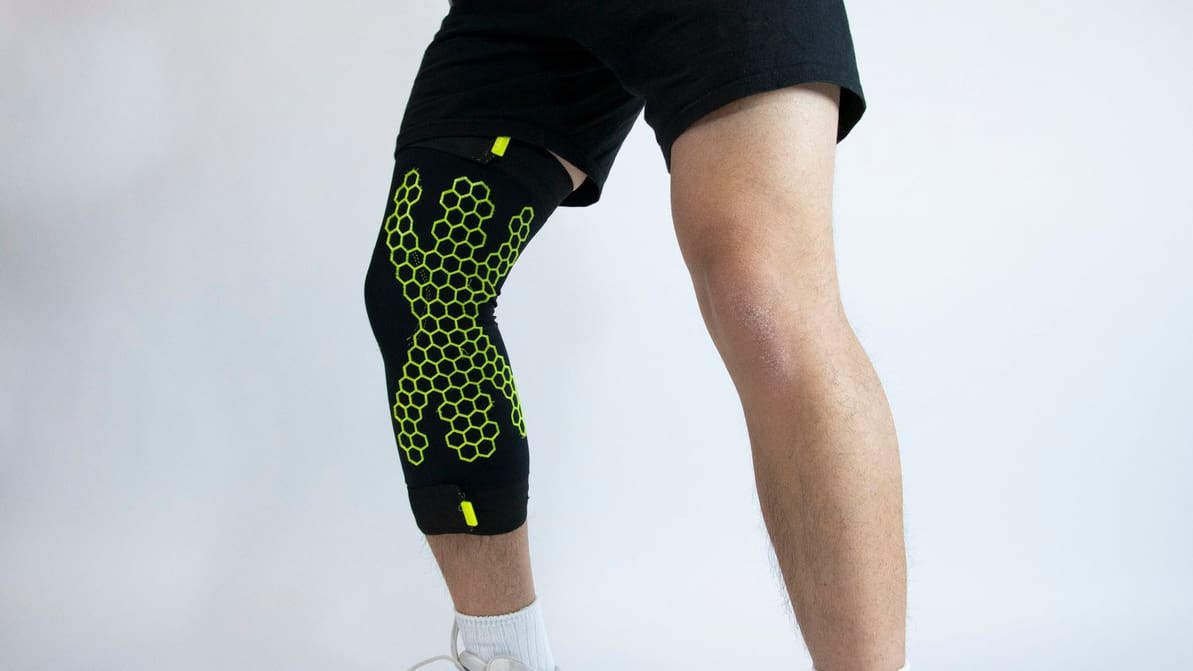
Hubert Chen, an industrial design student, has developed a 3D printed compression sleeve called the Safe Landing Garment which helps ensure athletes land properly and don't get injured.
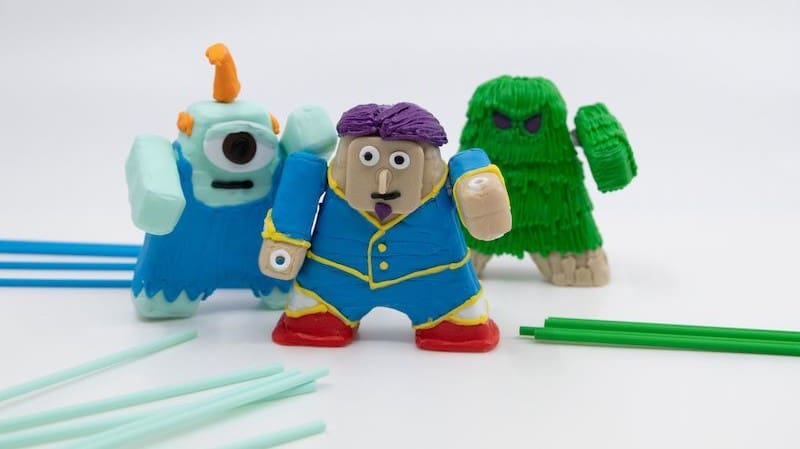
3Doodler, popular 3D printing pen and former Kickstarter darling, has announced the launch of its 2019 3Doodler EDU, Create+ and Start Product lines. Also new: A mobile app which helps kids and adults construct 3D products at home.

3D printer manufacturer Stratasys is driving innovation at Andretti Autosports through a collaboration that will enhance design and development.

Researchers from the University of Minnesota developed a new way of studying cancer cells by using a 3D in-vitro model and built with custom 3D printing technology.
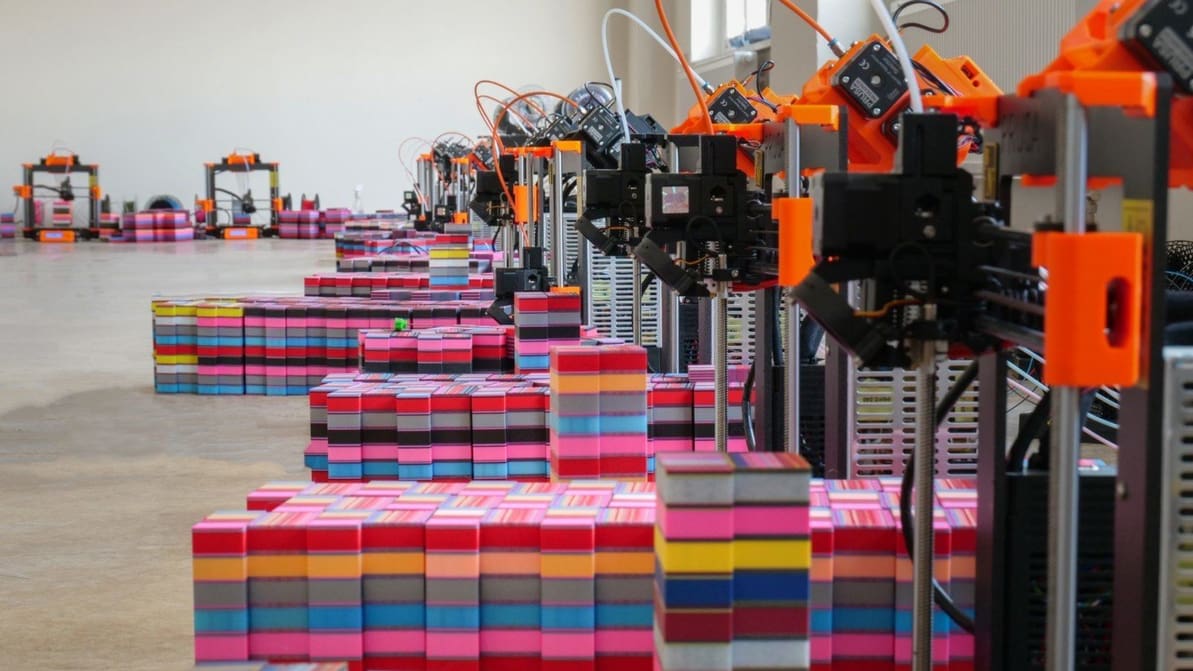
Josef Průša, the founder of Prusa Research, released information about the new "I3 MK3S" printer, MMU2S and SL1 updates, and details of the ongoing powder-coated sheets saga.
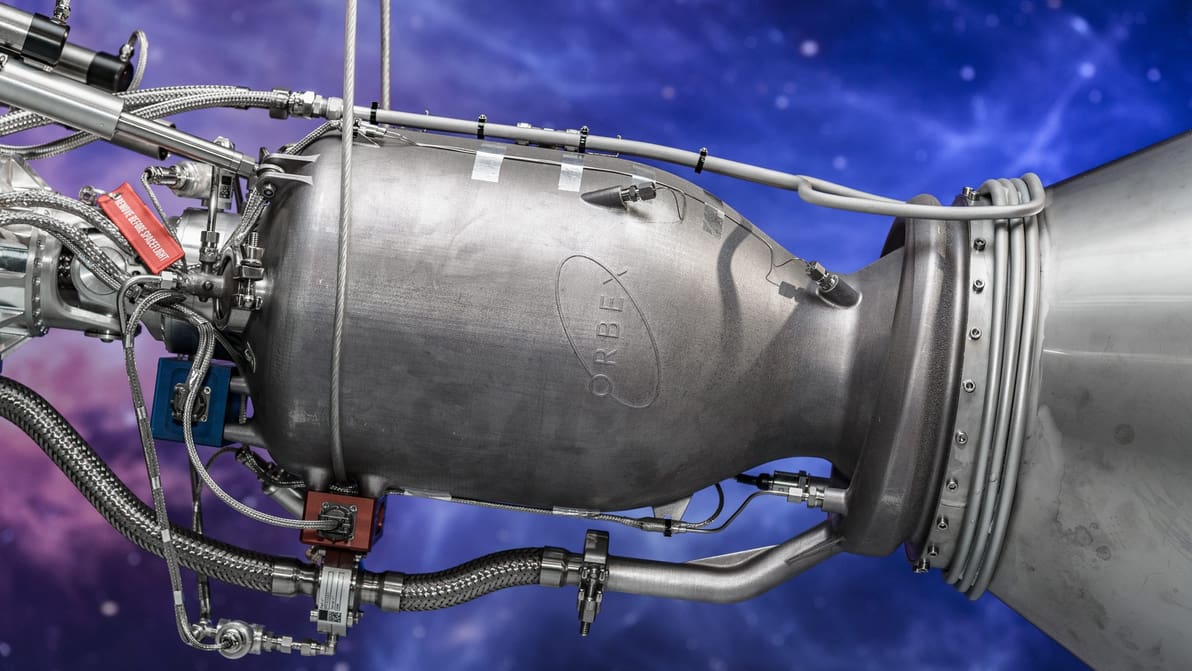
Orbex, the UK-based microsatellite launch company, has partnered with German additive manufacturer SLM Solutions to 3D print a single-piece engine. Claimed to be the world's largest, the engine is a part of Orbex's Prime rocket and was unveiled at the opening of a new facility in Scotland.
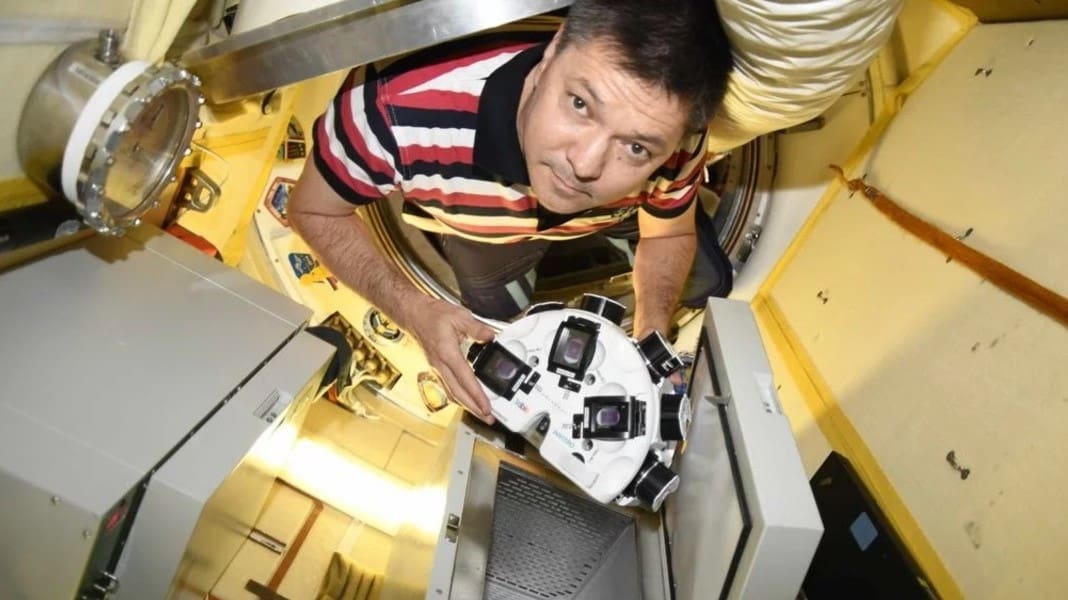
The "Organaut" bioprinter on the International Space Station has started to print human micro-organs in zero gravity. The first experiments already looked promising.
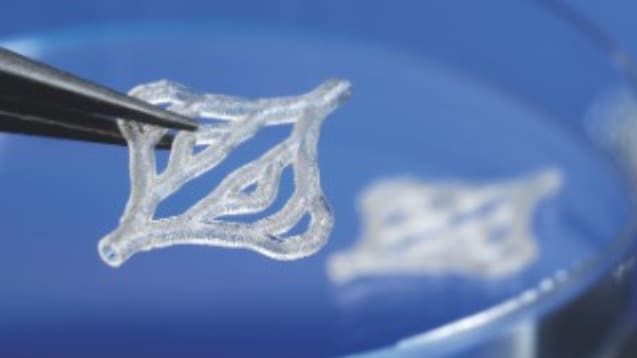
Technology alert: Fraunhofer Institute for Laser Technology researchers are implementing stereolithography and multi-photon polymerization technologies in one machine.

Carbon, the pioneer of the fast-printing Continous Liquid Interface Printing tech, has partnered with luxury sports carmaker Lamborghini to mass produce production parts for the new Urus SUV.
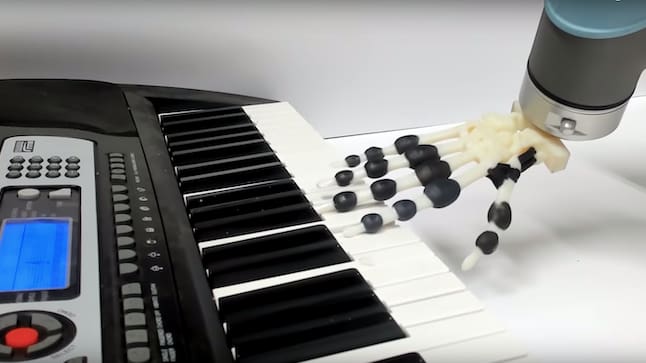
Scientists from the University of Cambridge developed a 3D printed robotic hand which can produce a wide range of movement. It can even play the piano.
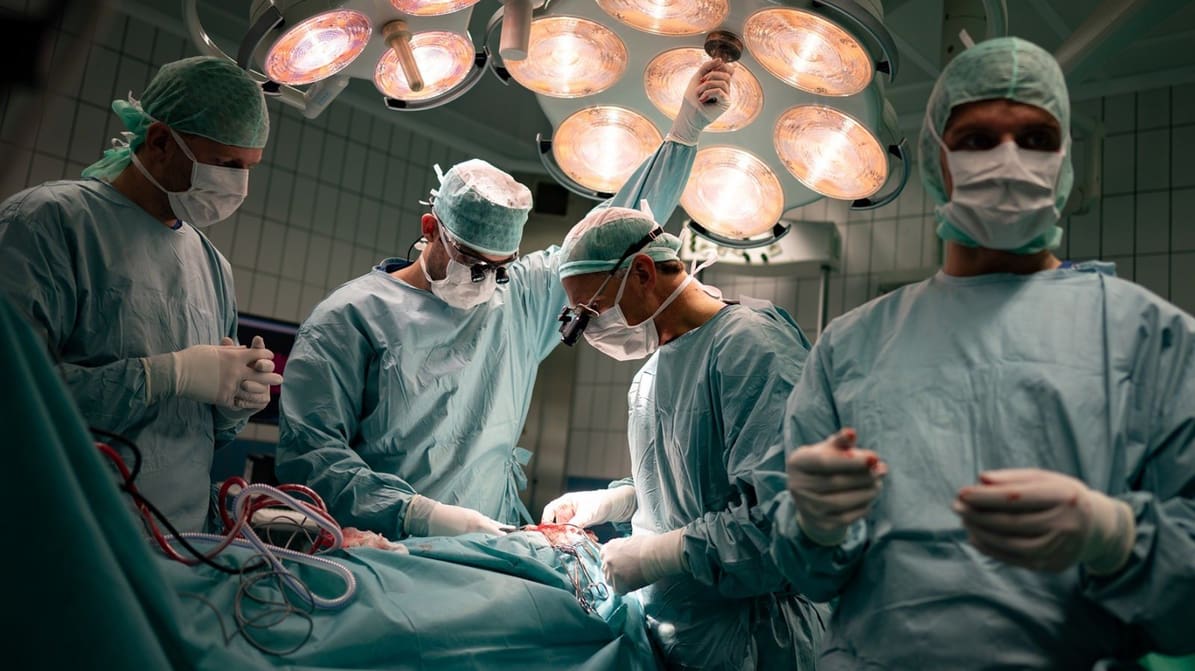
After a Siberian Husky was diagnosed with a cranial wall tumor, Utrecht University’s Clinic for Companion Animal Health acted quickly, removing it and fitting the dog with a 3D printed skull roof. The husky is making a speedy recovery.
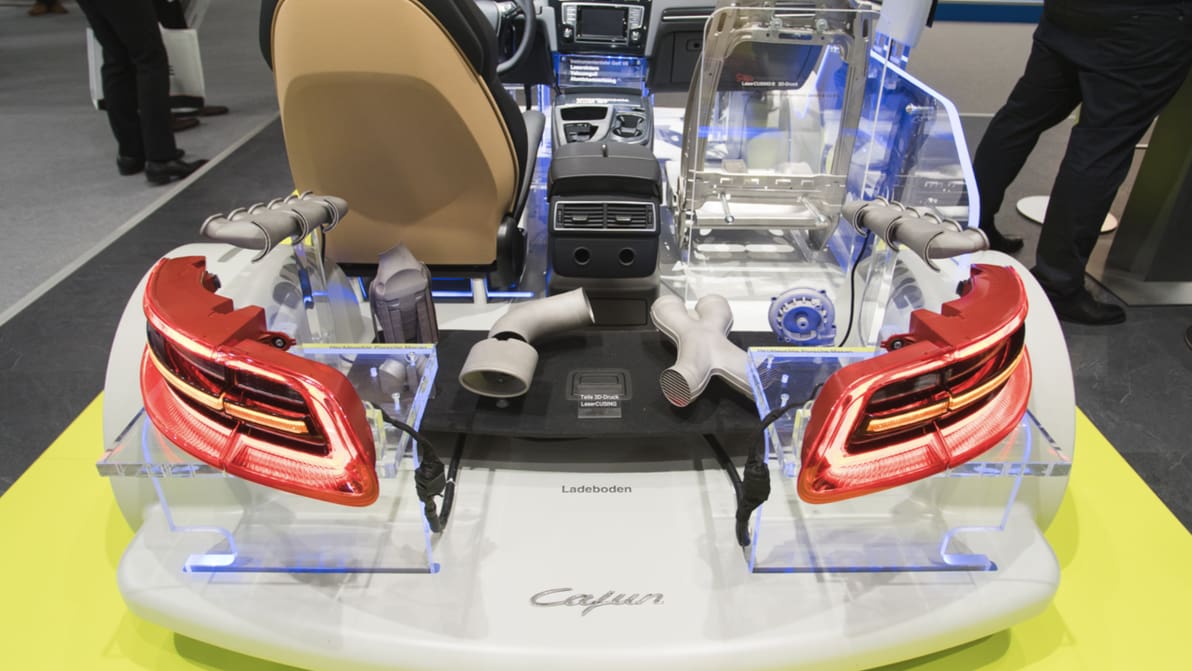
The automotive industry has always been on the lookout for faster prototyping and solutions for reducing the part's weight while retaining the structural strength. Here's a curated list of some of the best automotive 3D printing applications so far.
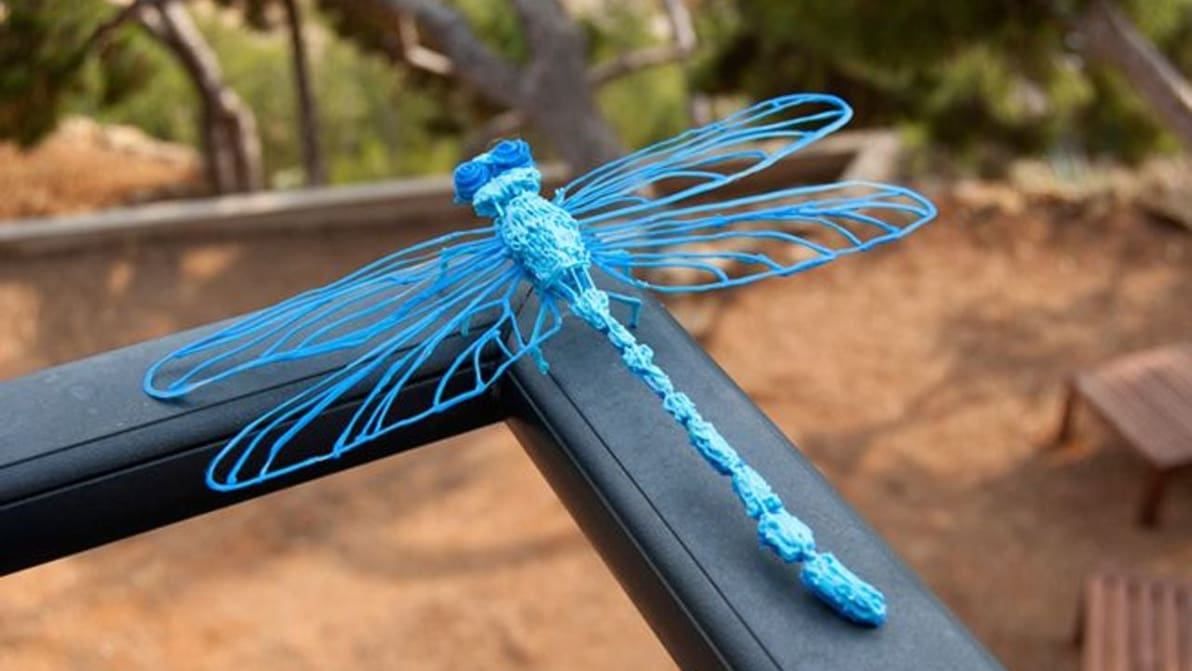
3D pen art is an underappreciated medium, but that doesn't stop these talented artists! Here are some of the most amazing 3D pen creations on the internet.

Upper limb different people throughout the world are having their lives changed thanks to 3D printed arms. Makers and engineers are focusing their skills on creating awesome prostheses to help with everyday and extraordinary tasks. We delve into the 5 most promising projects from 2019.

Mixed Dimensions, the integral reality company bridging the virtual and physical worlds, signed a licensing deal with Ubisoft, French video game company, to enable gamers to bring their creations into the physical world via 3D printing.