3D Printing in Medicine

myReflection is a company set up by a couple in New Zealand which uses 3D printing to create comfortable prosthetic breasts for women who have had a mastectomy.
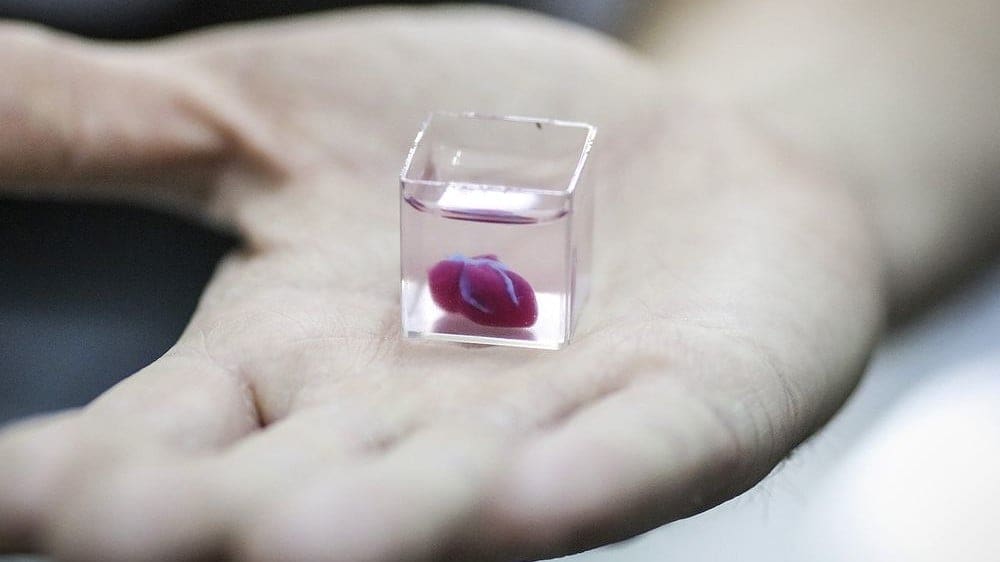
Researchers from Tel Aviv University used a patient's cells to 3D print a heart with blood vessels, ventricles and chambers that is the size of a rabbit's heart.
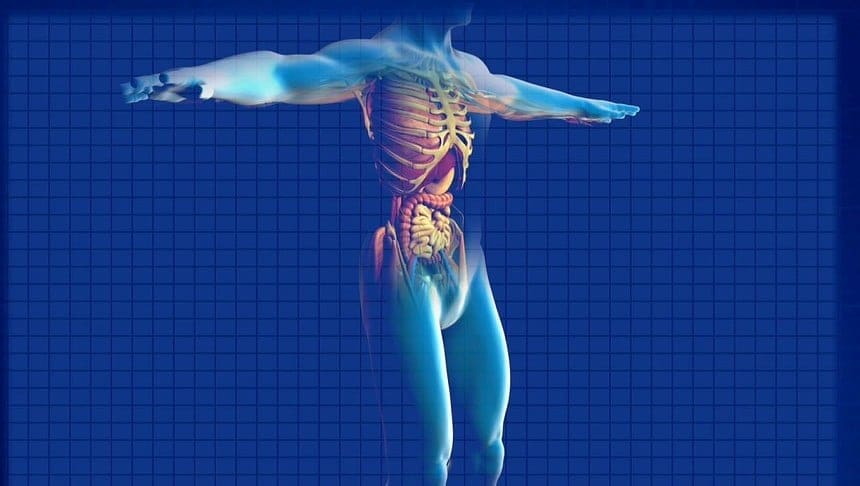
Researchers at the Foundation for Research and Science Development in Poland have 3D printed the first ever bionic pancreas with blood vessels which could one day be used to treat diabetes.
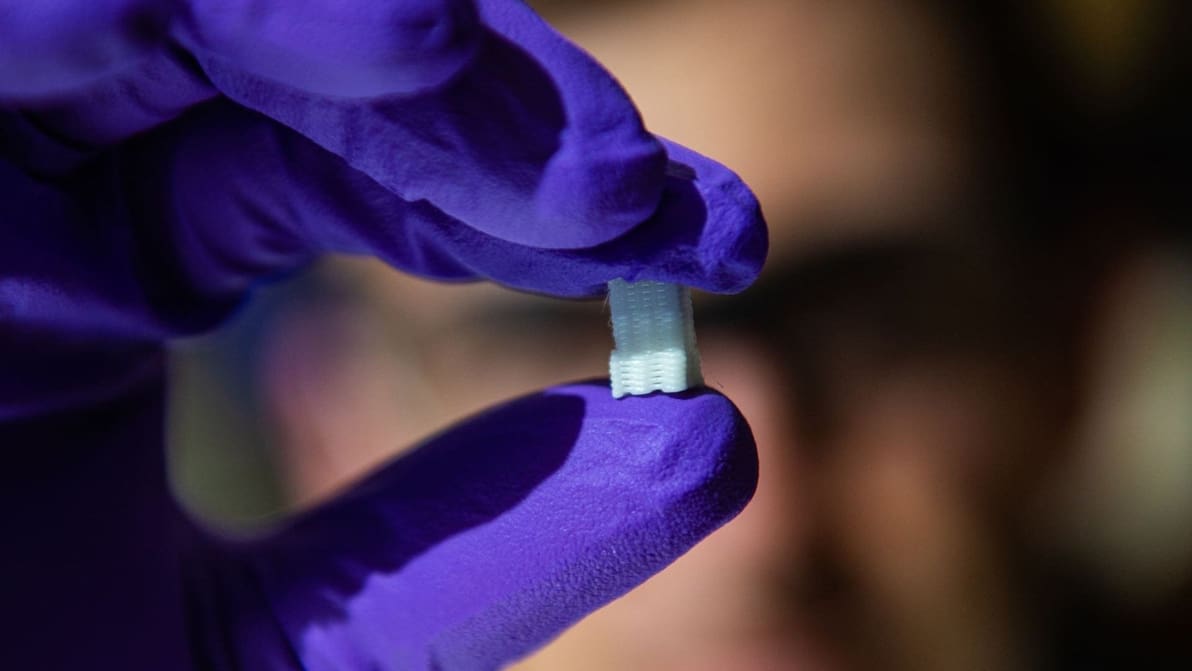
Bioscientists at Rice University and the University of Maryland are developing a method to 3D print artificial tissues to help heal bone and cartilage injuries in the elbows, ankles, and knees.
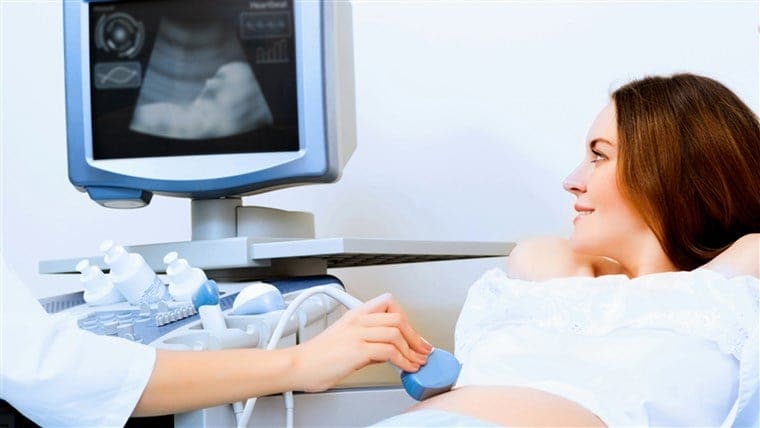
A team of researchers at King's College London and Guy's and St Thomas's NHS Foundation Trust developed an approach to improve the care of babies with congenital heart disease by creating a 3D model of their hearts while inside the womb.
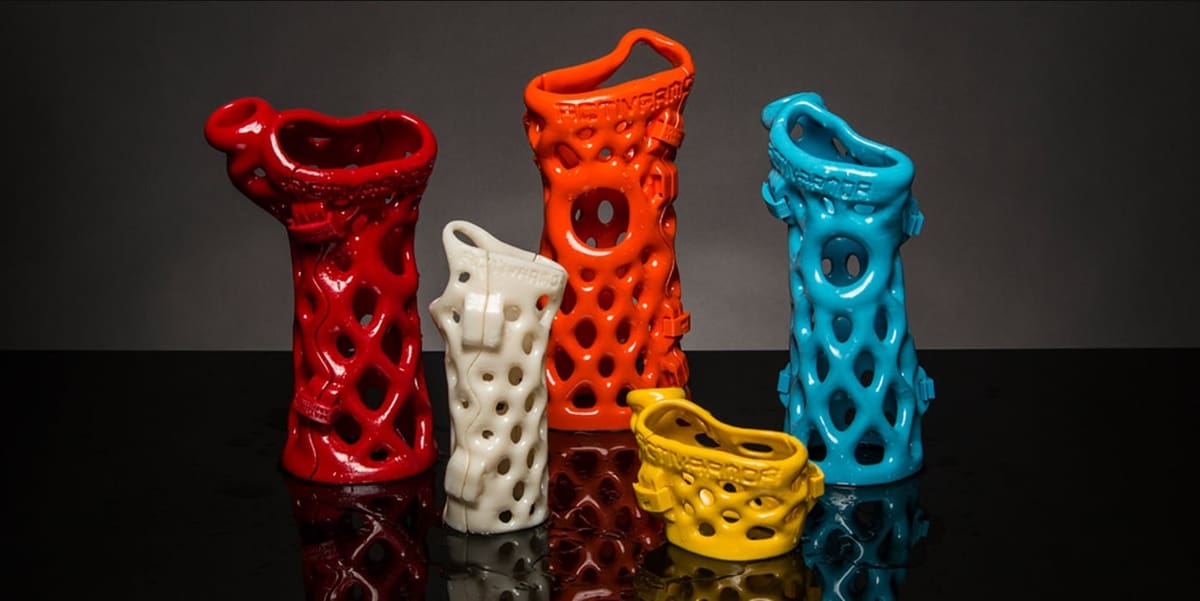
More and more, 3D printed medical devices are making the lives of doctors and patients easier. Learn about some of the many kinds of devices that already exist!
In what is believed to be a world first, researchers from the Istituto Ortopedico in Rizzoli, Bologna, 3D bioprinted a human cell-laden collagen meniscus (aka the cartilage that cushions your thighbone and shinbone).
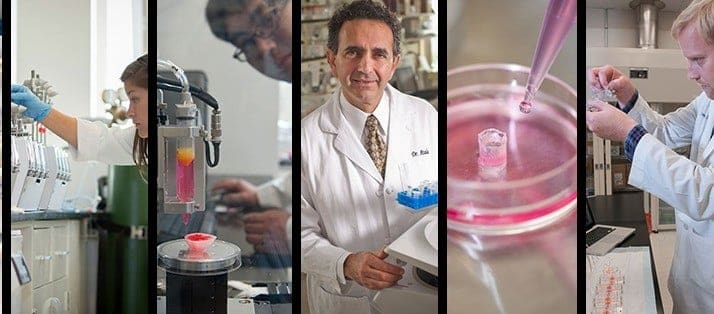
Scientists from Wake Forest School of Medicine, North Carolina, created what's believed to be the first mobile skin bioprinting system which can print directly onto a wound.

UK based bioprinting company Remedy Health is working with FabRx, the pharma-tech experts, to develop personalized 3D printed medicine thanks to grant funding from Innovate UK.

3D printing drugs is driving the pharmaceutical industry towards personalized medicine. Let's take a look at the most recent trends and developments.

Researchers from the University of Minnesota developed a new way of studying cancer cells by using a 3D in-vitro model and built with custom 3D printing technology.
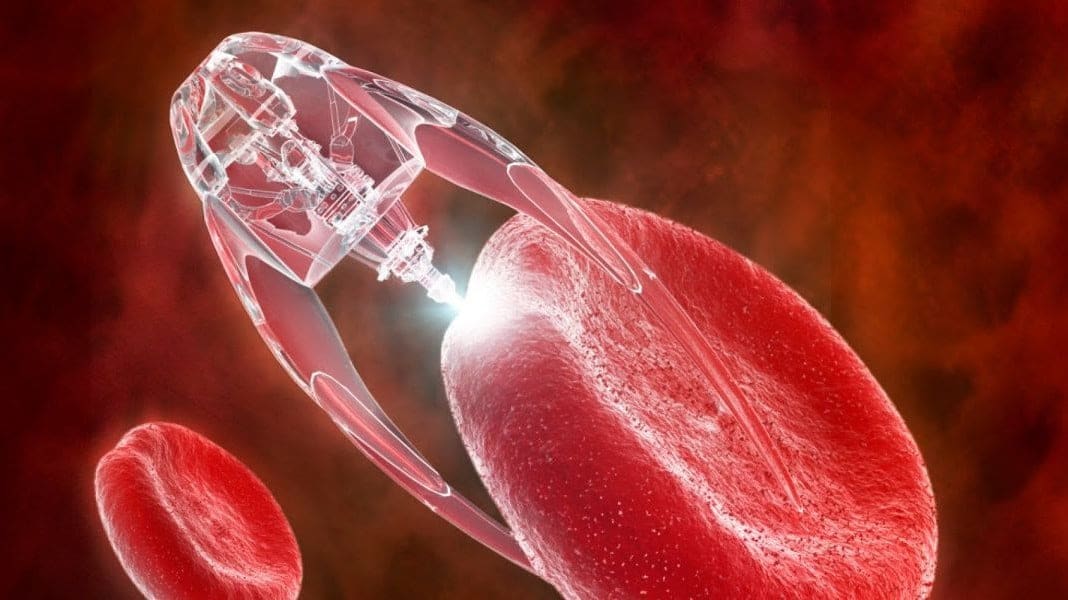
Aether, the startup offering AI-enhanced 3D bioprinting, is developing a new approach to 3D printing nanotechnology by collaborating with University College London (UCL) and Loughborough University researchers.

Startup Techshot partnered with NASA to try and develop a bioprinter that will one day 3D print organs at the International Space Station.
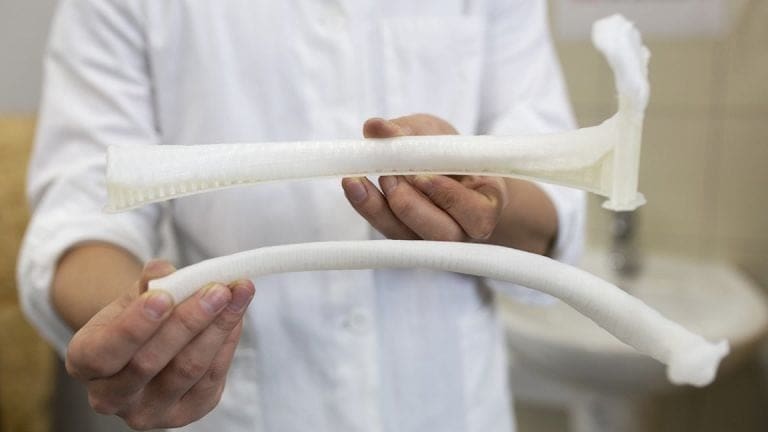
Doctors in Bulgaria created a 3D printed rib for a patient who's own rib had to be removed due to a congenital disease. This use of additive manufacturing is a first, but not the last, for the country.
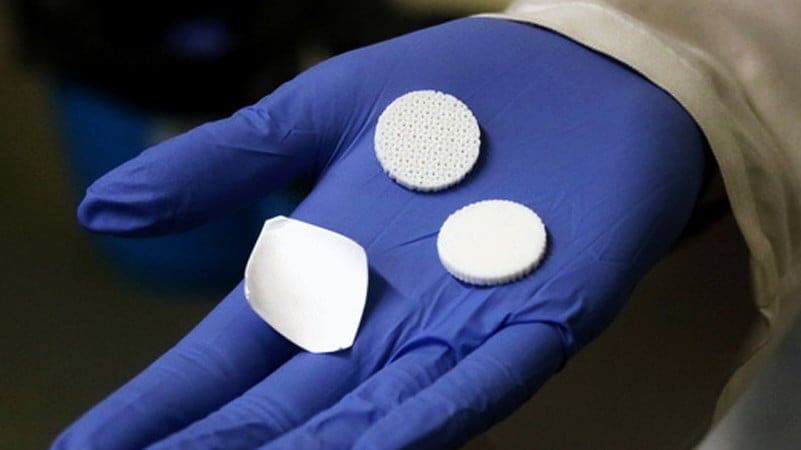
Scientists at the University of Girona in Spain have reached an important milestone in triple-negative breast cancer research by successfully using 3D printing to isolate aggressive breast cancer stem cells.
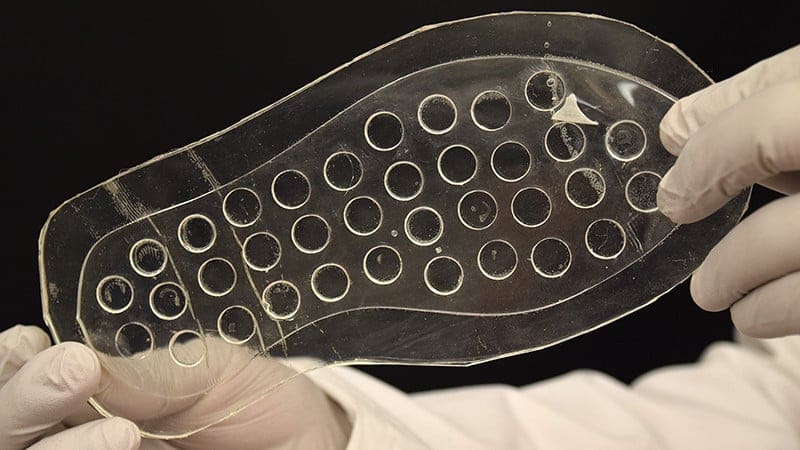
Purdue University researchers use 3D printing to develop a shoe insole which could speed up the healing process of diabetic ulcers and help patients avoid amputation.
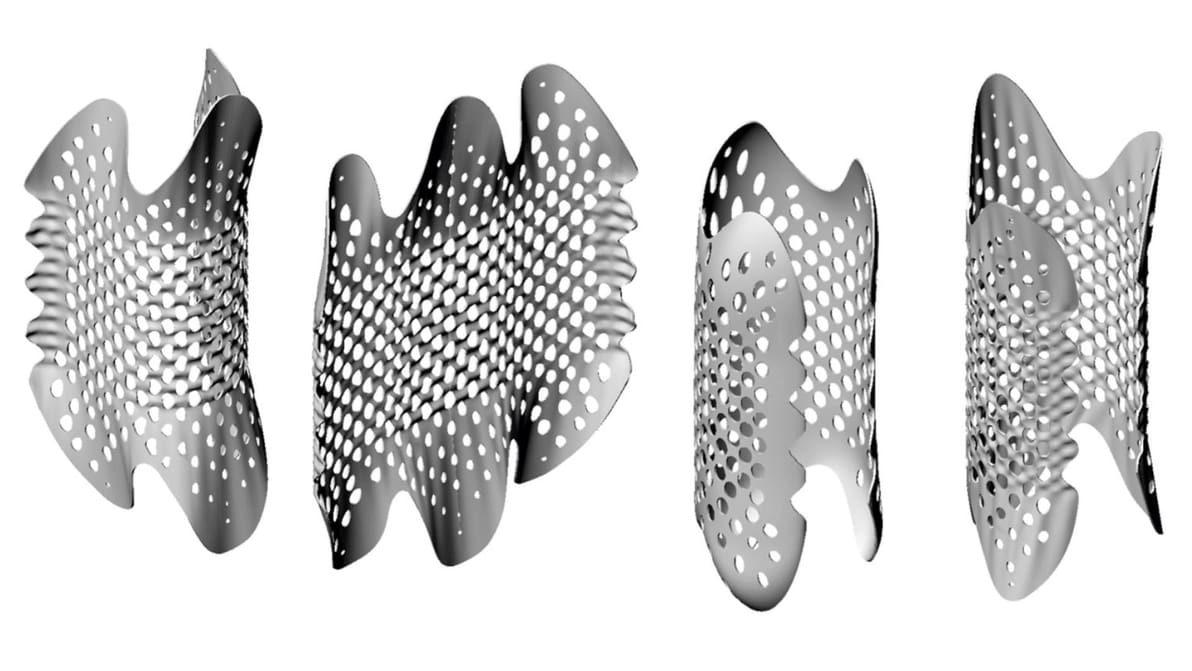
Two architects from studio Tonkin Liu have developed a 3D printed stent prototype that can adapt to a patient's throat after they've undergone tracheal transplant surgery.

A Waikato University masters student is using 3D bioprinting to grow life-size tumor cells in 3D which may help improve treatments. Eventually, it may be possible to take cells from a patient, grow a tumor and see which treatments work best on it in a laboratory.
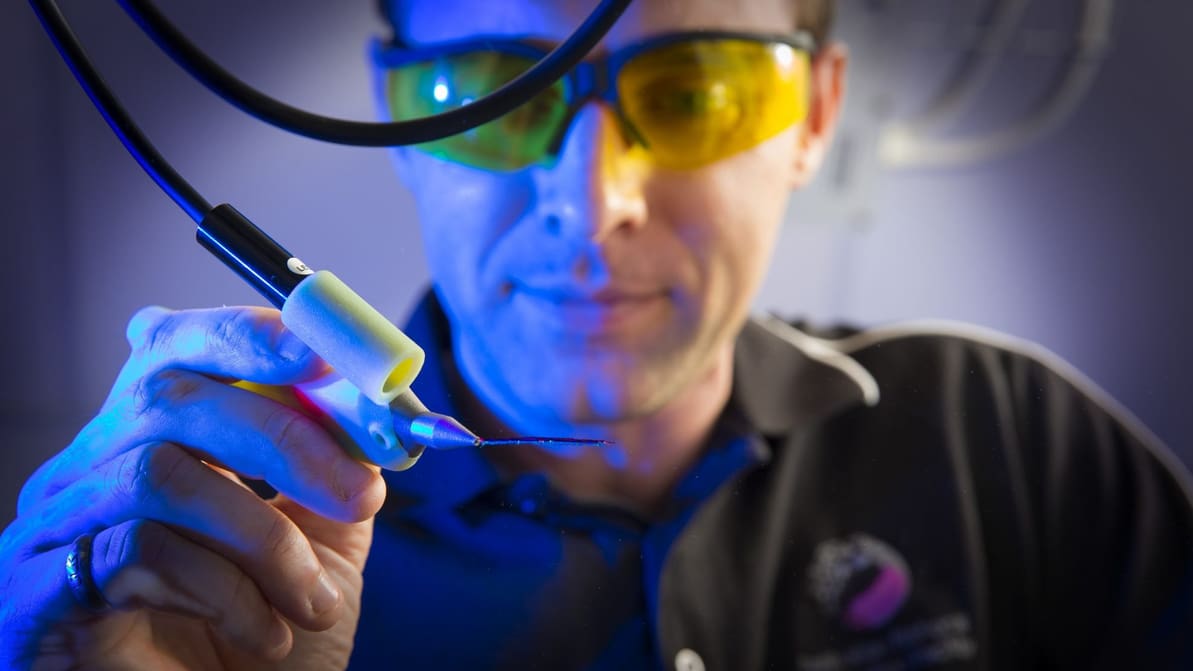
A BioPen which uses "ink" to treat eye wounds is closer to becoming commercially available thanks to the help of NSW (New South Wales) Medical Devices Fund awarding it $1.1 million.
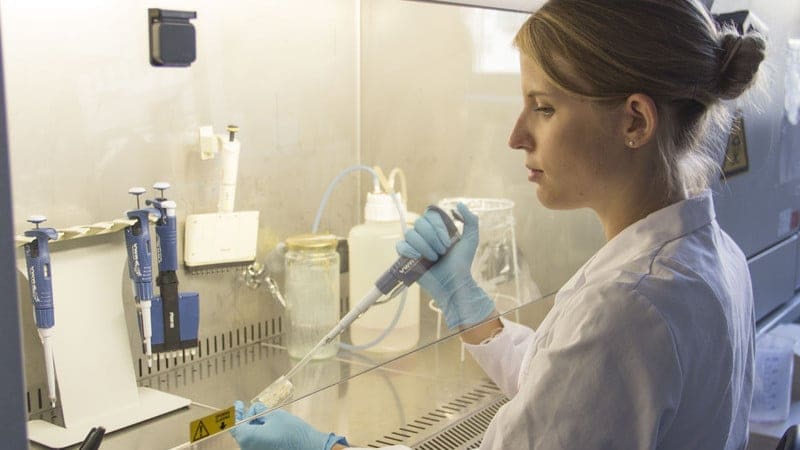
Researchers from TU Wien, a university in Vienna, Austria have used a 3D printing method to create an artificial placental barrier on a chip. Its benefits include enabling researchers to learn more about how the placenta allows the exchange of substances between mother and baby.