3D Printing in Medicine
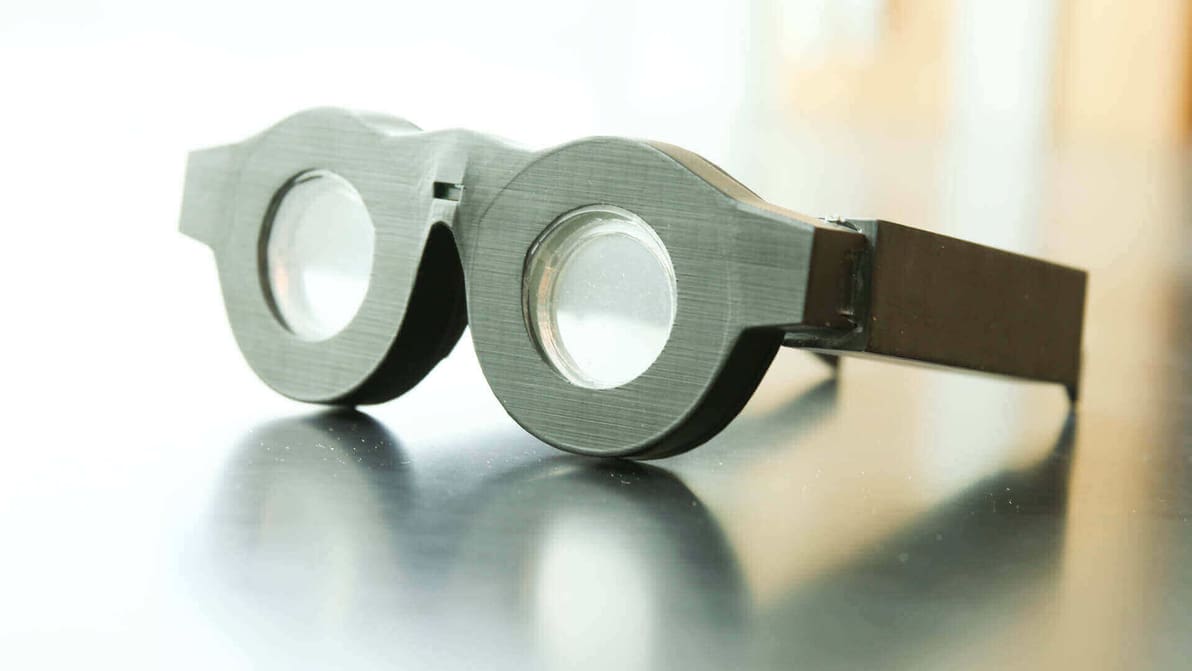
Researchers at the University of Utah used 3D printing to prototype "Smart Glasses" with liquid lenses that adjust to the wearer's sight.

3D printing is becoming an increasingly important tool for space travel. Now, the first medical supplies were 3D printed in space.

Meso-Brain is a 3D printing project that has received €3.3 million from the European Commission’s Future and Emerging Technology (FET) fund.
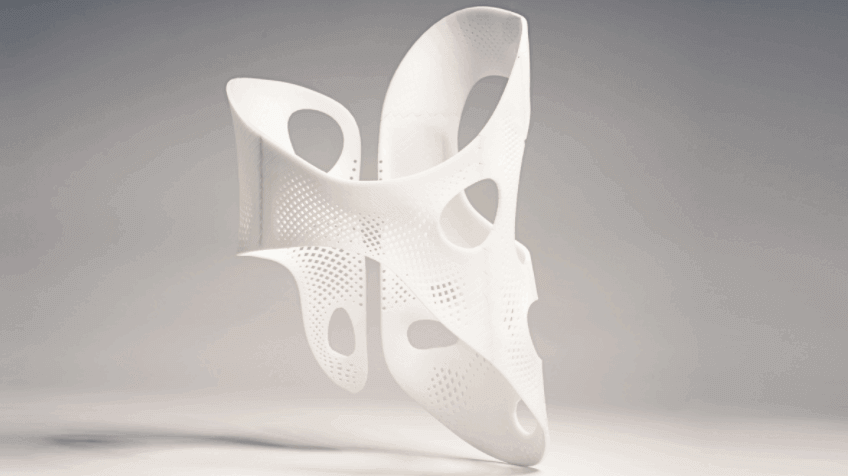
Patients with scoliosis can soon expect greatly improved spinal braces made with 3D printing technology instead of plaster molding.
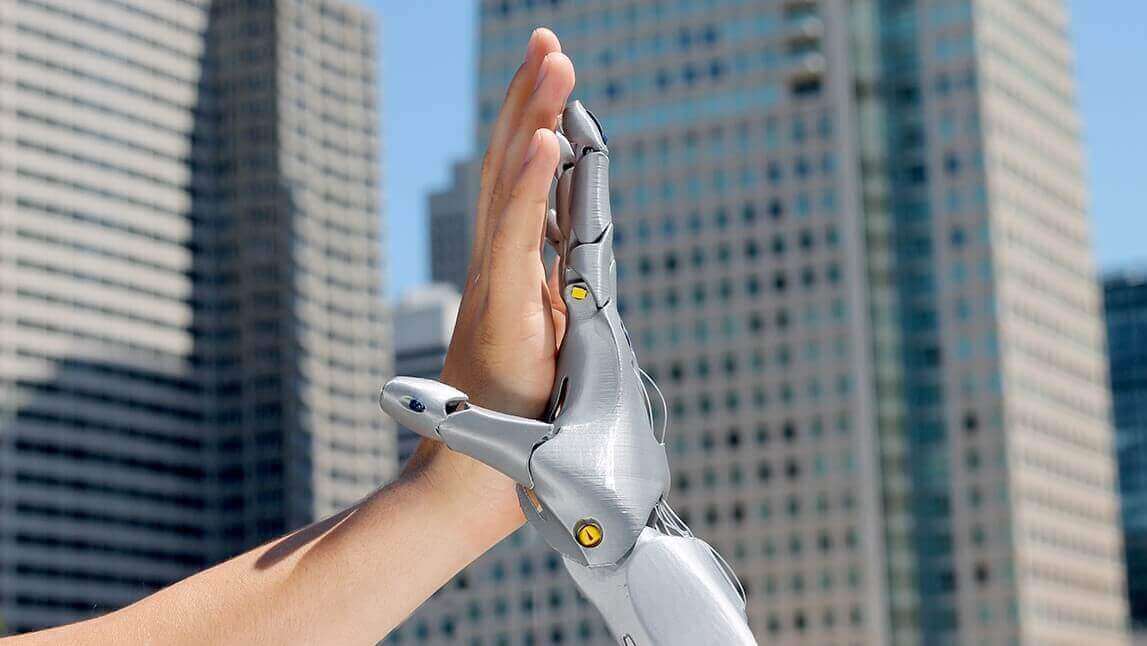
In short: 3D printing makes sophisticated prosthetics much more affordable for everyone. Also, you can add electronics, which gives a 3D printed prosthesis a whole new dimension.
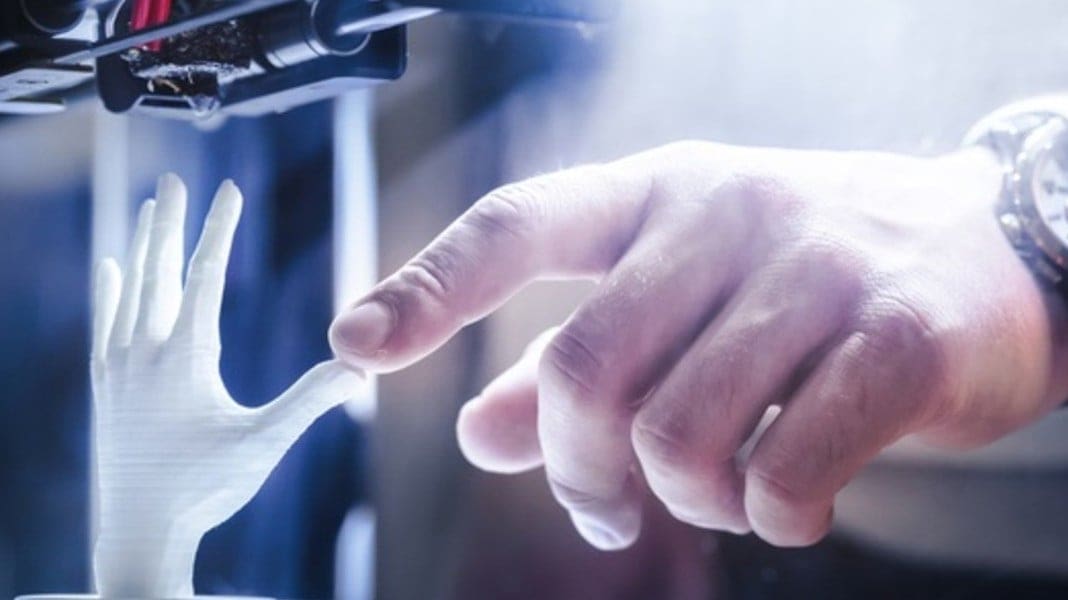
There are countless 3D printing applications in manufacturing, technology, and society. From education to medicine, here are a few ways 3D printing impacts our world today!
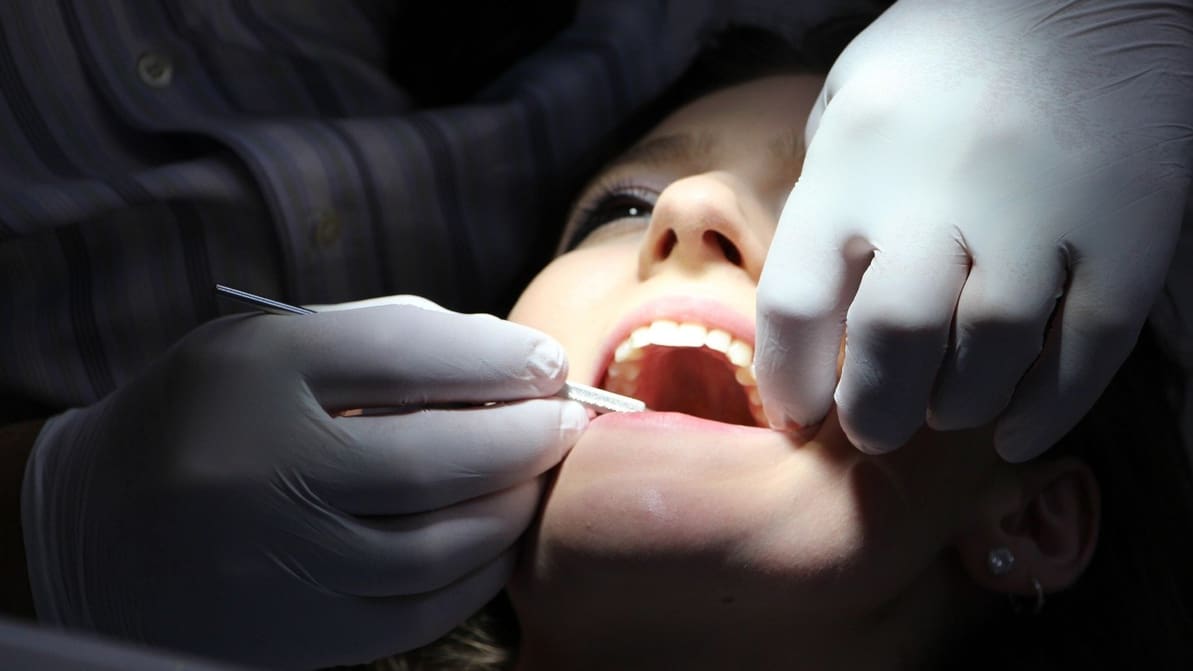
Carbon, a Silicon Valley 3D printing startup, is collaborating with Dentsply Sirona, a professional dental products and technologies manufacturer, to bring a premium 3D-printed denture material system to market.
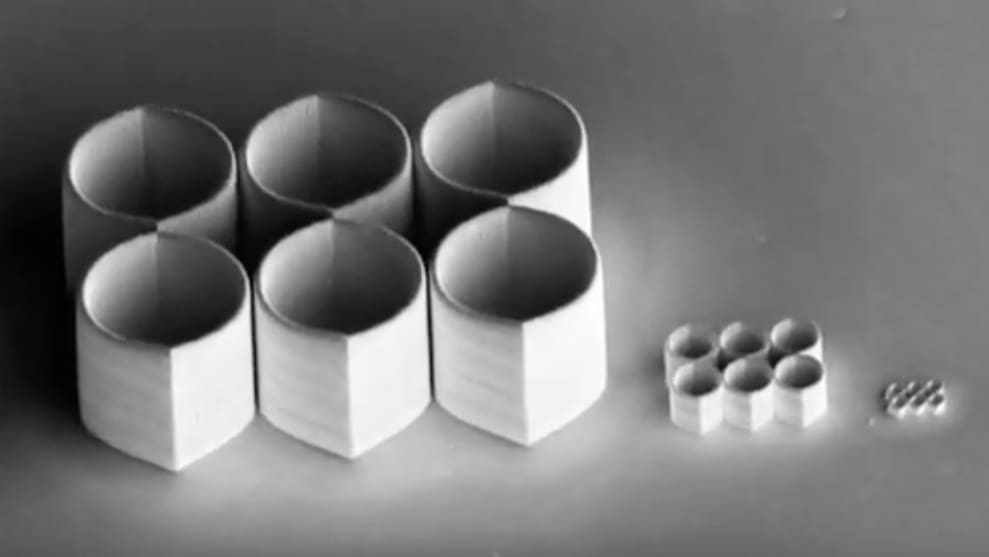
A Japanese mathematical scientist at Meiji University used Cytosurge's FluidFM 3D printing technology to create "Impossible Objects", which trick the mind, as small as the size of a red blood cell.
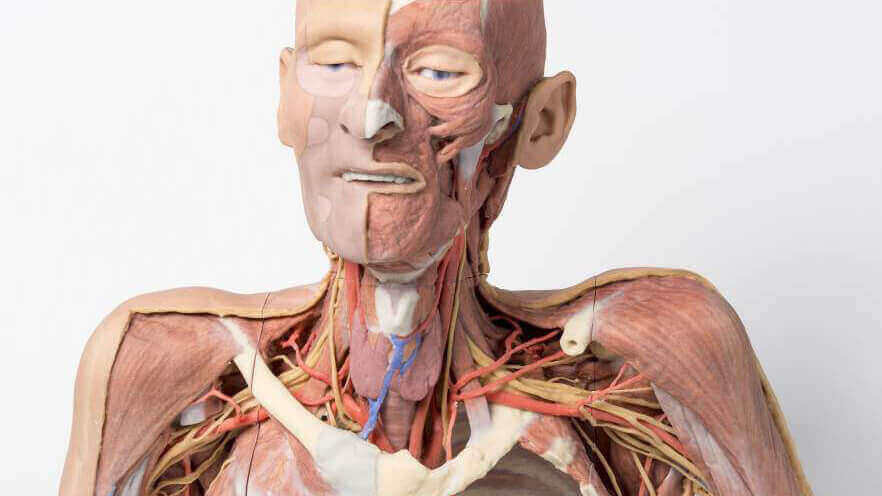
Monash University in Australia has created the first commercially available kit of realistic, full-color 3D printed cadavers for studying human anatomy.
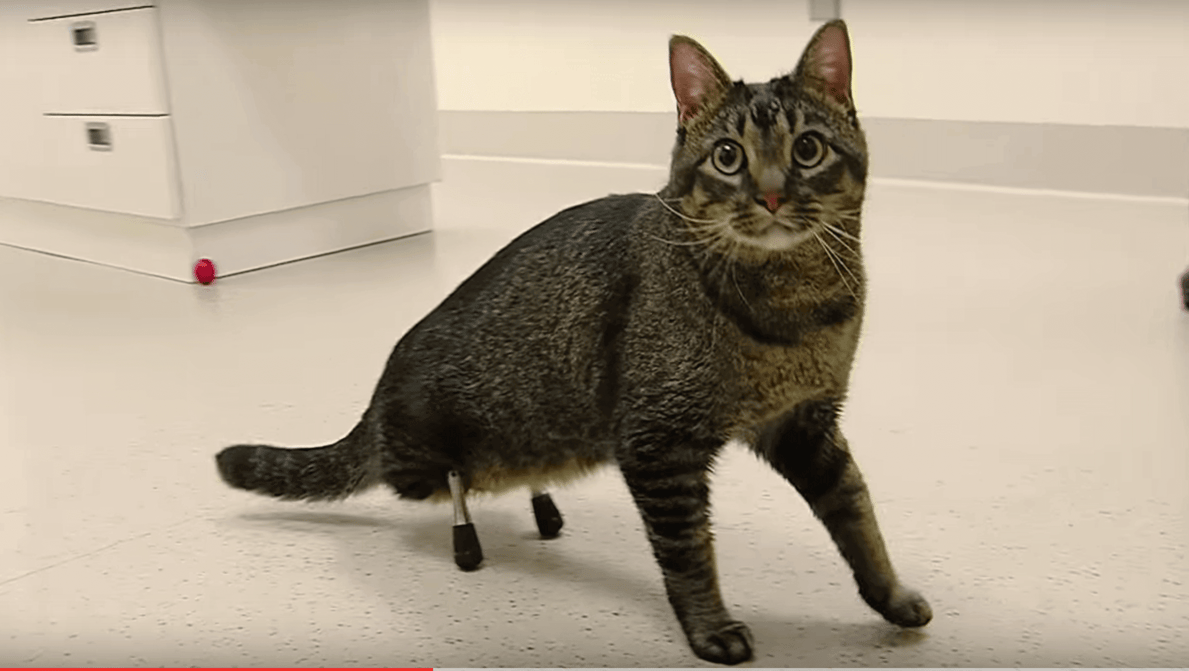
We've seen 3D printed carts, wagons and crutches for disabled animals, but now prosthetics are being developed to further the help we can give to these pets in need!

Thanks to 3D printed prosthetics, many lives are changing for the better. Read on to learn about the most promising projects!
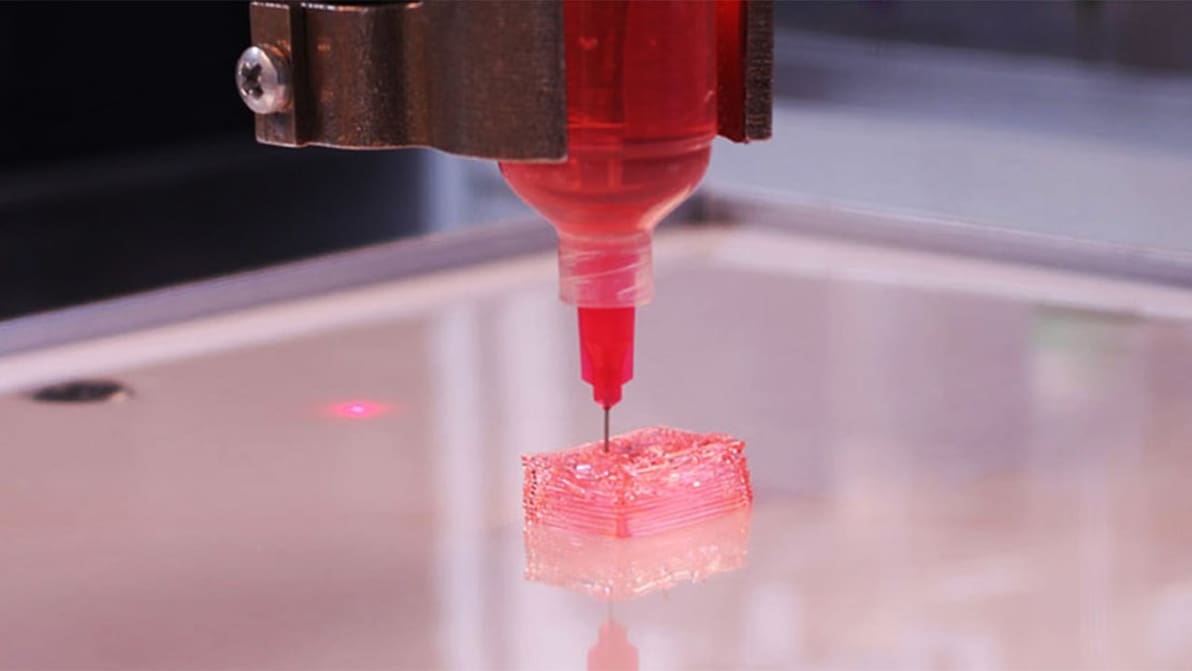
3D bioprinting has come a long way over the last decade. Find out the latest developments in 3D printed organs and body parts.

3D bioprinted organs, especially hearts, are slowly becoming a reality. Learn about the most promising 3D printed heart projects of 2020.
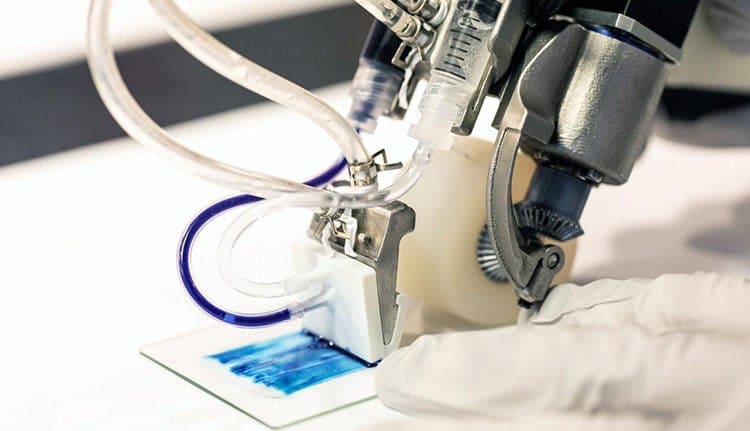
This handheld 3D printer deposits layers of skin tissue, and could one day help to heal deep wounds. Instead of waiting for skin patches to grow in a Petri dish, you apply it directly.
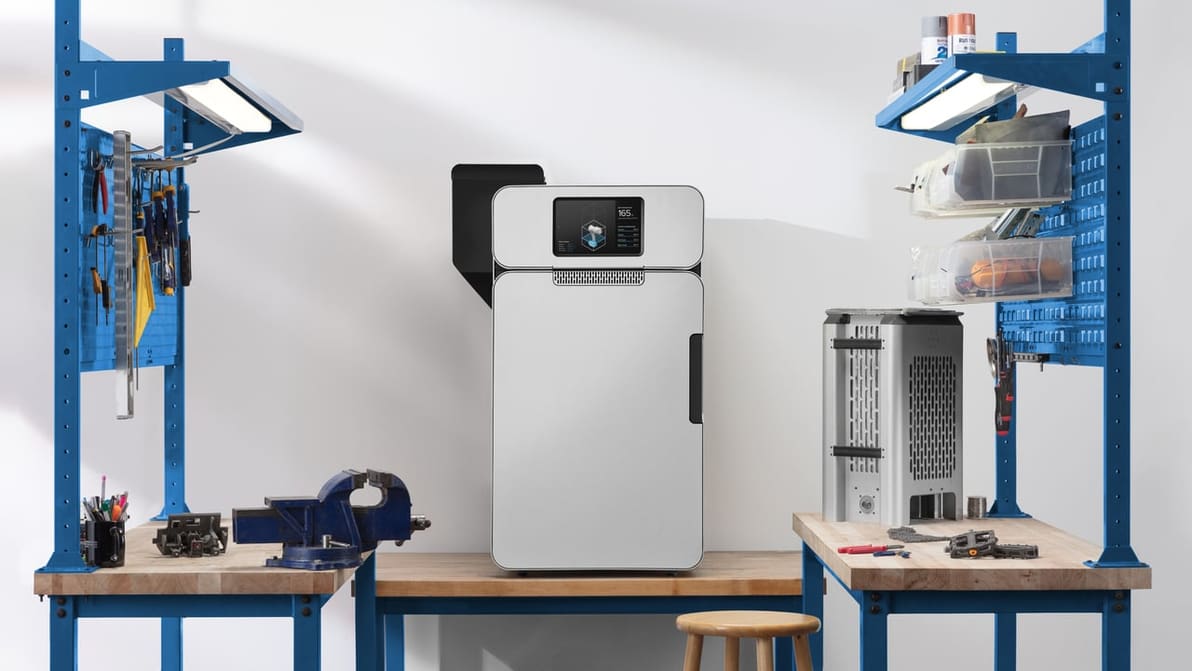
Similar to the way the World Wide Web democratized news, education, and entertainment, 3D printing has the potential to democratize the manufacturing of certain goods.

To plan a liver transplant between mother and son, surgeons from Salt Lake City, Utah used 3D imaging to 3D print the models of both livers to make surgery easier.

Twins conjoined at the head have been successfully separated after months of planning and hours of surgery. Surgeons used 3D scanning and printing to ensure the surgery was a success.
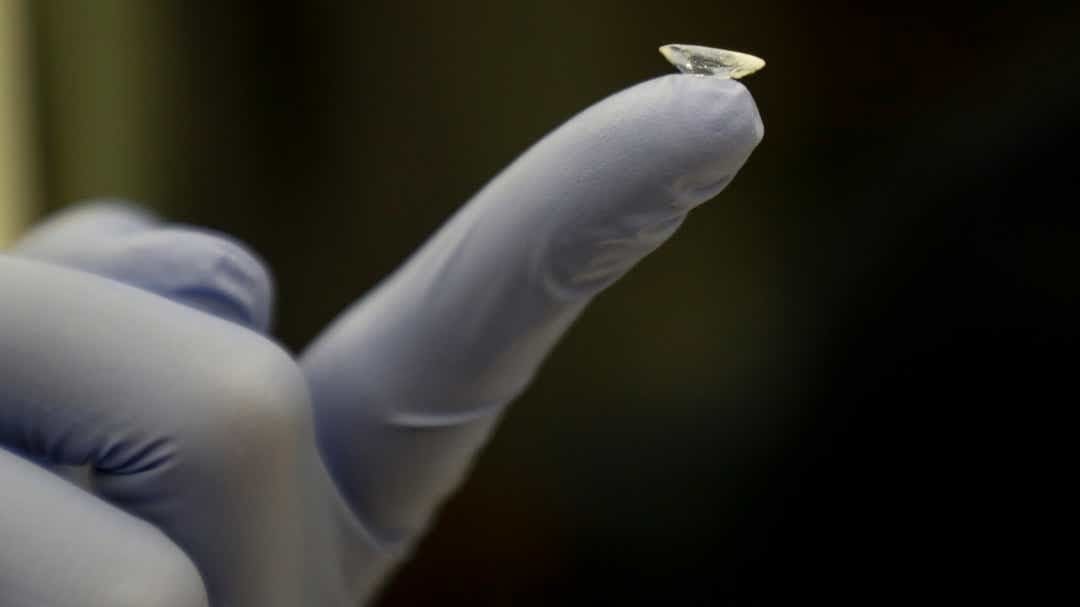
Researchers from Florida A&M University developed a bio-ink and 3D printed a human cornea which they believe could lead to huge advancements in the medical field.
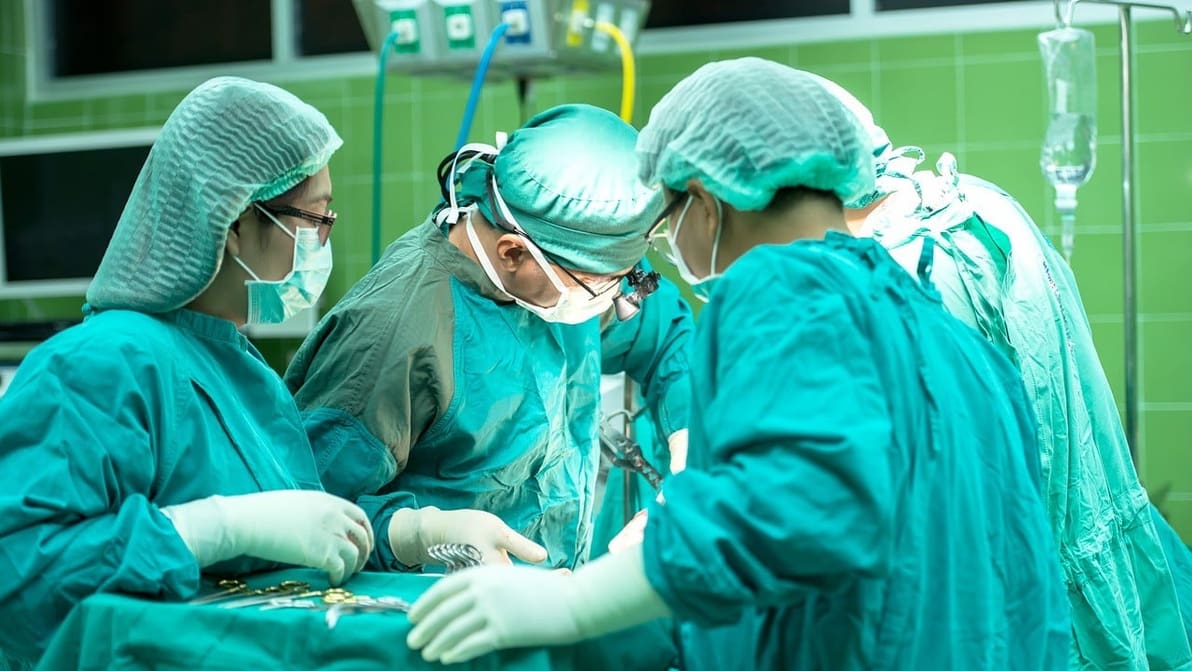
Researchers from the Queensland University of Technology propose 3D printing tissue-engineered constructs as a graft to assist in nipple reconstruction for women who've undergone a mastectomy.
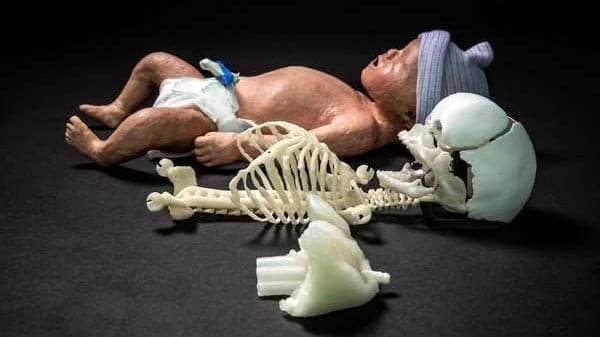
A researcher at the Eindhoven University of Technology created a lifelike 3D printed baby manikin using MRI scans to improve resuscitation training for medics.