It's a use case we often see scanner manufacturers pushing as a core reason you should use their products, but when the results are often blotchy, fuzzy approximations of the object scanned, we've got to ask, who's actually printing that? Treating the scan as a starting point to reverse engineer, we get, but is anyone printing scans as they come?
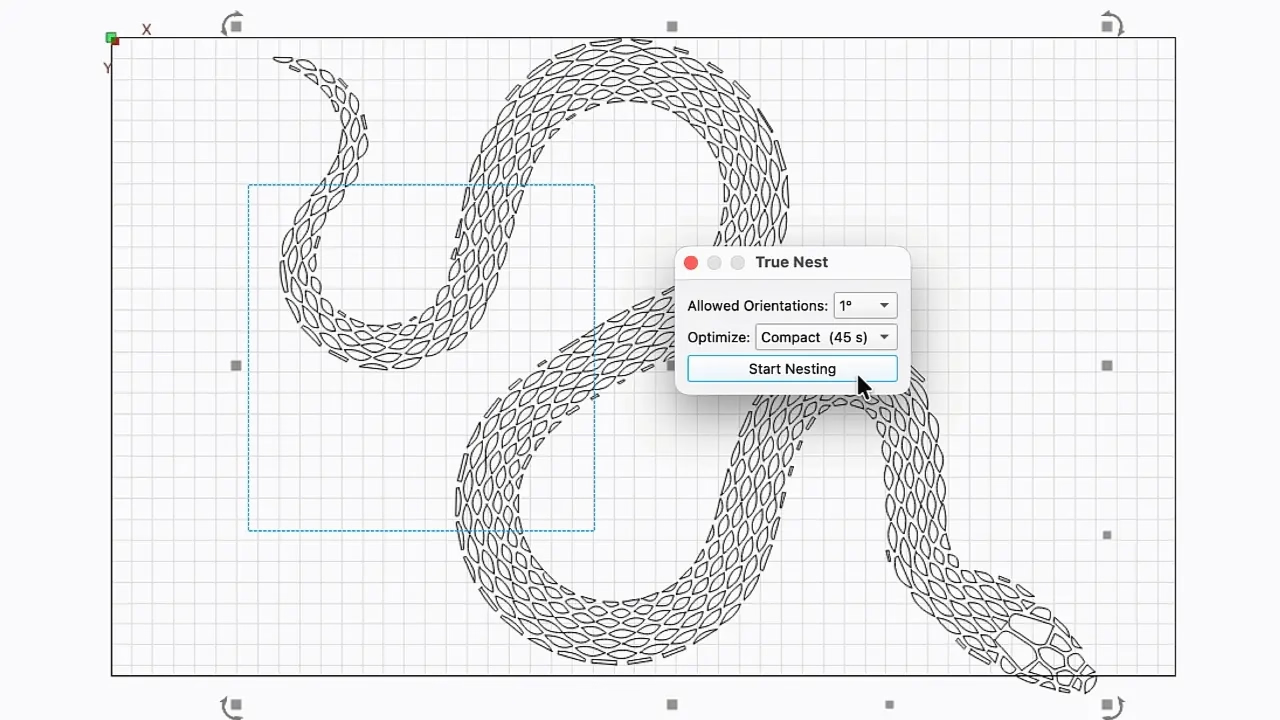
LightBurn 2.1's Quick Nest feature gets an upgrade in 2.2.0. Rather than nesting objects based on their bounding boxes, 2.2.0's True Nest feature jostles objects efficiently together based on the actual contour, saving material with each batch. If you're not into laser cutting, that probably sounds pretty dull, but seeing it in action is infinitely more entertaining than reading about it. Read more about it on the LightBurn blog.
Stratasys alleges Bambu Lab infringed ten of its patents with the X1, P1, and A1 series 3D printers. For four of the patents, the subject of the first of two trials, a jury agreed, awarding $27.6-million in past damages to Stratasys for the infringements. It's worth noting that, so far, there's been no mention of injunction on sales of the machines, some of which are still available, or licensing going forward. Bambu Lab could, and almost certainly will, appeal the decision.

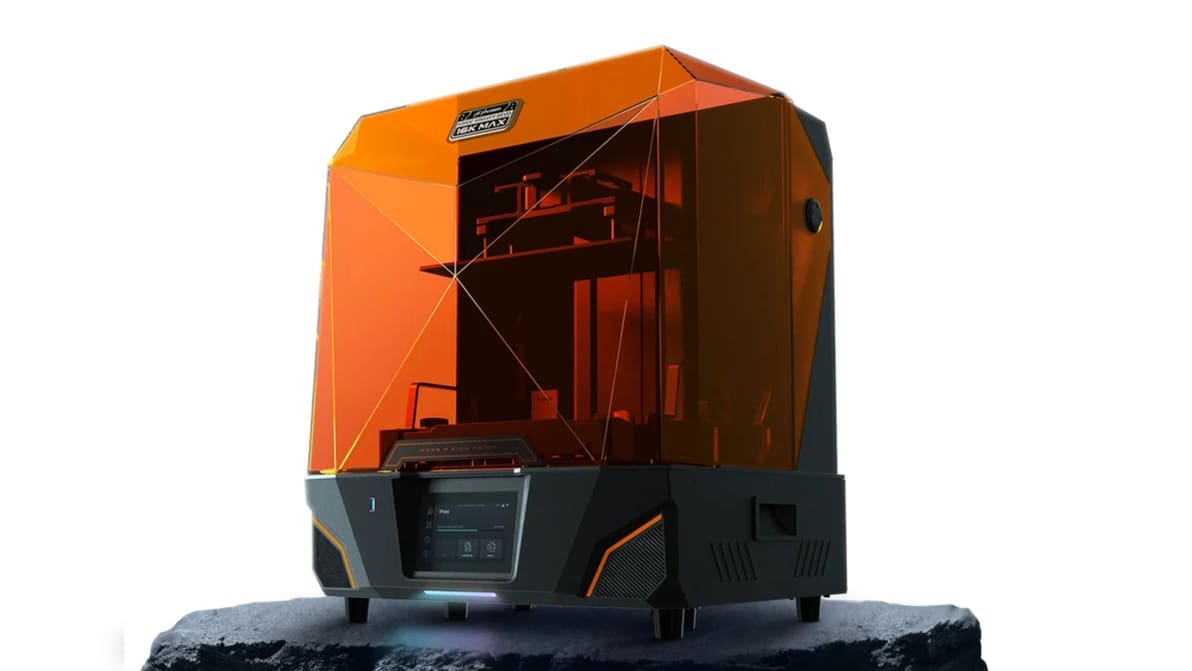
Phrozen supersizes its Mighty Revo resin printer with almost twice the build-plate area and a 2-liter vat, with pre-orders opening September 22.
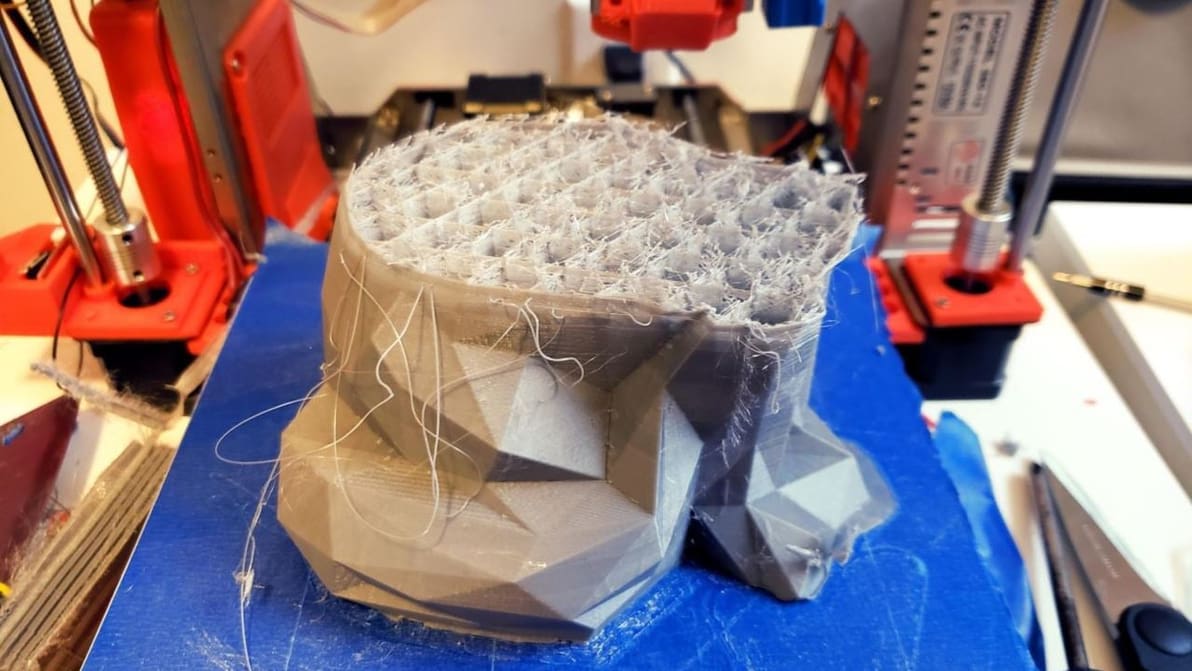
Heat creep can still clog even the best 3D printers, and the causes have changed. Here's how to tell it apart from other jams, why it actually happens, and how to fix it

The Turtle is a versatile modular scanner that handles everyday conditions better than most. Swappable cameras for different tasks are handled well, though the company’s software frustrates at times, marring what would otherwise be a stellar scanner.

SnowX's upcoming SnowPod aims to bridge the gap between industrial SLM technology and true desktop usability. By redesigning the entire workflow, it brings high-precision 316L stainless steel 3D printing directly to the workbench.
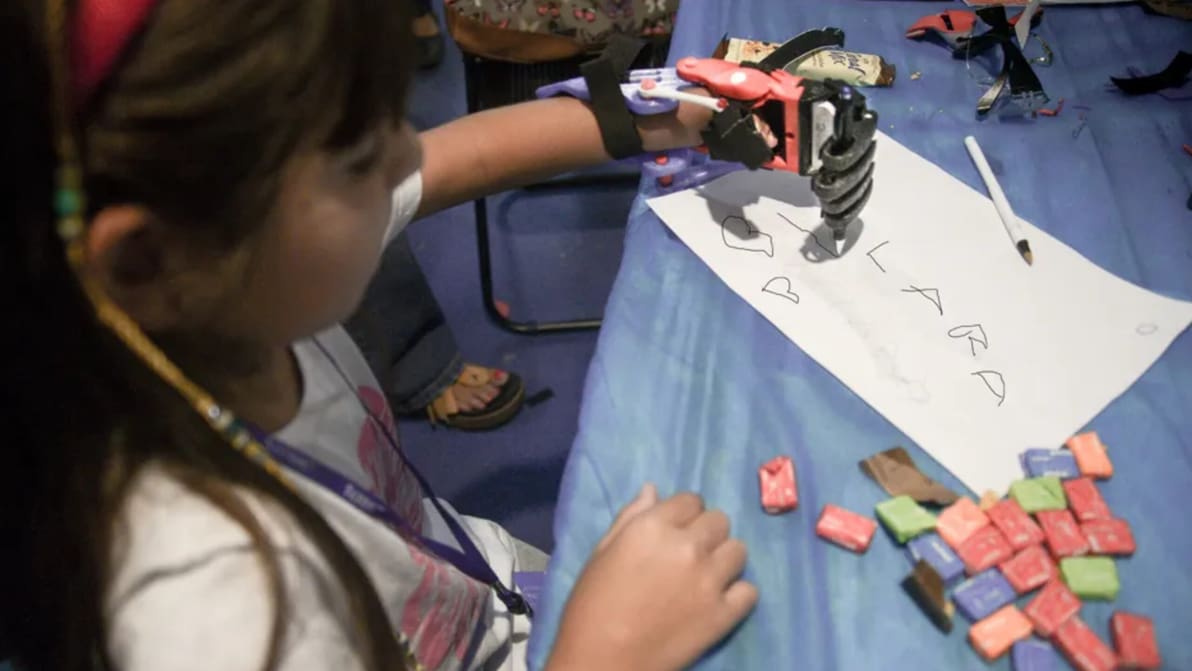
From September through December, 24 real-world briefs will challenge the MakerWorld community to design 3D-printed fixes for everyday accessibility needs.
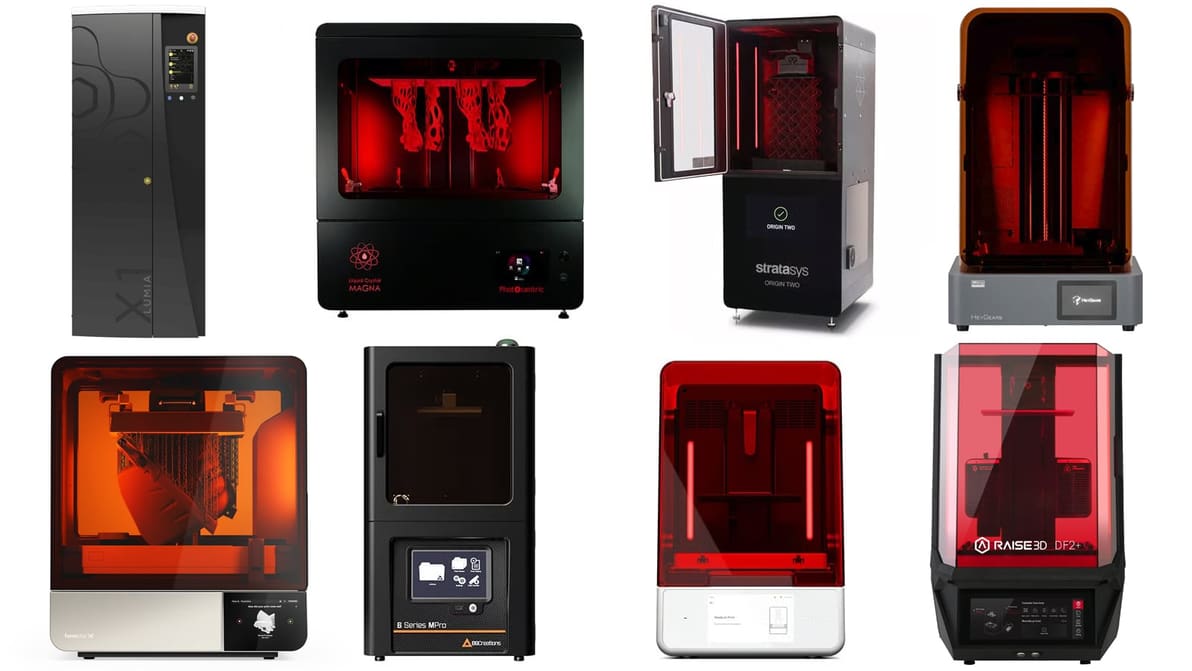
Expand your capabilities with systems designed for certified engineering-grade resins and specialized manufacturing applications.
Autodesk has joined the grand tradition of announcing AI features before they actually exist. The company today announced plans to beef up Autodesk Assistant AI in Fusion so it can use project context to flag problems, trace knock-on effects, and help across design and manufacturing workflows. Users will also be able to hook in their own AI tools. For now, though, this is a roadmap, not a release. The expanded Assistant isn’t generally available, and Autodesk says rollout details are coming in 2027.
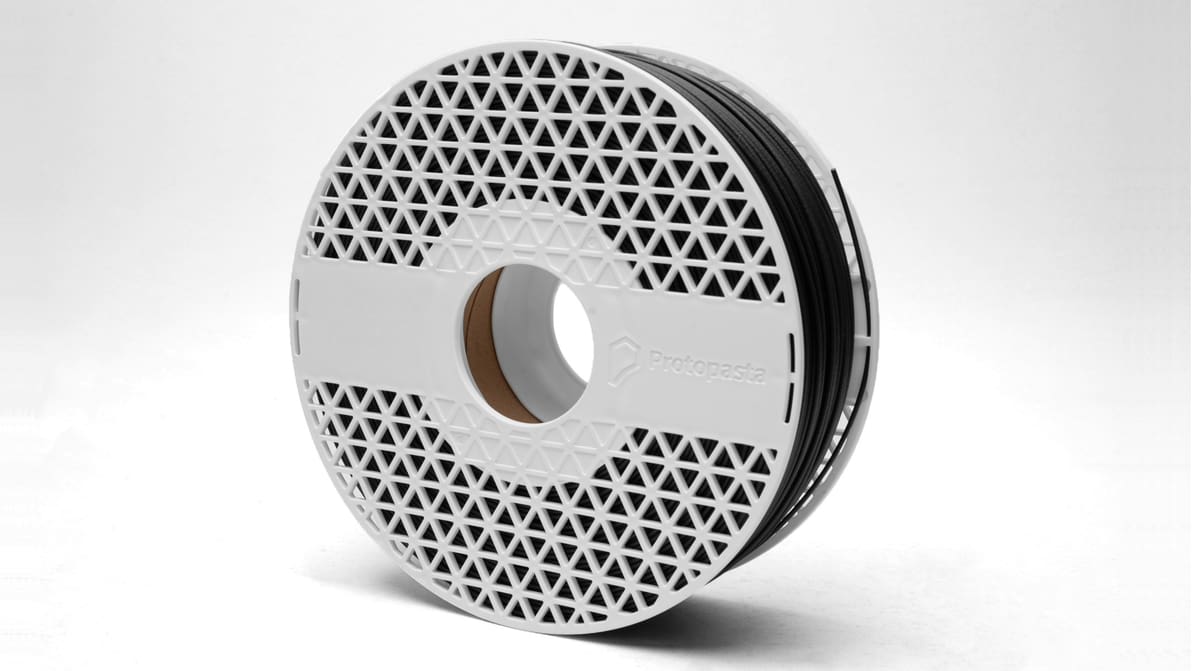
PLA is hard to beat for ease and aesthetic. Protopasta HTPLA takes PLA to new heights with higher temperature performance, exceptional quality, and exclusive aesthetics available nowhere else. Custom formulated and made from scratch. Make something special with Protopasta.
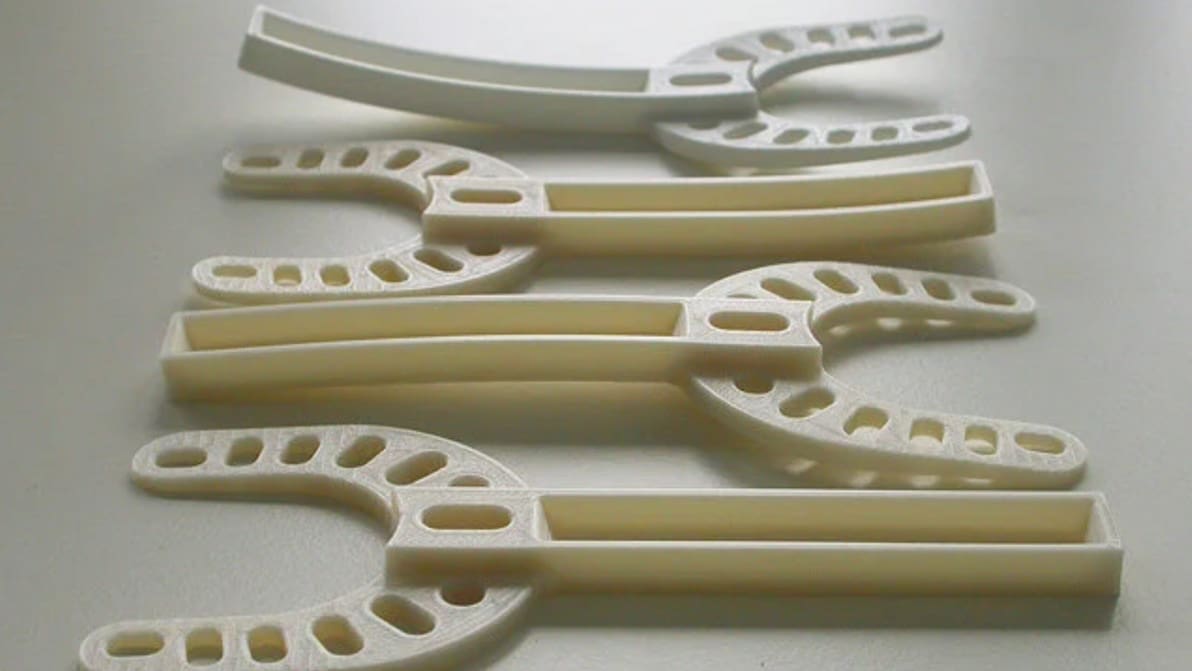
The real reason plastic goes soft before it melts, and what that means for anything you print in PLA, PETG, or ABS
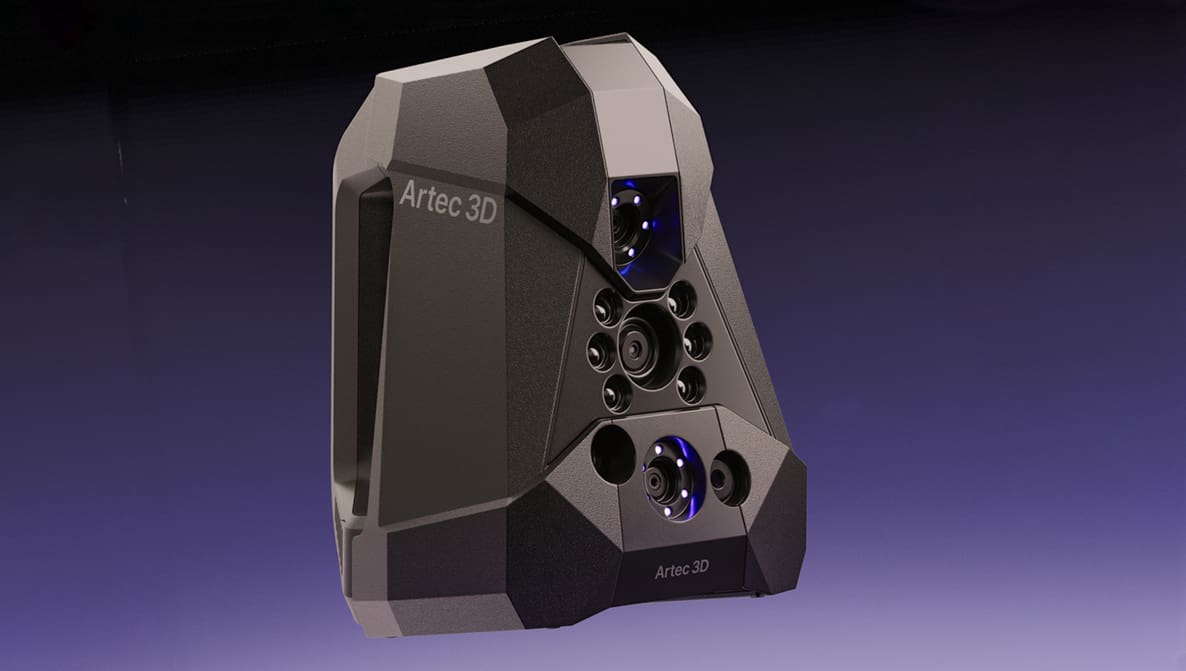
Artec 3D new Neo, a handheld 3D scanner designed to reduce one of the more mundane parts of precision 3D scanning: covering a workpiece with tracking markers before measurement can begin.

On the lookout for an exciting Raspberry Pi project? We've compiled this list of 40 of the best around.
Nikon SLM Solutions just began teasing a new metal 3D printer under the banner “Reach Mach speed,” which appears to be its first genuinely new production platform in years. It's aimed at the “middle range” where most actual manufacturing happens. Details are scarce beyond promises of throughput, reliability, and volume production, while the campaign URL’s “Mach X” offers one more breadcrumb for the speculation pile. The reveal is set for Nov. 17, opening day of Formnext 2026, so until then we’re apparently expected to make do with a countdown clock and our imaginations.

From high-speed 3D printers to the new wave of desktop CNC mills coming out of tech shows like IFA, Kickstarter has become a primary launchpad for desktop fabrication hardware. But how do you actually feel about buying tech through crowdfunding?
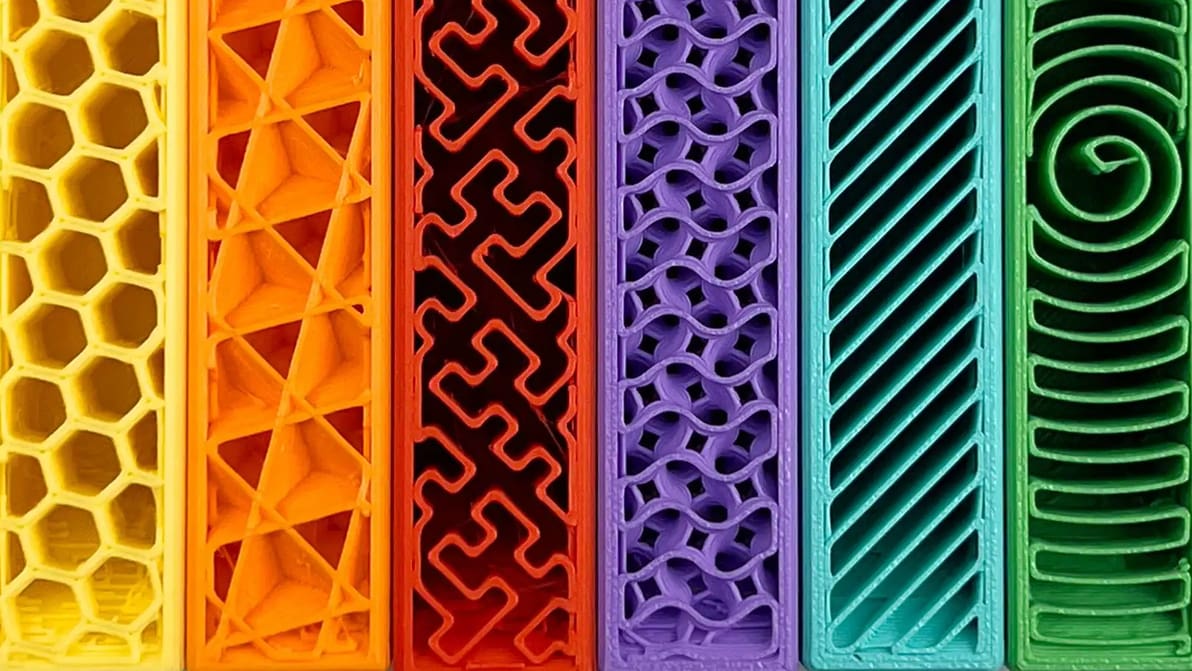
Get infill density and pattern wrong and your print wastes filament, snaps, or takes forever to print. Read on to learn how to get it right.
gathering user feedback about its software and how it could be better at the little things – all in preparation for launching what it calls Anycubic Software 2.0. The release brings a raft of updates that touches both Anycubic Slicer Next and the Anycubic App. Highlights include making features like spaghetti detection toggleable in-app, syncing materials settings, better support for third-party filament in the material library, and adding file search and full print history to the slicer. It's a solid collection of quality-of-life improvements.


Aiming to "solve the frustration of filament tuning," LayerHub is Polymaker's new hub for 3D printer users to download, validate, and share their own filament presets using the methodology it uses to tune for its own filaments.

Siraya Tech is turning flexible 3D printing into an engineering-grade production workflow with a complete ecosystem of TPU and PEBA materials. Discover how their advanced formulations solve traditional elastomeric printing challenges for high-performance parts.