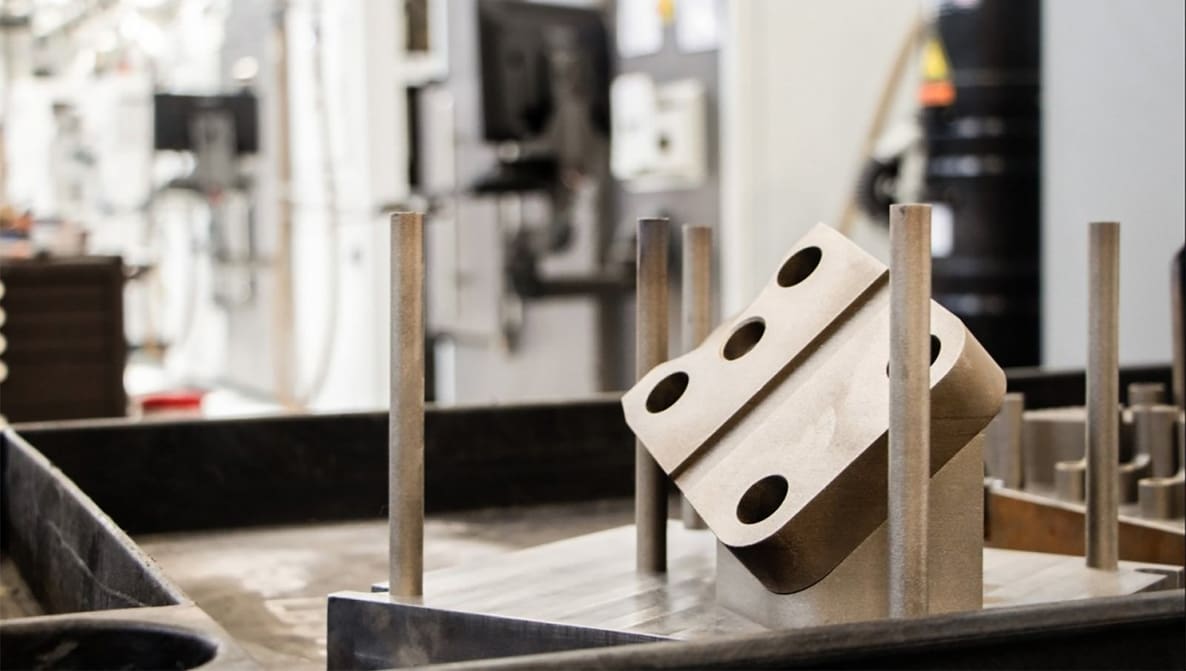
The U.S. military's growing additive manufacturing capability may soon be put into action producing myriad spare parts to boost force readiness.
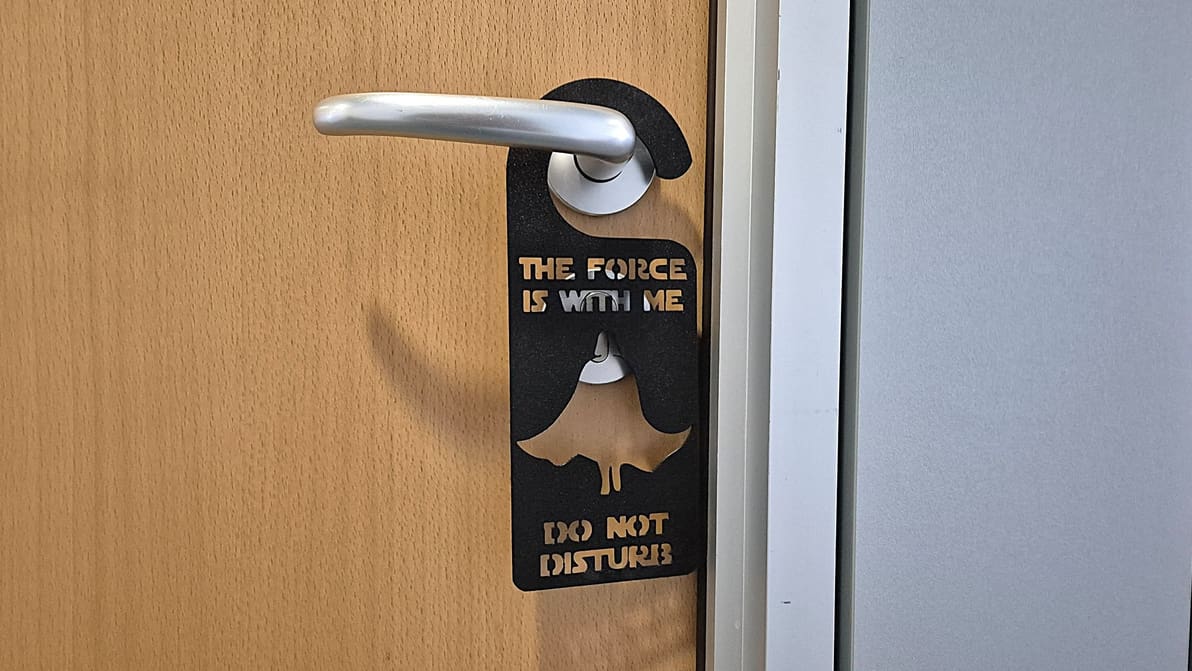
Whether a Jedi or a Sith, we all need to make it clear when we shouldn't be disturbed. This sign'll do it for you.
a new material that changes color when stressed or stretched. This cholesteric liquid crystal elastomer (CLCE) won't be in a 3D printing material shop anytime soon, but researchers at the Univ. of Pennsylvania say this material may solve industry problems in smart sensing, displays, and robotics across medicine, diagnostics, monitoring, and can even be used in art. "This could allow us to observe mechanical stress in a way that was previously impossible with traditional materials," says Shu Yang, lead investigator of the work.
A newsletter over the weekend indicates May 15 as a possible release date, with more details dropping tomorrow, May 6.
The Kobra 3 V2 Combo succeeds the Kobra 3 Combo. The image in the mailing doesn't appear to show any obvious changes to the printer, so we'd guess the update focuses on reliability and performance, rather than any wholesale changes to the hardware or features.
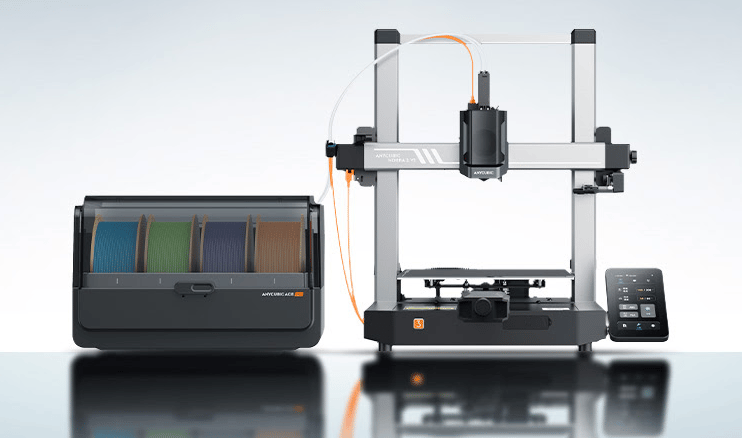
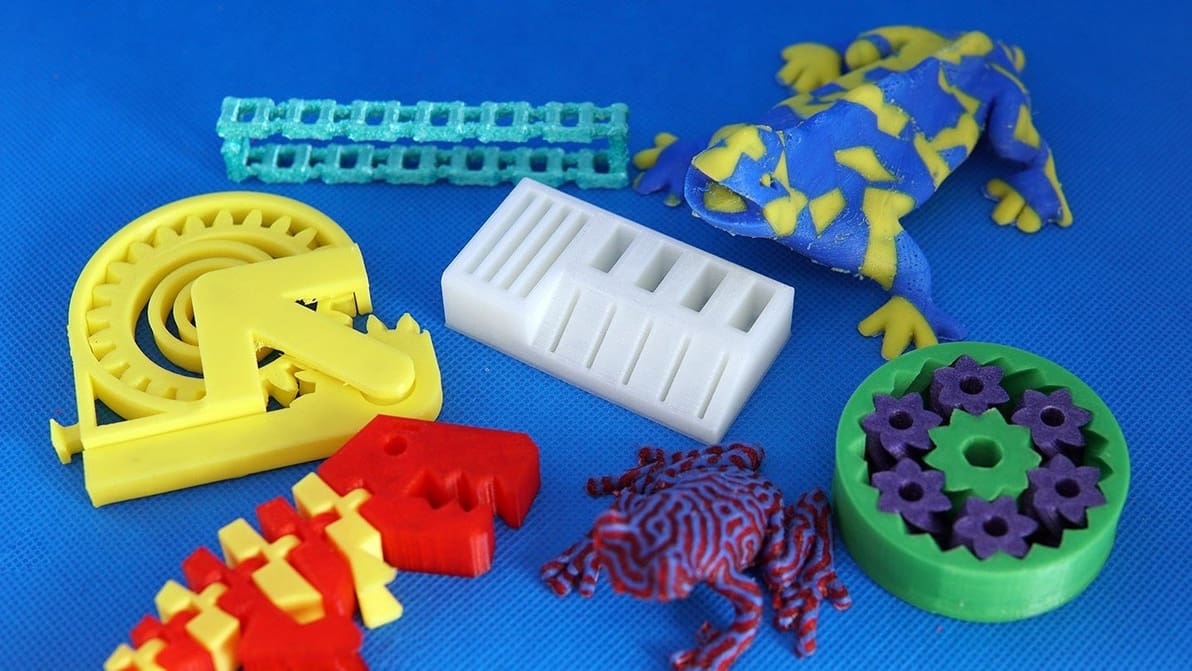
Let's take a look at a few ways 3D printing is bringing ideas to life... in color! It's time to talk about multicolor 3D printing.
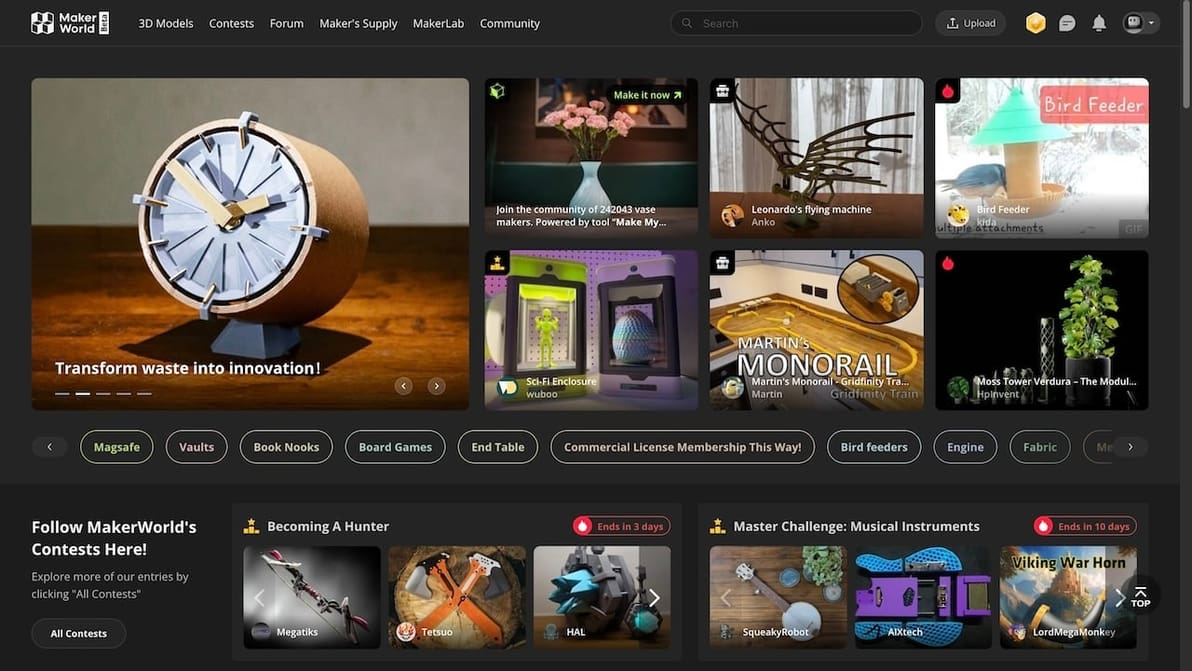
Read all about Bambu Lab's MakerWorld, where imagination converges with cutting-edge technology to transform ideas into reality.
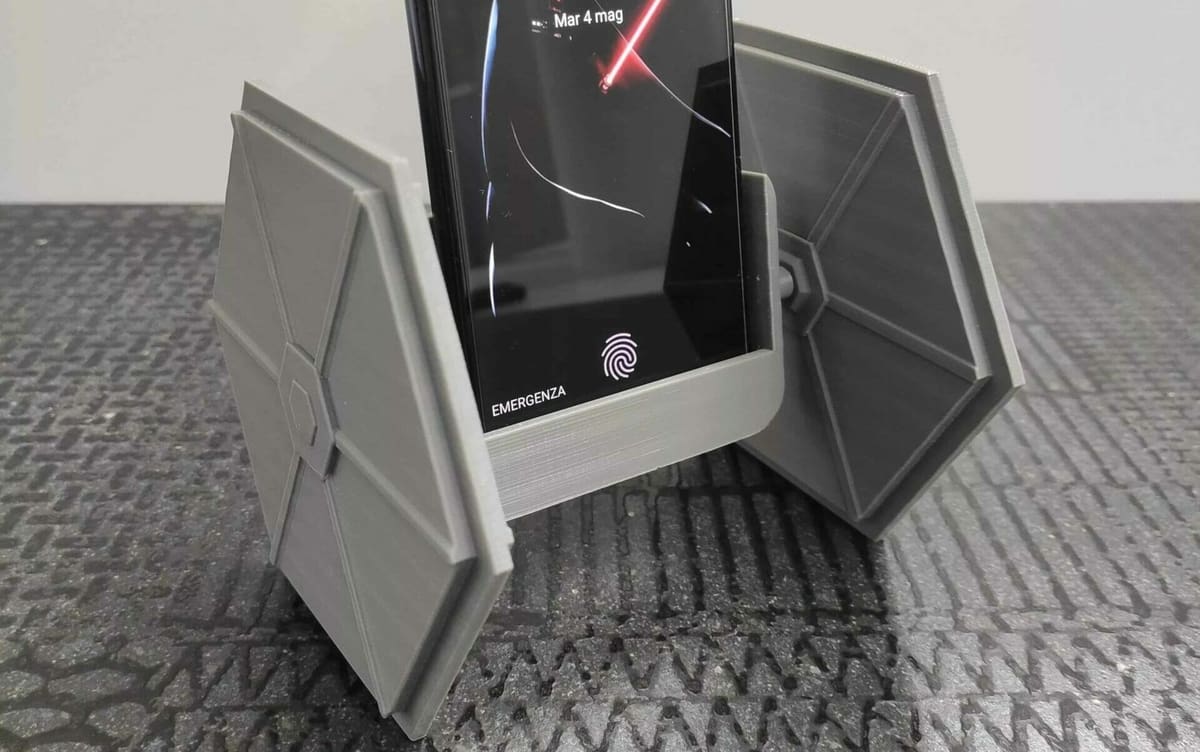
Whether you're called to the light or dark sides of the Force, there are models for you to 3D print right now in a galaxy not so far away.
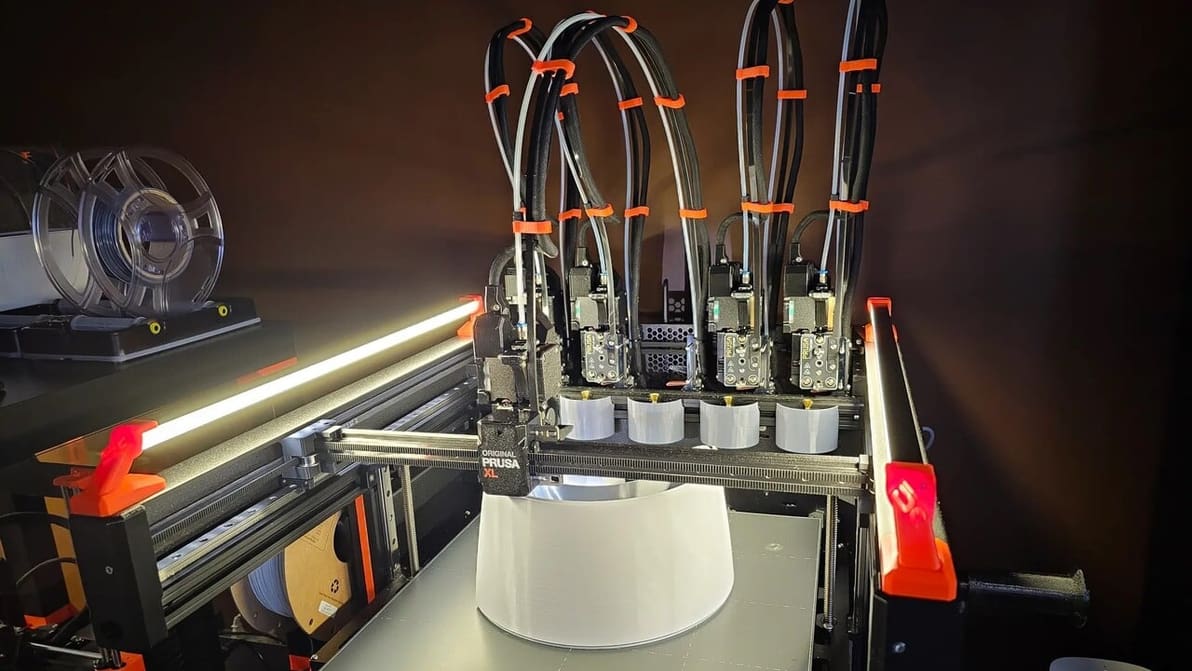
There are different reasons why you might want some 3D printer light. Check out practical solutions to avoid being left in the dark!
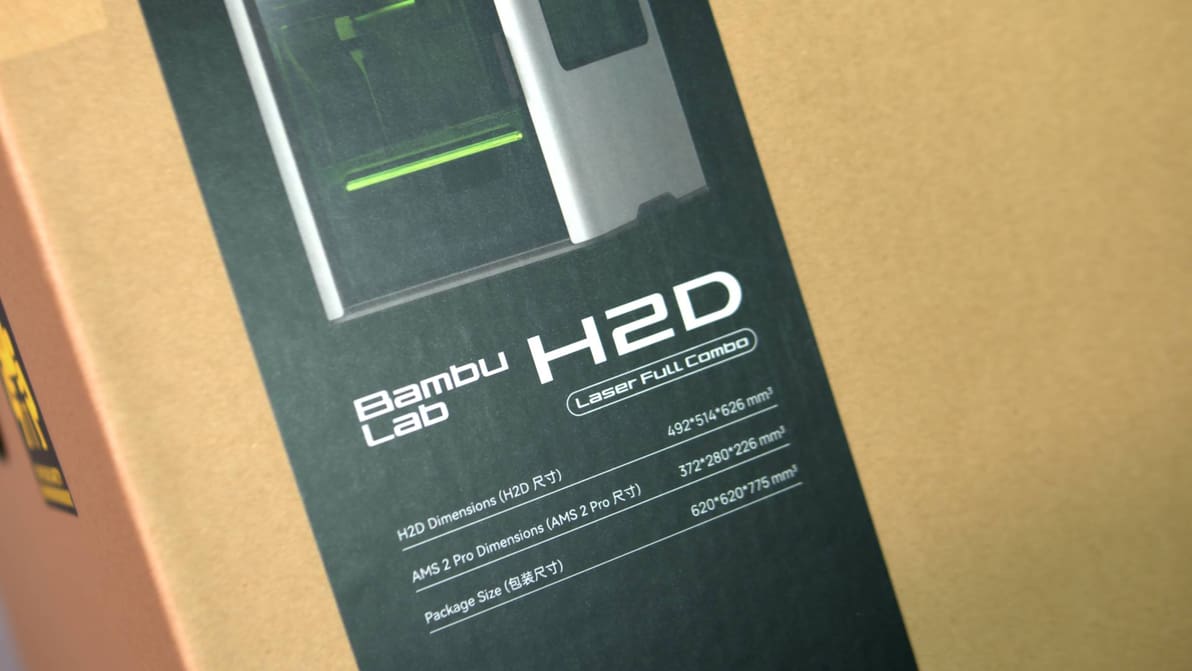
The Bambu Lab P1S is a fab little 3D printer, but now that Bambu H2D is here, is it time to upgrade? We’re here to help you make the call.
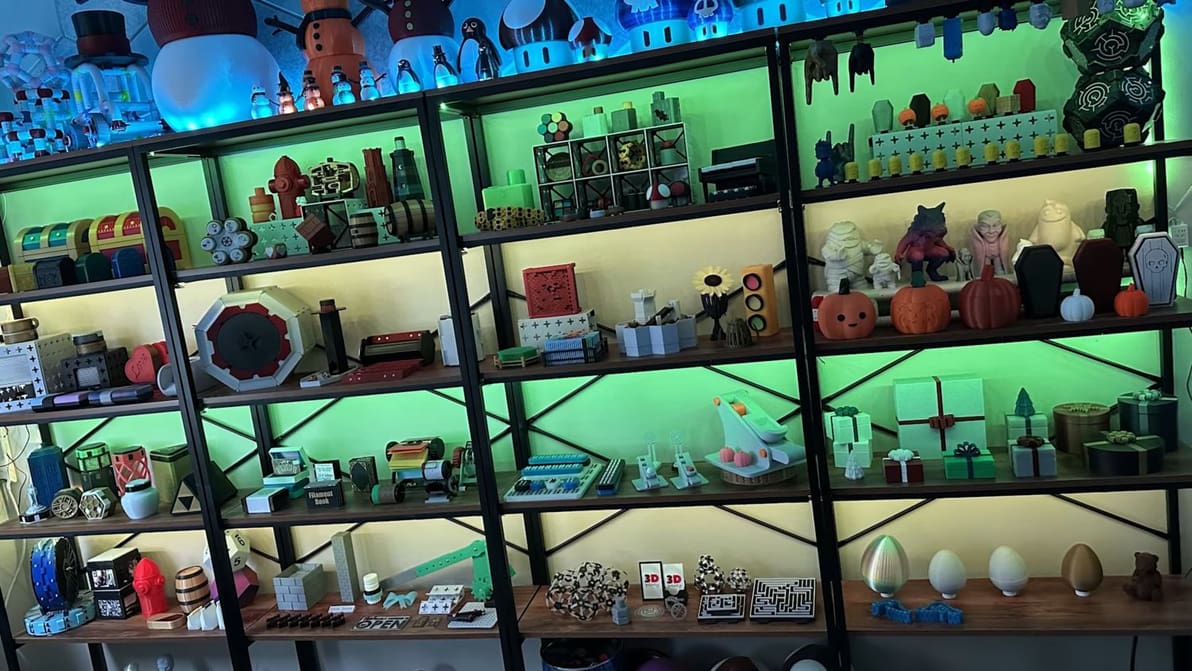
We're featuring some of our favorite designers, and we had to include 3D Printy. It should be easy to see why!
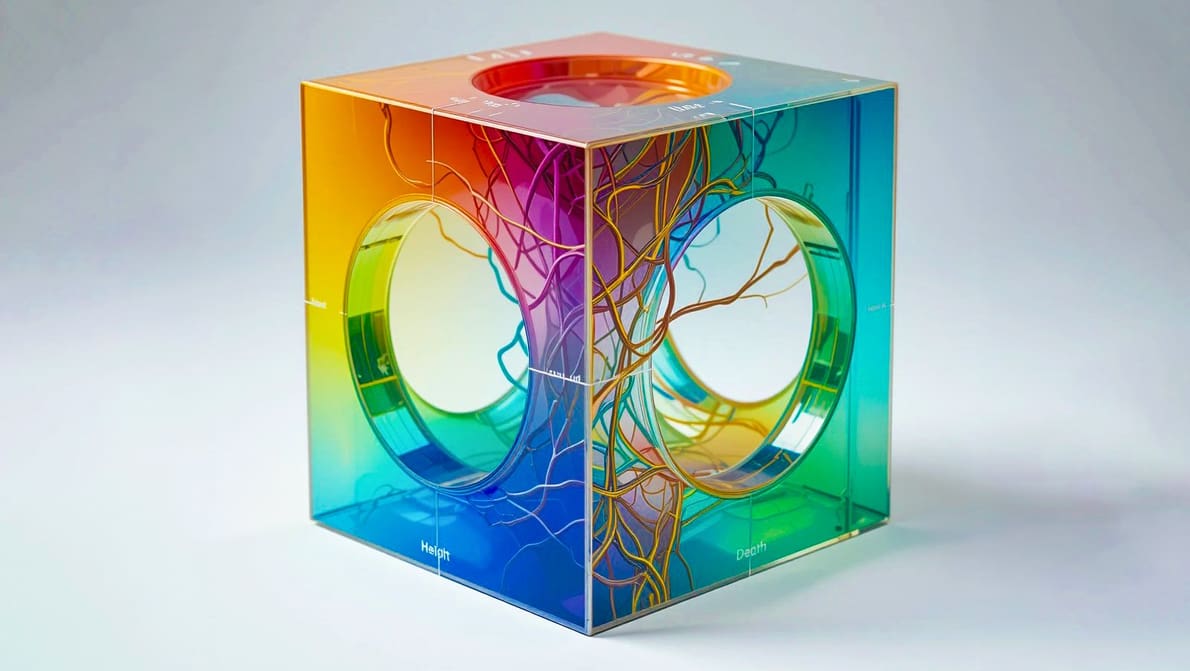
This new and novel low-cost quality assurance cube is a promising accuracy protocol for point-of-care 3D printing and beyond.
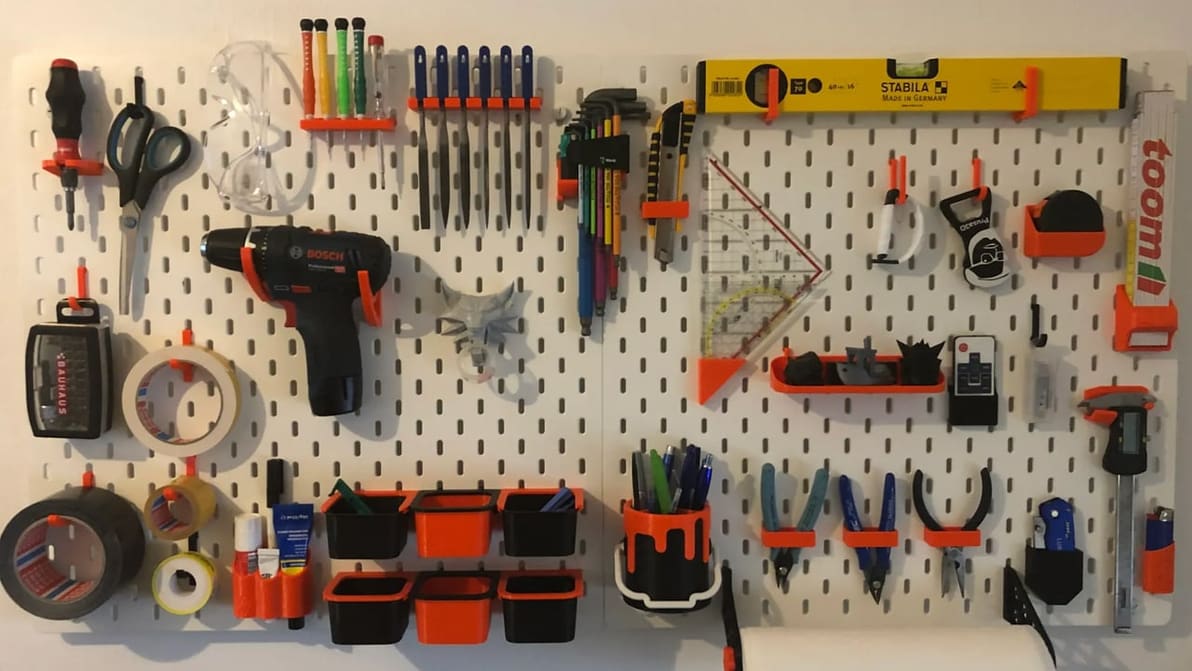
The right gear will go a long way in supporting your 3D printing journey. Read on for the absolute essentials!
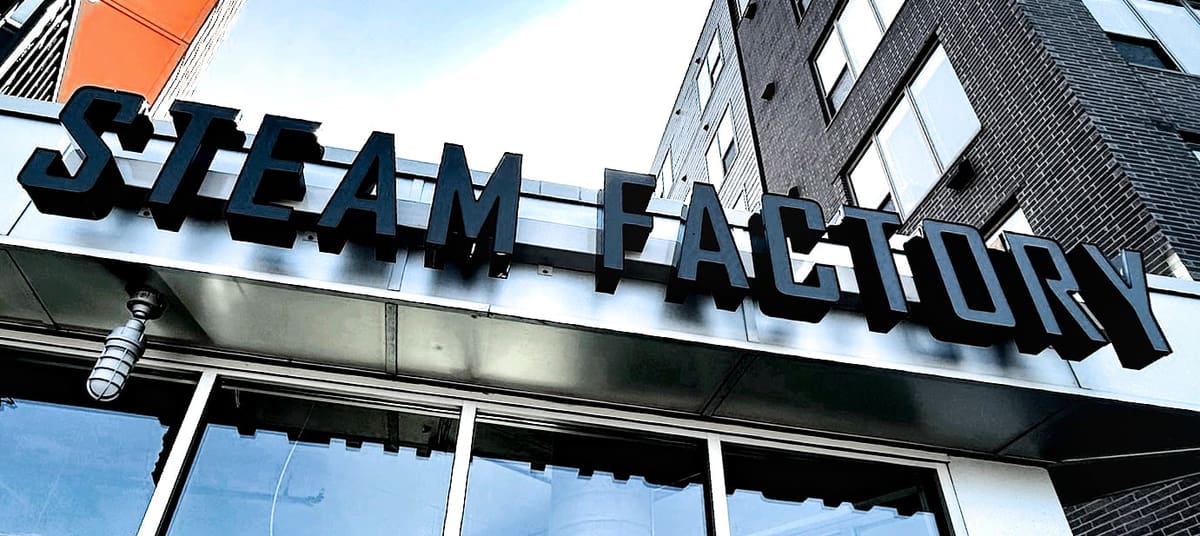
Along the lines of a make-your-own pottery shop or a woodworking studio, engineer Rick Beddoe is today hosting the grand opening of a 3D printing retail shop that's part Fab Lab and part design company. Steam Factory houses more than a dozen 3D printers and offers a membership subscription model (up to $40 per month) to customers to come in and get hands-on help 3D printing, scanning, and designing anything from prototypes to household gadgets.
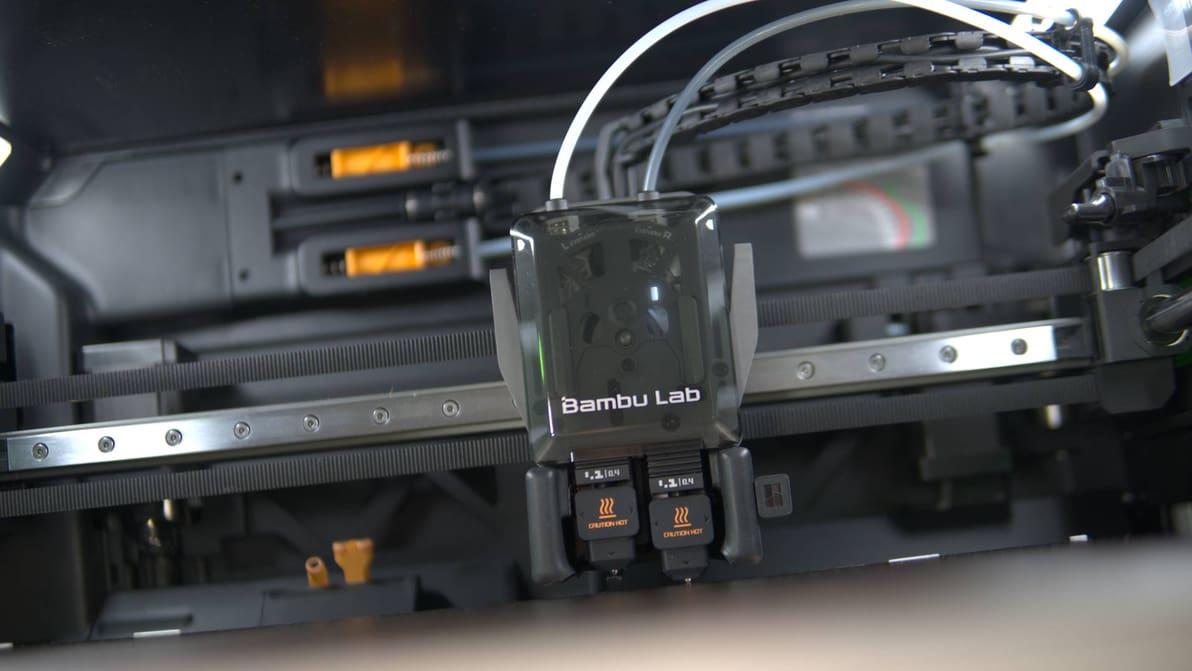
The new H2D is Bambu Lab's next big thing, but should you buy one if you already have an X1 Carbon?
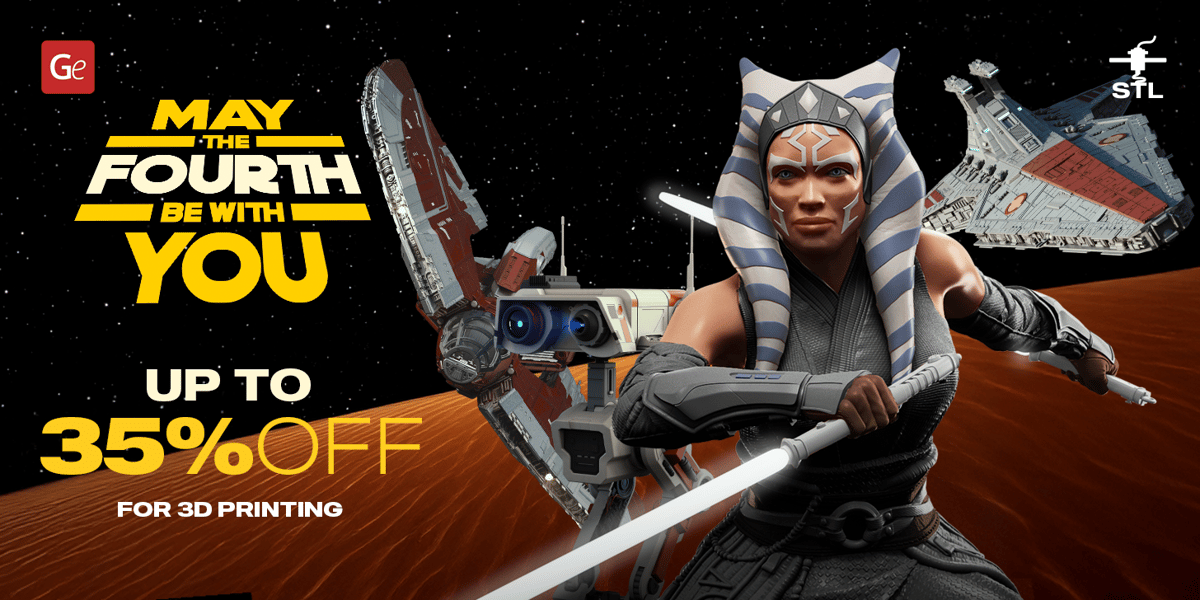
Gambody, the geek-focused 3D printable model storefront, already has "all models inspired by the Star Wars universe" – over 100 STLs – available for up to 35% off from today until May 7.
On top of that, one of our favorite Star Wars-themed modelers, Galactic Armory, will be hosting a 50% off sale on GalacticArmory.net of all 3D files with the code "MAY4TH" from May 3 - 5. You can use the same code for 50% off your first month subscribed to the Galactic Armory Patreon, too!
Some "Elegoo Maker[s]" got an invitation to "claim your spot" in a 1,000 participant limited test that will run from May 9 to June 10. More than just early access to the platform, the company is offering filament coupons and extra repository rewards to testers.
In addition to its own library of models, Nexprint will feature "Open-Source Model Aggregation" that searches models "across Thingiverse, Printables, MakerWorld, and more," and one-click printing via OrcaSlicer. If you didn't receive an invitation, you can still apply to be a tester via a link on Elegoo's Discord.
Under the program, designers can earn "passive income" – which amounts to points redeemable on Creality’s e-shop.
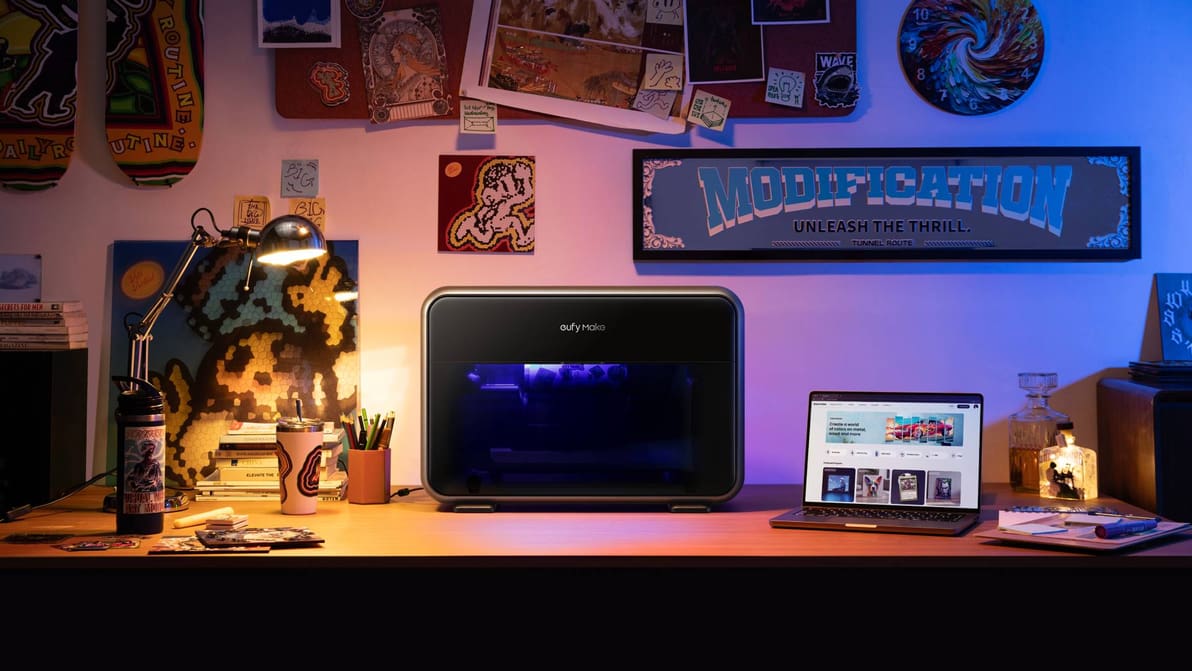
After a short stint in 3D printing, EufyMake (formerly AnkerMake) is embarking on its next creative tech journey with the E1, a UV resin printer that can print textured graphics on over 300 materials (including 3D prints) says EufyMake.

The clarity of 3D printed parts is more glasslike than ever with new materials from 3D printing services. We put five top companies to the test.
Slate Auto, the new Jeff Bezos-backed EV maker has just released the "Amazon Essentials" of the auto market: a basic pickup with minimal features and even hand-crank windows. However, it you're keen to modify your Slate with 3D printed parts, there's a full range of manufacturer-approved and provided accessory design files, ranging from center console organizers and phone holders to bed-mounted tool caddys and interior bag hooks.