3D Printing For Electronics? More Brands Are Rushing to Offer Flame-Retardant Filaments

Ensure that your 3D printed parts don't go up in flames by using flame-crushing materials that can actually self-extinguish.
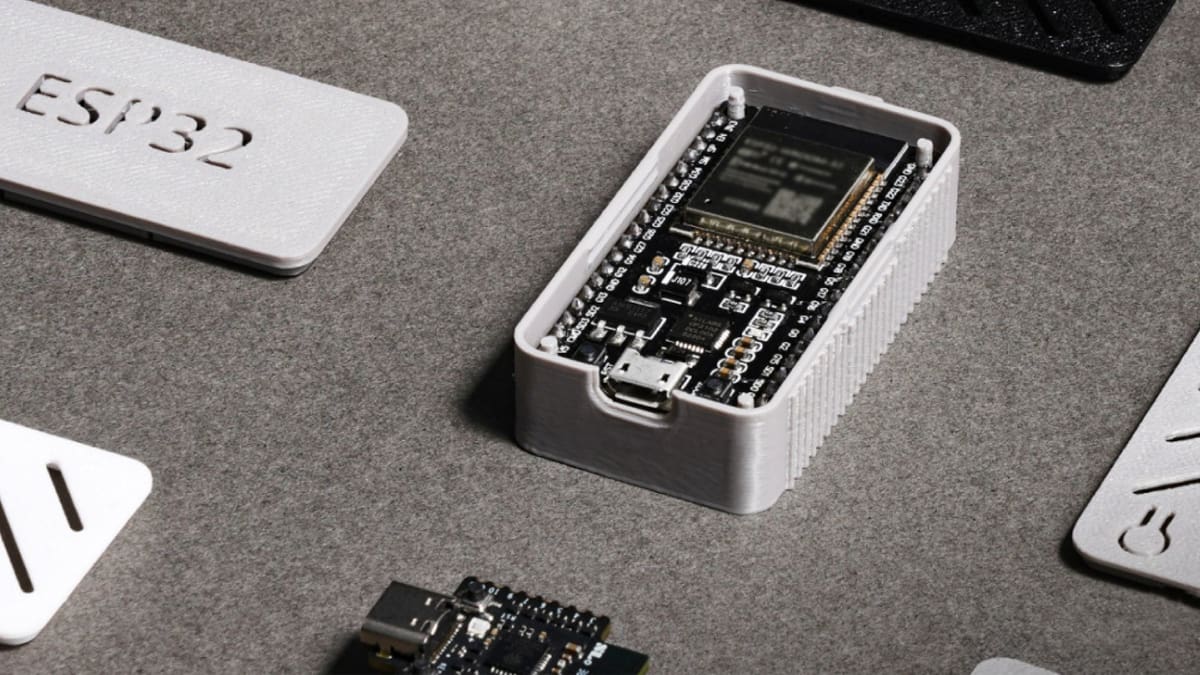
The moment your 3D print goes near electronics, batteries, or heat sources, the question changes from “will this print well” to “what happens if this catches fire?”
This safety concern is a key reason the flame-retardant (FR) filament market has seen notable developments recently. This year, FormFutura introduced two new flame-resistant options optimized for high-speed printing; Polymaker‘s FlameGuard PLA recently earned an award for combining flame retardancy with eco-friendly materials; and polymer maker Ensinger launched a glass-filled, flame-resistant PC filament aimed at the rail industry;
Bambu Lab introduced its PC FR polycarbonate filament in late 2024, bringing UL94 V-0 certification to desktop 3D printing at a more accessible price point.
While standard PLA or ABS works just fine for miniatures or desk organizers, manufacturers are now making these crucial, high-safety FR materials easier to print on standard desktop printers. If you last looked at FR filaments a few years ago, you’ll find the landscape has changed considerably — better printability, wider polymer variety, and prices that don’t require aerospace budgets.
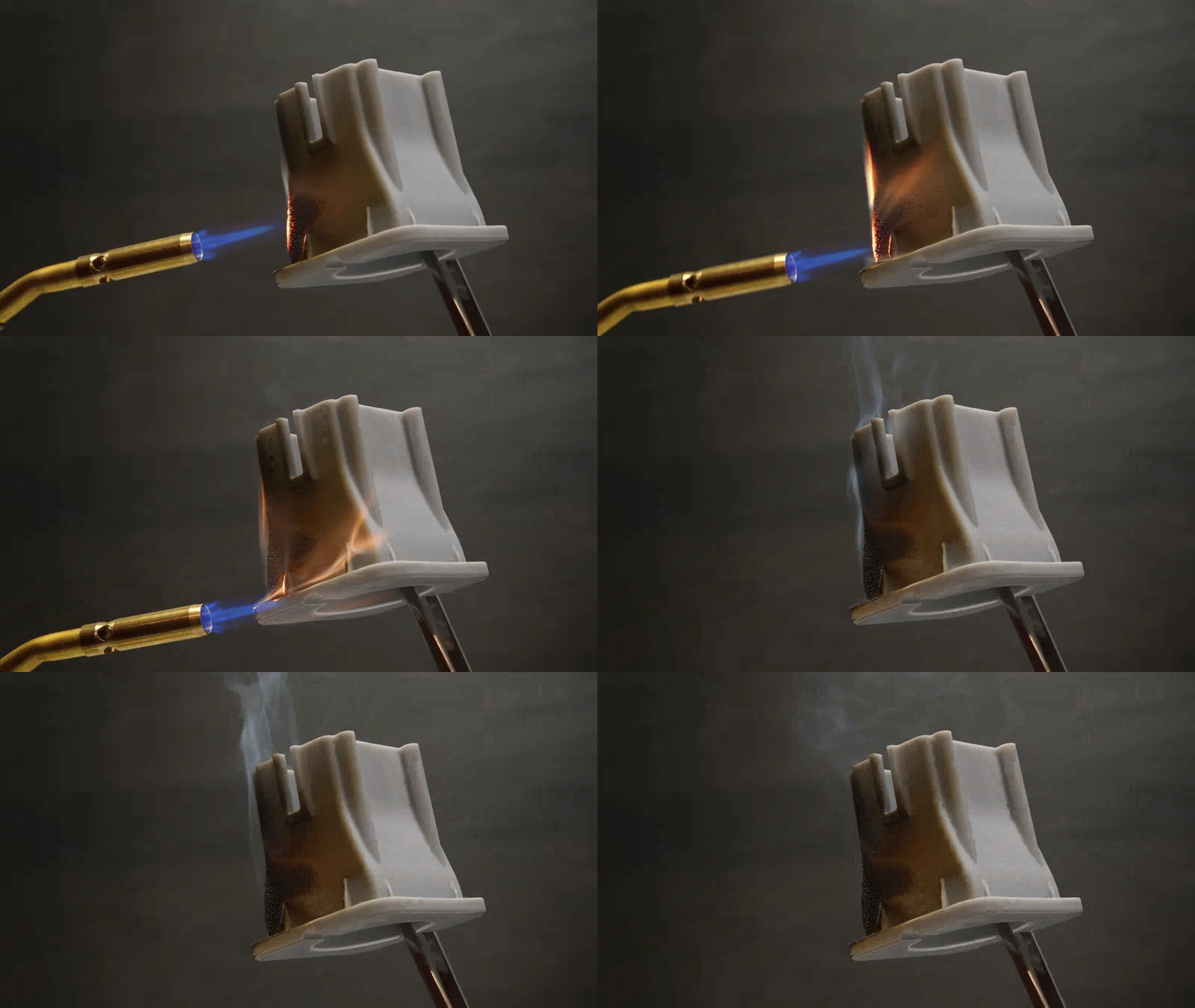
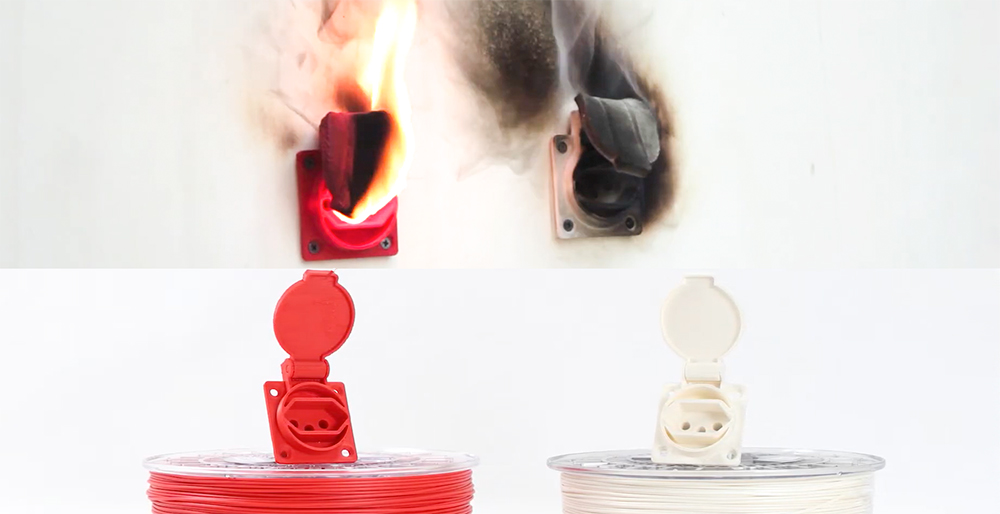
If your part or product needs to meet an industry standard for self-extinguishing, several certified products on the market meet international requirements (we’ve listed many below). Yet many polymers, such as PEEK and Ultem, are flame-retardant by nature and may not carry specific certifications. The manufacturers of these polymers may have carried out their own tests on the material to ensure that they are flame-retardant, but have not gone through the certification process.
Ultem blended with another polymer, however may no longer be flame-retardant. In this case, the manufacturer may add a flame-retardant chemical to the material. Anytime a 3D printing material is a blend of polymers, there’s no way to determine its flame-retardancy without lab testing. Don’t assume every Ultem- or PEEK-based filament is flame-retardant.
Here, we explore your options for 3D printing with certified flame-retardant materials in filament and polymer powders for selective laser sintering, as well as resins for SLA printing. If you’re not sure your application needs to be printed in flame-retardant materials or what the certifications mean, skip down to the end.

Flame-Retardant (FR) Filaments
Industrial-Level FR Polymer Filaments
Flame Retardant Polymer Powders & Resins
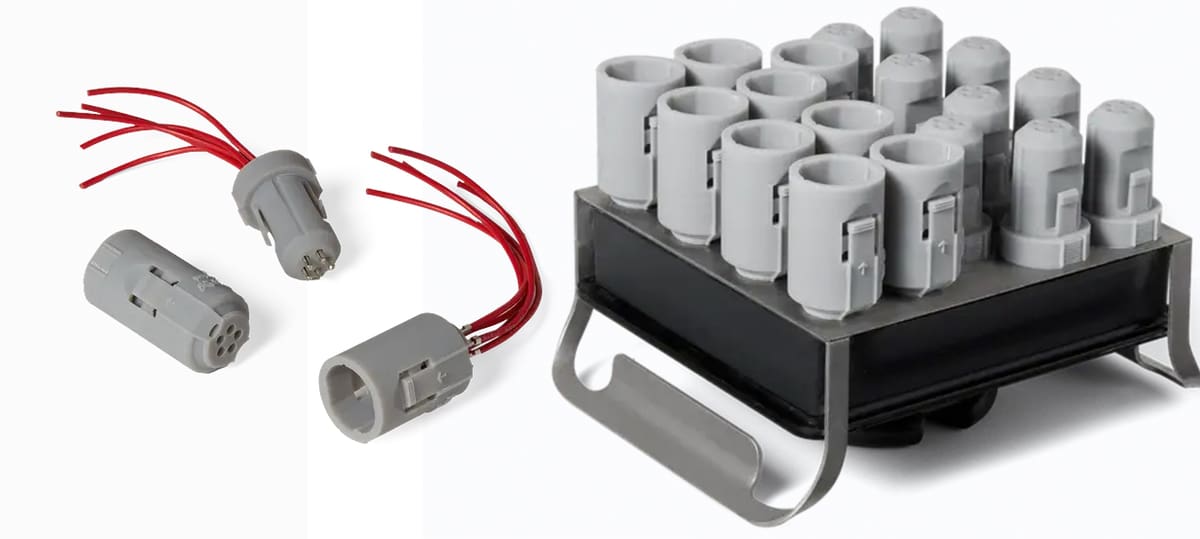
Flame Retardant Polymer Powder for SLS
Flame Retardant Polymer Resin for SLA & DLP
What Is Flame-Retardant & Why You Need It
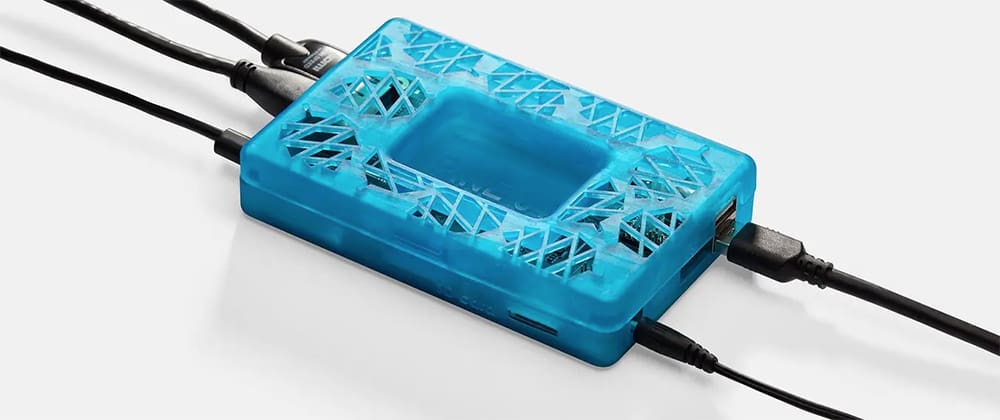
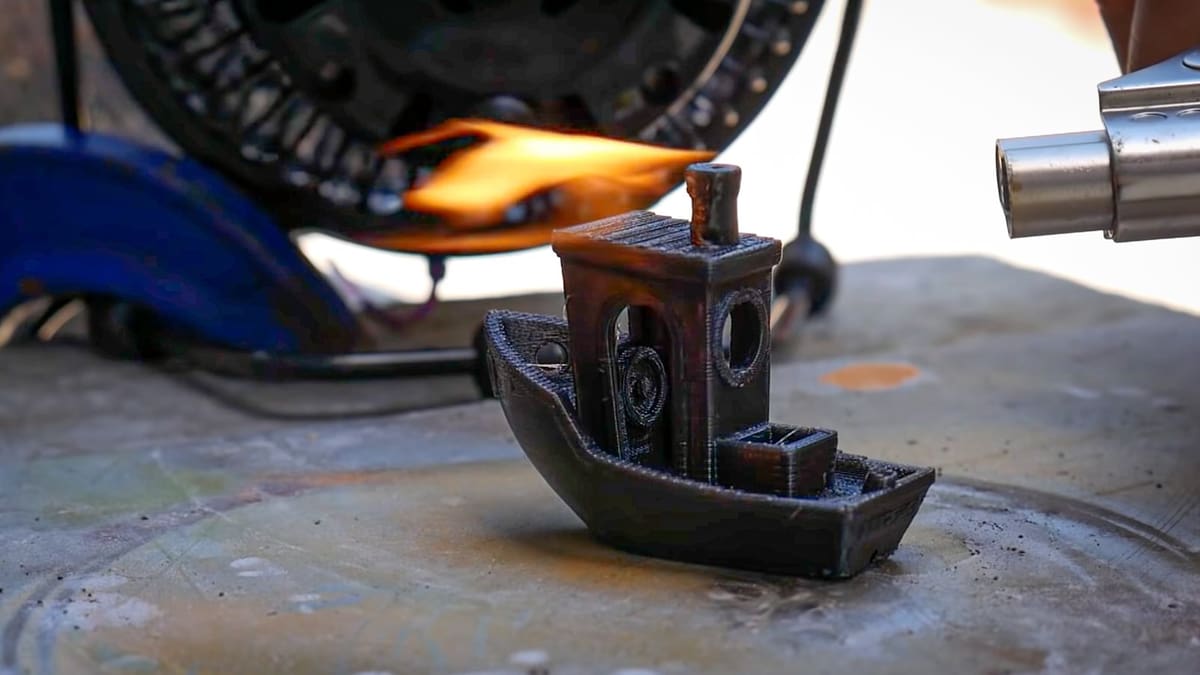
Flame-retardant materials slow down the spread of fire because they are more resistant to catching fire and staying on fire, but they are not fire-proof. They are designed to minimize the risk of a fire starting when in contact with a small heat source, such as a small flame or an electrical fault.
There are a few ways that materials can achieve being flame-retardant:
- Using chemicals that react endothermically when heated. This means the chemicals involved in the reaction essentially absorb heat, reducing temperatures and slowing fires.
- Releasing an inert gas when heated, which acts to stifle the flames by cutting them off from oxygen.
- Having burning layers shield unburnt layers through the process of charring.
In general, any plastic components close to electrical current require some form of fire resistance or retardancy. Wire nuts, junction boxes, and internal cable supports are all examples of components at risk of catching fire if an electrical issue occurs. In addition, industrial machines, DIY tools, and household equipment, such as microwaves, toasters, and dishwashers all contain flame-retardant components.
In automative and aerospace industries, the insides of vehicles, such as the interior of a plane or the cockpit of a race car, also need to prevent the spread of fire to protect the human occupants.
Certifications & Standards for Flame-Retardant Materials
In the product chart above, you’ll notice a range of certification standards to indicate a material is flame-retardant, but what do these really mean? Let’s take a look.
Underwriters Laboratories UL 94
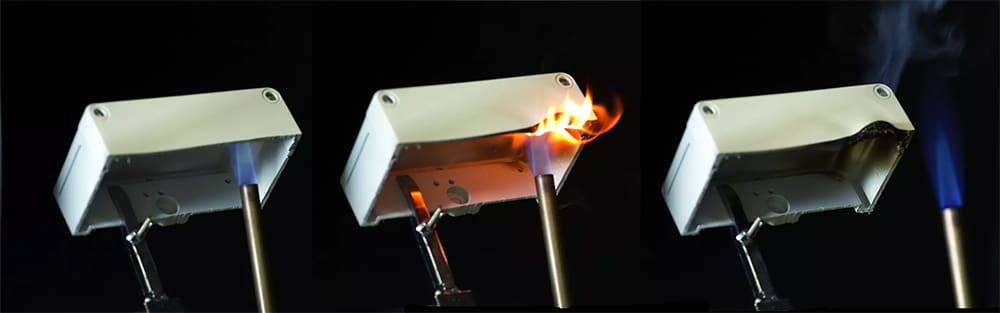
UL 94 is probably the most common flame-retardant standard. This standard defines how flame retardant a material is by subjecting it to specific testing. The testing process involved to gain this certification includes having a part set alight repeatedly with an external flame.
To achieve the coveted 94 V-0 rating, the part must exhibit the following properties:
- Burning for less than 10 seconds after the first and second burn. This demonstrates how quickly parts made with the material would stop burning.
- Afterglow after the second flame needed to last less than 30 seconds. This is a good guide on how quickly the part cools after being set on fire. The longer a part remains hot enough to glow, the more likely it will reignite another part nearby.
- After being set on fire ten times, no material was allowed to drip that would ignite cotton batting. Dripping material that can ignite other material is a sign that a component could ignite further fires in its immediate surroundings.
- The combustion could not consume the whole sample. This is a useful measure of how difficult it is for a flame to travel along the material.
With 94-V.0 burning stops within 10 seconds on a vertical specimen, 94-V.1, and 94-V.2 means burning stops within 30 seconds, and so forth to 94-5VA and 94-5VB, which indicate a specimen will flame but stop burning within 60 seconds.
FAR 25.853
The US FAA (United States Federal Aviation Administration) designed a vertical Bunsen burner test to determine the flammability of materials used in airplane interiors including both cabin and cargo compartments. It’s called FAR 25.853, and it’s not uncommon to see a “FAR 25.853 – approved” stamp on some plastic products. To meet the standard, specimens are held vertically inside an enclosure and a Bunsen burner flame is applied from below for either 60 seconds or 12 seconds. After the flame application time has expired, the material is observed. Flame time, ignition time, burn length, and material drip flame time are documented.
Choosing The Right FR Material For Your Project
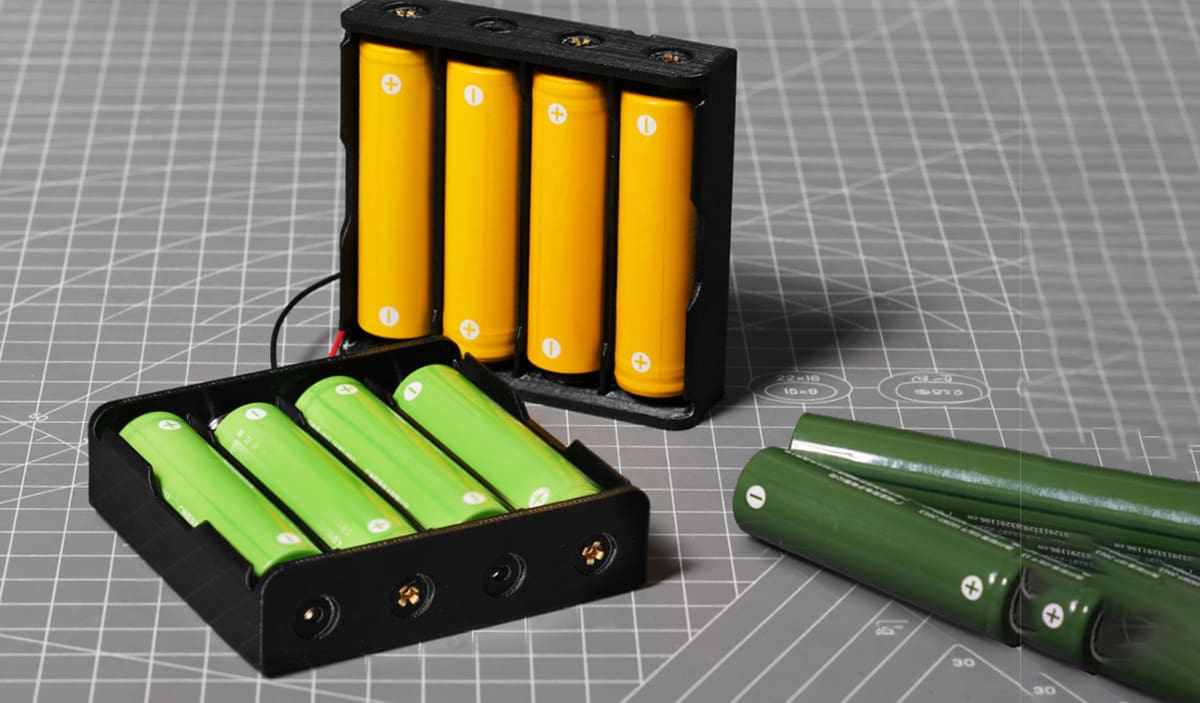
Not all flame-retardant materials are created equal, and choosing the wrong one can mean wasted money, failed certifications, or worse—a fire risk that wasn’t properly addressed. The key is matching your material selection to your specific application requirements, certification needs, and budget constraints.
Consumer Electronics & DIY Projects
If you’re building custom enclosures for Raspberry Pi projects, smart home devices, power supply housings, or anything containing batteries or electrical components, you need flame retardancy—but you don’t necessarily need aerospace-grade materials.
Recommended Materials:
- eSUN eABS Max (ABS FR): $30-40/kg
- PrimaCreator PrimaSelect PLA FR: $35-45/kg
- Formfutura ABSpro Flame Retardant: $35/500g
- 3DXTech Firewire ABS-FR: $68/1kg
These budget-friendly options all carry UL 94 V-0 certification, which is the industry standard for plastic parts in electrical enclosures. For most consumer electronics applications, this level of certification is sufficient and often required by safety standards like IEC 60950 for IT equipment.
Print Settings & Mechanical Performance
Having the right material is only half the equation, as improper print settings can compromise flame retardancy and mechanical properties. FR additives and polymer chemistry create unique processing requirements.
Layer Adhesion & Fire Performance: Inadequate layer bonding creates air gaps and weak points where flames can propagate. Poor layer adhesion essentially creates channels through which fire travels more easily. For FR materials, you typically need:
- Higher nozzle temperatures than standard filaments (often 10-20°C higher)
- Slower print speeds to ensure complete melting and fusion
- Optimized layer heights—generally 50-70% of nozzle diameter for structural parts
Annealing & Post-Processing: Some FR materials benefit from thermal annealing to improve crystallinity and heat resistance. Nylon-based FR materials can be annealed at 80-100°C for several hours to increase their heat deflection temperature. However, verify that annealing doesn’t compromise the FR additive system—consult material datasheets for recommended post-processing procedures.
Testing & Validation: If your application requires certified compliance, understand that printing at home doesn’t automatically confer certification. The material itself is certified, but your printed part’s flame resistance depends on:
- Wall thickness matching tested specifications
- Proper layer adhesion
- Absence of voids or under-extrusion
- Correct material composition (no contamination from previous materials)
When FR Materials Aren't Enough
Understand that flame-retardant materials are one layer of fire safety, not a complete solution. Comprehensive fire safety requires:
- Proper electrical design to prevent ignition sources
- Circuit protection (fuses, breakers, thermal cutoffs)
- Physical separation of high-risk components
- Adequate ventilation and cooling
- Fire detection and suppression systems where appropriate
FR materials buy time during a fire event and can prevent ignition from small heat sources, but they won’t survive direct flame exposure indefinitely. Design your systems with defense-in-depth principles—multiple layers of protection rather than relying solely on material properties.
For the highest-risk applications, consider whether additive manufacturing is the appropriate production method. Injection-molded parts from certified FR resins may offer more consistent fire performance than 3D printed parts, particularly for high-volume production where the cost difference becomes negligible.
About the Author: Alejandro Auerbach is a mechanical engineer specializing in additive manufacturing at Solid Print3D.
Lead image source: From the Maker's Muse YouTube channel video "Do 3D Prints Catch Fire? ABS / PLA / PETG Burn Test - Episode 1."
License: The text of "3D Printing For Electronics? More Brands Are Rushing to Offer Flame-Retardant Filaments" by All3DP Pro is licensed under a Creative Commons Attribution 4.0 International License.