PETG Filament Quick Guide: When to Use It & When Not To

Stop treating PETG as simply “stronger PLA.” Discover which projects benefit from its toughness, weather resistance, and slight flexibility, and which are better printed with another material.
PETG is one of the most useful general-purpose filaments available for desktop 3D printing. It is tougher and less brittle than PLA, considerably easier to print than ABS, and suitable for many practical parts
That balance makes PETG a natural second material for anyone who started with PLA and now wants to print more functional objects that won’t easily crack, chip, or break like regular PLA. Although it is often the common step up from PLA, it’s more than that. Today, especially with the newer versions of PLA, like Tough PLA and carbon-fiber filled PLA, it’s time to use PETG for what it was designed for: higher temperatures, chemical resistance, and ideal combination of flex and tough, yet, easy to print with.
- Choose PETG for tough, weather-resistant general-purpose parts that should have some give and print without an enclosure.
- Choose PLA for easy printing, sharp detail, rigid indoor parts, and fast decorative prototypes.
- Choose ABS for functional parts that need greater heat resistance and can be printed in a controlled enclosure.
- Choose ASA for long-term outdoor use, UV resistance, and improved temperature performance.
Beware of PETG’s downsides when choosing it over a Tough PLA. It strings more readily than PLA, can stick dangerously well to some build surfaces, and is less rigid than many users expect. Its glossy surface also tends to show imperfections, while supports may bond so firmly that removing them damages the part.
What Makes PETG Useful
PETG is a material that combines useful strength, impact resistance, layer adhesion, modest flexibility, and relatively forgiving print behavior. It needs higher temperatures than PLA, but it usually doesn’t require the enclosure and tightly controlled environment associated with ABS.
A useful way to think about PETG is:
Use PETG when PLA is too brittle, but ABS or an engineering filament would be unnecessary, inconvenient, or expensive.
PETG occupies a practical middle ground. It is not the stiffest, strongest, most heat-resistant, or easiest-to-print filament. Instead, it offers enough of each property to work well for a broad range of everyday functional parts. For more background, see our comprehensive guide to 3D printing with PETG.
Use PETG for Semi-Durable Functional Parts
PETG is at its best when an object needs to do a job rather than simply look good on a shelf.
PLA can be surprisingly strong under steady loads, but it is relatively brittle. A thin PLA tab, clip, or bracket may work perfectly until it is dropped, bent, or struck. PETG has more give and generally handles sudden impacts better, allowing a part to deform slightly rather than immediately cracking.
PETG is also frequently used for parts on open-frame 3D printers. It offers more temperature resistance than PLA while avoiding much of the shrinkage, warping, and enclosure management associated with ABS.
Use PETG for Parts That Get Handled, Bent, or Dropped

PETG isn’t flexible in the same sense as TPU, but it is less rigid and less brittle than PLA. That slight give can be valuable in parts that need to flex during installation or survive repeated handling.
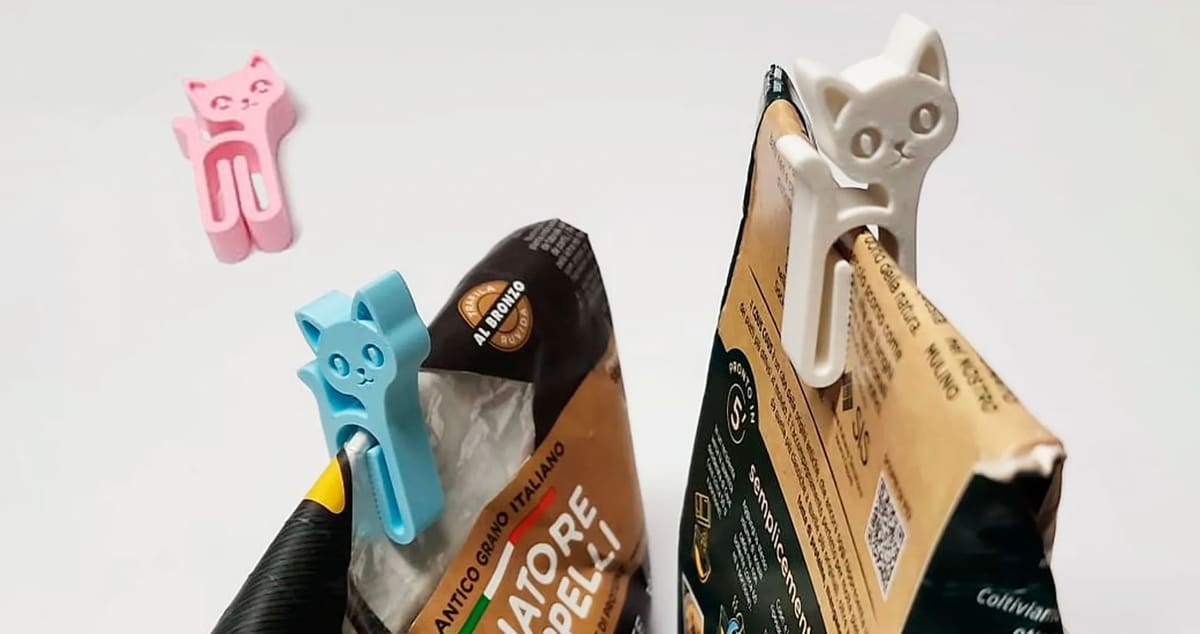
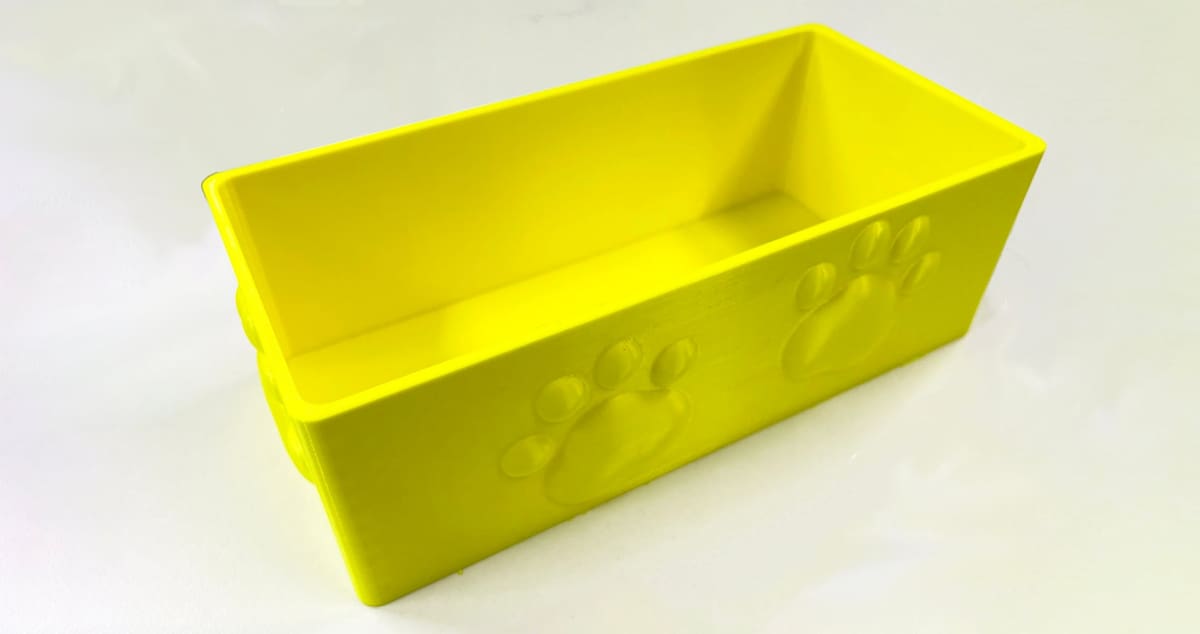
Clips, containers, tool accessories, and protective enclosures can all benefit. A PETG part may bend where an equivalent PLA part would crack.
This doesn’t mean every snap-fit should be printed in PETG. Geometry, layer orientation, wall thickness, and the particular filament formulation all influence whether a clip flexes successfully or splits along a layer line. But for semi-rigid parts that need a modest amount of compliance, PETG is often a sensible starting point.
Good projects include:
- Bag and cable clips
- Equipment latches
- Tool grips and handles
- Protective cases
- Jar openers
- Self-opening pliers
- Hinged or compliant prototypes
- Parts assembled with a press fit
For genuinely soft, elastic, or repeatedly deforming parts, use TPU instead. Our PLA vs. ABS vs. PETG comparison provides a broader overview of the differences between common materials.
Use PETG for Outdoor Parts
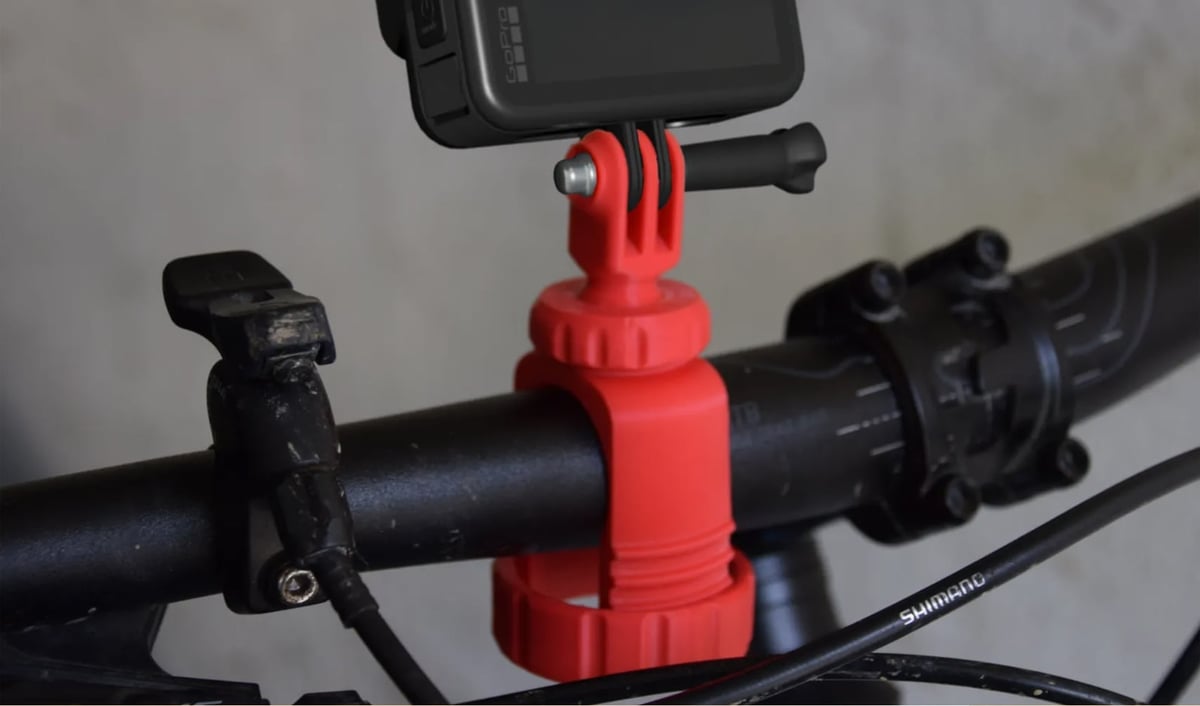
All things being the same, ASA is the better choice for outdoor parts, but you’d pick PETG when you want to avoid the toxic fumes of ASA printing or don’t have an enclosed 3D printer.
Suitable outdoor PETG projects include:
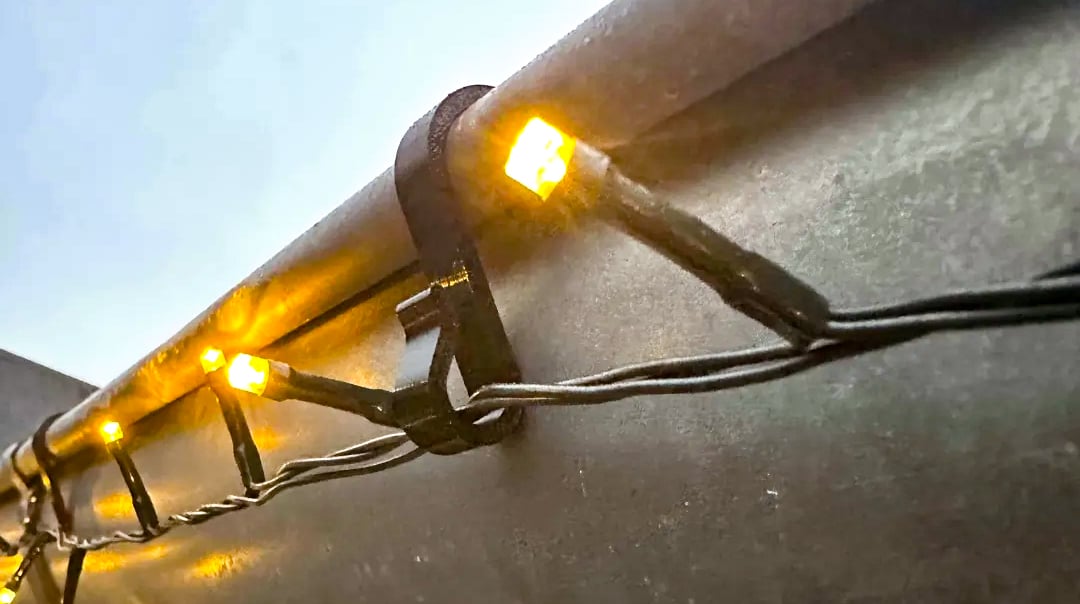
- Bird or bee feeders
- Garden-tool holders
- Bicycle accessories
- Outdoor sensor housings
- Camera mounts
- Signs and labels
- Weather-resistant boxes
PETG’s resistance to water does not mean every PETG print will be watertight. FDM parts can leak through layer boundaries, seams, insufficient walls, or under-extruded areas. Use enough perimeters, tune the flow carefully, and test the finished object before trusting it to contain or exclude water.
PETG also isn’t the ultimate outdoor filament. For permanent installations facing years of direct UV exposure and high summer temperatures, ASA is generally the stronger candidate. Think of PETG as a good outdoor all-rounder and ASA as the more specialized long-term weather material.
Use PETG Around Moisture
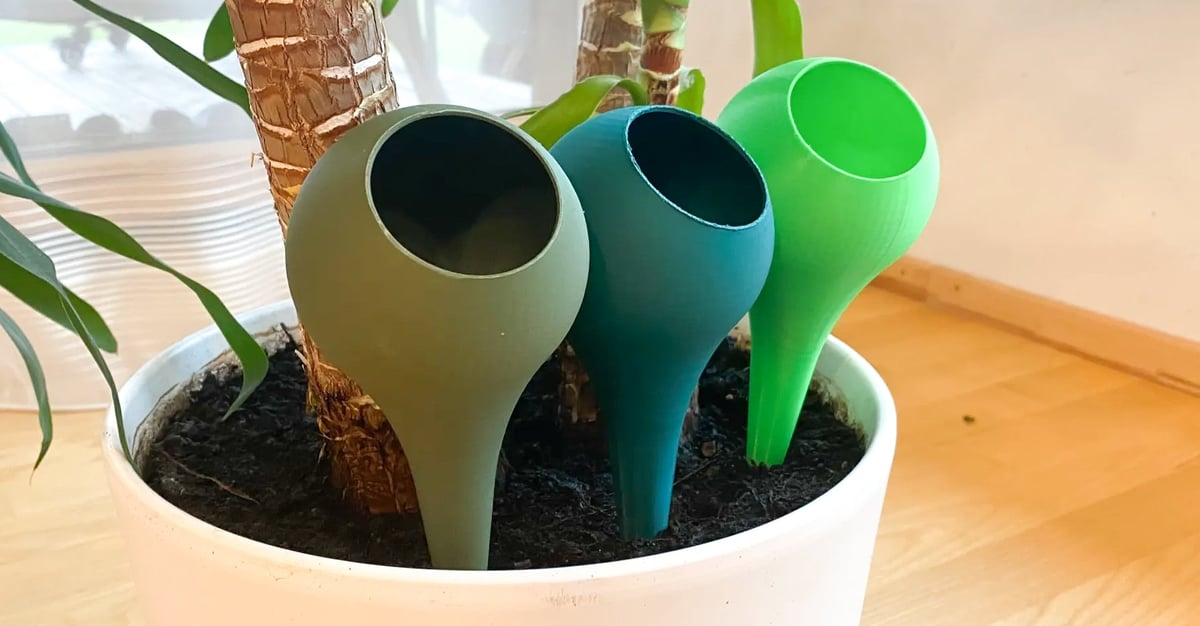
Again, ASA is the better choice for parts subject to moisture, but it’s harder to print with.
Suitable wet PETG projects include:
- Planters
- Watering cans and sprinkler accessories
- Bird or bee feeders
- Garden-tool holders
- Drainage components
- Some aquarium-adjacent parts
That should not be confused with the condition of the unprinted filament. PETG filament absorbs atmospheric moisture while it sits on the spool. Wet PETG can pop or crackle as it leaves the nozzle and may produce bubbles, rough surfaces, excessive stringing, and weak or inconsistent extrusion.
In other words:
- Printed PETG handles moisture well.
- PETG filament should be stored and kept dry.
Keep open spools in a sealed container or dry box with desiccant, particularly in humid climates. Our guide to finding the best PETG print settings covers moisture and other tuning factors in more detail.
Use PETG for Enclosures and Protective Housings
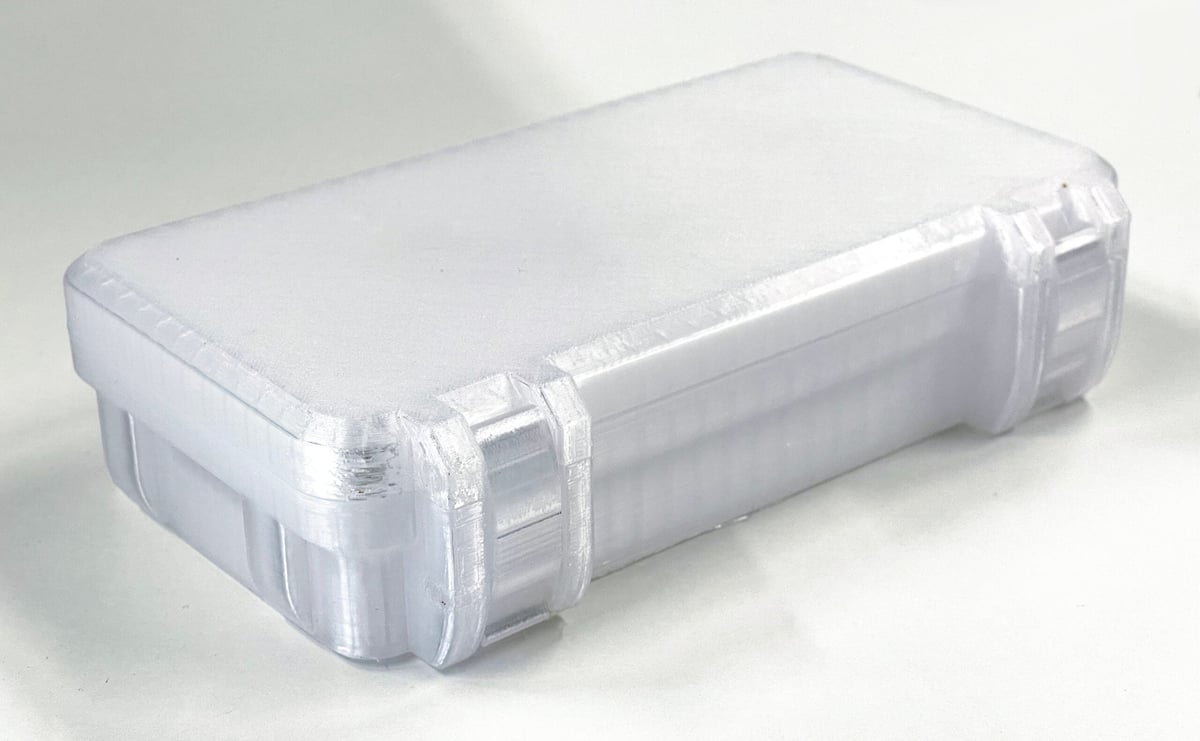
Electronics enclosures are an especially good application for PETG. These parts often need to survive regular handling, hold screws, protect internal components, and tolerate temperatures slightly above normal room conditions.
For electronics enclosures, select a PETG that is also electrostatic discharge (ESD) safe, which will help dissipate charges before they damage circuit boards.
PETG can be used for:
- Raspberry Pi cases
- Controller housings
- Sensor enclosures
- Battery covers
- Cable-management boxes
- Tool and instrument cases
- Printer control boxes
- Protective equipment covers
Compared with PLA, PETG offers more impact resistance and a greater safety margin against moderate warmth. Compared with ABS, it is easier to print on an open machine and is less susceptible to severe warping.
PETG is still not appropriate for an enclosure located beside a powerful heat source, inside an engine compartment, or anywhere that the material will remain heavily loaded at elevated temperatures. In those situations, consider ABS, ASA, polycarbonate, Nylon, or another engineering material.
Use Clear PETG for Translucent Parts
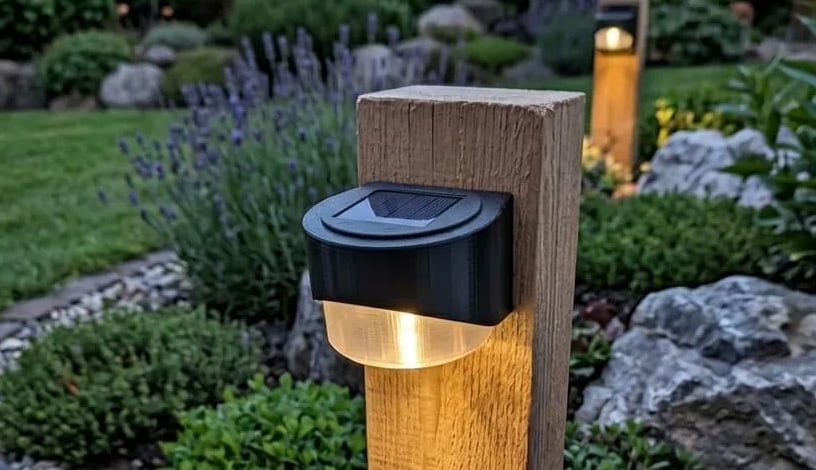
However, “clear” filament rarely creates glass-like prints. Layer lines, internal gaps, infill, surface texture, and curved toolpaths scatter light. Most clear PETG prints are better described as translucent.
Good clear PETG applications include:
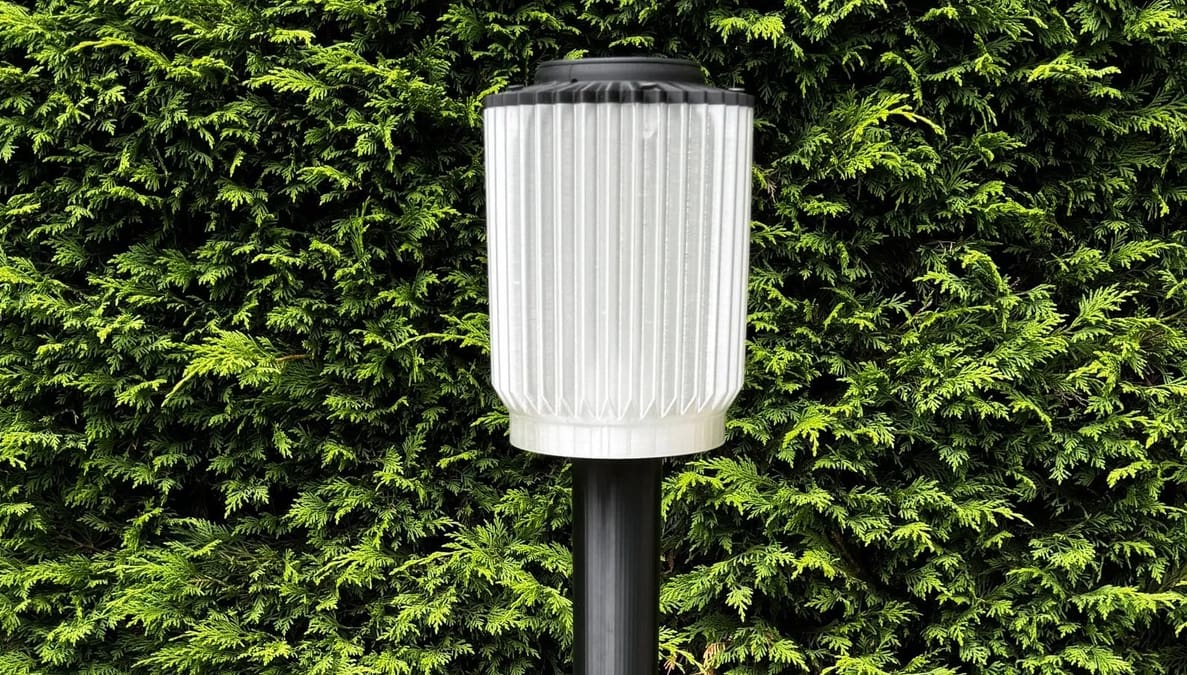
- Lampshades
- LED diffusers
- Light covers
- Vases
- Illuminated signs
- Decorative containers
- Visual inspection covers
- Semi-transparent prototypes
For greater clarity, use simple geometry, reduce unnecessary internal structures, print slowly, and tune extrusion so adjacent lines merge without visible gaps. Vase mode and thin, continuous walls can produce particularly attractive results.
Clear PETG is not a substitute for an optical lens, safety visor, aquarium window, or precision transparent component. See our clear PETG filament guide for more on what to expect from transparent and translucent materials.
When Not to Use PETG
PETG is versatile, but it is not a universal upgrade from PLA. Choosing it without considering the project can create more stringing, poorer detail, harder support removal, and unnecessary printing complications.
Don’t Use PETG for the Sharpest Decorative Detail
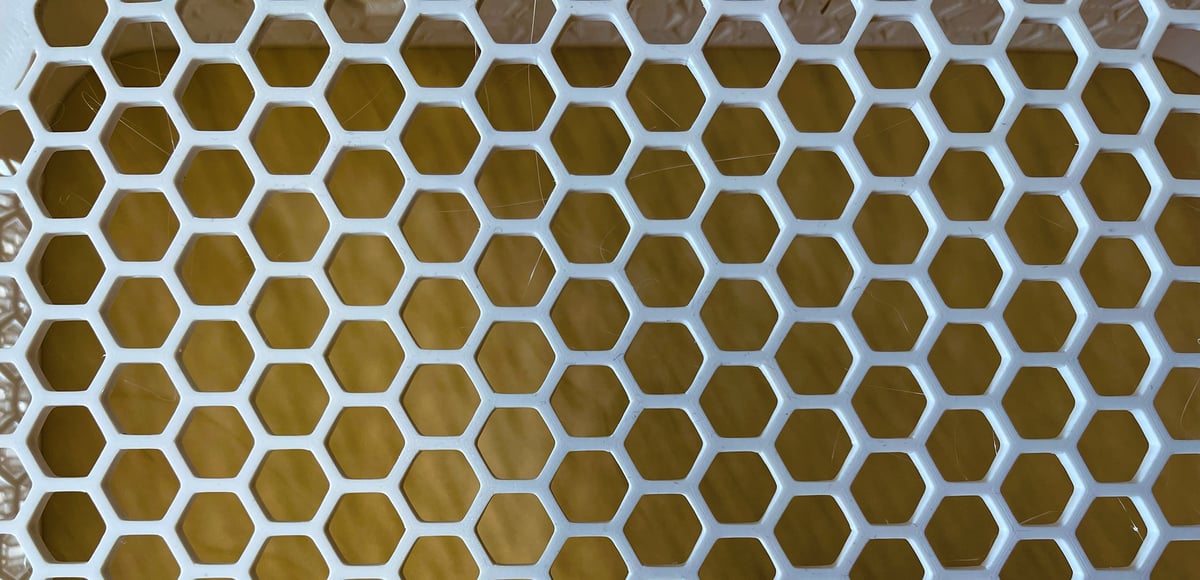
PETG can produce attractive parts, but PLA generally produces sharper corners, cleaner text, finer surface detail, and more predictable overhangs with less tuning.
PETG’s tendency to ooze creates fine hairs between separate features. Small blobs can collect on the nozzle and later be deposited on the model. Its naturally glossy finish may also highlight uneven extrusion, fingerprints, scratches, and surface defects.
For figurines, architectural models, display objects, detailed props, and prototypes whose primary purpose is visual presentation, PLA is usually the more convenient material. For extremely fine detail, resin printing remains the stronger option.
Use PETG when the decorative object also needs impact resistance, weather resistance, or functional durability—not merely because PETG sounds tougher.
Don’t Use PETG When Maximum Rigidity Is Essential
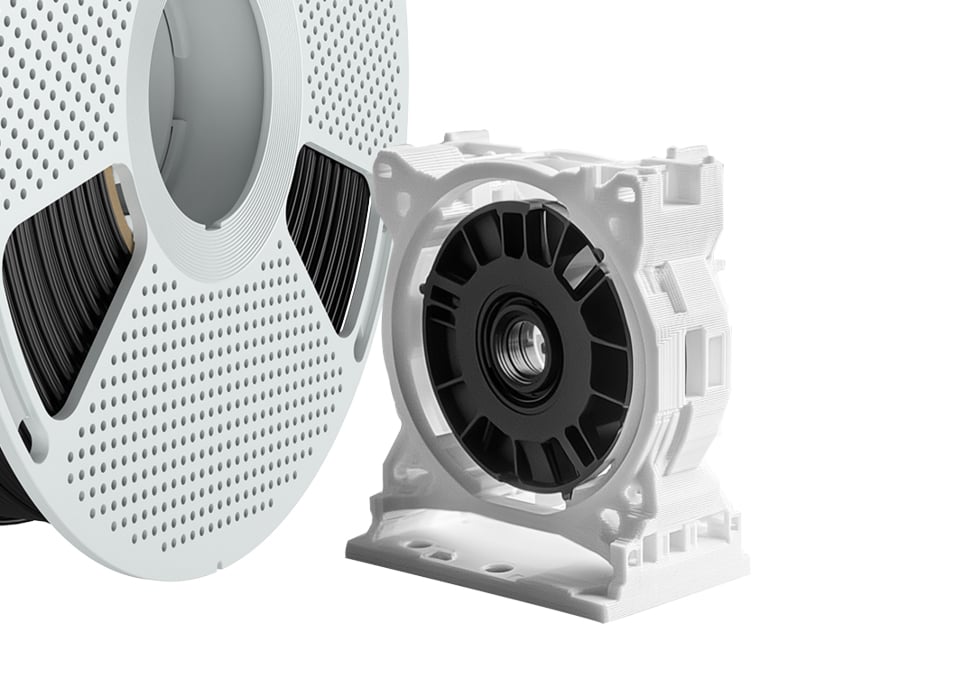
PETG is tough, but toughness and stiffness are not the same property.
A PETG bracket may resist cracking better than a PLA bracket while still flexing more under load. This can be a disadvantage in measuring tools, rigid frames, machine fixtures, or components where even small deflections affect performance.
PETG can also creep when subjected to a constant load, particularly as temperatures rise. A shelf support might survive an impact yet slowly deform if it remains heavily loaded in a warm environment.
For parts that must remain extremely rigid, consider:
- PLA for cool indoor environments
- Carbon-fiber PETG for greater stiffness
- ABS or ASA for additional temperature resistance
- Nylon composites for demanding mechanical applications
- Polycarbonate for high strength and heat resistance
The best option depends on whether stiffness, impact resistance, temperature, outdoor durability, or ease of printing matters most.
Don’t Use PETG for High-Temperature Applications
PETG tolerates more heat than ordinary PLA, but that does not make it a high-temperature engineering plastic.
Parts inside a parked car, beside a heater, around motors, inside appliances, or under continuous mechanical load can soften or deform. The safe operating temperature also depends on the load, geometry, filament formulation, and duration of exposure—not just the material’s quoted glass-transition temperature.
PETG may be suitable for mildly warm electronics housings or printer components, but it should not be the default for:
- Engine compartments
- Hot-end covers
- High-powered lighting fixtures
- Heavily loaded objects left in hot vehicles
- Industrial equipment near significant heat sources
ABS, ASA, Nylon, and polycarbonate offer better options as temperature demands increase.
Don’t Use PETG for Models That Need Lots of Supports
PETG’s excellent layer bonding has an unfortunate side effect: It also likes bonding to its own supports.
Support structures can fuse to the model, making removal difficult and leaving rough scars. Thin walls, delicate features, and supported text can be damaged while the support material is cut or pulled away.
Whenever possible:
- Reorient the model
- Split it into several pieces
- Add chamfers instead of abrupt overhangs
- Use bridges that your printer can handle
- Design flat assembly surfaces
- Increase the support interface distance
- Reduce support density
If a dual-material printer is available, a compatible support-interface material may give cleaner results. Otherwise, PETG projects are easier when support-free design is treated as a priority.
Don’t Use PETG When Easy Smoothing Is a Priority
PETG can be sanded and polished, but it is less convenient to chemically smooth than ABS. Acetone, the familiar choice for vapor-smoothing ABS, has little useful effect on PETG.
The most reliable finishing process is mechanical:
- Remove strings and support marks.
- Begin with a relatively coarse abrasive.
- Progress through increasingly fine grits.
- Switch to wet sanding at higher grits.
- Polish or coat the surface for additional gloss.
An epoxy coating can fill layer lines and provide a hard, glossy exterior, particularly on shapes that are difficult to sand. Heat treatment and specialized solvents also exist, but both introduce more risk and process complexity.
Choose ABS when effortless acetone smoothing is central to the project. Choose PETG when mechanical performance matters more than having the simplest finishing workflow. Our guide to smoothing PETG prints covers the available finishing methods.
Don’t Assume PETG Is Automatically Food-Safe
PETG’s association with PET bottles leads many users to assume every PETG filament and every printed object is safe for food contact. That assumption is unreliable.
The base polymer may be suitable for food-contact applications, but filament manufacturers can add pigments and performance additives. The printer, build surface, extrusion path, and nozzle can also introduce contaminants. Brass nozzles may contain lead, while the layer grooves in an FDM print can trap food residue, moisture, and bacteria.
For a food-contact project, verify the specific filament manufacturer’s certification and use a clean, appropriately equipped printer. Also consider whether the design can be thoroughly cleaned and whether a suitable certified coating is required.
The same caution applies to drinking vessels, kitchen tools, pet bowls, and objects intended for repeated food use.
Don’t Use PETG When PLA Is Already Good Enough
PETG often gets described as the material to use after graduating from PLA. That framing can encourage people to use it even when PLA is the better choice.
PLA is usually preferable for:
- Decorative models
- Fast prototypes
- Indoor organizers
- Low-stress brackets
- Board-game components
- Cosplay props
- Models requiring crisp text
- Objects with many supports
- Parts that will remain cool and dry
PLA prints at lower temperatures, generally strings less, bridges more cleanly, and produces sharper visual detail. If the part won’t be dropped, heated, flexed, exposed to weather, or placed under meaningful stress, PETG may add inconvenience without delivering a useful benefit.
Which PETG Should You Start With?
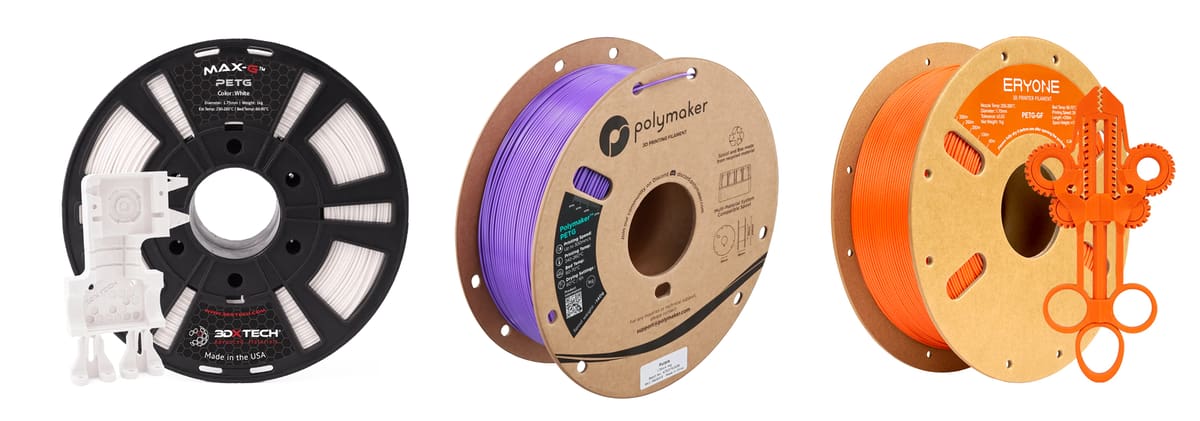
For most users, a spool of standard, opaque PETG from a reputable manufacturer is the best starting point. We provide our favorite brands in the article here below.
Opaque PETG is generally easier to evaluate than clear PETG because surface defects and inconsistent extrusion are more visible. It also avoids the additional expectations and tuning involved in trying to produce transparent parts.
Standard PETG
The best general-purpose option for:
- Brackets
- Enclosures
- Workshop accessories
- Planters
- Printer parts
- Functional prototypes
Start with the manufacturer’s PETG profile or a built-in slicer preset. Tune temperature and retraction only after drying the filament and confirming the first layer is correct.
High-Speed PETG
High-speed PETG is modified to melt and flow more effectively at greater volumetric rates. It can be useful with modern fast printers, but the label does not guarantee that every printer can achieve the speed printed on the box.
Fast PETG printing also depends on:
- Hot-end flow capacity
- Extruder grip
- Nozzle diameter
- Motion-system performance
- Part cooling
- Model geometry
- Layer height
At extreme speeds, detail and surface finish may suffer even when the filament flows successfully. Use high-speed PETG when throughput matters and the printer has the hardware to take advantage of it.
Clear PETG
Choose clear PETG for lamps, light diffusers, vases, and translucent prototypes.
Expect translucency rather than optical transparency. Thick walls, infill, layer changes, and internal gaps all reduce clarity. Clear PETG also makes bubbles caused by wet filament especially easy to see, so dry storage and careful extrusion are important.
Carbon-Fiber PETG
Carbon-fiber PETG contains chopped fibers that make the finished material stiffer and more dimensionally stable. It often has an attractive matte surface and may string less than ordinary PETG.
The trade-offs are equally important:
- It is usually less flexible and may be more brittle.
- The fibers are abrasive.
- A brass nozzle will wear quickly.
- A hardened or wear-resistant nozzle is required.
- A 0.6-mm nozzle can reduce the chance of clogging.
- Temperatures and flow should be recalibrated.
Use PETG-CF for rigid housings, fixtures, brackets, tools, and machine components where stiffness and dimensional stability matter more than PETG’s usual ability to flex before breaking. See our guide to carbon-fiber PETG for more on the material and available options.
As a simple rule:
- Standard PETG: Best first choice and general-purpose option
- High-speed PETG: Best for compatible fast printers and higher throughput
- Clear PETG: Best for translucent and light-transmitting objects
- PETG-CF: Best for greater stiffness, dimensional stability, and a matte finish
- Other filled PETGs: Best when a specific visual or mechanical property justifies extra nozzle wear and tuning
PETG Printing Reality Check
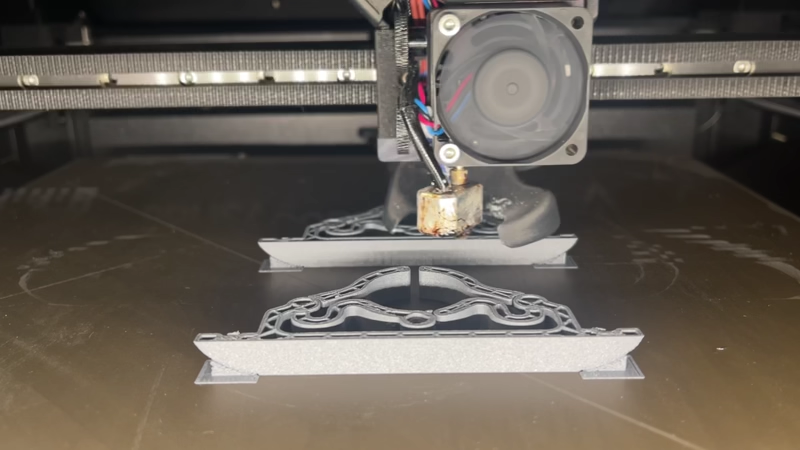
PETG is easier to print than ABS, but it is not always as effortless as PLA. Its three characteristic problems are: stringing, moisture sensitivity, and excessive adhesion to the print bed.
A reasonable starting range for standard PETG is:
- Nozzle temperature: 225–255 °C
- Bed temperature: 65–85 °C
- Cooling: Low to moderate; often 20–50% after the first layers
- Print speed: Start conservatively and follow the filament manufacturer’s profile
- Retraction: Tune for the particular extruder and hot end
- Enclosure: Usually unnecessary
- Filament condition: Dry
- Build surface: Textured PEI or a protected smooth surface
These are starting points, not universal settings. Different PETG formulations can require noticeably different temperatures, speeds, and cooling levels. High-speed, clear, recycled, and fiber-filled PETG may behave almost like separate material families.
Protect the Build Surface
PETG can fail to stick when the bed is dirty, too cold, or badly calibrated. Once properly tuned, however, the opposite problem is more common: PETG can bond so strongly to smooth PEI or bare glass that removing the print damages the surface.
A thin layer of glue stick, hairspray, or a dedicated bed product can act as a release layer, not merely as an adhesive. It keeps the print in place while creating a sacrificial barrier between the PETG and the build plate.
Textured PEI is usually a forgiving choice. Smooth PEI and glass should be protected according to the build-surface manufacturer’s instructions.
PETG also prefers a slightly less compressed first layer than PLA. Smashing the material aggressively into the bed can make removal more difficult and may cause filament to build up around the nozzle. For troubleshooting, see our guide to PETG bed adhesion.
Dry the Filament Before Chasing Settings
Wet PETG can imitate a badly configured printer. It causes stringing, bubbles, popping sounds, weak extrusion, rough walls, and inconsistent surfaces.
Before repeatedly changing temperatures and retraction values, dry the spool. Around 60–65 °C for several hours is a common guideline, but always follow the filament and dryer manufacturers’ limits. Domestic ovens can overshoot their set temperature and damage a spool, so a controlled filament dryer is safer.
Once dry, store the material in an airtight container with fresh desiccant. Printing directly from a dry box can provide more consistent results in humid environments.
Expect Some Stringing
PETG is notorious for leaving fine strands between separate features. High nozzle temperature, wet filament, slow travel moves, and unsuitable retraction settings can all contribute.
Troubleshoot in this order:
- Dry the filament.
- Print a temperature tower.
- Use the lowest temperature that still provides reliable extrusion and strong layers.
- Tune retraction for the printer’s extruder type.
- Increase travel speed where the machine permits.
- Reduce unnecessary travel across open areas.
- Keep the nozzle clean.
Avoid applying extreme retraction values copied from another printer. A direct-drive extruder and a long Bowden system need different settings, and hot-end design also affects the result.
Balance Cooling and Layer Strength
PLA usually benefits from strong cooling. PETG requires more restraint.
Too much airflow can weaken bonding between layers and lead to splitting. Too little cooling may worsen stringing, sagging, and small-feature quality. A moderate fan setting is therefore a useful starting point, with additional cooling reserved for bridges, overhangs, or layers with very short print times.
If a PETG part splits along its layers, reduce cooling, increase nozzle temperature slightly, or slow the print so the hot end can fully melt the material.
Plan for Difficult Supports
Increase the support-interface gap slightly compared with a PLA profile and avoid unnecessarily dense supports. Let the completed part cool before removal, then use flush cutters or pliers rather than tearing the support away.
A rough supported surface is normal with PETG. Reorienting or dividing the model will often improve the result more than endlessly tuning the support profile.
Post-Process and Assemble Carefully
PETG can be cut, drilled, wet-sanded, polished, painted, and epoxy-coated. Sanding is the most dependable route to a smooth surface, while epoxy can fill layer lines on complex shapes.
For joining separate pieces, cyanoacrylate is convenient for quick, narrow seams. Epoxy is a better candidate for strong, load-bearing joints. Polyurethane adhesive can provide a tough, water-resistant bond but may expand while curing.
Whichever adhesive you use, sand, clean, and degrease the mating surfaces first. Test the adhesive on scrap material because formulas, colors, and surface finishes can behave differently. See our guide to the best glues for PETG for more detail.
Print PETG Yourself or Use a Service?
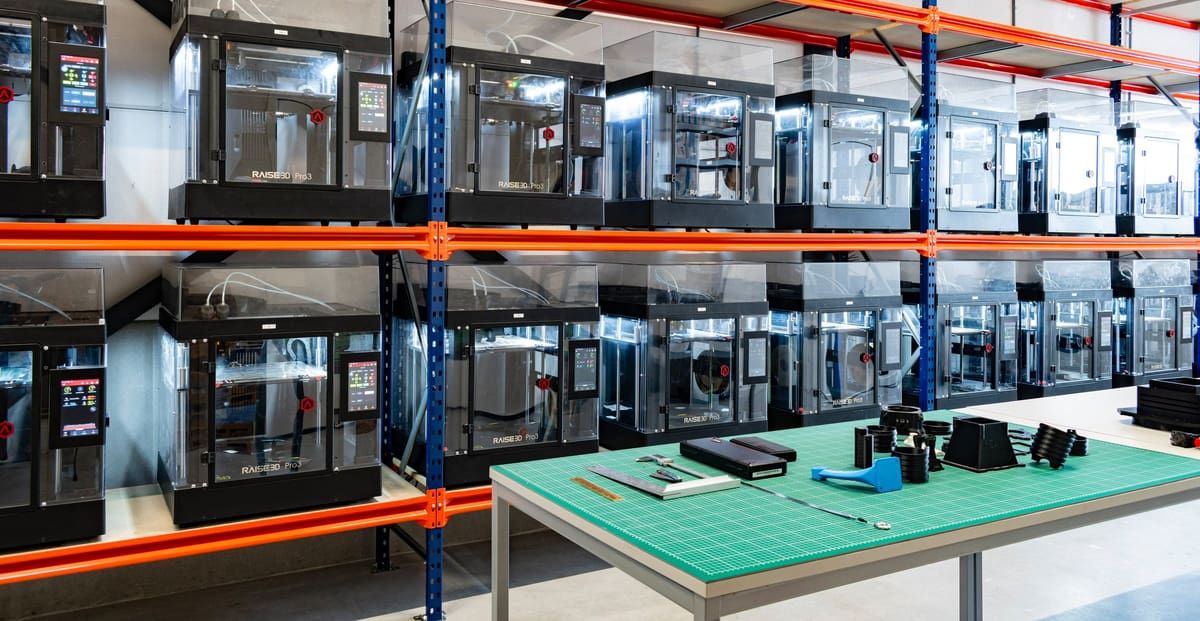
PETG makes sense as a home-printing material because it works on many ordinary desktop machines. You usually do not need a heated enclosure, specialty build chamber, or abrasive-resistant nozzle for standard PETG.
A service is particularly useful for large housings, production parts, complex assemblies, and projects where dimensional consistency matters more than the learning experience. It may also offer materials or manufacturing technologies better suited to the project than FDM PETG.
For a basic bracket, planter, enclosure, clamp, or printer accessory, home printing is usually the more economical and convenient route.
PETG vs. Everything Else: Quick Material Comparison
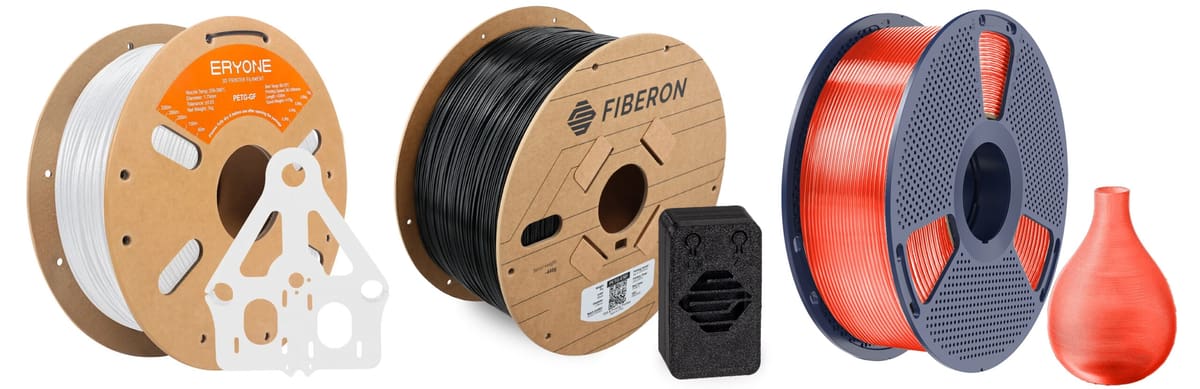
PETG’s greatest strength is not that it dominates every category. It is that it performs well in so many of them.
Use it when a part needs to last, survive handling, tolerate moisture, or spend time outside—but does not justify the difficulty of a full engineering filament. Keep using PLA when visual quality and convenience matter more, move to ASA or another heat-resistant material when conditions become demanding, and reach for TPU when the part needs genuine flexibility.
For everyday functional printing, PETG is often the most useful compromise you can put on the spool.
You May Also Like:

License: The text of "PETG Filament Quick Guide: When to Use It & When Not To" by All3DP is licensed under a Creative Commons Attribution 4.0 International License.