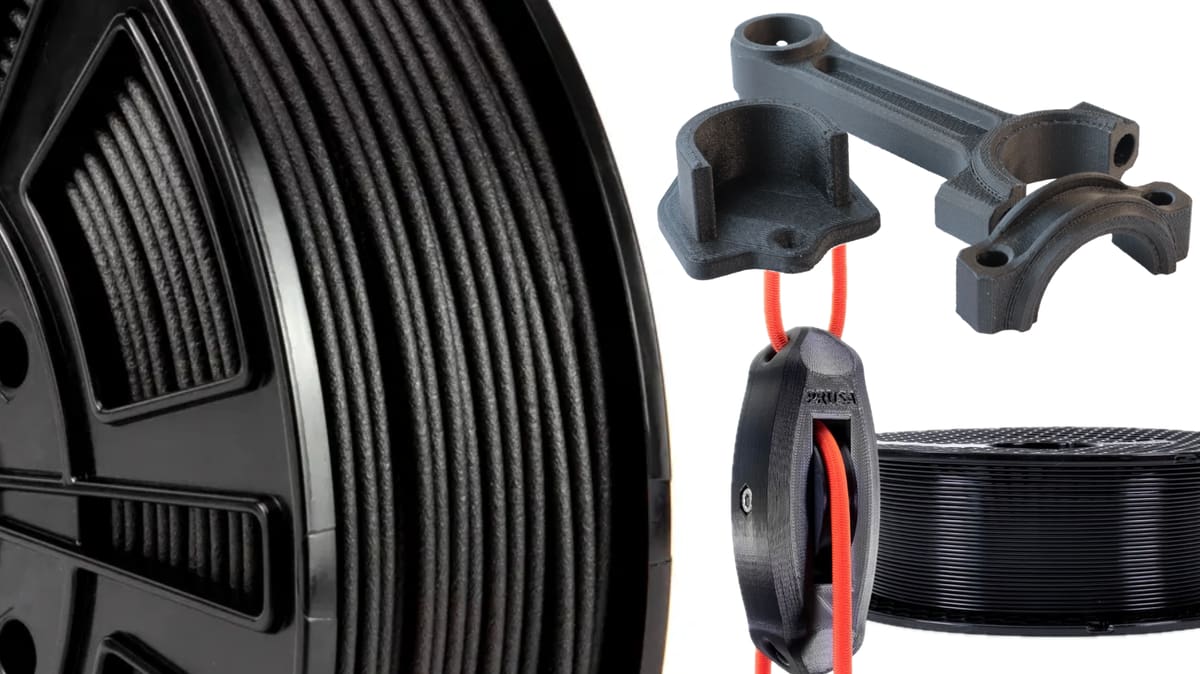
Still Guessing About Engineering Filaments: These Polycarbonate (PC) Brands Deliver True Industrial Strength at Home

Expand your printing horizon with polycarbonate filaments, a strong and heat-resistant material to create durable parts.
The preferred material in producing fighter jet canopies and even punted as a space grade filament to print at home, polycarbonate (PC) is a strong, versatile plastic used across industries.
With its optical clarity, resistance to heat and incredible toughness, it’s no wonder it’s used to produce a range of items from automotive components, electronic housings to protective eyewear.
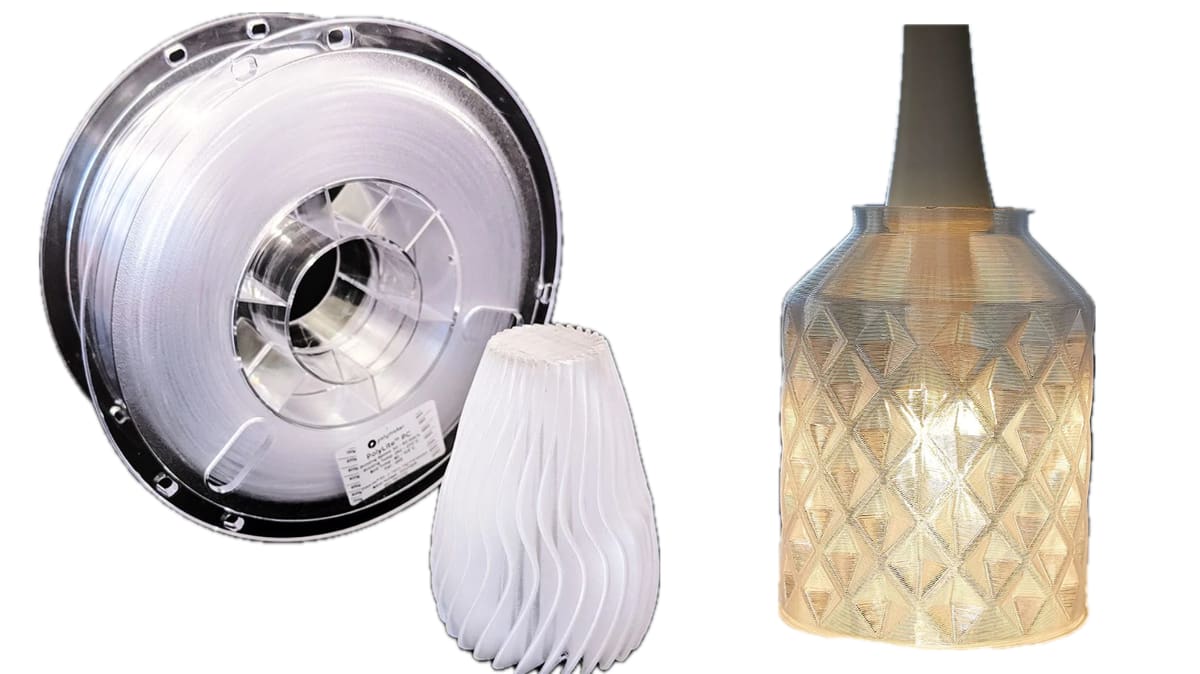
When used for 3D printing, most PC filaments can handle temperatures of a little over 135 °C (for reference, PLA begin deforms from around 60 °C), often used to produce translucent prints with a slightly frosted or icy appearance. But even that’s changing, with some manufacturers offering PC filaments in varying colors. When it comes to choosing a PC filament, keep in mind that it covers a broad range of properties rather than a single comparable product category.

What to Know Before Printing with Polycarbonate
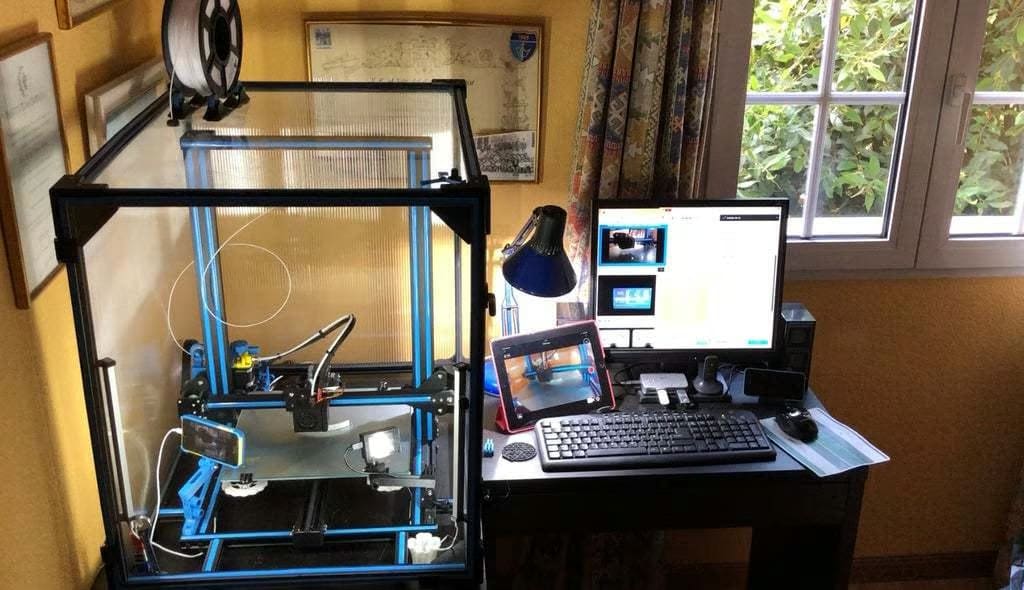
PC can be quite the step up from traditional hobby-grade materials, but it is a good entry point into engineering materials for the price. Providing a much-needed boost to dimensional stability, durability, and heat resistance, you can expand your printing repertoire to parts that can handle plenty of strain.
This, however, is not without its challenges. As an hygroscopic material, it readily absorbs moisture from the air and degrades if stored incorrectly. You’ll also need to ensure that your printer is up to standard with PC filaments often requiring nozzle temperatures ranging from 250 °C to 310 °C.
PC filament produces substantial thermal-contraction forces as it cools, making corner lifting and warping common. Much like ABS, PC does not like to be cooled while printing, meaning you need to turn off any cooling fans when printing. A clean, heated build surface and an enclosed printing environment are therefore essential. A heated bed ranging from 80 °C to 150 °C is recommended to ensure sufficient adhesion.
It doesn’t end there, with PC printing entailing a bit more oversight, requiring you to slow down the printing process to 30 and 70 mm/s, though some blends have allowed makers to reach higher speeds. Depending on the build plate, an adhesive may be needed to improve first-layer retention or to serve as a release layer.
PVA glue stick is a practical general-purpose option, while PC-specific products such as Magigoo PC provide more repeatable hot adhesion and easier release after cooling. PEI and BuildTak surfaces can also work, but compatibility varies by surface type and PC formulation. Smooth PEI in particular may bond so strongly that a protective glue layer is advisable.
As you can see, PC can be a tricky material to get right. Once you dial in all of your settings, however, it can turn into a rewarding material to work with, giving you access to durable parts that lower-end materials simply can’t create.
We narrowed down our choices to make this list, and then we’ll look at our top picks of PC filaments.
*Prices are approximate manufacturer or retailer list prices in US dollars, normalized by net filament weight.

Polymaker PolyMax PC
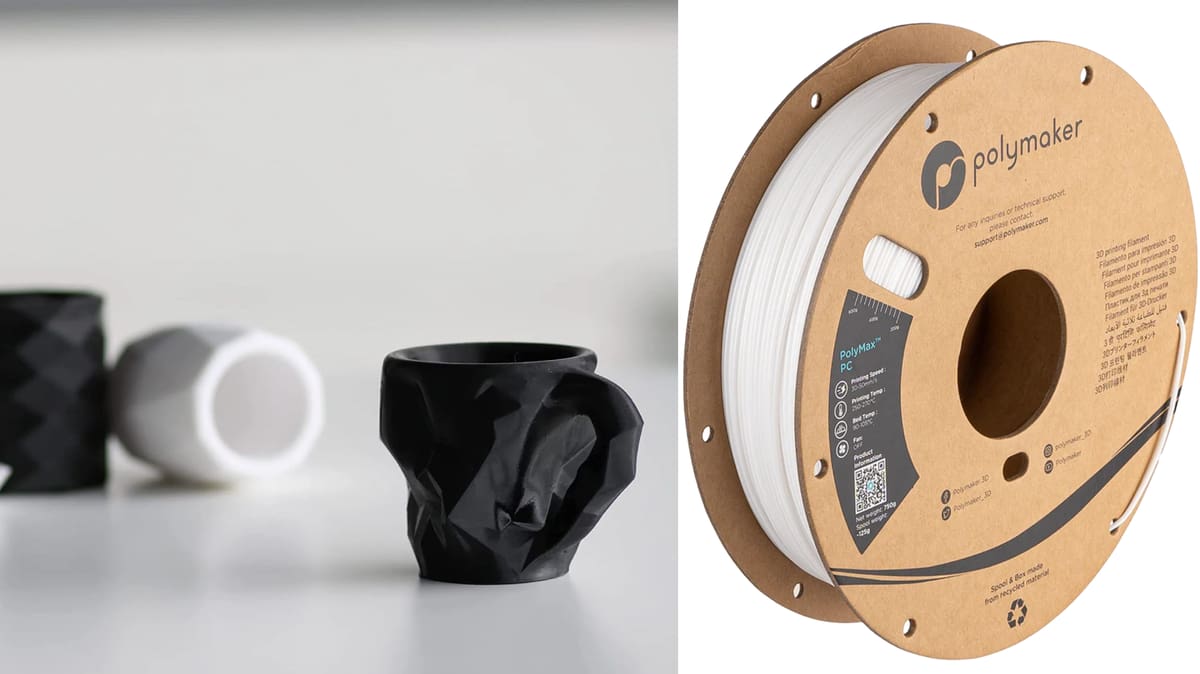
PolyMax PC remains one of the strongest general recommendations for impact-resistant functional parts. It combines relatively moderate PC processing temperatures with good toughness and a manufacturer-supported profile.
Tuned for smooth extrusion and warp resistance, PolyMax PC offers high performance without compromising on printability (as far as PC goes, at least). Extremely durable with good impact resistance when compared to other PC elements.
Standing out from the crowd for its toughness and printability, it is also available in five different colors.
Prusament PC Blend
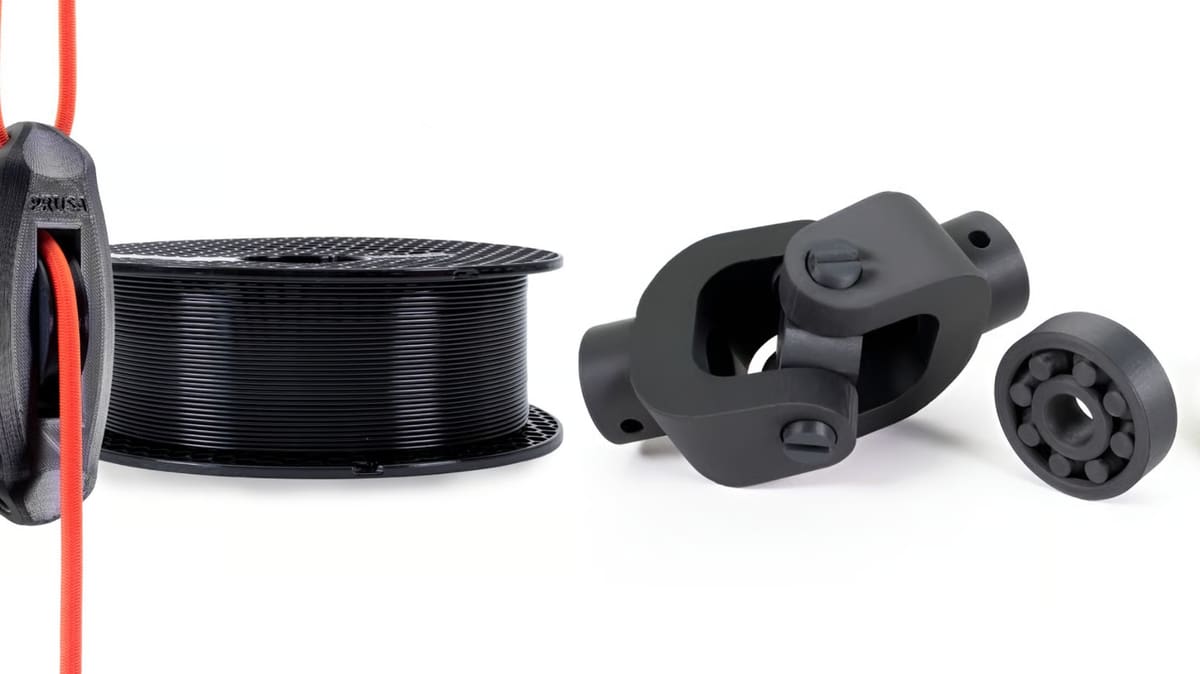
Coming from the same manufacturing line as the beloved printers, Prusament PC is a high-quality blend with stringent tolerances. Offering a useful balance of impact resistance, dimensional stability and color selection. It is easier to process than many conventional PC grades, although an enclosure is still recommended for larger parts.
There are pre-made profiles in Prusaslicer to facilitate the tuning process, circumventing some of the obstacles in printing PC. Resisting temperatures up to 113 °C and a range of chemicals, it is suitable for printing functional components in working machines. A carbon fiber option is available for increased strength.
It can also be considered one of the most user-freindly conventional high-speed choices in our list, meaning this PC blend is suited to support high print speeds (up to 200m/s) on ordinary printer hardware without needing a special high-flow hotend.
Bambu Lab PC
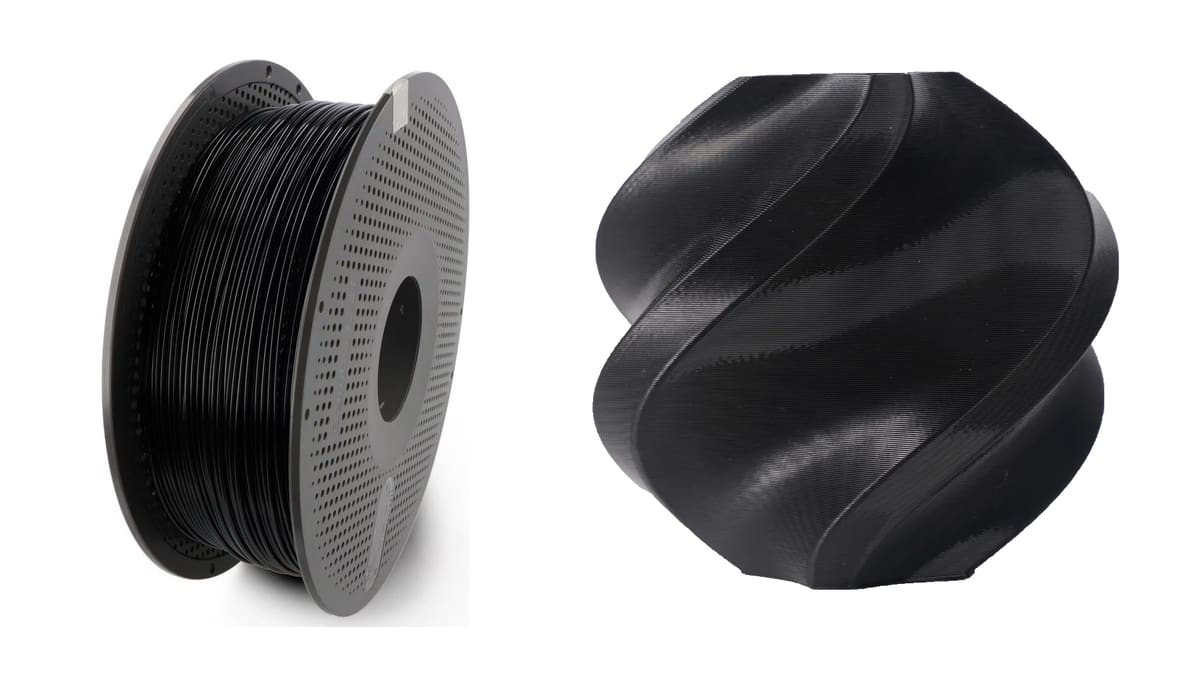
Bambu Lab printers are capable of taking advantage of more exotic engineering-grade materials such as carbon fiber, nylon, and polycarbonate, so it’s no wonder that they produce their own PC filament.
Bambu Lab PC remains the simplest integrated option for enclosed Bambu printers that support high bed temperatures. It is supplied in 1.75-mm, 1-kg spools and includes calibrated material profiles within the Bambu ecosystem. Considering its relatively lower price and ease of use, its a great option for those looking to get started with PC.
With Bambu lab advertising a fast print speed of less than 300 mm/s, this blend offers enhanced thermal properties, with a heat deflection of 117 °C and a melting point of 228 °C, and is compatible with Bambu Lab’s AMS unit. Color options are limited to black and white, with the choice of either an opaque or transparent finish.
Bambu Lab PC FR
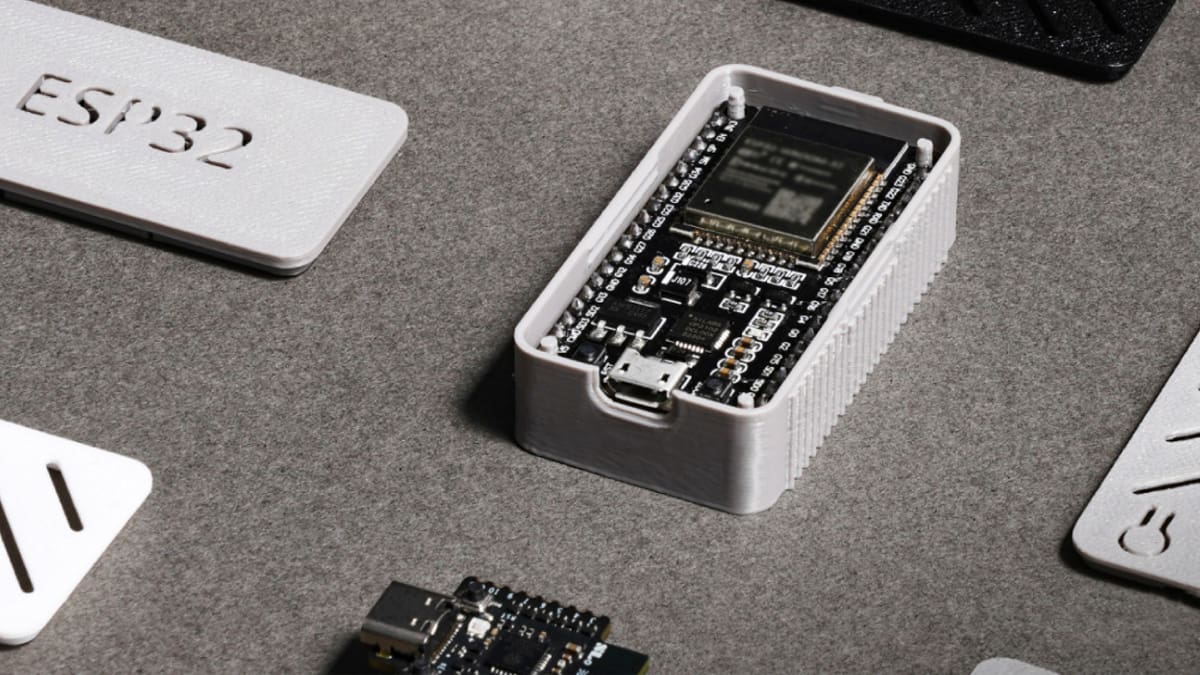
Even though PC has a higher heat resistance, this filament was designed to meet UL 94-2023 V-0 standard of flame retardancy. Bambu introduced this filament in late 2024, bringing this certification to desktop 3D printing at a more accessible price point.
Other than its heat resistance, Bambu Lab PC FR has similar printing requirements and properties as Bambu Lab PC, but is a more appropriate choice than an ordinary PC for applications where self-extinguishing behavior is a documented design requirement.
3DXTech 3DXMax PC
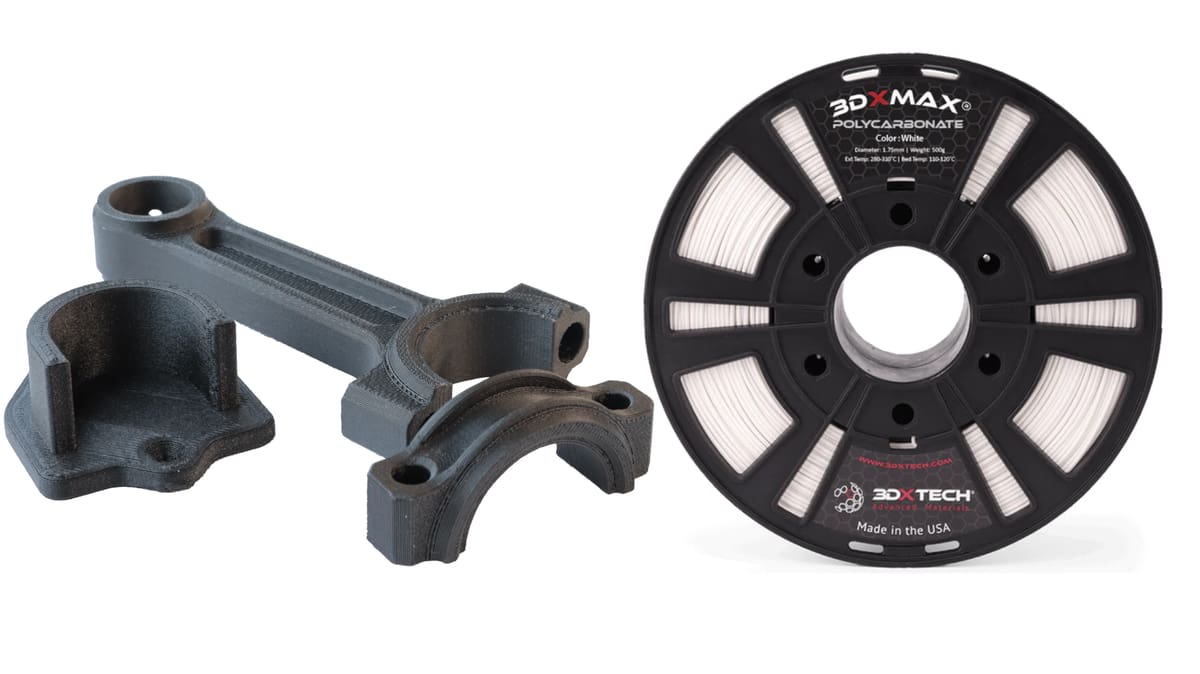
3DXMax PC is intended for printers equipped for genuine high-temperature processing. It uses Sabic Lexan polycarbonate and is suited to high-heat functional prototypes and production components.
Containing no reinforcing elements, this unfilled filament resists softening up to approximately 150°C. Its high heat resistance requires equally high printing temperatures, so an enclosed printer is strongly recommended. This makes it one of the most heat-resistant materials you can print on a high-temperature FDM machine.
3DXTech also offers another version of this filament, known as 3DXStat, that’s safe from electrostatic discharge (ESD). This means that parts won’t pass on any discharged electricity, so it’s useful for prints that touch or interact with electronics such as hard drive cases or motherboard covers. Besides ESD safety, 3DXStat is very similar to 3DXMax in price and printing temperatures.
3DXTech CarbonX PC+CF
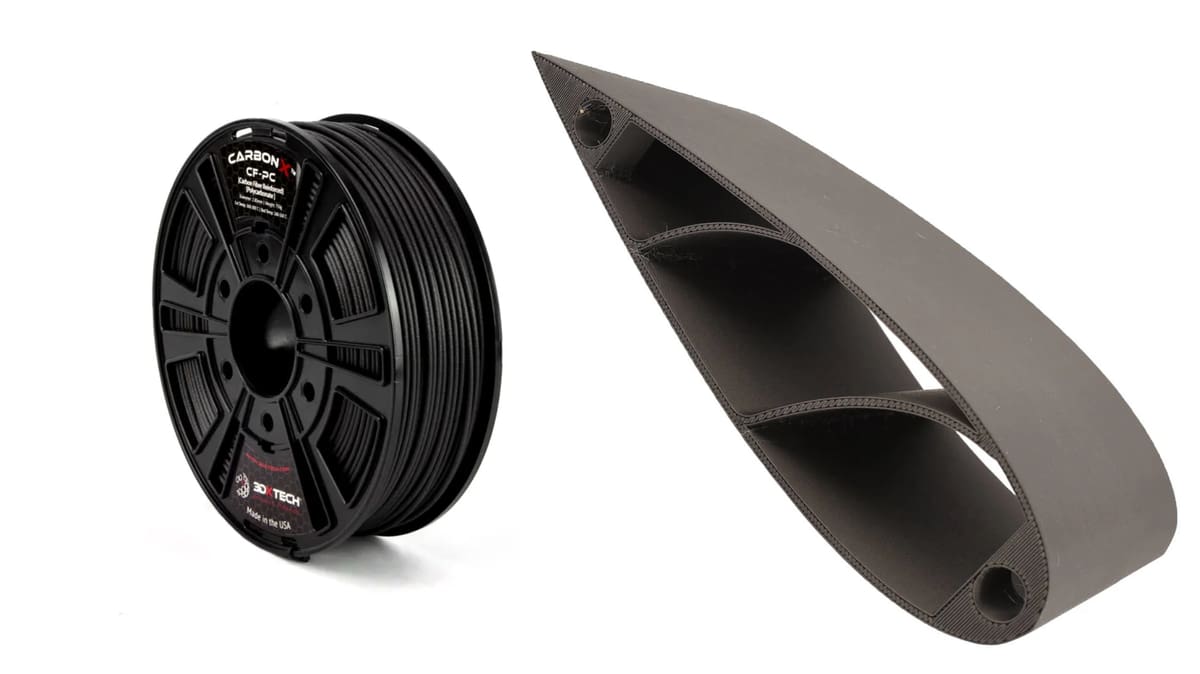
CarbonX PC+CF combines the high-temperature performance of 3DXMax PC with carbon-fiber reinforcement. Both materials have a heat-deflection temperature of 135°C. Compared with unfilled 3DXMax PC, CarbonX PC+CF is substantially stiffer and somewhat stronger, while 3DXTech also describes it as offering improved dimensional stability and excellent surface quality.
This material is then ideal for structural load bearing components. Due to its relatively demanding polycarbonate base, it is relatively slow with a standard hotend. With a high flow hotend, it is potentially the fastest filament listed with a theoretical capability of reaching 300 mm/s along simple extrusion paths.
Priline Carbon Fiber Polycarbonate
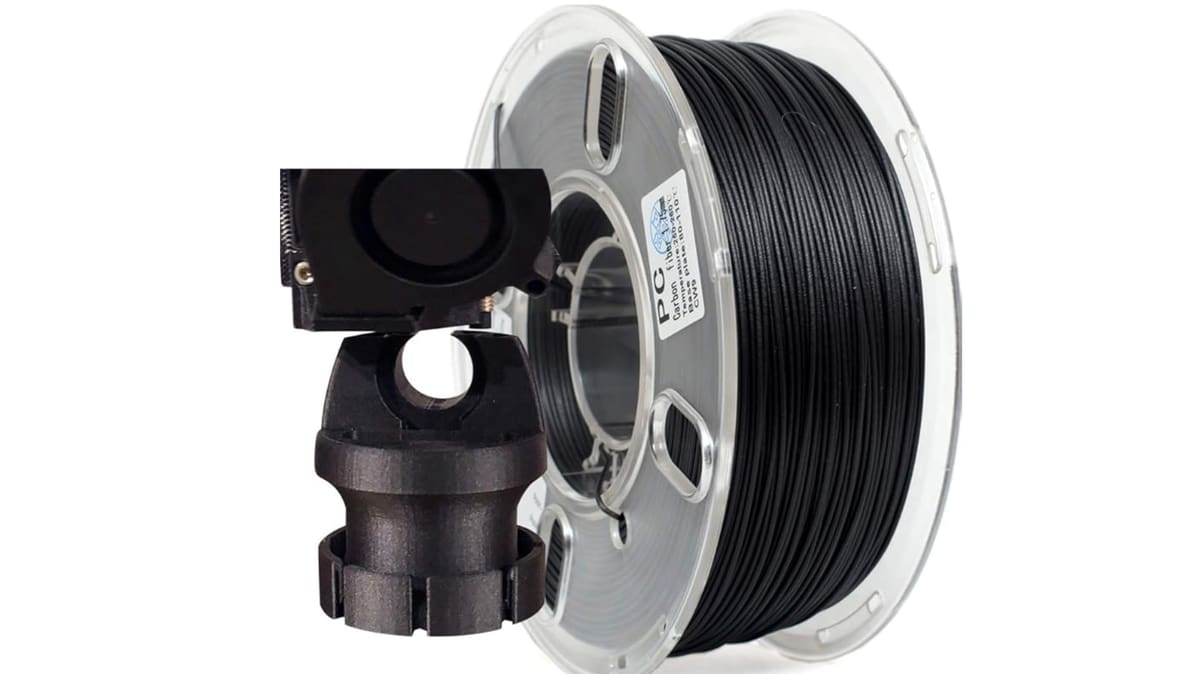
Priline’s PC filament is another great option that offers a lot of strength at an affordable cost. Similar to 3DXTech CarbonX, Priline’s filament is a blend of PC and carbon fiber.
The carbon fiber reinforcement is intended to reduce shrinkage and warping, and positions it as a rigid material for engineering and structural parts. Product guidances lists its normal print speed at 35-40mm/s, which is relatively slower than other filaments but when factoring in its lower cost, its a worthwhile compromise for carbon fiber reinforcement.
Raise3D Premium PC
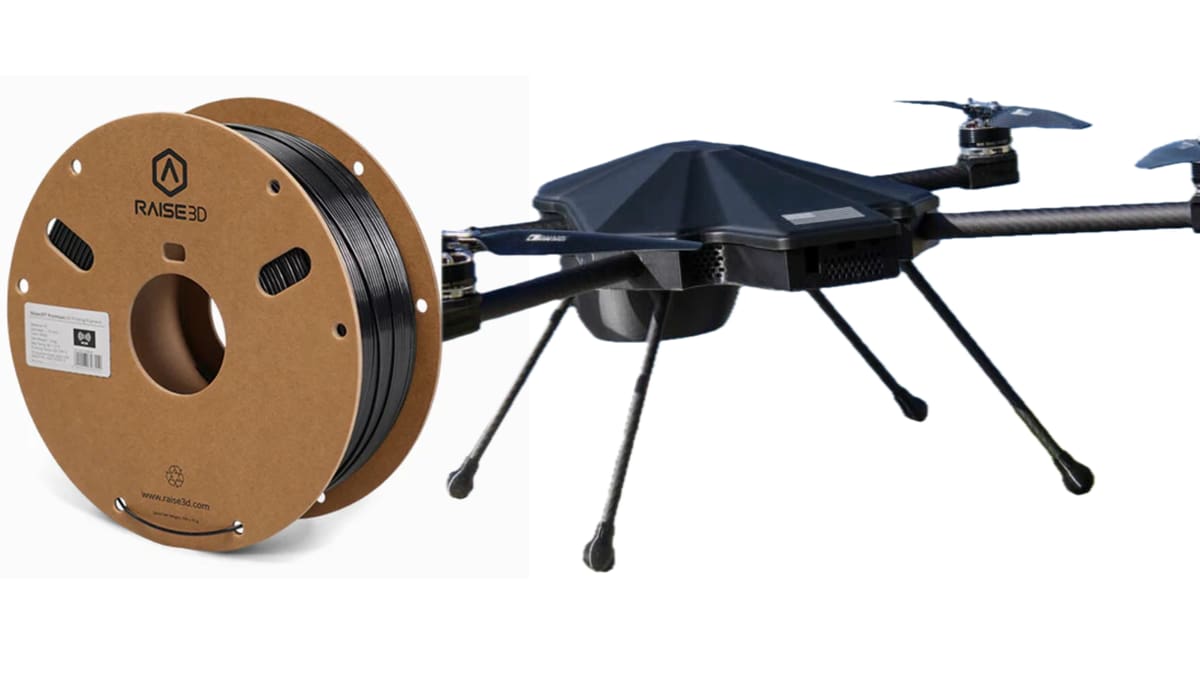
Premium PC is used to print components that regularly take a beating, like drone frames and motor mounts. No wonder it’s considered a high quality PC option that boasts high strength and impact resistance.
According to Raise3D, this filament is also heat resistant up to 110 °C and is available in black, white, or transparent.. Due to its industrial properties, Raise3D recommends using this PC material for industrial applications, end-use parts, and electronic cases.
Polymaker PolyLite PC
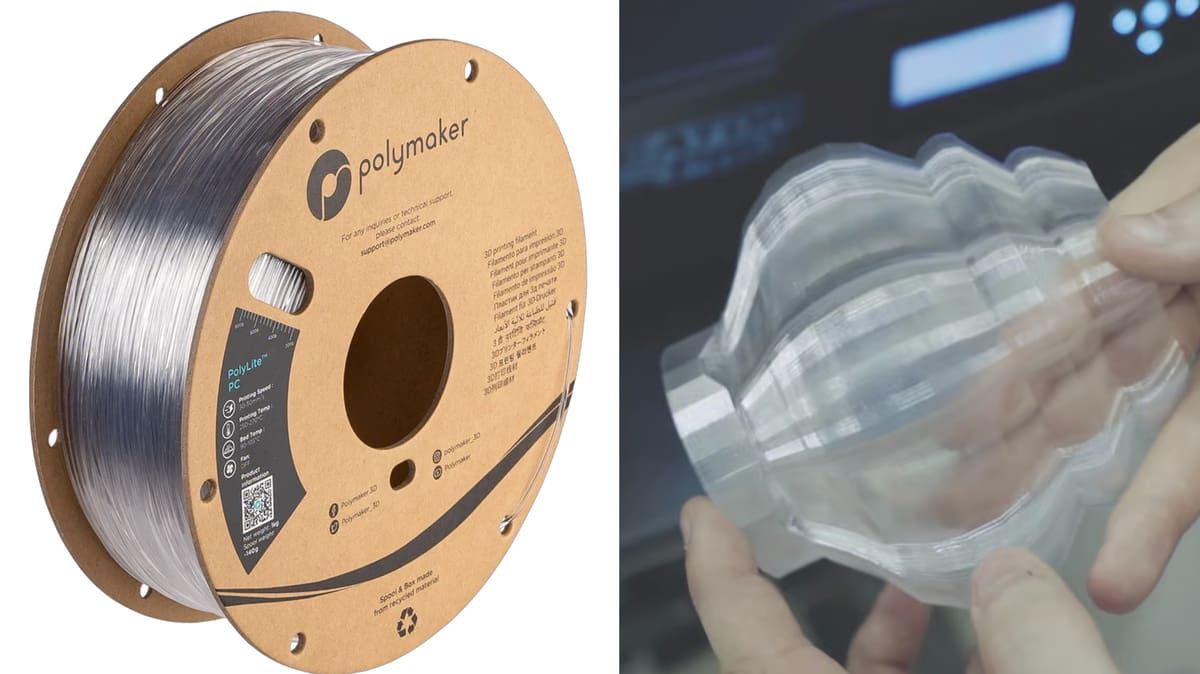
PolyLite PC remains inexpensive at approximately $30 per kilogram and is useful for translucent parts, light diffusers and applications requiring stiffness rather than exceptional impact toughness. For what it loses in toughness, however, PolyLite PC makes up for with its relatively low price tag, perfect as an entry level material.
Polymaker requires an enclosure, recommends a heated chamber for demanding geometry and specifies drying at 75 °C for 12 hours. It’s a well-rounded and inexpensive filament, making it perfect for those looking to try PC on a budget.
UltiMaker PC
UltiMaker PC remains a good choice for UltiMaker S-series owners who value integrated Cura profiles, material recognition and predictable ecosystem support. UltiMaker is usually known for high-performance printers, but their filament is no less praiseworthy. With improved interlayer adhesion and well-tuned material profiles, UltiMaker PC is an exceptional, easy-to-print choice.
Being part of the UltiMaker ecosystem also brings additional benefits: UltiMaker 3, S3, and S5 users will benefit from the included NFC tag that encodes all of its print settings, streamlining operation.
Forward AM Ultrafuse PC/ABS FR
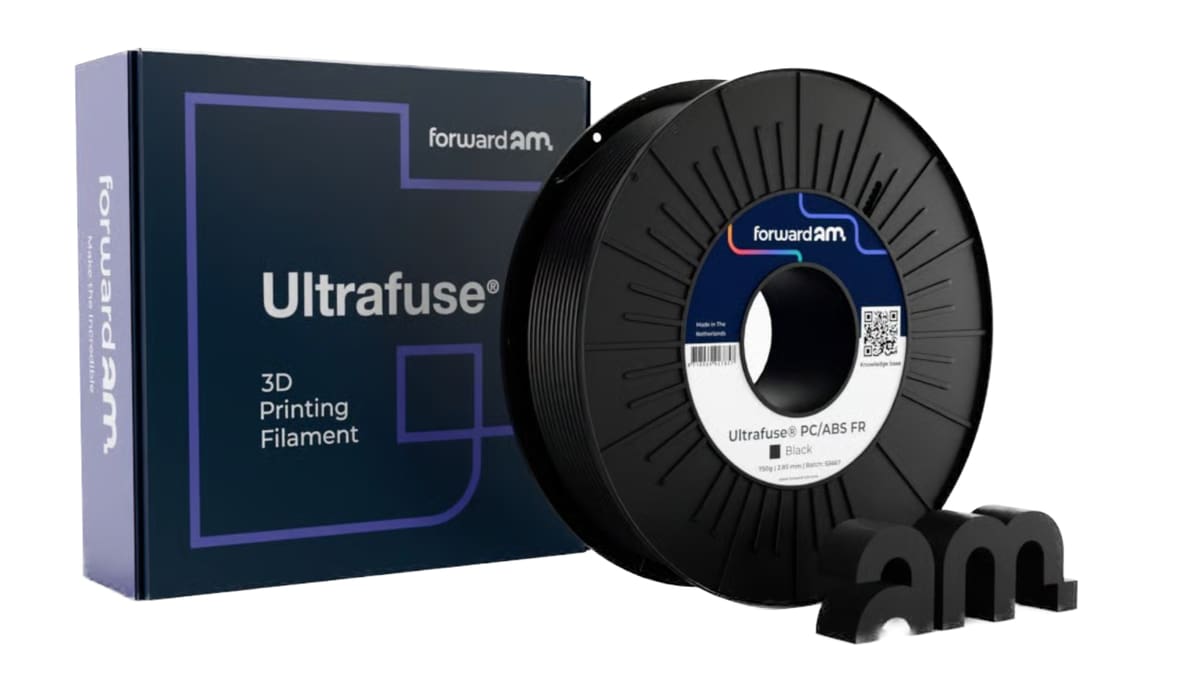
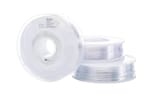
Ultrafuse PC/ABS FR from Forward AM combines the strength and impact resistance of PC with the more manageable processing characteristics of ABS. A standout feature is its UL 94 V-0 flame-retardant rating, making it particularly suitable for electrical housings, connectors, automotive components, and other parts where self-extinguishing behavior is required.
Its blend of ABS does reduce its heat resistance, which is lower than some other pure PC filaments. It is a relatively fast printing engineering filament when paired with suitable hardware such as a high flow hotend, with manufacturer-tested print speeds ranging from 30 to 300 mm/s.
Prusament PC Space Grade Black
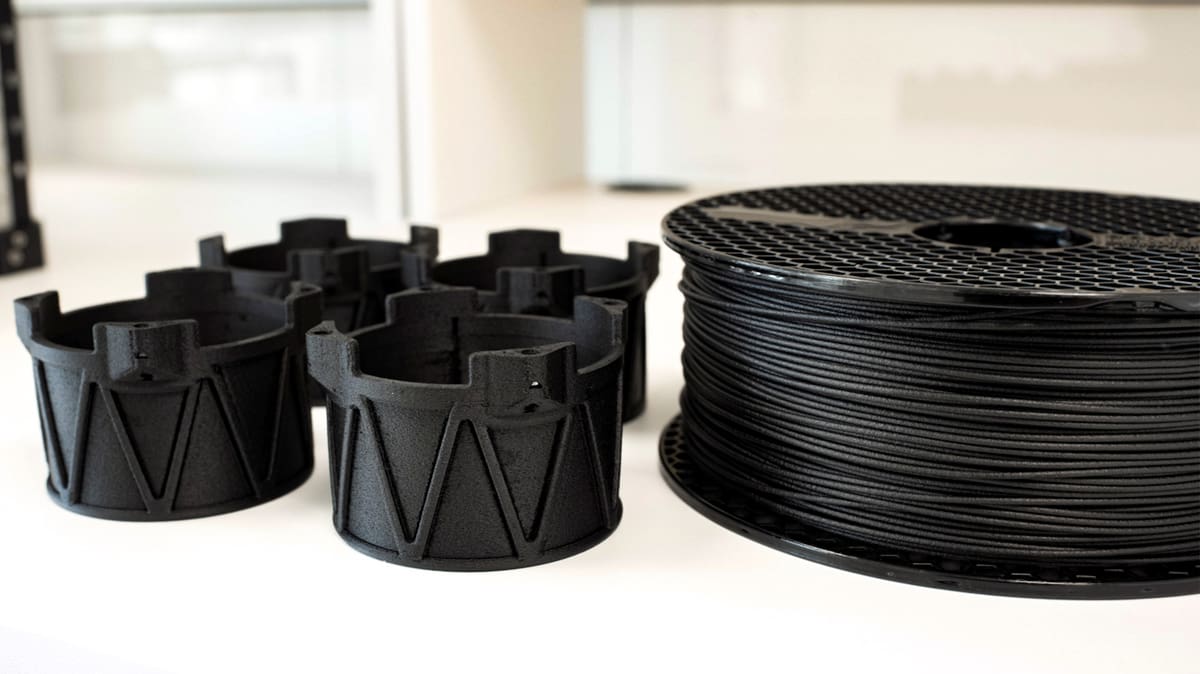
Prusament PC Space Grade Black is a specialist ESD-safe, low-outgassing polycarbonate “developed for the space industry”.
Designed for electronics, vacuum systems, scientific equipment, and aerospace applications, this material is suitable for environments where outgassing could affect sensitive electronic components, such as the cold, dark vacuum of space. It offers high stiffness and heat resistance, which is why its used as brackets in space satellites.
Its abrasive additives require the use of a hardened nozzle and its high price makes it unnecessary for ordinary mechanical parts, especially on planet earth, but there’s something in the novelty of printing space grade quality parts.
License: The text of "Still Guessing About Engineering Filaments: These Polycarbonate (PC) Brands Deliver True Industrial Strength at Home" by All3DP is licensed under a Creative Commons Attribution 4.0 International License.
CERTAIN CONTENT THAT APPEARS ON THIS SITE COMES FROM AMAZON. THIS CONTENT IS PROVIDED ‘AS IS’ AND IS SUBJECT TO CHANGE OR REMOVAL AT ANY TIME.