
The R1 cuts wood, acrylic, leather, fabric, and paper, plus engraves on glass and stone.
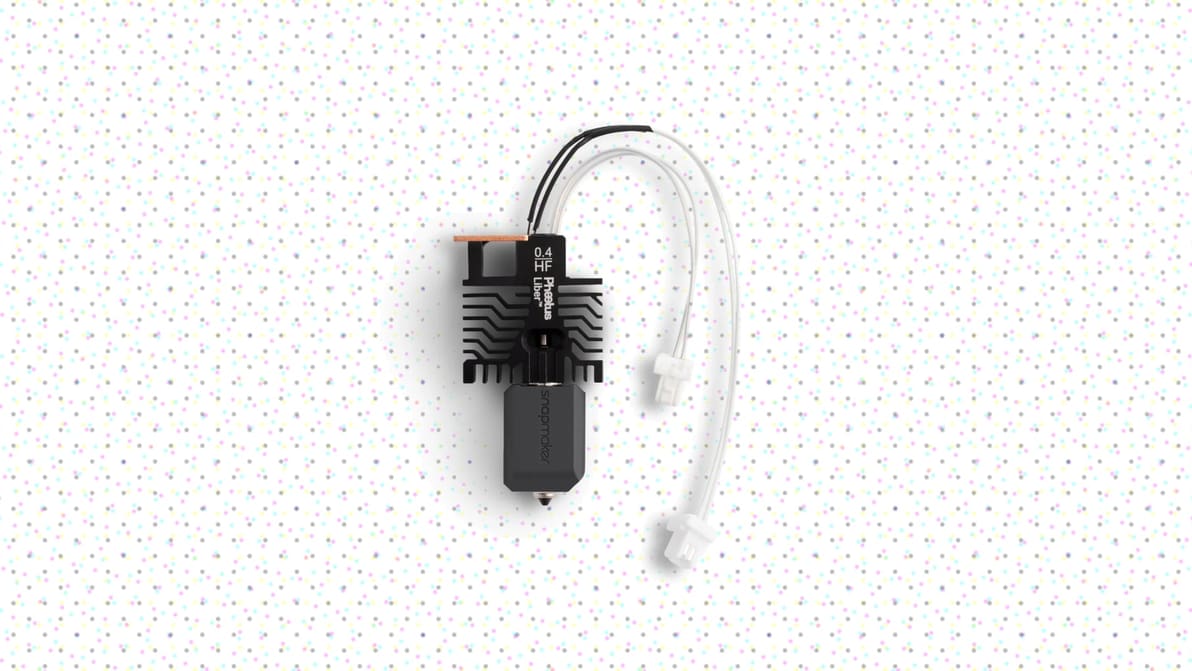
The hotend uses Phaetus’ Liber split channel geometry to heat filament faster, and is capped with a DLC-coated hardened steel nozzle for tough performance.
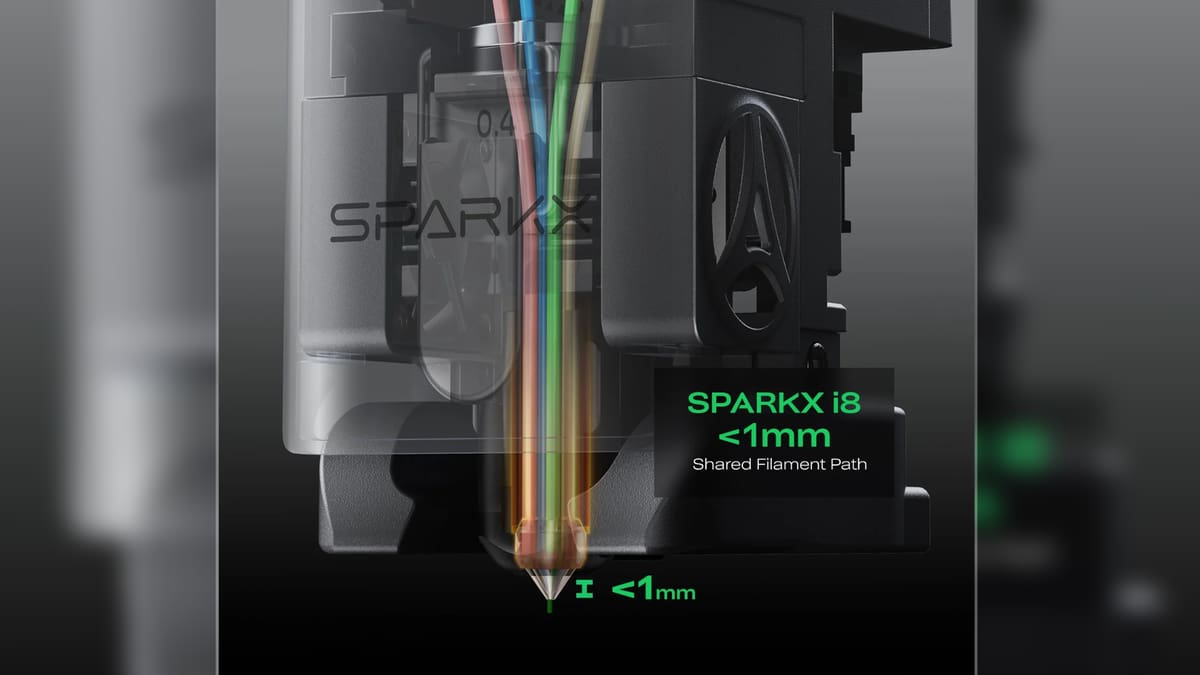
The printer uses a creative four-channel nozzle and switching extruder Creality calls QuarTeks to cut print waste on multi-filament prints. The printer circumvents the filament cut'n'purge other single-nozzle printers use by having each of the filaments primed inside the nozzle in its own discrete channel. Creality claims there's zero purge during printing. See for yourself over on Indiegogo, where a limited early-bird discount has the i8 available from $289.
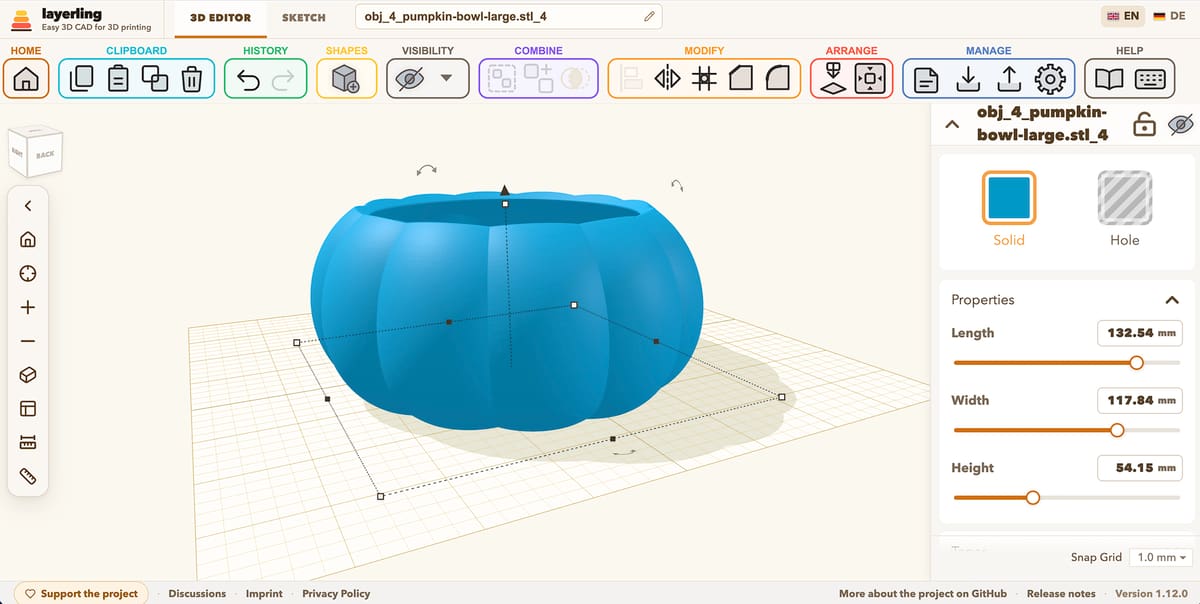
Layerling, a new browser-based 3D modeling tool aimed squarely at people who want a printable part rather than a career in CAD. It requires no account or cloud service, keeps designs in the browser, and exports STL, OBJ, and STEP files. There’s also an MCP server that lets AI clients, such as Codex or Claude, work directly in the editor while you watch. So yes, apparently even dragging boxes around a build plate can now be delegated. It has already been updated dozens of times, so development does not appear to be lingering over coffee.
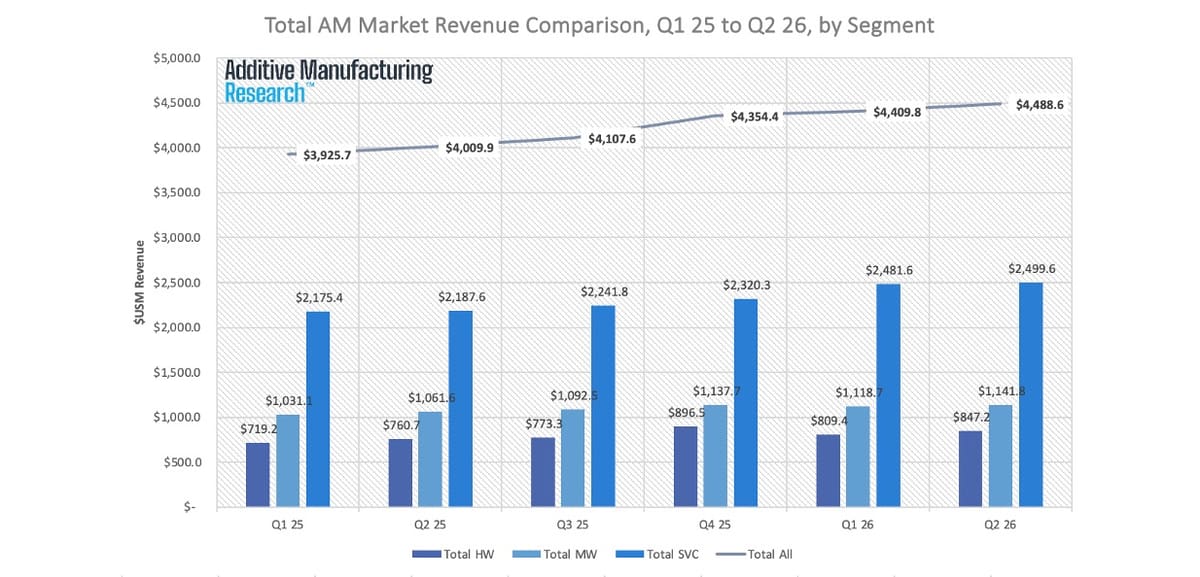
The global additive manufacturing market reached $4.48 billion in Q2 2026, notching a sixth straight quarter of growth, according to AM Research. Revenue across metal, polymer, and ceramic systems, materials, and services rose 12% year-over-year, with metal AM contributing $1.8B and polymer AM $2.7B. Services were the real workhorse, bringing in nearly $2.50B or more than half the market. AM Research's Scott Dunham called the first half of the year “robust growth,” though stubbornly high interest rates could still make manufacturers think twice before signing off on big capital purchases.
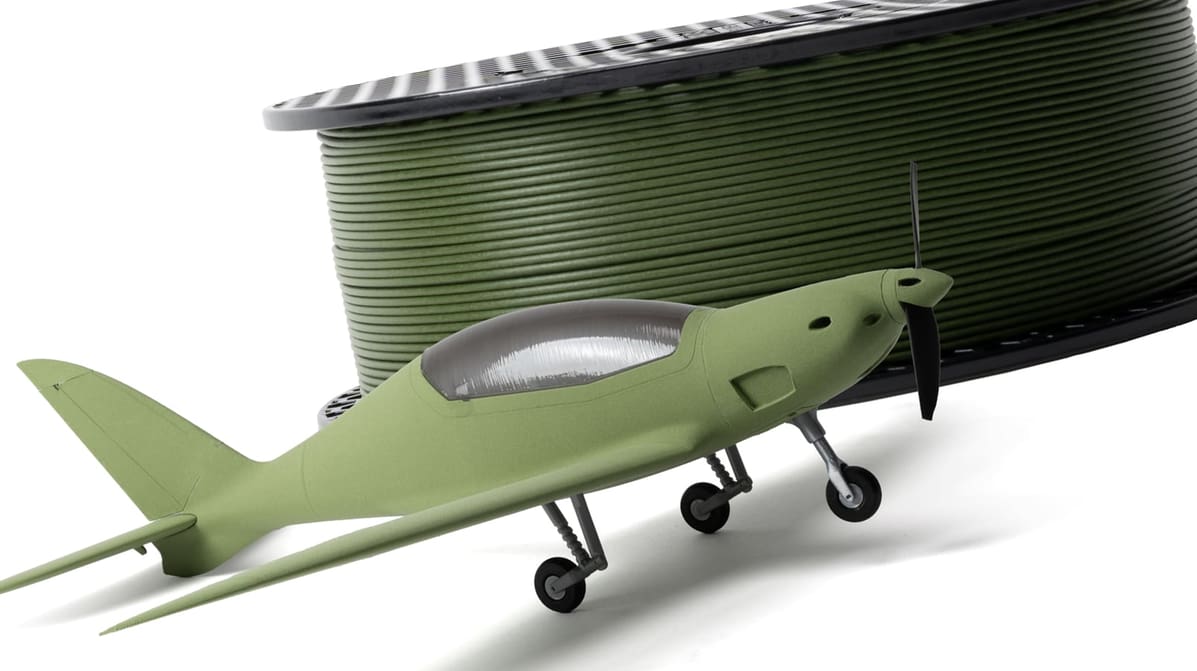
Prusa’s new actively foaming PLA promises lighter parts, more prints per spool, and a distinctive matte finish.
It's a use case we often see scanner manufacturers pushing as a core reason you should use their products, but when the results are often blotchy, fuzzy approximations of the object scanned, we've got to ask, who's actually printing that? Treating the scan as a starting point to reverse engineer, we get, but is anyone printing scans as they come?
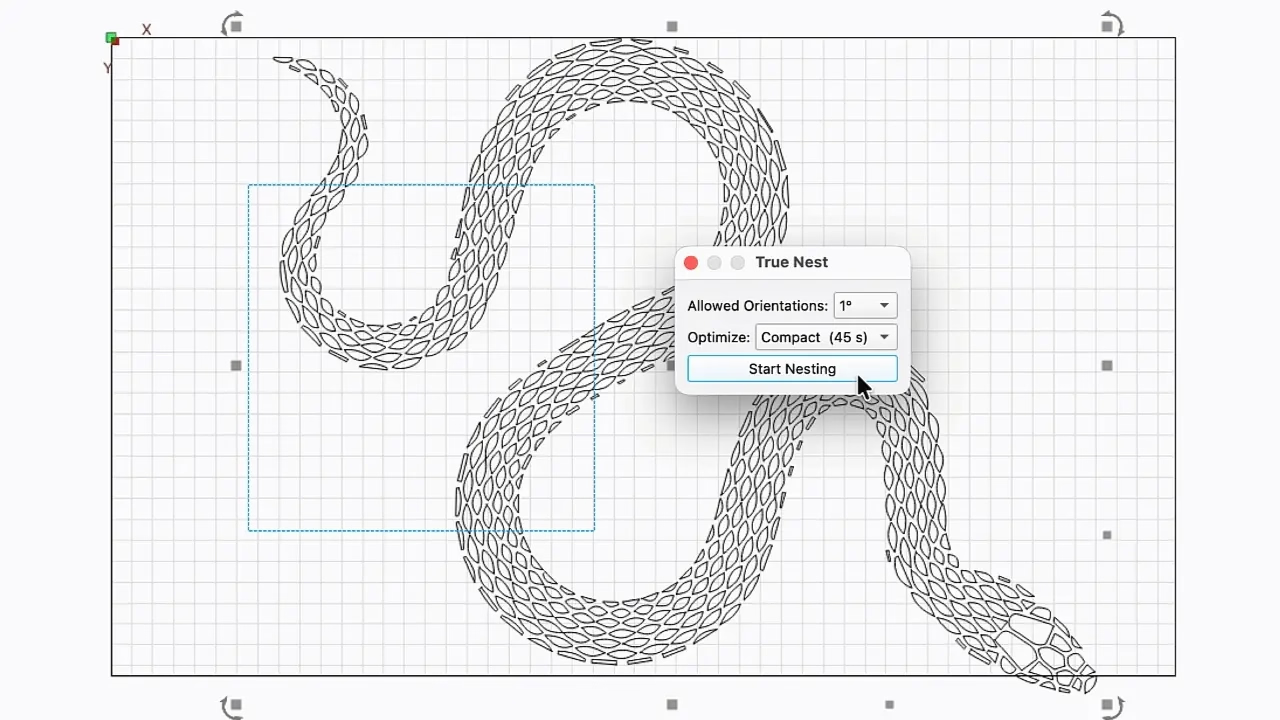
LightBurn 2.1's Quick Nest feature gets an upgrade in 2.2.0. Rather than nesting objects based on their bounding boxes, 2.2.0's True Nest feature jostles objects efficiently together based on the actual contour, saving material with each batch. If you're not into laser cutting, that probably sounds pretty dull, but seeing it in action is infinitely more entertaining than reading about it. Read more about it on the LightBurn blog.
Stratasys alleges Bambu Lab infringed ten of its patents with the X1, P1, and A1 series 3D printers. For four of the patents, the subject of the first of two trials, a jury agreed, awarding $27.6-million in past damages to Stratasys for the infringements. It's worth noting that, so far, there's been no mention of injunction on sales of the machines, some of which are still available, or licensing going forward. Bambu Lab could, and almost certainly will, appeal the decision.
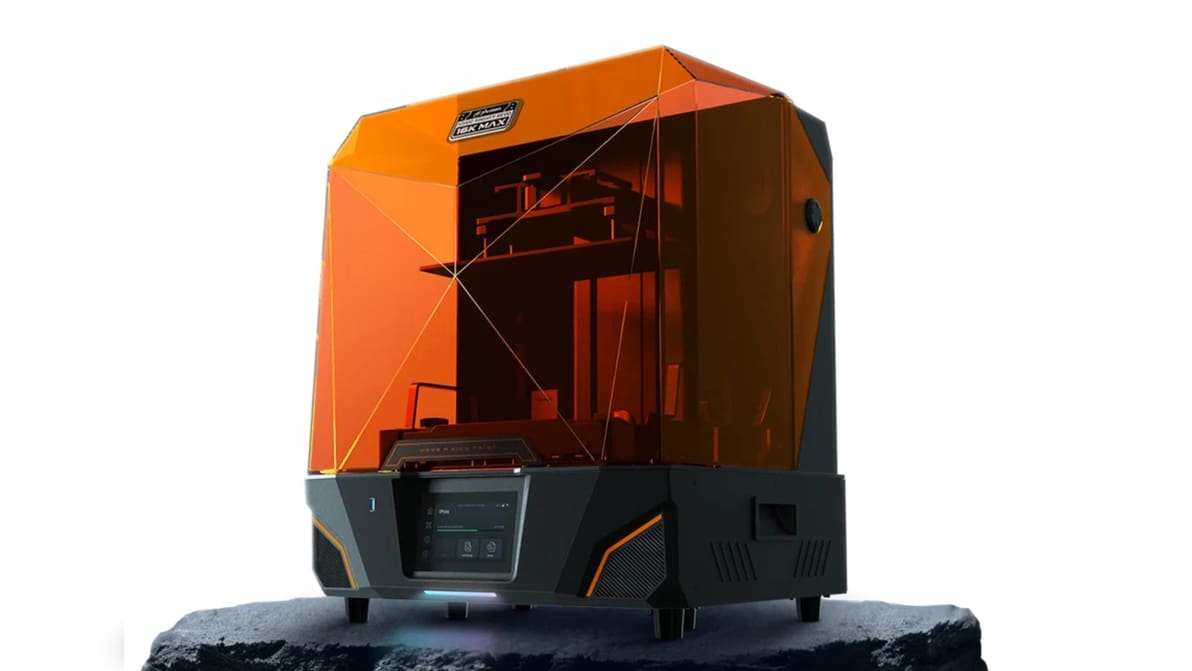
Phrozen supersizes its Mighty Revo resin printer with almost twice the build-plate area and a 2-liter vat, with pre-orders opening September 22.
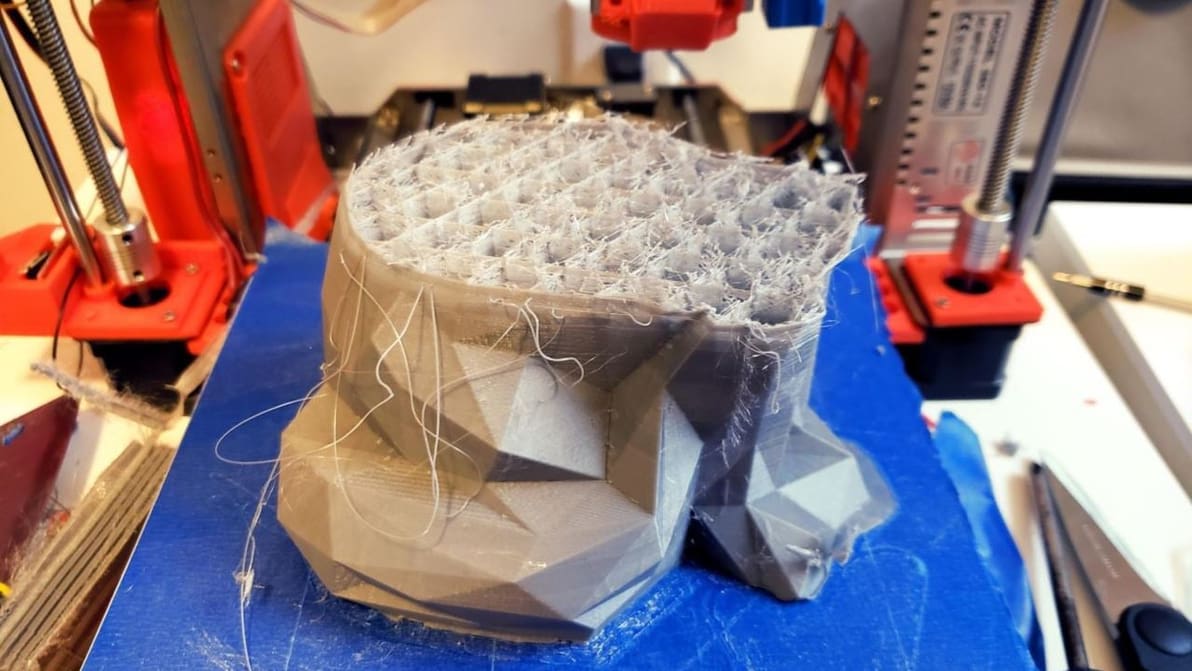
Heat creep can still clog even the best 3D printers, and the causes have changed. Here's how to tell it apart from other jams, why it actually happens, and how to fix it
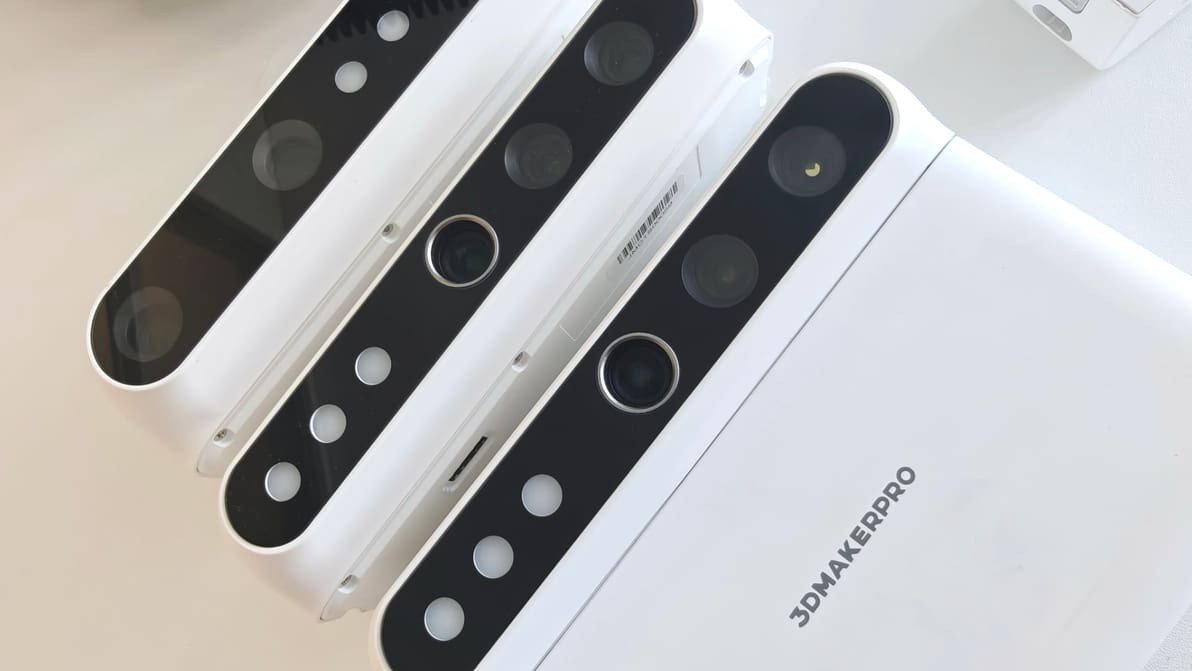
The Turtle is a versatile modular scanner that handles everyday conditions better than most. Swappable cameras for different tasks are handled well, though the company’s software frustrates at times, marring what would otherwise be a stellar scanner.
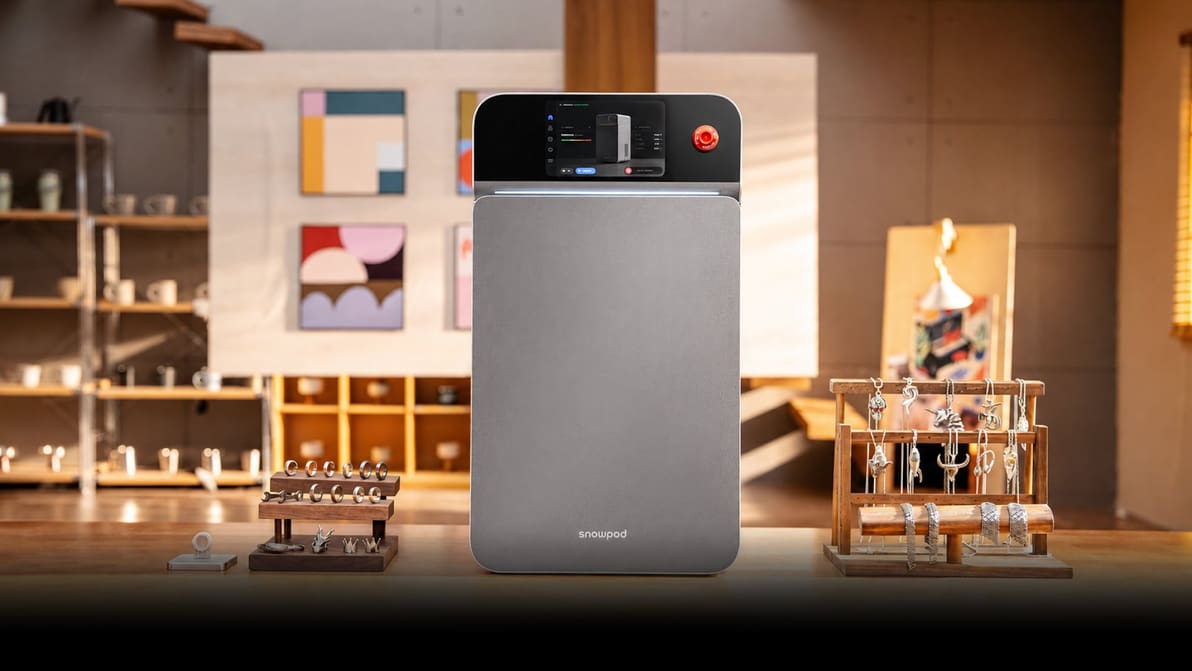
SnowX's upcoming SnowPod aims to bridge the gap between industrial SLM technology and true desktop usability. By redesigning the entire workflow, it brings high-precision 316L stainless steel 3D printing directly to the workbench.
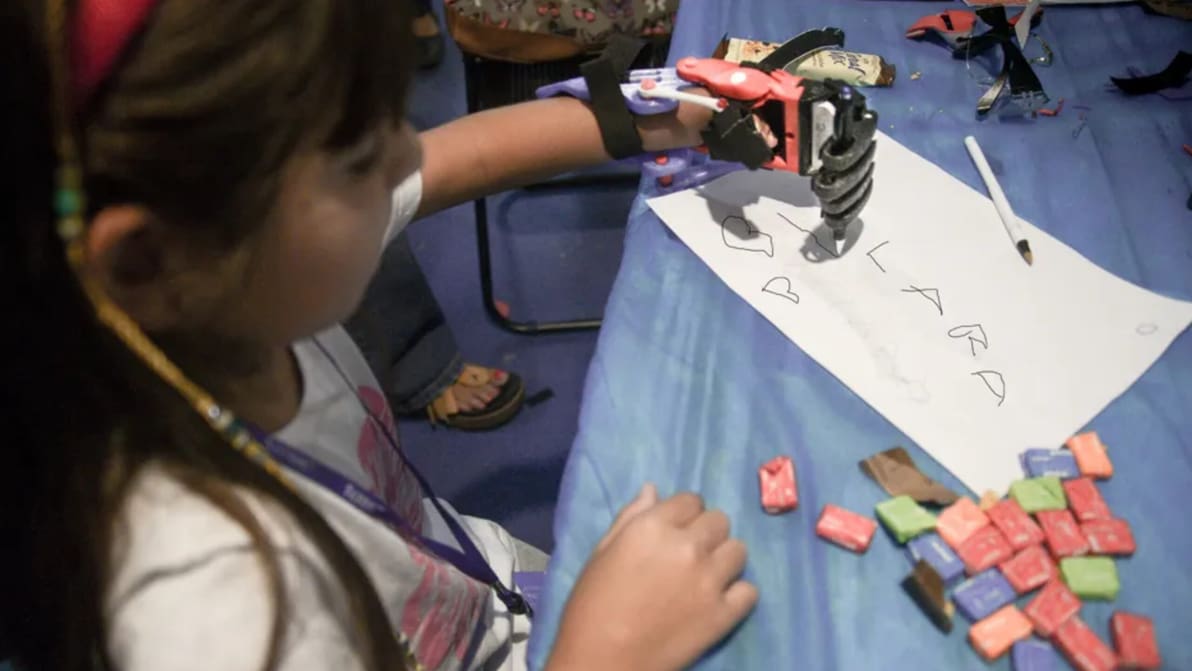
From September through December, 24 real-world briefs will challenge the MakerWorld community to design 3D-printed fixes for everyday accessibility needs.
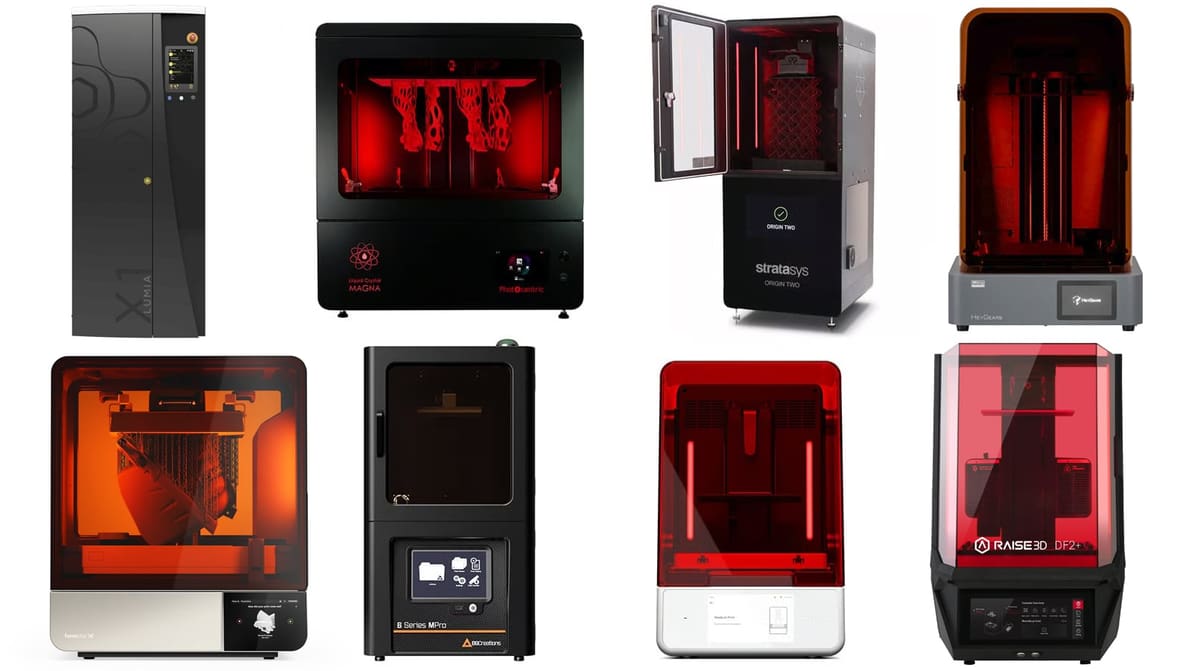
Expand your capabilities with systems designed for certified engineering-grade resins and specialized manufacturing applications.
Autodesk has joined the grand tradition of announcing AI features before they actually exist. The company today announced plans to beef up Autodesk Assistant AI in Fusion so it can use project context to flag problems, trace knock-on effects, and help across design and manufacturing workflows. Users will also be able to hook in their own AI tools. For now, though, this is a roadmap, not a release. The expanded Assistant isn’t generally available, and Autodesk says rollout details are coming in 2027.
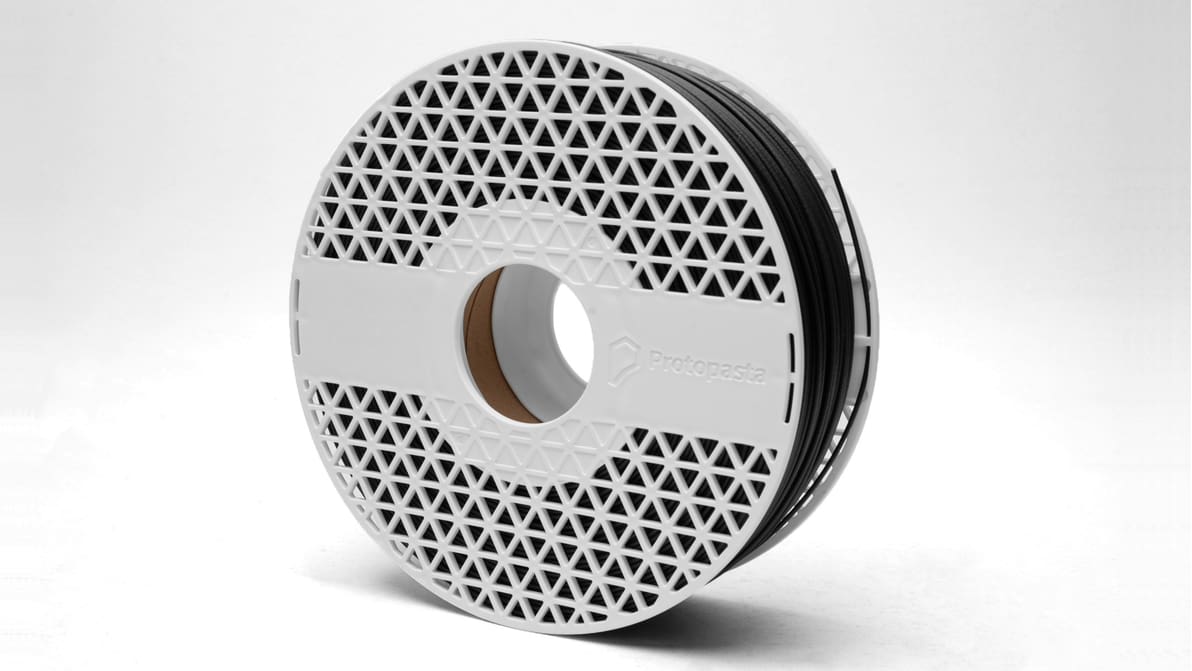
PLA is hard to beat for ease and aesthetic. Protopasta HTPLA takes PLA to new heights with higher temperature performance, exceptional quality, and exclusive aesthetics available nowhere else. Custom formulated and made from scratch. Make something special with Protopasta.
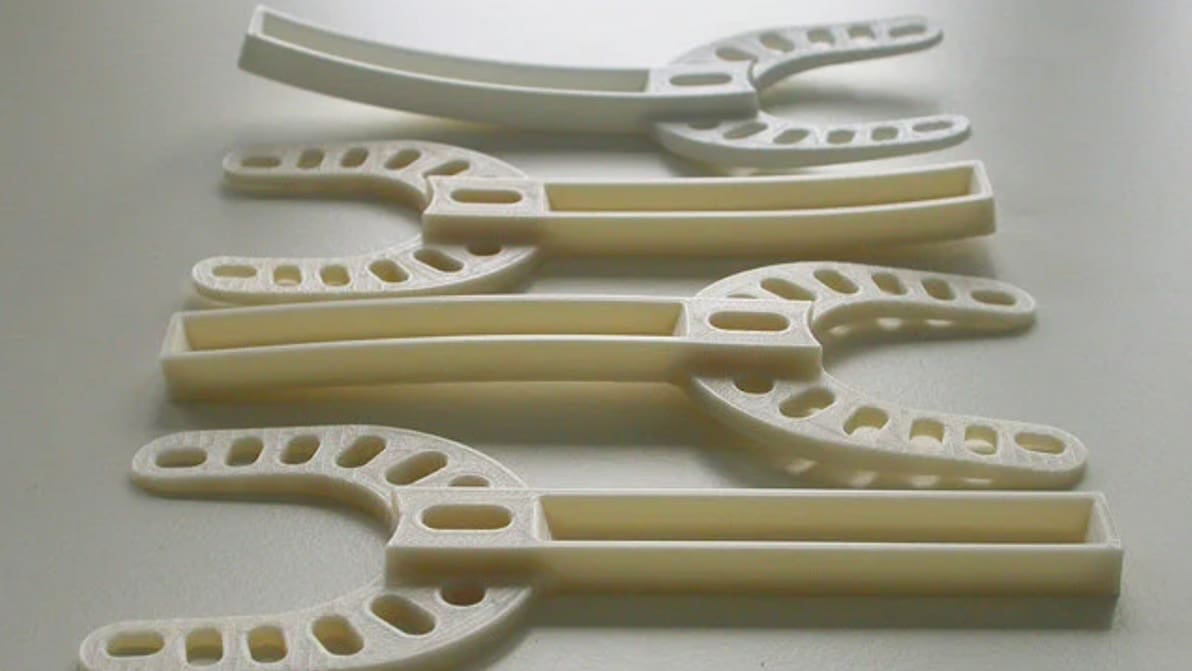
The real reason plastic goes soft before it melts, and what that means for anything you print in PLA, PETG, or ABS
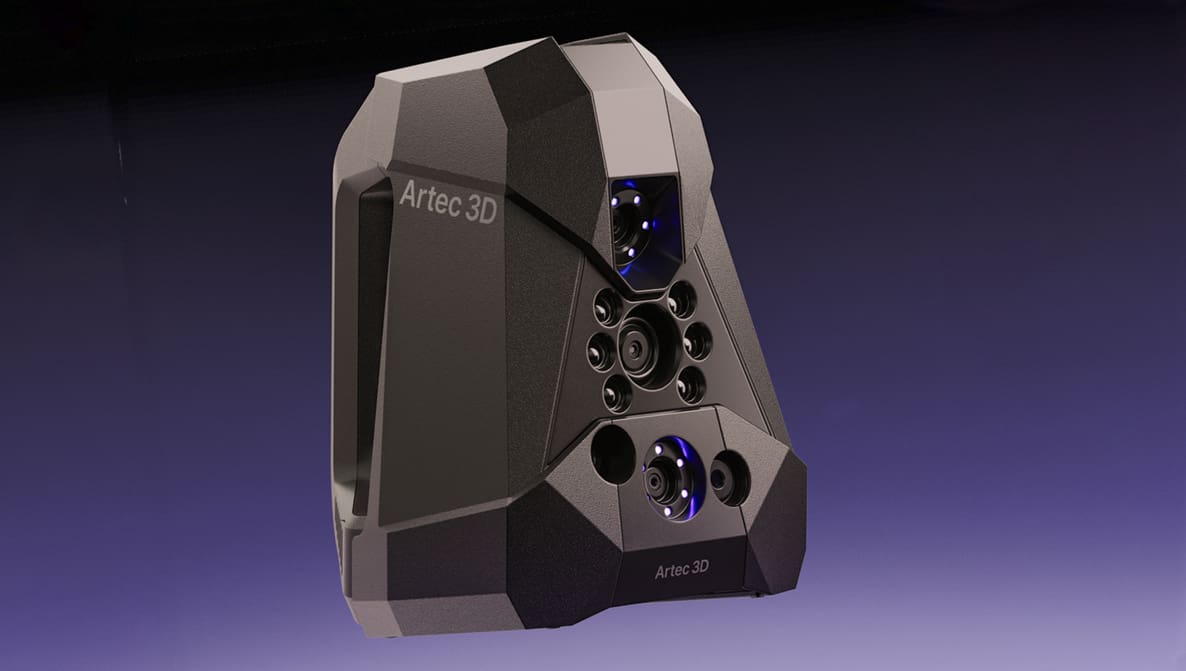
Artec 3D new Neo, a handheld 3D scanner designed to reduce one of the more mundane parts of precision 3D scanning: covering a workpiece with tracking markers before measurement can begin.

On the lookout for an exciting Raspberry Pi project? We've compiled this list of 40 of the best around.