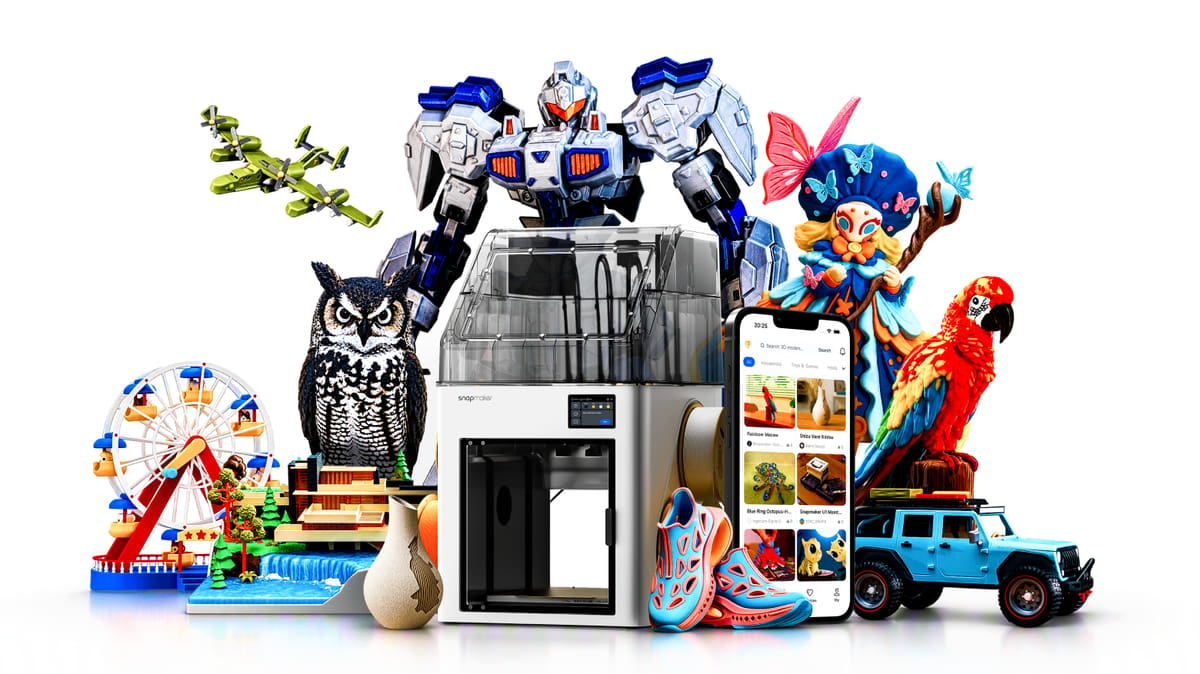
Stuck in a 3D printing rut? Unsure what to print next? We've got you covered. Here are this month's 50 cool things to 3D print – as always, starting with 5 new picks at the top, followed by reader favorites.
Looking for additive manufacturing conferences near you? Check out the industry's most complete guide to 3D printing events.
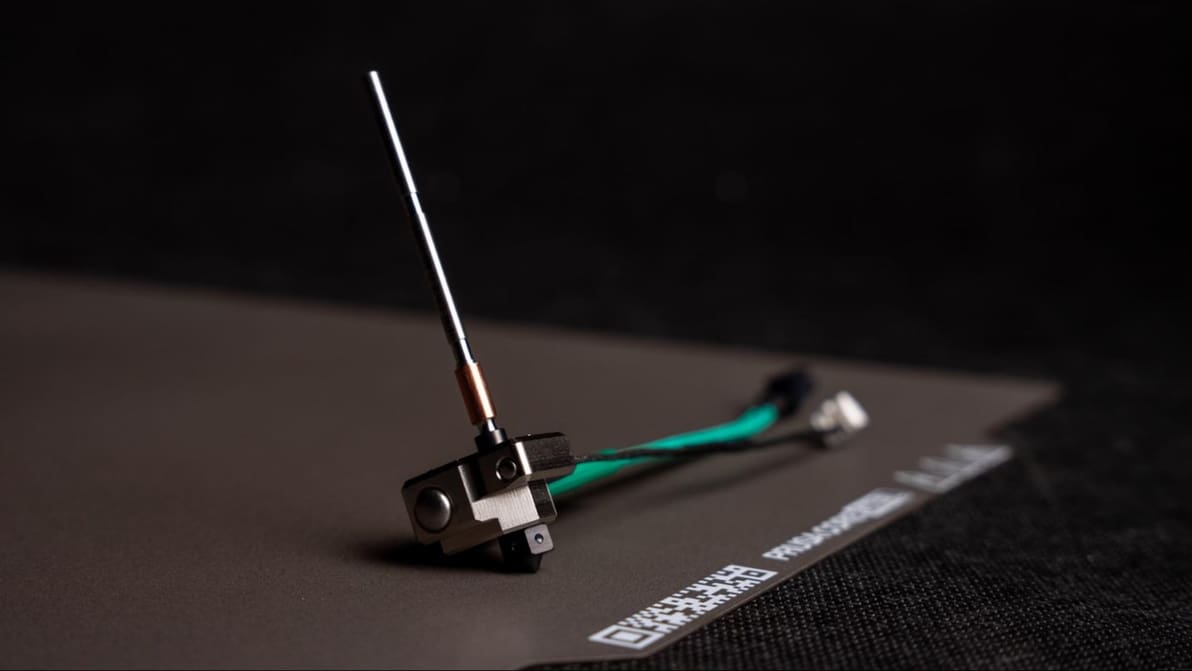
The Prusa HT hot end is now available as a drop-in replacement for all stock Core One 3D printers, with the only exception is INDX-equipped machines (for the obvious reason that they don't use the Nextruder hot end.)
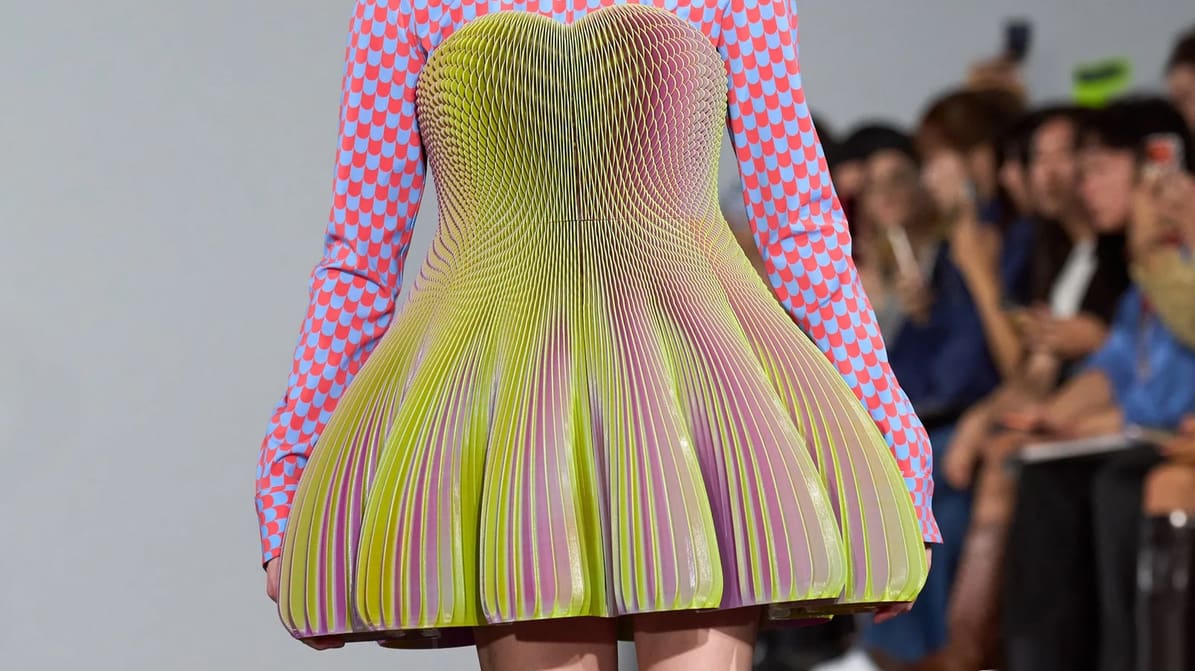
Forget breathable fabrics, the future of haute couture is rigid, custom-extruded, color-shifting PETG. Just don't try to sit down.
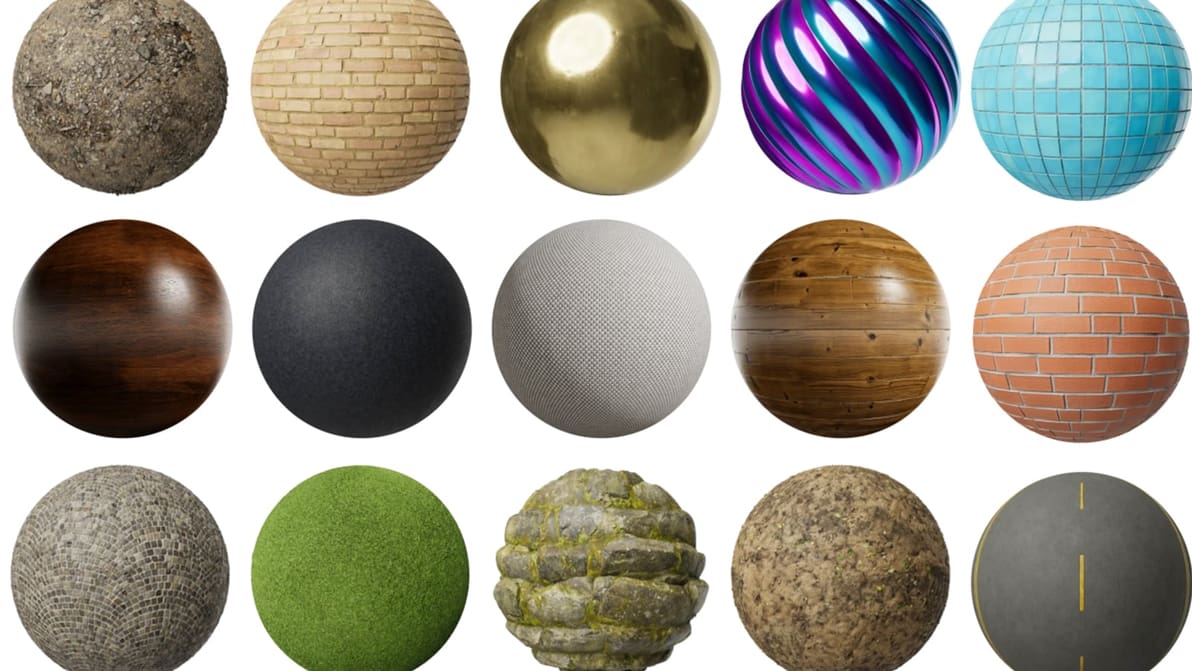
Textures make digital 3D models come to life, and they don't have to cost anything. Here are the five free sites worth bookmarking right now.
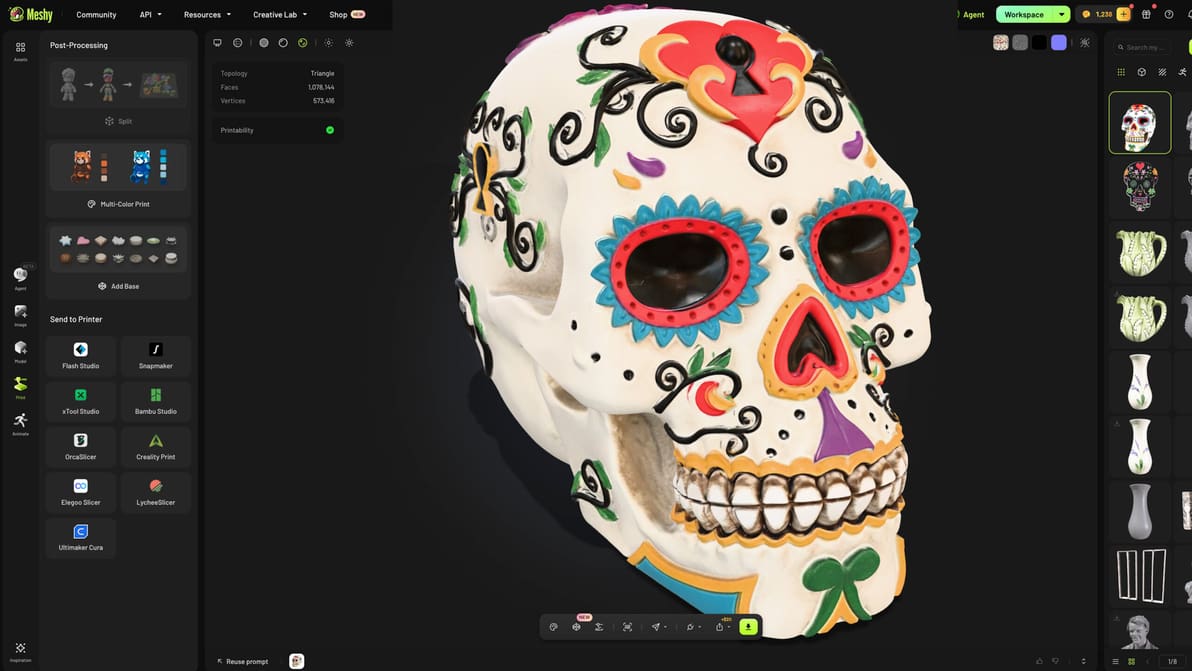
We pushed the latest version of this AI model generation tool to its limits to see if the upgraded resolution translates into better geometry for physical models.
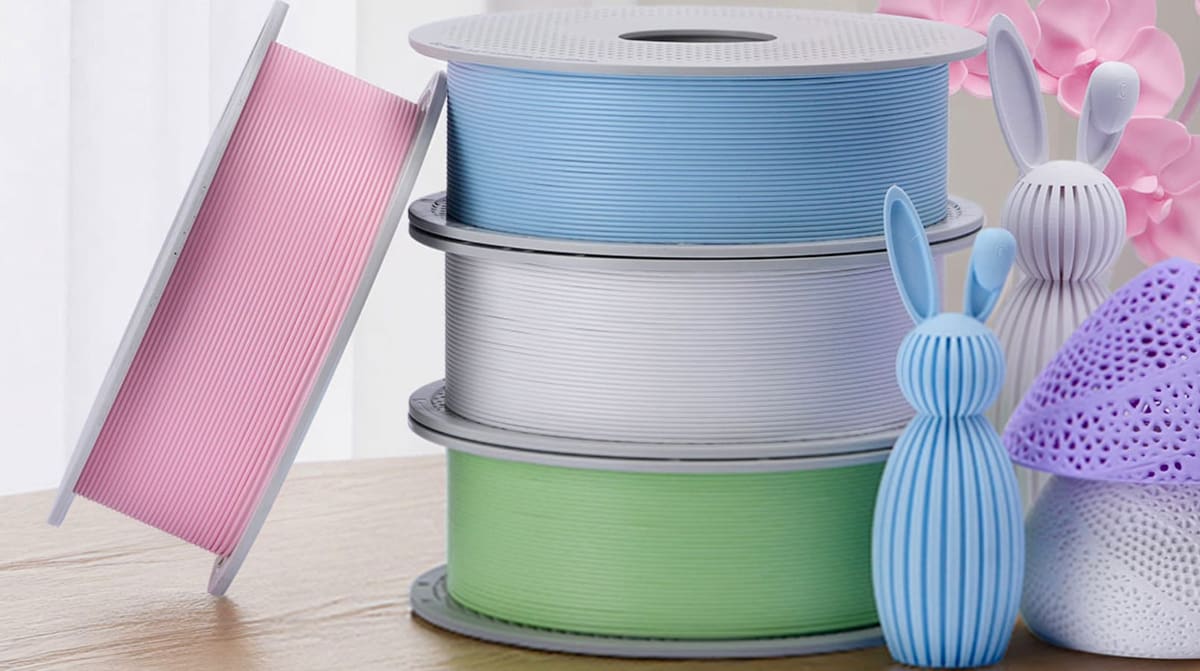
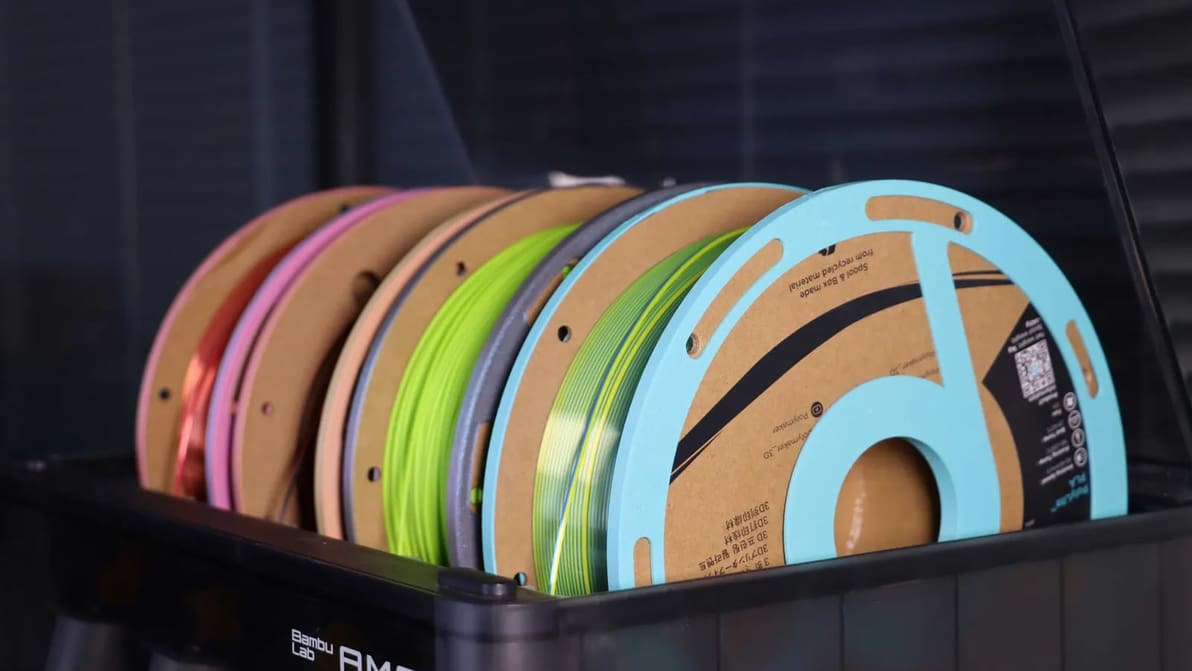
The new filament combines a subdued finish with improved humidity resistance, easier support removal, and the toughness expected from PETG.
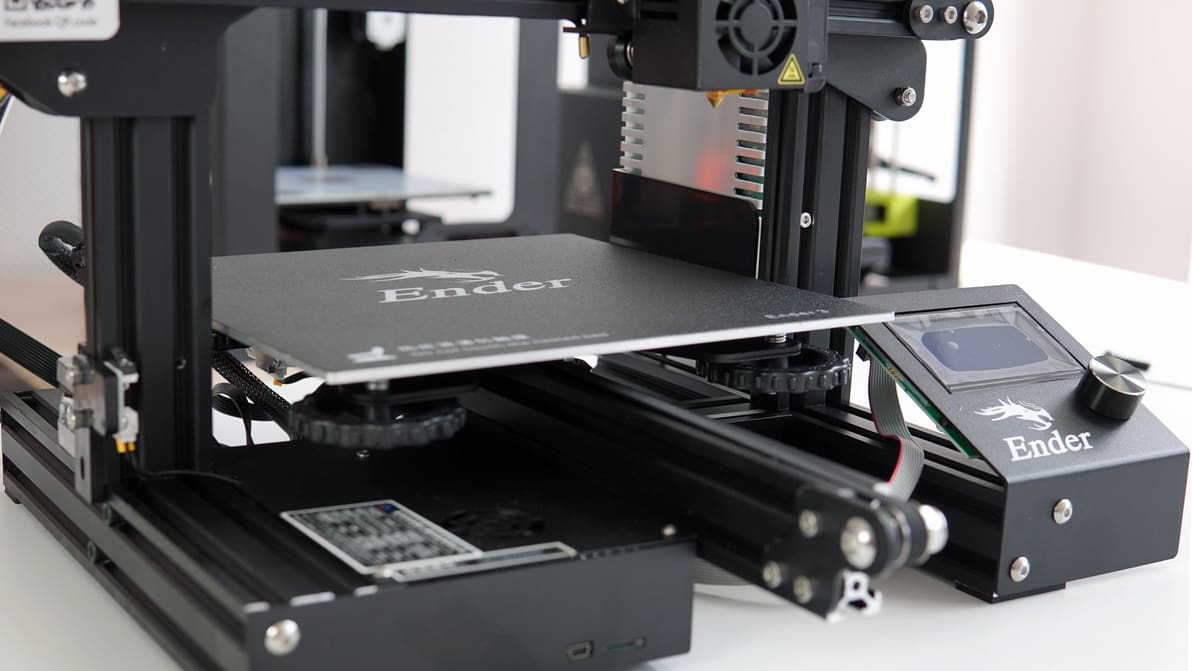
The older Creality Ender 3 series (V2, Max, Pro, and Neo) are still solid machines, and upgrading it is well worth the effort. Here are our recommendations.
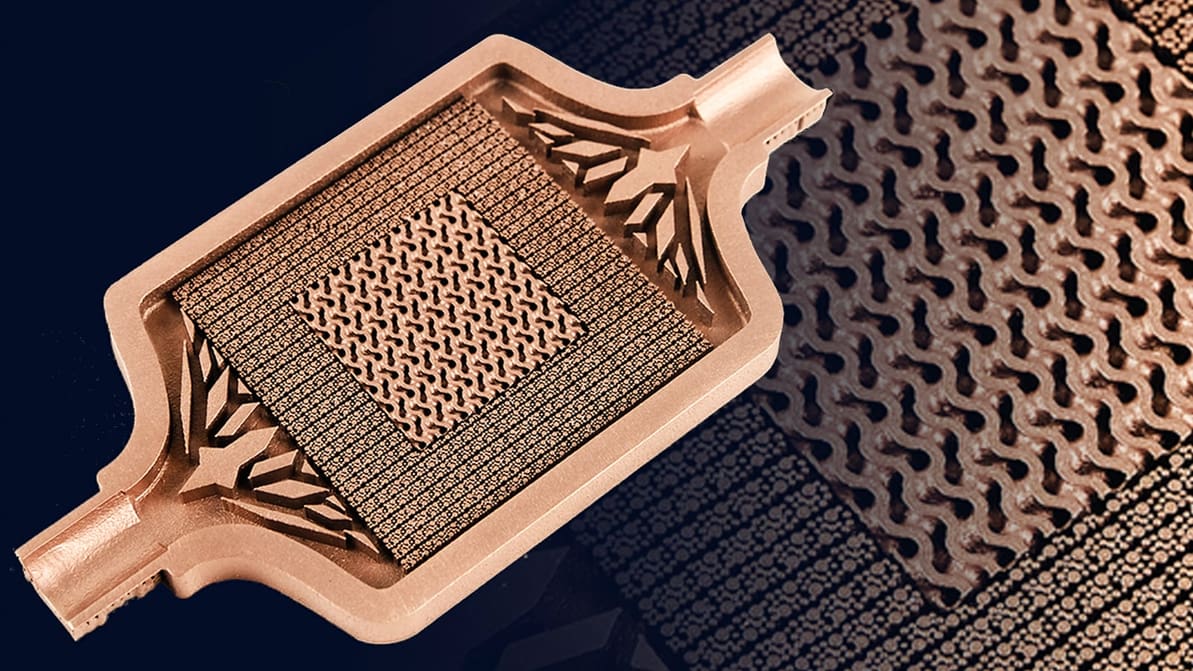
With AI processors pushing traditional thermal management to its limits, metal 3D printer makers are pivoting to produce complex, pure copper liquid cold plates for next-generation data centers.
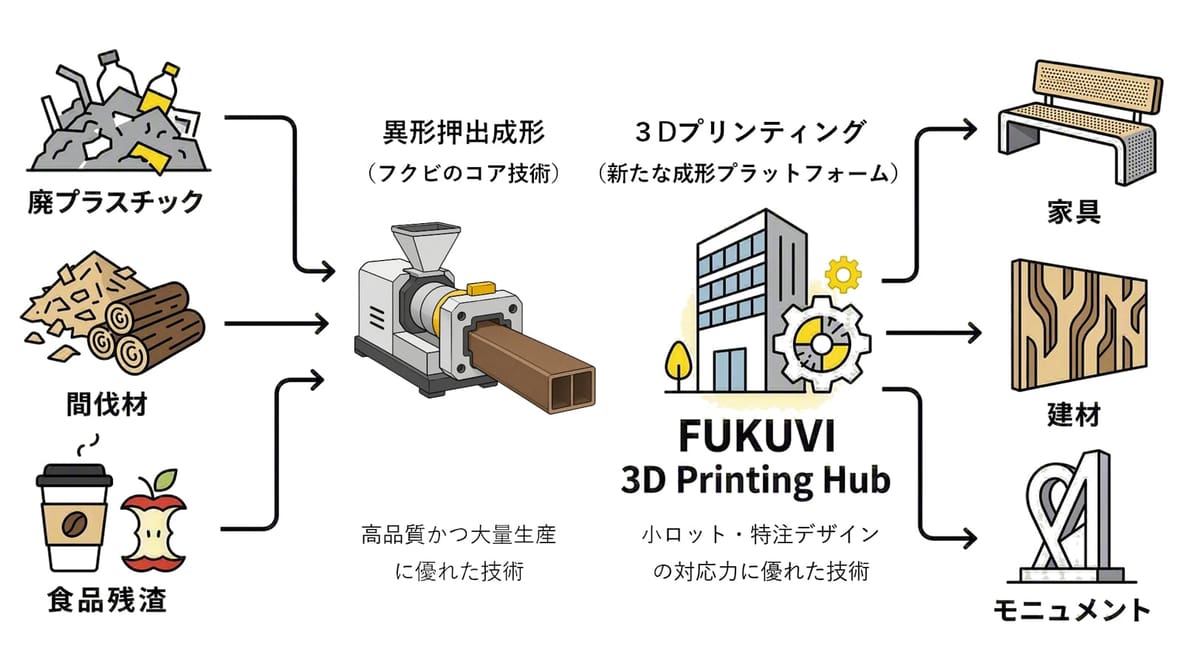
What if your city’s next park bench was 3D printed from morning coffee grounds and discarded household plastics?
Whether your gateway machine was a 1st-gen RepRap cobbled together with hardware store threaded rods (good luck finding hardware-store replacements for a printer today) or an Ender 3 kit that taught you the value of knowing the thickness of a sheet of paper, that first printer defined your entry into 3D printing.
The lines are arbitrary, but there are some attractive boundaries that seem logical – distinct generational waves in desktop printing hardware. So let's take a generational roll call: which is yours?

3D printing has earned its place in the classroom. This guide rounds up the curriculum providers, CAD tools, and funding options to build lessons that inform and inspire.
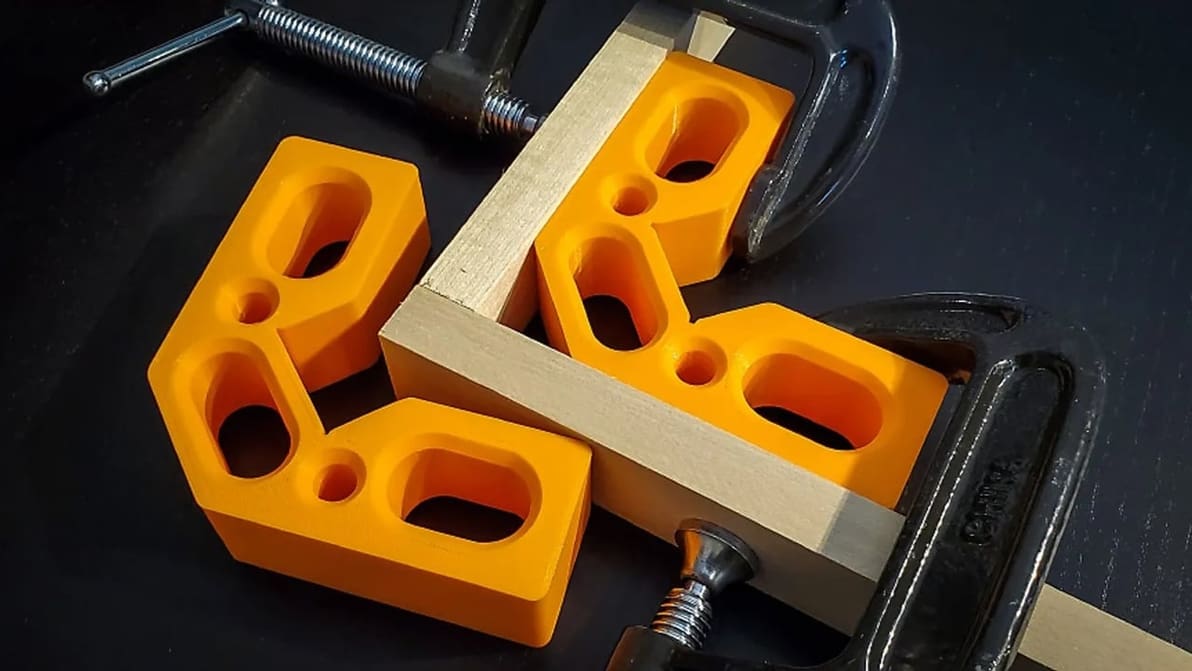
Fifteen community-designed clamps, jigs, and guides that print in an evening and outlast their store-bought rivals.

Automated toolpaths, a nine-tool automatic tool changer, and a 1500 W spindle built for machining stainless steel and titanium, plus an optional 5-axis upgrade. See what’s behind ToolDance's upcoming Kickstarter launch.
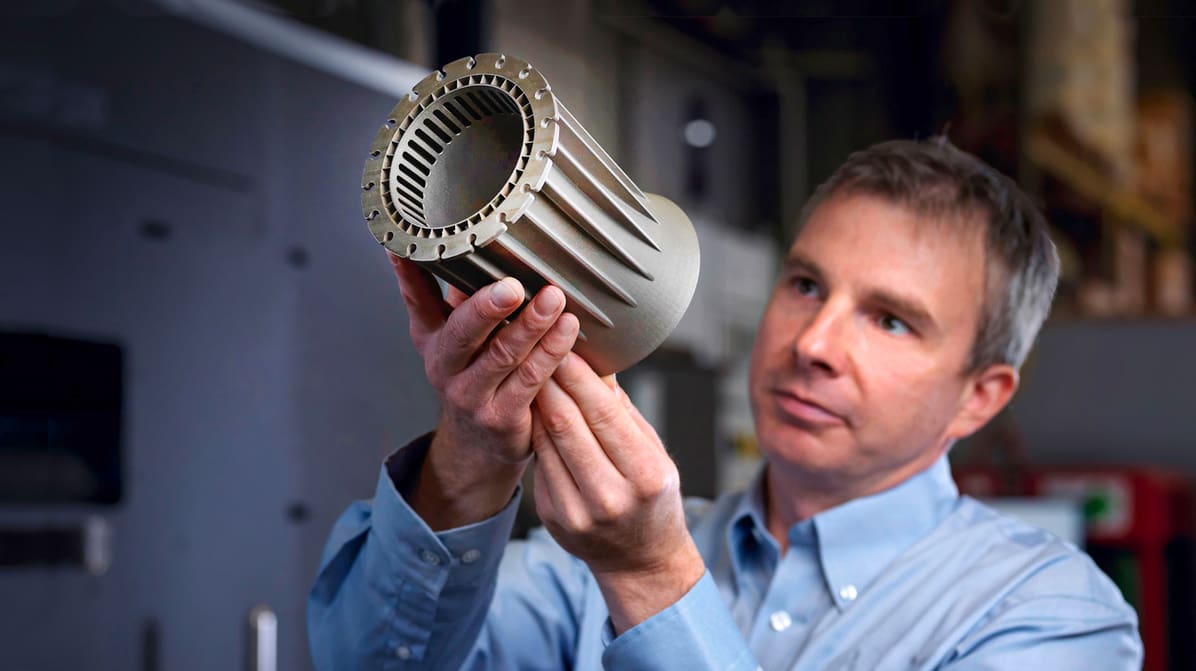
Our updated guide to top metal 3D printing services to help you order everything from stainless steel tools to gold jewelry to copper heatsinks.

Students can claim up to $200 per project, and schools up to $2,000 per purchase, provided you run the gauntlet of an application review and don't mind a mandatory PCBWay logo on your PCBs.
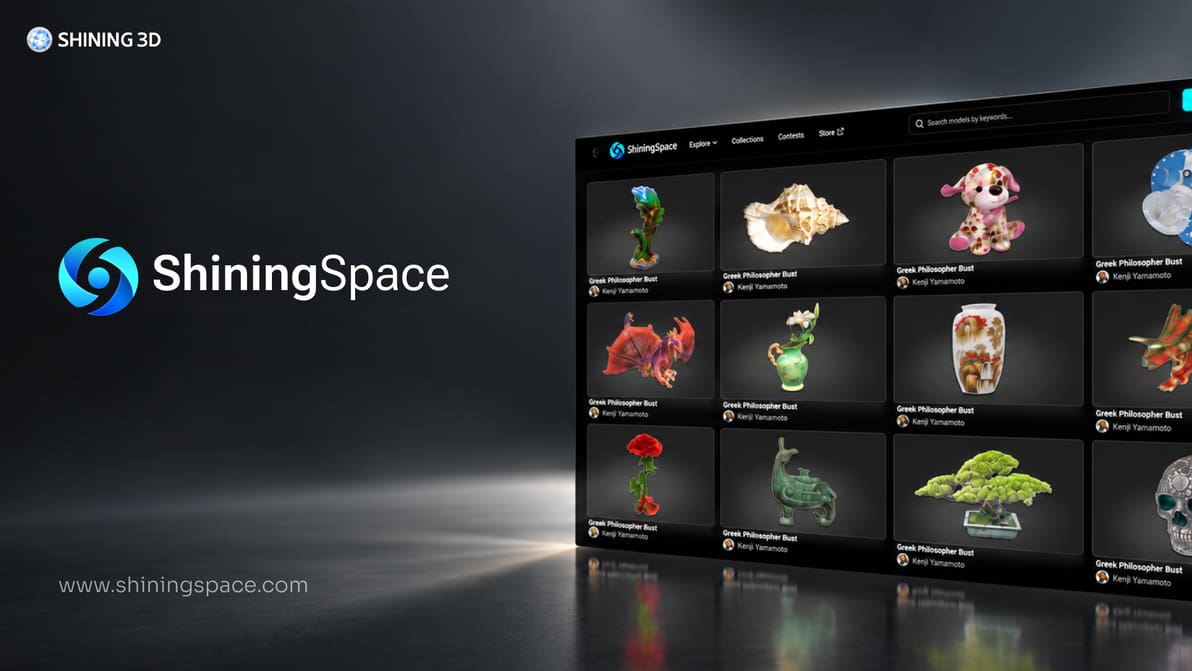
Discover ShiningSpace by SHINING 3D – an open digital platform designed for previewing, managing, sharing, and reusing real-world 3D assets and models.
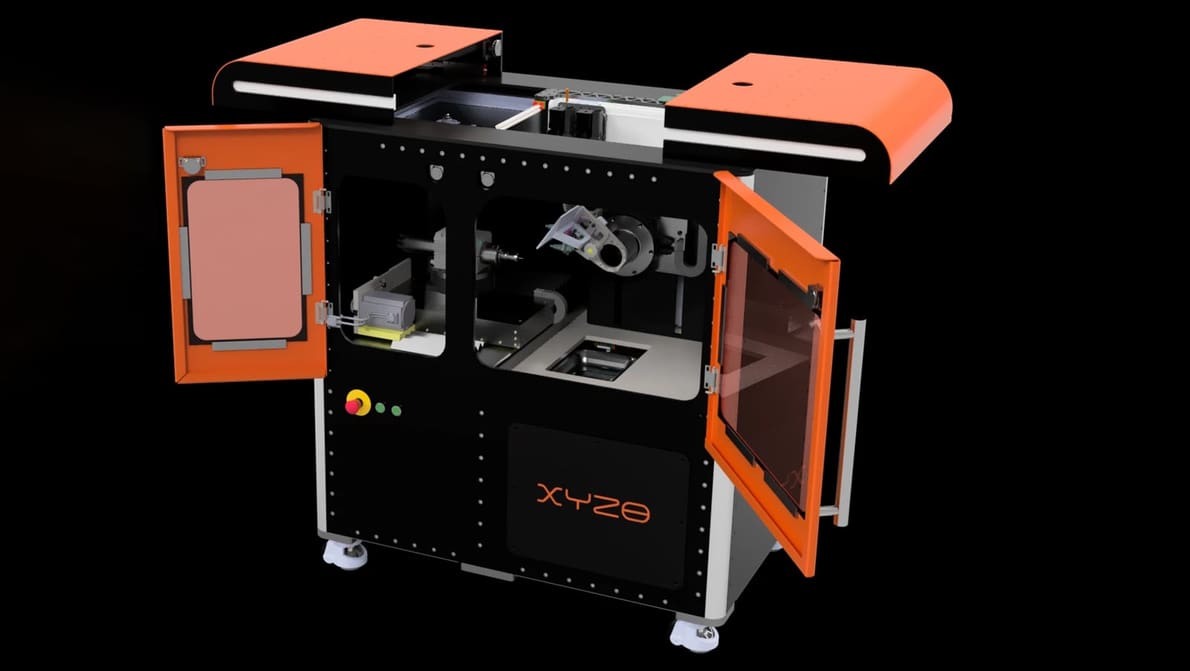
UK startup XYZO has revealed an ambitious modular manufacturing platform that wants to print, machine, cure, clean, and inspect parts without them ever leaving the machine.

Creality is launching the Sermoon P1S today, a standalone blue-laser and NIR 3D scanner that joins March's Sermoon P1 at the forefront of Creality's pro-focused, but not expert difficulty handheld scanners.
Launching with some 2,500 models and specifically structured around multicolor and multi-material printing, the site features a unique user-reward system that scales rewards based on qualifying print time. It's nothing if not different; a model repository built for the efficiencies of a toolchanger. You can check it out over at Snapmaker Space.