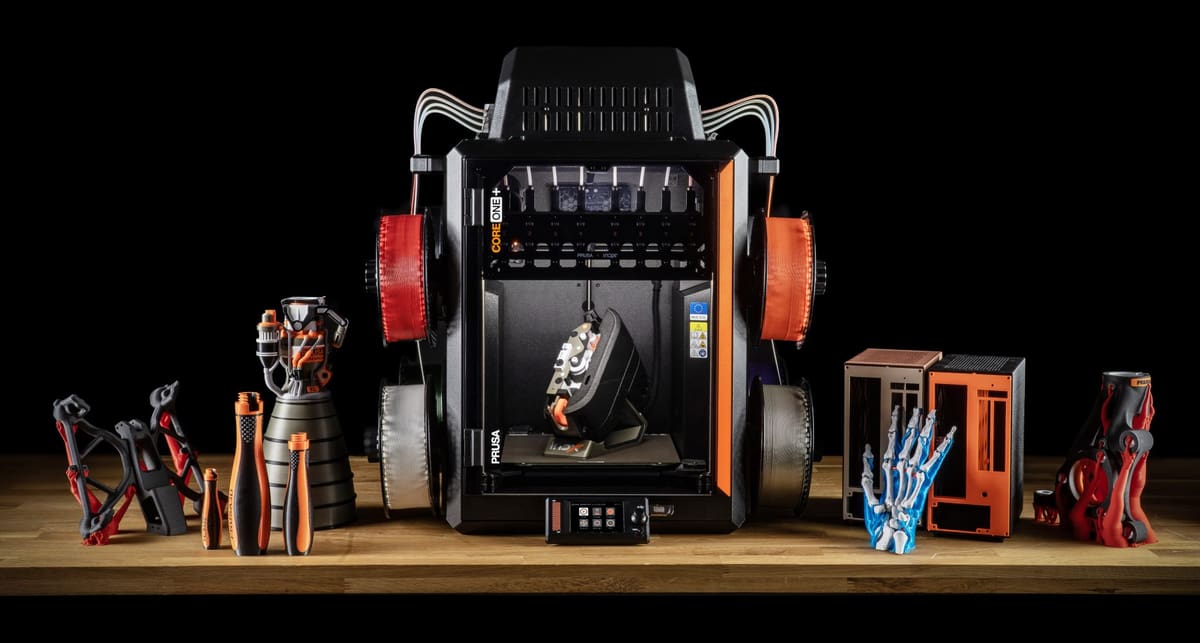
Prusa's INDX toolhead spent nine months punted as a DIY-only upgrade kit. Now it also ships as a complete, pre-assembled printer.
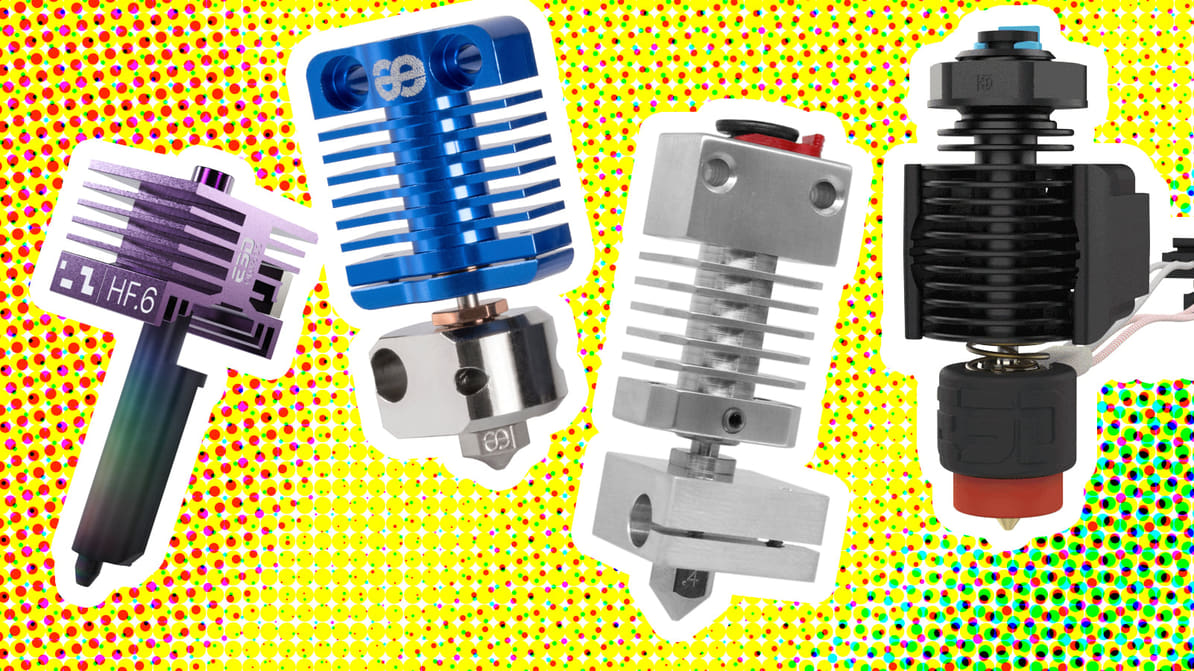
Unlock faster print speeds and wide material compatibility by swapping your stock brass nozzle for a high-performance hot end.
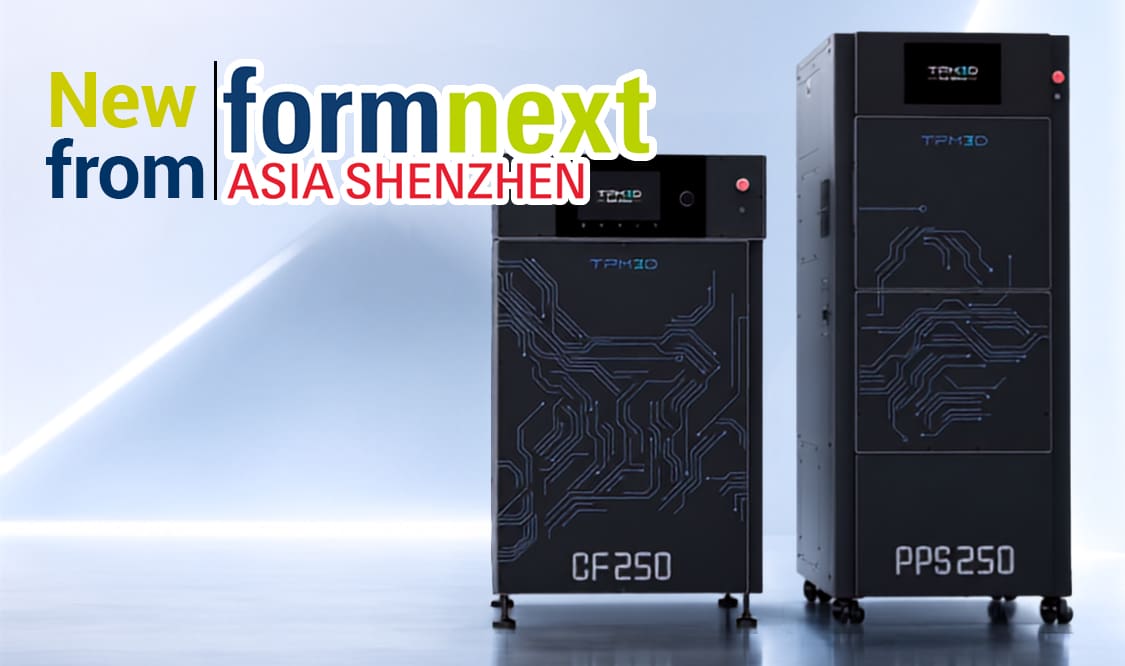
TPM3D used Formnext Asia Shenzhen to launch the CF250 and companion PPS250 powder-processing station, successors to the CF200 + PPS200 system we saw at Formnext Frankfurt in 2025. The CF250 is positioned as a compact alternative to systems like the Formlabs Fuse Fuse 1+ 30W. It now sports a larger chamber than before (250 × 250 × 320 mm) and raised productivity claims to 0.9–1.0 L/h. TPM3D has not announced pricing for the CF250 + PPS250.
The Kobra 3 Max V2 focuses on improvements at the hot end, upgrading the printer to use Anycubic's newer-style quick-release hardened steel nozzles as found in the Kobra 4 and Kobra X printers. Launching early next month, the change brings a higher max hot end temp of 350 °C – 50 °C higher than the first-gen Kobra 3 Max. That's basically where the upgrade ends.
Available as the Kobra 3 Max V2 Combo, it'll ship with the company's newer ACE Pro 2 filament dryer and switcher. Baseline specs remain the same: 420 x 420 x 500 mm build volume, reaching 90 °C at the bed.
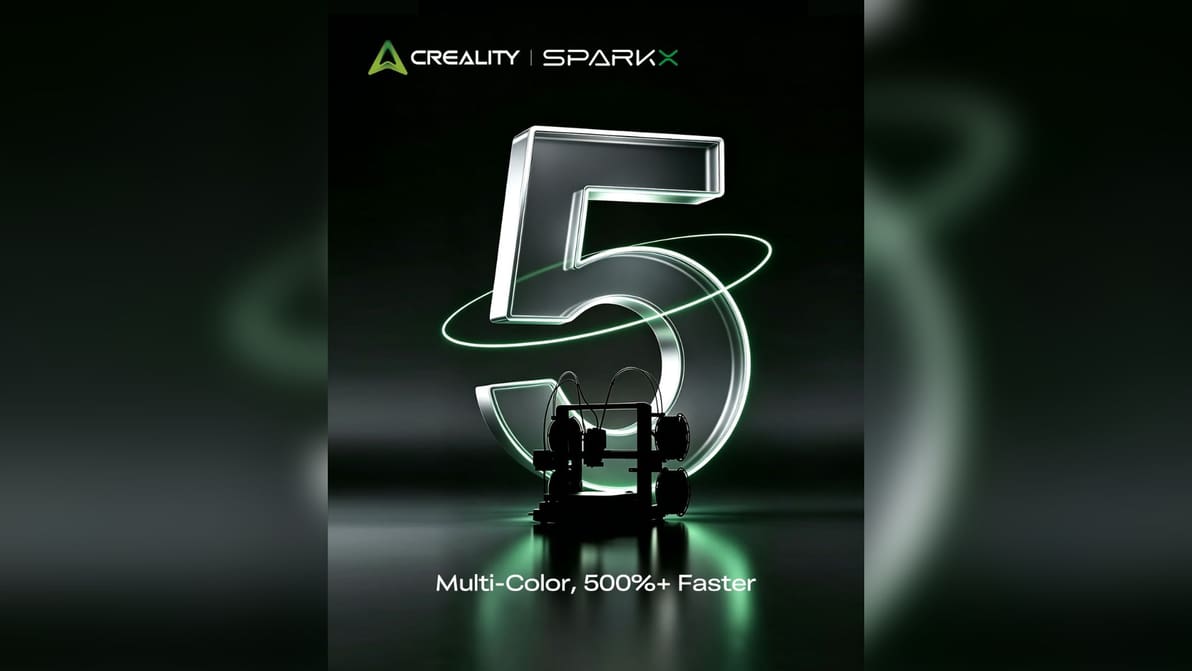
The mysterious printer being teased across the brand's social channels is most likely the upcoming SparkX i8, a new multicolor-printing bedslinger with in-nozzle filament changes and filament path switching tech.
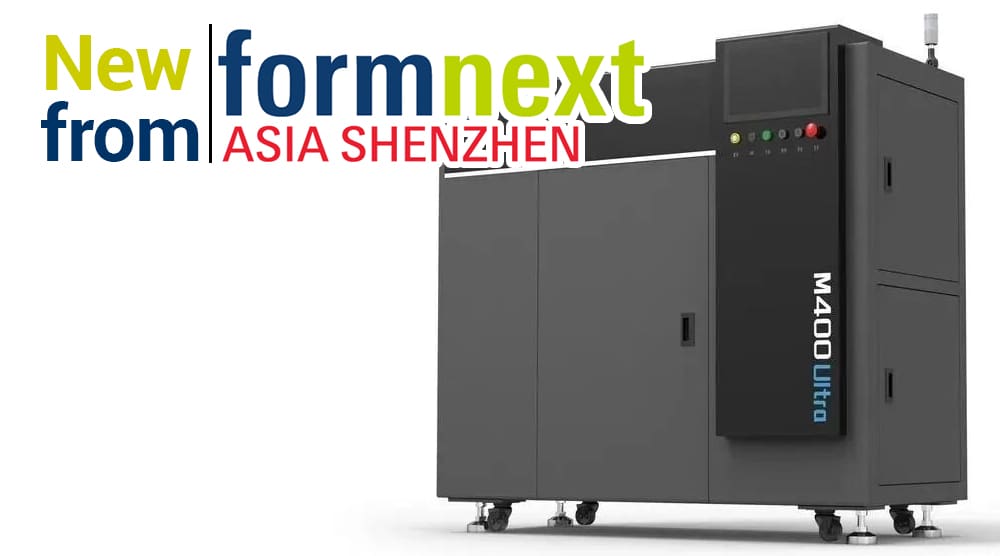
EasyMFG, a Chinese binder-jetting specialist that still sells most of its systems domestically but has recently expanded availability into Europe and North America, just launched the M400Ultra at Formnext Asia, according to Chinese 3D printing outlet Nanjixiong. The company's previous M400Pro made metal binder jetting more affordable (roughly $100K at the time) and suitable for small-batch production, while the new M400Ultra aims to make that same platform consistent enough for true serial manufacturing with a new vibrating powder-spreading system.
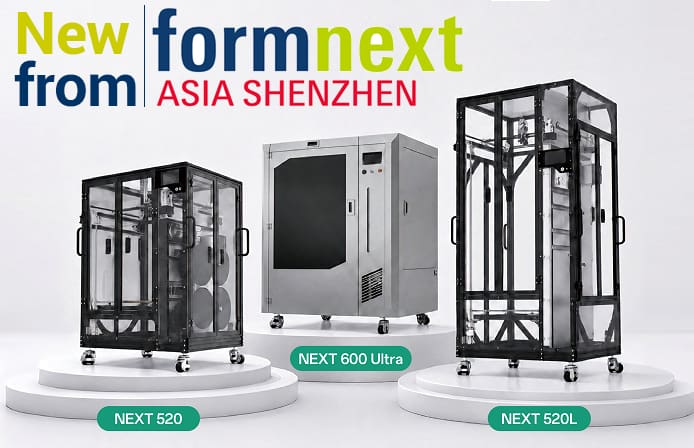
iSun3D, the hardware sister company to filament maker eSun, just unveiled the Next series of three industrial-size FDM 3D printers at Formnext Asia, designed for both elastomers (TPU, TPE, PEBA) and engineering materials, with configurations reaching build volumes of up to 520 x 520 x 1,200 mm. The move suggests iSun3D is putting its experience in specialized production into a broader industrial FDM offering, pairing hardware with eSun’s extensive materials portfolio. There is currently no indication that Next will be marketed outside China, but the shift is one worth keeping on the radar.
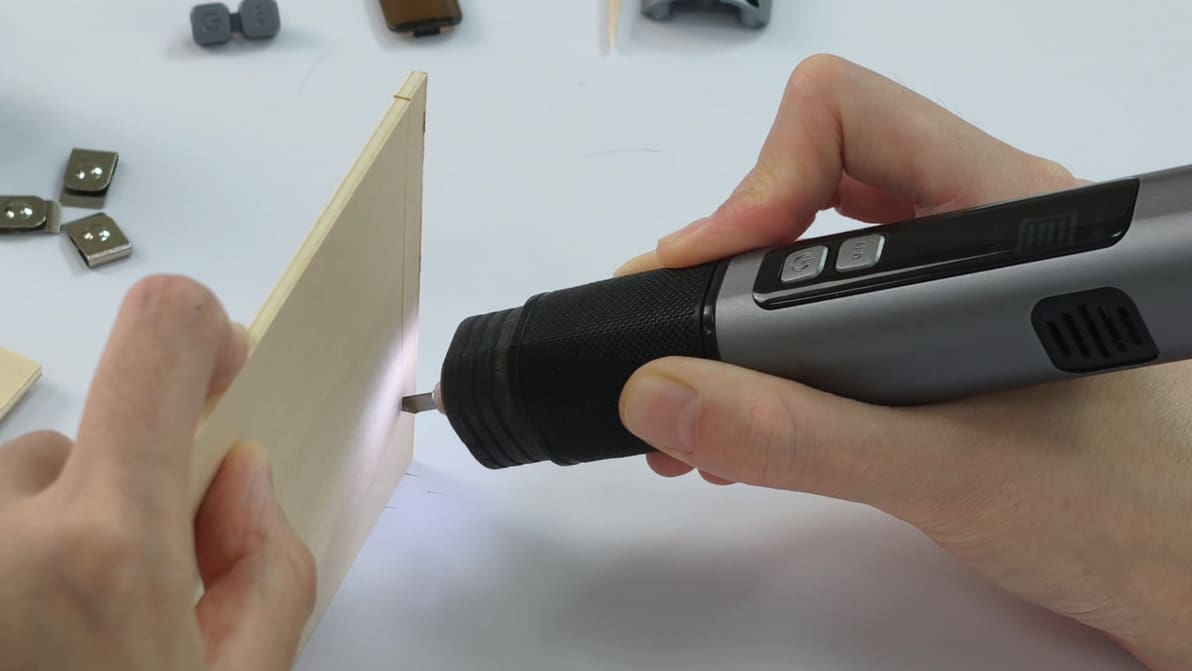
A new Kickstarter campaign for an ultrasonic cutter pitches effortless 3D print support removal, shows us how vast the scene has gotten recently, and teaches a moment of caution to actually look a little closer before backing on Kickstarter.
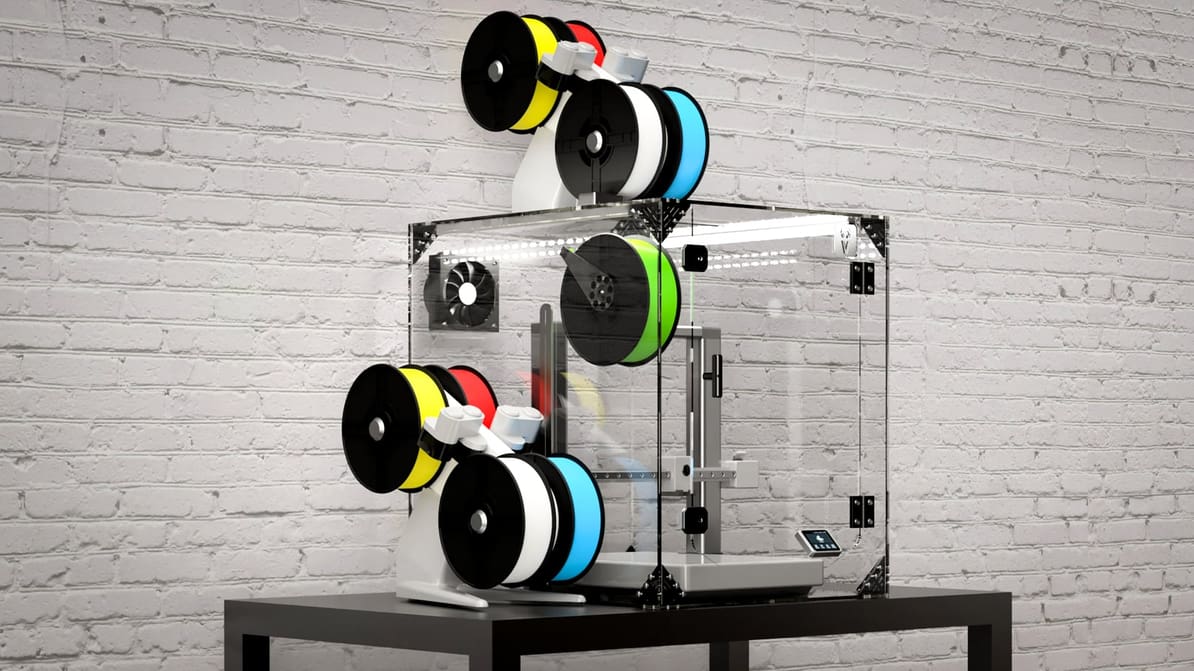
Having your Bambu Lab A1 with an enclosure will help you print engineering-grade materials, but comes with extra risk.
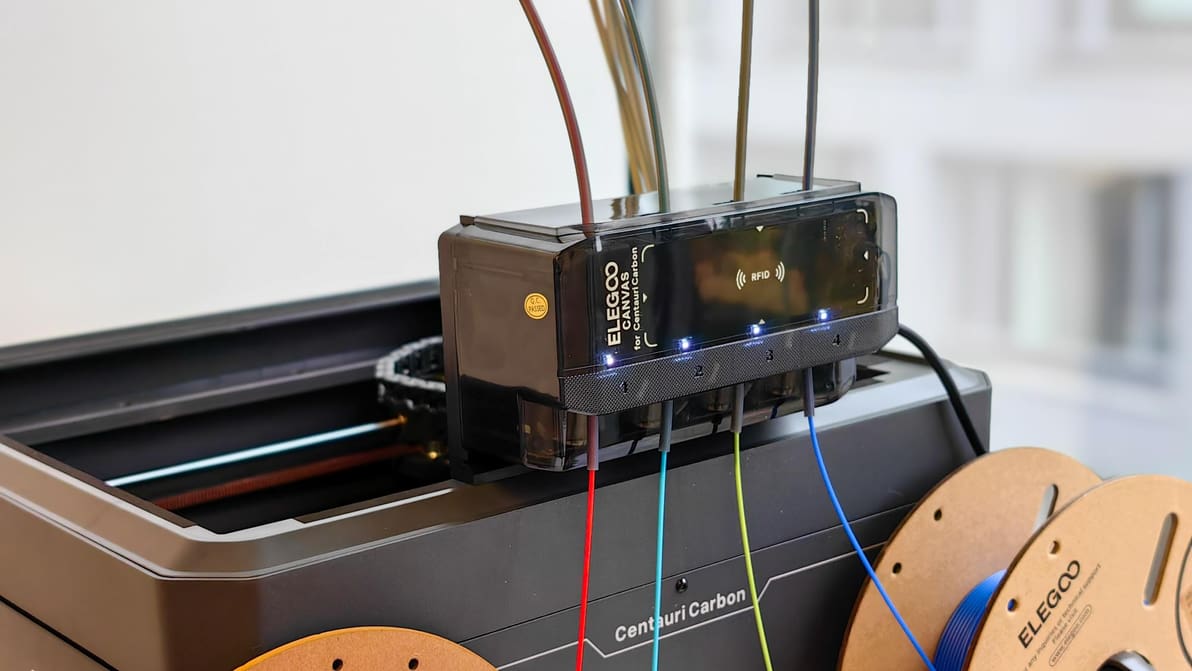
It's been a while, but it's finally here: The Elegoo Canvas multicolor add-on is up for preorder at $55, with shipping expected in September.
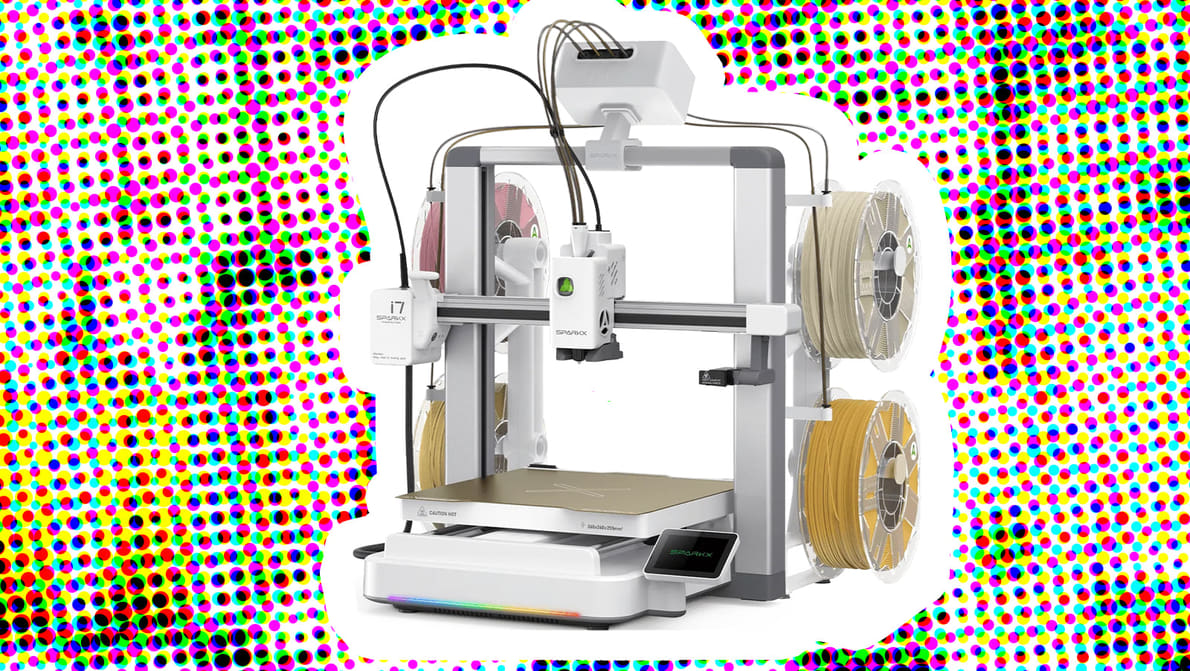
Creality’s new Nano shrinks its multicolor setup by 37%, but sacrifices enclosed filament storage and support for flexible materials like TPU.
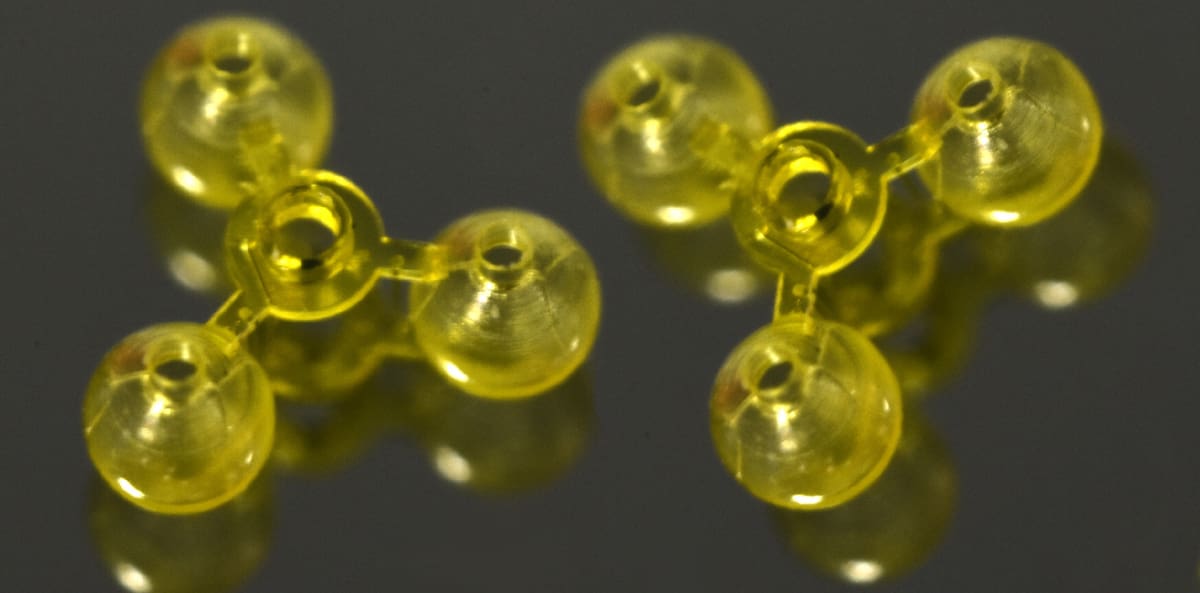
Forget batteries and motors: researchers at the MicroBioRobotic Systems lab at France's EPFL 3D printed tiny robots that fly on sound. Each microflier contains tiny air-filled cavities that work a bit like a bottle when you blow across its opening: hit it with the right frequency the trapped air starts vibrating strongly enough to thrust the robots airborne and enable researchers to steer them remotely. The robots were resin 3D printed using two-photon polymerization tech on a Nanoscribe Photonic Professional GT+.
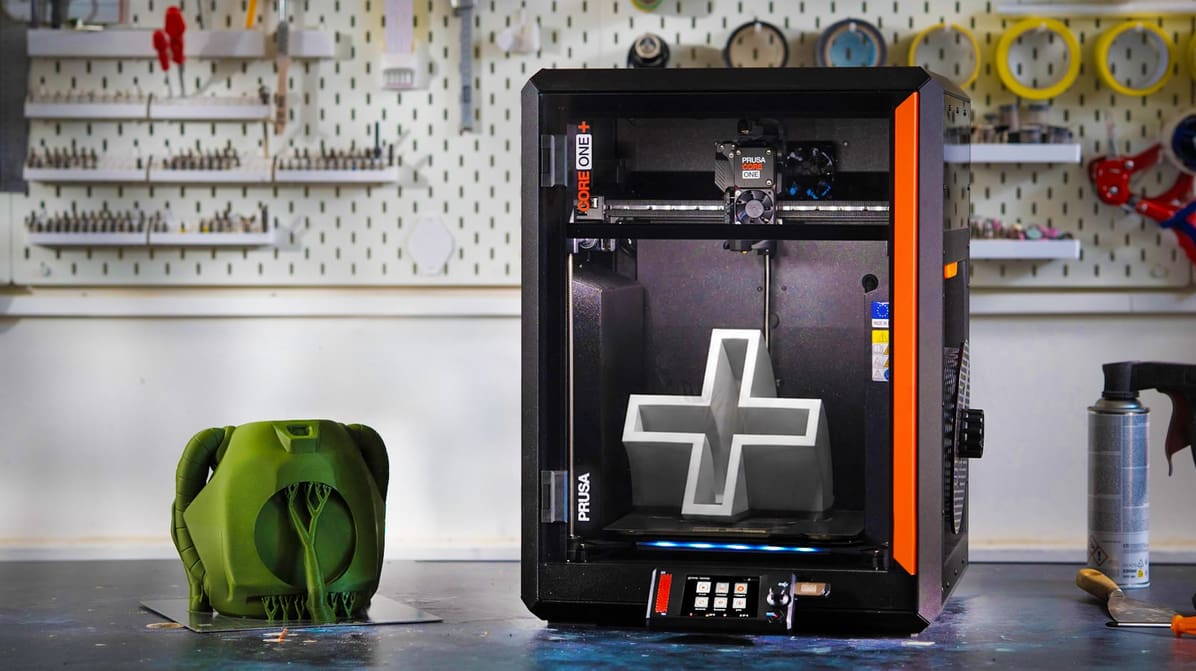
The Prusa XL+, Core One L+, and second-generation Core One+ bring nozzle wiping, revised belts, and other quality-of-life upgrades while existing owners are promised upgrade paths.
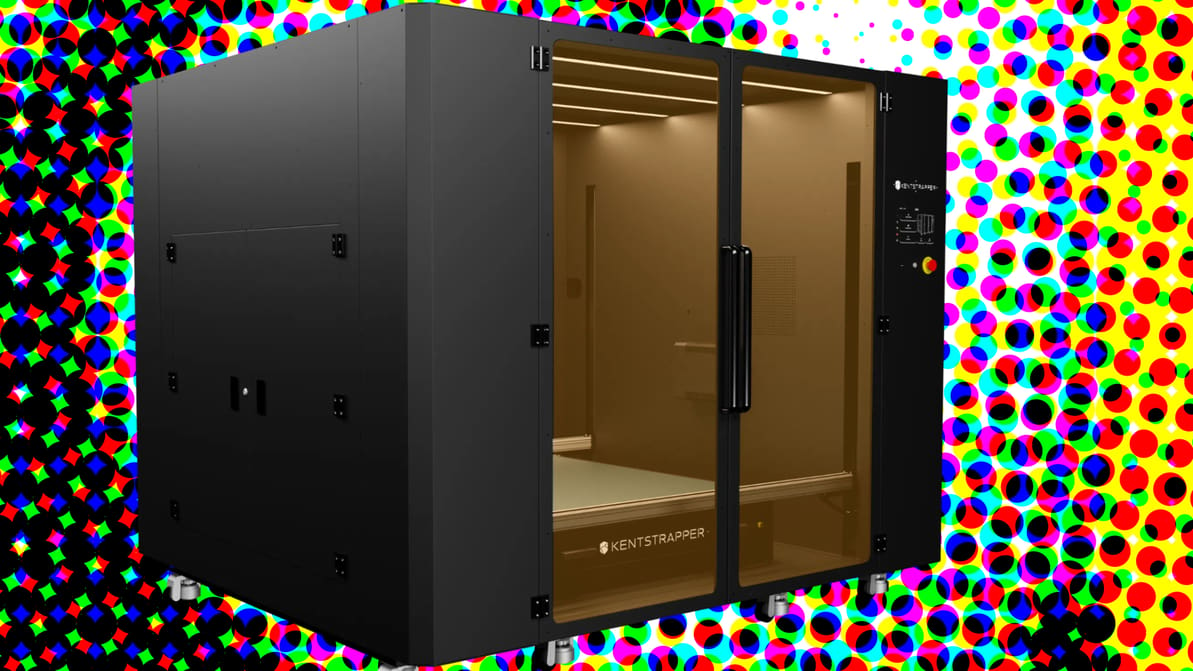
Priced from ~$46,000, this Florence-based manufacturer's new machine packs a full cubic meter of actively heated build space
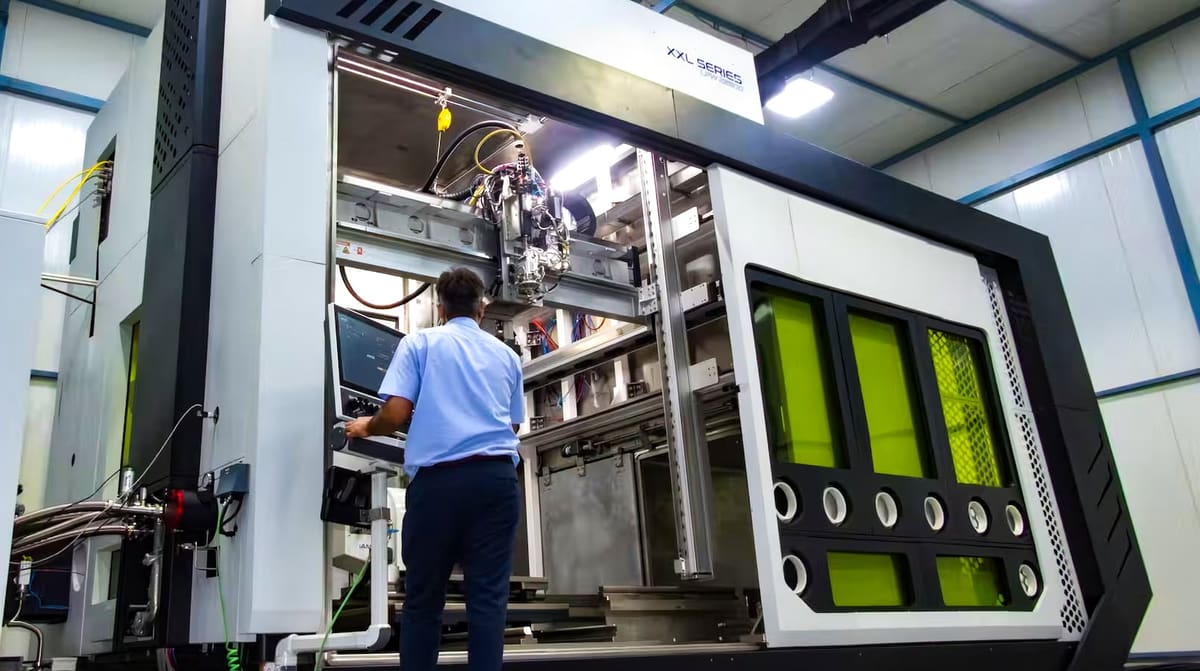
iAM3D’s enormous LPW Z2500 combines powder- and wire-fed laser DED in one machine, with a 2.5-meter-tall build envelope, 6-kW laser, and controlled argon atmosphere.
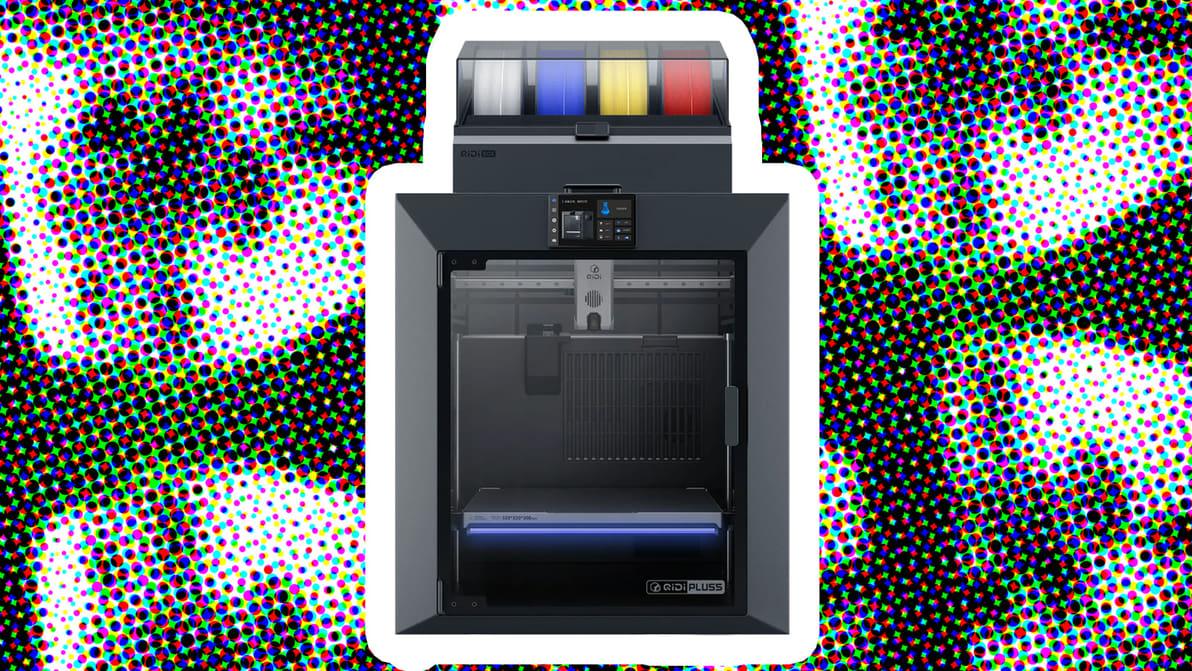
The enclosed CoreXY printer boasts a more powerful chamber heater, nozzle-contact leveling, an X-axis linear rail, new AI camera detection, and three-stage filtration, compared to the Plus4.
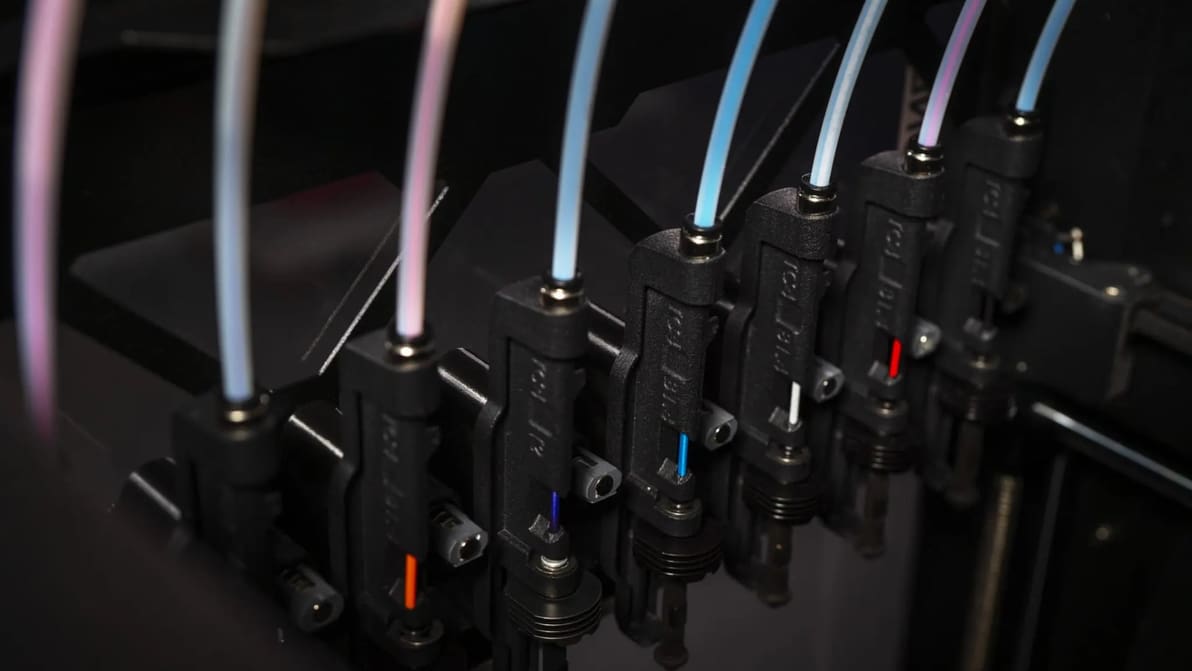
The issue with Bondtech’s hard-but-not-hard-enough nozzles for its INDX system issue has officially impacted the shipping of regular Prusa INDX conversion kits for the Core One+, with Prusa committing to as-yet unspecified material freebies for affected purchases.
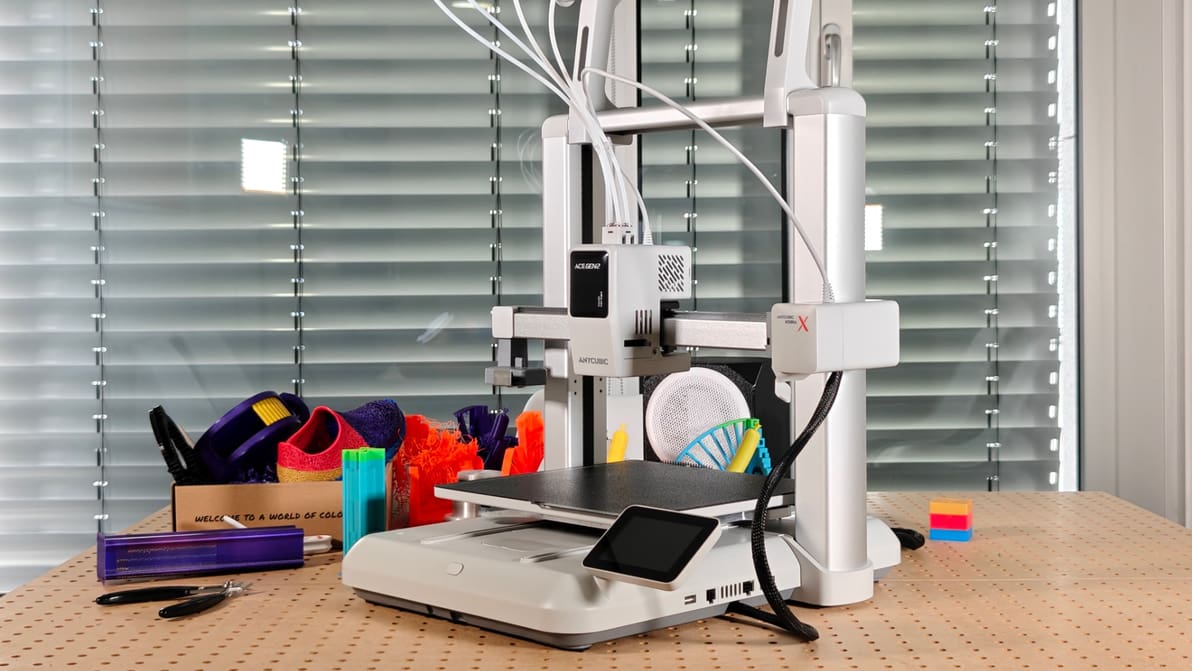
Anycubic’s play for a super-duper cheap multicolor printer with less of the purge-related guilt is competent printer. The savings aren't as pronounced as Anycubic claims though, and long-term parts support is unclear in the company’s fast-changing line-up of machines.
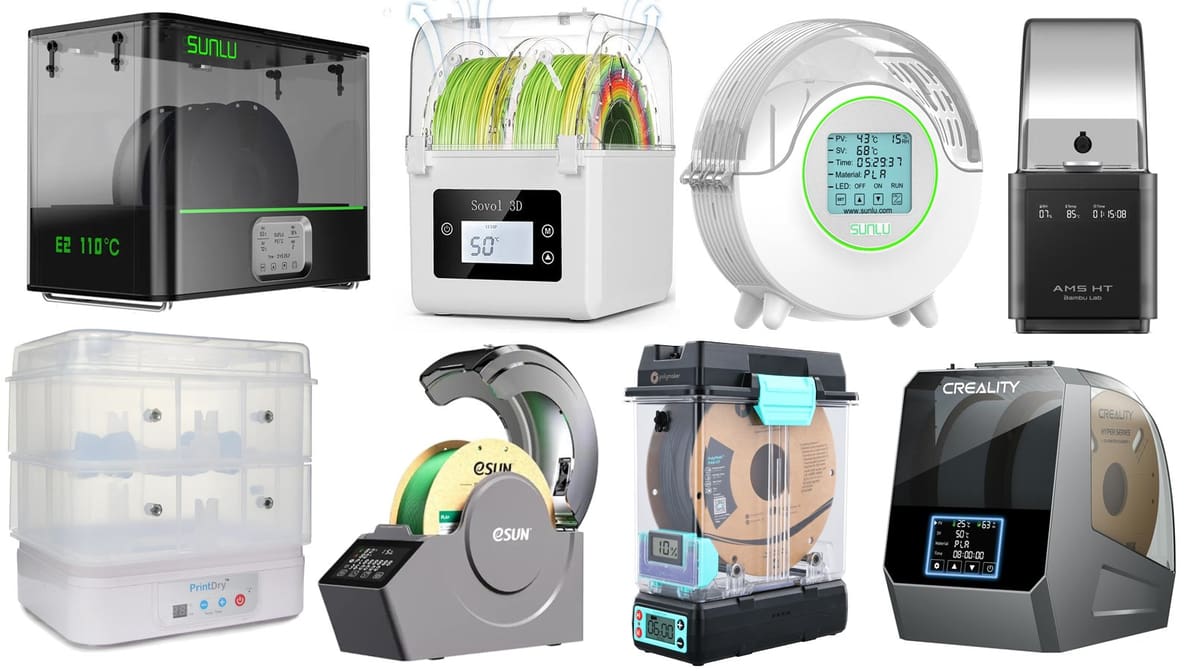
We break down the best active drying systemsfrom budget-friendly units to automatic materials stations—to keep your filament in perfect printing shape.
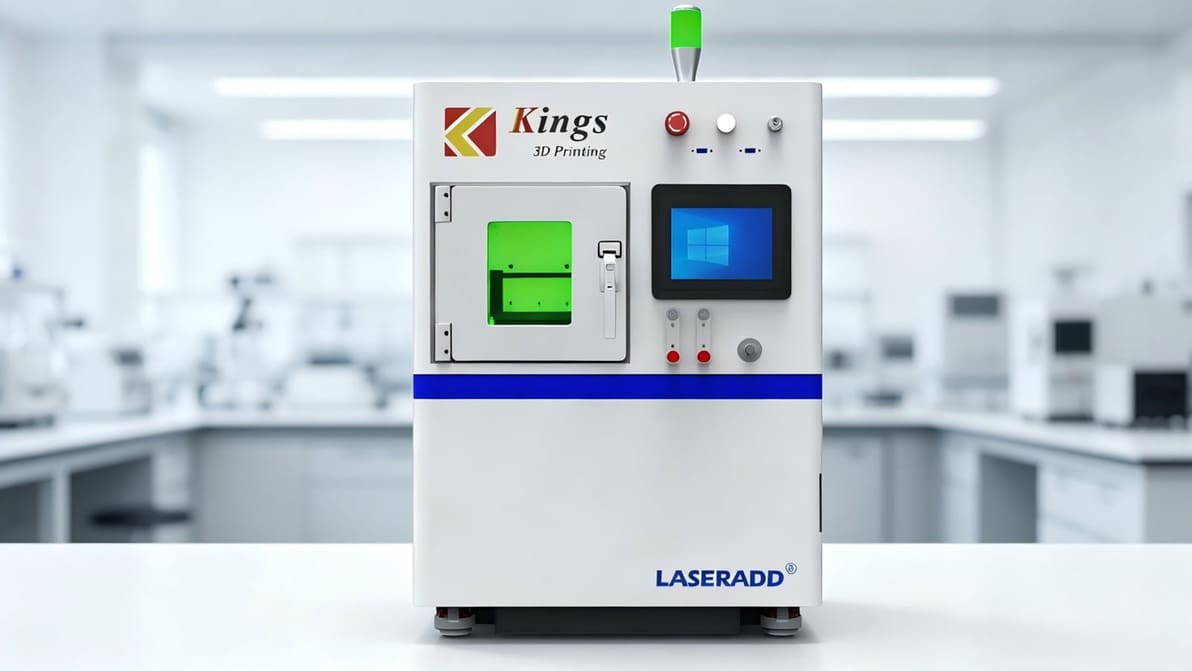
The 140-kg laser metal printer still needs 6 kW of three-phase power, reactive-metal-powder handling, inert-gas purging, and dedicated post-processing to run.