3D Printers

Featured
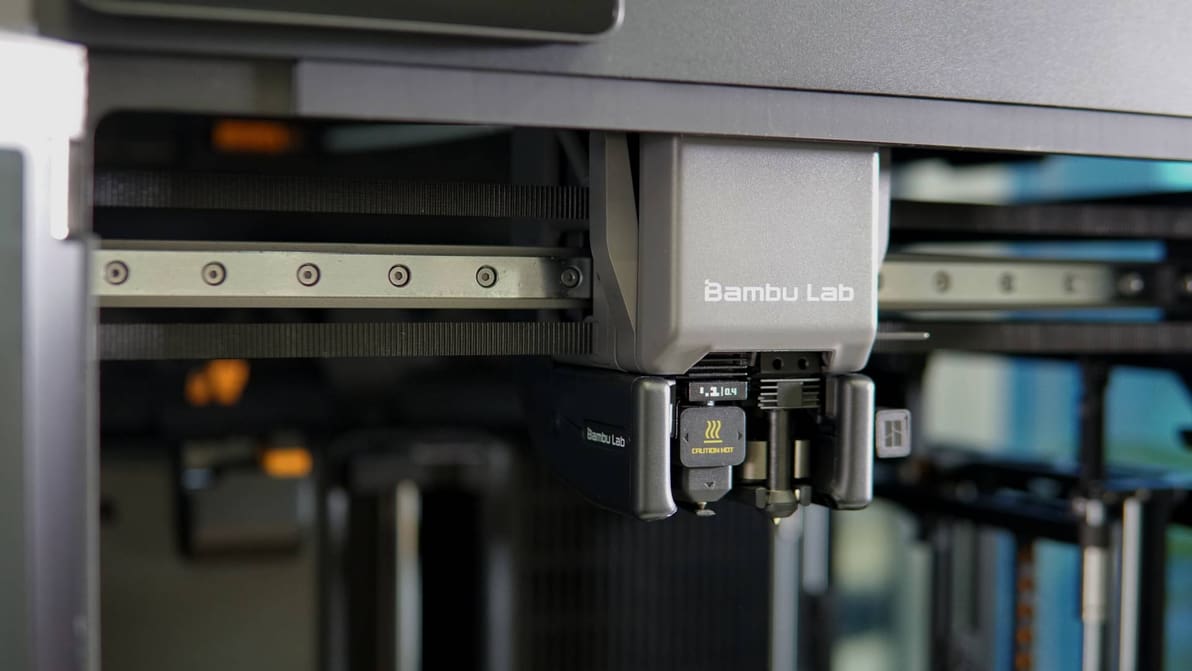
From budget-friendly single-nozzle systems to high-end toolchangers, here are the best multi-extrusion 3D printers for 2026 across five distinct categories.
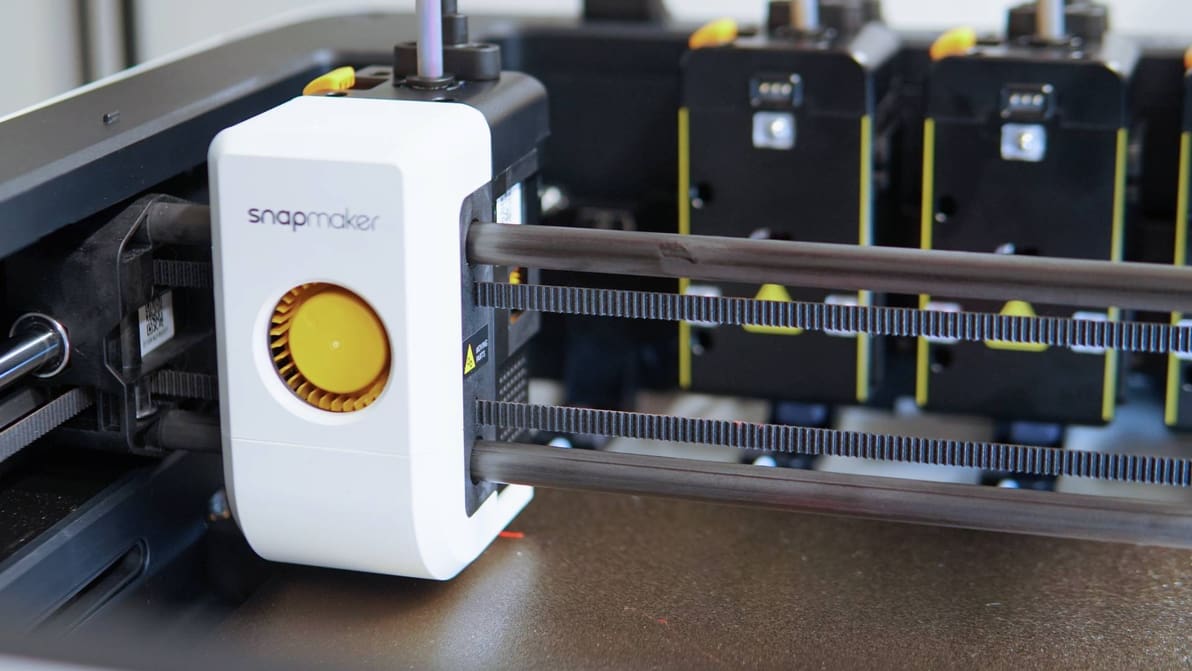
Stop looking and start printing: we’ve reviewed and picked the best 3D printers across many categories to help you find the best tech for your needs.
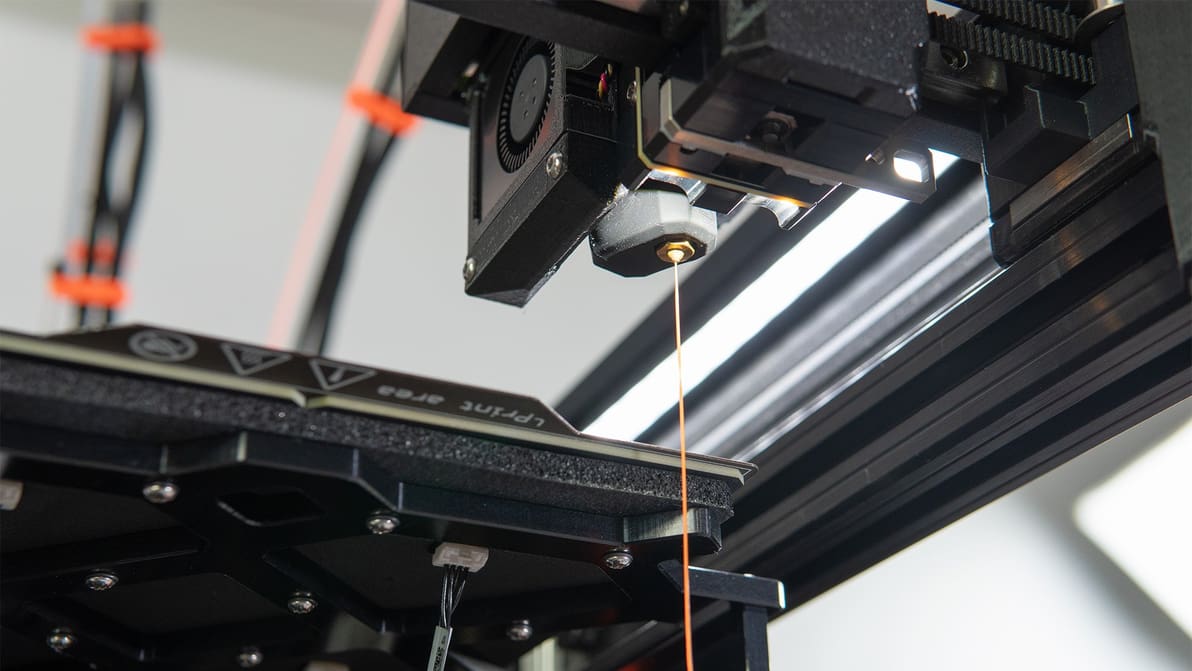
A large 3D printer can be your best friend for outsized and ambitious 3D printing projects. Here’s our take on the best you can buy today.
Latest

Released as a ~$20 upgrade, the OpenPrintTag NFC Upgrade sits between the spool and printer, reading tag's information, triggering automations, as well as writing material usage updates to the spool directly. And like the name suggests, it's open – it works with all your spools, Prusament or not.
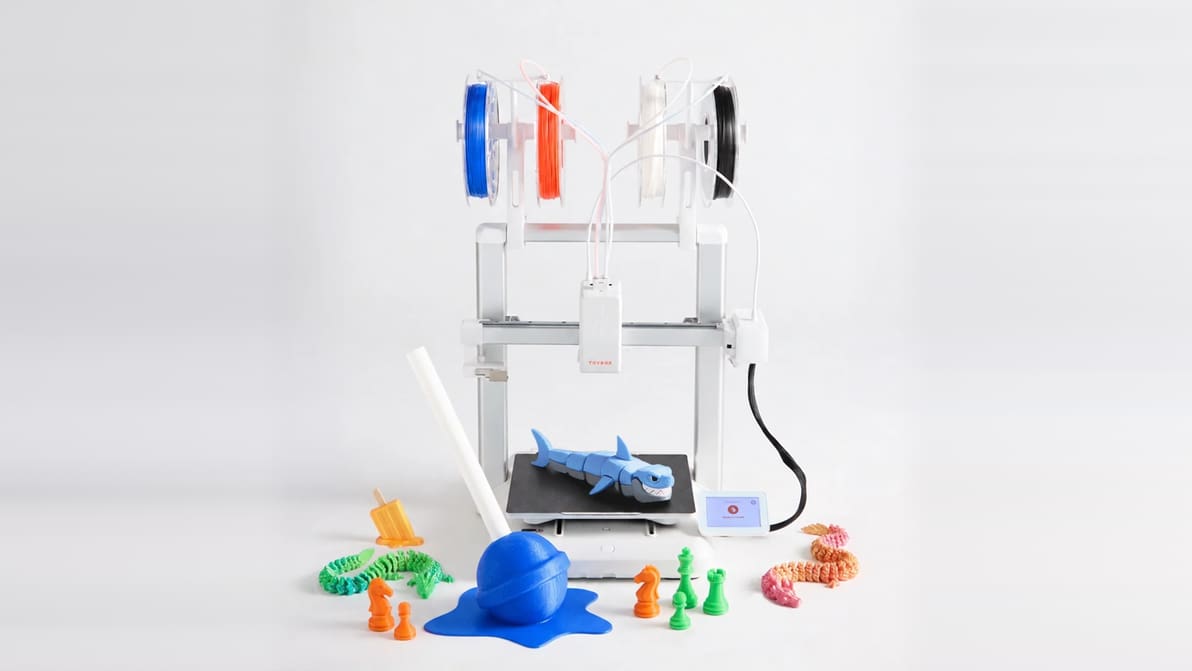
Toybox's new flagship prints in up to four colors straight from a kid-friendly app and website. Aimed at families and schools, it comes with parental controls and a moderated model library.
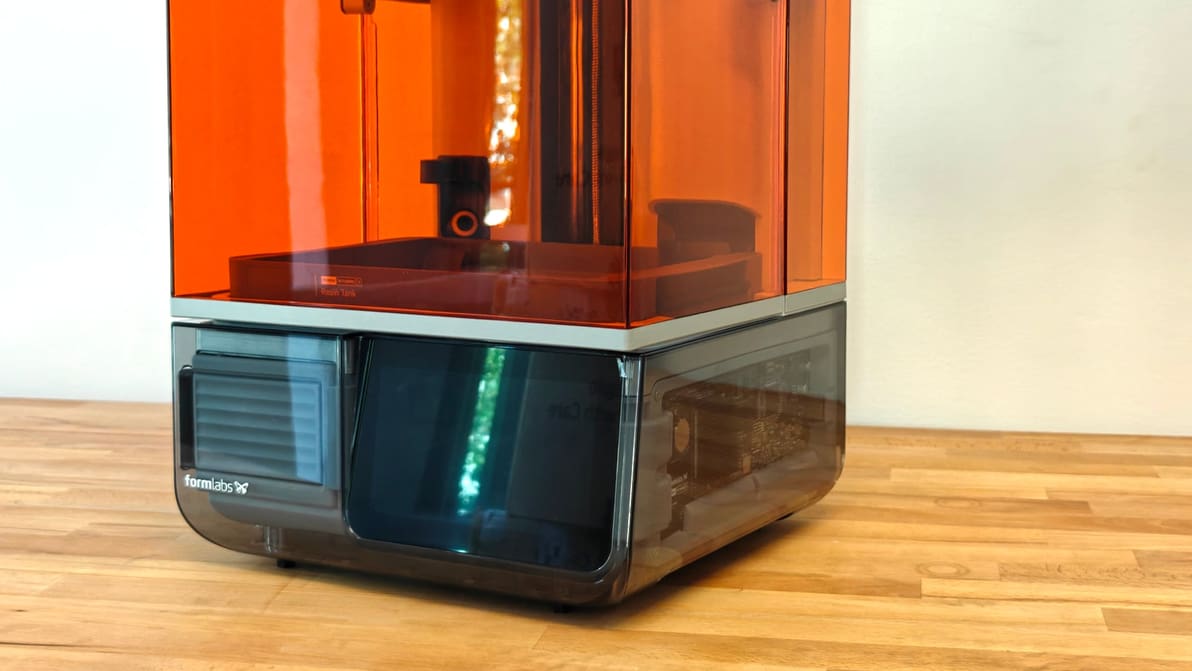
Where the heck did this come from? Formlabs' most affordable desktop resin printer is long overdue and an excellent addition to a space that has been chasing pixels with little to show for it over the last couple of years.
and it's been printing up a storm! Formlabs has just unveiled its new Form Studio 1, but we've already had our hands on it for weeks, and let's just say we've been having a lot of fun. In this video, All3DP senior editor Matt teases his full review of the new $699 resin printer, which feels remarkably like using one of Formlabs' professional machines costing thousands of dollars. Big-league resin printing without the big-league price tag?
Some 66 projects community-built products and projects made it into Snapmaker's first consideration round for funding, with 20 selected for cash rewards.
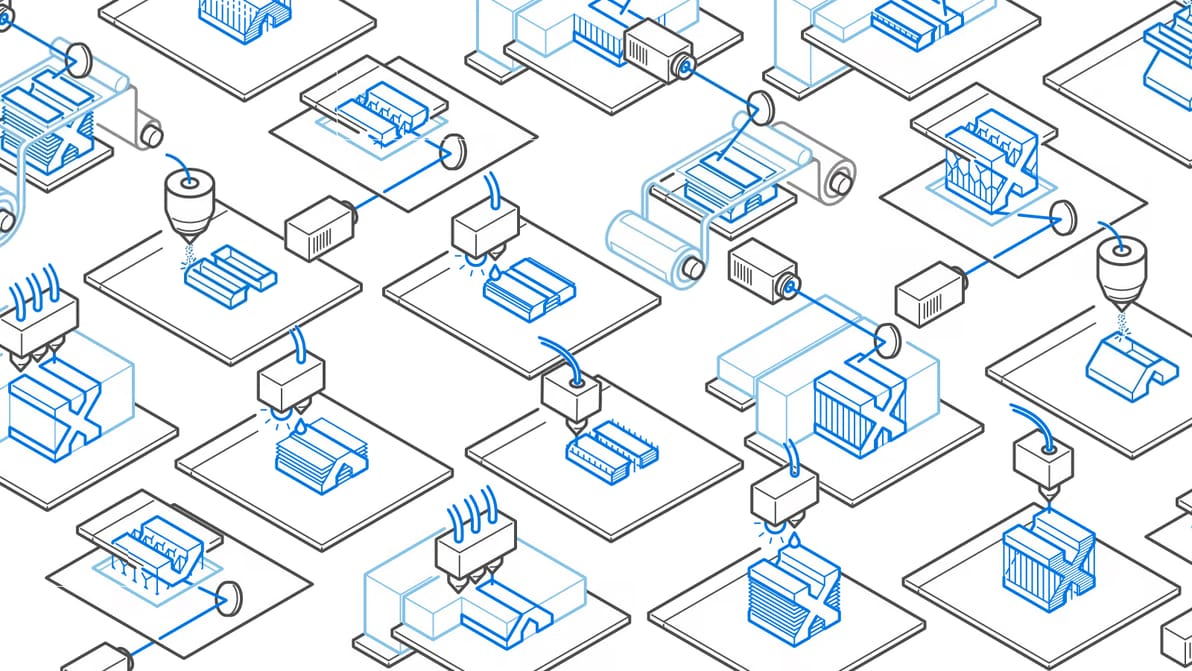
Learn the seven main types and more than 20 subtypes of 3D printer technology, including FDM, SLS, MJF, SLA, SLM, and many more methods of additive manufacturing.
All3DP Senior Editor Matt pits the Snapmaker U1, Flashforge Creator 5, Bambu Lab H2C, Prusa XL, and Prusa CORE One+ Gen2 with INDX against each other to find out which prints fastest, wastes the least filament, and which machine deserves your money. His full comparison review coming soon to All3DP. And before you comment on our lab: We've just moved into a new office. We're working on it. Don't judge.
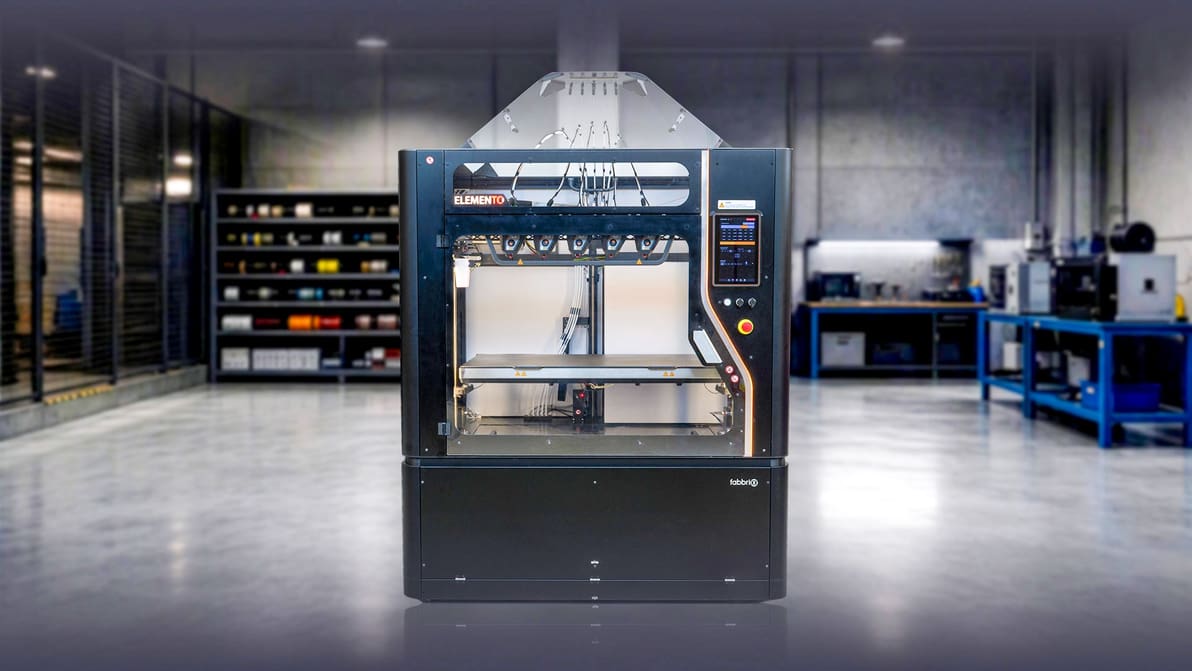
Five independent print heads, a 1.1-meter-wide build area, and support for both 1.75- and 2.85-mm filament put Fabbrix’s latest Elemento firmly at the industrial end of the toolchanger spectrum.
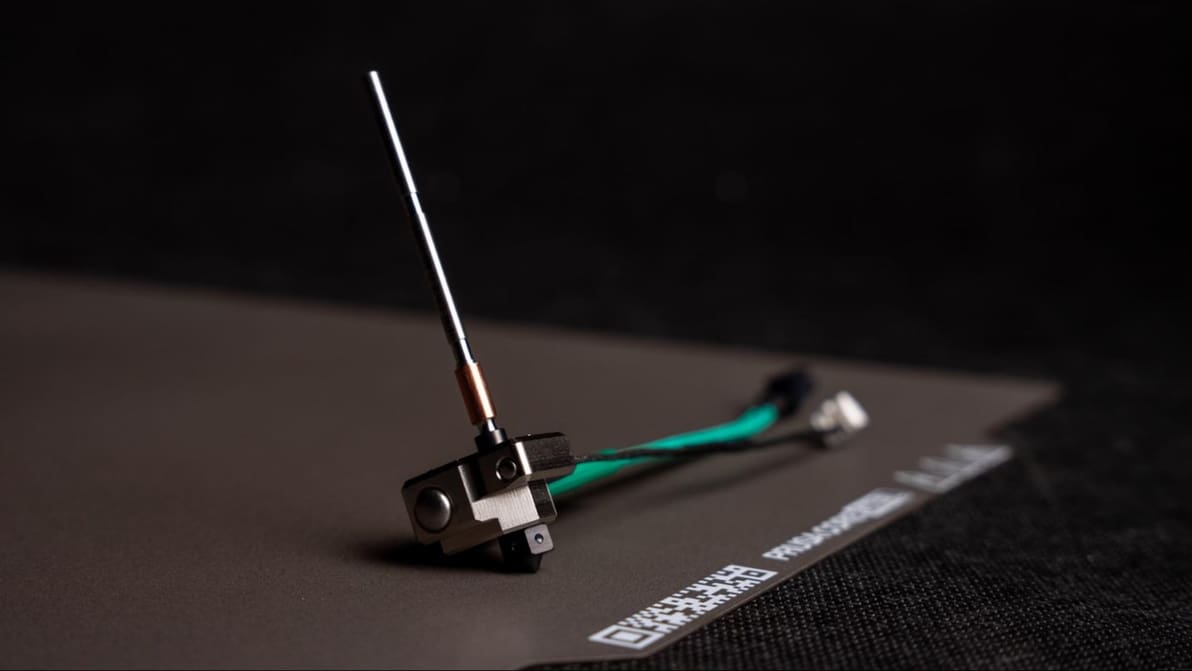
The Prusa HT hot end is now available as a drop-in replacement for all stock Core One 3D printers, with the only exception is INDX-equipped machines (for the obvious reason that they don't use the Nextruder hot end.)
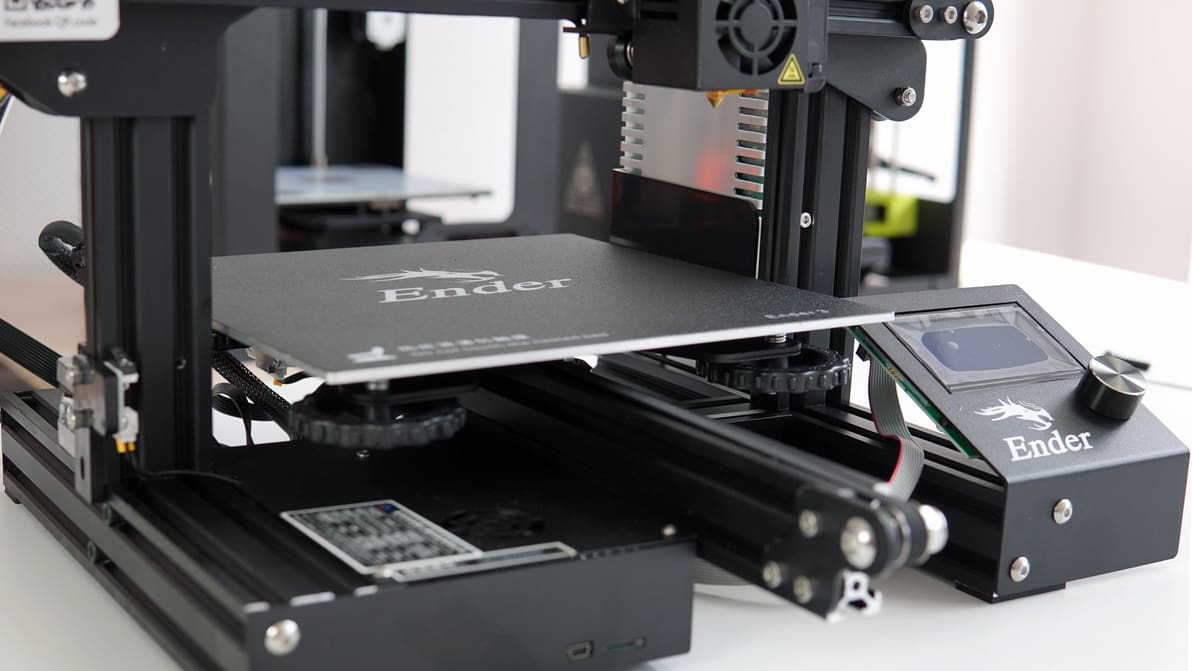
The older Creality Ender 3 series (V2, Max, Pro, and Neo) are still solid machines, and upgrading it is well worth the effort. Here are our recommendations.
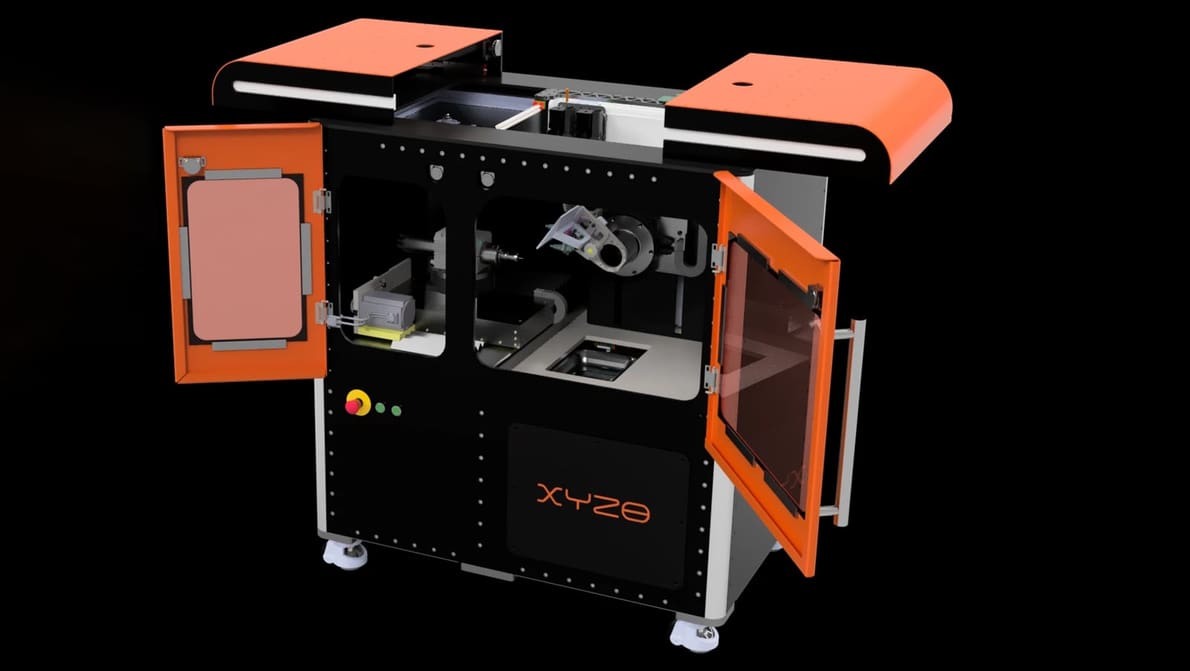
UK startup XYZO has revealed an ambitious modular manufacturing platform that wants to print, machine, cure, clean, and inspect parts without them ever leaving the machine.
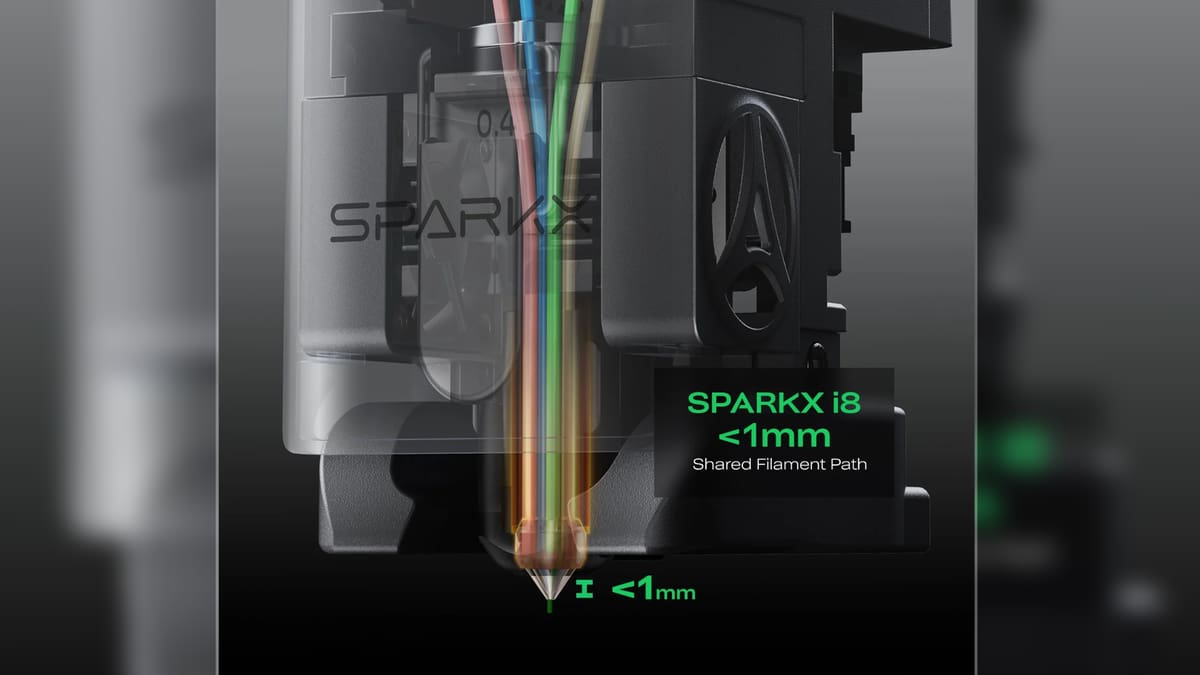
The printer uses a creative four-channel nozzle and switching extruder Creality calls QuarTeks to cut print waste on multi-filament prints. The printer circumvents the filament cut'n'purge other single-nozzle printers use by having each of the filaments primed inside the nozzle in its own discrete channel. Creality claims there's zero purge during printing. See for yourself over on Indiegogo, where a limited early-bird discount has the i8 available from $289.
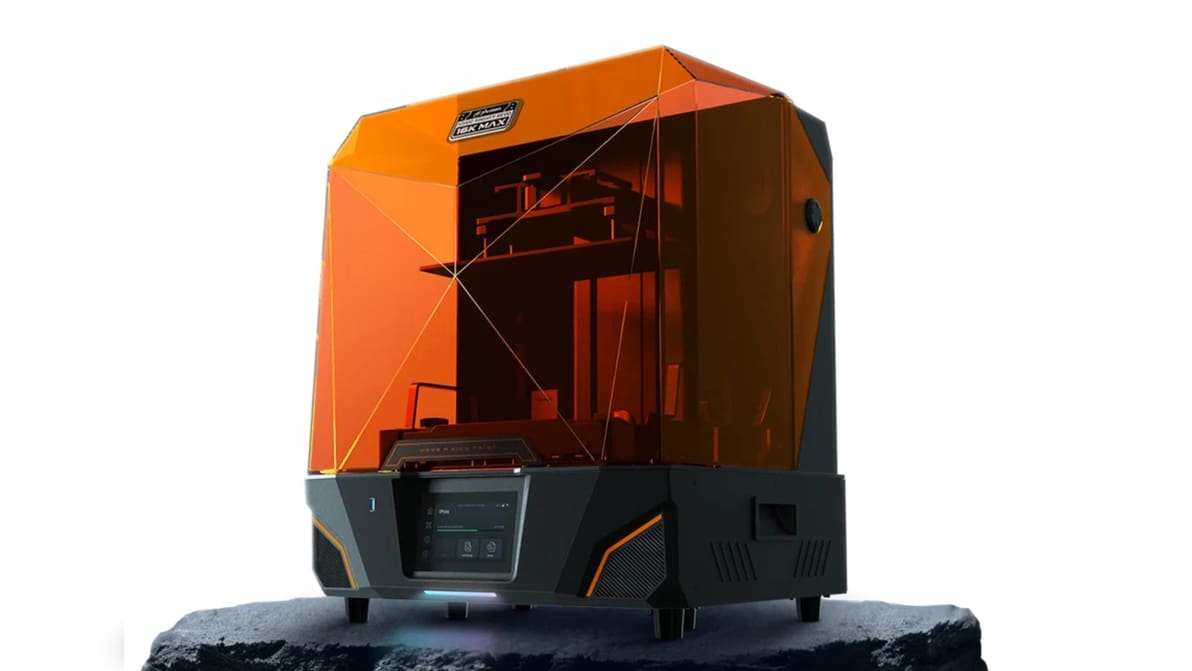
Phrozen supersizes its Mighty Revo resin printer with almost twice the build-plate area and a 2-liter vat, with pre-orders opening September 22.
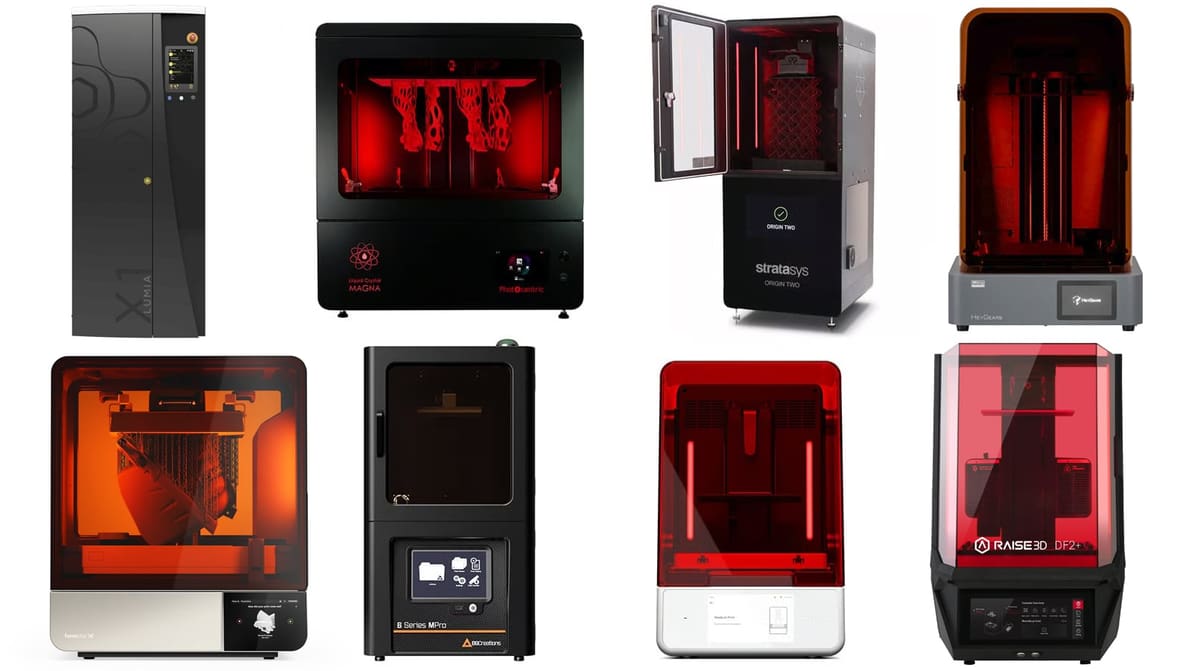
Expand your capabilities with systems designed for certified engineering-grade resins and specialized manufacturing applications.
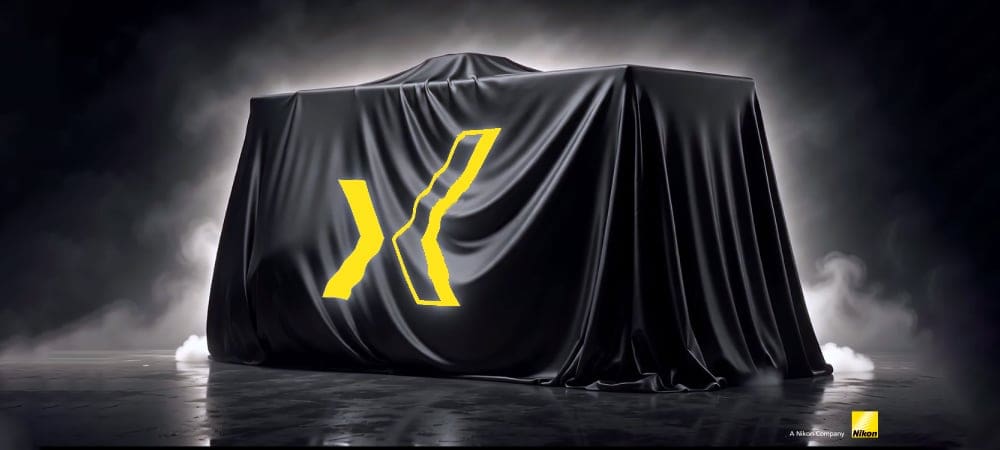
Nikon SLM Solutions just began teasing a new metal 3D printer under the banner “Reach Mach speed,” which appears to be its first genuinely new production platform in years. It's aimed at the “middle range” where most actual manufacturing happens. Details are scarce beyond promises of throughput, reliability, and volume production, while the campaign URL’s “Mach X” offers one more breadcrumb for the speculation pile. The reveal is set for Nov. 17, opening day of Formnext 2026, so until then we’re apparently expected to make do with a countdown clock and our imaginations.
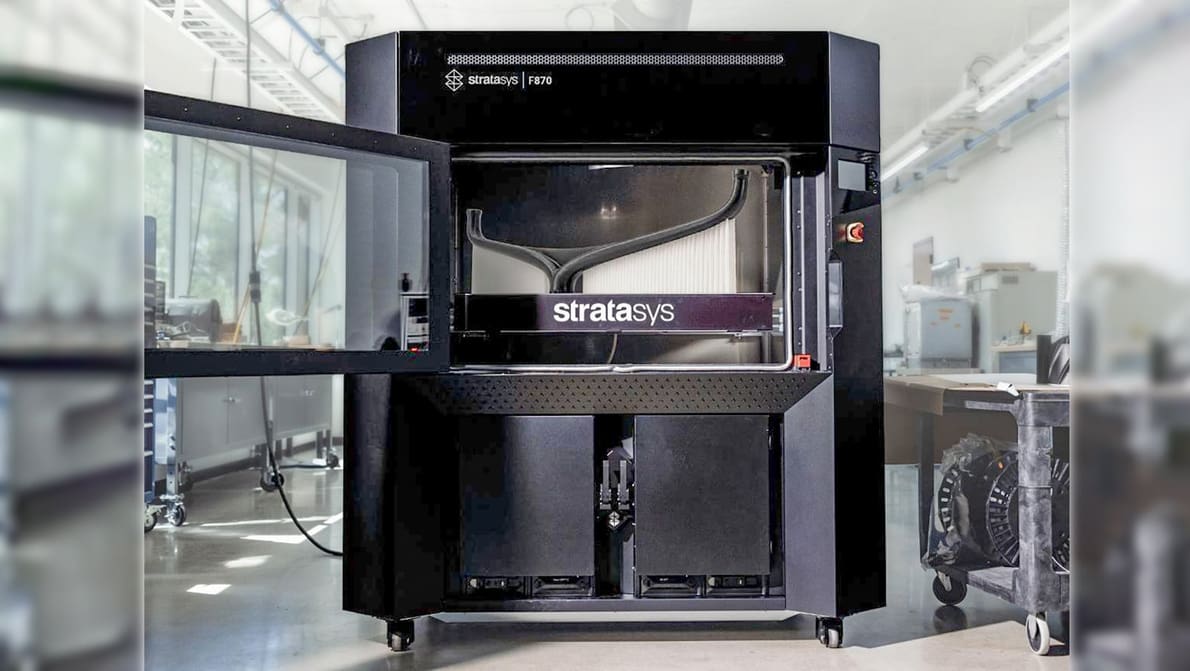
Stratasys' new F870 combines a meter-long heated build chamber, carbon-fiber material support, integrated drying, and enough filament for days-long factory tooling jobs.
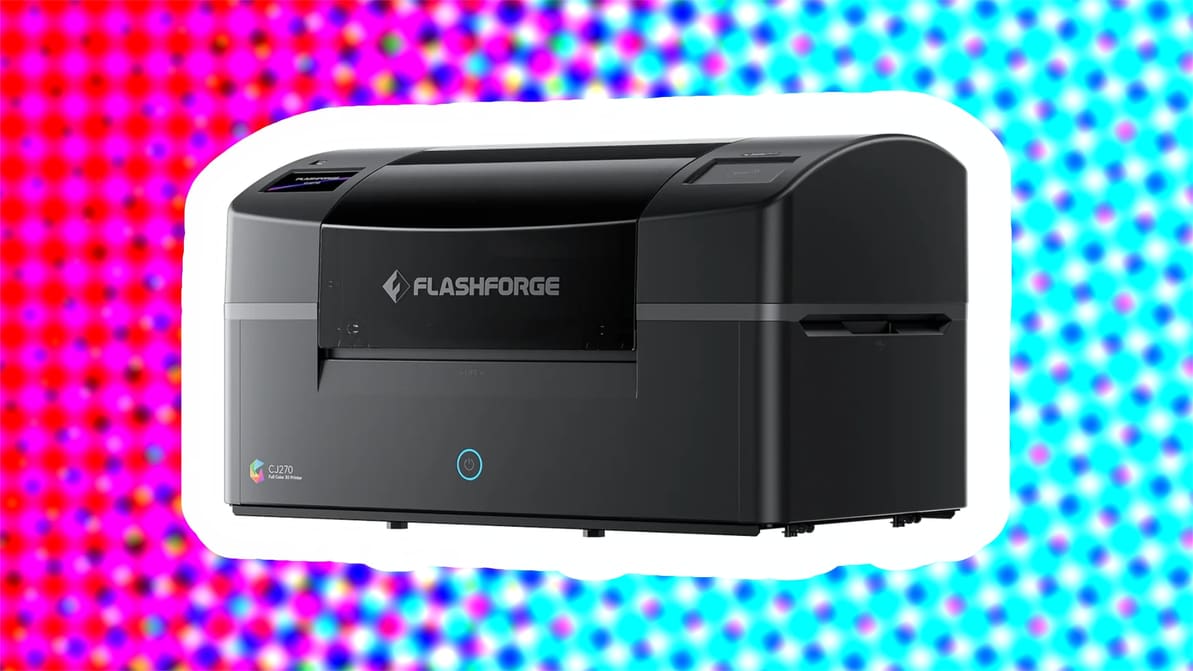
First teased back in 2024, Flashforge's CJ270 promised 10+ millions colors and transparency from its material-jetting resin system. Oh, and a 2025 launch. That window passed us by, but it's ready now and starts shipping in October.
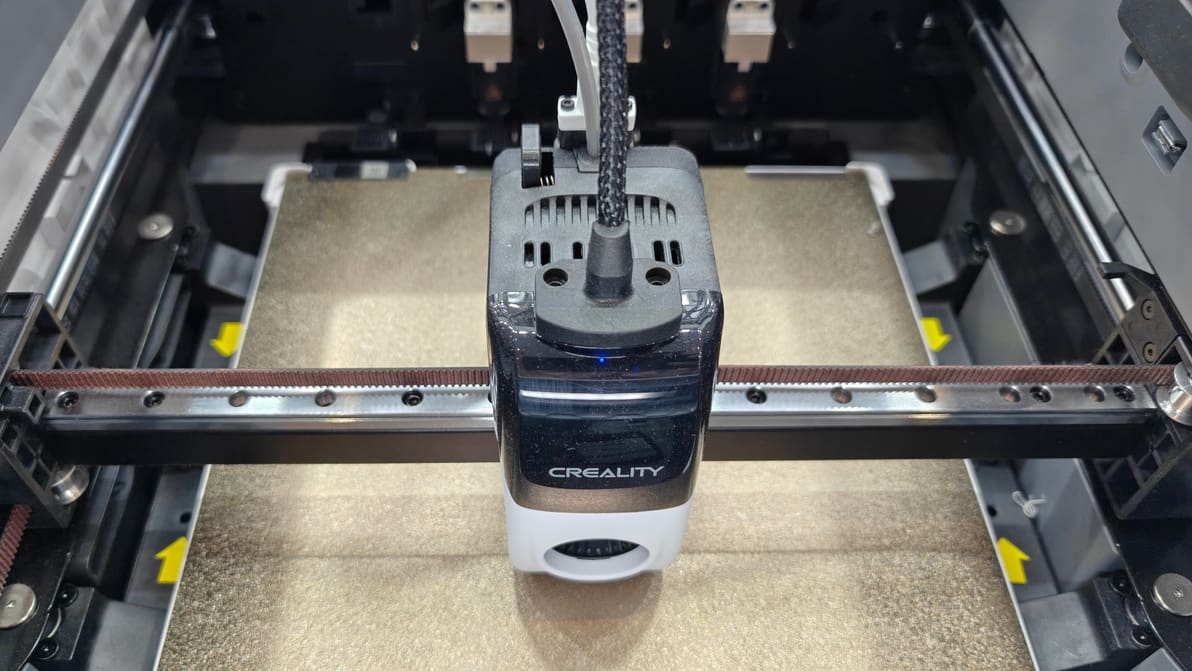
IFA Berlin is a slog to walk, but worth it for a look at the hardware that’ll keep creative tech interesting over the next year. We found 3D printer debuts between a lot, and we mean a lot, of CNC machines, UV printers and innovative laser tech.
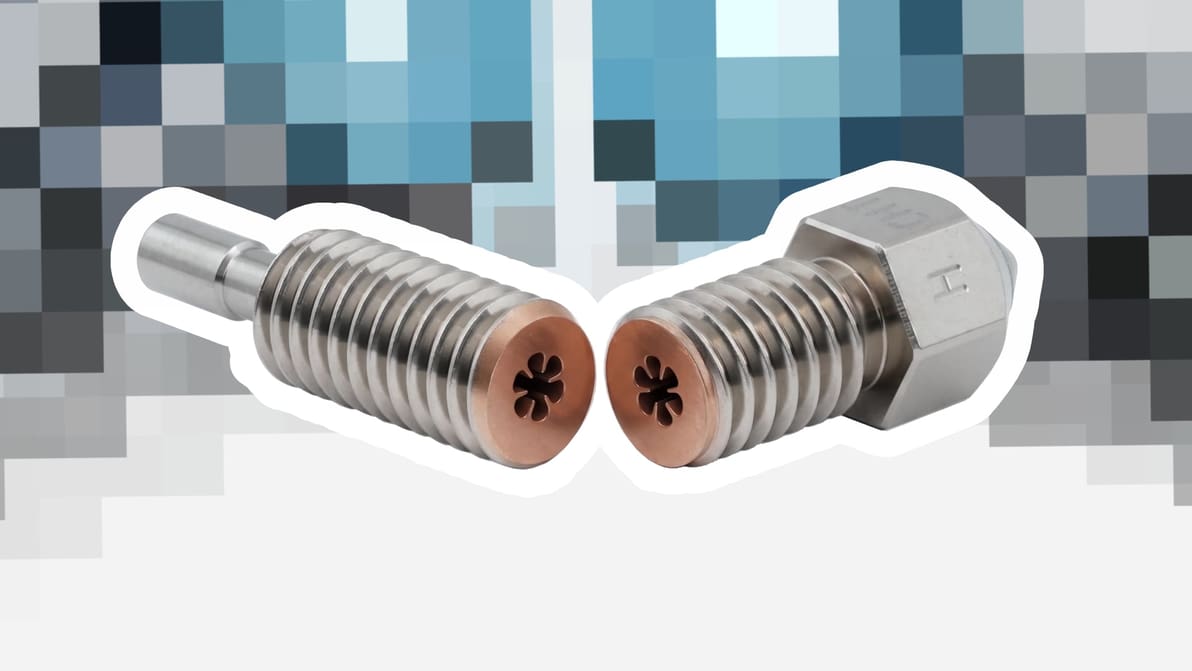
The race for speed in 3D printing might better be characterized as a race for flow. And in that arena, you have options. MicroSwiss recently upped its flow game with the release of the Hyper-CHT nozzle, a riff on Bondtech's Core Heating Technology IP with a custom design that ekes out more millimeters cubed of plastic per second.
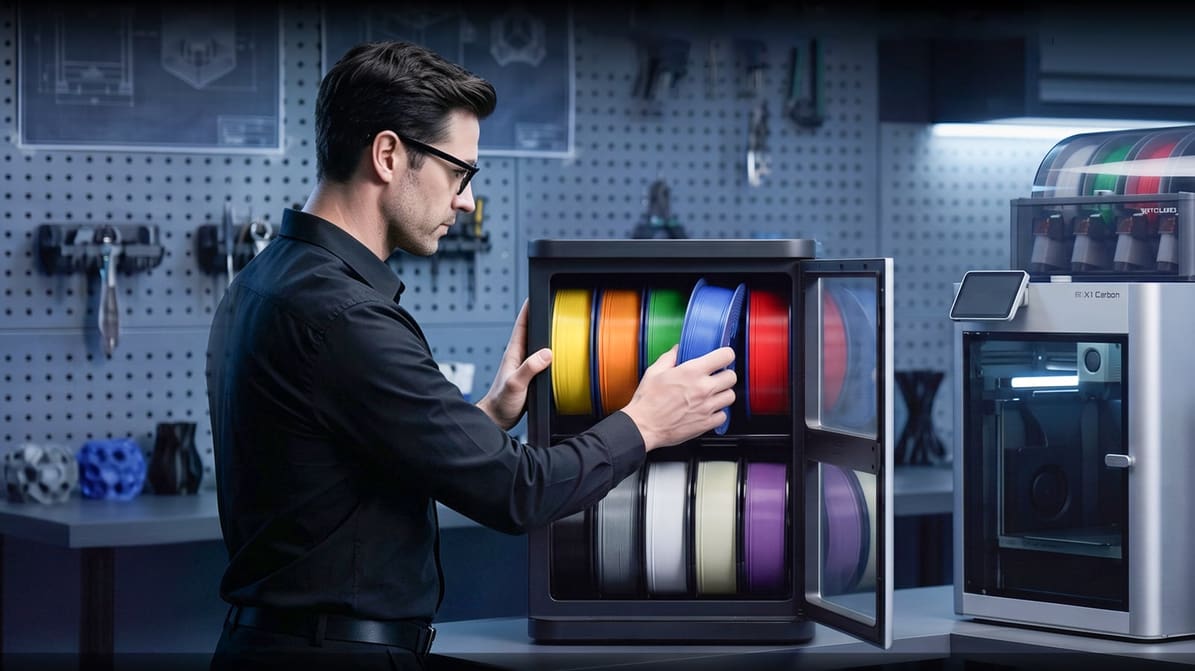
Sunlu and Inslogic's new low-energy filament storage solution doesn't use hot air, just room-temperature air circulation and desiccant for low-moisture long-term storage.