3D Printing Materials

In Burghausen, Germany, silicone 3D print specialist ACEO opens the doors to its innovative tech with workshops and a new 3D print service.

Simusolar is a company providing rural Tanzanians with solar energy and is using 3D printing to quickly and easily create useful parts.
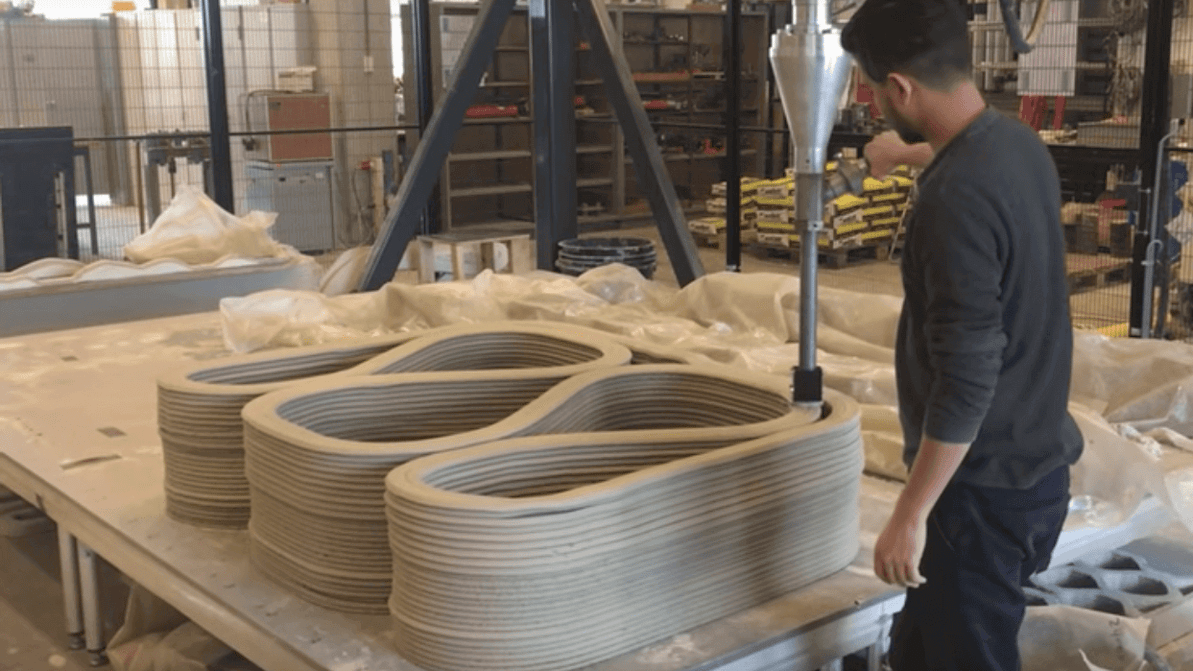
The Technical University Eindhoven and BAM are using 3D printing to develop a bridge made especially for bikers - not an easy task.
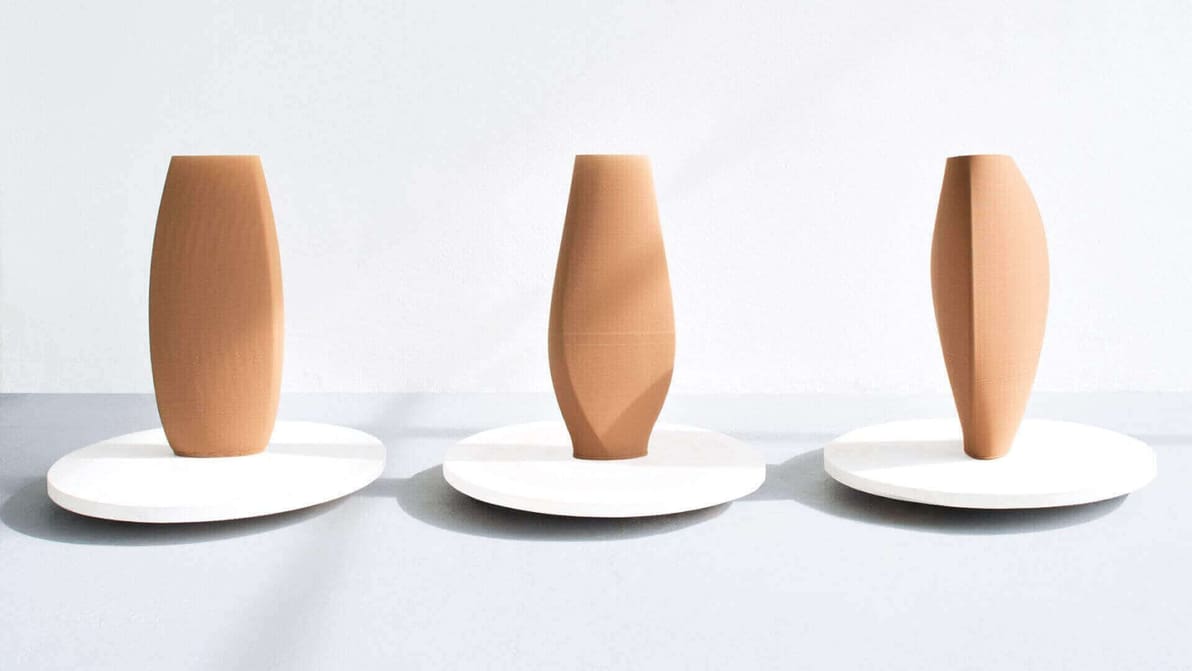
Fashion brand COS has commissioned dutch designer Olivier van Herpt to create a series of five vases using a custom-designed 3D printer.
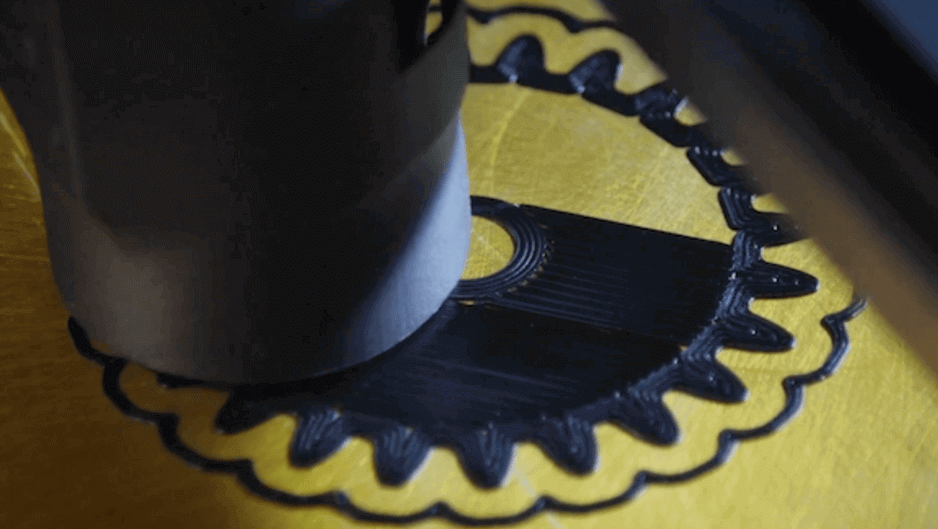
Using their respective chemical expertise and technological innovations, BASF & Essentium team up to make FDM viable for industry end-use.
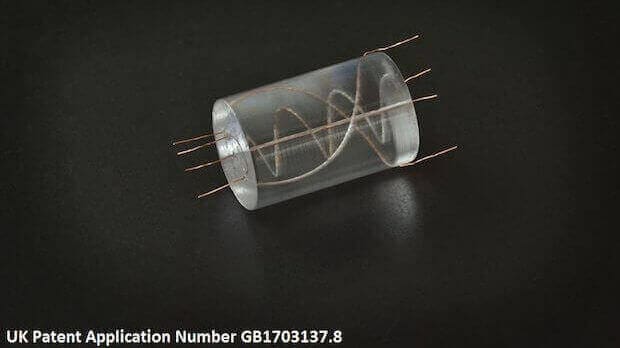
Engineers from the University of Sheffield's AMRC develop hybrid 3D printing process that integrates electronics, optics, structural elements.
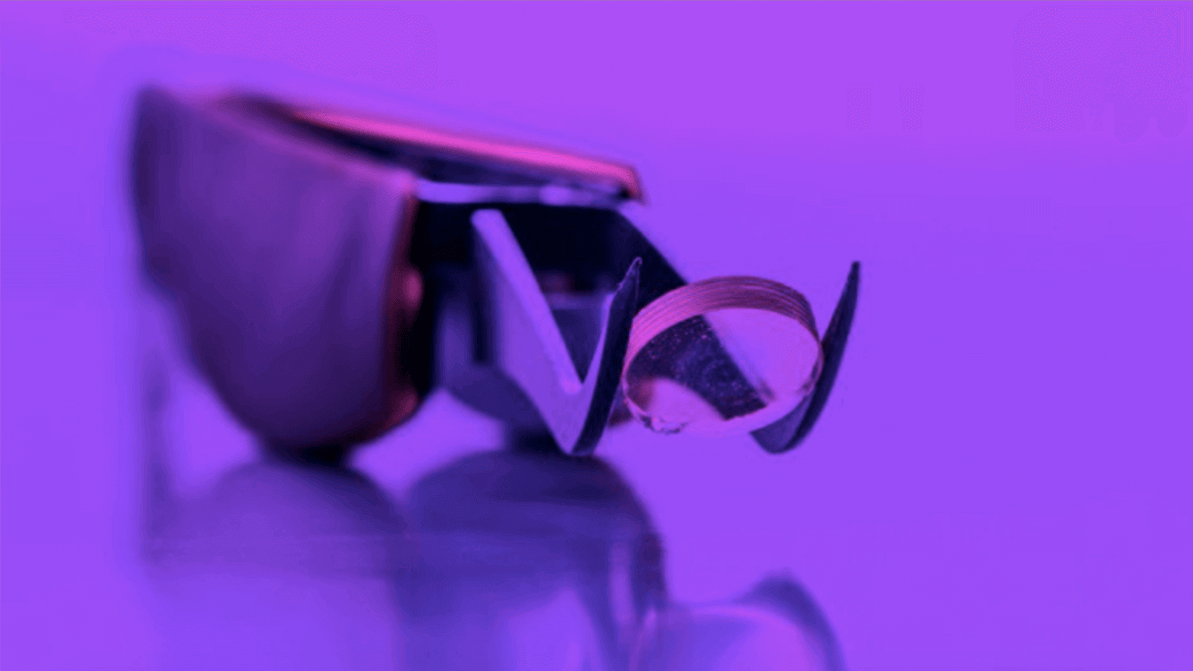
Researchers at Lawrence Livermore National Laboratory have developed a way to 3D print glass which could have a huge impact on optics.
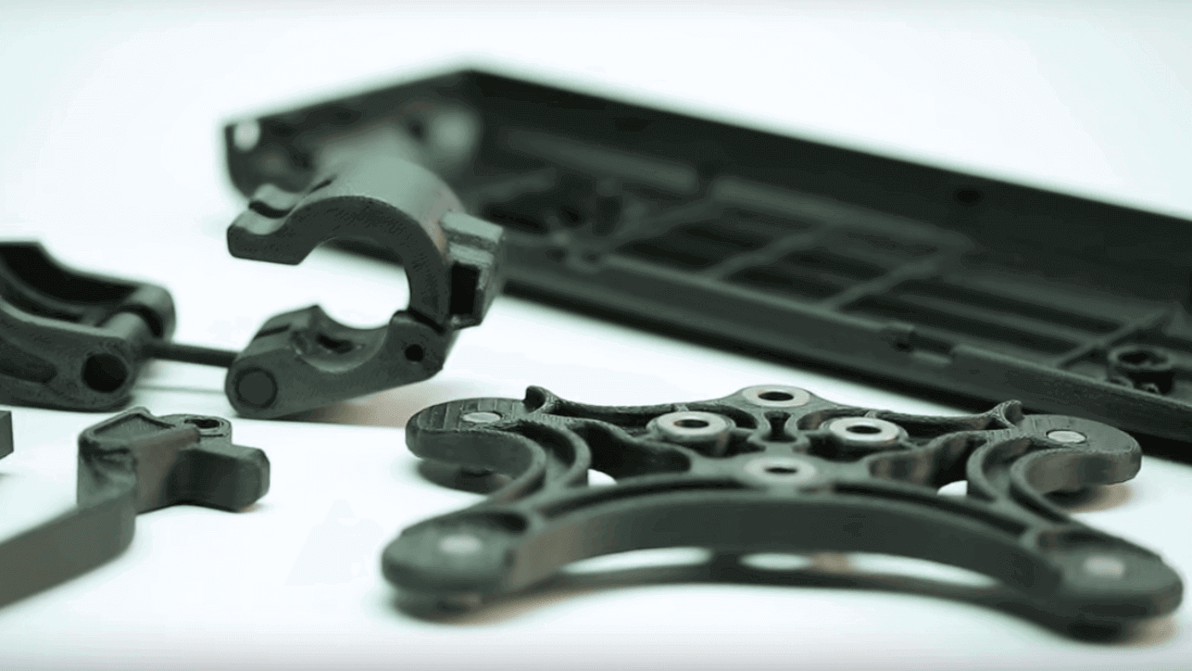
Stratasys launched the FDM Nylon 12CF - a carbon fiber-filled nylon printing material which can create end-use parts and speed up production.
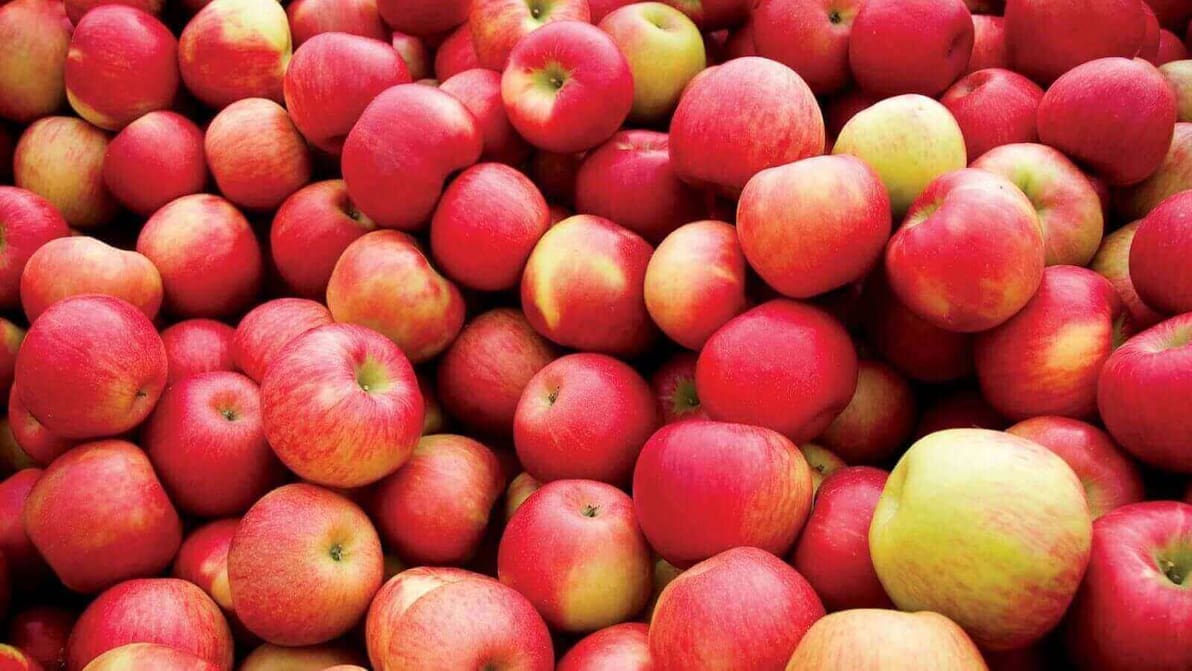
Researchers have developed biocompatible materials from apple waste, which can be used as matrices to regenerate bone and cartilage tissues.
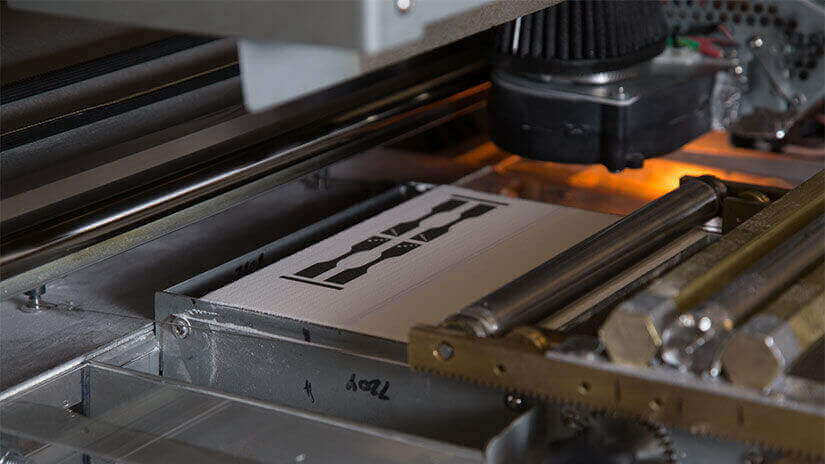
Building on a foundation of printing technologies, HP opens a new lab dedicated to accelerating materials development.
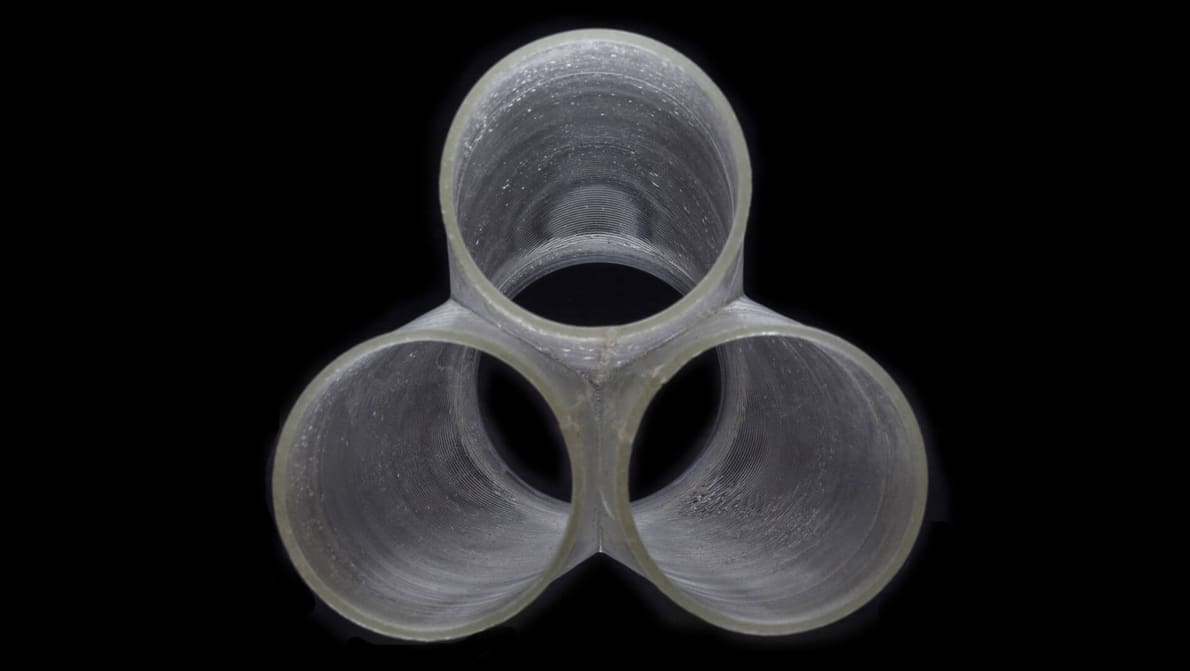
Israeli-based 3D printing technology company Micron3DP has taken its first steps to normalizing the printing of glass with 100-micron prints.

For makers, 3D printed circuits are no longer a dream. The first 3D printers which can handle DIY PCB printing will become commercially available soon.

A research team of TU Delft produced a 3D full-sized mannequin of Olympic silver medalist Tom Dumoulin’s to test a series of new cycling skinsuits.
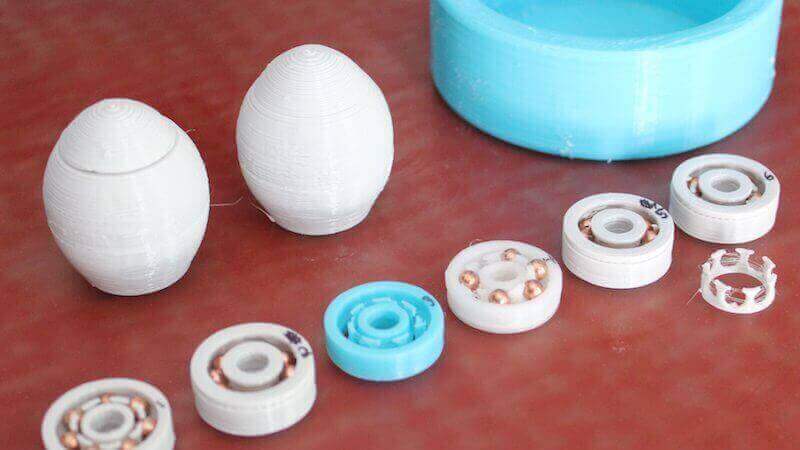
The team over at Makefast Workshop did several 3D printing experiments and added materials such as water, sand and metal into their prints.

A German physicist is hoping to reproduce the cockpit of a rare WWII warbird from scratch using the power of 3D printing.
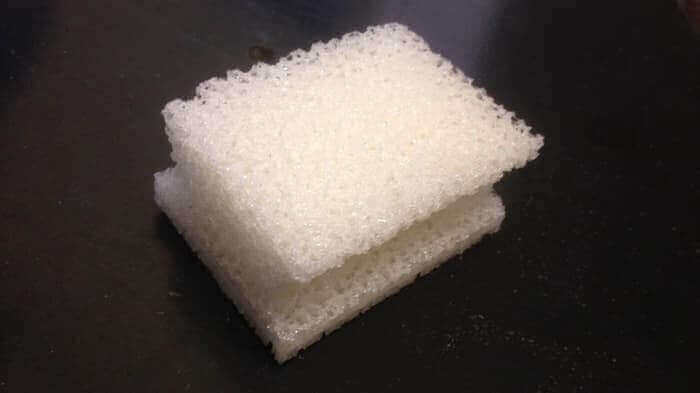
Researchers have managed to use a commercial 3D printer to create active 3D printer plastic which could help break down pollutant particles.
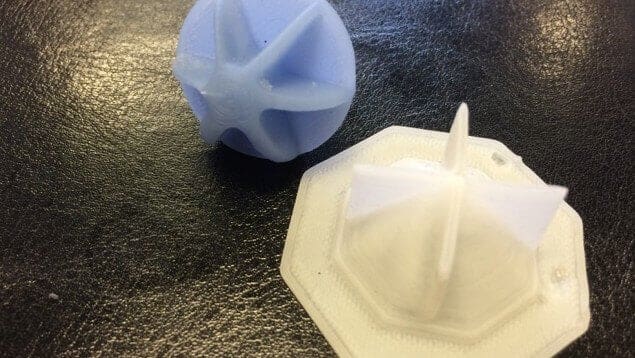
If you want to manufacture a silicon object, you usually need a mould. This will most likely change thanks to a UK patent: Picsima can now 3D print silicon parts without further tooling.
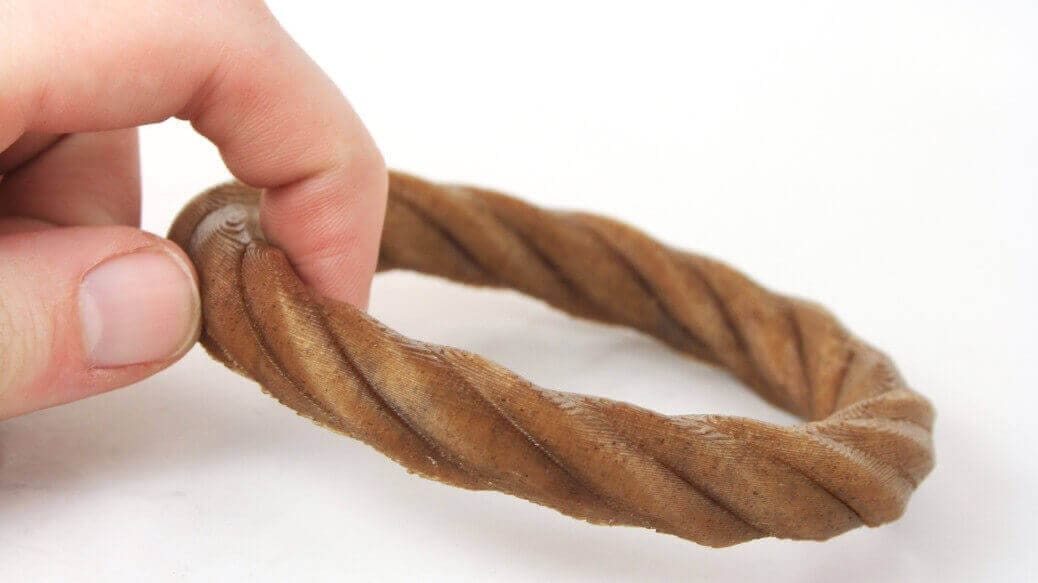
We can already 3D print with filaments based on beer and coffee. Are you ready to 3D print with Entwined, a new sustainable hemp filament?
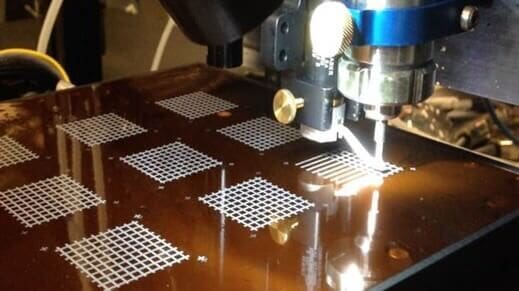
Researchers at University of Massachusetts Lowell have developed a new way to 3D print crucial components of radar systems. It’s a new type of ink that opens the door to the 3D printed radar.
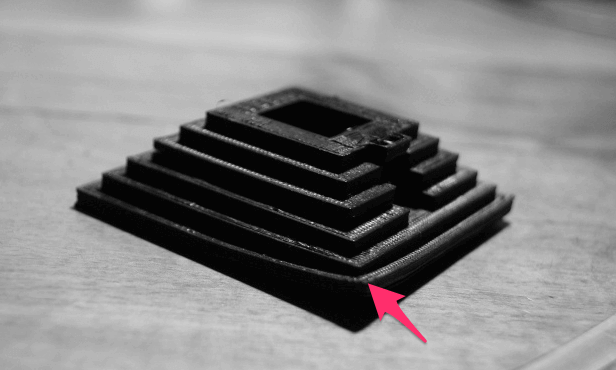
The control of the warp is an everlasting problem of the 3D printing scene. But at least we now can measure and classify it. Here’s how to do it.