Aerospace, Defense
Featured
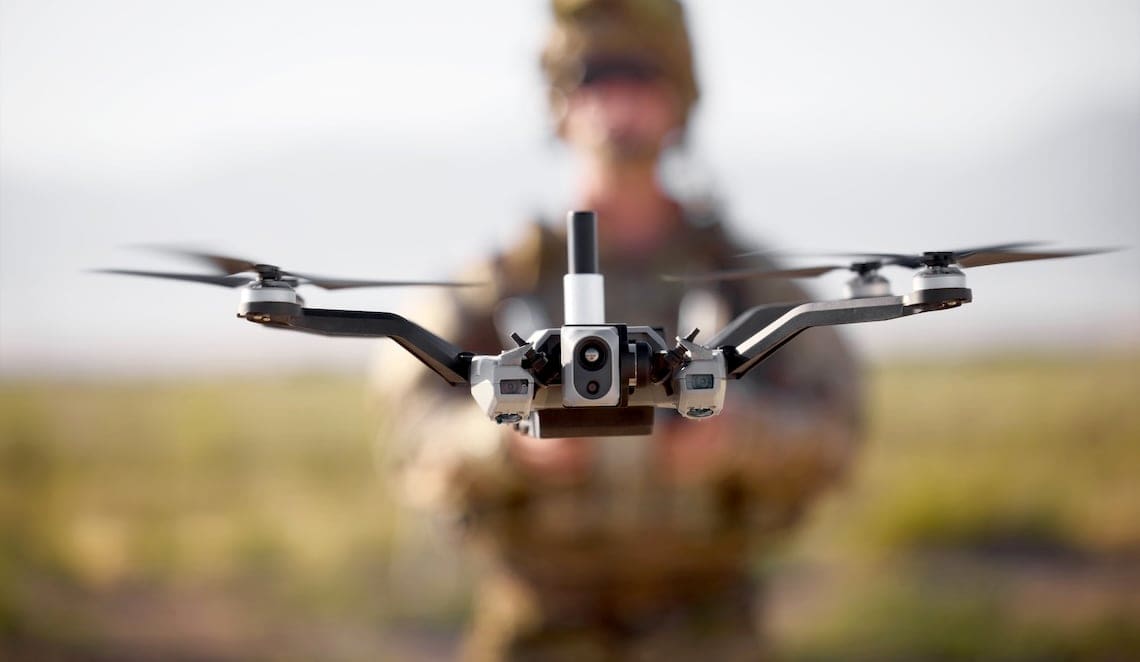
As the Pentagon calls for a massive increase in drone production, additive manufacturing is moving from the lab to the front lines and scaling up for production. The director of America Makes explains why this moment could finally "unlock" the technology's full potential.
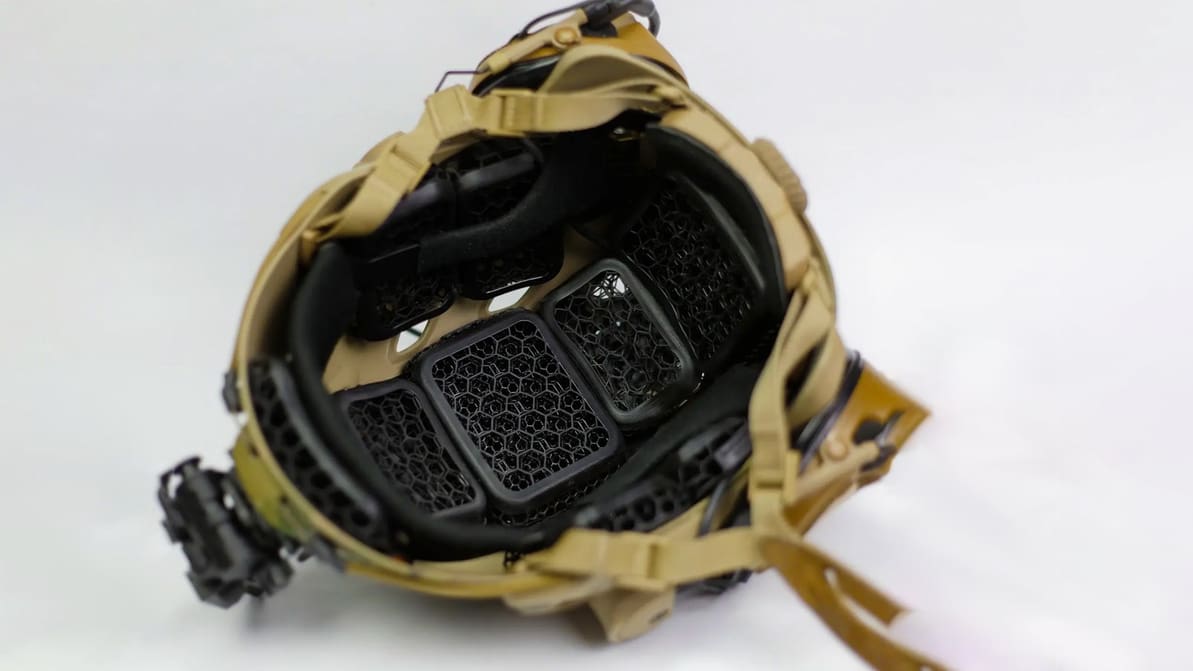
Start-ups aim to improve safety and comfort for soldiers with 3D printed helmet padding technology.
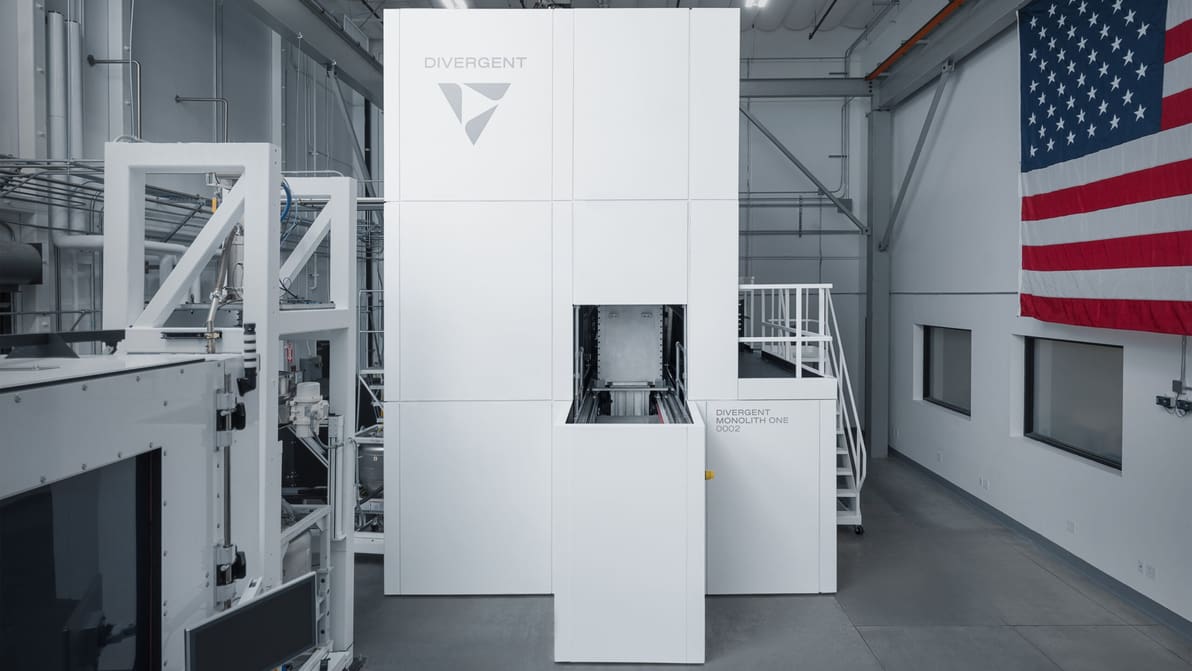
The 'Monolith One' is a laser powder bed fusion 3D printer with 24 kW of laser power, which Divergent plans to use for defense and automotive part production. No, it's not for sale.
Latest

Rocket engines, Future Vertical Lift, aerospace-grade alloys, supplier qualification, and AM production scale-up dominate the October program — reflecting a sharp rise in DoD-backed additive manufacturing funding.
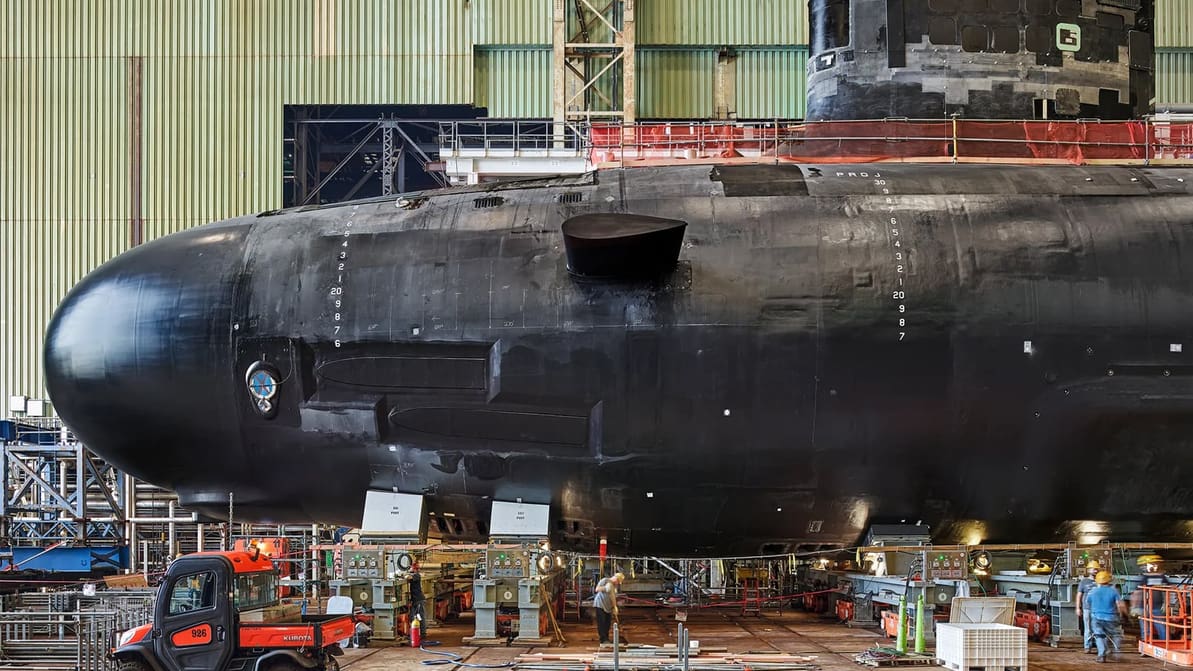
A new Navy standard will make metal 3D printing far easier to use in submarine construction and repair, allowing approved AM materials and processes to replace conventional welding and forging.
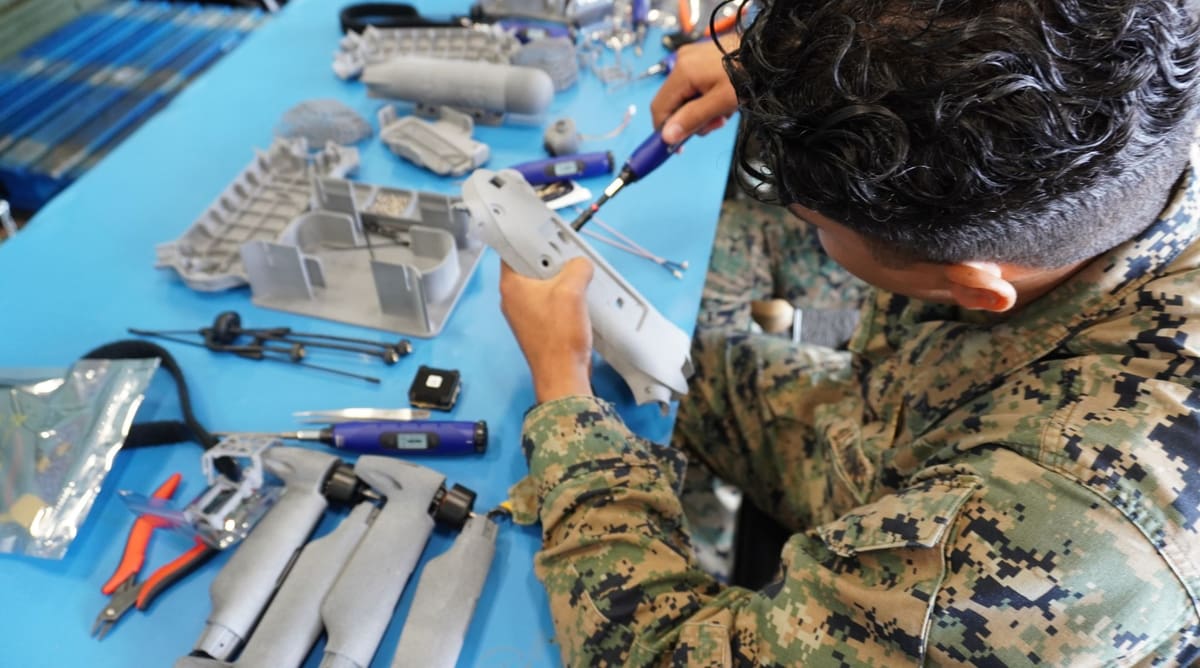
Military-focused drone manufacturer Firestorm says its xCell microfactory kept several HP MJF 3D printers busy aboard the USS Essex, producing more than 1,000 parts, including components for 12 Squall FPV drones, in waves reaching 12 feet on the way to RIMPAC, the multinational military exercise in Hawaii. Service members assembled the drones en route and later flew them in a counter-UAS exercise.
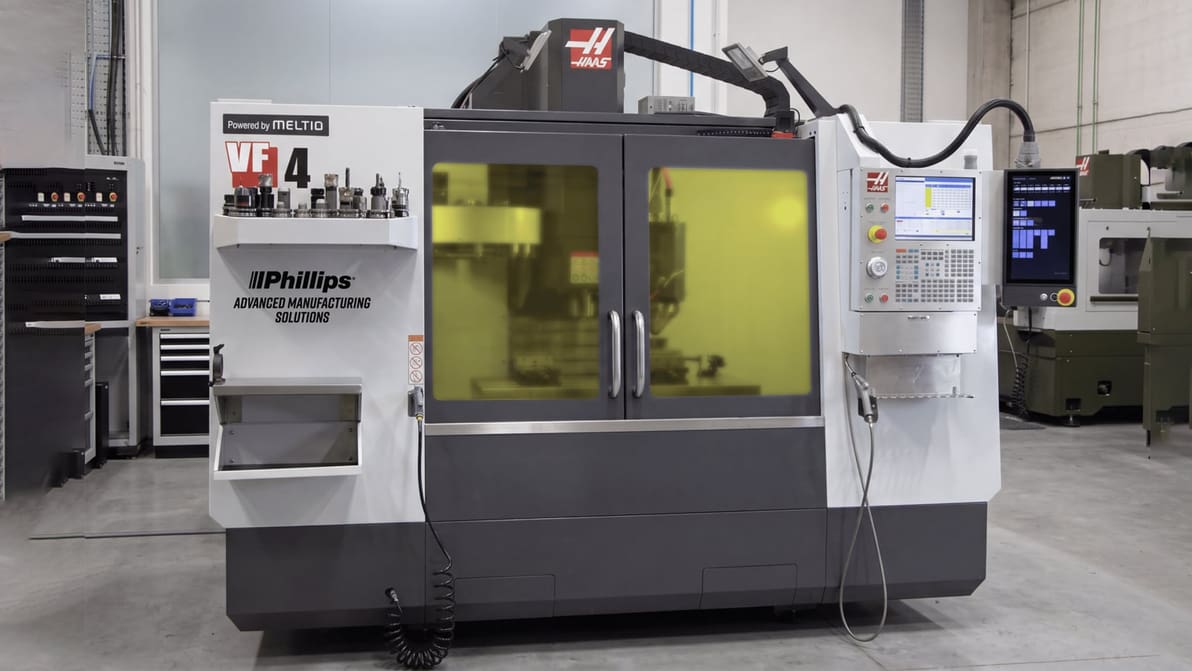
The Phillips Hybrid machines integrate Meltio wire-laser metal deposition technology with Haas CNC platforms, enabling sailors to add and machine metal using a single system.
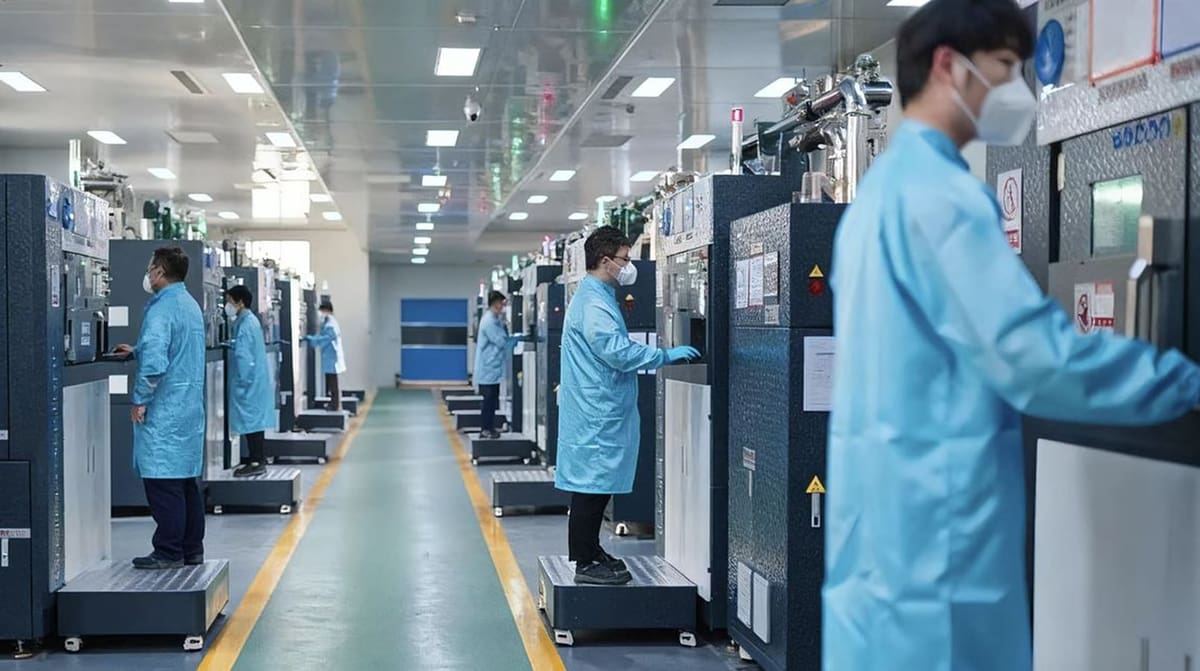
Chinese Academy of Sciences spinout is reportedly investing more than $14M in aerospace additive manufacturing, with plans to acquire over 100 large-format metal 3D printers.
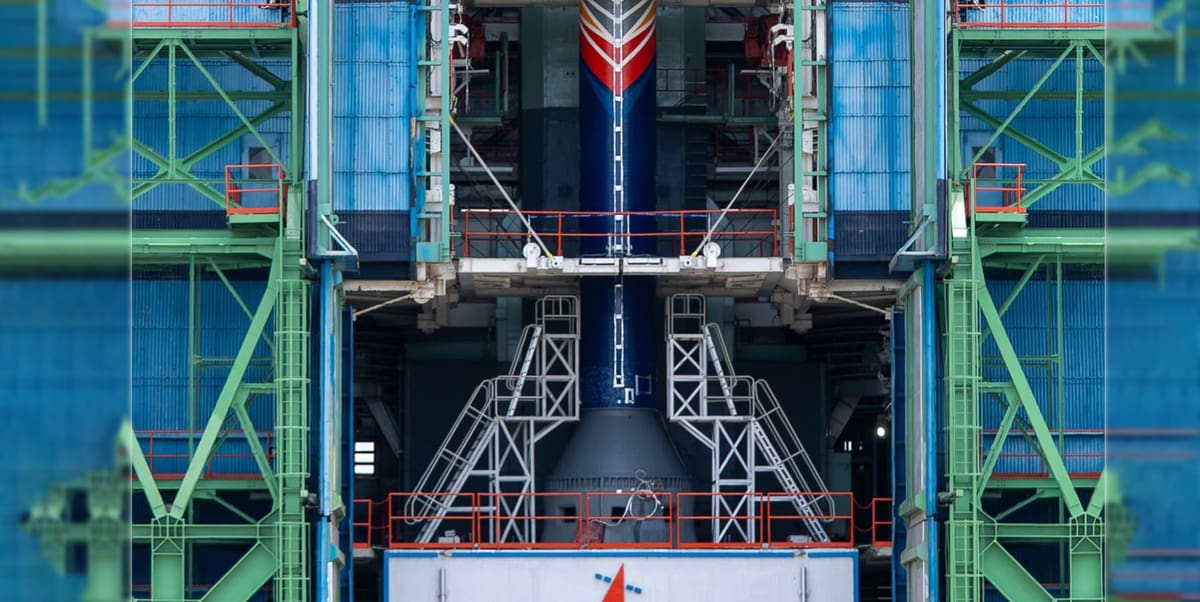
Vikram-1’s successful maiden flight takes Skyroot’s additively manufactured propulsion technology beyond the test stand, although the Indian startup has yet to reveal exactly how the engine is printed.
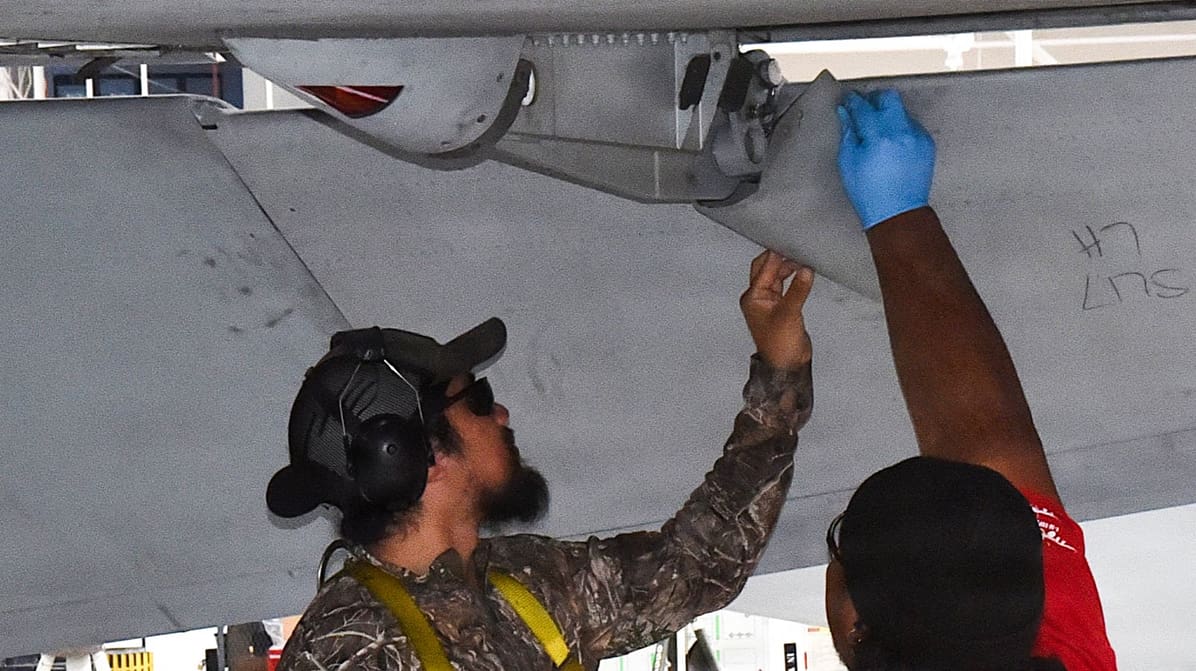
The US Navy is testing a 3D printed composite repair method that could cut certain F/A-18 Super Hornet repair times by around 50%, potentially giving maintenance crews a faster way to return grounded aircraft to service.
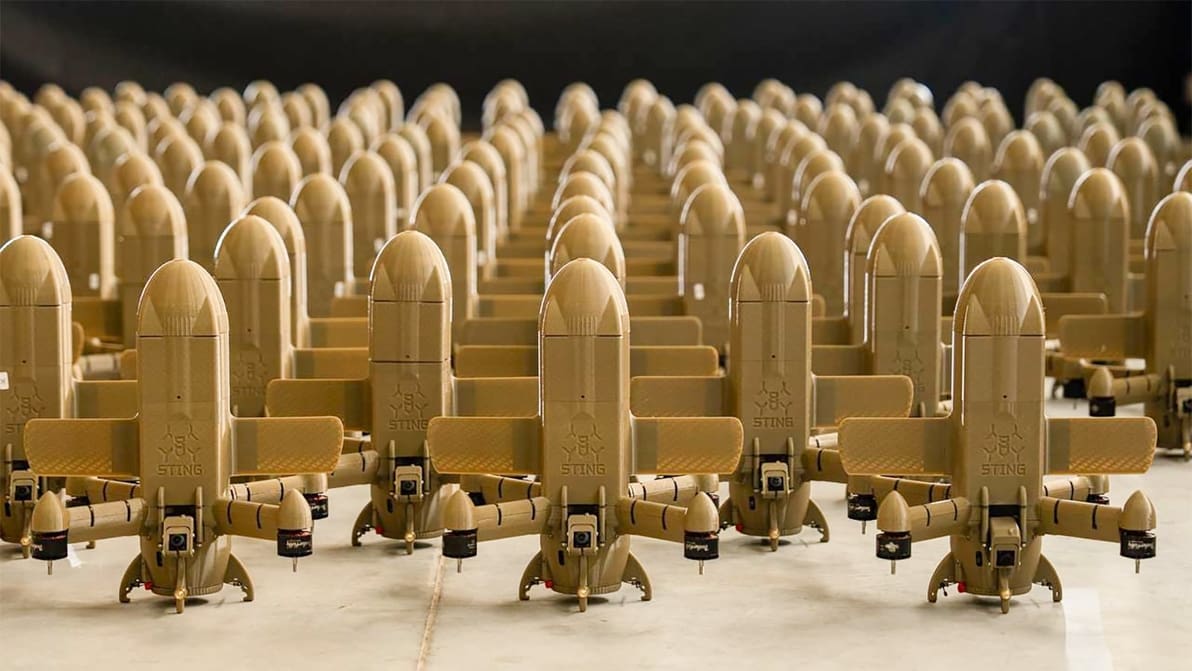
A new market forecast from Additive Manufacturing Research details how surging defense demands and low-cost polymer printing may drive a sixfold expansion for the drone 3D printing sector by 2034.
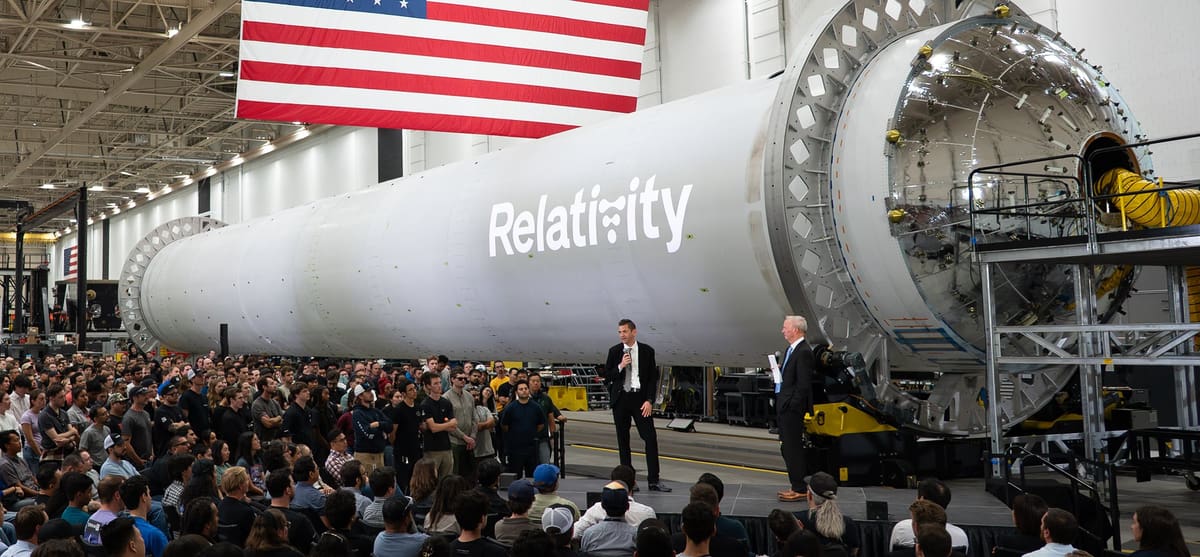
Relativity Space is heading to Mars, well, its hardware is. NASA has picked the California-based 3D printed rocket maker to deliver its Aeolus science instruments to the Red Planet in 2028. Relativity will handle the rocket, spacecraft, cruise, and mission management, while NASA’s instruments study Martian winds, dust, clouds, and temperatures to help make future landings less of a white-knuckle affair.
The 'Monolith One' is a laser powder bed fusion 3D printer with 24 kW of laser power, which Divergent plans to use for defense and automotive part production. No, it's not for sale.
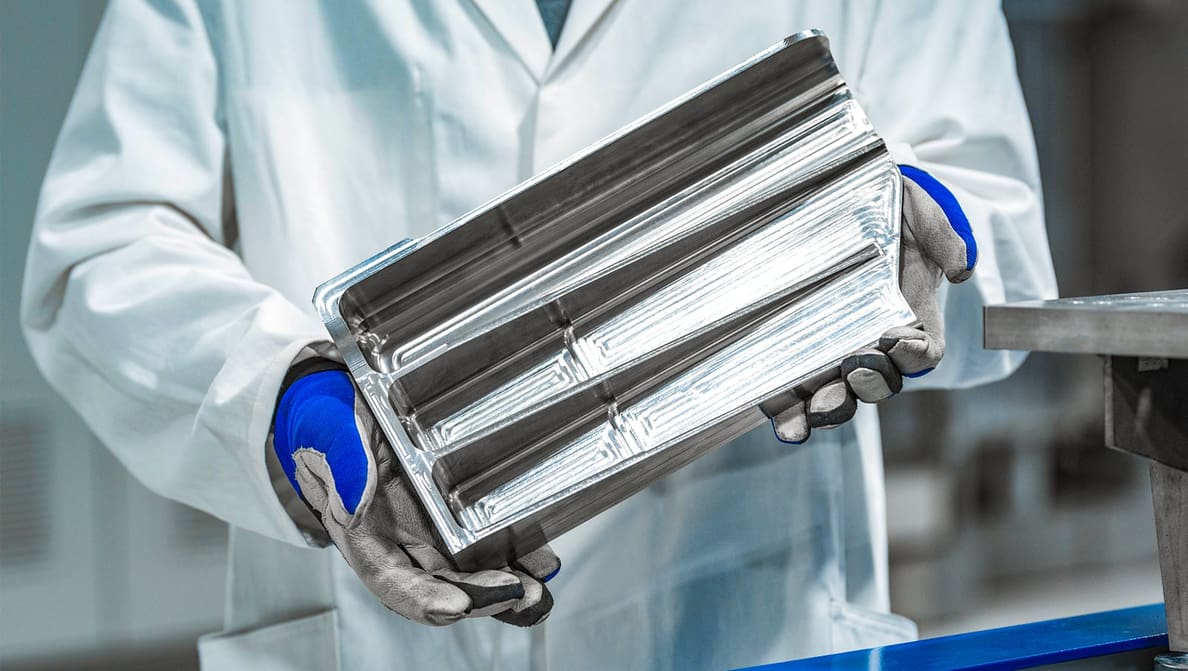
By backing Norsk’s wire-fed titanium process, the U.S. is testing whether additive manufacturing can solve real bottlenecks in maritime manufacturing.
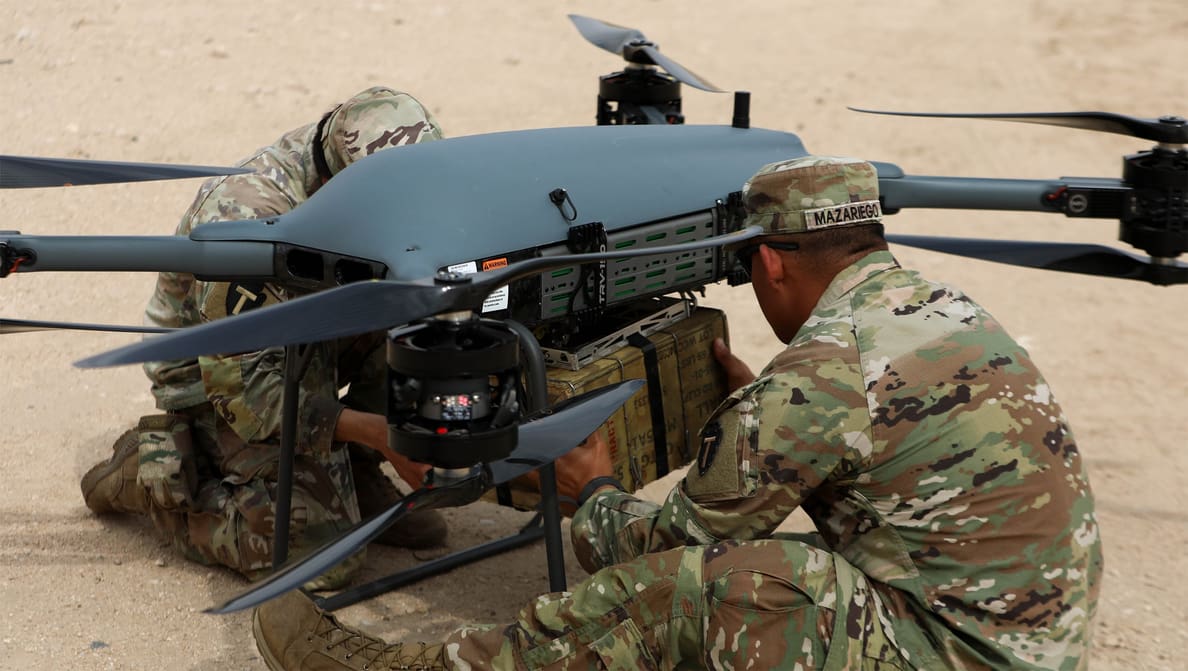
Navigating America Makes’ collaborative project calls is becoming the defining strategy for securing a piece of the nation's surging additive manufacturing funding calls.
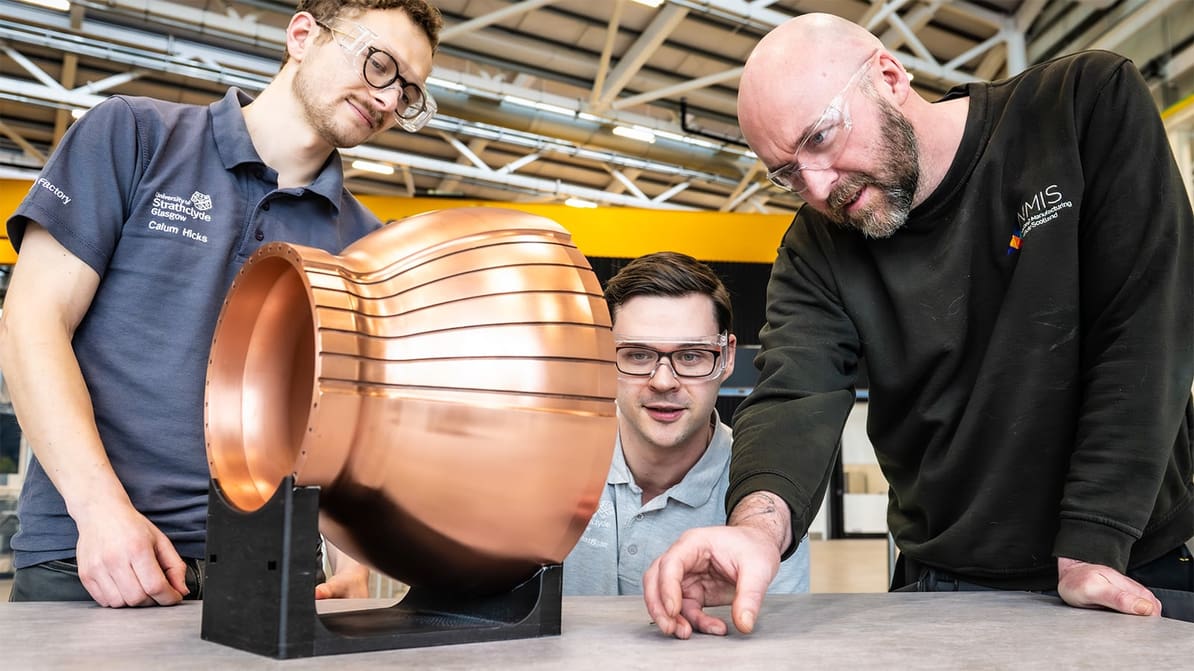
This hybrid solid-state manufacturing method bypasses laser-melting limitations to slash production lead times for complex aerospace components.
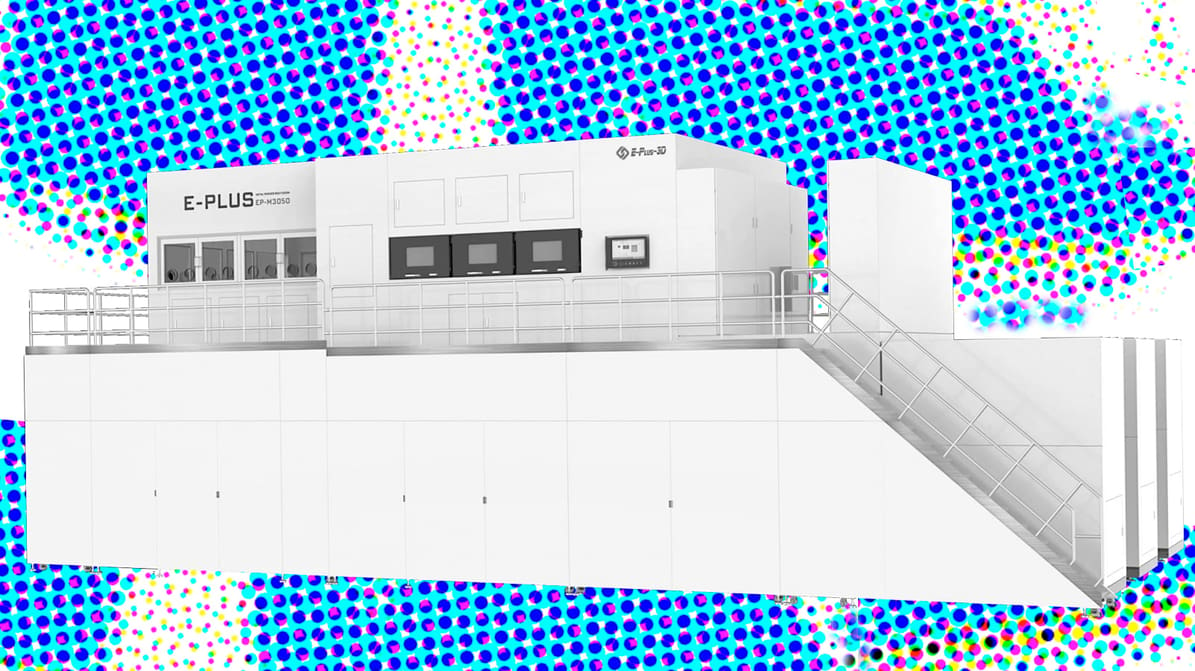
By coordinating 100 lasers across a massive 3,050 mm build plate, this ultra-large-format system for titanium, aluminum, steel and more, eliminates the need for welding rocket thrusters or structural aerospace parts.
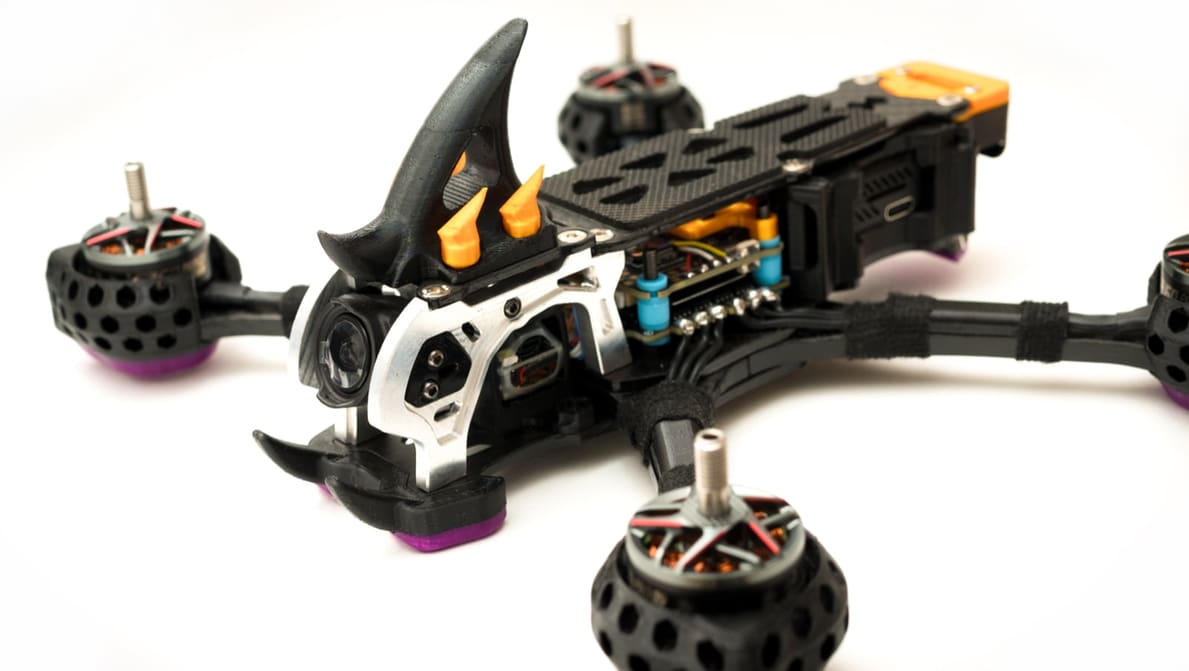
From quick weekend projects to high-performance FPV builds: This all-in-one guide helps you choose the right 3D printing files, mastering the best filaments, and successfully launching your first 3D printed drone.
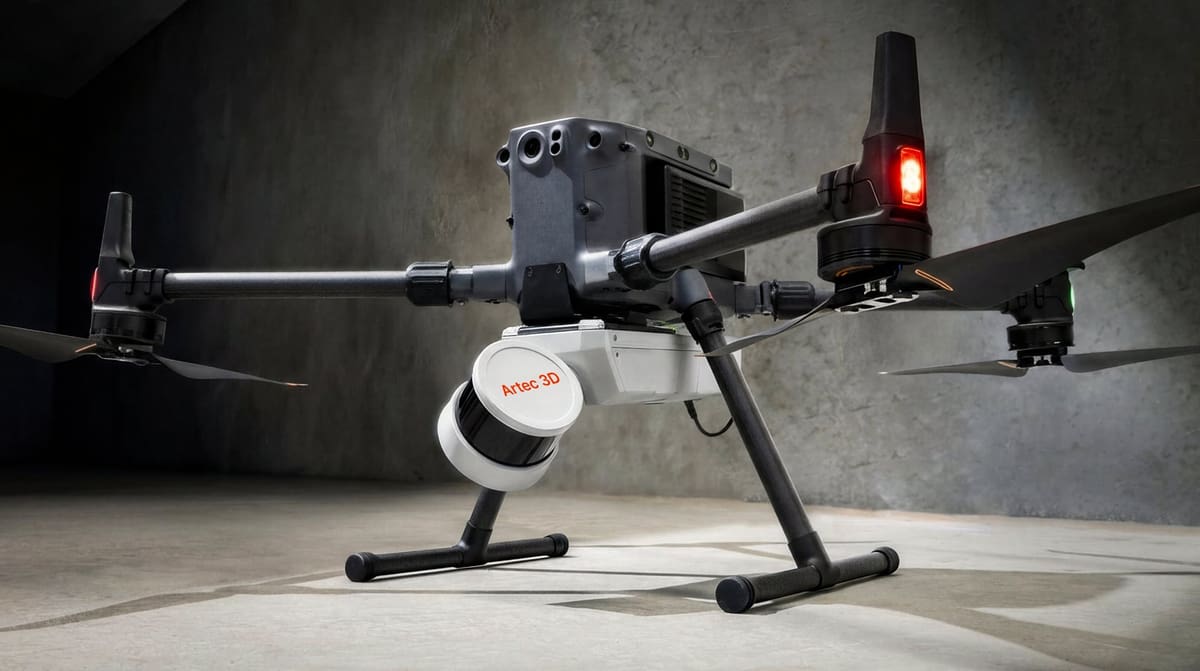
Forget stationary tripods and GPS limits: Artec 3D’s first SLAM-based mobile mapping system delivers rapid digital twins of almost any environment.
Commencing late 2026 and running through 2027, the contract sees the company's metal WAM-based tech printing five high-demand, non-safety critical components for live service trials. Printed in a Navy-qualified Nickel-Aluminum-Bronze (NAB) alloy, originals of the parts in question are no longer available or supported by the original manufacturer.

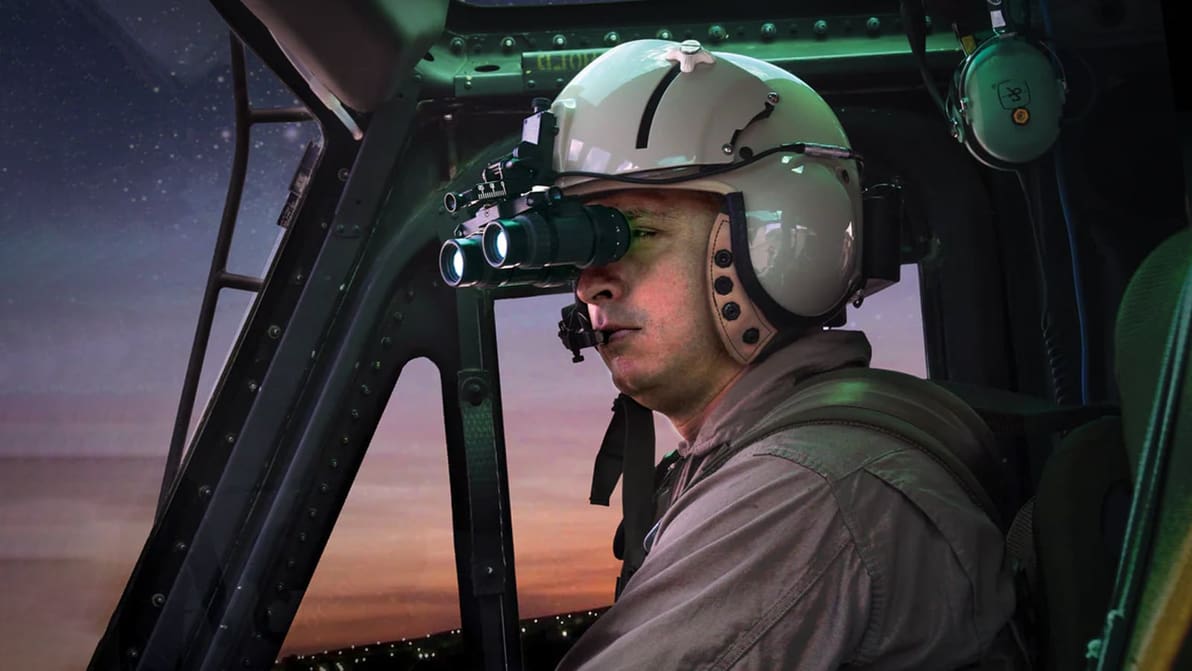
El Paso Makes is launching a cloud-based engineering platform to bridge the digital divide, providing regional small-to-medium manufacturers with the secure, high-tier tools required to modernize the U.S. Defense Industrial Base.
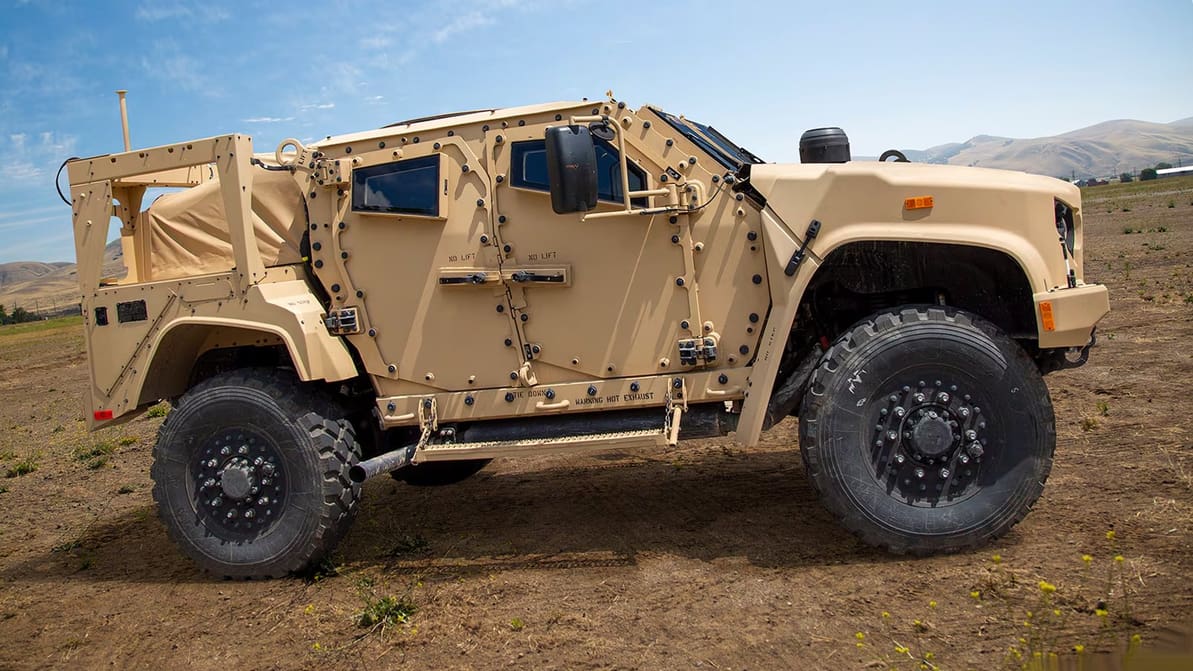
Velo3D and Army engineers will begin printing and validating alternative spare parts for the U.S. Army Tank and Automotive Command (TACOM) supply chain to relieve current sustainment bottlenecks.
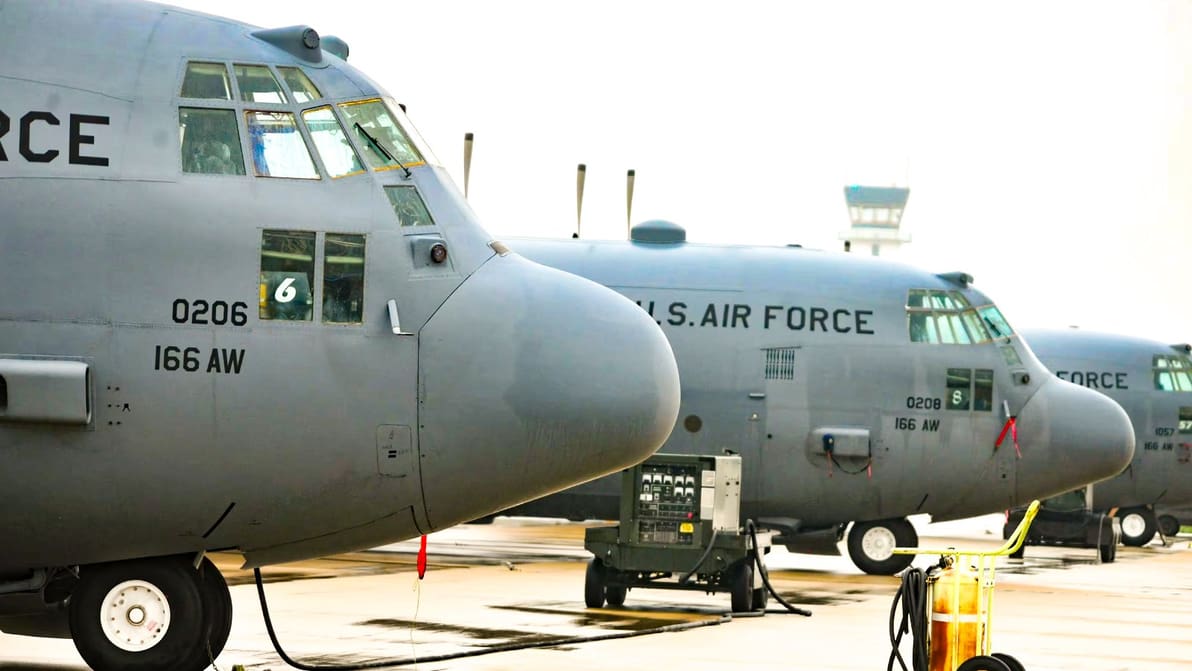
How a specialized four-person team at Robins AFB is leveraging 3D printing and reverse engineering to manufacture critical metal components that are no longer in production.