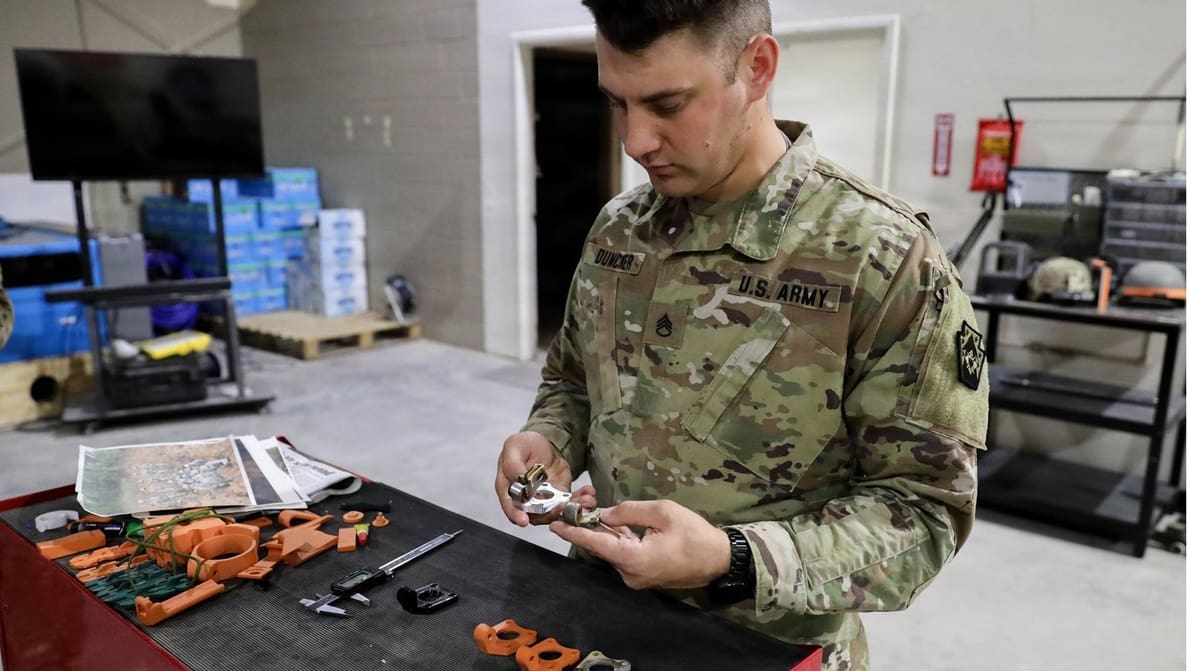
Signed into law yesterday, the U.S, National Defense Authorization Act includes the new restrictions on 3D printer procurement, as it calls for streamlining qualifications of 3D printed parts.

Recent real-world attacks prove that your printer could be a prime target for hacking, viruses, and IP Theft. Understanding its weak points is the first step to protecting your designs, your network, and your physical prints.

The aerospace leader's new technique prints features directly into satellite structures, a move that drastically simplifies manufacturing and shaves six months off delivery times.
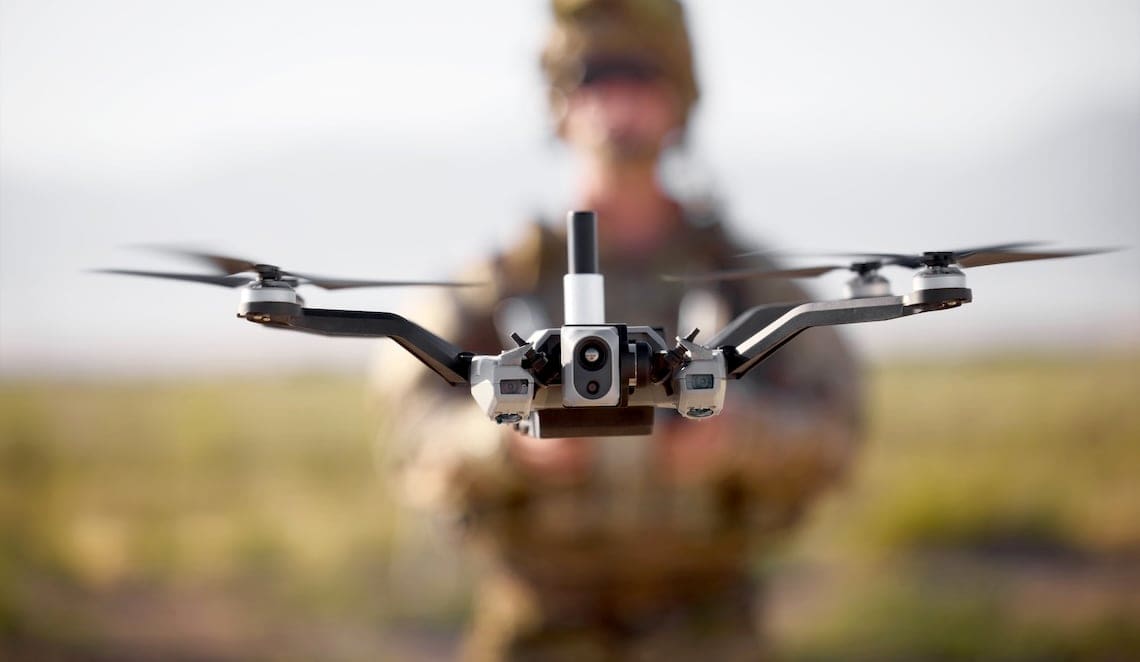
As the Pentagon calls for a massive increase in drone production, additive manufacturing is moving from the lab to the front lines and scaling up for production. The director of America Makes explains why this moment could finally "unlock" the technology's full potential.

A German government report says the military doesn't have spare part design data or manufacturing rights, but is buying 3D printers anyway.
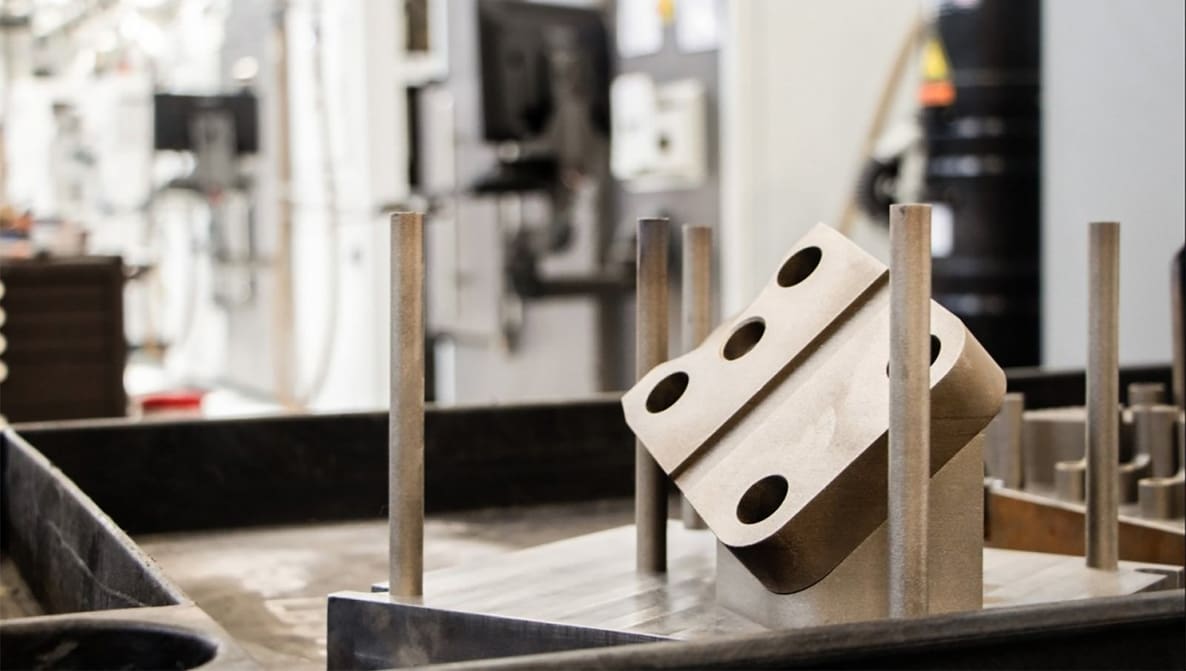
The U.S. military's growing additive manufacturing capability may soon be put into action producing myriad spare parts to boost force readiness.
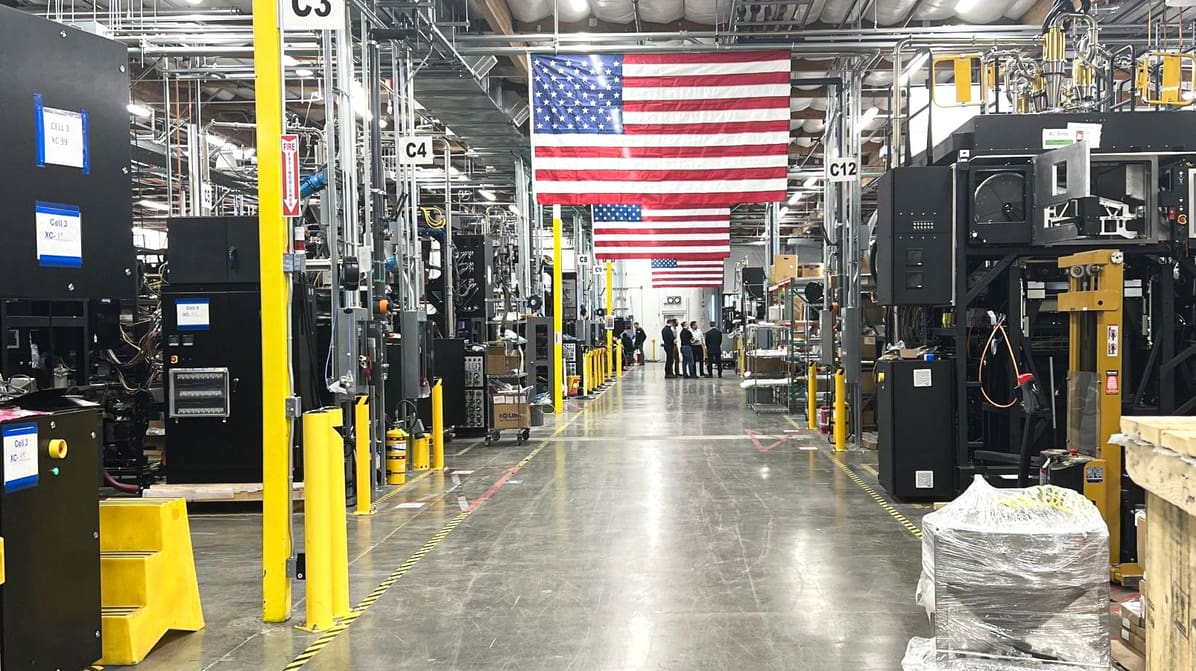
U.S.-based space manufacture Momentus opted not to just buy 3D printers from Velo3D, it saw a much bigger opportunity.
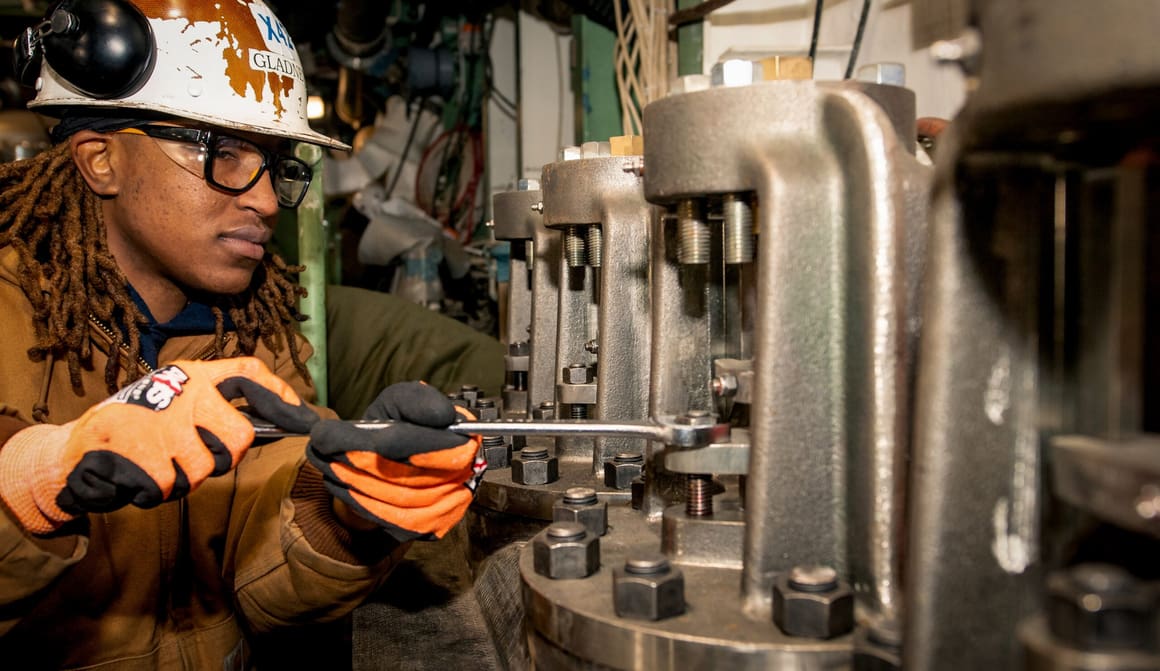
Metal 3D printing is redefining the fundamentals of shipbuilding as more parts are certified for installation onto critical Navy vessels.
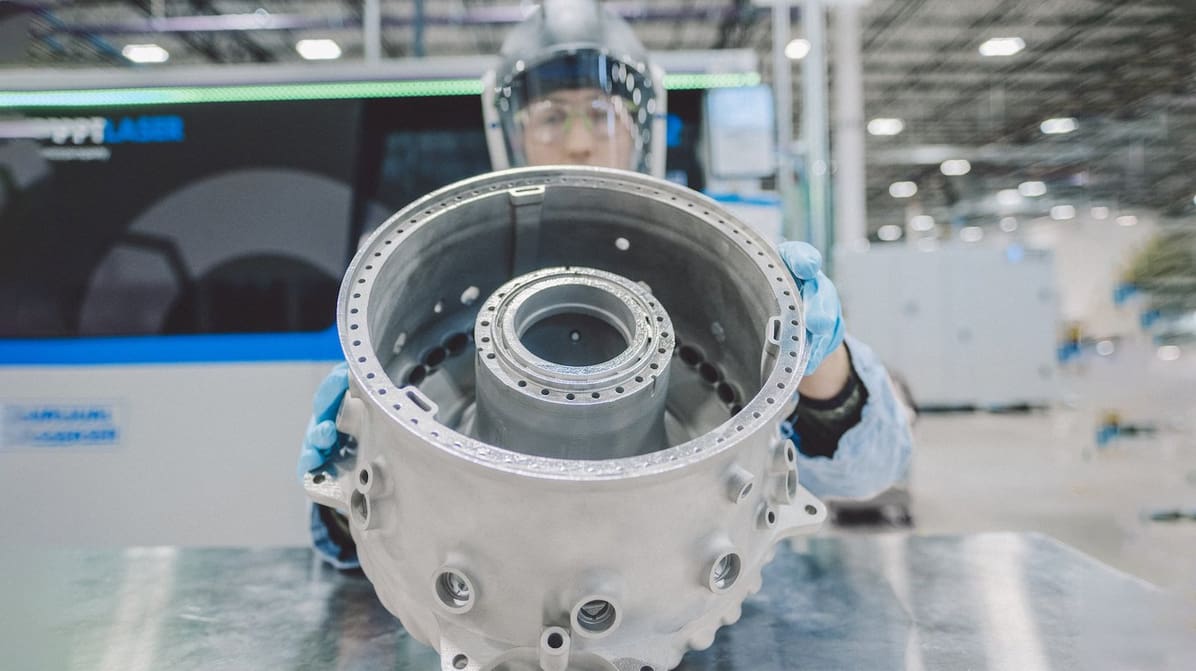
GE greenlights for production a game-changing engine with multiple 3D printed parts contributing to best-in-class performance.

Belfast start-up Vikela is reimagining body armor with 3D printing to create customizable, lightweight, and versatile protection.
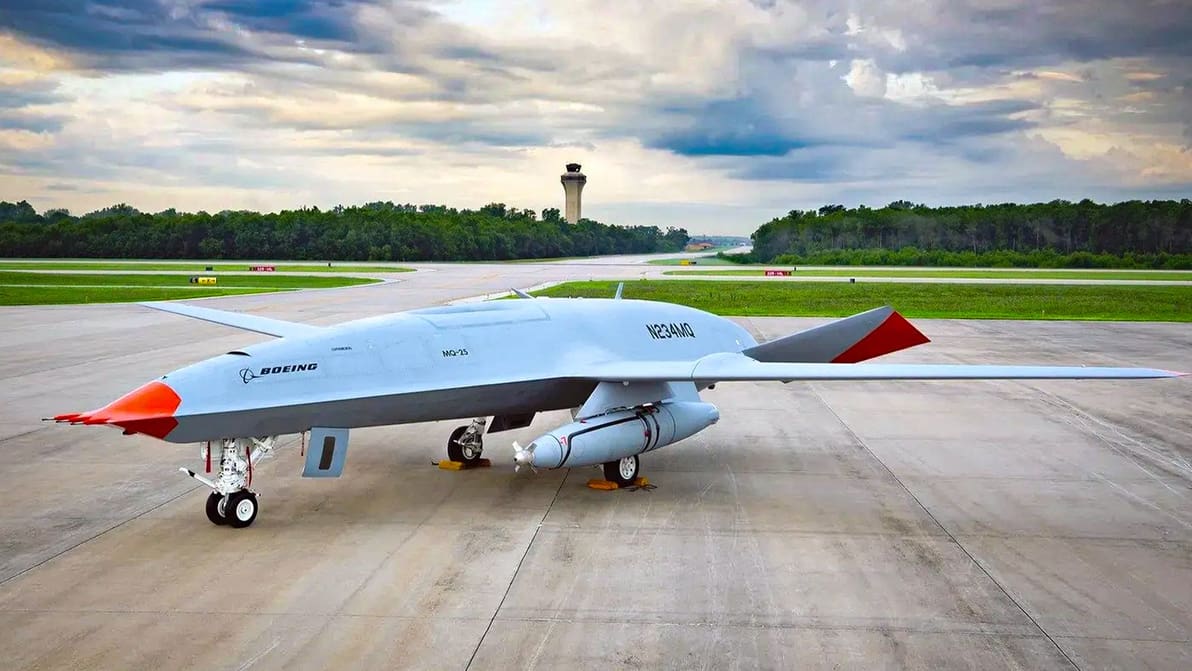
New research by VoxelMatters reveals the aerospace industry invested heavily in 3D printing tech and services in 2023 with demand set to increase to $20.5 billion by 2033.
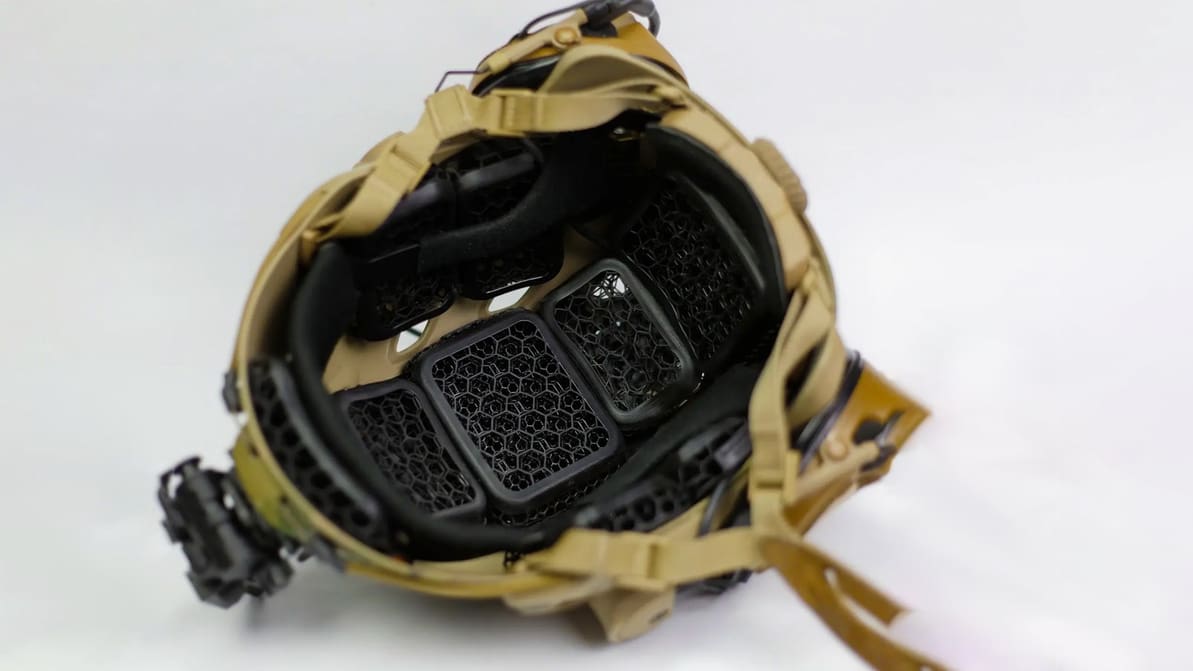
Start-ups aim to improve safety and comfort for soldiers with 3D printed helmet padding technology.
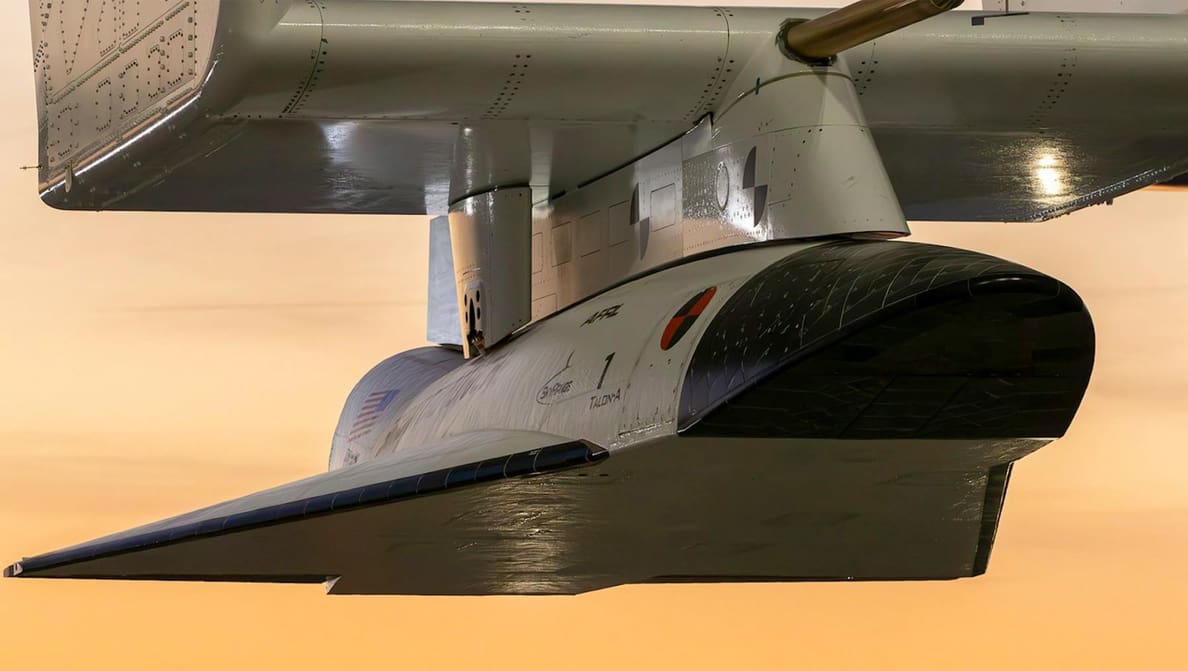
Ursa Major's 3D printed Hadley engine powered a new test vehicle aimed at helping the US military develop hypersonic capabilities faster.
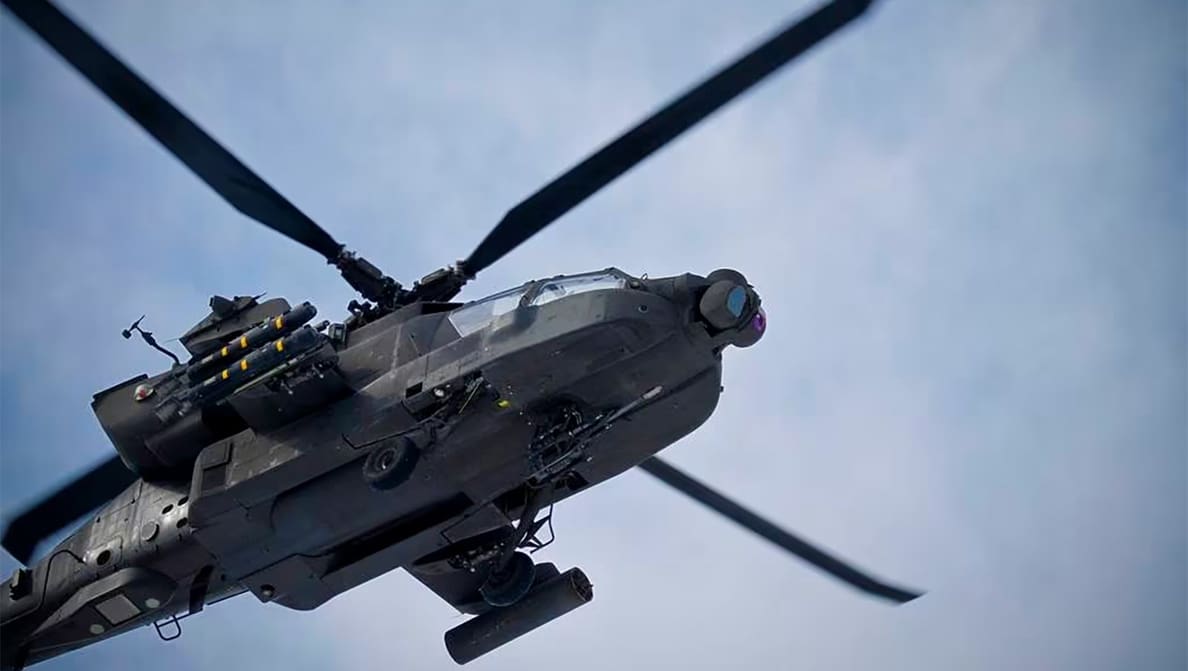
New industry analysis aims to provide a road map to getting in on the surging spend on additive manufacturing.

Experiencing delays in replacement parts or challenges due to discontinued critical components? Follow the example of the US Coast Guard.
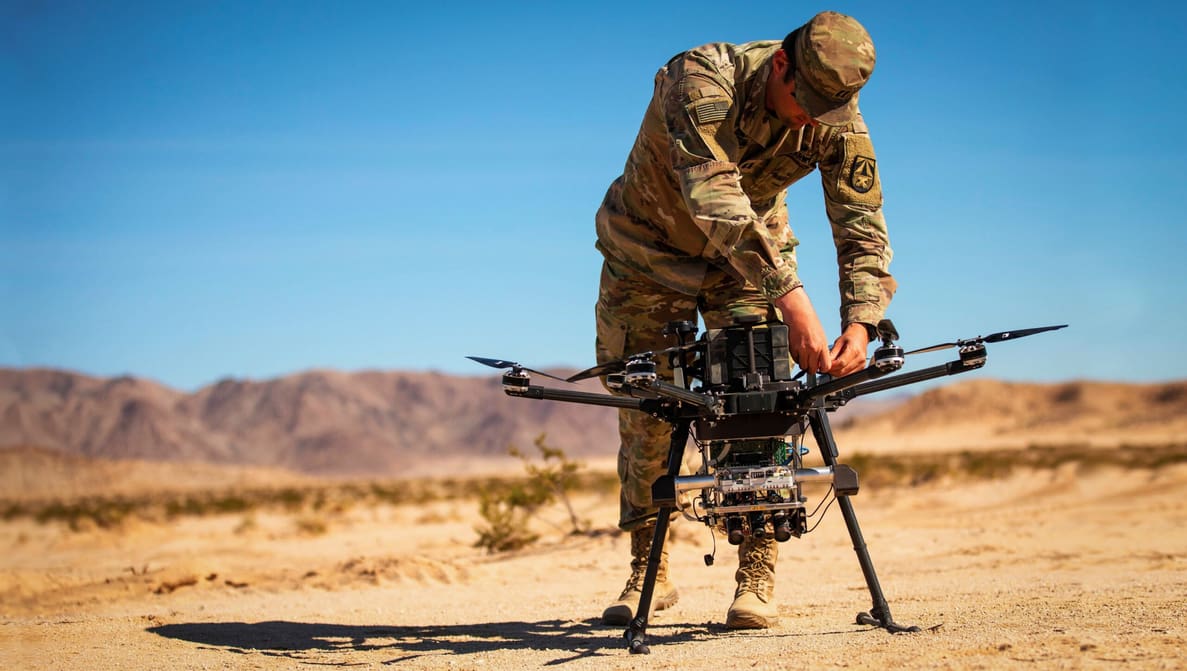
From frontline replacement parts to quick-build bunkers, the military relies on 3D printing to get the job done faster, better, and anywhere.
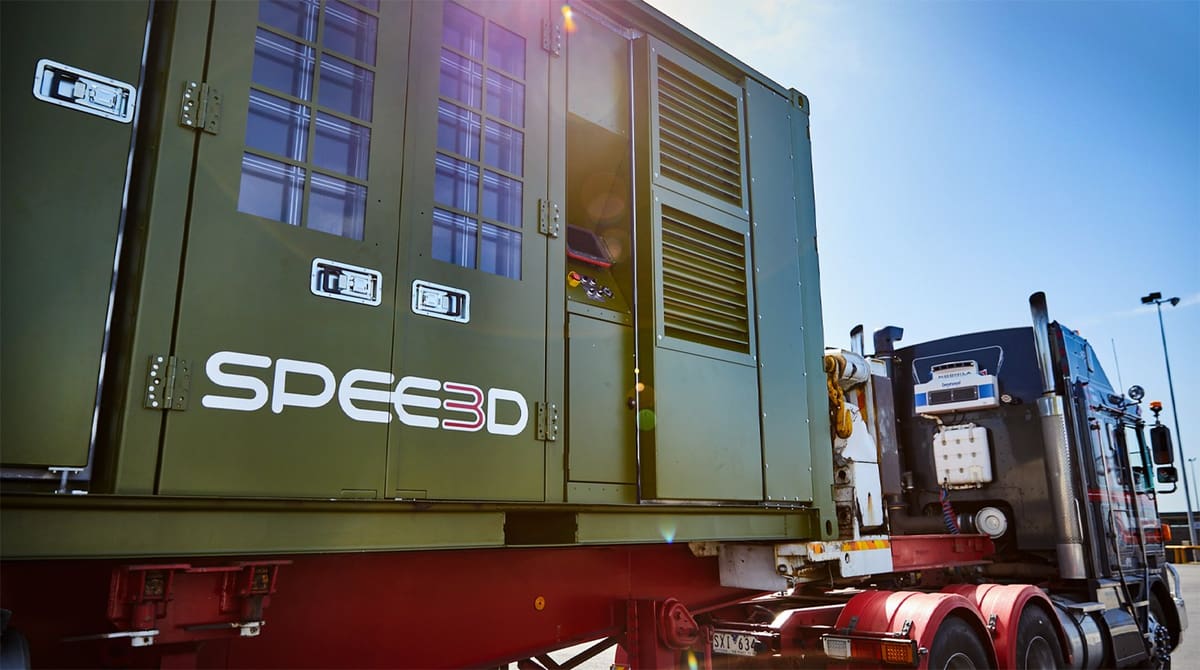
A new tactical-model, container-size metal 3D printer is ready to deploy anywhere and 3D print critical metal parts in a matter of hours.
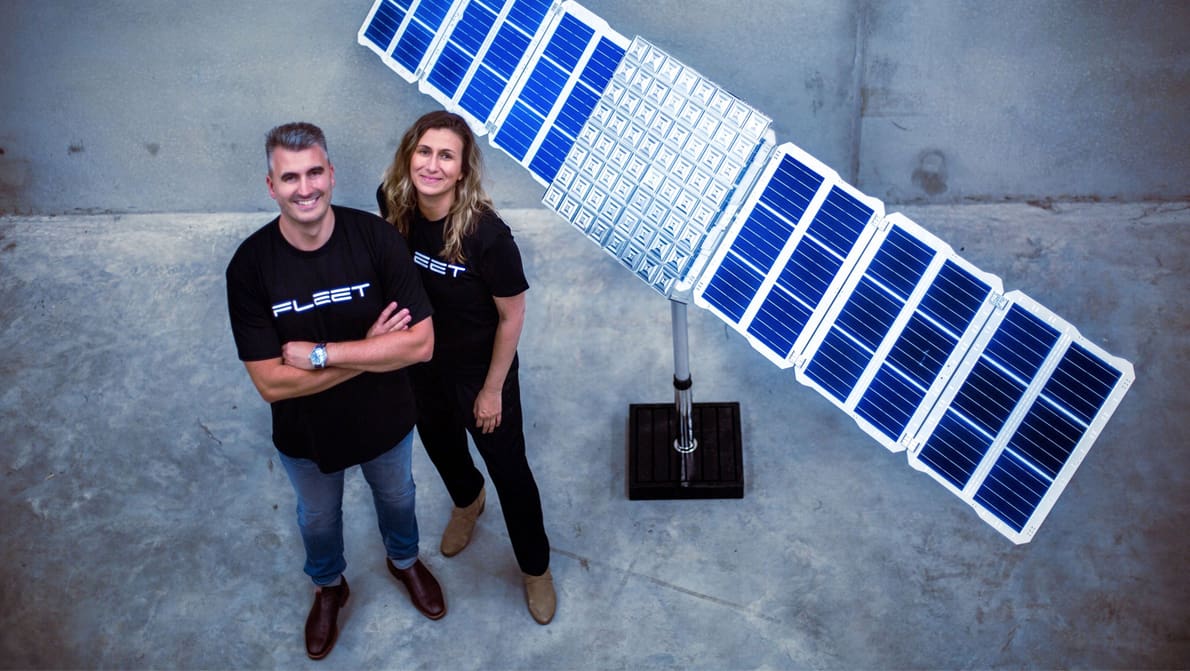
Using part design only manufacturable via 3D printing, Fleet Space lowers the cost and size of communication satellites while boosting their power.
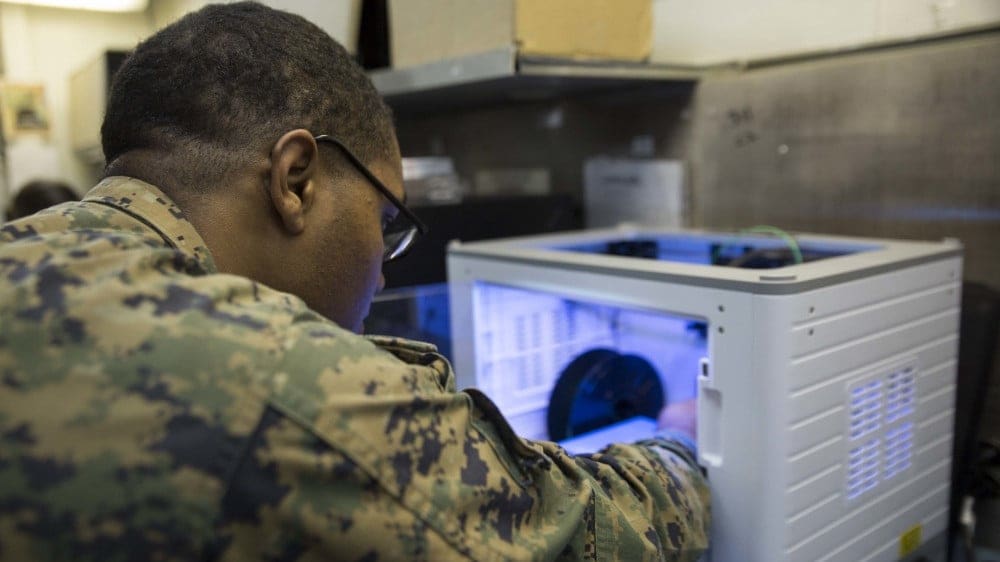
A team of US Marines in Maryland were tasked with finding a landing gear component that attached to the door of a F-35 stealth fighter aircraft. By using 3D modeling and printing, they were able to replicate the component for just 9 cents.
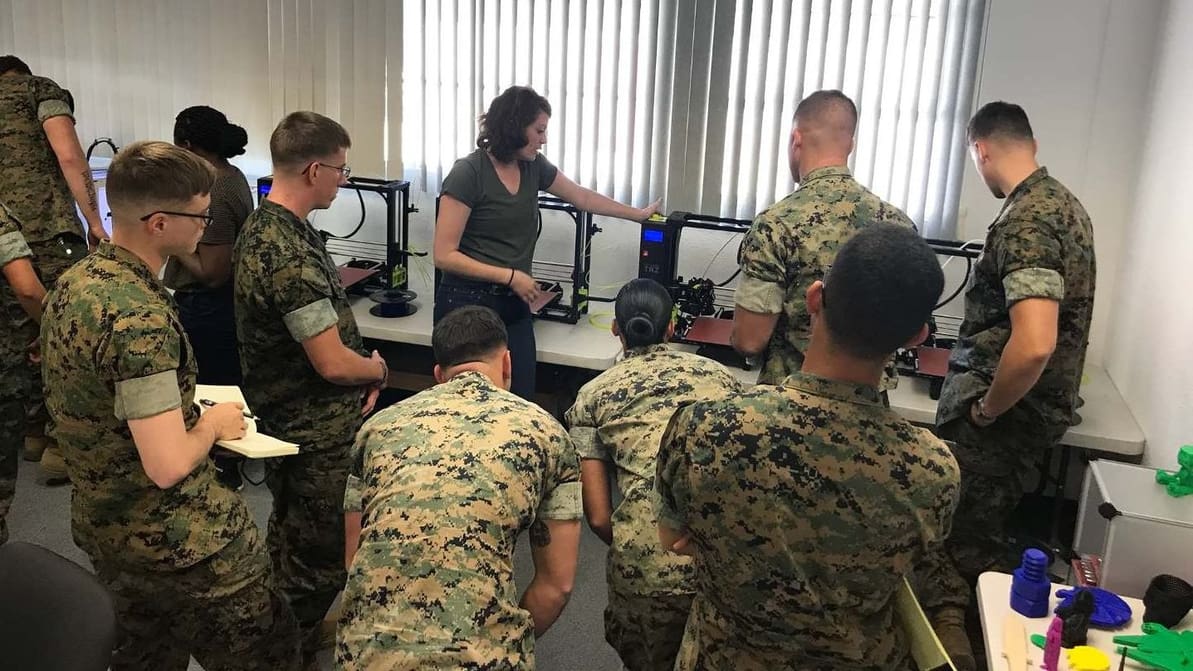
Training company Building Momentum are using LulzBot 3D printers to train the US Marines in creative problem solving and innovation.