3D printed lamps deserve to be everywhere: they’re useful, beautiful, endlessly customizable, and a much better advert for 3D printing than yet another articulated dragon. That's why MakerWorld's new Lumhaus has my attention. The browser-based parametric tool lets you tweak the shape, size, wall thickness, and surface pattern of a lamp, then export it ready to print — no CAD wrestling required. It's still in crowdfunding, but with its modest goal we should expect it to be available very soon.

Adjustable knobs for belt tensioning, mechanical and inductive bed leveling probes – heck, I even recall a period of getting excited about there being tool drawers integrated into some printers. I'm easily pleased.
The printers are all different now and with them, the roster of quality-of-life features the set them apart. What matters most to you - which feature do you check for first when investing in a new printer?
TPM3D used Formnext Asia Shenzhen to launch the CF250 and companion PPS250 powder-processing station, successors to the CF200 + PPS200 system we saw at Formnext Frankfurt in 2025. The CF250 is positioned as a compact alternative to systems like the Formlabs Fuse Fuse 1+ 30W. It now sports a larger chamber than before (250 × 250 × 320 mm) and raised productivity claims to 0.9–1.0 L/h. TPM3D has not announced pricing for the CF250 + PPS250.

The Kobra 3 Max V2 focuses on improvements at the hot end, upgrading the printer to use Anycubic's newer-style quick-release hardened steel nozzles as found in the Kobra 4 and Kobra X printers. Launching early next month, the change brings a higher max hot end temp of 350 °C – 50 °C higher than the first-gen Kobra 3 Max. That's basically where the upgrade ends.
Available as the Kobra 3 Max V2 Combo, it'll ship with the company's newer ACE Pro 2 filament dryer and switcher. Baseline specs remain the same: 420 x 420 x 500 mm build volume, reaching 90 °C at the bed.
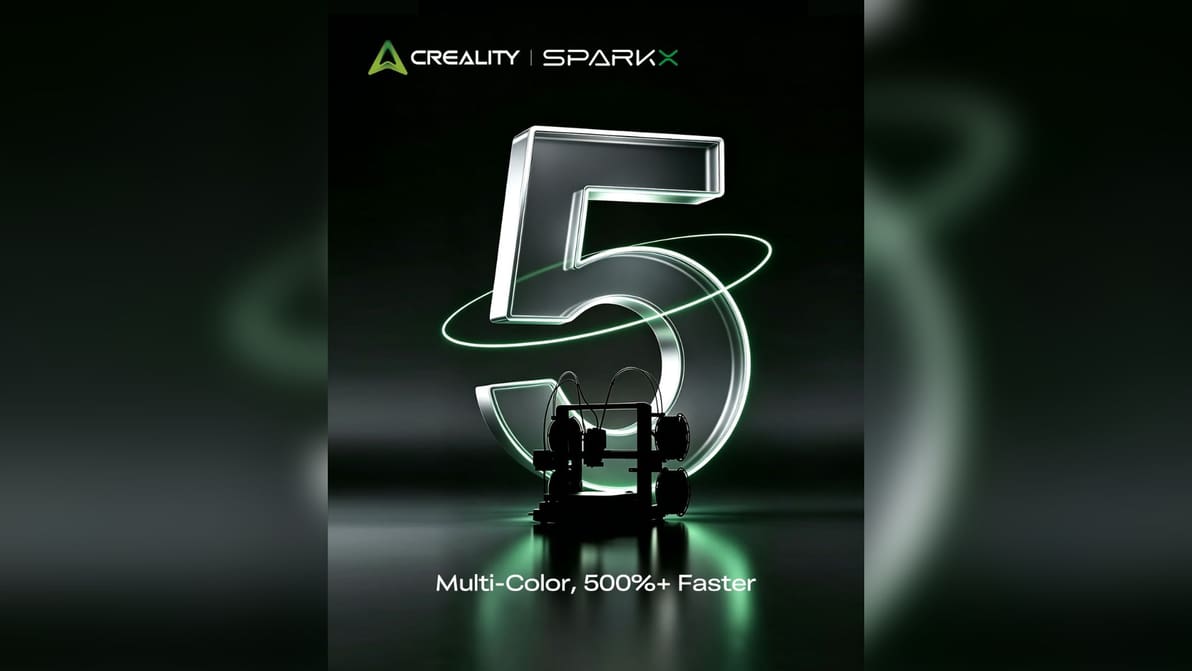
The mysterious printer being teased across the brand's social channels is most likely the upcoming SparkX i8, a new multicolor-printing bedslinger with in-nozzle filament changes and filament path switching tech.
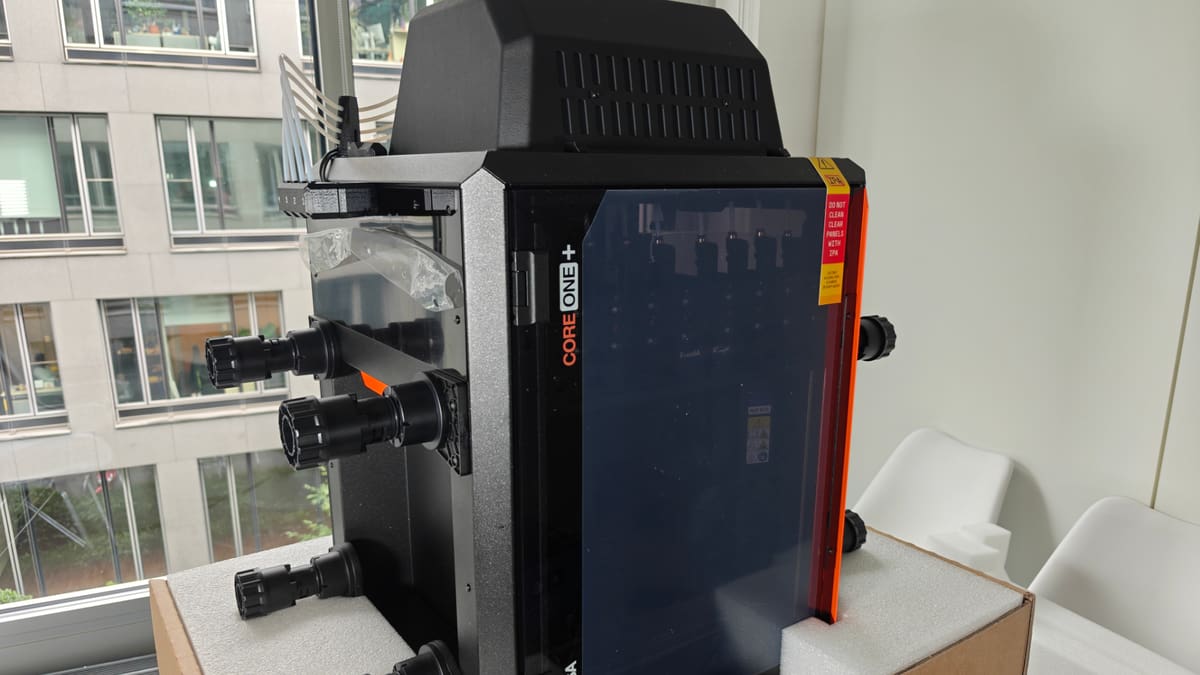
but the Core One+ (Gen 2) INDX swapping tools is just as nice to watch. For anyone paying attention since my last bulletin on this, about the regular Core One+ now being available with INDX, the Prusa team has just announced that the Core One L+ is now too, available with the INDX preassembled and calibrated out of the box. Shipping November 2026.
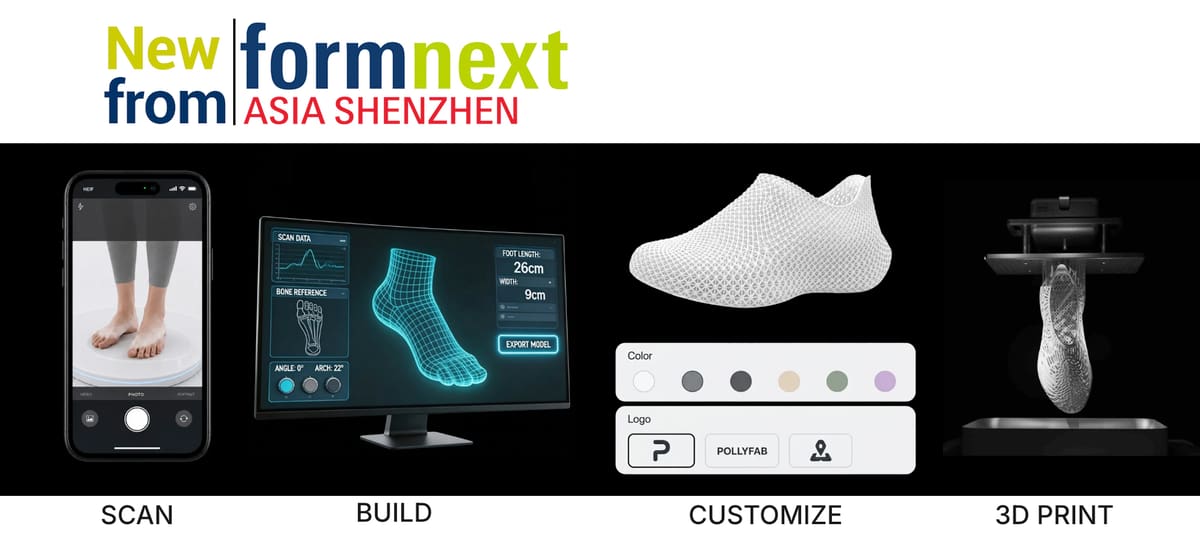
Chinese additive manufacturing equipment and materials company PollyPolymer just unveiled PollyAlign at Formnext Asia. This AI-assisted footwear customization system turns photos or short videos of feet into a 3D foot model upon which custom 3D printed PollyFab shoes are made for customers worldwide. Custom-fit shoe configurators have been tried before, but PollyPolymer may just have the full-workflow, machines, materials, and volume others have lacked. It already runs five fully automated factories for an annual production capacity of 3.5 million pairs of shoes.
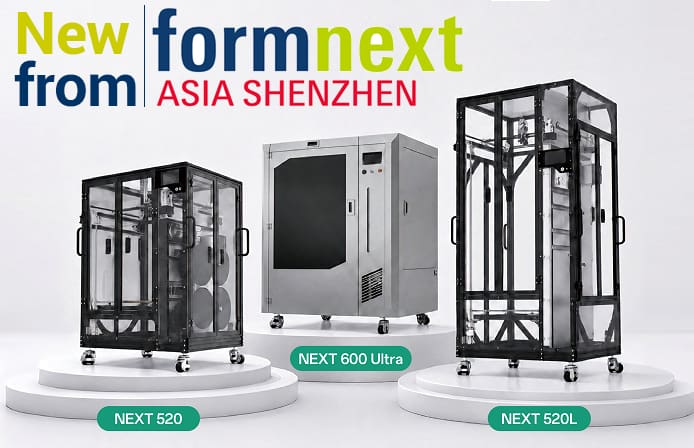
iSun3D, the hardware sister company to filament maker eSun, just unveiled the Next series of three industrial-size FDM 3D printers at Formnext Asia, designed for both elastomers (TPU, TPE, PEBA) and engineering materials, with configurations reaching build volumes of up to 520 x 520 x 1,200 mm. The move suggests iSun3D is putting its experience in specialized production into a broader industrial FDM offering, pairing hardware with eSun’s extensive materials portfolio. There is currently no indication that Next will be marketed outside China, but the shift is one worth keeping on the radar.
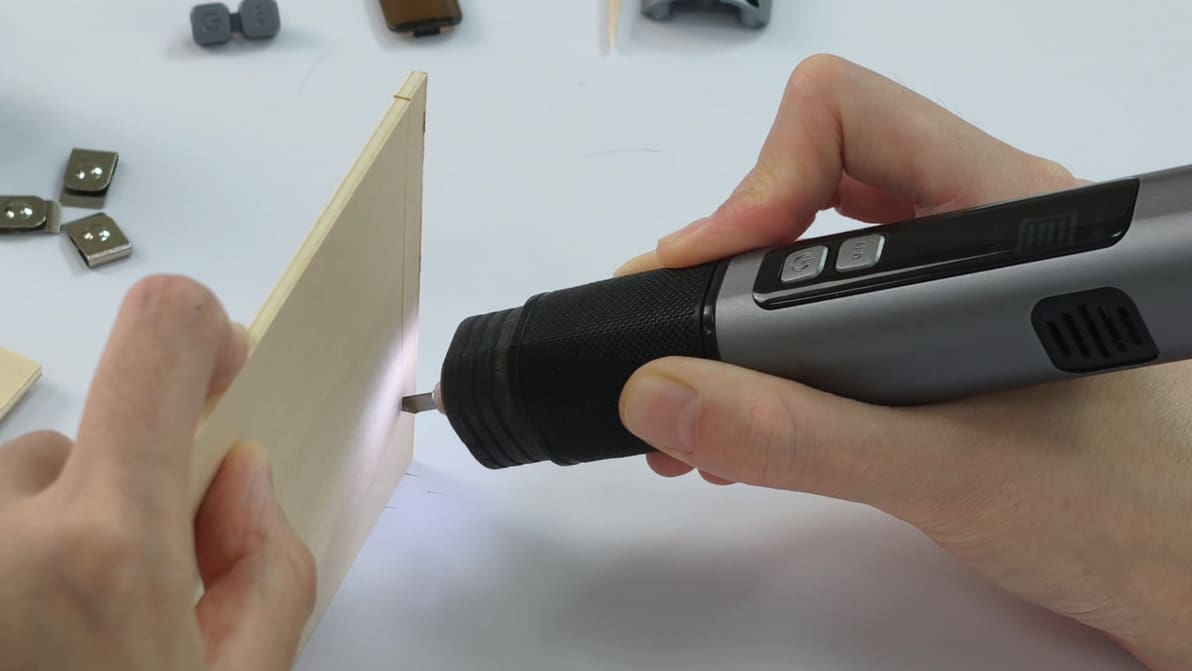
A new Kickstarter campaign for an ultrasonic cutter pitches effortless 3D print support removal, shows us how vast the scene has gotten recently, and teaches a moment of caution to actually look a little closer before backing on Kickstarter.
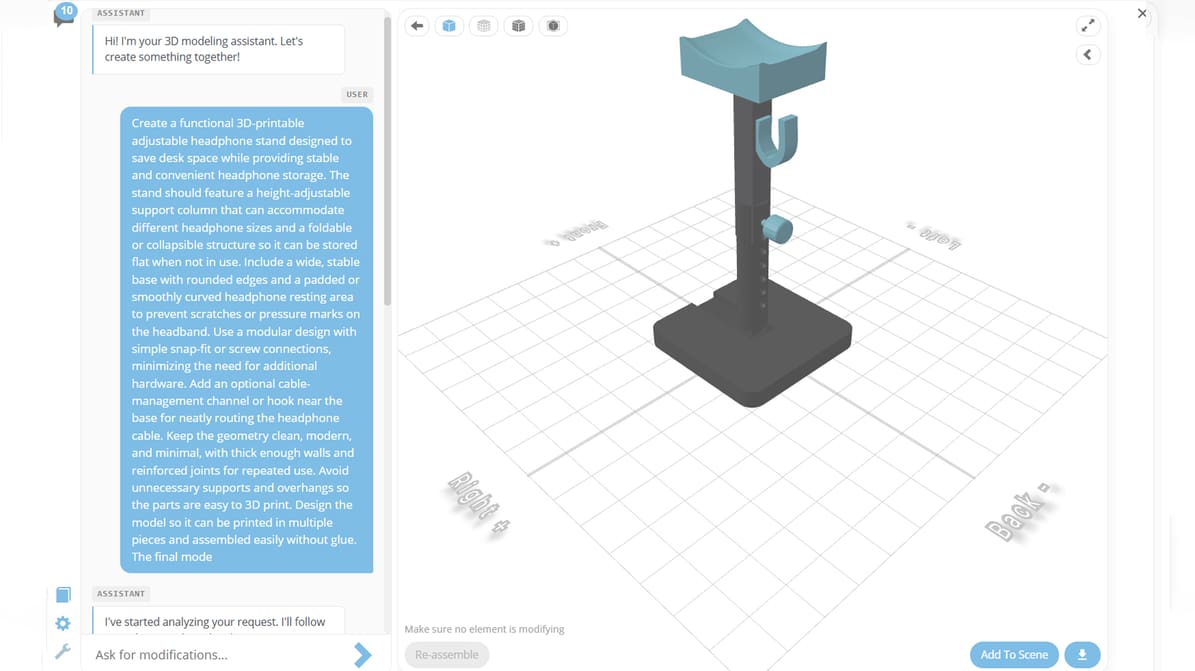
The browser-based CAD platform’s experimental AI Assistant generates functional assemblies, organic meshes, and profile-based designs from text with image references supported, too.
Did you know you can buy the Core One+ (Gen 2) with the INDX upgrade fully assembled and calibrated? Starting at $1,999 for the 4-tool version ($2,249 for the 8-tool) it ships mid-October.
User reports over the past weeks and months tell of a potentially fraught and tricky build from the kit, with fragile printed mounts and fiddly spoolholder placement. So, if you've yet to jump on the Core One+ INDX train, you can save yourself some hassle and get it shipped, assembled and ready to go. We've got one, and will be unpacking it (in every sense of the word) over the coming weeks.
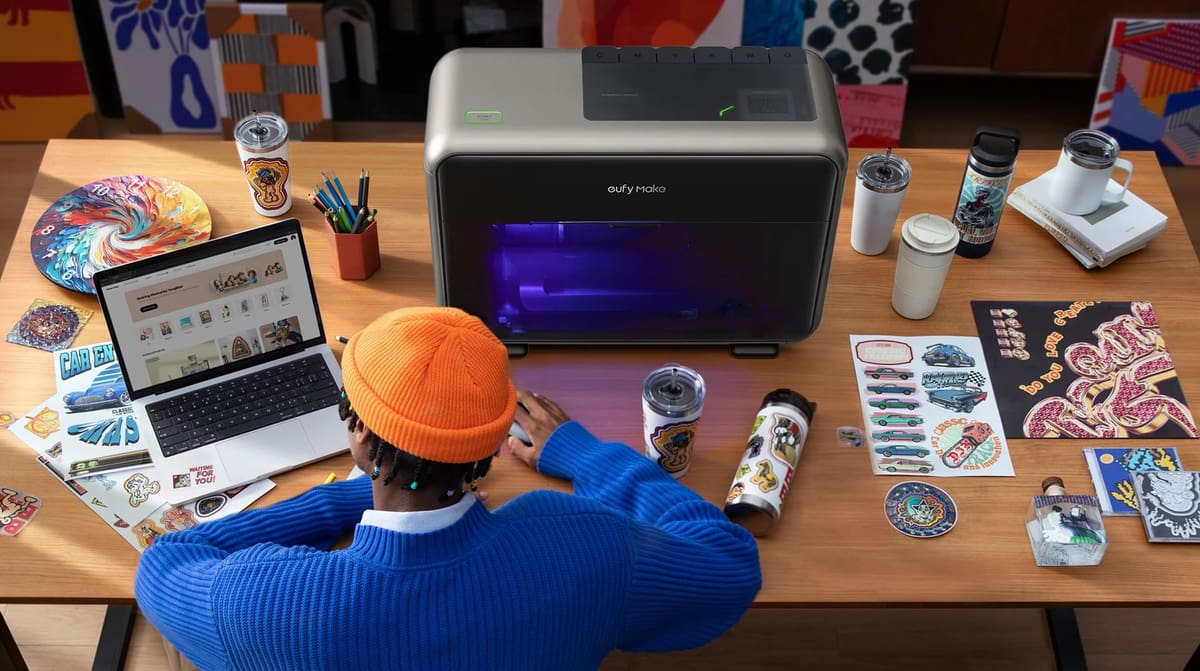
UV printing has spent decades in sign shops, print businesses, and factories. Now the technology is shrinking toward the desktop, and Bambu Lab’s arrival could accelerate its transformation from specialist equipment into another tool for makers.
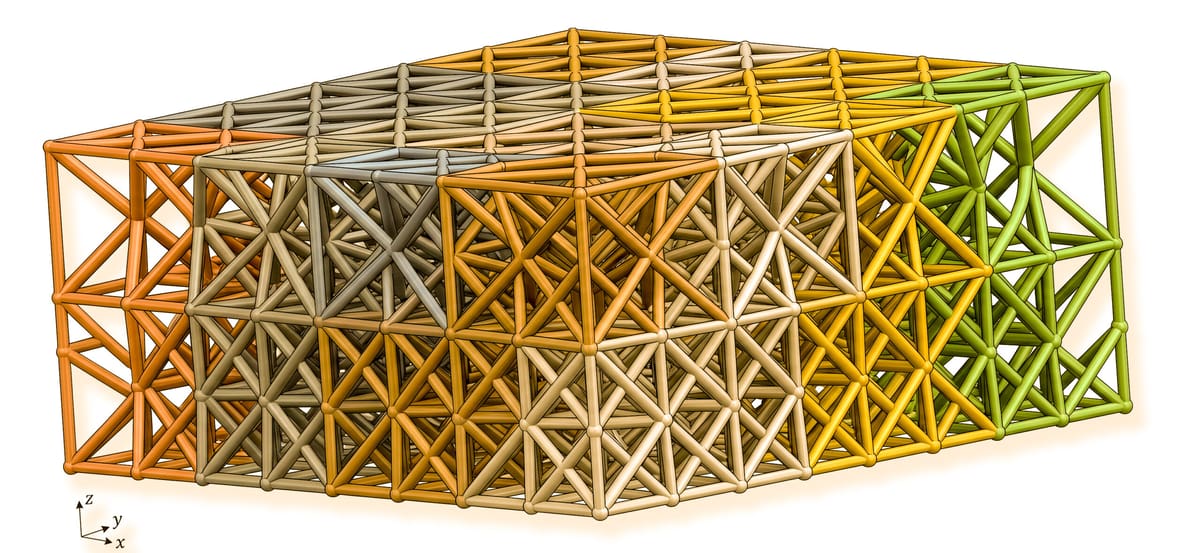
Likely not coming to your infill pattern library anytime soon, but UCL researchers have 3D printed and compression-tested a “triply twinned” lattice that is up to 380% stiffer and 279% stronger than a conventional cubic lattice at similar material density. It's a potentially useful upgrade for lightweight aerospace, automotive, robotic, implant, and heat-exchanger parts where every gram has to earn its keep.
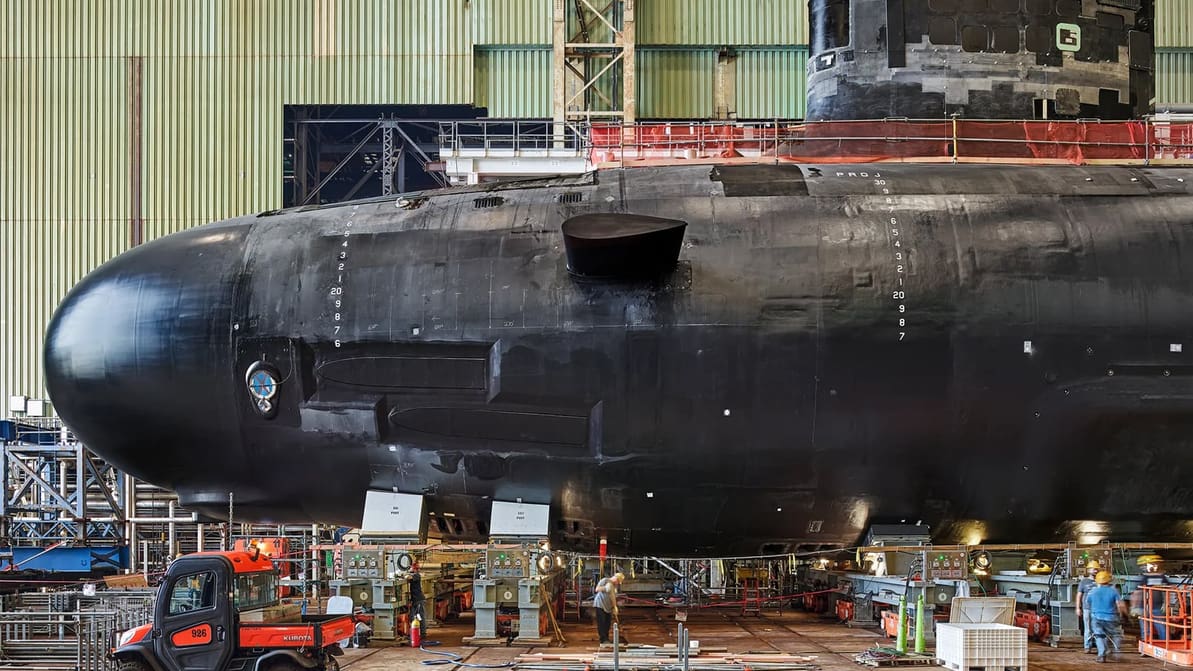
A new Navy standard will make metal 3D printing far easier to use in submarine construction and repair, allowing approved AM materials and processes to replace conventional welding and forging.
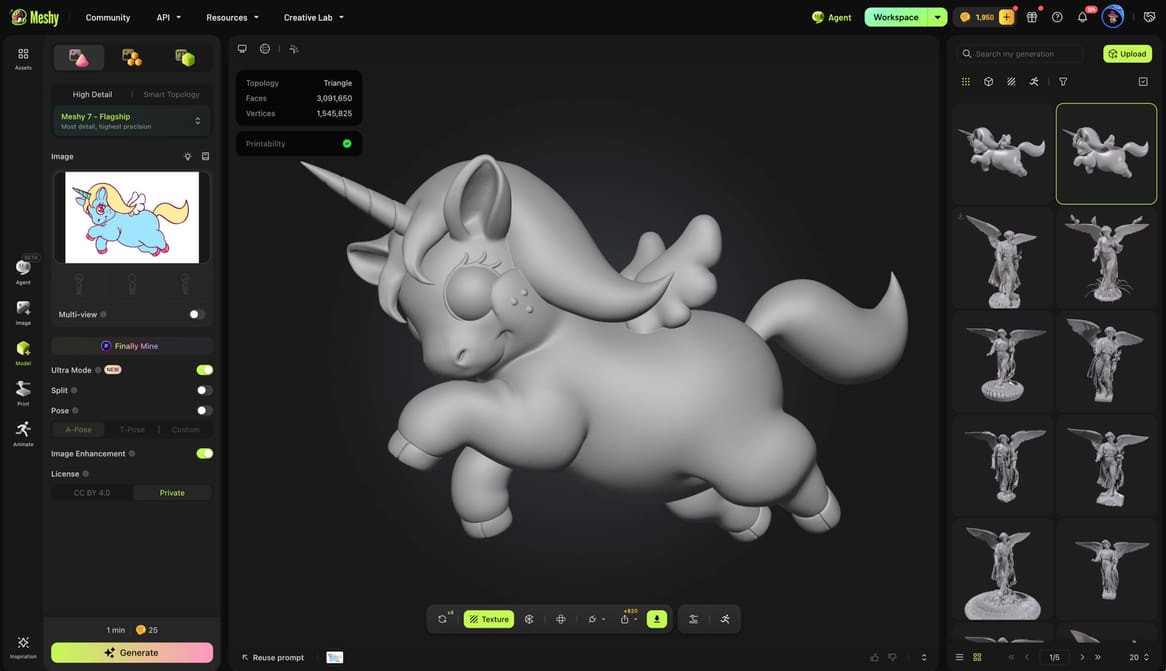
Meshy’s latest image-to-3D AI engine is all about alignment, making the generated model actually resemble the image you fed it before you get to the mesh.
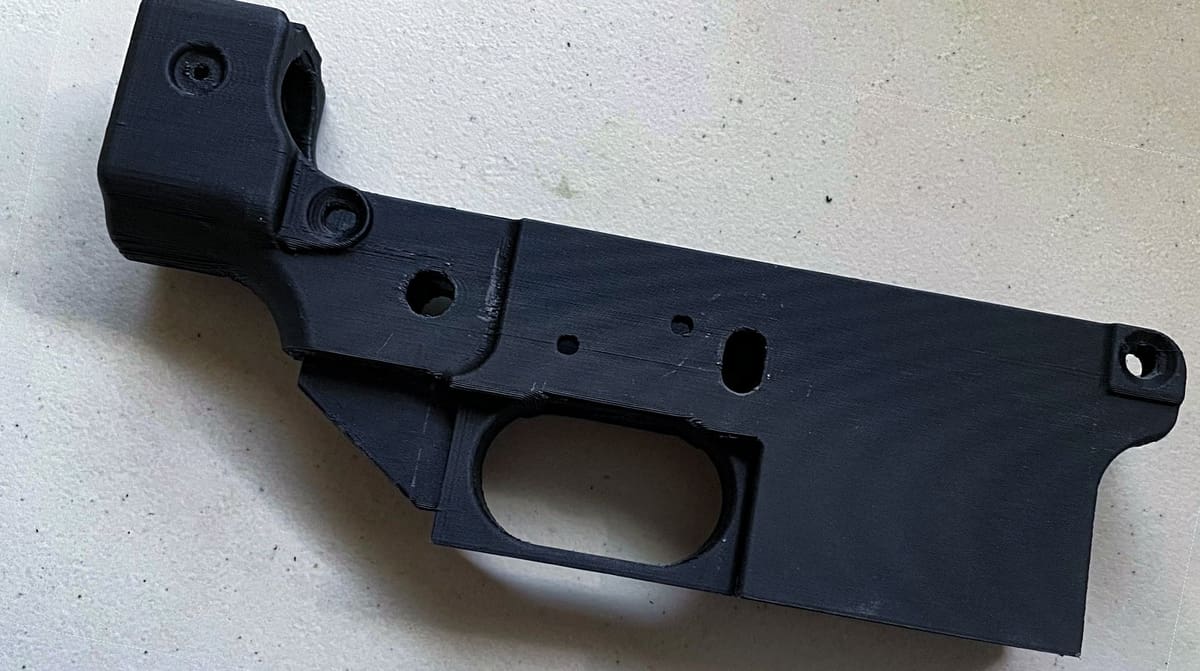
A recent federal decision striking down ATF regulations on unfinished firearm components raises new constitutional questions for states attempting to technologically block the 3D printing of guns at home.
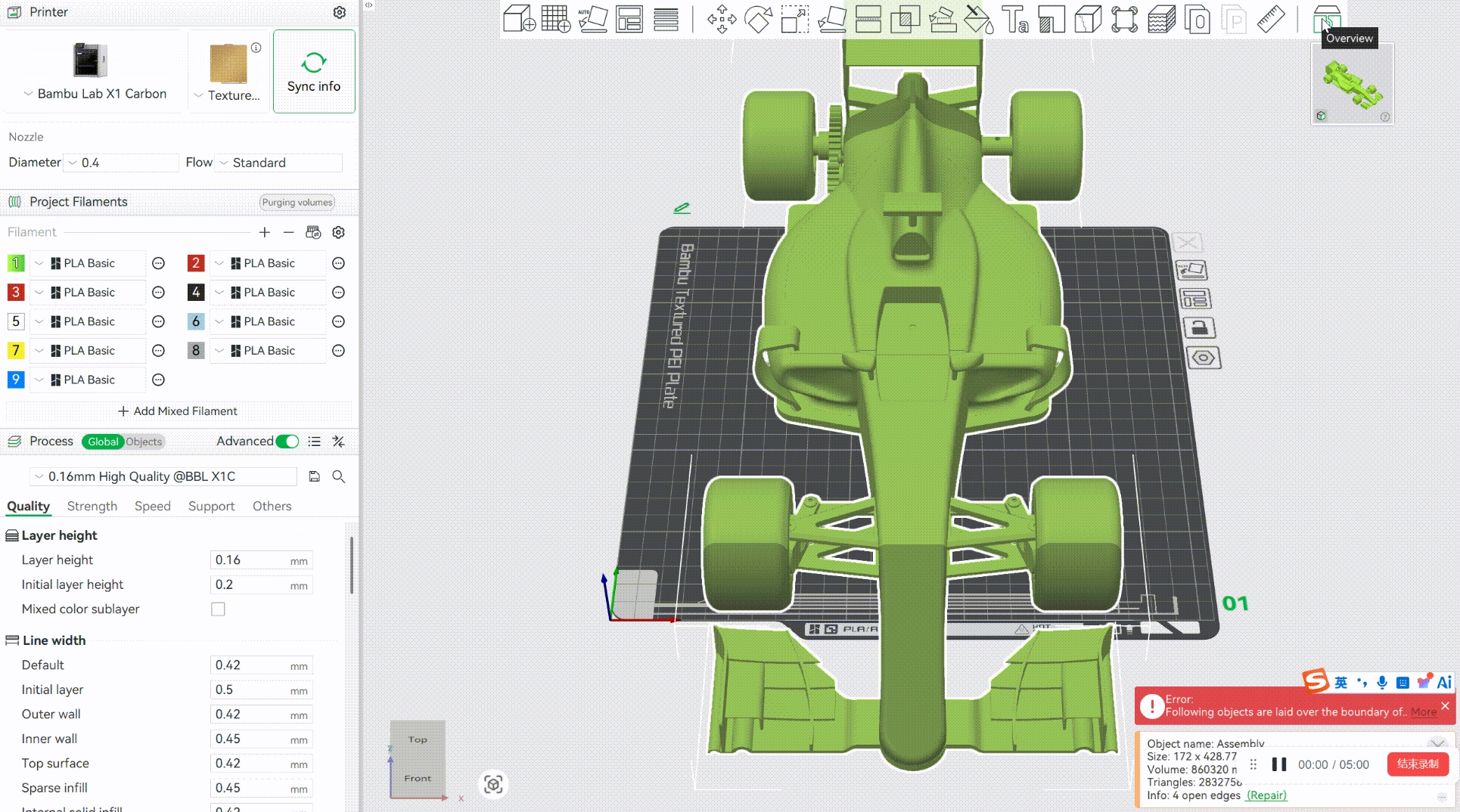
Forget awkwardly holding parts together while explaining where everything goes. Bambu Studio’s new Model Assembly Guides feature in the 2.8.0 Public Beta lets you present an exploded view of your project directly in the software and automatically split the model into assembly steps downloadable as PDFs or MP4s.
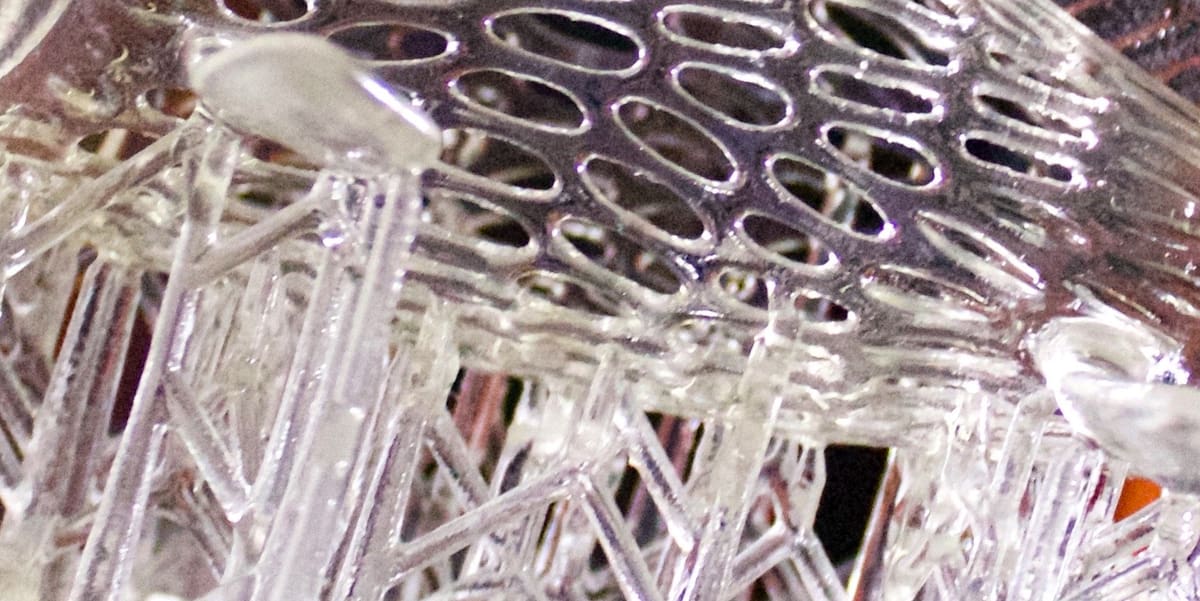
Heidelberg University researchers developed a 3D printing resin that a chemical trigger can break down into its molecular building blocks within seconds at room temperature, allowing the material to be remade into polymer and reused. The recycled material retained the original’s molecular composition and properties, pointing to a possible future where your high-resolution resin prints could be recycled into new printable material instead of discarded.
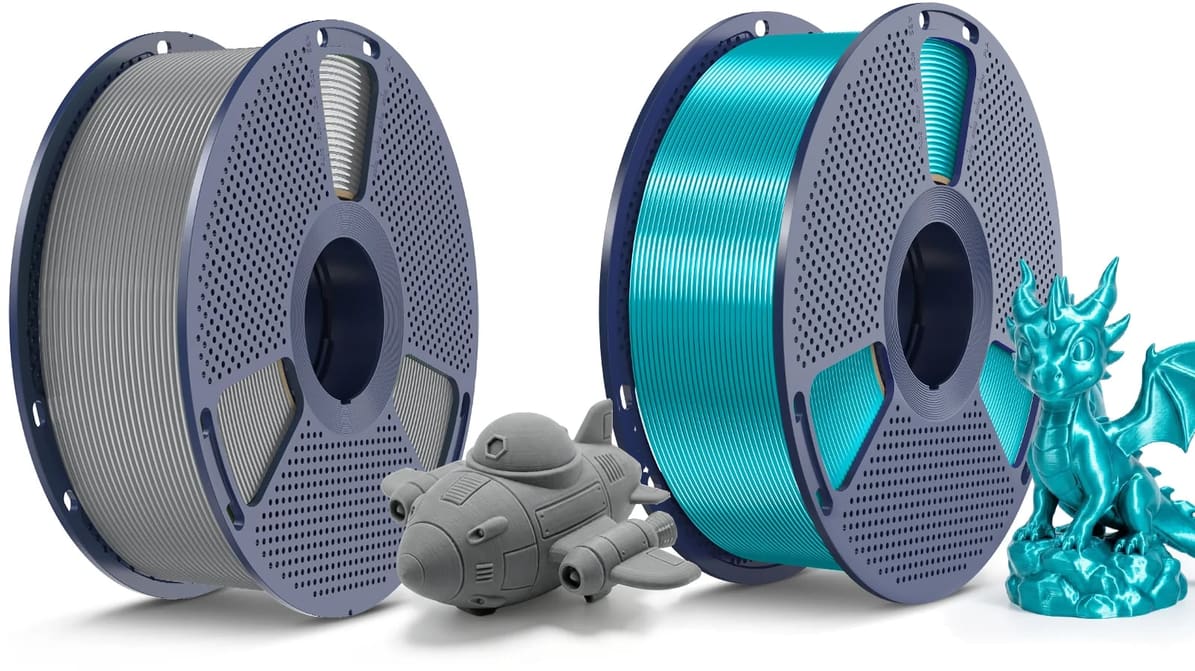
The new polymer formulations target two familiar material headaches: moisture-sensitive PETG and brittle silk PLA.