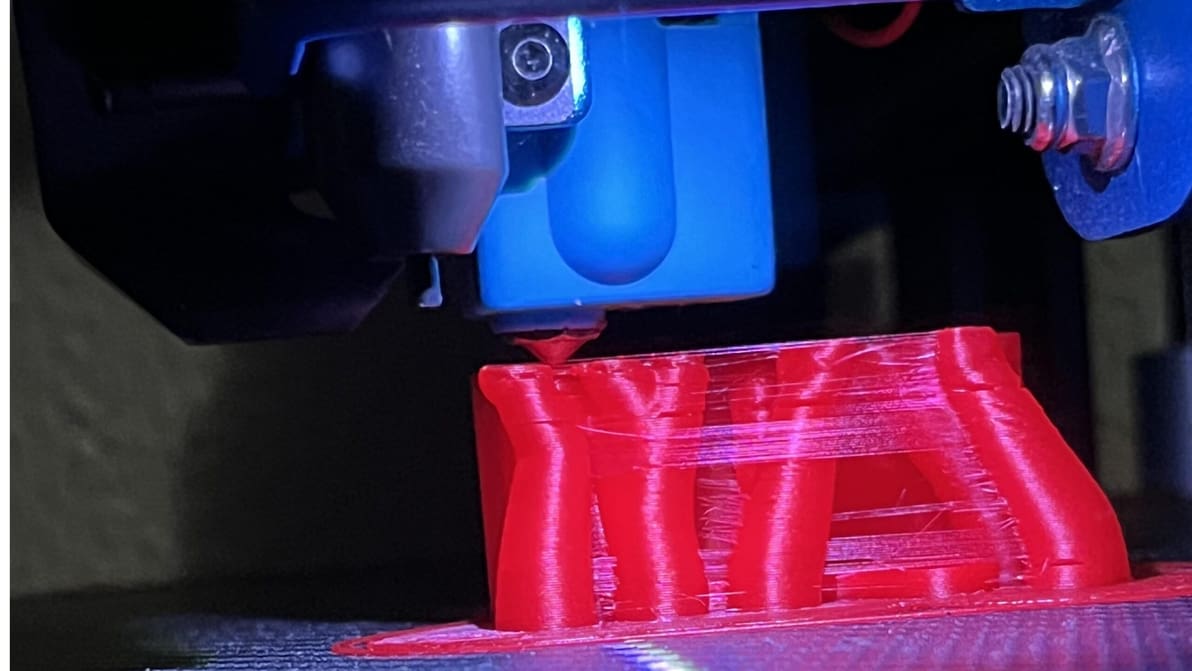
3D printer stringing is a common problem, and it usually comes down to a few usual culprits. Here are some tips to ensure your next print comes cleanly off the bed.
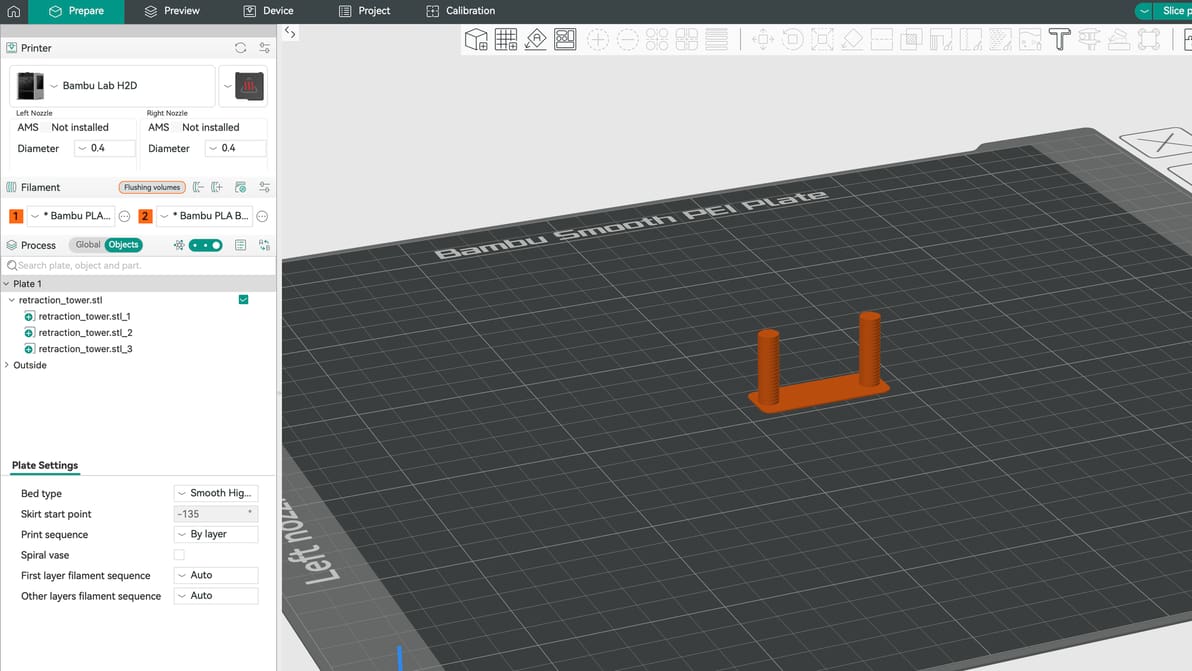
Can’t seem to get a print right without stringing? The solution might lie with your retraction settings. Here is how to get them right.
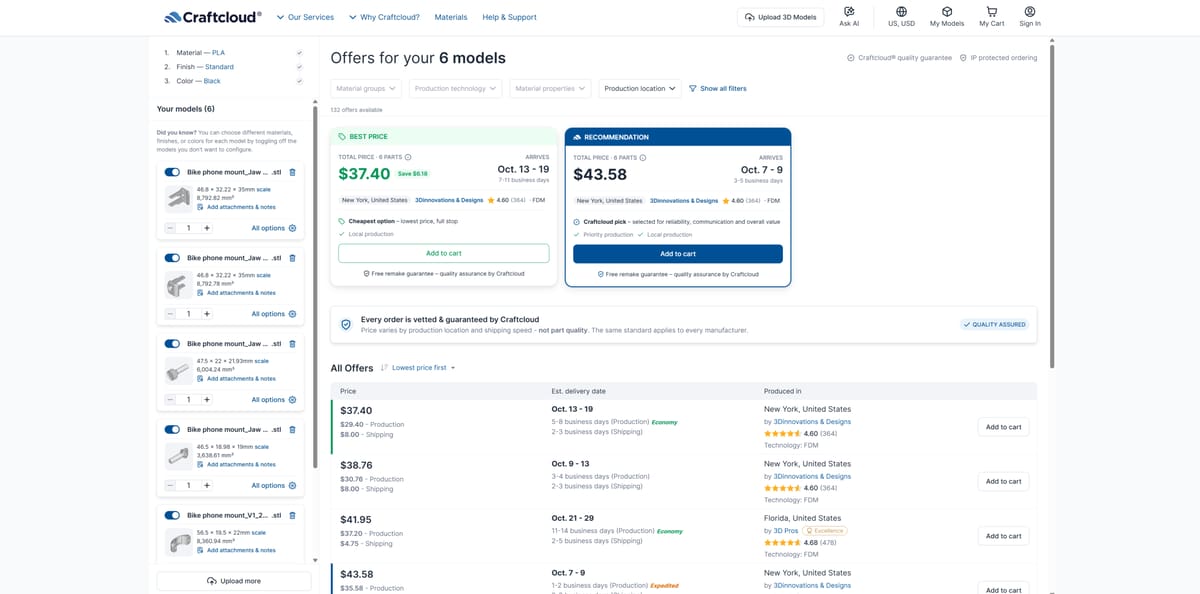
From one-offs to small batches, these online services print your parts for less. Here’s how to weigh price against shipping and lead time.
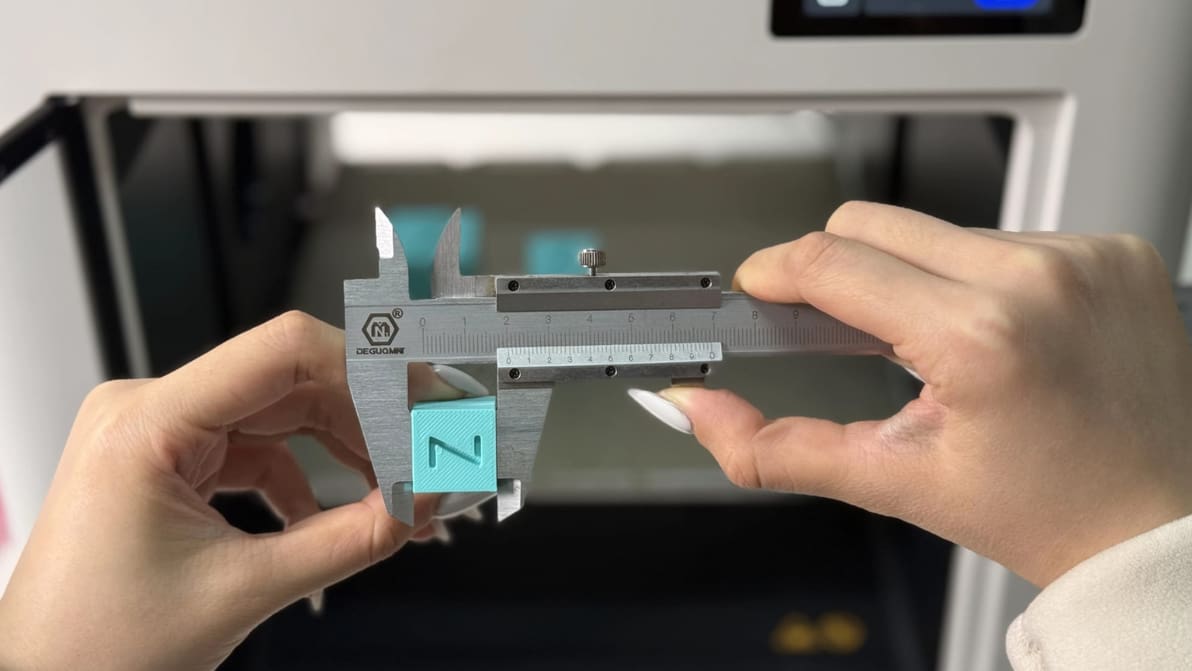
Your printer might calibrate itself, or it might need calipers and an evening. Here is what to tune, in what order, and what every term means.
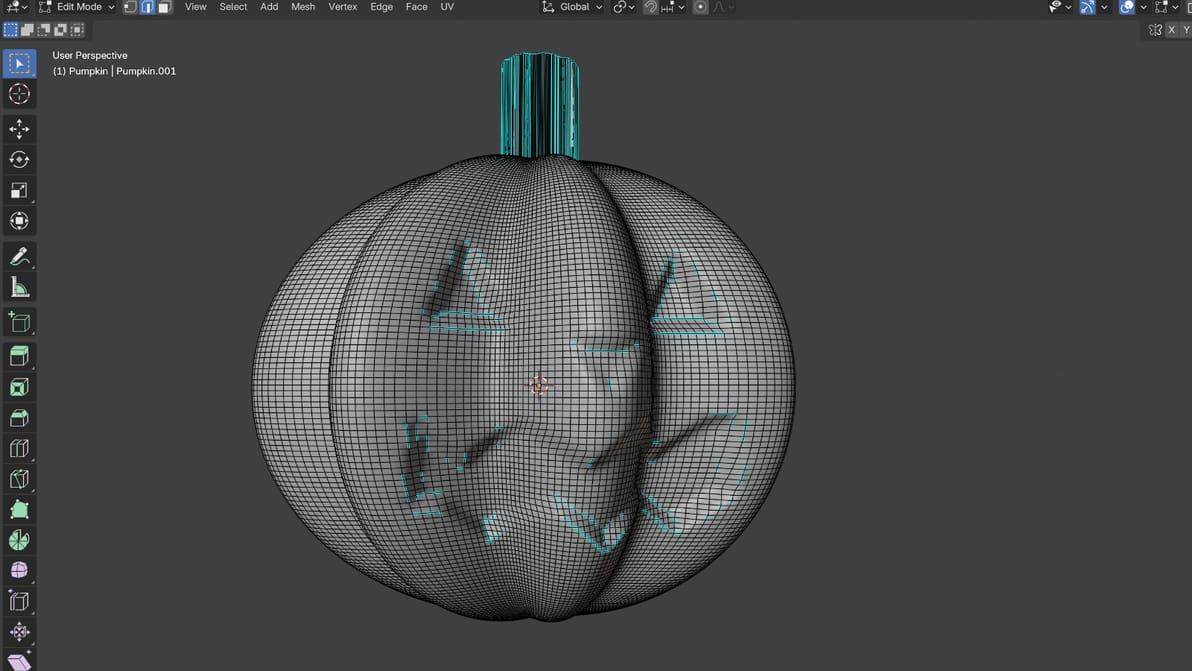
Blender is the best free CAD software programs out there, but it's not easy to master. Using AI as a co-pilot can get you from idea to model faster.
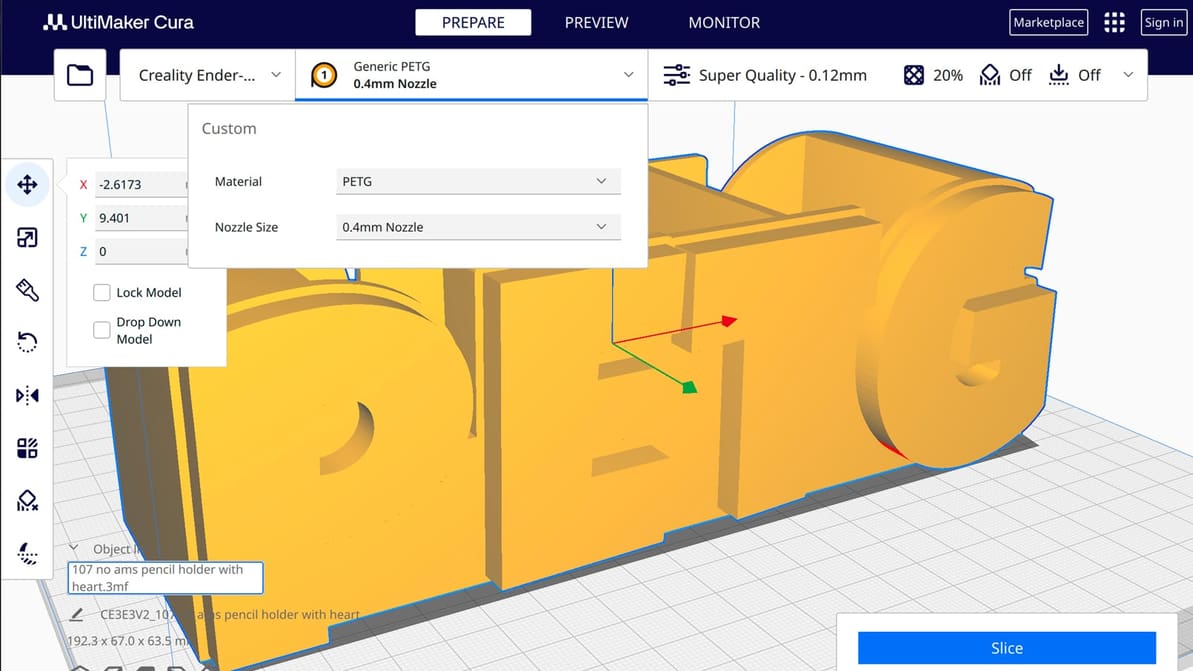
If you're a Cura slicer enthusiast, learn to how to translate PETG printing principles into practical slicer settings.

Want multicolor prints without a multicolor 3D printer? Paint them! Here's how to sand, prime, and paint your PLA prints for a smooth, pro finish.

From sanding and heat guns to epoxy coatings, here's every legitimate way to get rid of layer lines on a PLA 3D print.
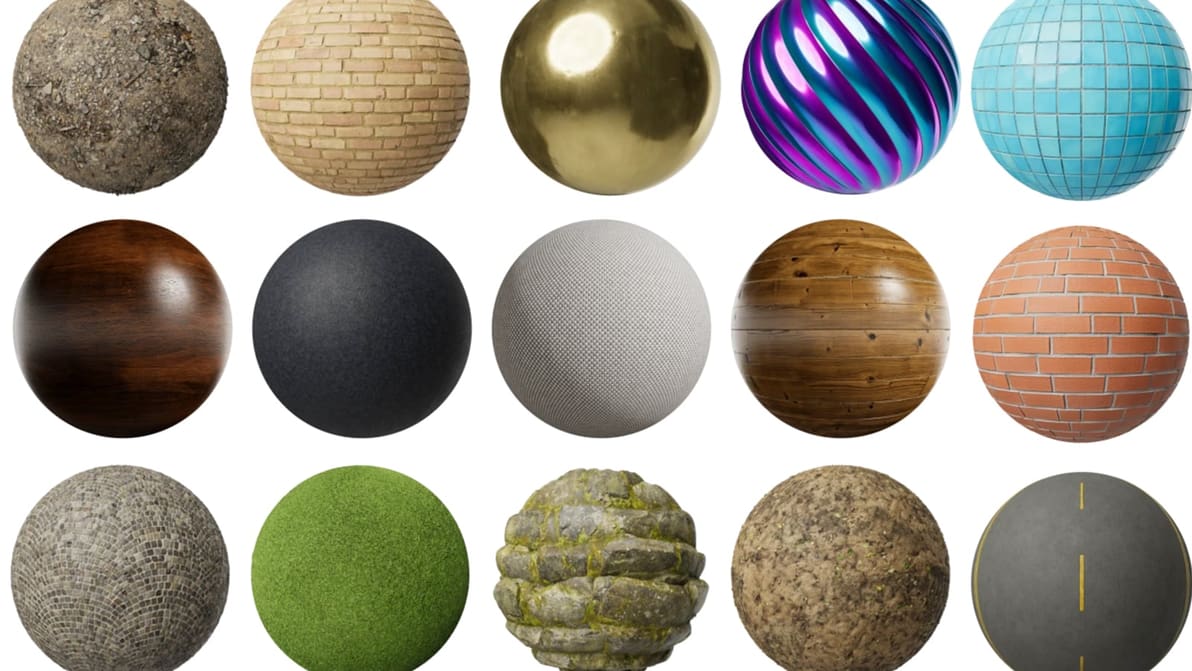
Textures make digital 3D models come to life, and they don't have to cost anything. Here are the five free sites worth bookmarking right now.
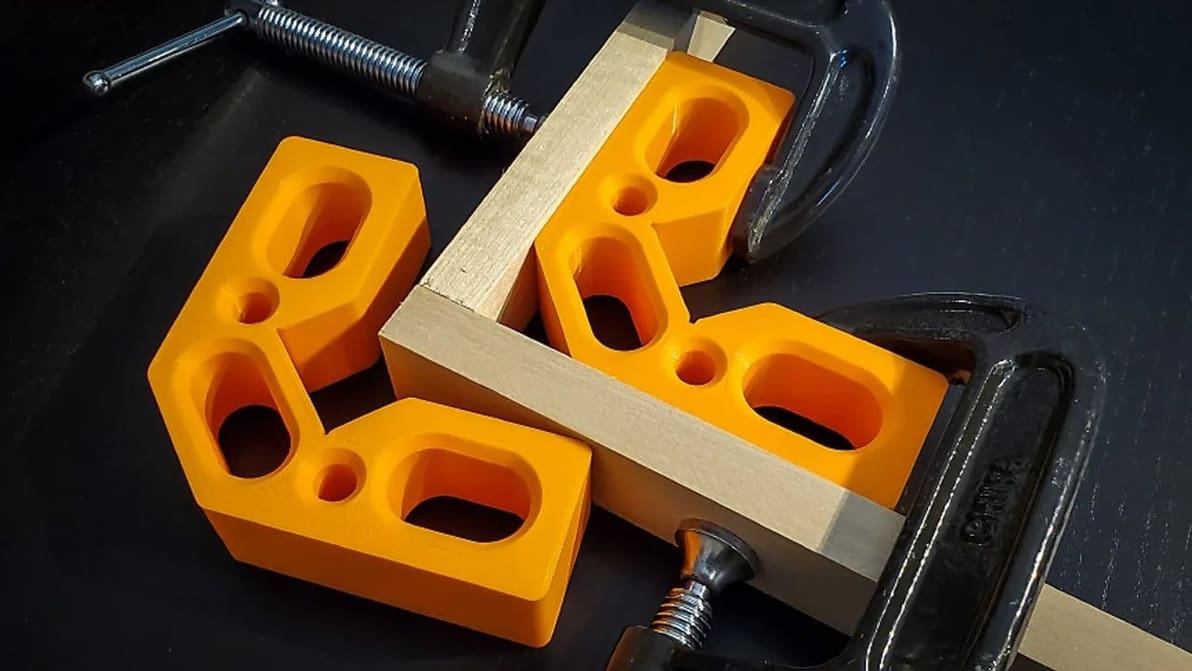
Fifteen community-designed clamps, jigs, and guides that print in an evening and outlast their store-bought rivals.
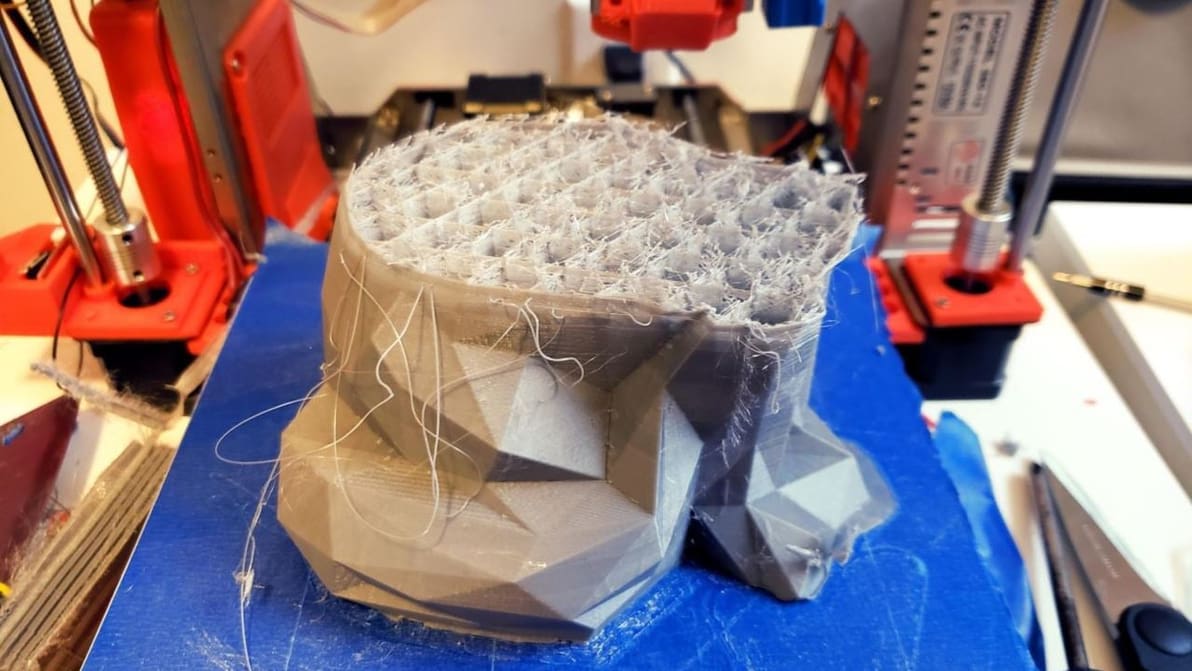
Heat creep can still clog even the best 3D printers, and the causes have changed. Here's how to tell it apart from other jams, why it actually happens, and how to fix it
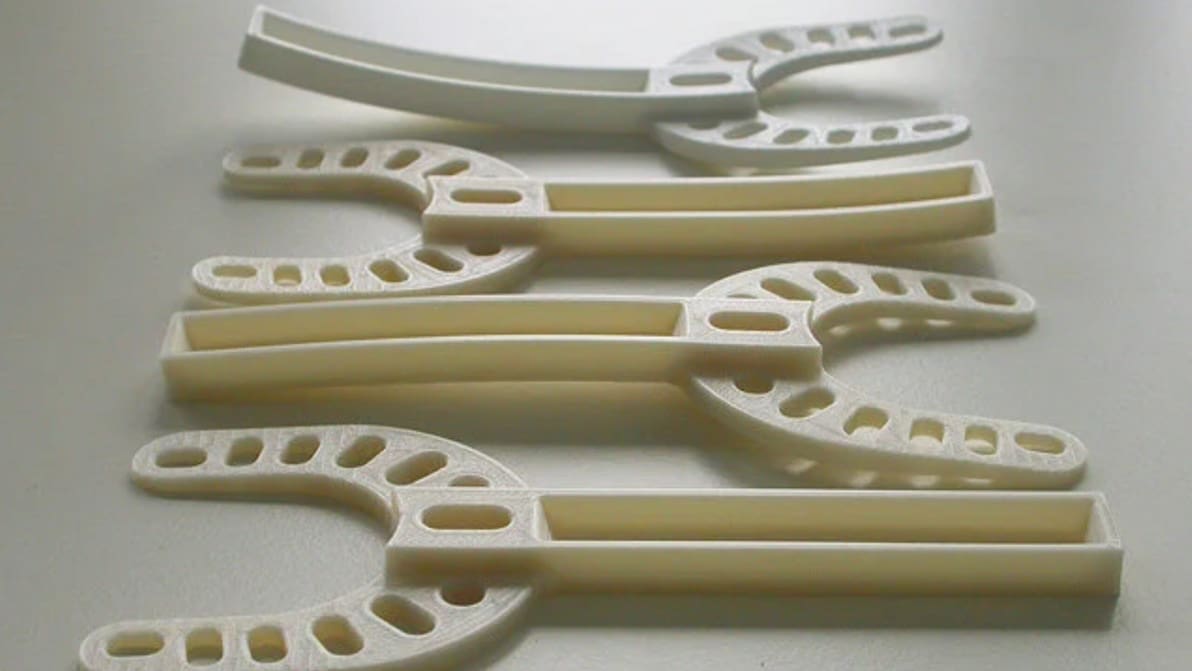
The real reason plastic goes soft before it melts, and what that means for anything you print in PLA, PETG, or ABS
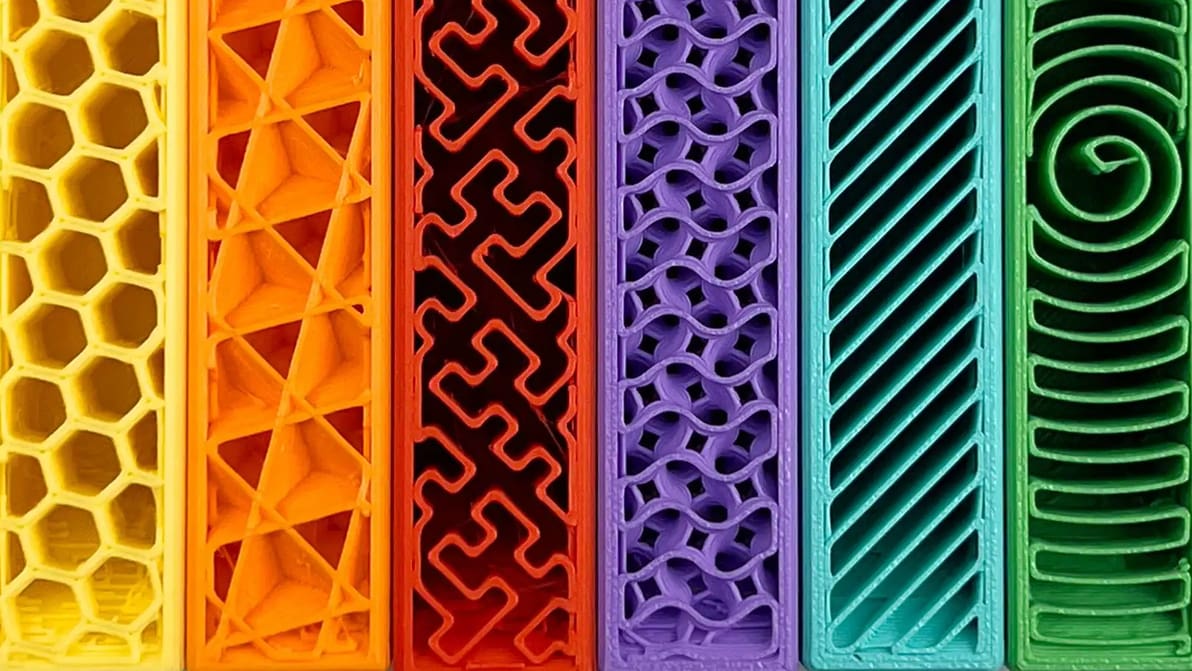
Get infill density and pattern wrong and your print wastes filament, snaps, or takes forever to print. Read on to learn how to get it right.
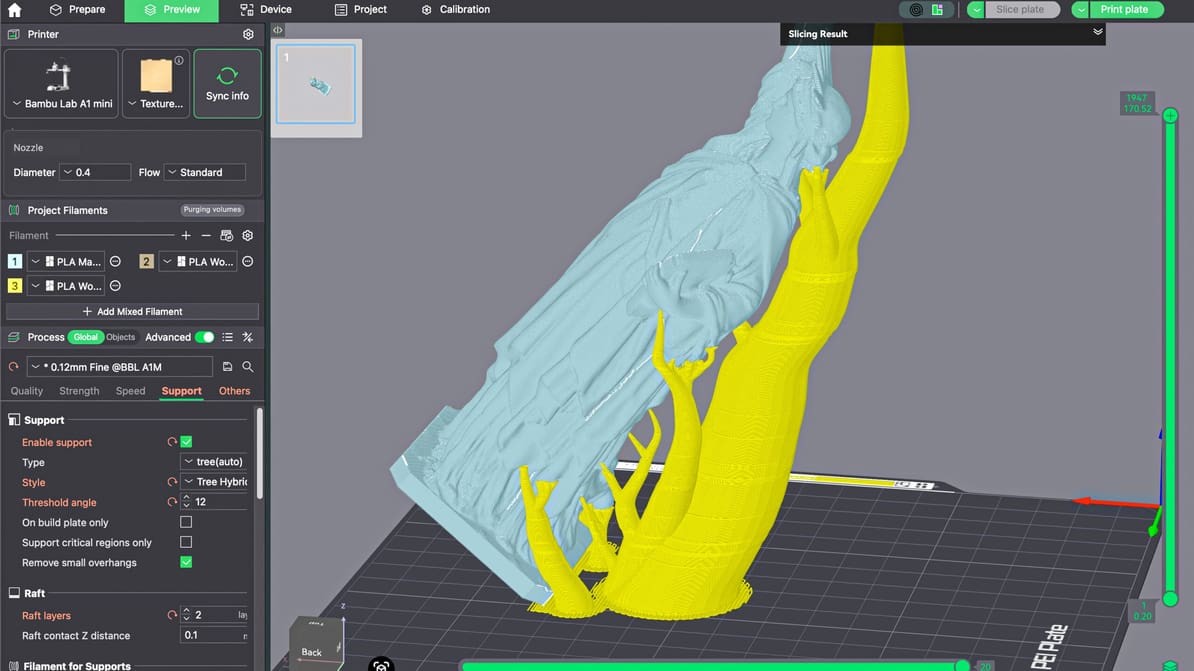
When you master supports in Bambu Studio, you improve supported surfaces, make removal easier, save time, and reduce wasted filament.
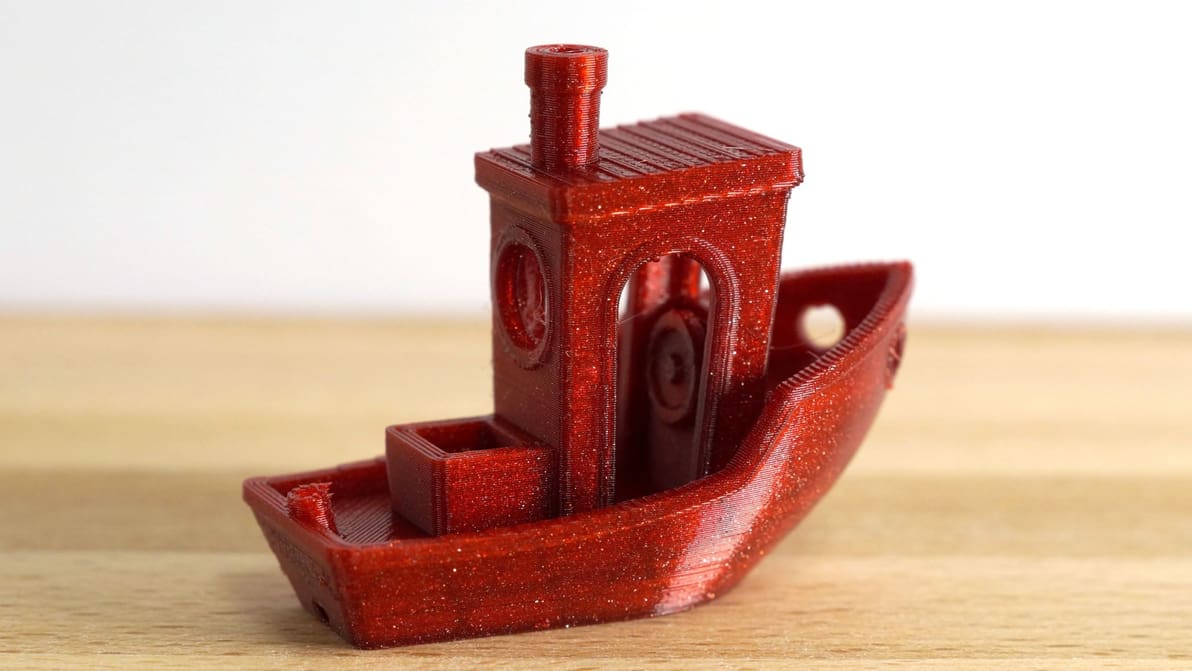
This tiny tugboat has been one of 3D printing’s favorite benchmark prints. Here’s how to read a Benchy, identify common print problems, and decide what to troubleshoot next.
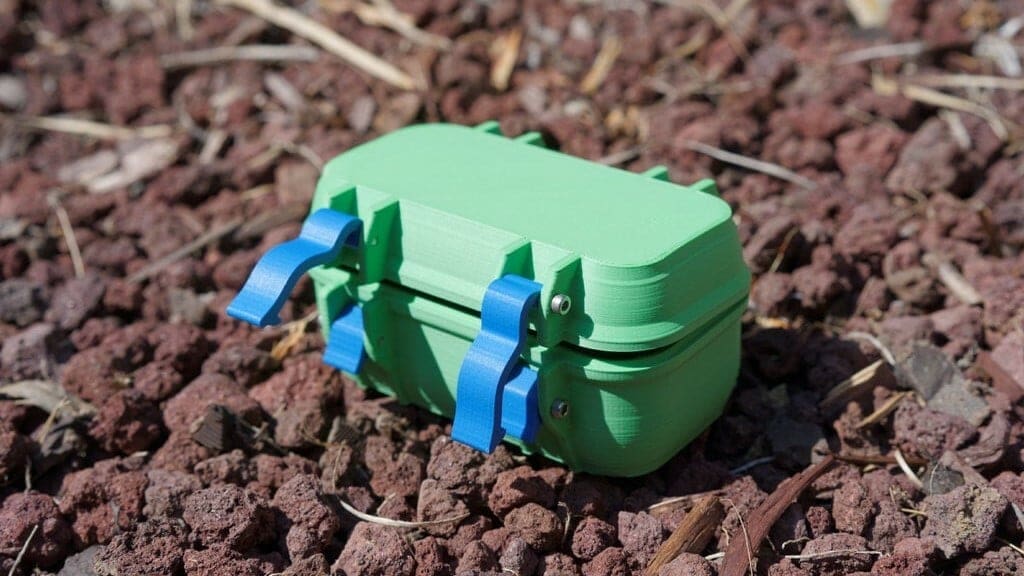
PETG resists impact, heat, and moisture better than PLA, so these parts hold up to daily use instead of cracking the first time they take a hit.
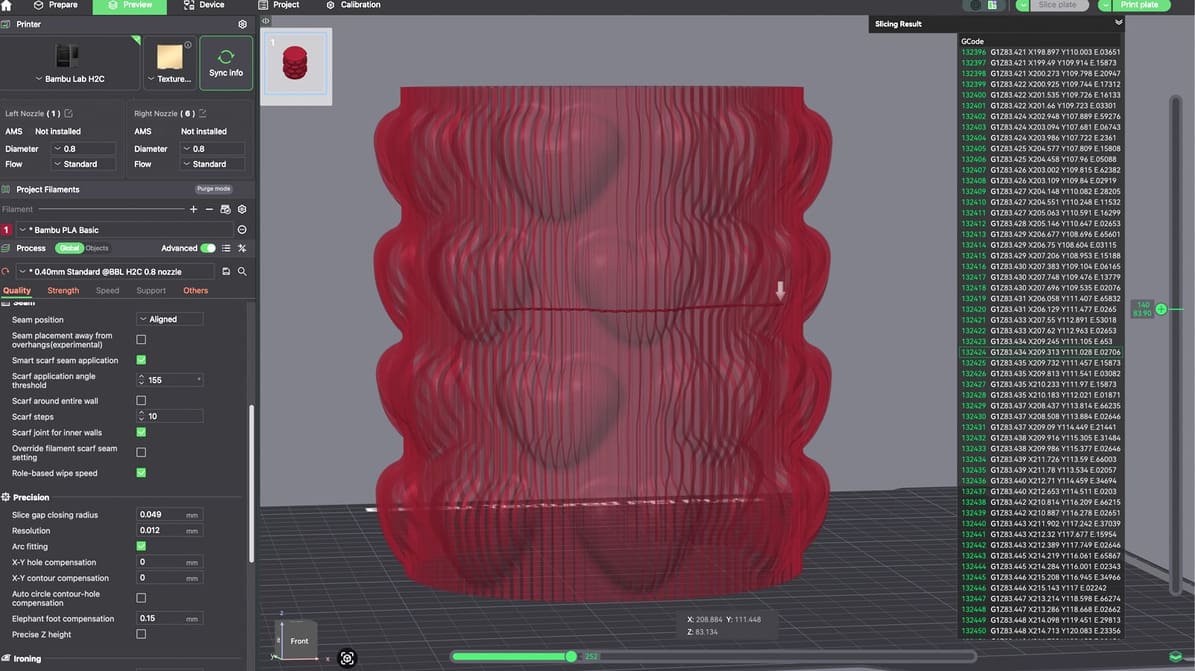
G-code may run quietly in the background, but understanding it can give you more control over your printer and help you solve problems faster.
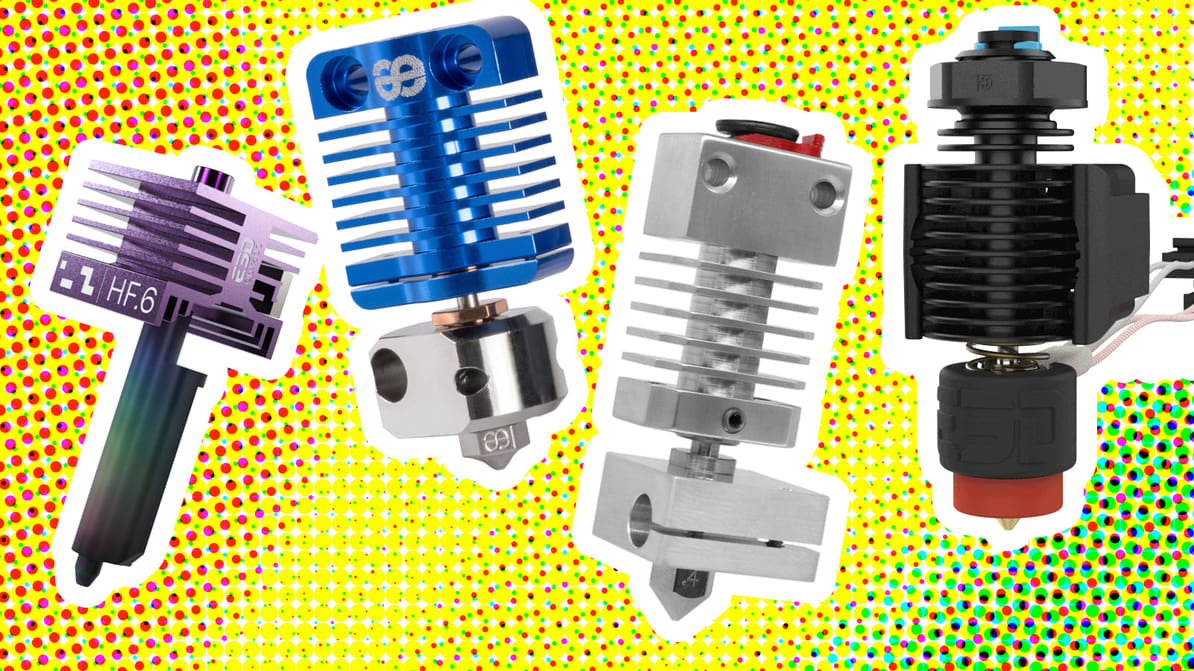
Unlock faster print speeds and wide material compatibility by swapping your stock brass nozzle for a high-performance hot end.

If you don't know what to do with your filament leftovers, check out these small 3D prints and don't let that last meter go to waste!
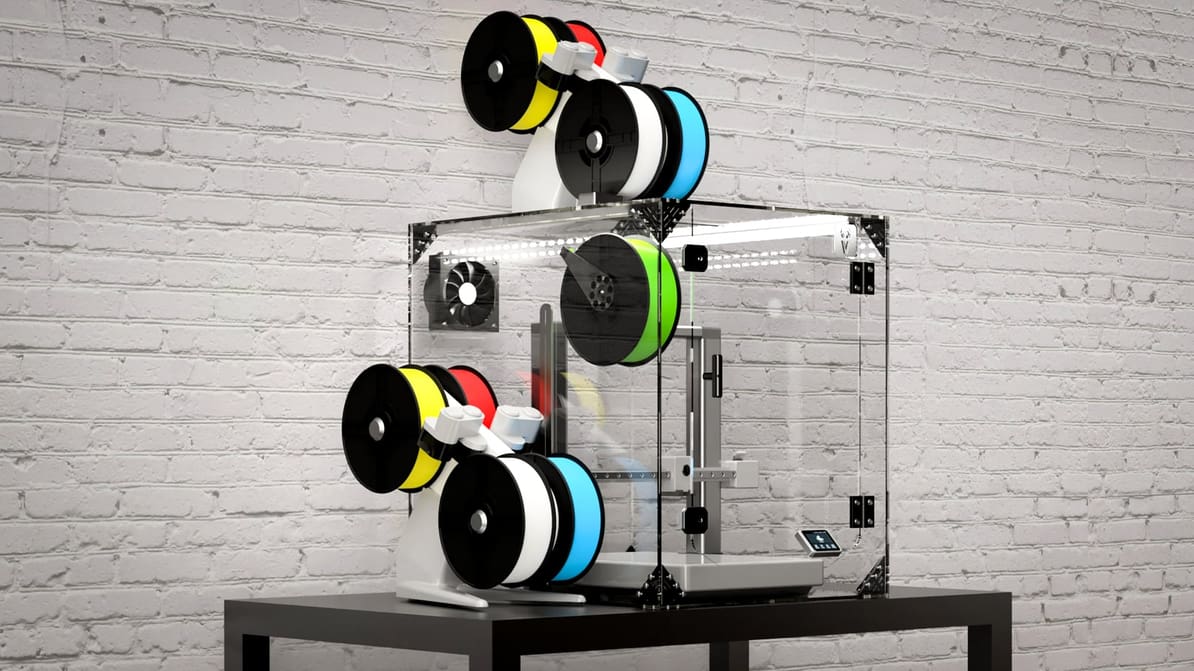
Having your Bambu Lab A1 with an enclosure will help you print engineering-grade materials, but comes with extra risk.