3D Printing in Space
Recent

Most popular
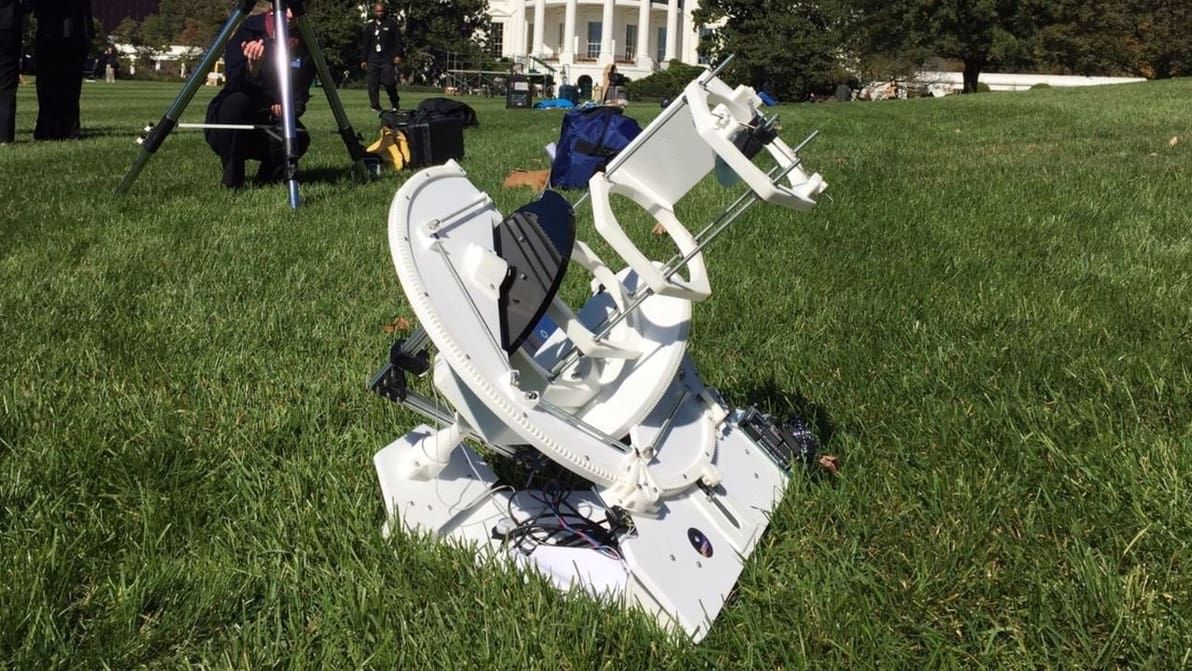
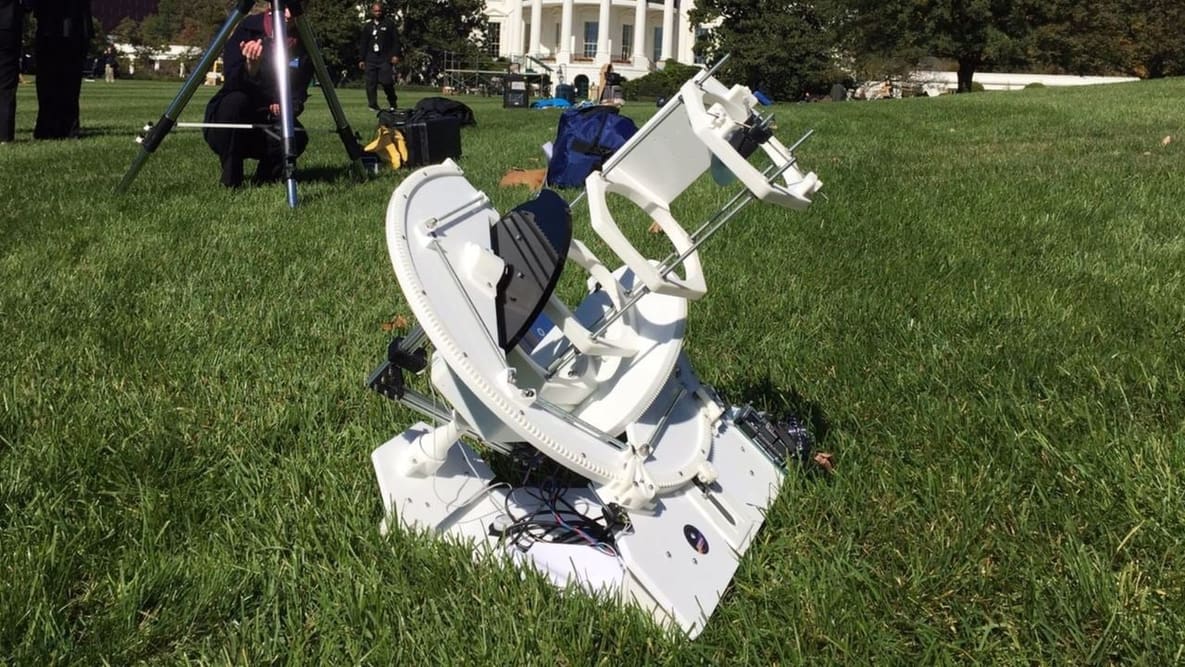
If you want to see space from your porch, take a look through a 3D printed telescope and see the beauty of the night sky!
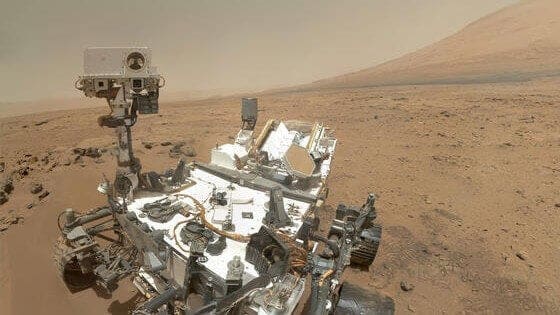
That’s a great a weekend project for anyone who owns a 3D printer: NASA has just released the files for 3D printing a Curiosity Rover on their website.
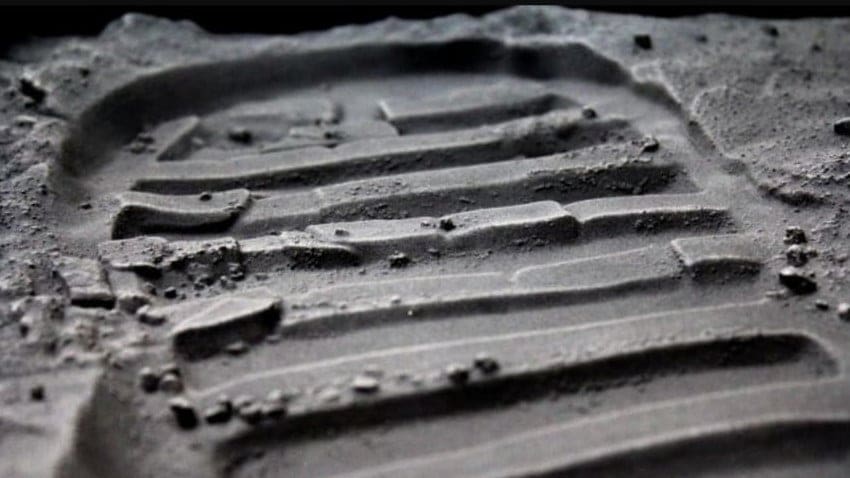
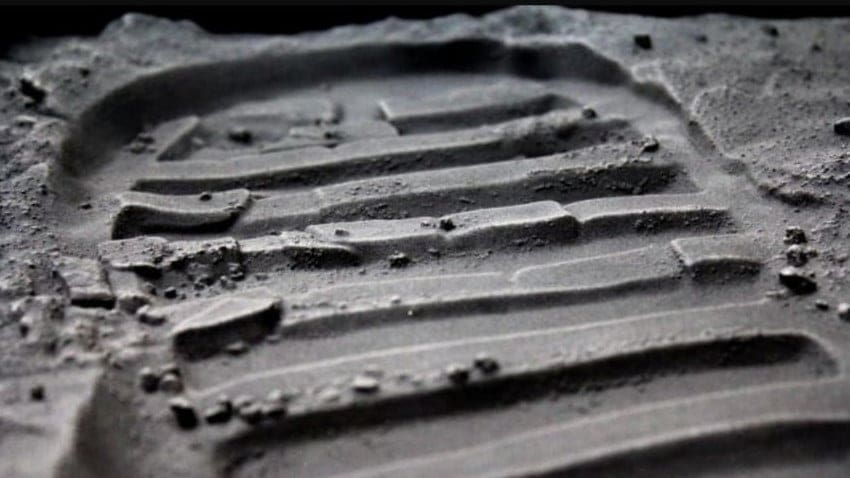
To celebrate the 50th anniversary of the Apollo 11 moon landing, memorabilia creator, Master Replicas, made a 3D printable version of Buzz Aldrin's footprint.
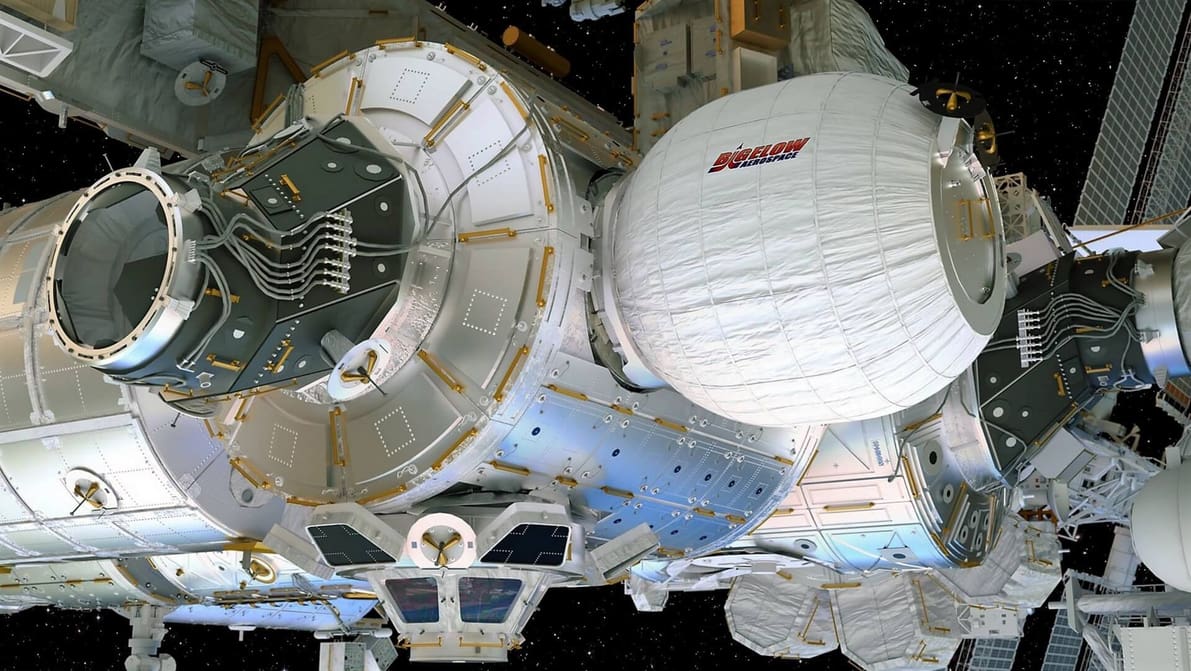
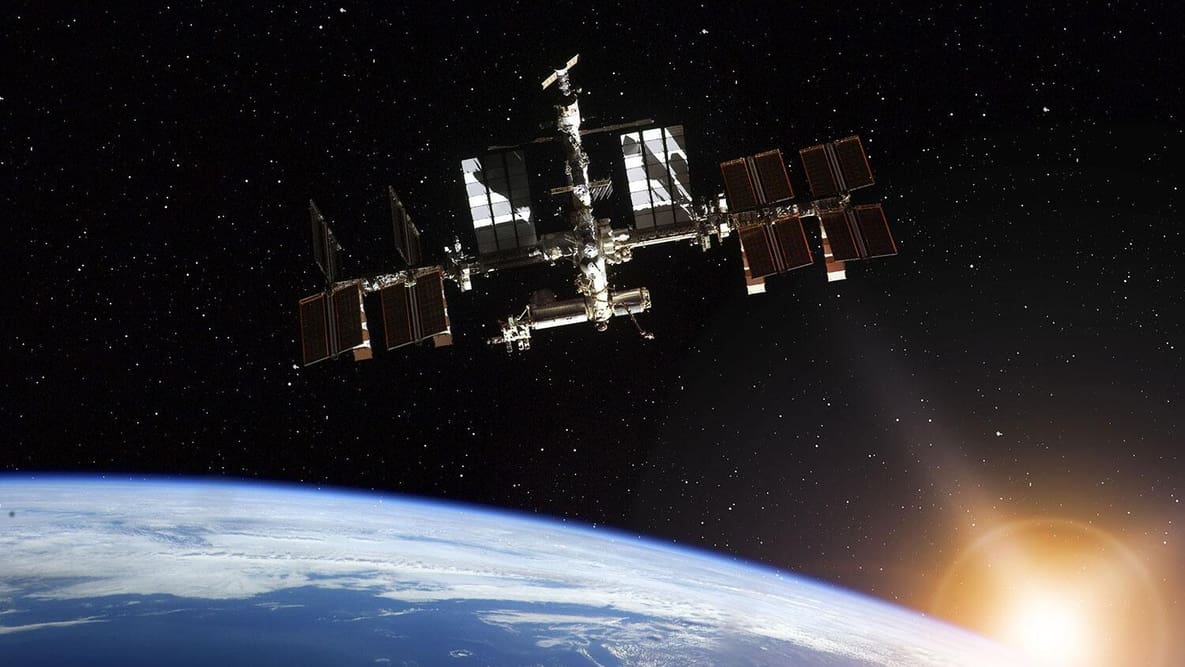
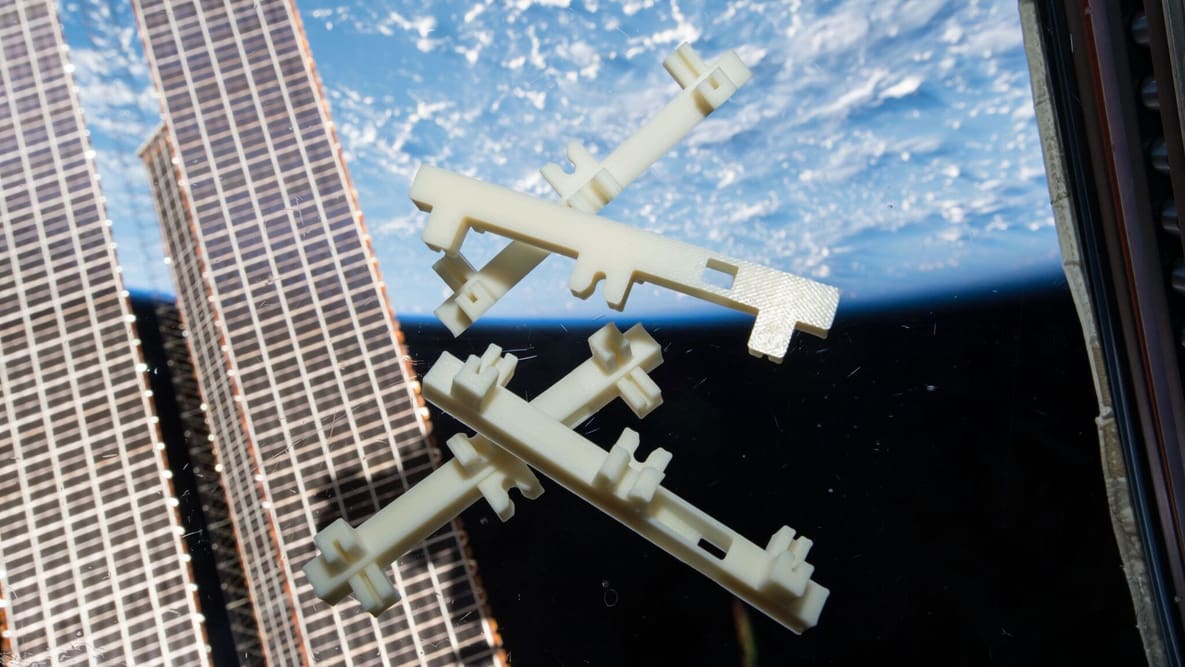
NASA is 3D printing radiation shields on the Bigelow Expandable Activity Module, an experimental habitat on the International Space Station.
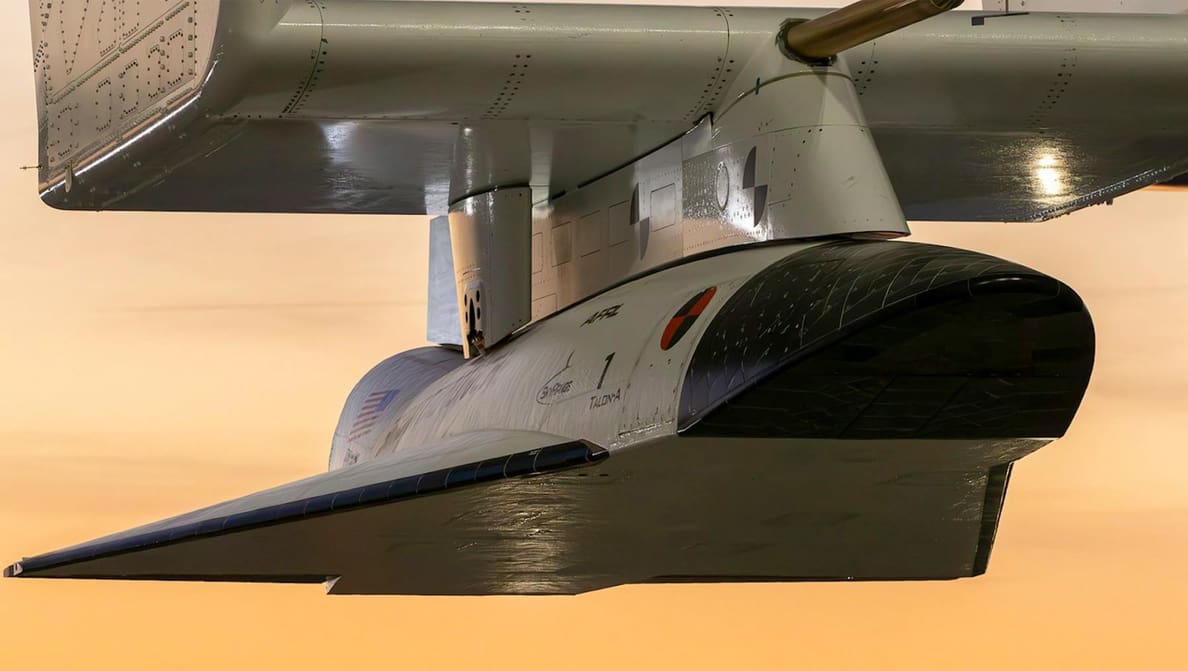
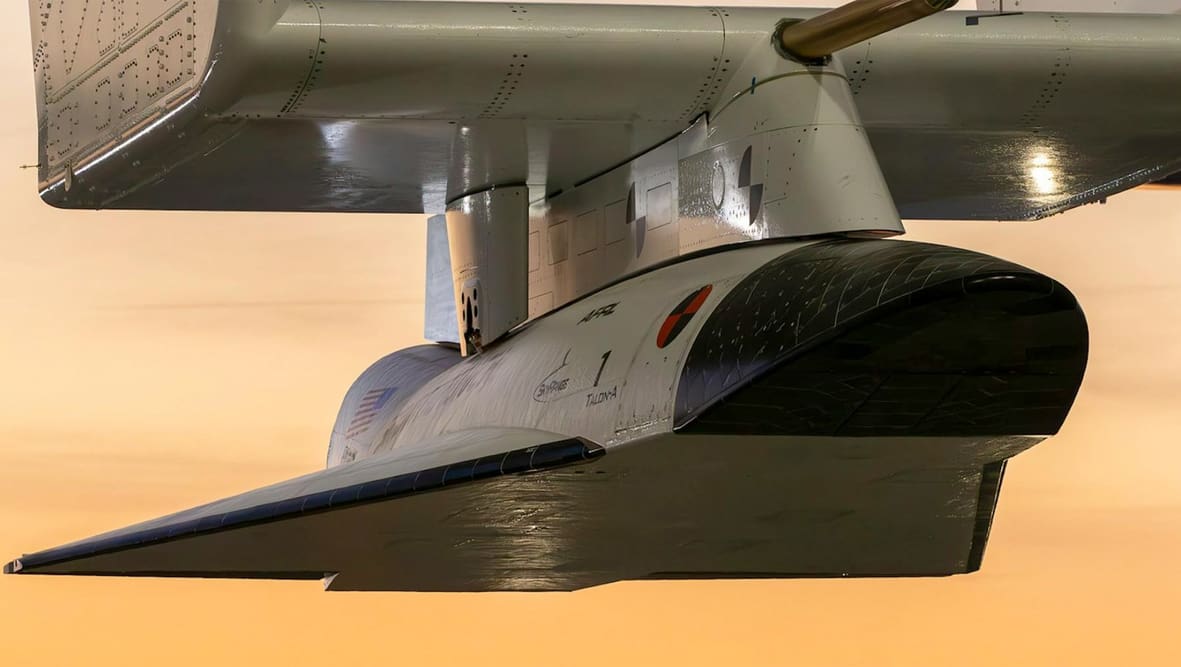
Ursa Major's 3D printed Hadley engine powered a new test vehicle aimed at helping the US military develop hypersonic capabilities faster.
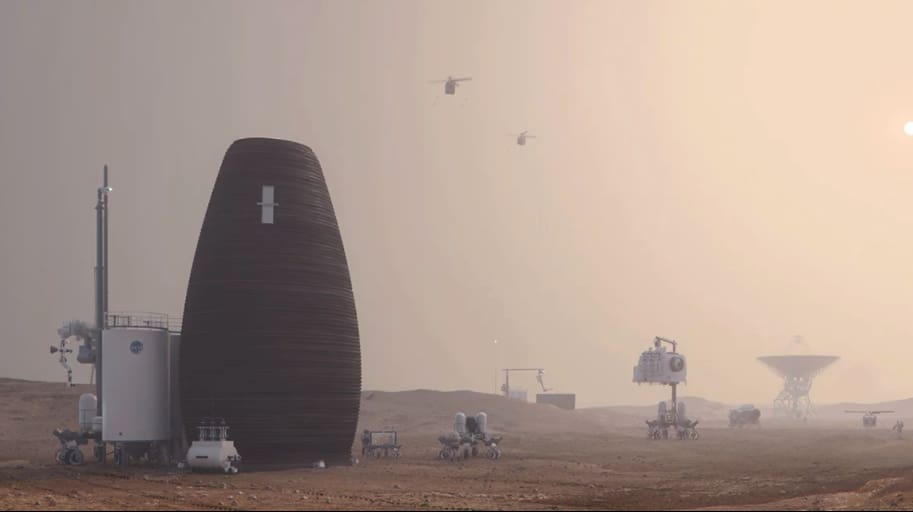
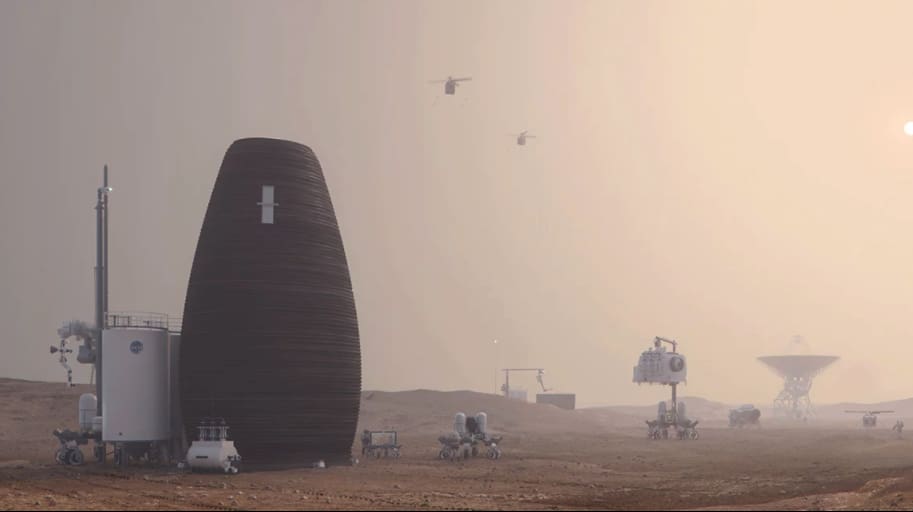
New York architecture and technology company AI SpaceFactory has been awarded by NASA for its MARS HAbitat (MARSHA) project. The concept includes using in-situ resource utilization to 3D print egg-shaped habitats on Mars that are optimized to deal with internal atmospheric pressure and structural stresses.
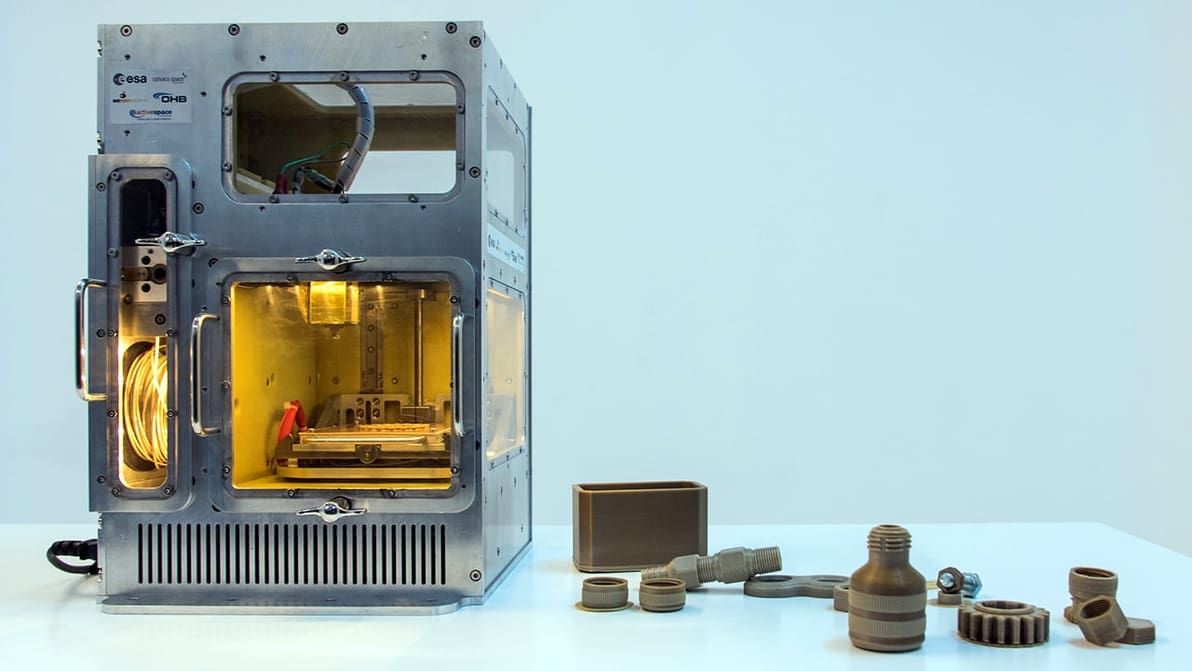
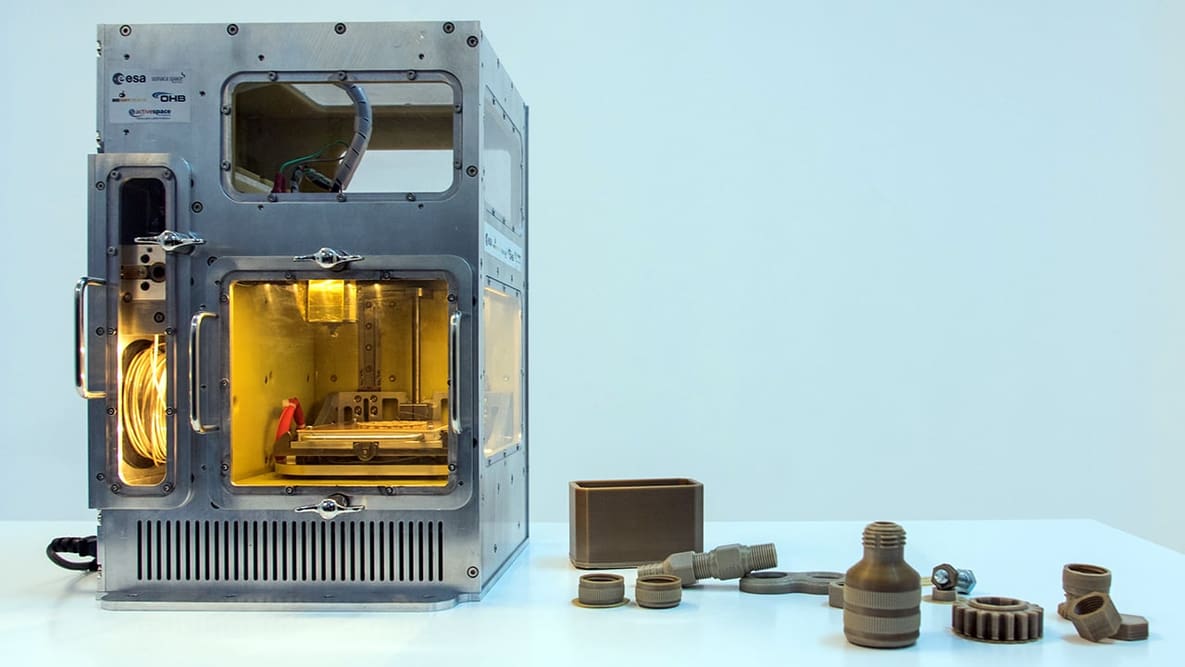
The European Space Agency (ESA) is testing a 3D printer designed to work under microgravity and fabricate with engineering polymers featuring high end mechanical and thermal properties.
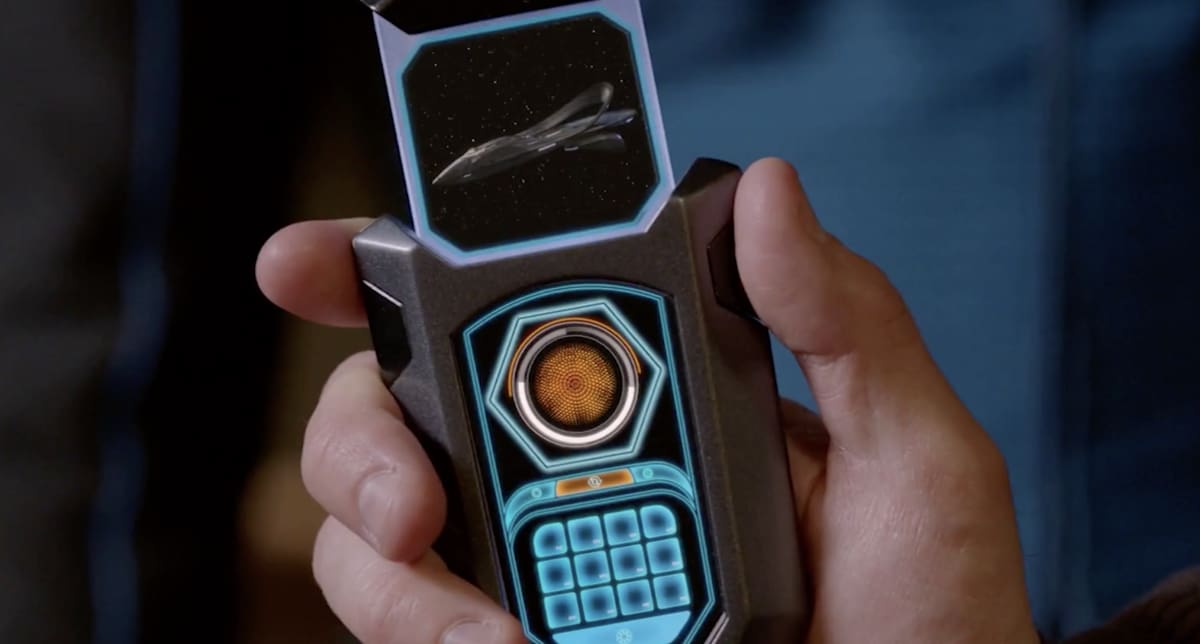
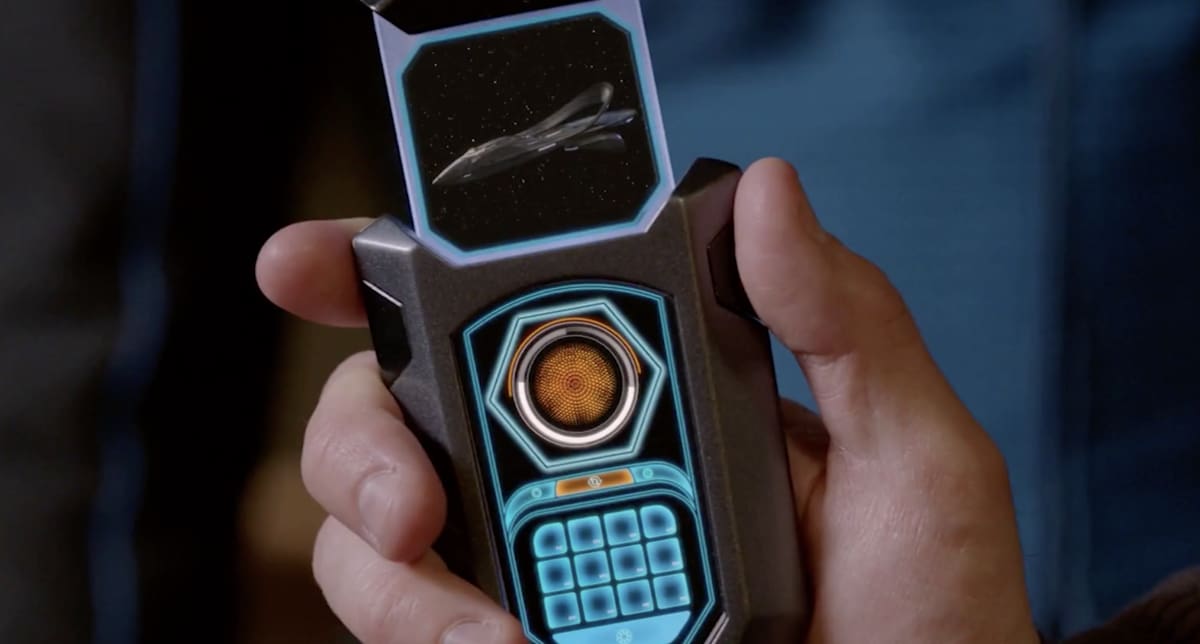
A Reddit user 3D modeled and printed a replica Comscanner from Strar Trek based TV show The Orville without having anything to base his dimensions on other than screenshots from the show.

Boeing’s CST-100 Starliner space crew capsules will use more than 600 3D-printed parts. Some of them are even made of plastic.

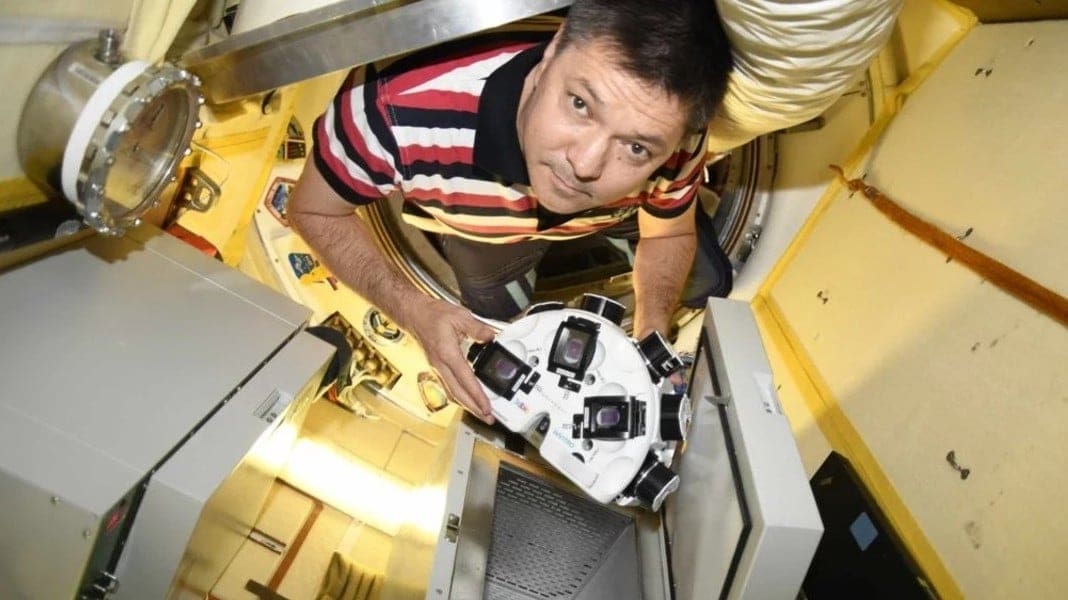
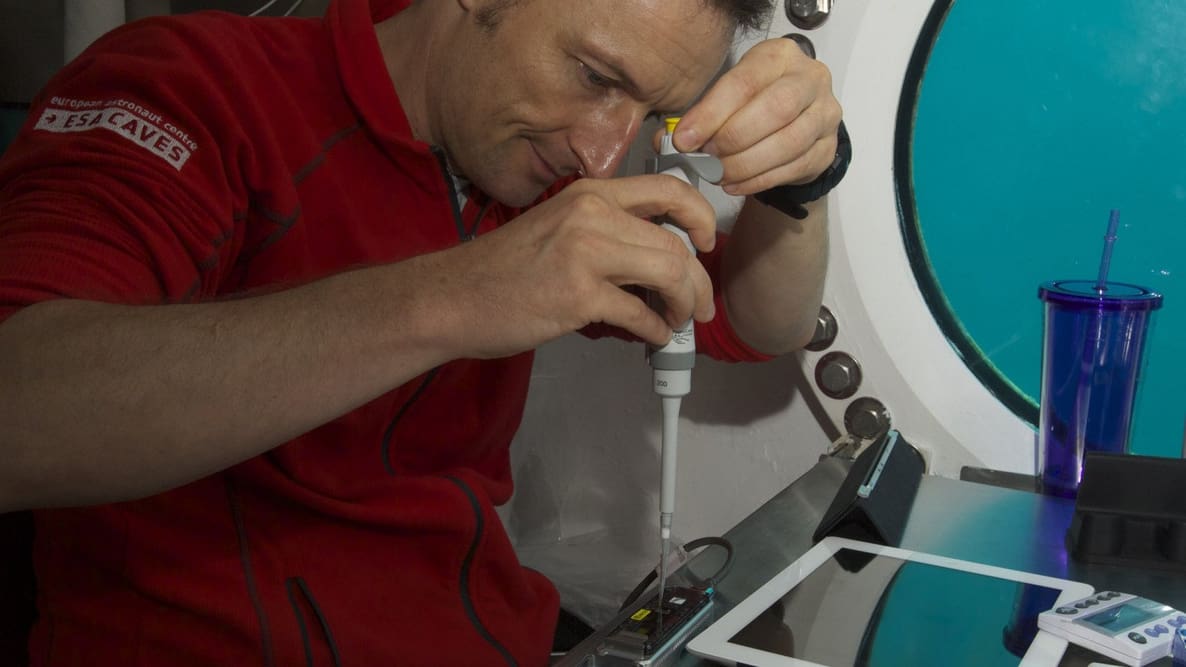
NASA is conducting experiments with 3D printers, revolutionising space travel and supporting the food and habitat needs of their astronauts.
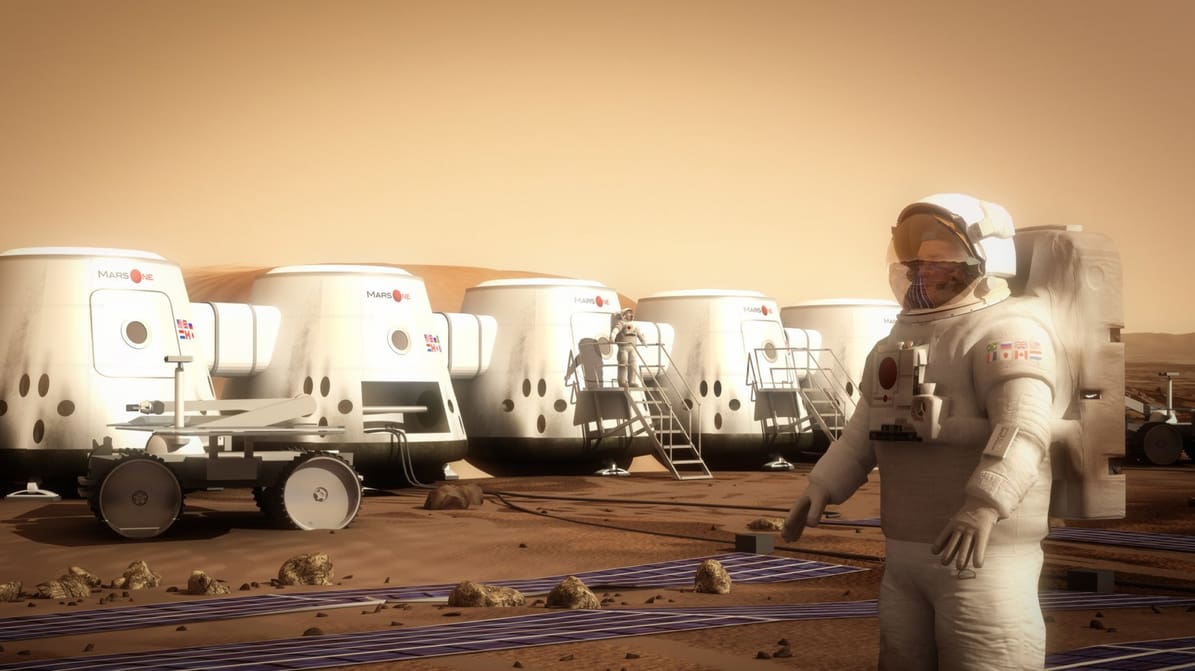
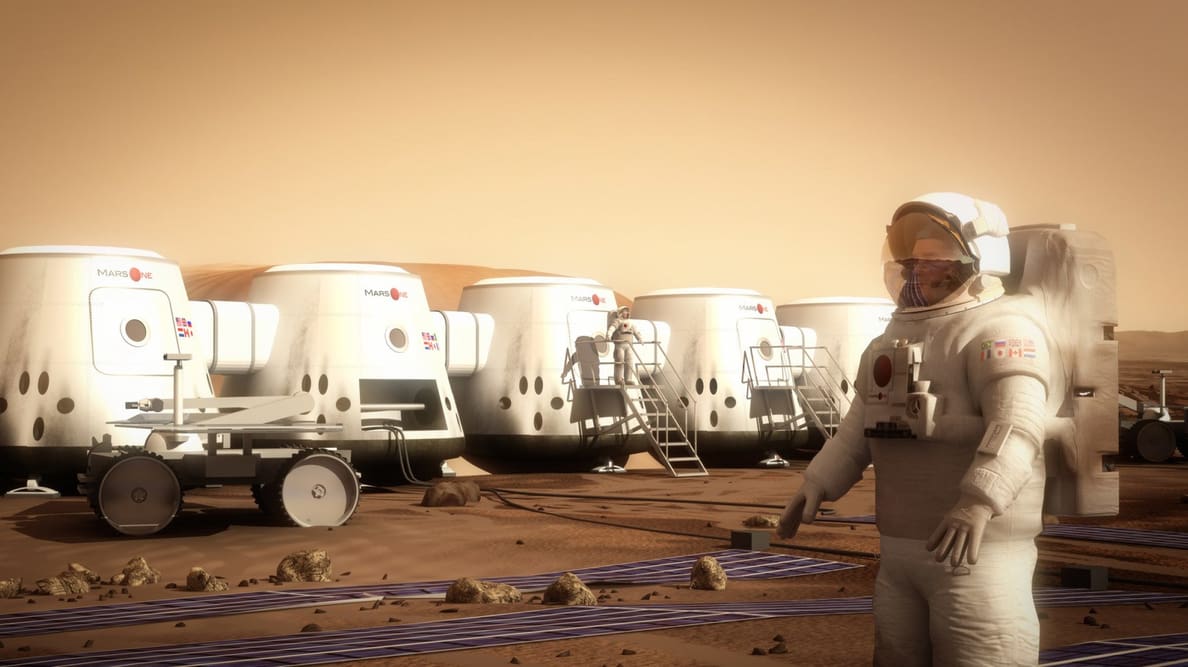
Mars One Ventures, the Dutch space colonization company set up by entrepreneur Bas Lansdorp, declared bankruptcy and has gone into liquidation.
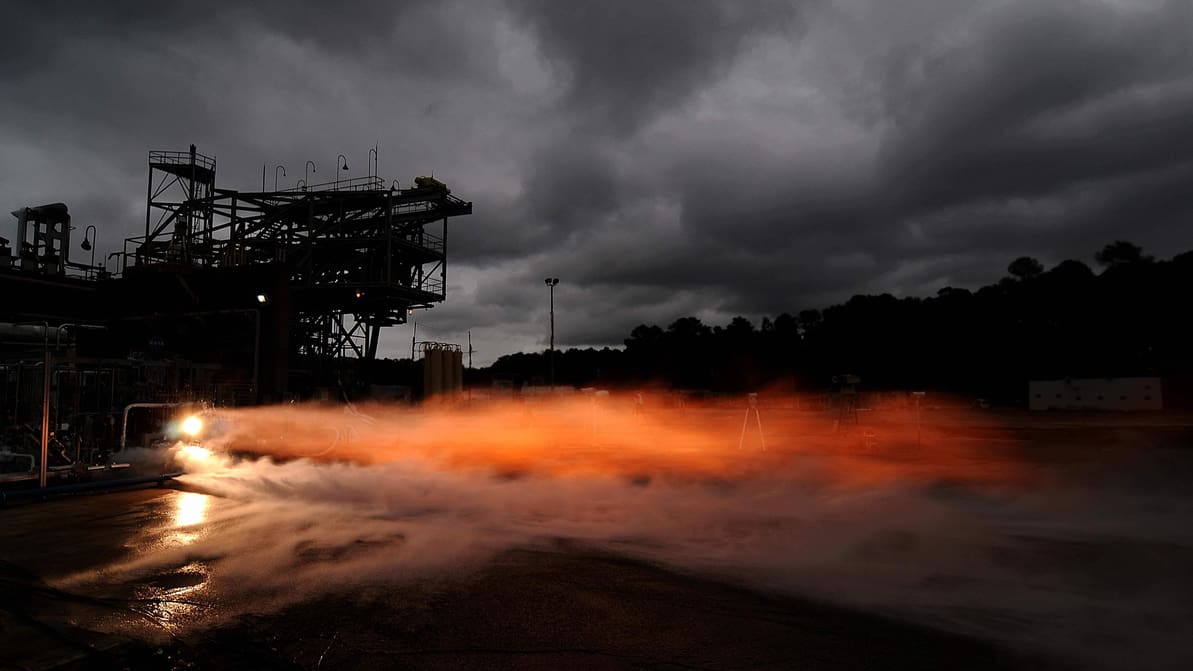
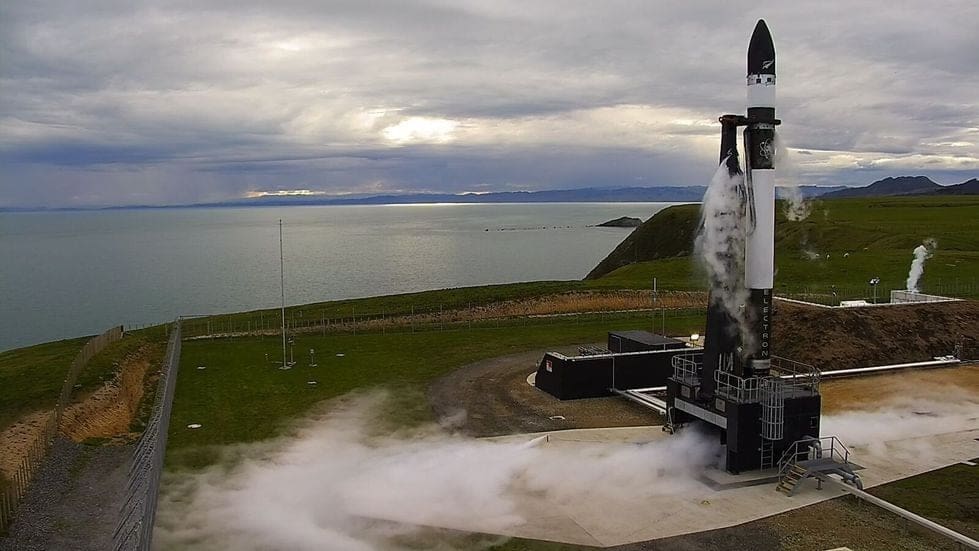
A NASA team moved one step closer to building a completely 3D printed, high performance rocket engine.

NASA started with manufacturing small parts for its vehicles but soon transitioned into methods of use that could help put a human on Mars.
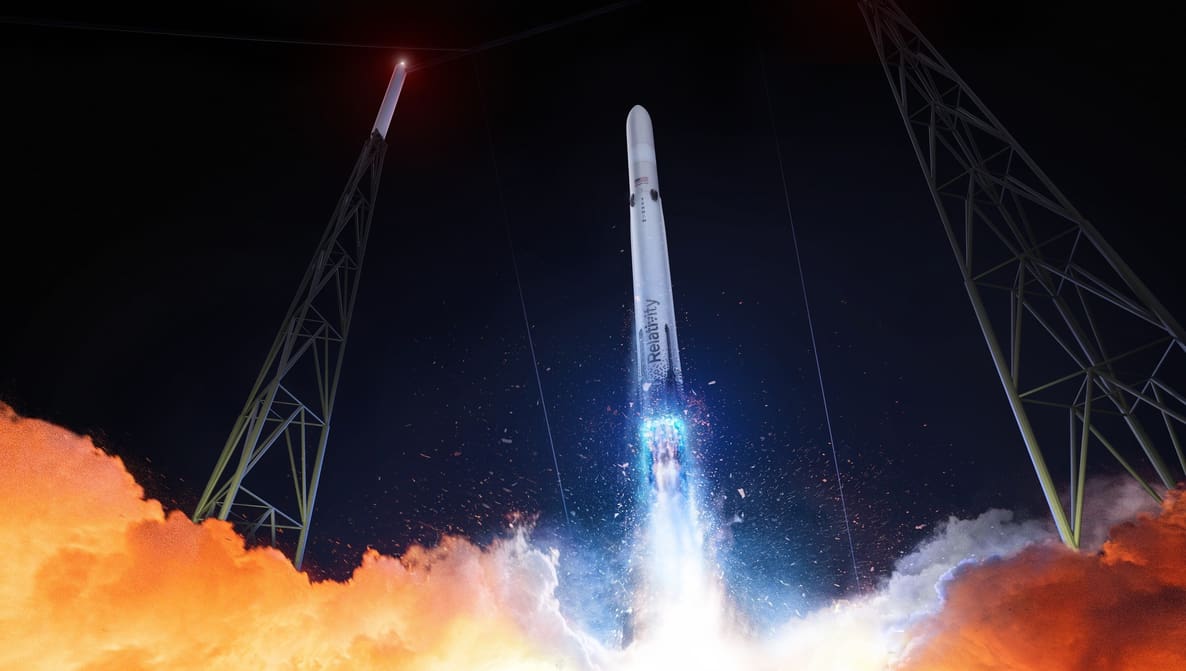
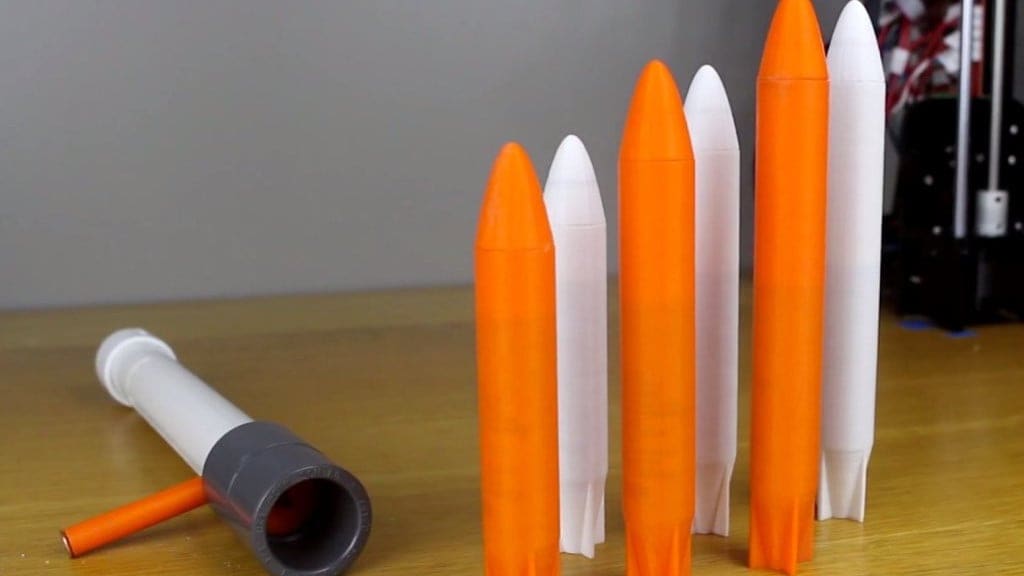
Spacecraft are some of the most complicated machines ever engineered. Check out the latest advancements in 3D printed rockets!
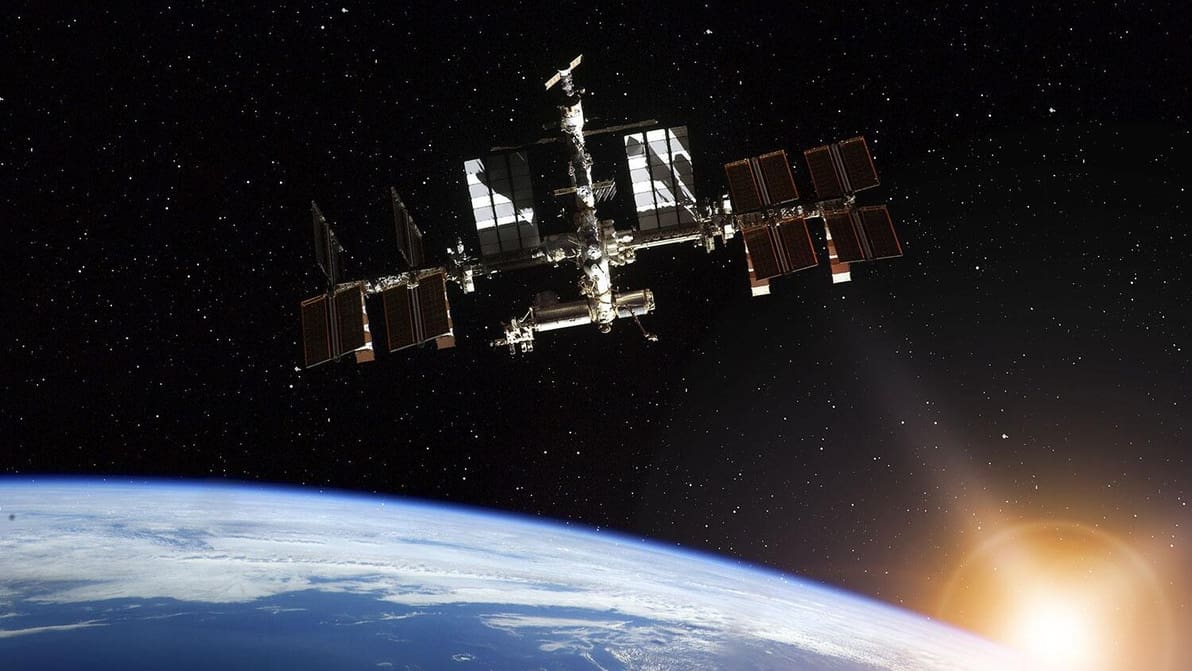
Made In Space has received a $73.7 million contract from NASA to demonstrate how its small spacecraft, called Archinaut One, can additively manufacture spacecraft components in low-Earth orbit.
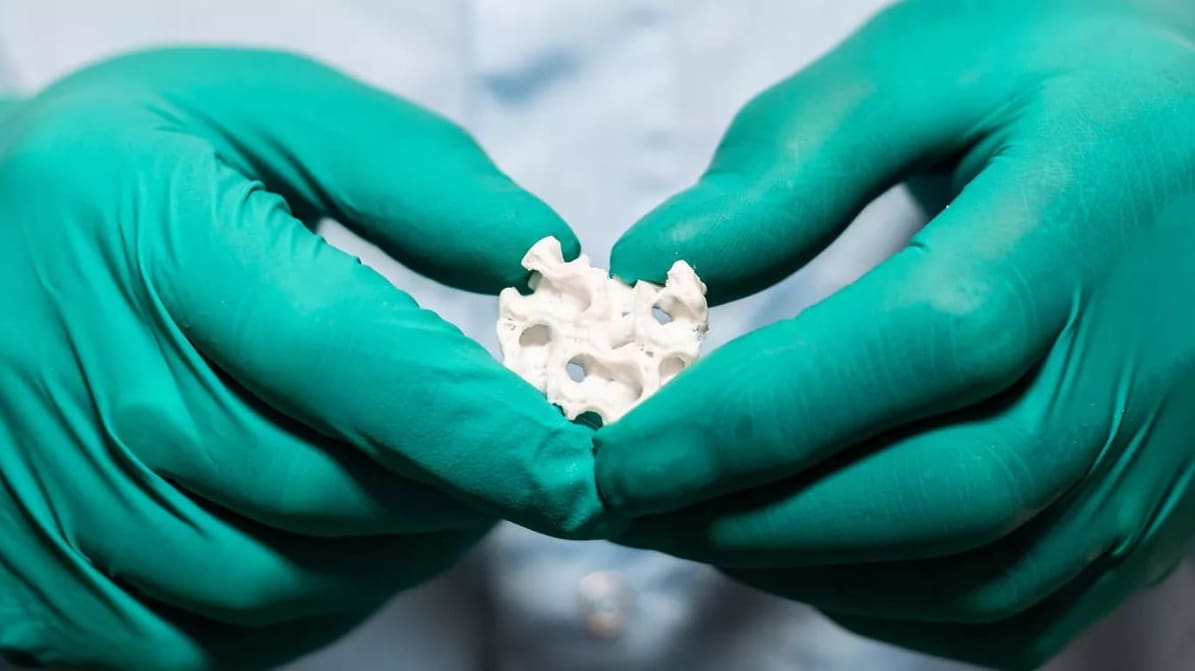
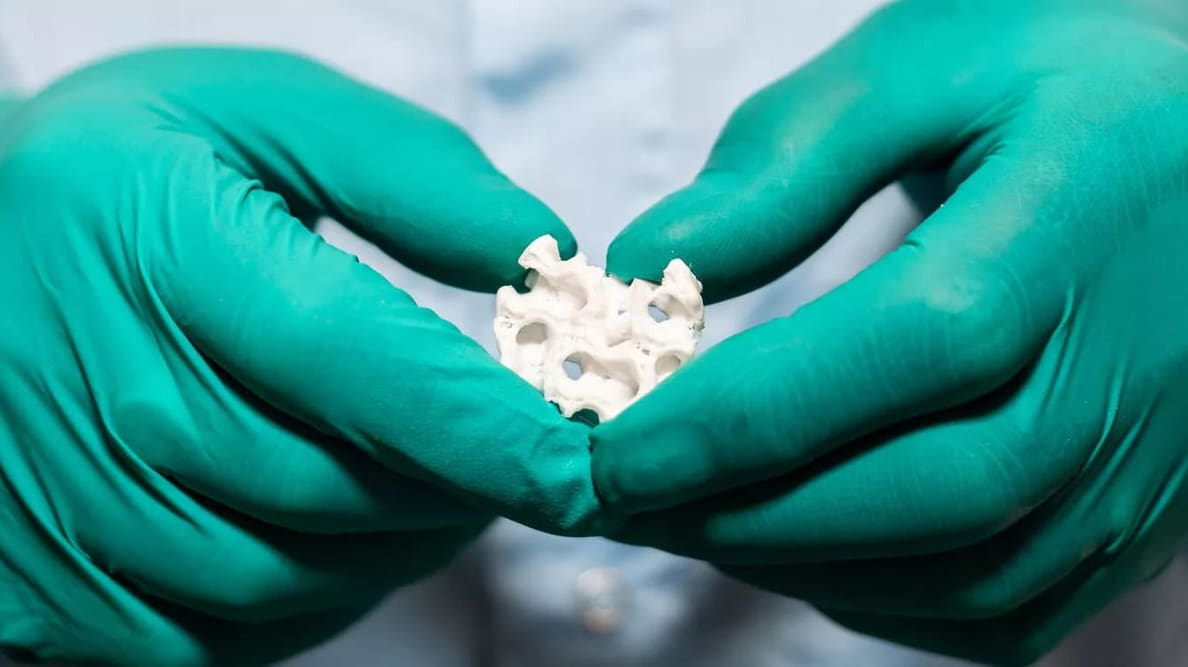
The European Space Agency is working on a project to 3D print living tissue for uses in space exploration. So far, it's used bio-printing to create bone and skin samples which could be recreated in a low-gravity environment.

The competition challenged teams to design 3D printed habitats for deep space exploration. NASA awarded $700,000 in the final round to the first and second place winners.
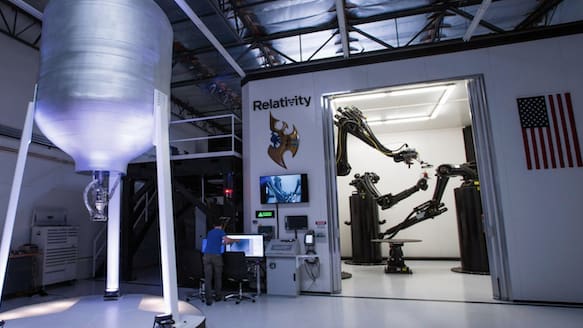
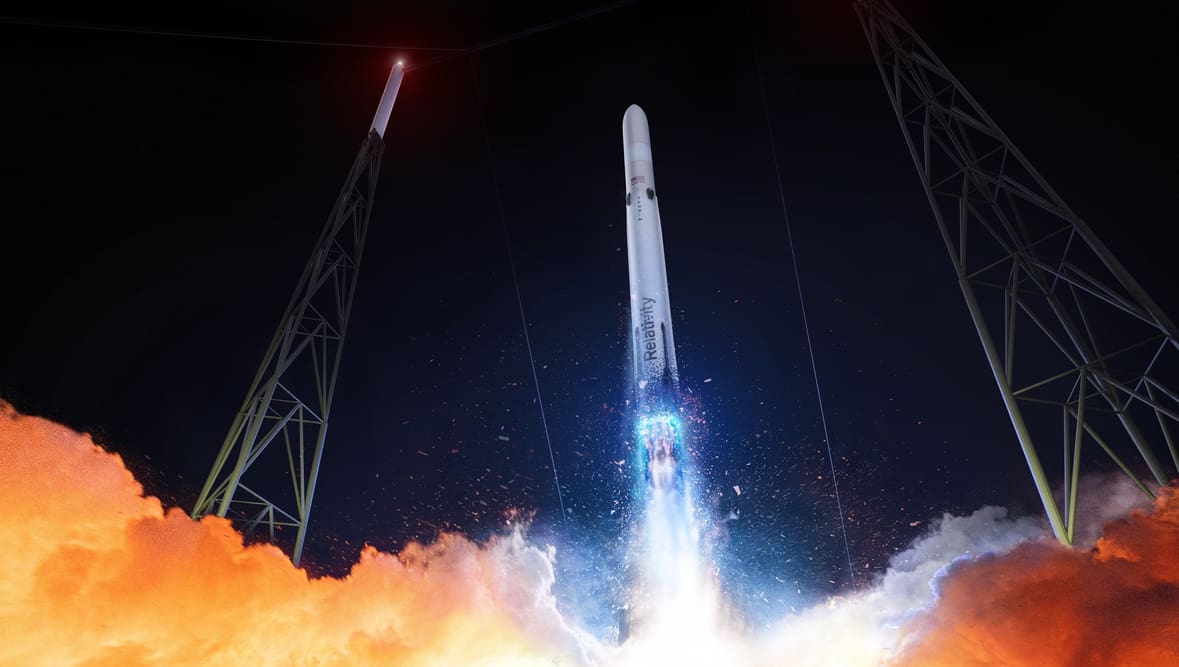
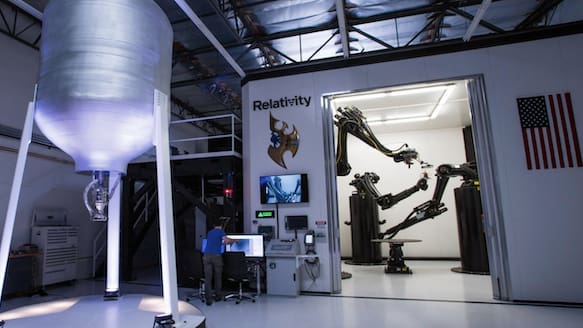
Relativity, the autonomous rocket factory and launch service, has been granted a patent for its machine learning 3D metal printing technology. It's also added three senior leaders from the aerospace industry to its executive team.
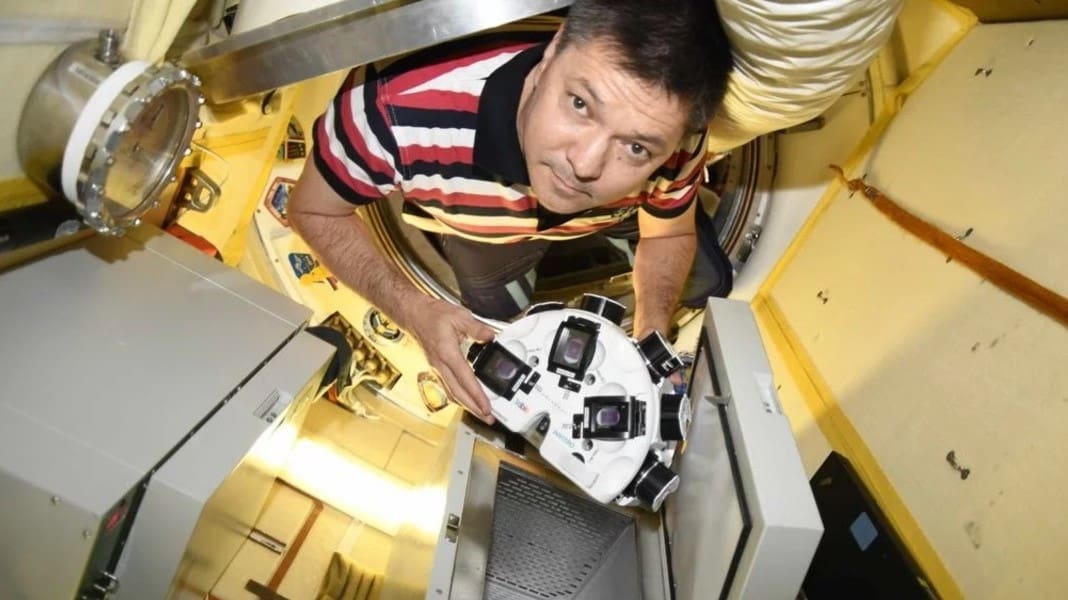
The "Organaut" bioprinter on the International Space Station has started to print human micro-organs in zero gravity. The first experiments already looked promising.
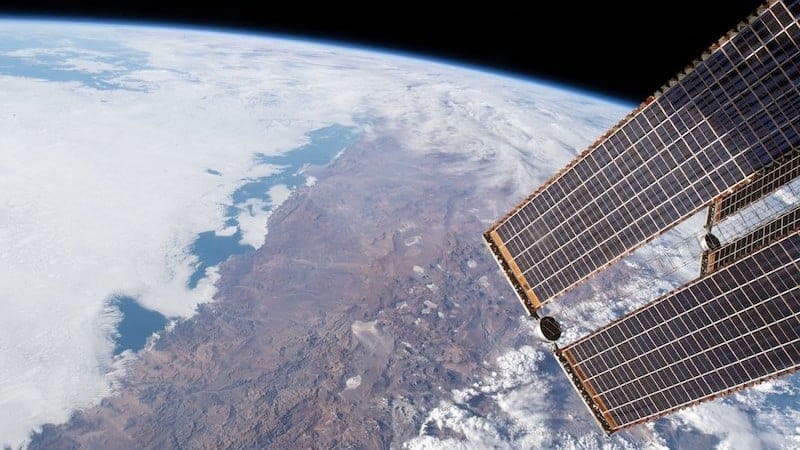
Chilean company Copper3D won the NASA Nebraska Space Grant to study and develop antimicrobial 3D printed medical devices on the International Space Station (ISS).