3D Printing in Medicine
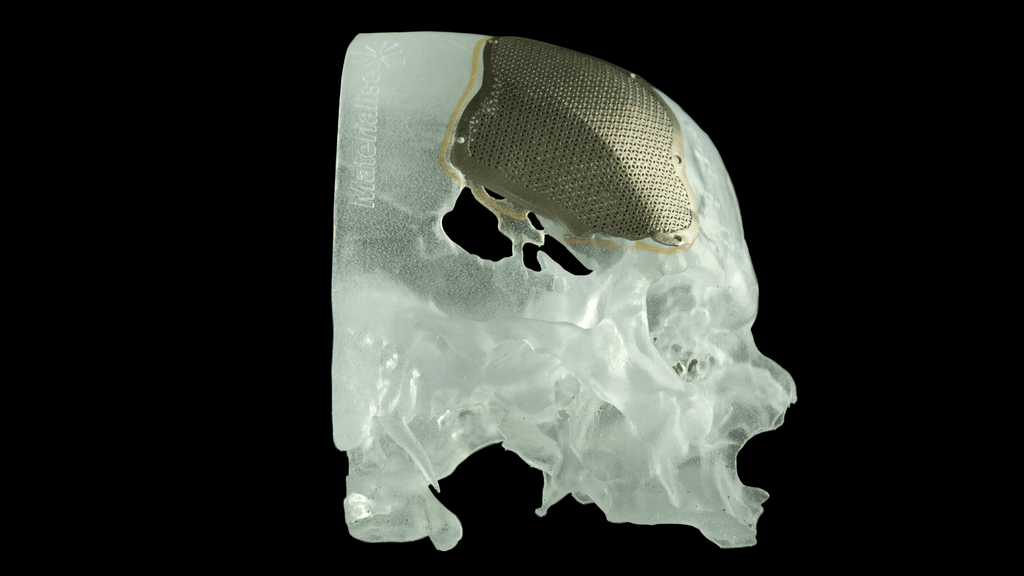
3D printing brings major improvements to facial reconstructive surgery, helping to better recreate a patient's face after serious trauma.
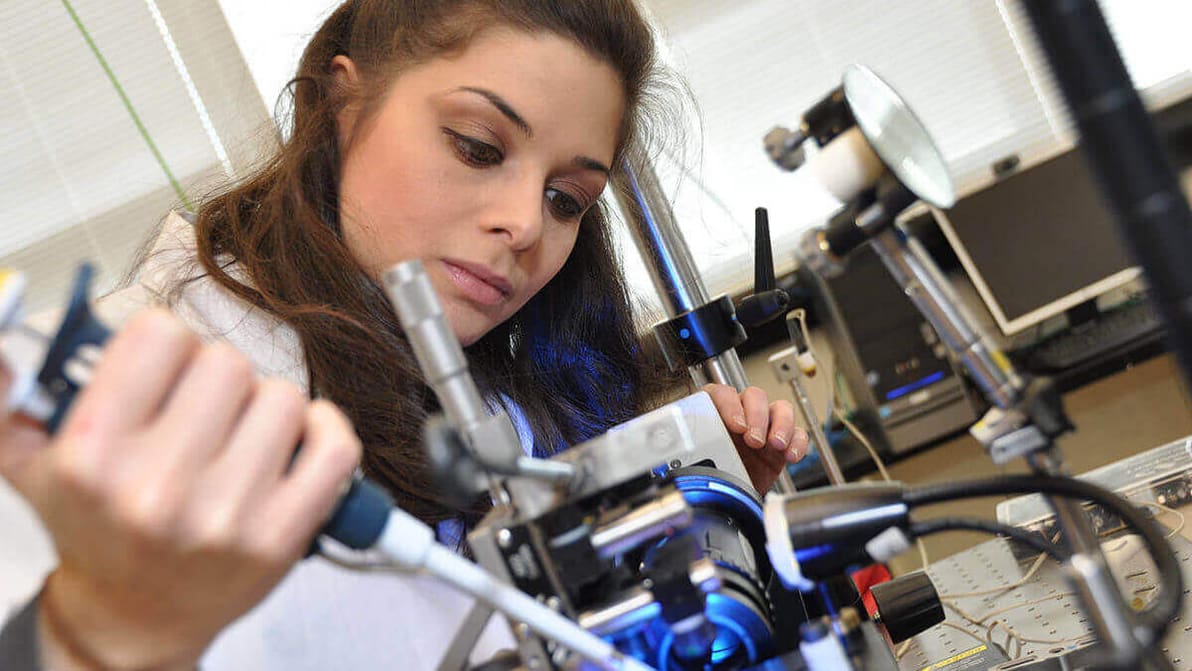
Researchers at UBC Okanagan’s school of engineering are developing 3D printed water quality sensors to ensure what we're drinking is safe.
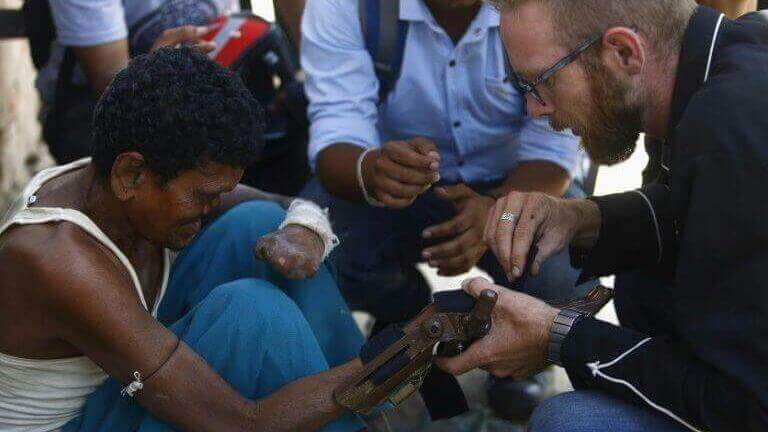
Disaster Hack is a non-profit startup which is 3D printing and delivering prosthetics to people who need them in Kathmandu, Nepal.
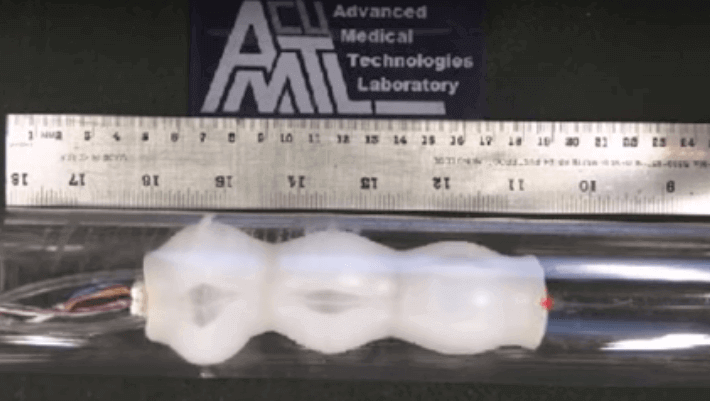
An associate professor at the University of Colorado Boulder is developing a robot to make colonoscopies more comfortable for patients.
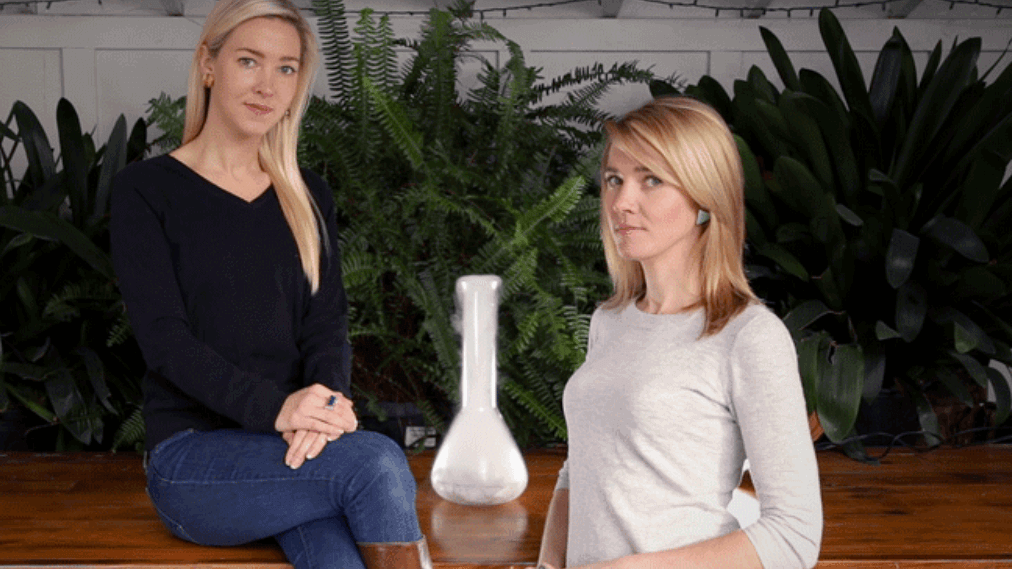
Potent Rope is an edible cannabis filament which can be made using a regular desktop 3D printer, but beware of contamination before munching.
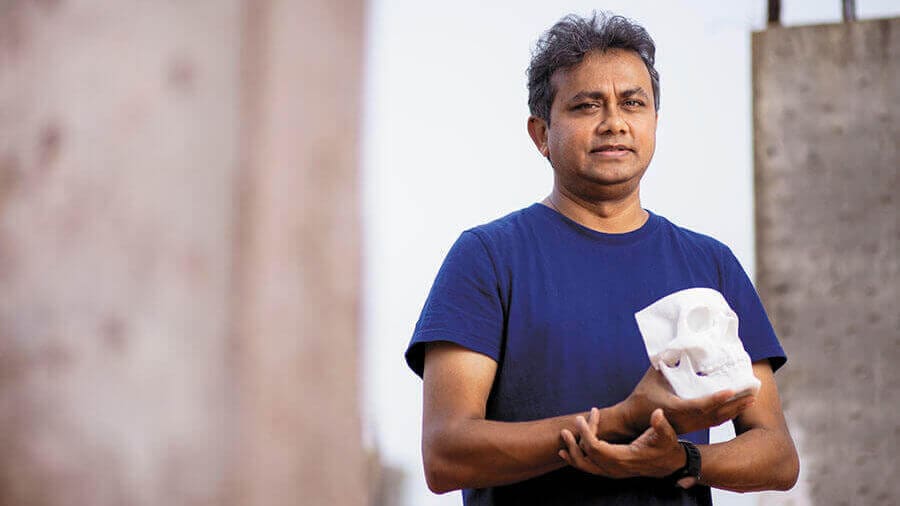
Osteo3D is a 3D printing company that offers a cloud-based service to create cost-effective surgical models for doctors in India
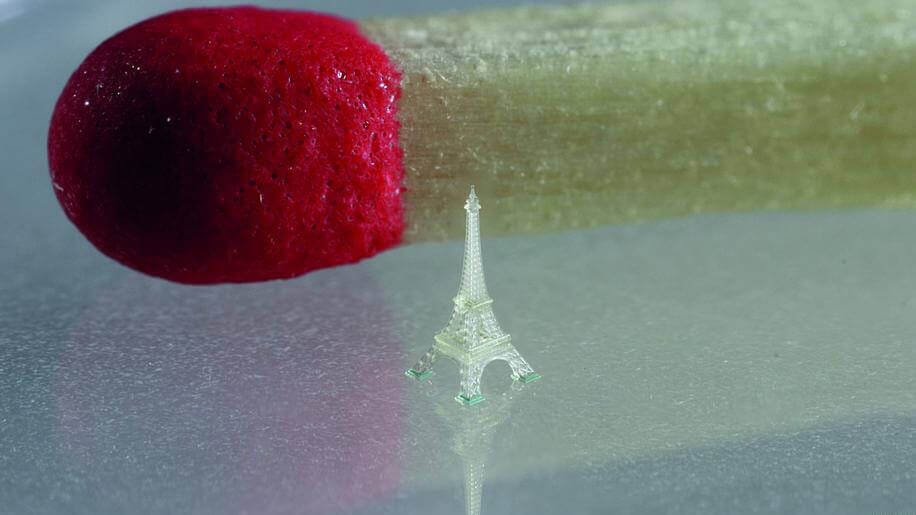
German company Nanoscribe is a world leader in "nanofabrication", offering applications for medicine thanks to minuscule printing properties.
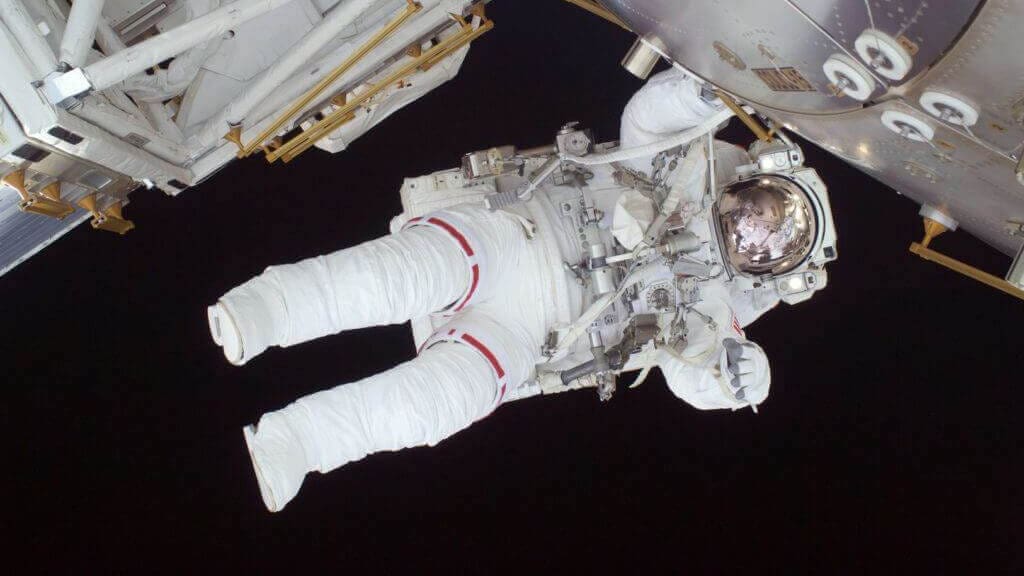
During Euroanaesthesia 2017 conference, experts said astronauts should receive extra training to fabricate their own medical equipment.
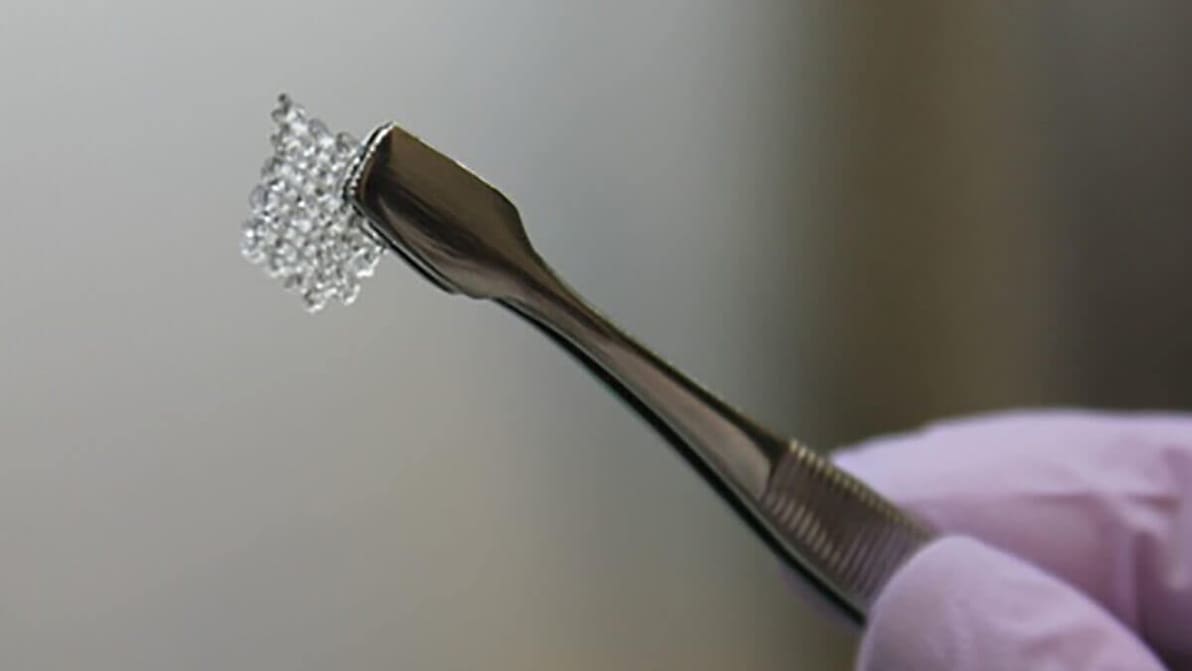
Mice whose ovaries were removed and replaced with 3D printed ovaries have been able to have offspring naturally, scientists have revealed.
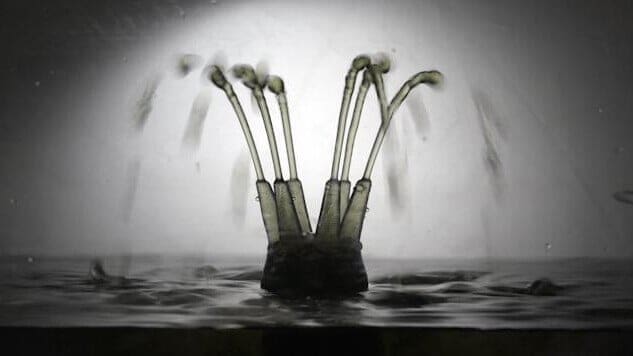
Complex 3D printed silicone structures for medical implants are a step closer, thanks to a pioneering new support technique for 3D printing.
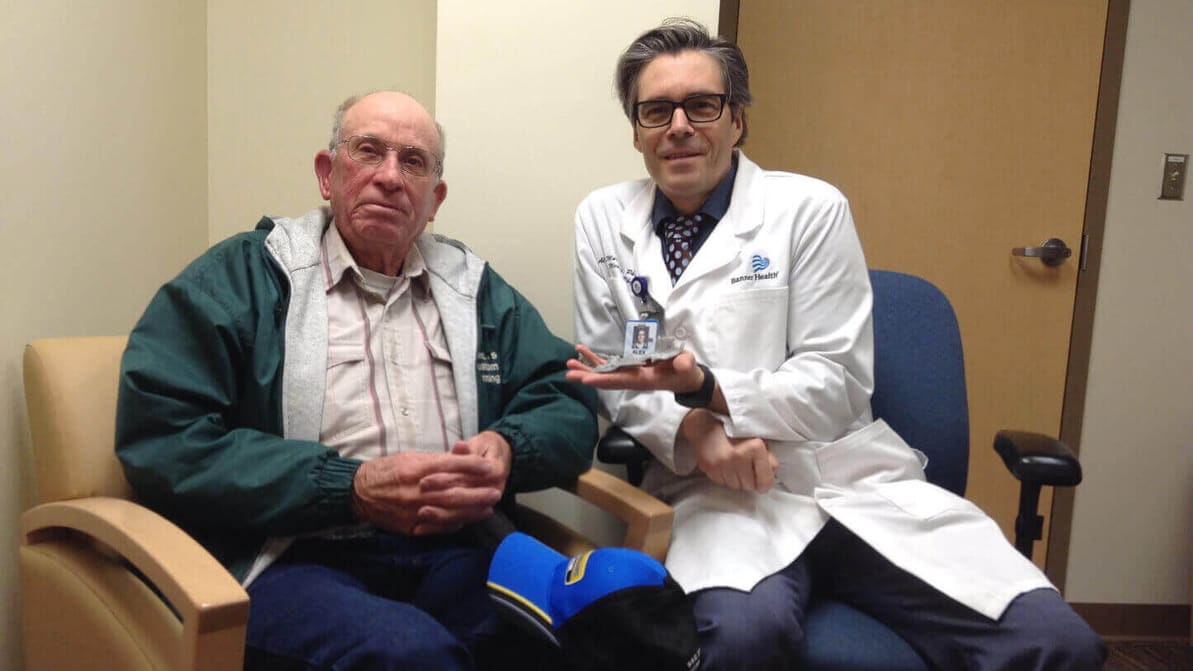
Cancer patients at Banner Health's NCMC Oncology Department will receive 3D printed precise molds, called bolus, for radiation treatment.

A British twenty-year-old underwent surgery to remove a brain tumor and received a 3D printed skull implant after complications.
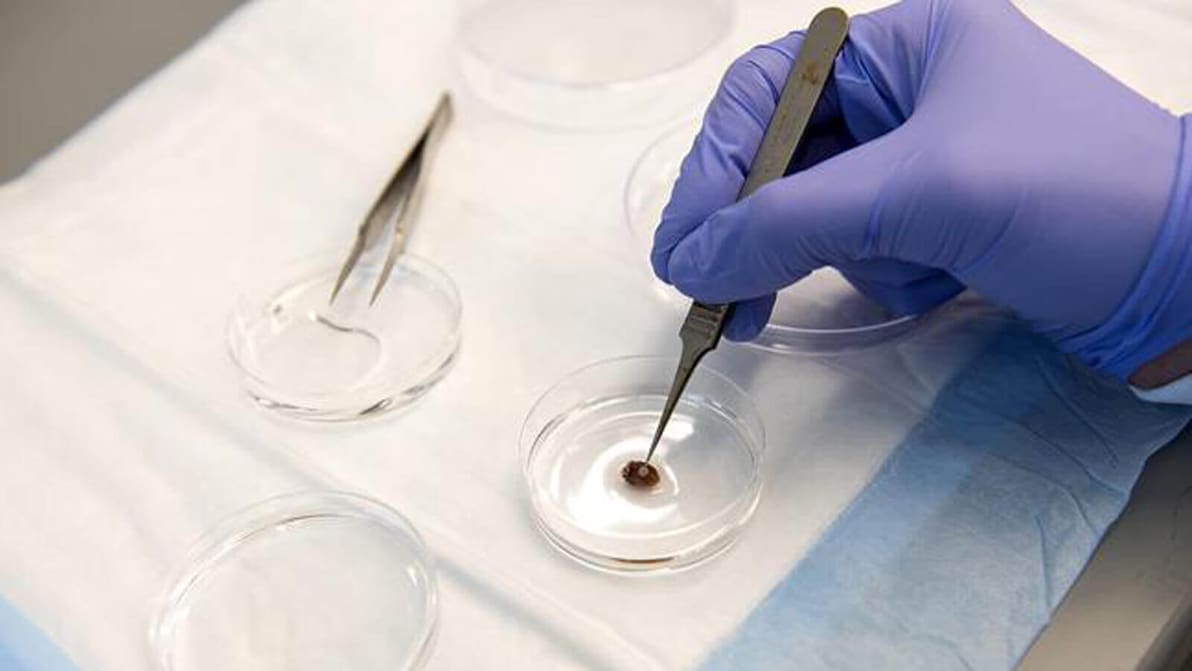
Minnesota university researchers have tested a 3D printed biopatch on mice which can heal scarred tissue after a heart attack.

The Duke Lemur Center is using 3D scanning and micro-computed tomography to preserve lemurs and soon anyone will have access to the files.
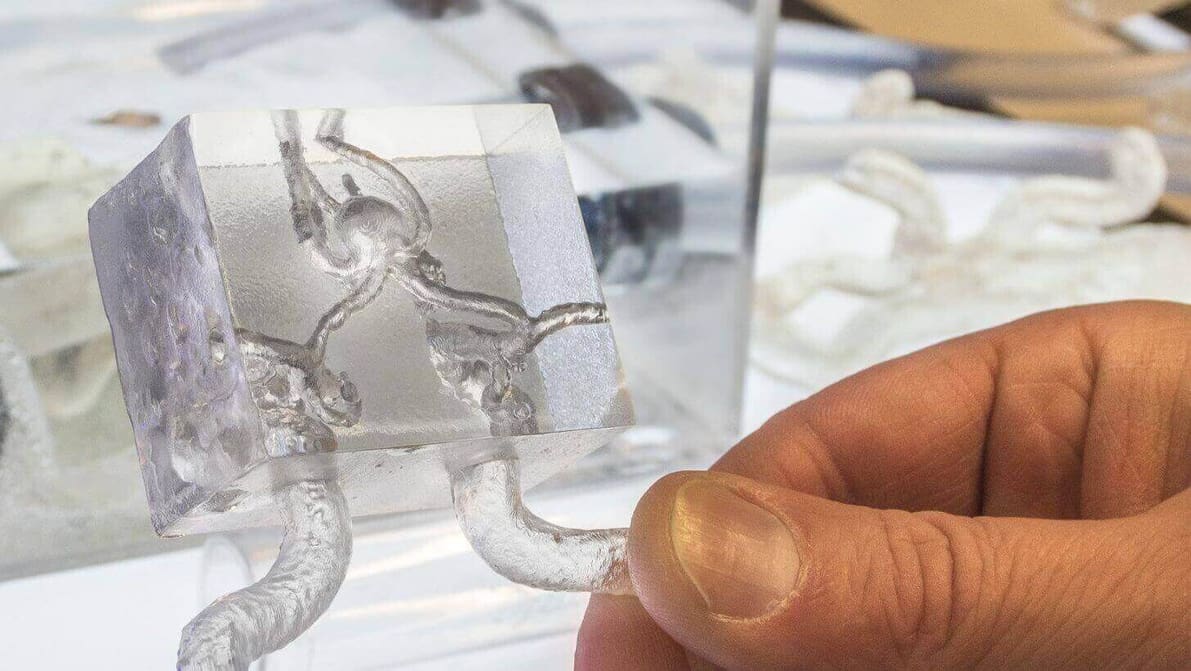
All3DP talks to Dr. André Kemmling, a neuroradiologist who is using a Form 2 SLA 3D printer to produce patient-specific brain artery models.
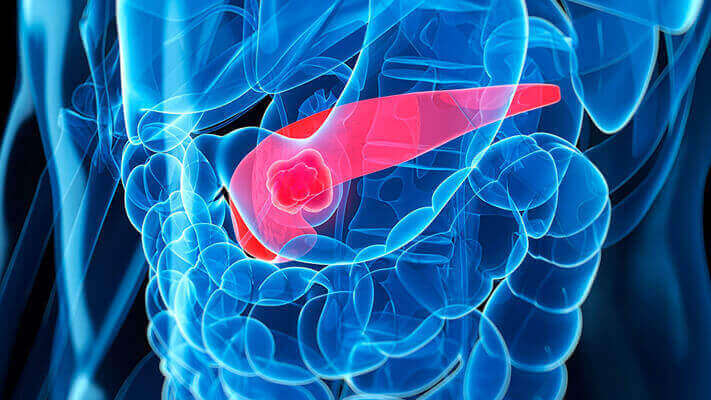
Researchers from Binghamton University in New York are developing an artificial pancreas for Type 1 Diabetes sufferers using 3D bioprinting.
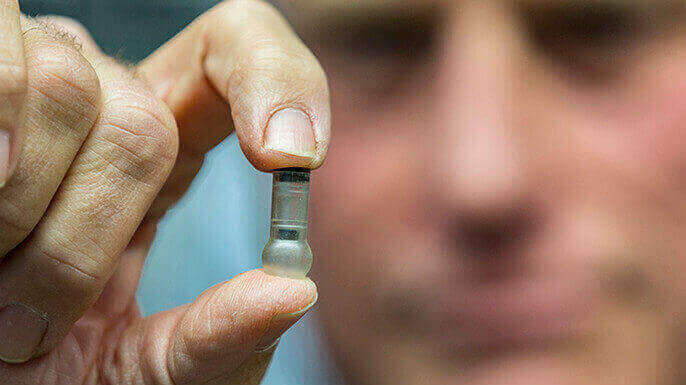
MucoJet is a 3D printed capsule which offers an alternative to needle vaccinations and targets the buccal region of your mouth.
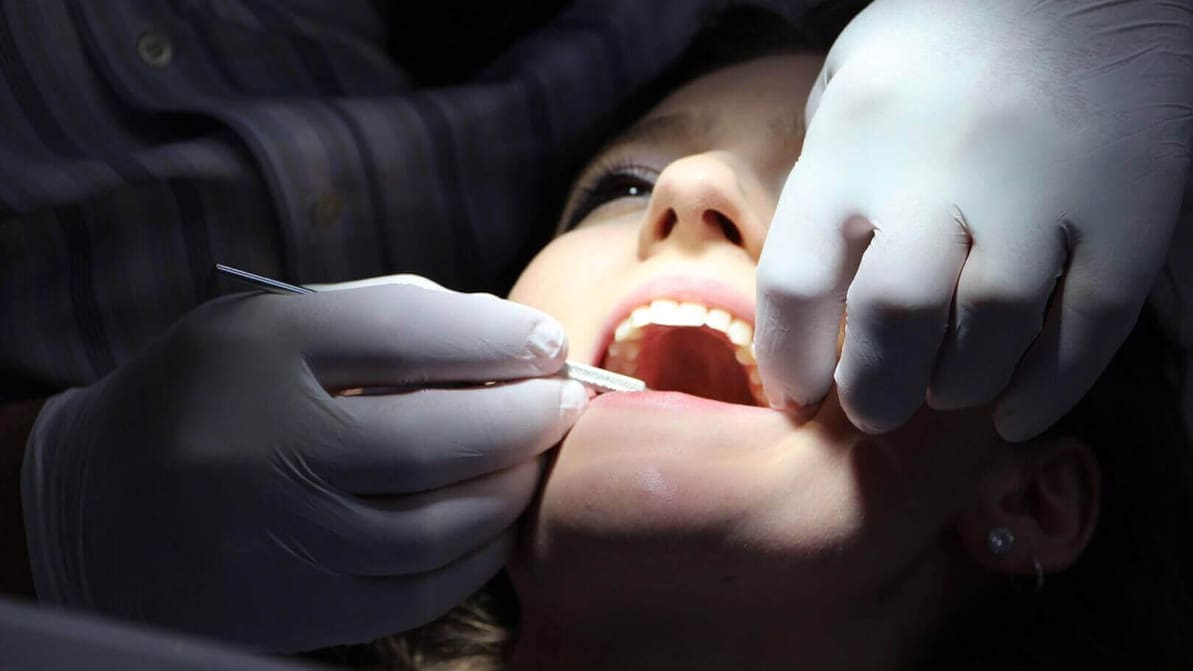
Sinterex is using 3D printing to quickly produce dental implant bridges, but the UAE is also pushing for more 3D printed change in dentistry.
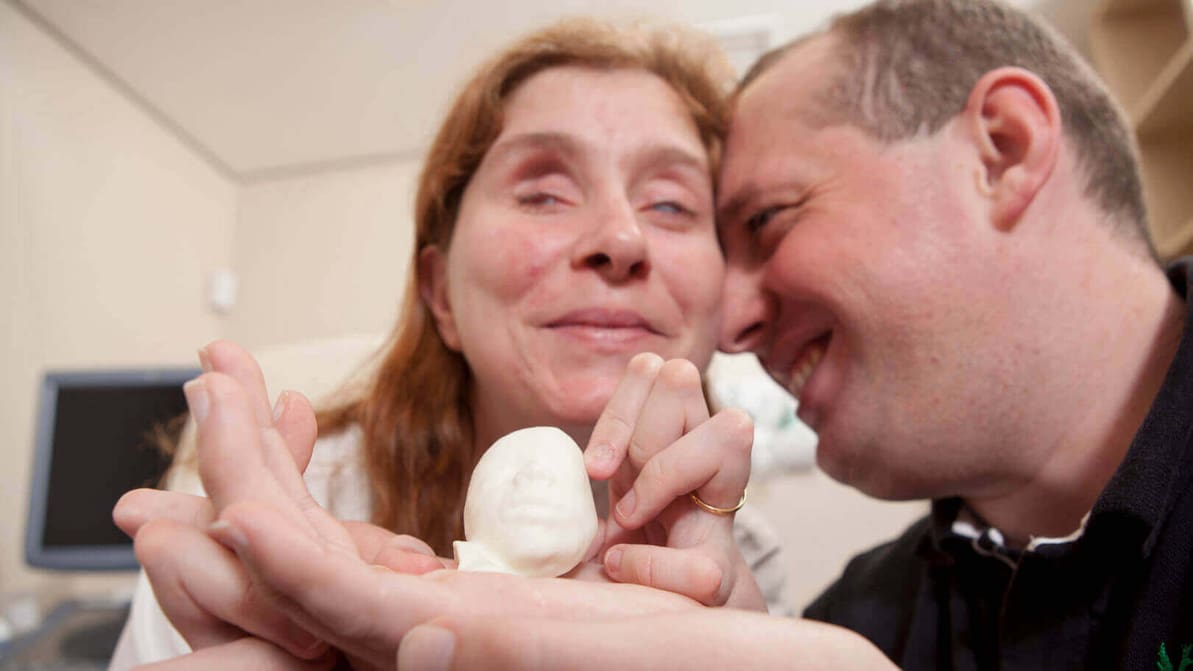
Blind parents were given the chance to feel their baby's ultrasound with the help of 3D printed models created using the Voluson E10.
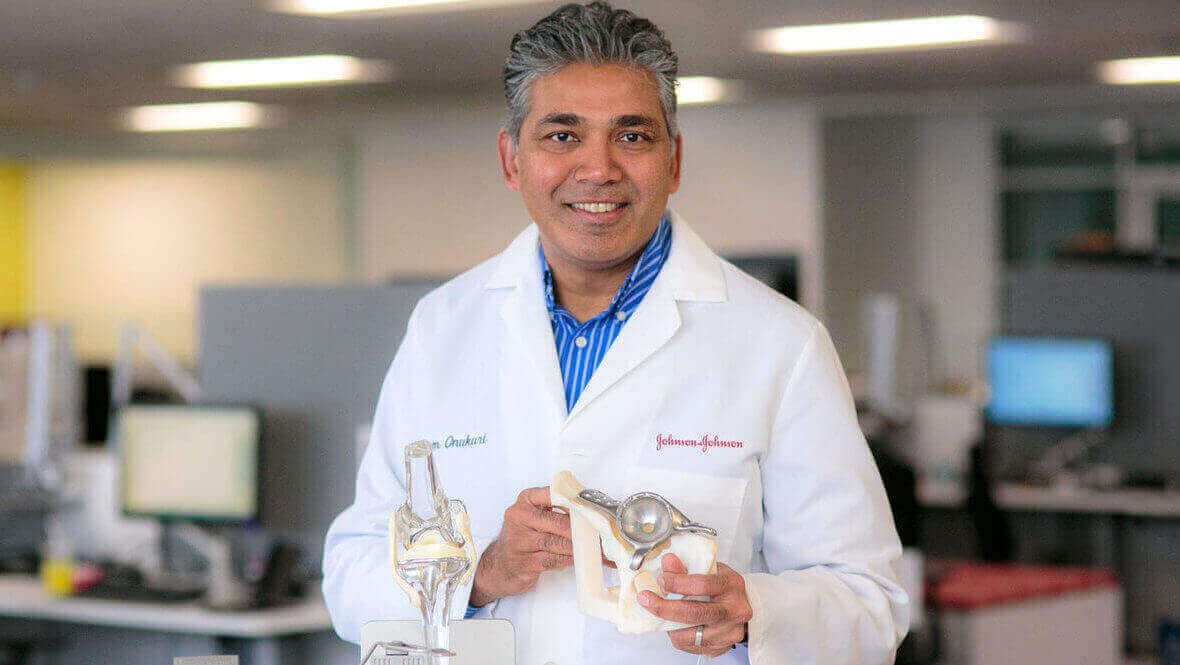
Johnson & Johnson is using 3D printing to create many innovations in medicine including customized surgical tools and pills with sensors.