3D Printing in Medicine
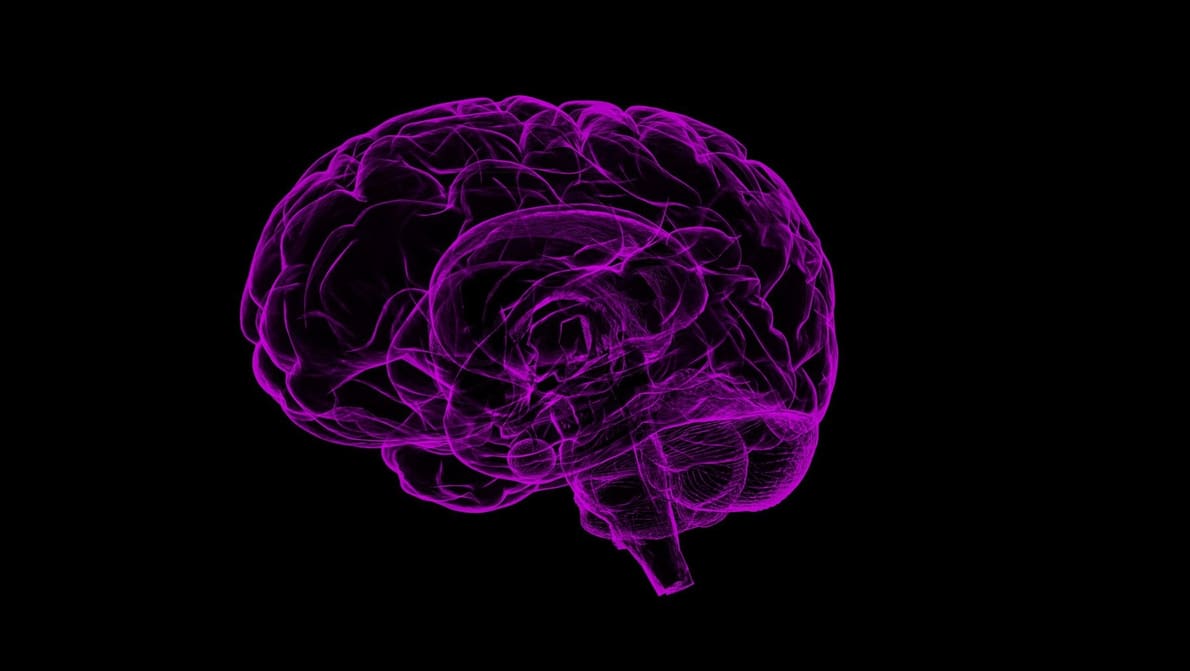
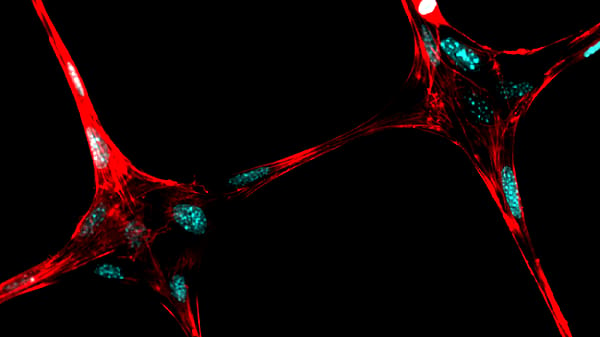
Scientists from Manchester, UK are using 3D bioprinting to investigate and better understand the brain's neurovascular unit (NVU) which will hopefully lead to improved treatments for neurodegenerative diseases.
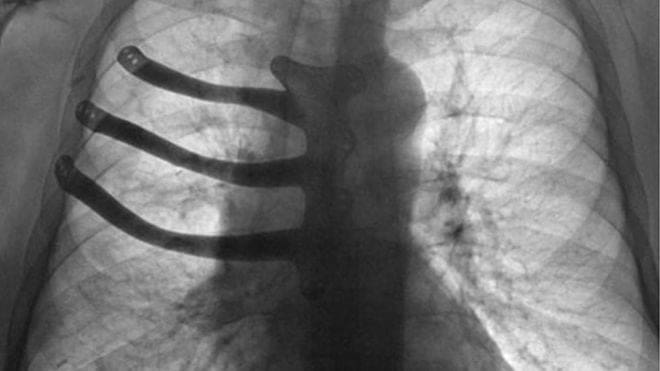
Surgeons in Wales used a 3D printed titanium implant to rebuild the chest of a 70-year-old man after a cancer removal operation which took three ribs and part of his breastbone.
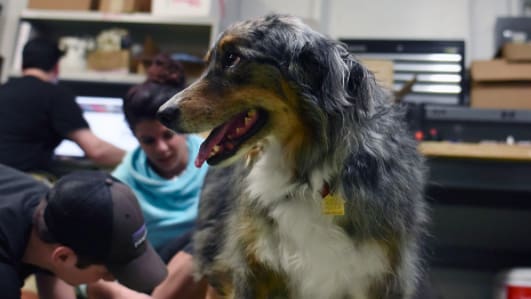
Tucker, a five-year-old Australian sheep dog, can run on four feet again thanks to a 3D printed prosthetic paw. The hope is that the paw prosthetic will improve Tucker's mobility and his quality of life.
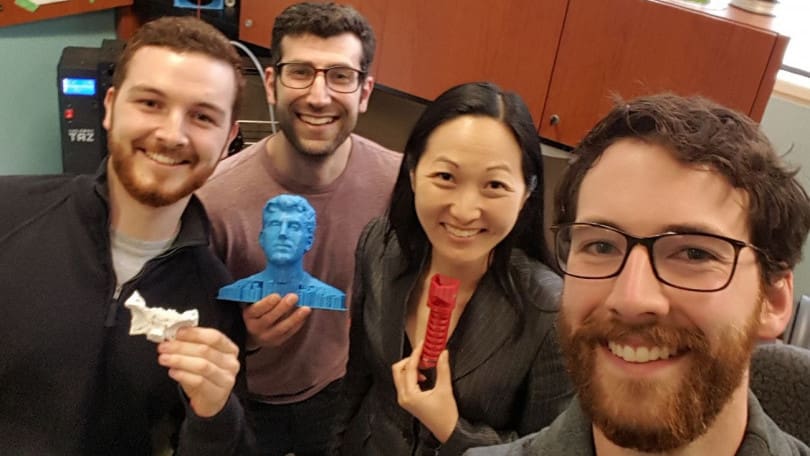
MUN MED 3D is the first 3D printing biomedical laboratory housed at the Health Science Centre in St. John’s, Newfoundland and Labrador, Canada. Its founders have some tips for how others can create their own.
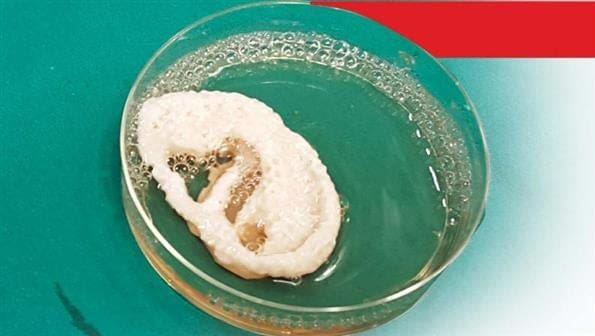
Doctors in Chennai, India are working on 3D printing transplantable ears. They've recently been successful in growing ear cartilage in a culture flask and proving it continues to grow once implanted in rabbits.
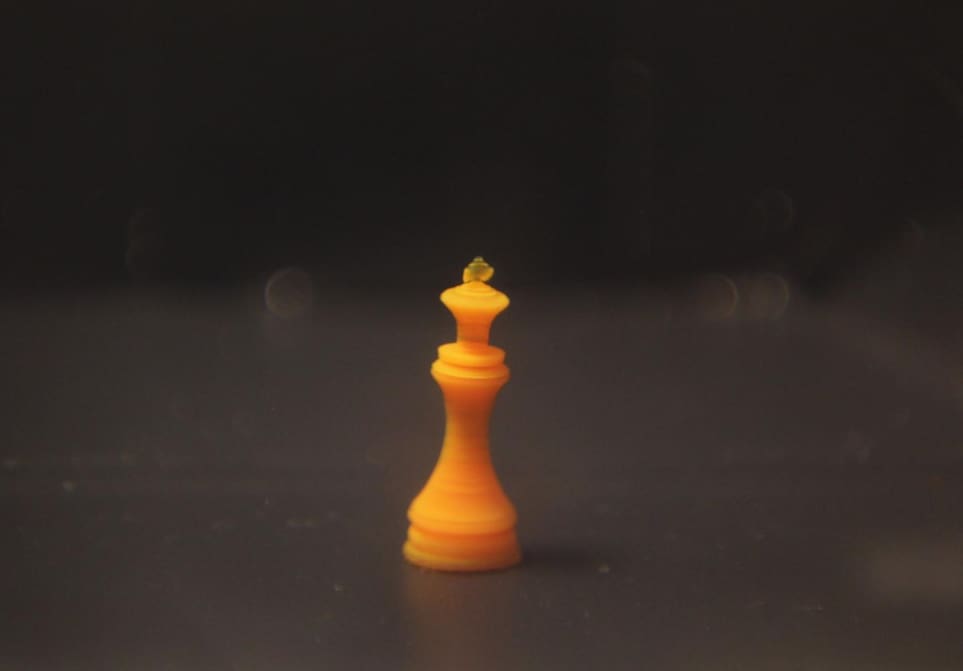
Engineers at Rutgers, the state university of New Jersey, and the New Jersey Institute of Technology have developed a 4D printing method which may find application in tissue engineering and targeted drug delivery systems.
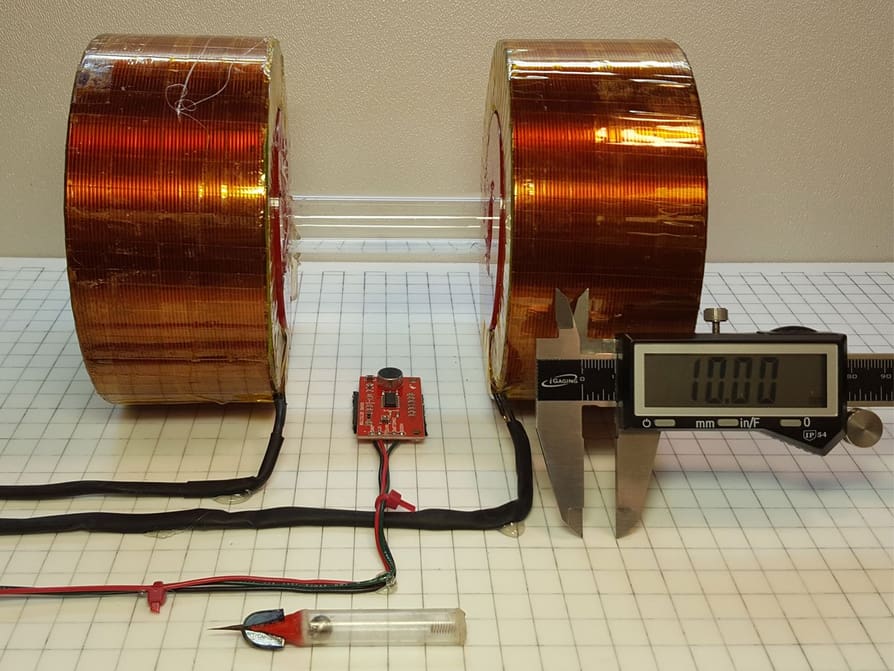
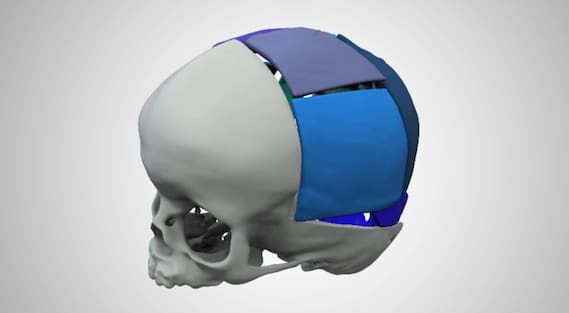
The collaboration of 3D Systems and Stryker allows surgeons access to 3D printing and medical imaging technologies to help develop patient-specific procedures.
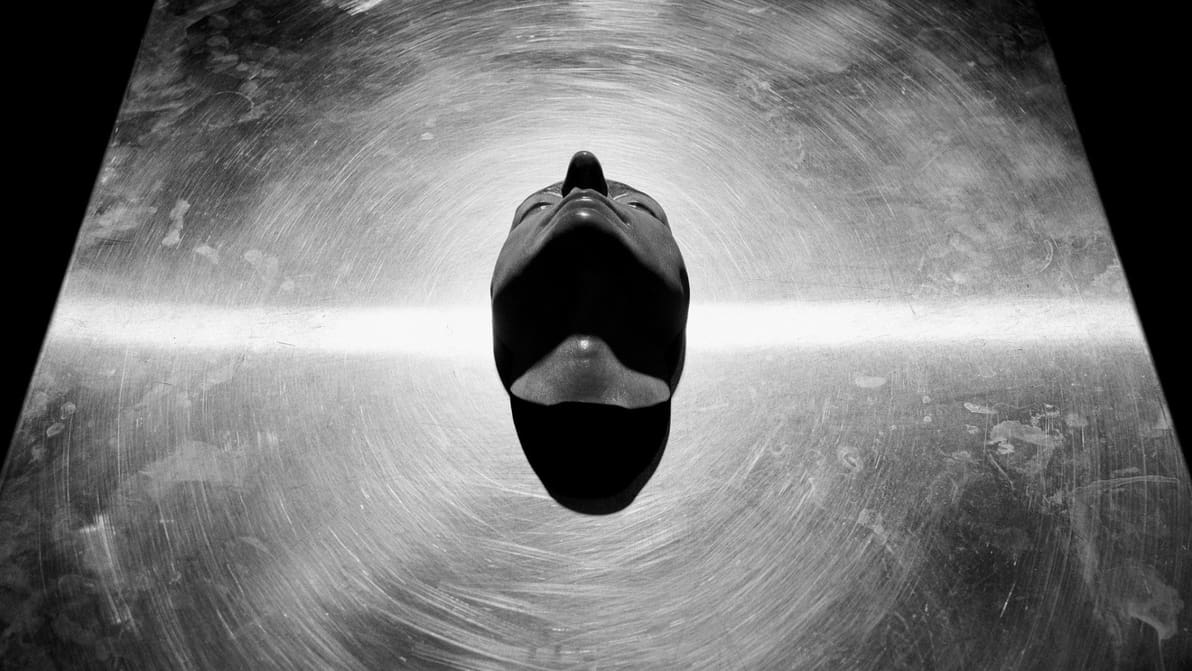
New York University 3D printing specialists are to 3D print the face of a brain-dead man, before it is transplanted to a waiting recipient. It is thought the lifelike mask will bring dignity to funeral proceedings for the donor's family.
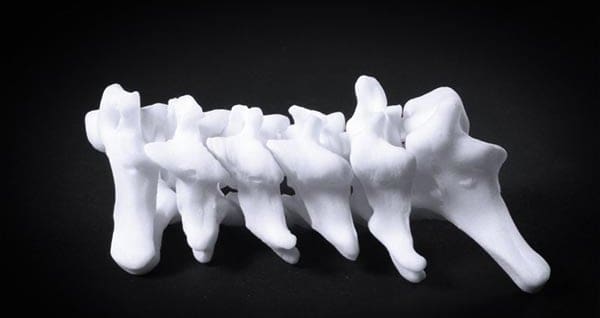
Researchers in Serbia have created a diagnostic tool to assess spine curvature in potential scoliosis patients. The benefits are less repeated radiation exposures, which are known to cause breast cancer in patients.
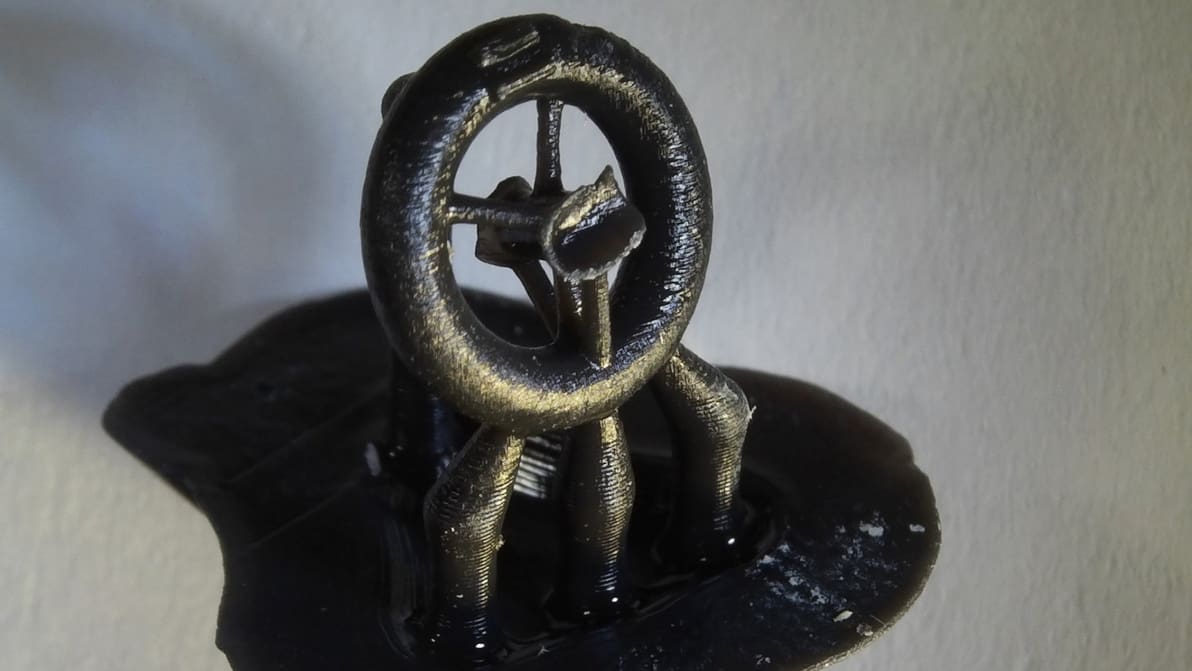
A cure for hearing loss? Researchers have created 3D printed custom-designed prosthetic replacements for damaged parts of the middle ear.
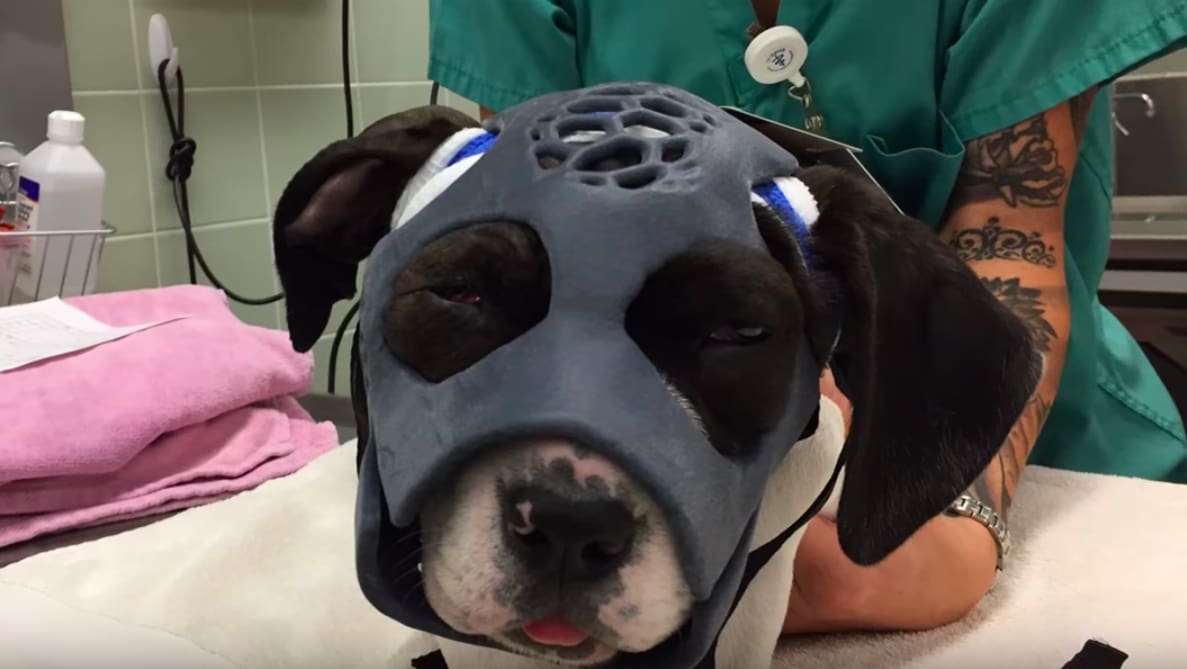
Loca, a four-month-old puppy, underwent extensive surgery and was the first dog to receive a custom 3D printed mask after a savage attack.
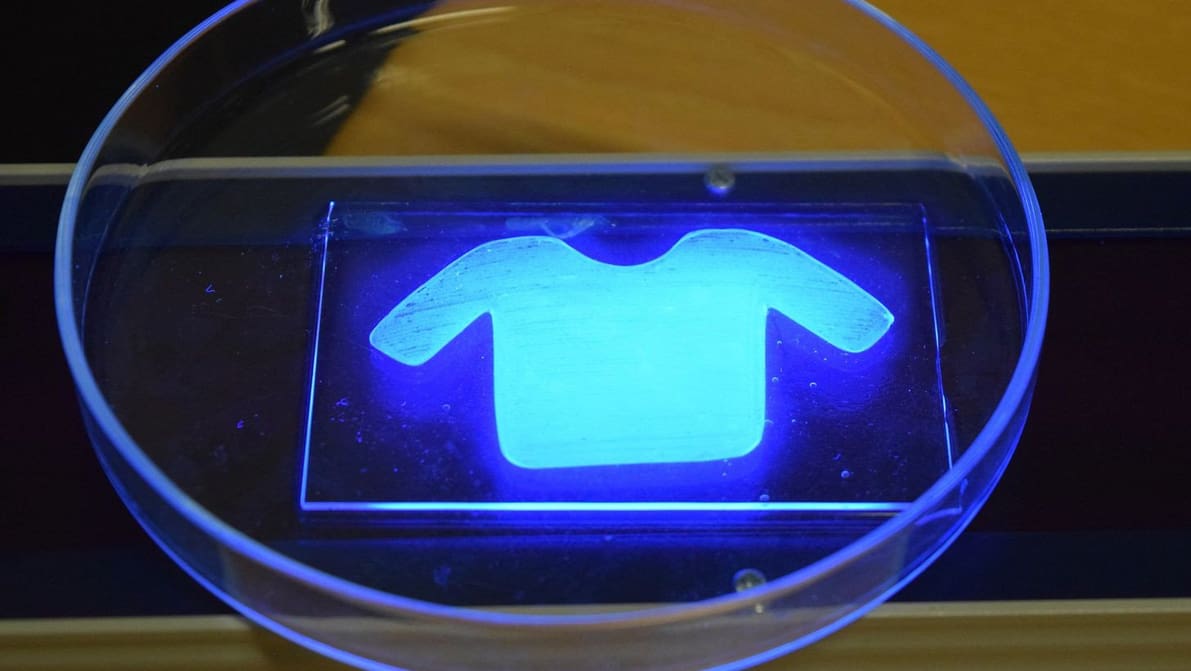
Researchers have produced a special type of ink made from living bacteria which can be used for 3D printing applications.
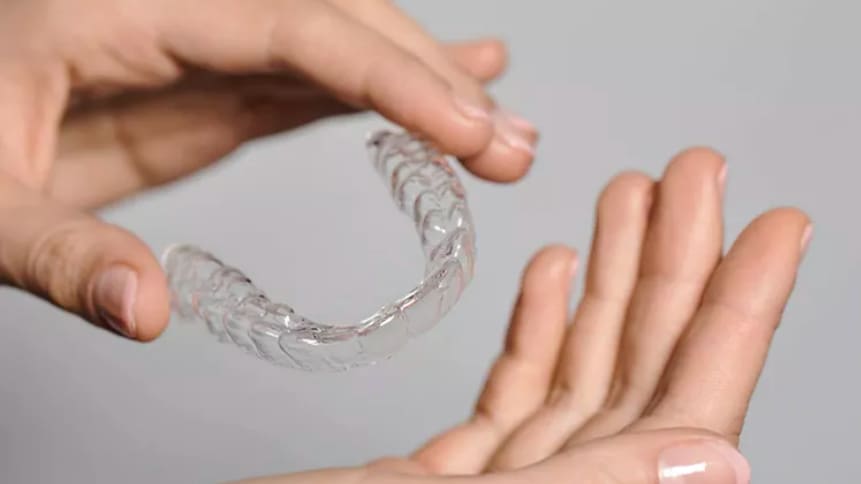
Candid, the dental start-up, raised $15 million in a Series A financing round and now plan to expand their operations to find new customers.
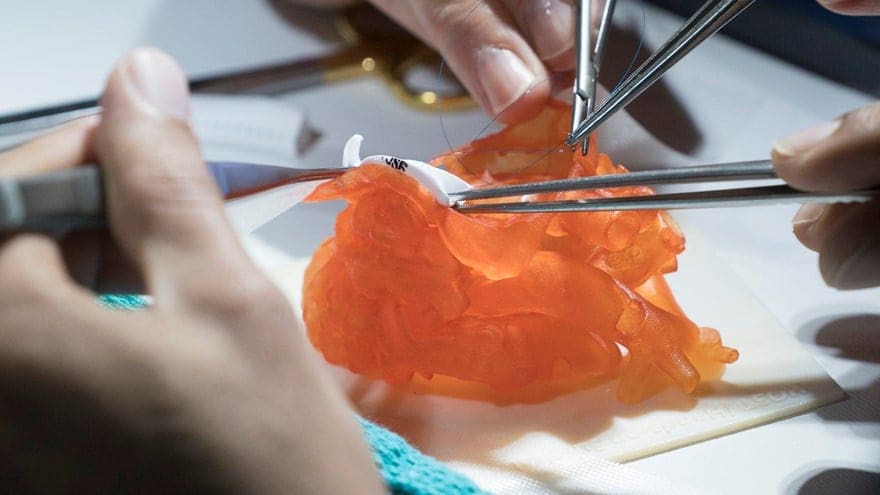
Stratasys is launching the BioMimics platform which enables physicians to 3D print reliable, accurate and complex anatomical structures for practice and education.
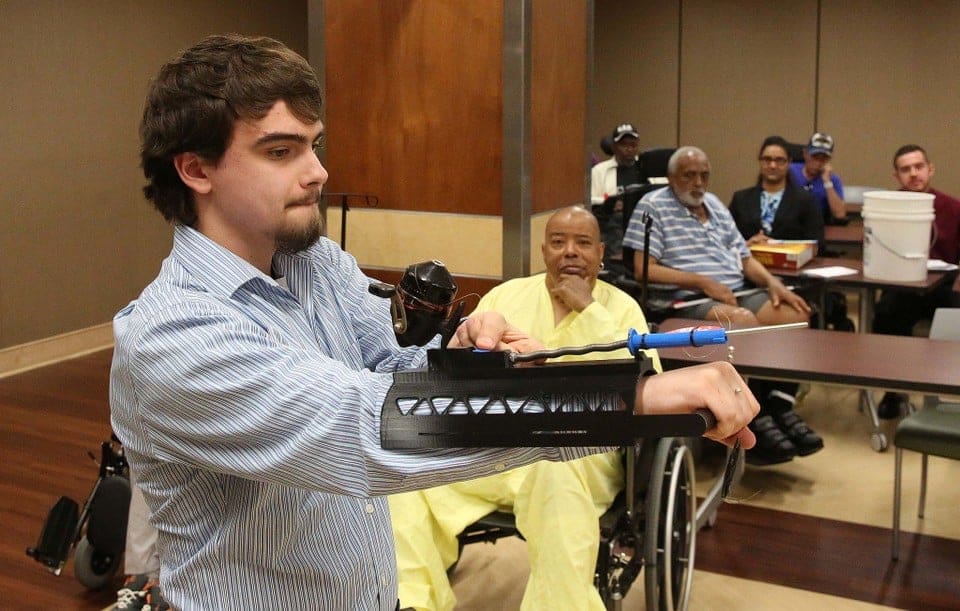
College students in Cleveland, Ohio have designed and 3D printed assistive devices for disabled veterans according to their desires.
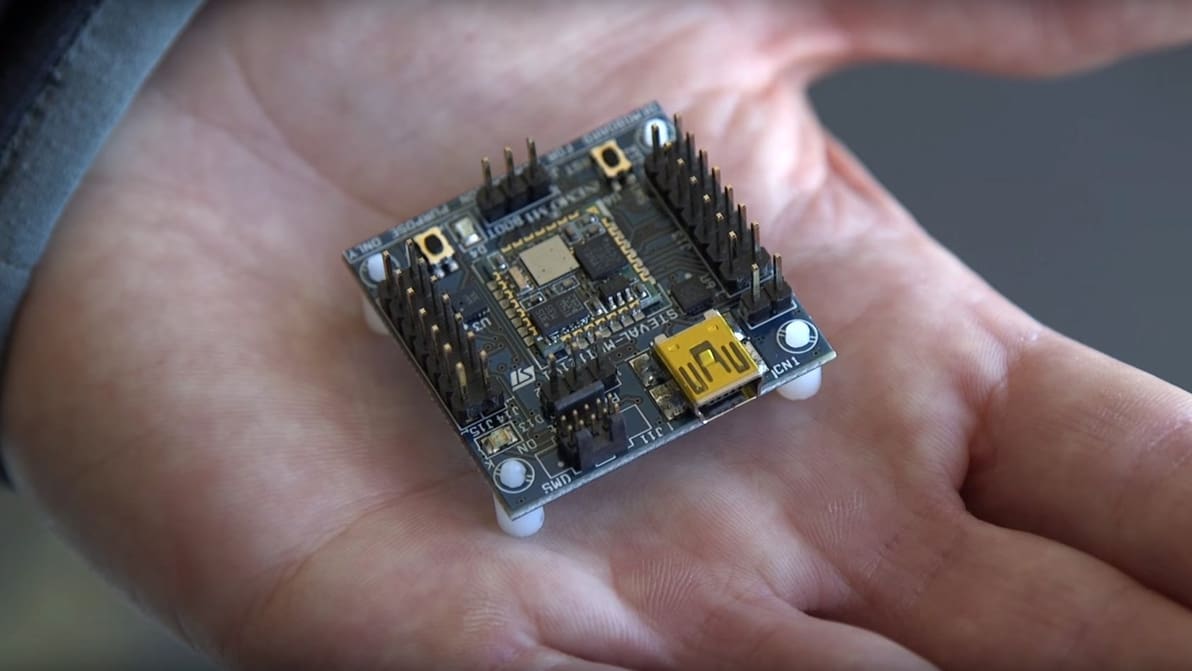
Using an ultrasound machine and an inexpensive microchip, researchers are able to create 3D images and hopefully enhance medical care.