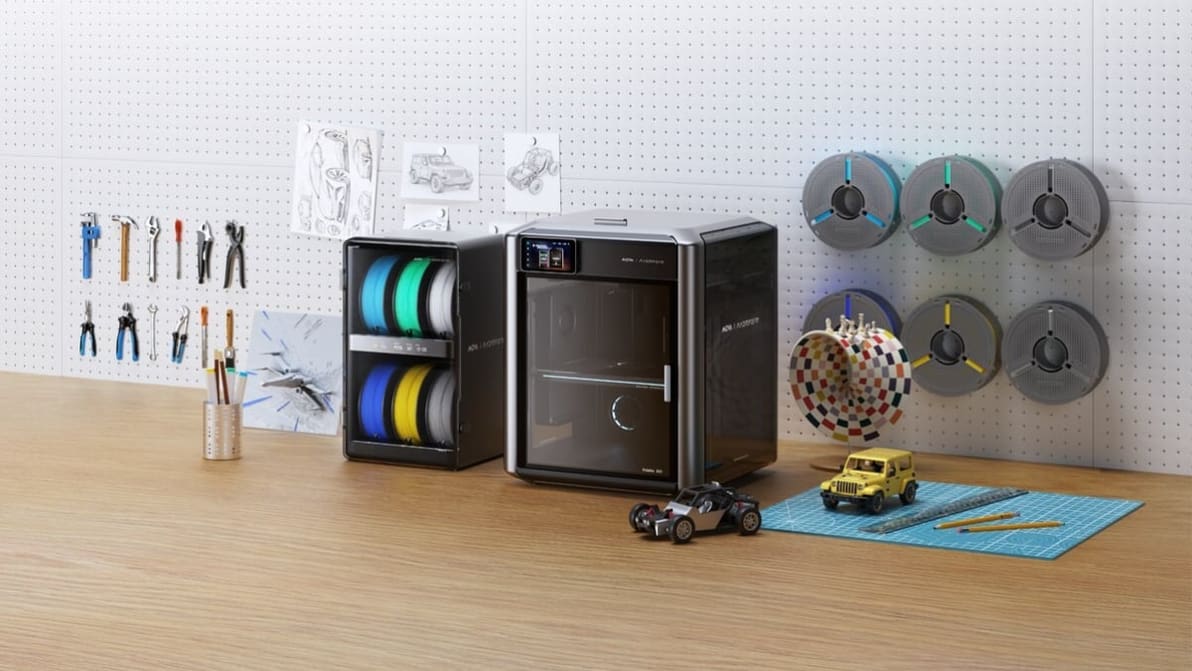
Another smart home electronics manufacturer wants a piece of the desktop printing pie. MOVA, a brand best known for its robot vacuums and lawn mowers, has used CES 2026 to launch AtomForm, a new 3D printing sub-brand debuting with an ambitious 12-nozzle machine called the Palette 300.
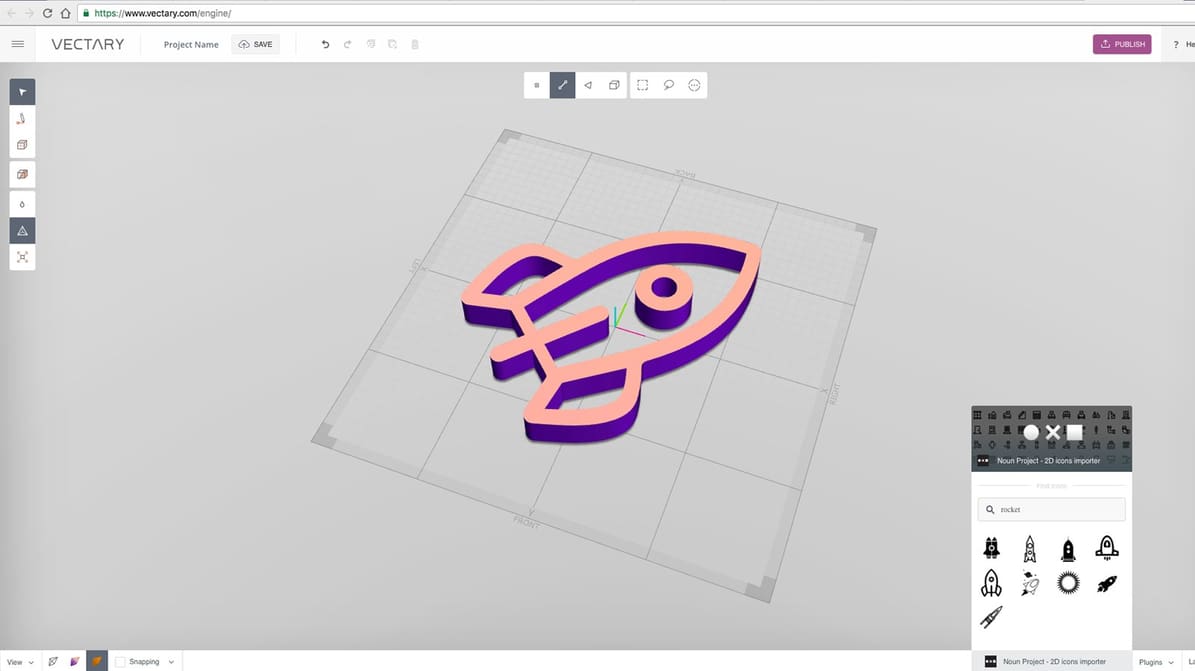
Learning CAD can be tough, but you can ease your way in with simple newbie-friendly software. Check out our picks of the best CAD software for beginners.
Two Univ. of Wisconsin professors have snagged a U.S. patent for turning spoiled milk into biodegradable plastic for 3D printing, promising to help Wisconsin’s dairy farmers cash in on what was once just food waste. Their patented milk-to-material magic uses dairy proteins to replace petroleum-based plastics. Next step: find a company to commercialize it — hopefully soon!
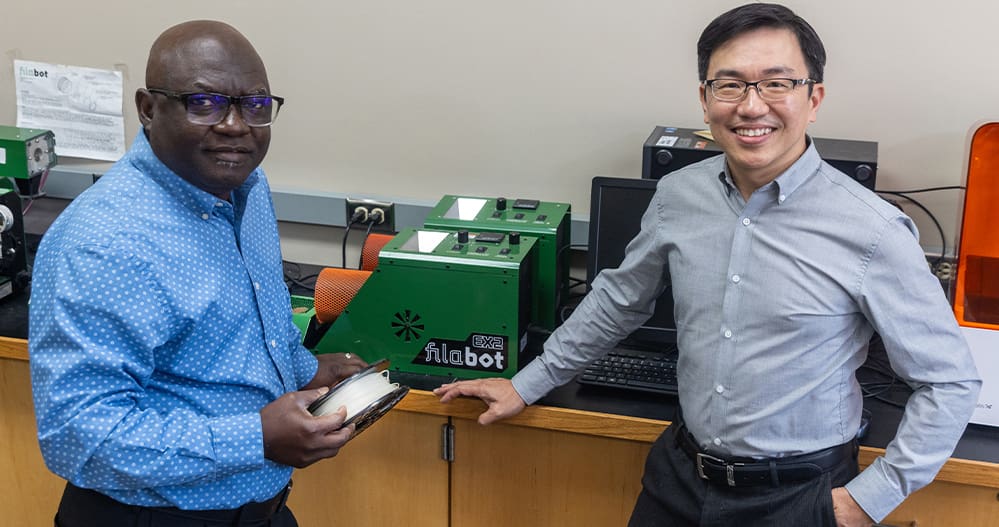

With the strategic takeover of Forecast 3D, Addman’s fleet surges to over 160 systems and adds a West Coast manufacturing powerhouse to expand polymer production.
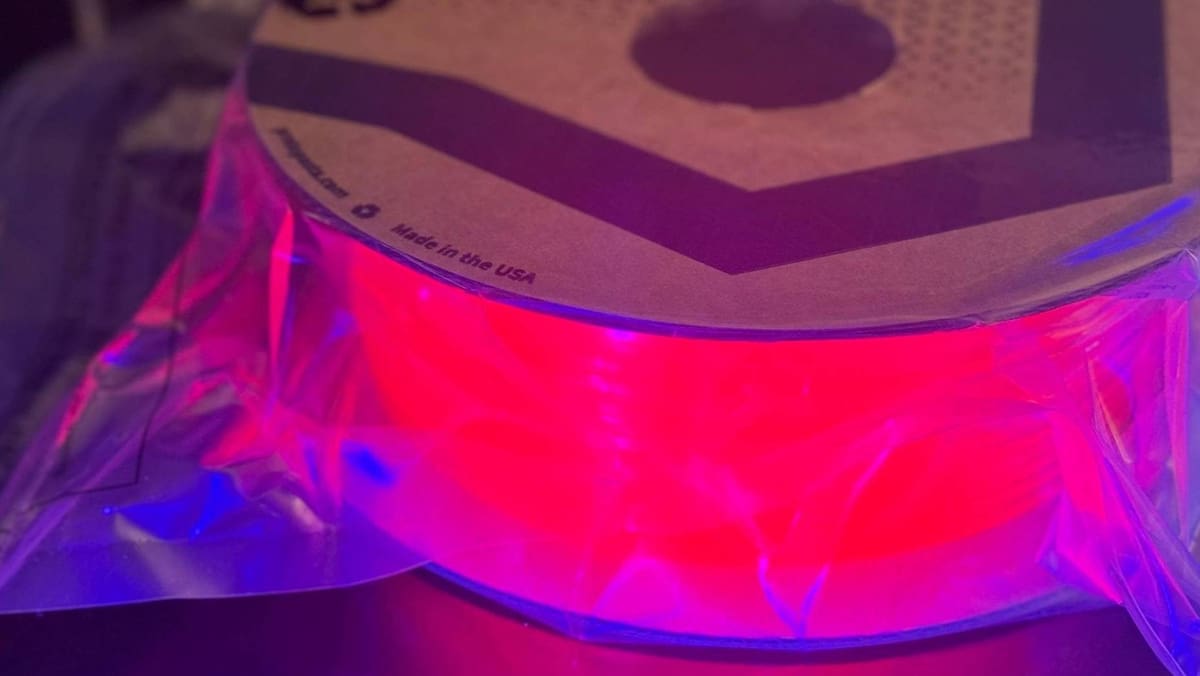
Alongside CES this week, Proto Pasta has shown off its self-proclaimed world's first quantum dot filament. The material uses "quantum pigments" – tiny crystalline semiconductors –that are UV reactive, creating an intense glow with 365nm wavelength blacklight. Subscribe to the Endless Exploration by February 28 to receive three samples in your March delivery.
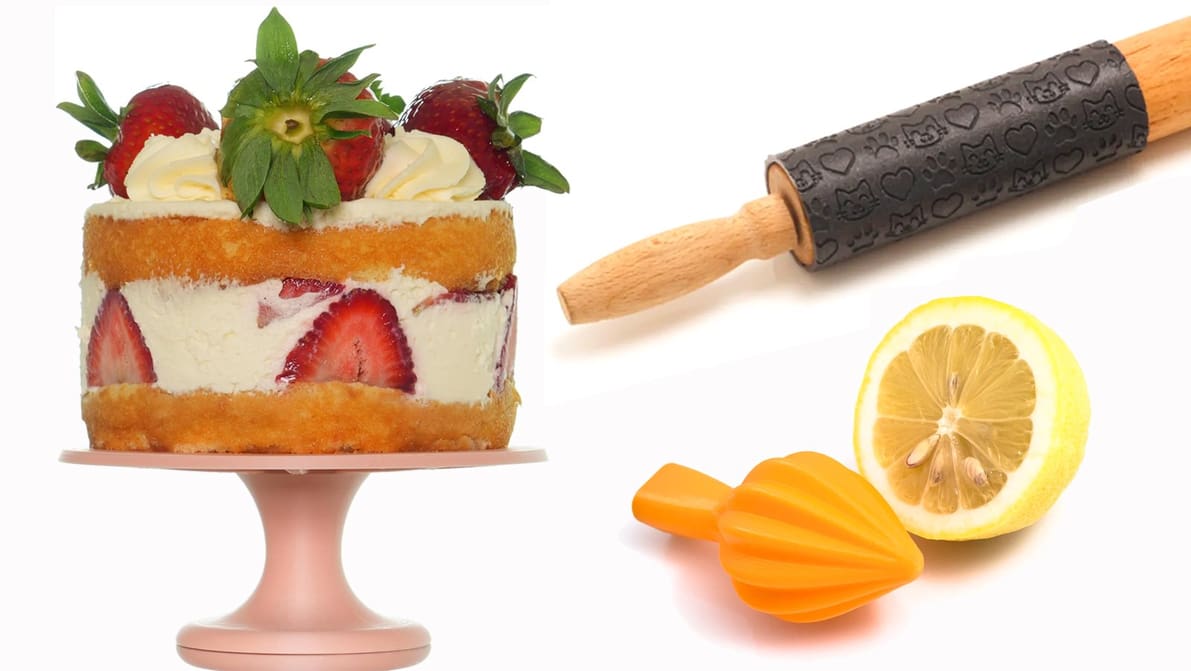
Just because it's PLA doesn't mean it's safe for food contact. See which ones actually are and how to use them.
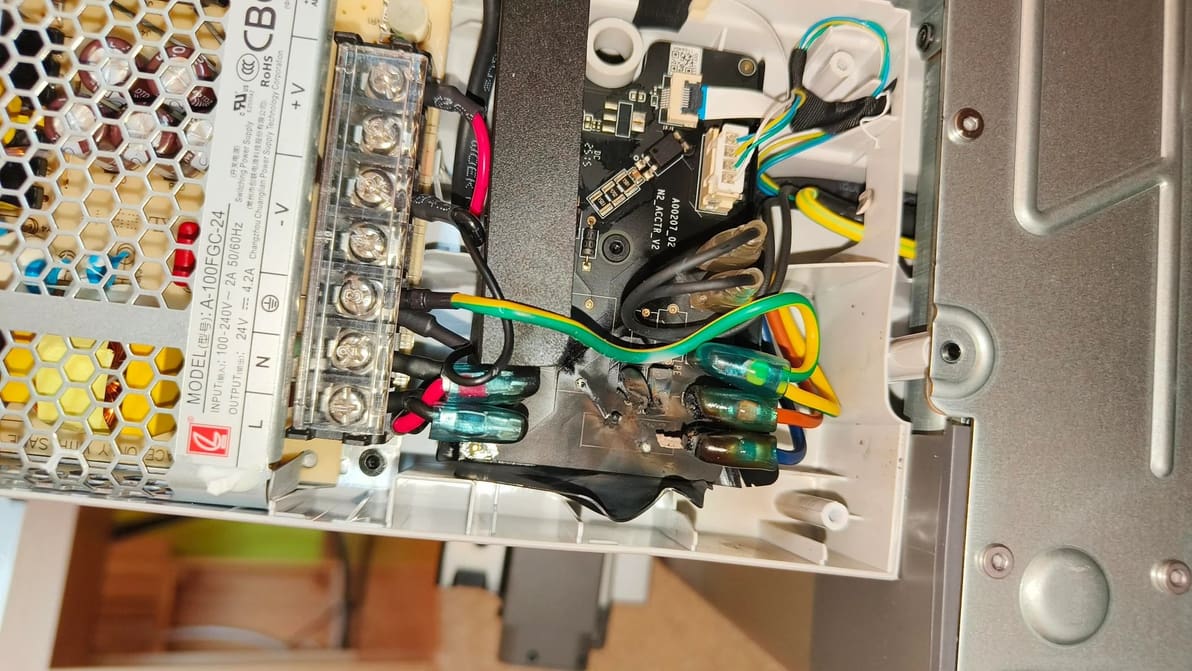
A number of posts to social media, plus an independent investigation by YouTube channel 3D Musketeers, suggests the A1's original power distribution board at risk of melting components in rare situations. Bambu Lab assures us the risk is minimal and remedied in newer machines.
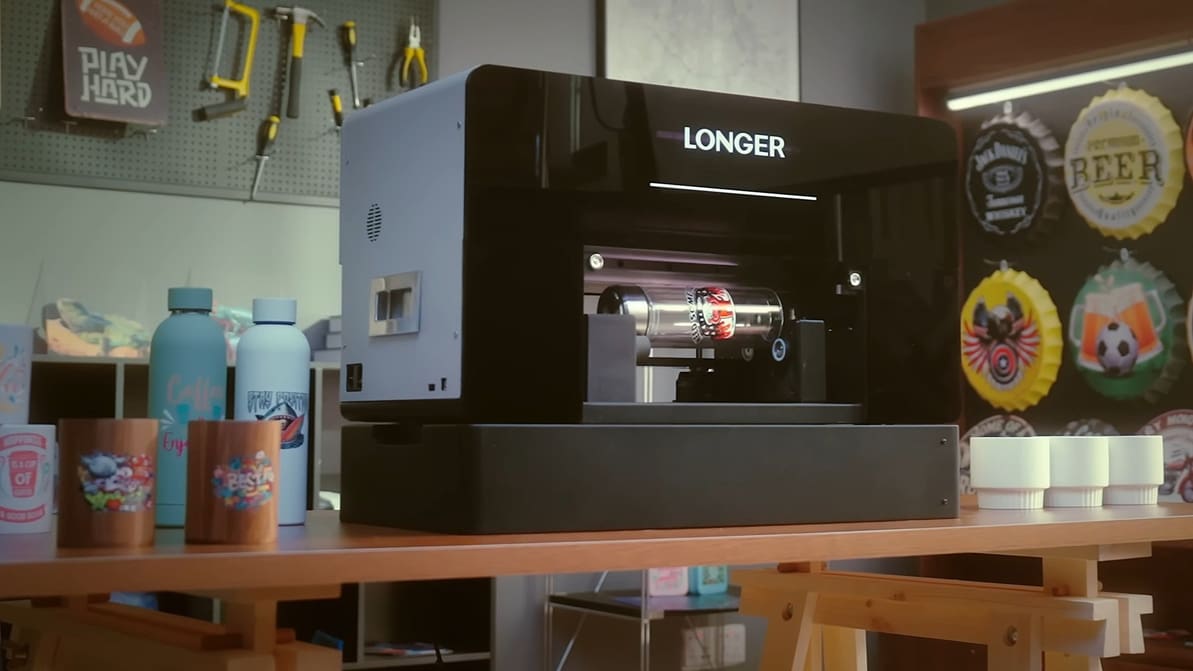
LONGER has announced a major upgrade to its ePrint series, currently live on Kickstarter. Building on its success, ePrint now becomes the world’s first all-in-one personal desktop printer to support both UV and full DTF printing through a dual-printhead system.
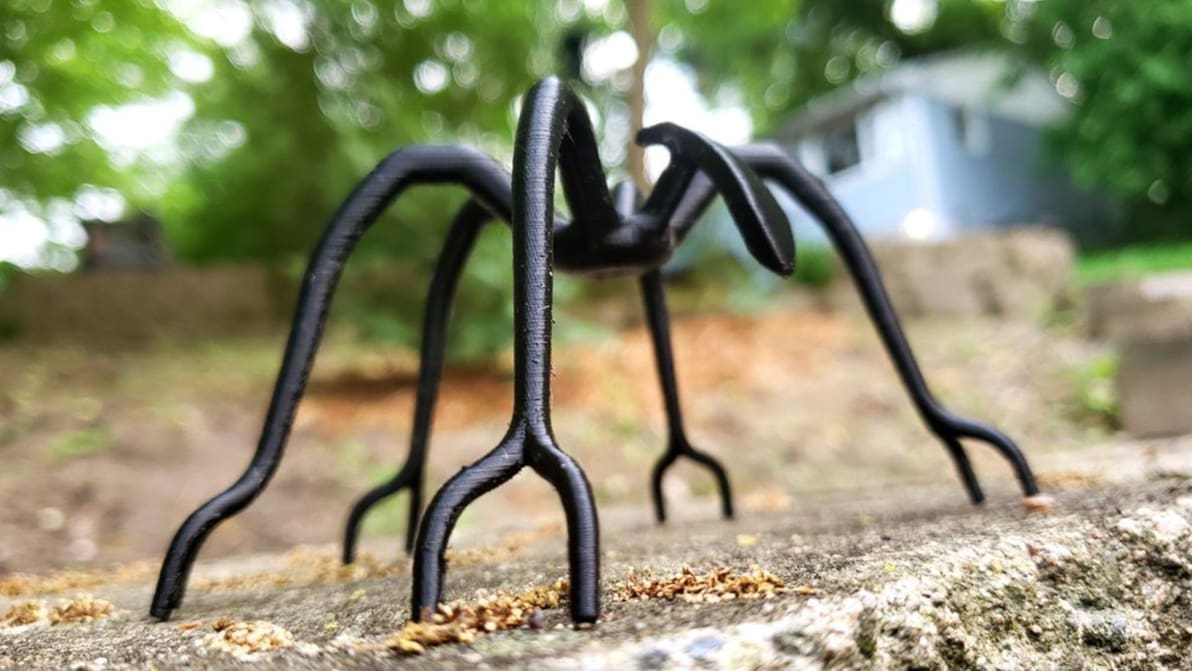
Stranger Things is back with your favorite characters and monsters. Read on to discover the coolest Stranger Things STLs you can 3D print!
The design is up for voting on the Lego Ideas community design site. As far as iconic printers go, it's certainly representative of the world populations' experiences with 3D printing, but are there other printers more worthy of being immortalized in Lego?
Add your own to the poll if you have a better idea than our limited preselection.
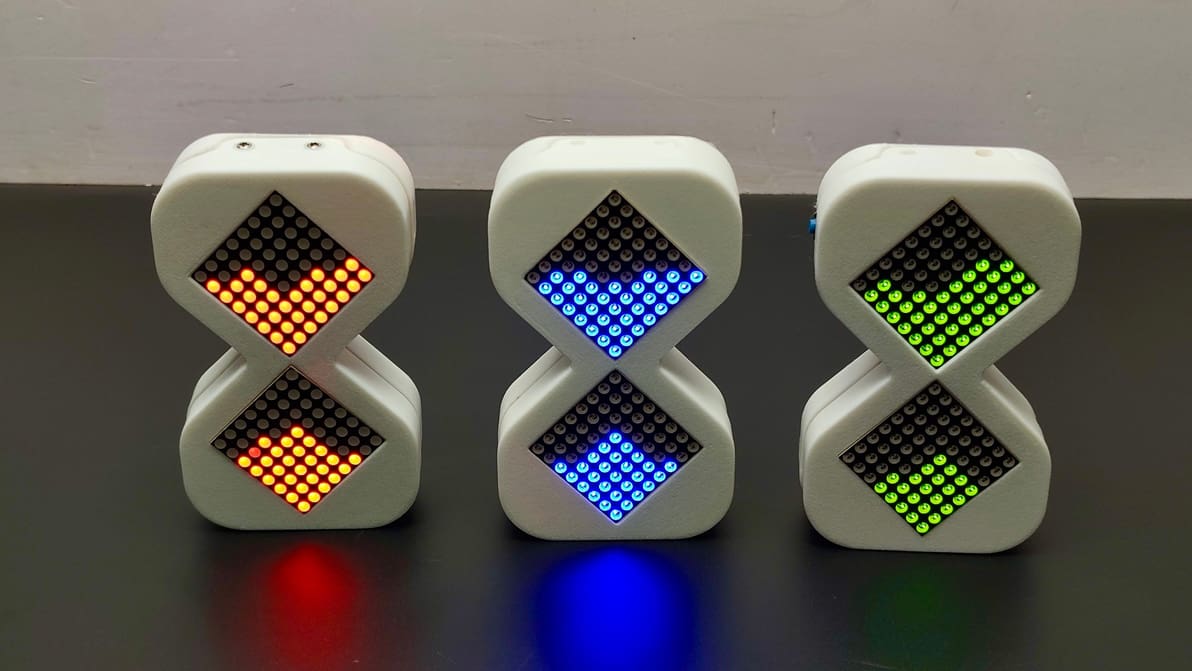
Arduino development boards are nifty little devices with huge potential. Read on for simple and useful Arduino projects for beginners.
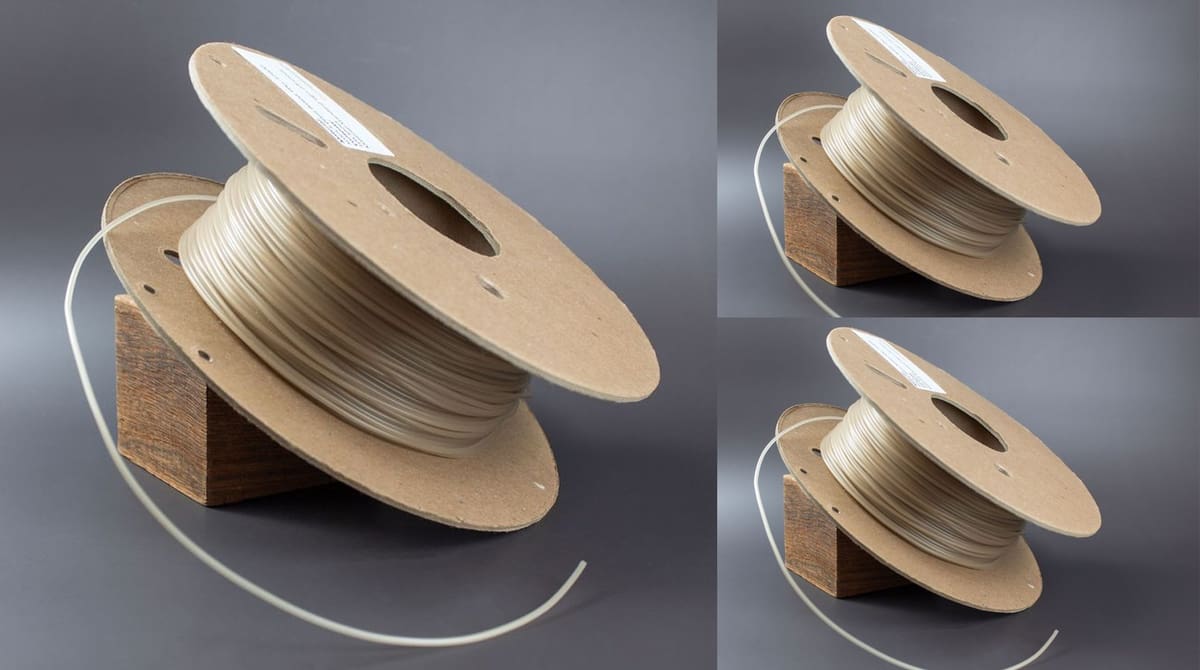
Ecogenesis Biopolymers has launched a new genTPU filament derived from algae and plant oils.

Treating yourself? Treating someone you forgot at Christmas? Whatever the reason, these articles of 3D printing-aligned merch are all at least one of useful, cool, stylish or tasty.
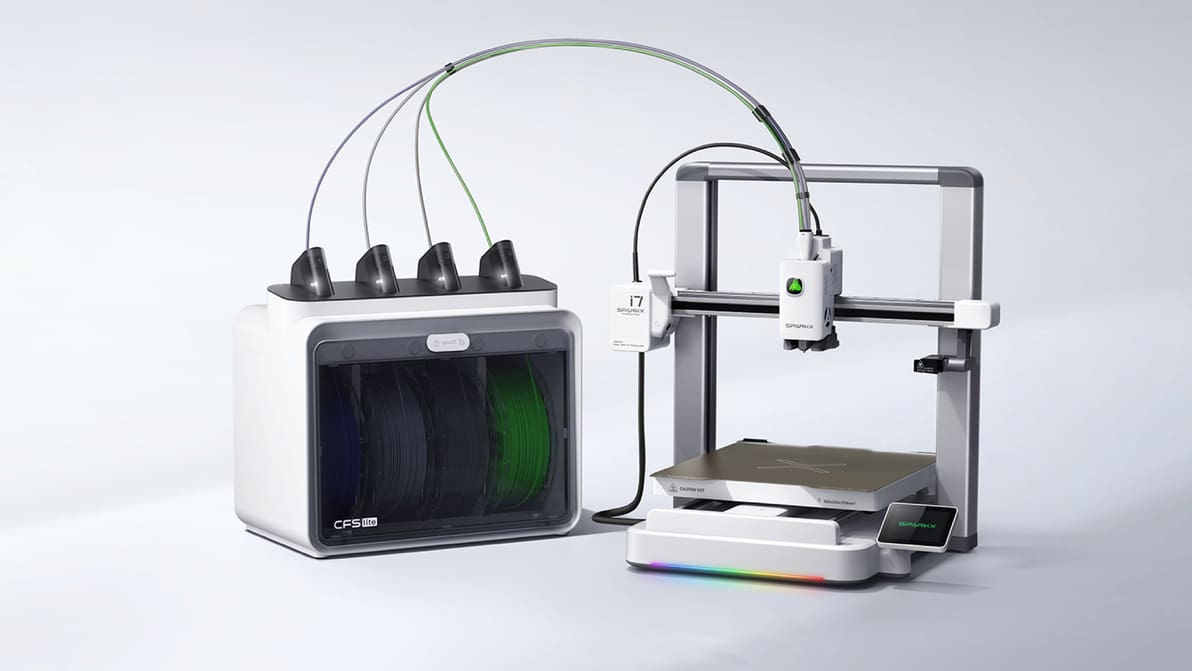
Following the soft launch of the SparkX brand and hint at new hardware, we now have a clear picture of what the SparkX i7 actually is – a "lifestyle" printer of a sort, offering ease of use over granular control.
From deep-dive hardware reviews to daily industry bulletins, platform upgrades and editorial expansions fueled a huge reach into the maker community and the professional market.
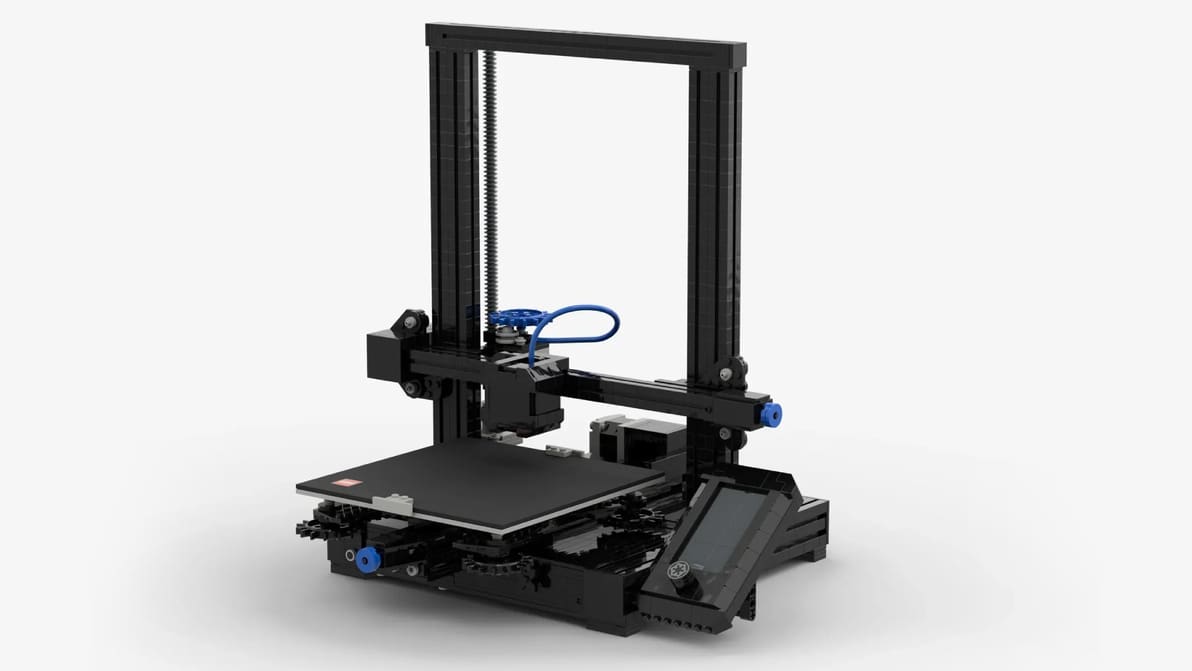
It won’t print, but this Ender 3 V2 replica in Lego has the potential to become an officia set, provided it gets enough votes and passes muster in Lego’s evaluation stages.
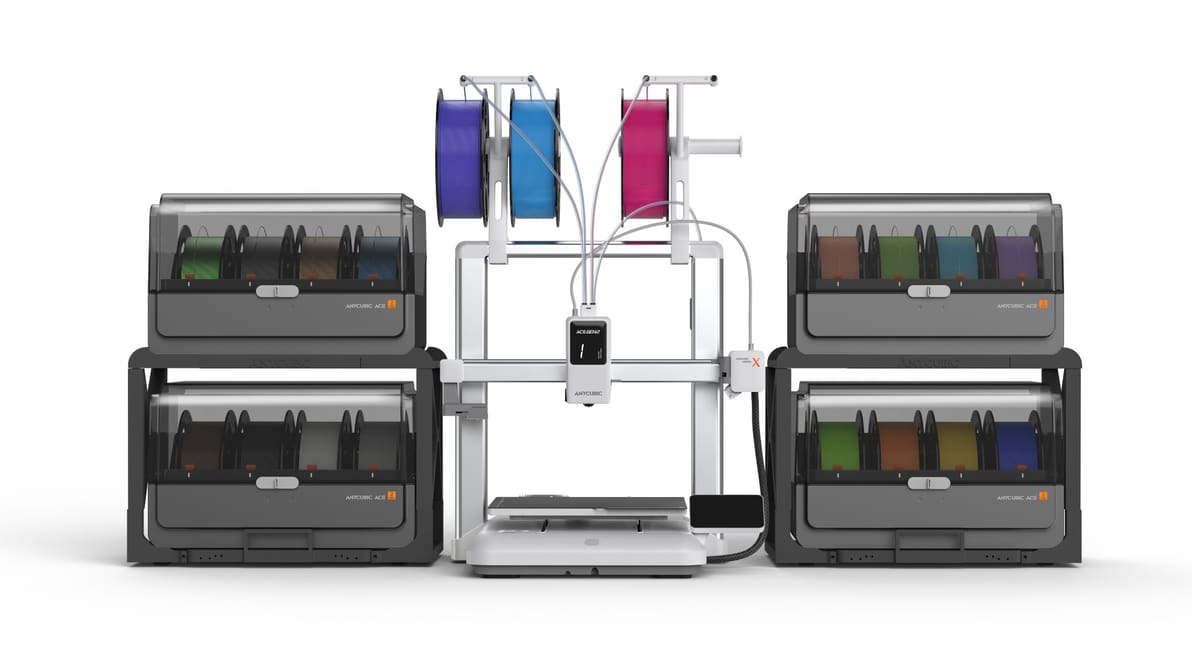
The move is to soothe the pre-print jitters of early adopters of this new printer, promising direct support and even compensation if the machine stumbles out of the gate.
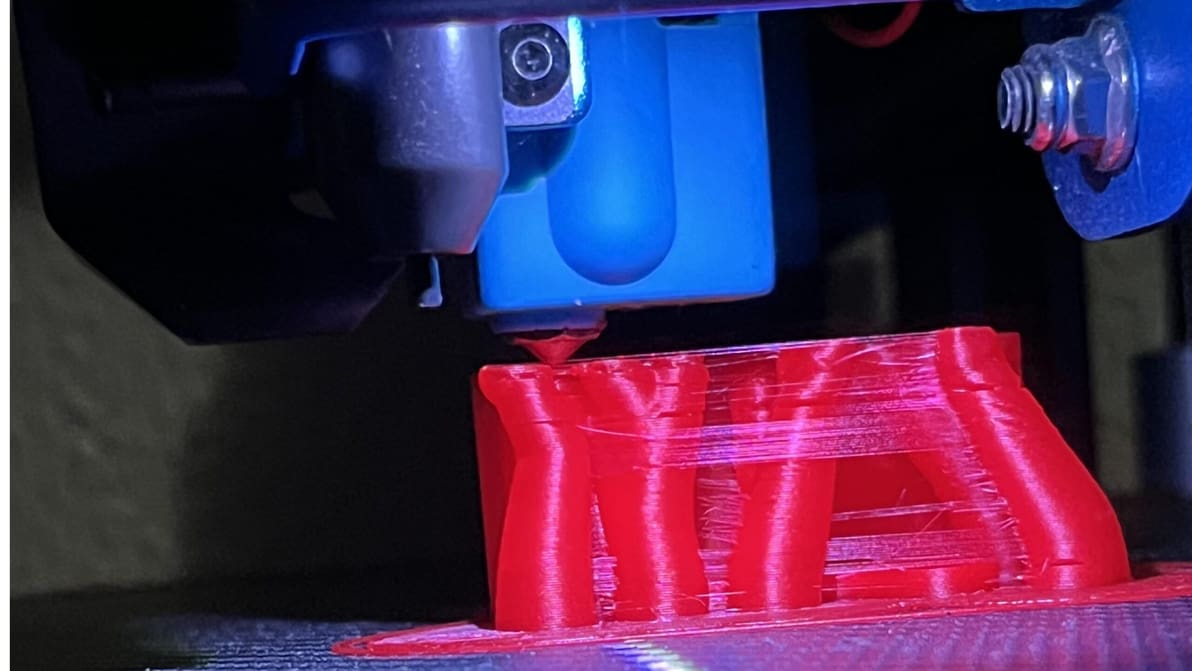
3D printer stringing is a common problem, especially with flexible materials. Overcome this issue with these five simple solutions!

Softly launched before the holidays via a press release, Spark X sounds like Creality’s full embrace of AI and “smart” appliance-like functionality.
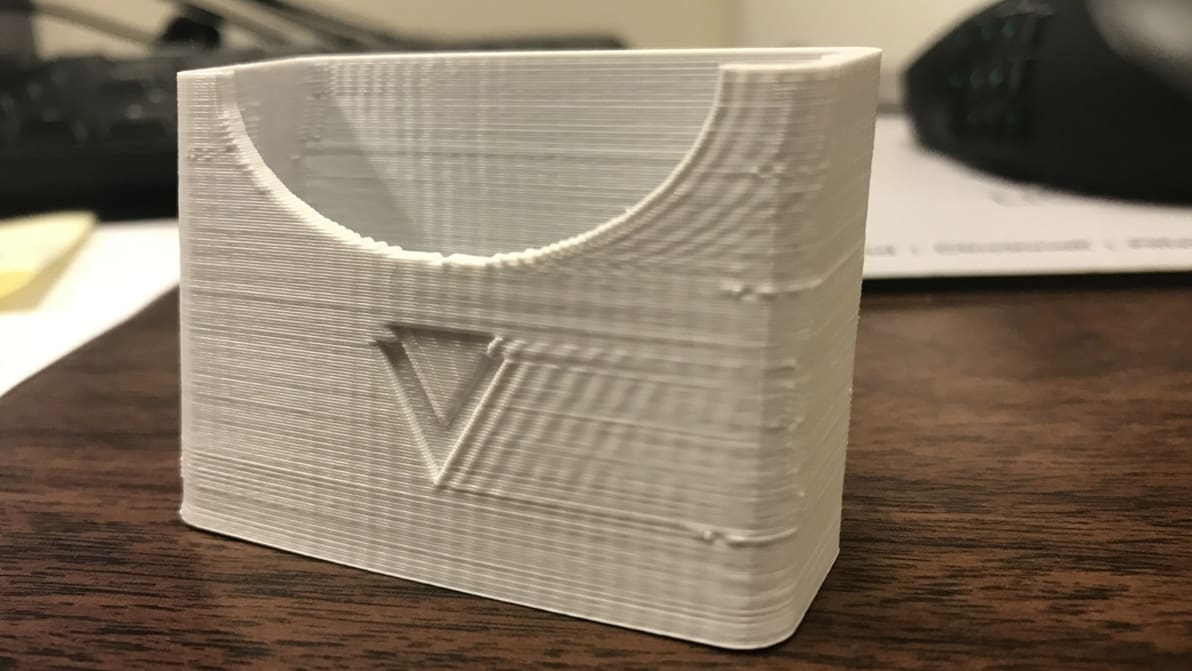
No need to be scared! 3D printing ghosting or ringing is nothing to fear. Check out this quick guide for easy fixes to prevent it.