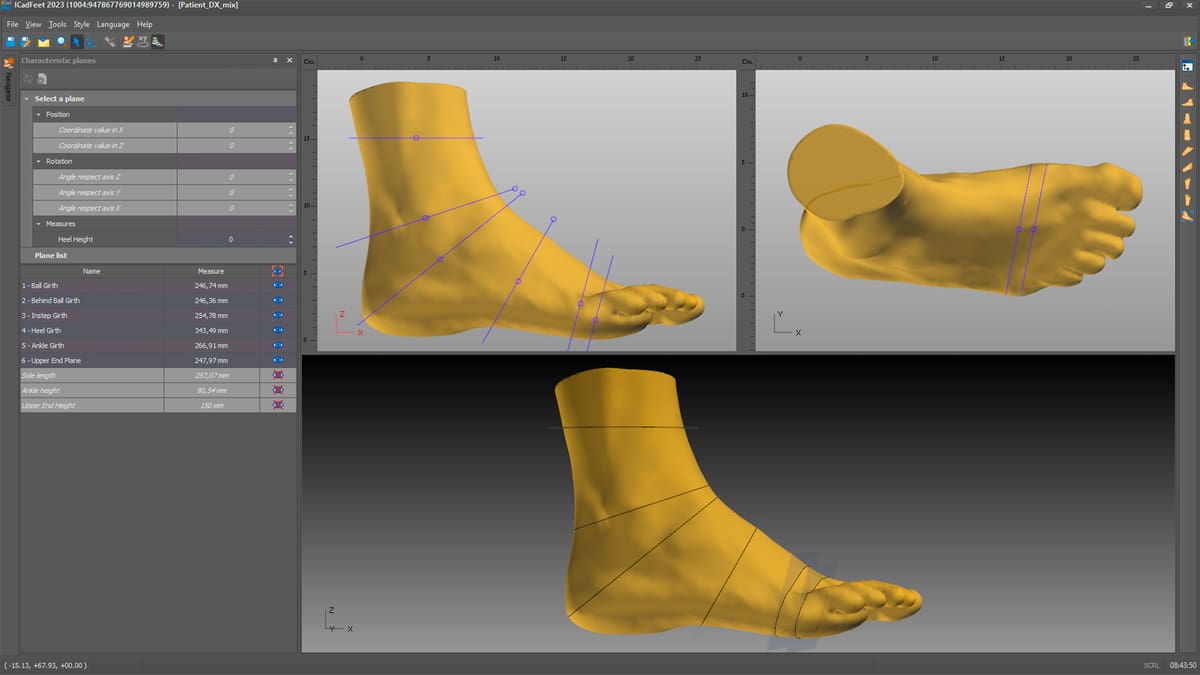
Getting a Perfect Fit Used to Be Hard, Body Scanning with Peel 3D Makes It Easy

Forget plaster casts and measuring tapes. Peel 3D's handheld scanners capture precise body data in minutes, unlocking a new world of custom-fit orthopedics, fashion, sports gear, and more.
Once reserved for industrial design and reverse engineering, 3D scanning has broken out of its niche. Today, it’s becoming a cornerstone of personalized solutions in healthcare, fashion, sports, and beyond. Body scanning, in particular, opens up a world of possibilities for creating products that fit perfectly and improve comfort, performance, and accessibility. Peel 3D provides portable, professional-grade scanners and intuitive software that make these applications practical for clinics, labs, and even remote environments.
The Growing Role of Body Scanning
Accurate body data is essential for customization. Whether it’s a prosthetic limb, an orthopedic insole, or a custom cycling helmet, the ability to capture precise measurements reduces trial-and-error and speeds up production. Peel 3D simplifies this process: its scanners capture detailed geometry quickly, and its software prepares clean, optimized meshes ready for design and manufacturing.
But the possibilities go far beyond medical applications. Designers can use Peel 3D scans to create ergonomic office chairs, sports gear tailored to an athlete’s body, or even wearable tech that integrates seamlessly with the human form. In fashion and cosplay, scanning enables perfectly fitted garments and accessories. Researchers and educators can use body scans for biomechanics studies or training simulations. And in the digital realm, scans can become avatars for VR and AR experiences.
From Scan to Print: A Seamless Workflow
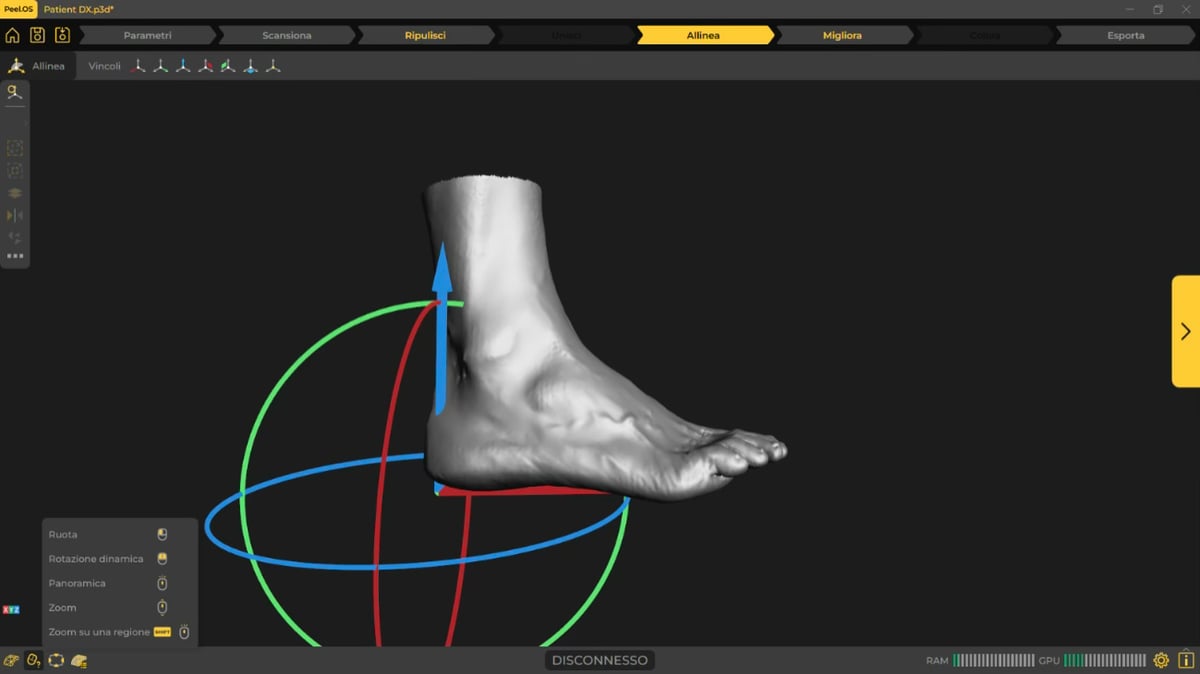
After capturing a body scan, Peel 3D software allows users to refine the mesh, fill gaps, and export files in formats like STL, OBJ, PLY, FBX, STEP, and IGES. These files integrate easily with CAD tools for design adjustments and slicing software for 3D printing. This compatibility means professionals can move from scan to finished product without complex conversions.
Additive manufacturing ties it all together. FDM printers can produce quick prototypes for fit testing, while SLS or resin-based systems deliver durable, patient-ready components.
For example, a prosthetic socket can be scanned, modeled, and printed in a matter of days, dramatically reducing lead times compared to traditional casting methods. The same approach applies to orthopedic insoles, custom sports gear, and even rehabilitation aids.
Peel 3D Solutions: Hardware and Software
Peel 3D scanners are designed for ease of use without sacrificing accuracy. They handle complex geometries like limbs, feet, or full-body scans, even in challenging environments. Combined with Peel software, users can clean up scans, optimize surfaces, and prepare files for downstream processes. This streamlined workflow supports a wide range of applications while keeping costs and complexity manageable.
Real-World Applications
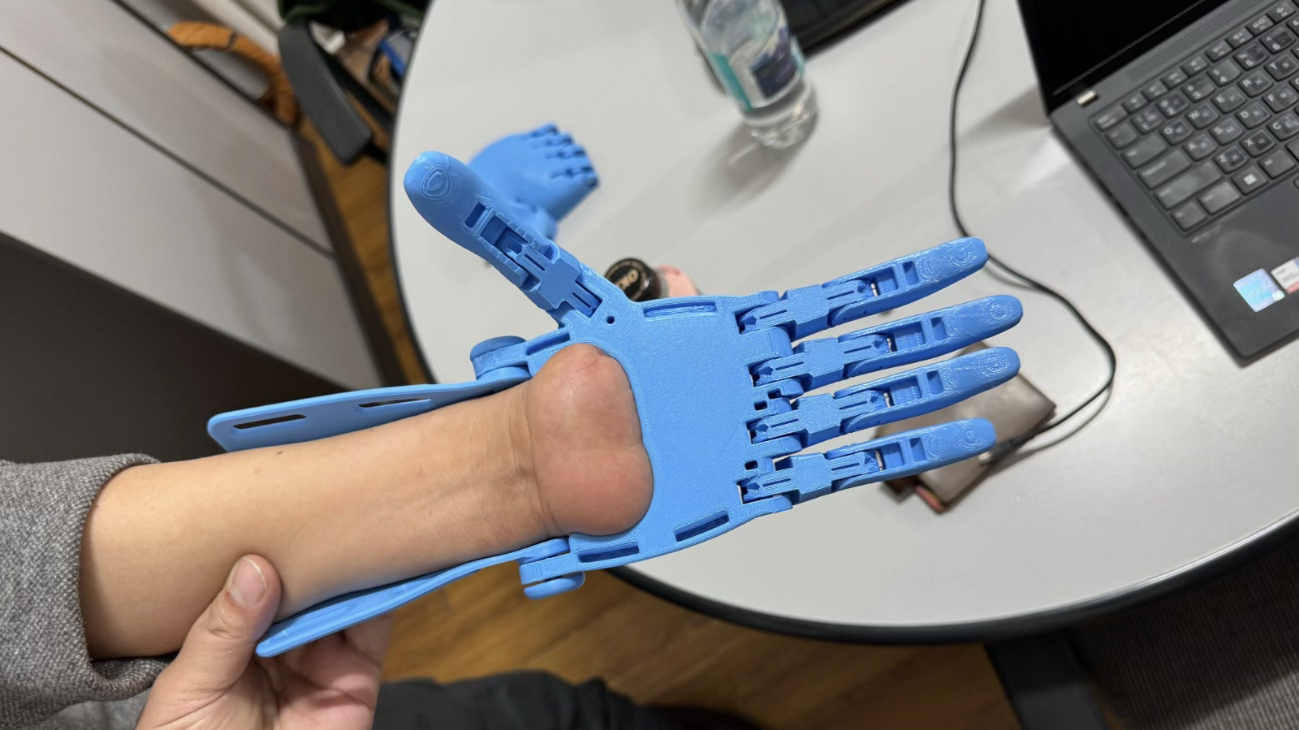
From 3D Scans to Life-Changing Prosthetics in Mongolia
In some parts of Mongolia, access to advanced healthcare is limited, making prosthetic production a challenge. Peel 3D technology helped local teams scan residual limbs with precision, enabling them to design sockets that fit comfortably and securely. These designs were then 3D printed using lightweight polymers, reducing weight while maintaining strength. The result: affordable, high-quality prosthetics delivered quickly, restoring mobility and independence for patients who previously had few options.
Precision and Comfort for Customized Orthopedic Shoes
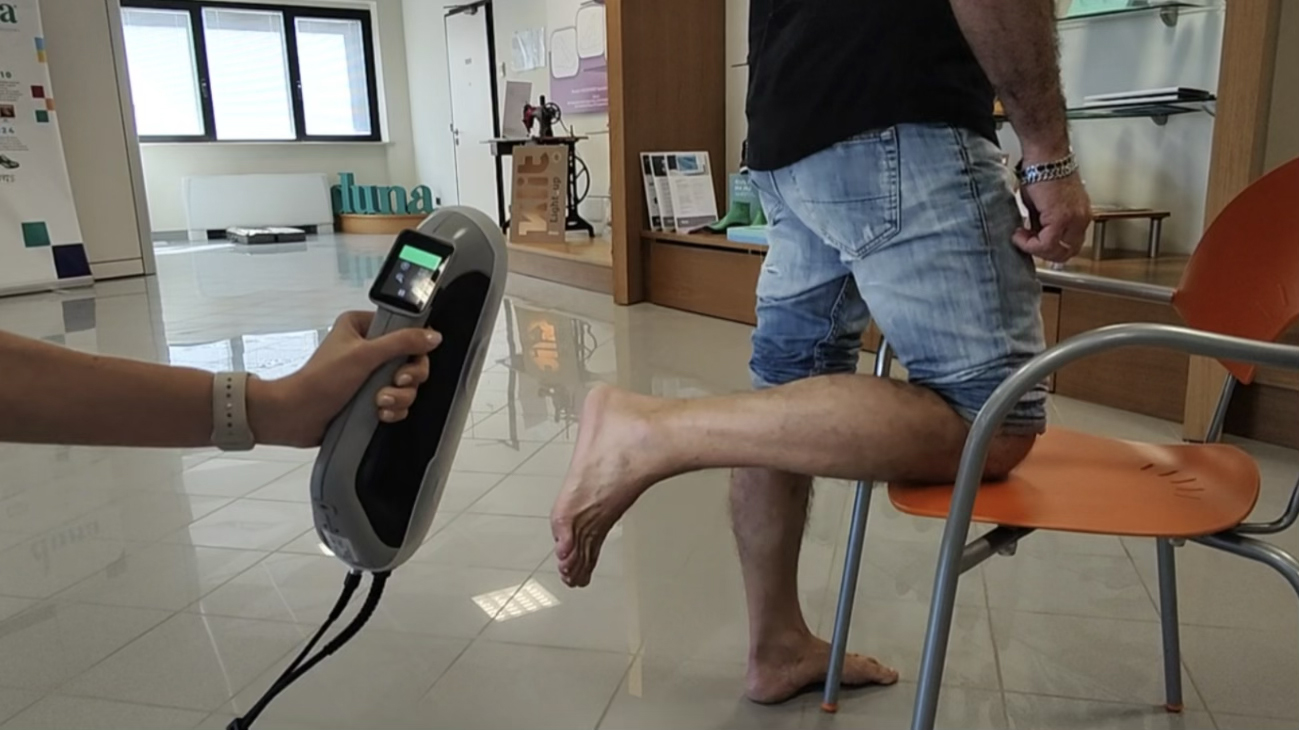
Italian company Duna leverages Peel 3D scanners to create orthopedic shoes tailored to each patient. The process begins with a detailed foot scan, capturing every contour and asymmetry. This data informs CAD modeling and 3D printing of components such as insoles and structural supports. By combining scanning and additive manufacturing, Duna achieves a level of customization that traditional methods cannot match, improving both medical outcomes and everyday comfort.
Looking Ahead
As body scanning becomes more accessible, its applications will continue to expand. Telehealth and remote scanning could allow patients to capture their own data at home, while global collaboration will enable specialists to share designs instantly. Combined with additive manufacturing, Peel 3D offers a practical way to deliver personalized solutions, from prosthetics and orthopedics to sports gear, fashion, and beyond.
License: The text of "Getting a Perfect Fit Used to Be Hard, Body Scanning with Peel 3D Makes It Easy" by All3DP Pro is licensed under a Creative Commons Attribution 4.0 International License.