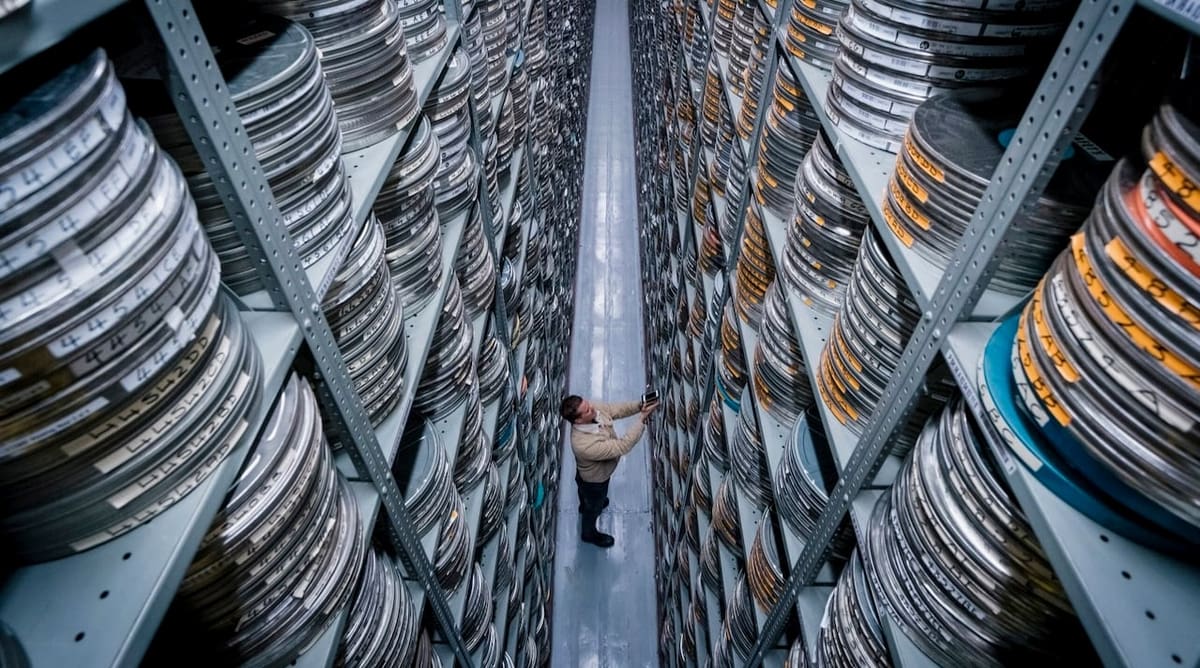
From tiny cogs to complex guide rollers, the BFI is using an in-house 3D printer to reverse-engineer and produce impossible-to-find components, ensuring that screen heritage remains preserved.
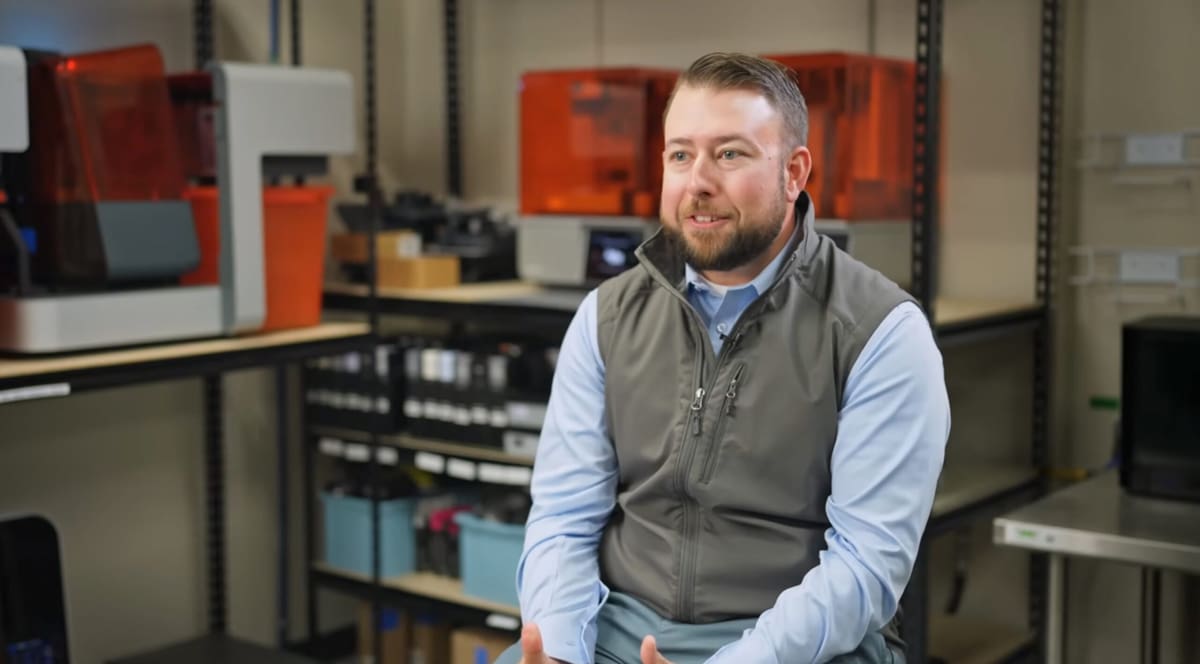
By bringing Formlabs SLS and SLA 3D printers in-house, the manufacturing giant achieved a full return on investment in just nine months — three months ahead of schedule.
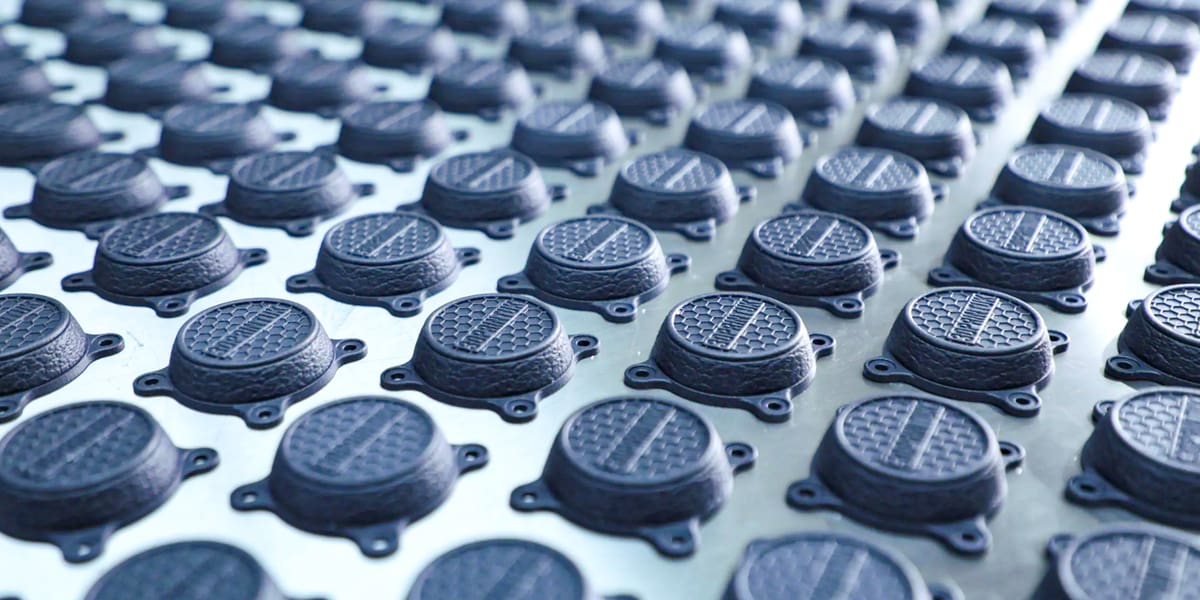
Although the UK currently lags behind the EU and USA in 3D printing adoption among SMEs, a new study found ways the government could spur more interest.
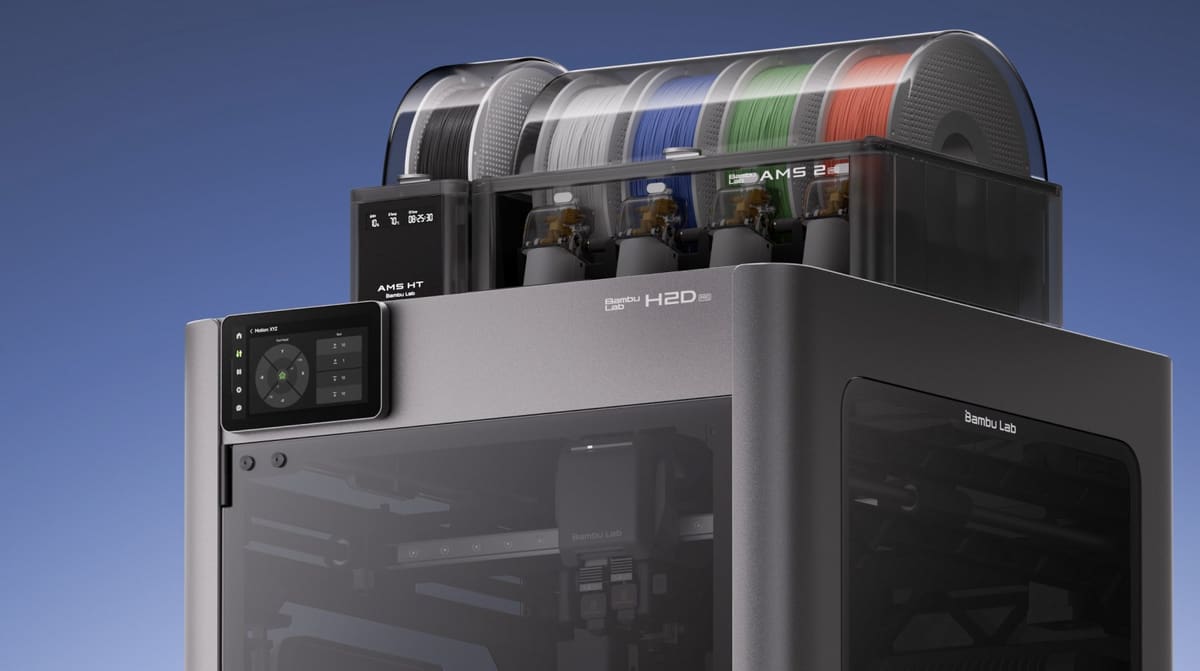
New enterprise network security and fleet management software development support added to the H2D that you already know.

Air Force leaders say this breakthrough proves how 3D printing technology could transform military aircraft repair and maintenance.
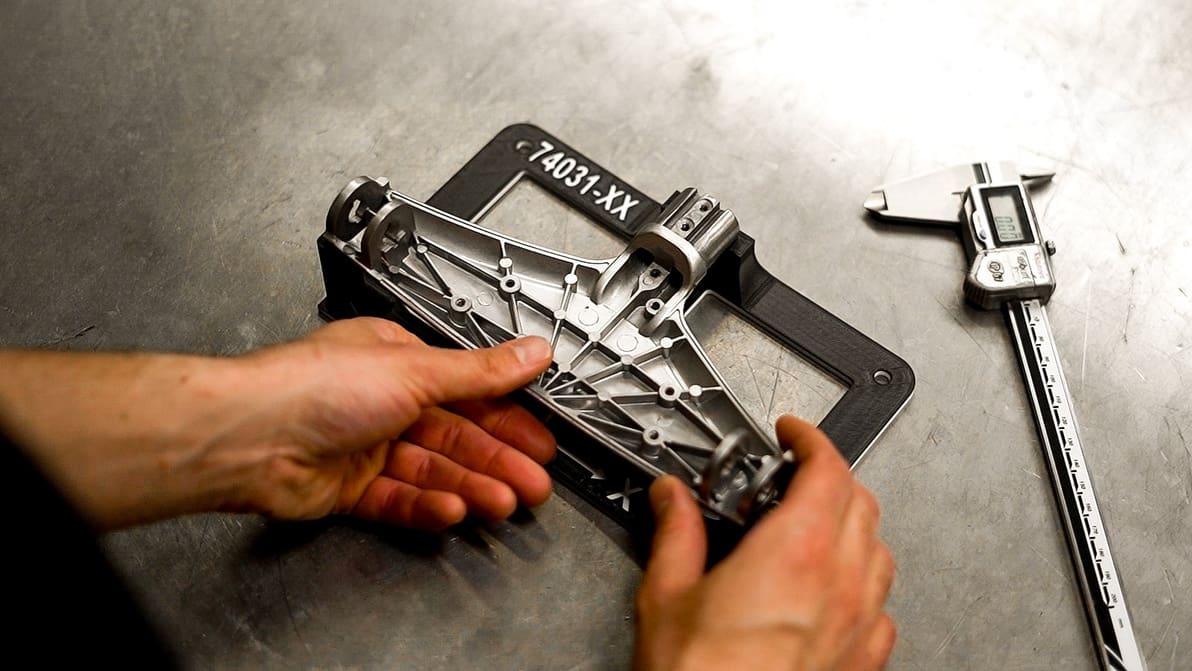
As Fixturemate moves from the cloud to Stratasys, fixture design becomes faster and more accessible, for GrabCAD Print Pro users.
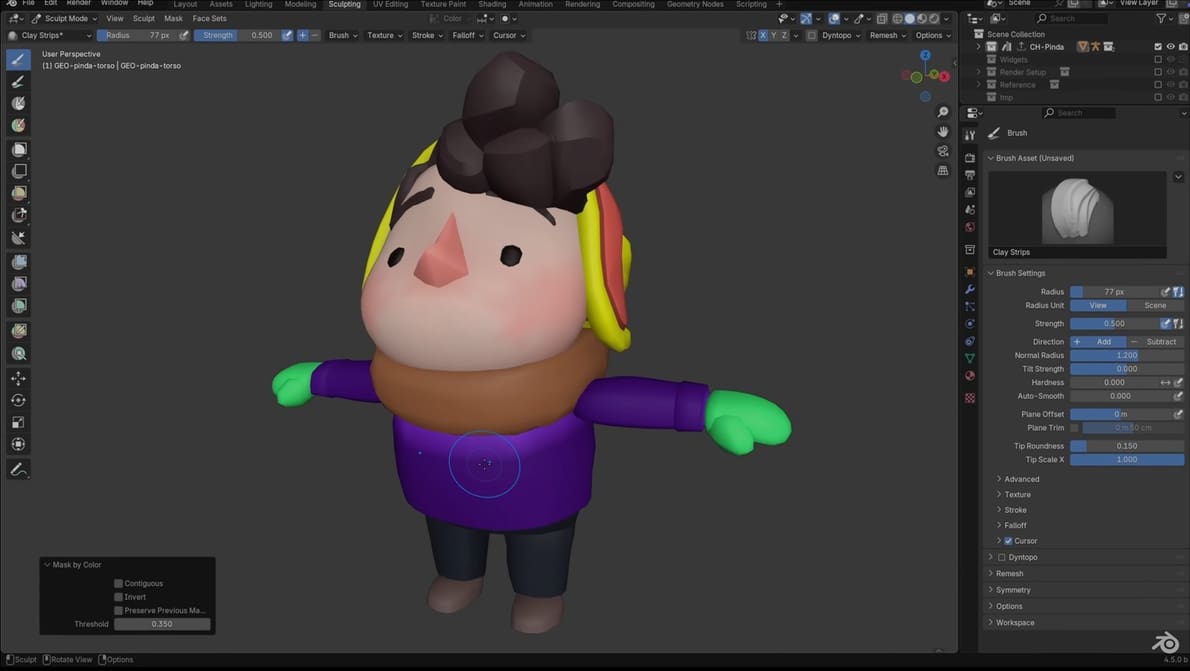
Blender now deepens its toolset for dedicated 3D modelers, aiming to make routine tasks faster and complex operations more reliable.
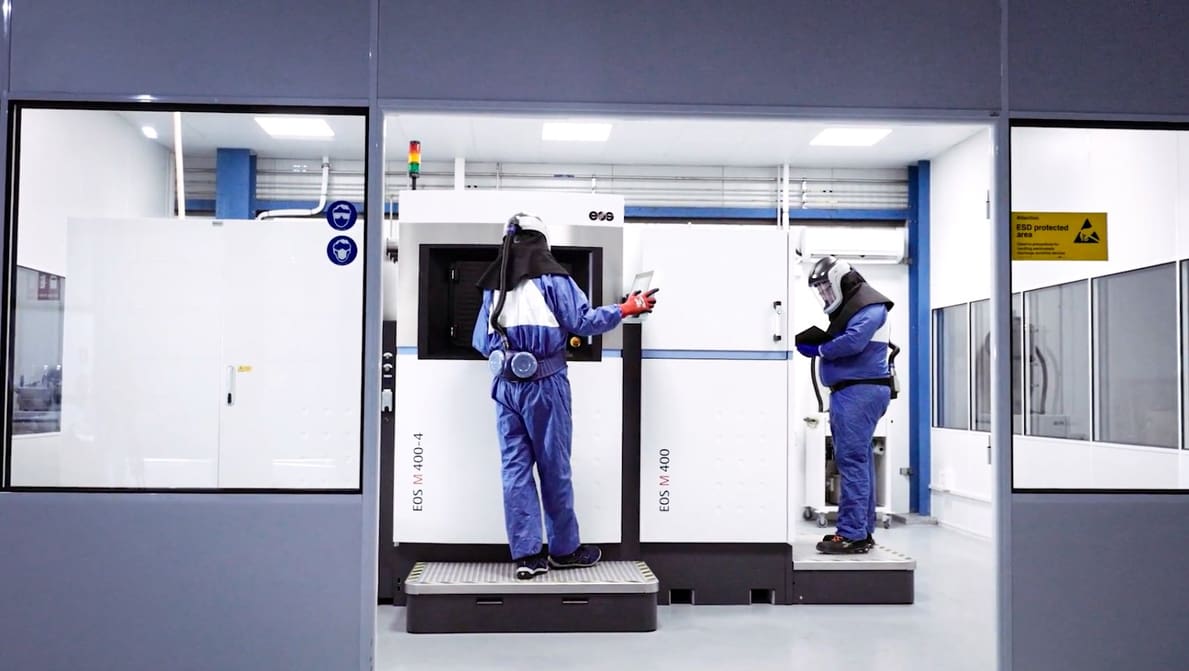
As global rivals invest heavily, Europe sets a new tone for coordinated action, but will real investment and quick political action follow?
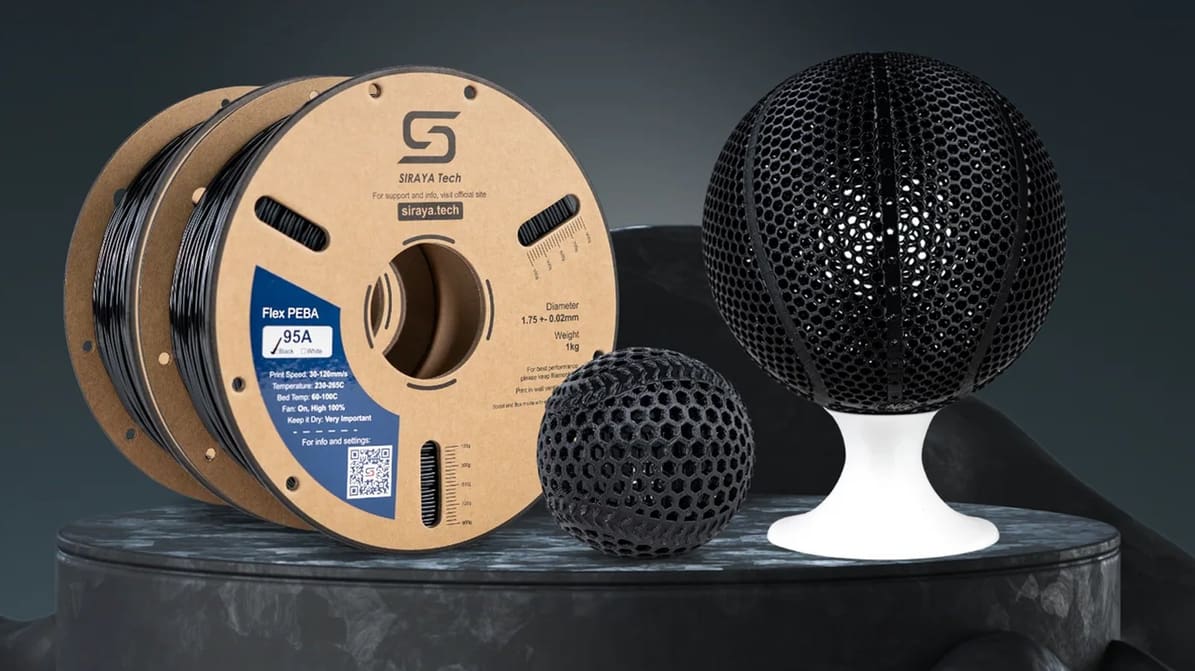
Siraya Tech expands its flexible material portfolio with a nylon-elastomer filament that delivers higher rebound, reduced weight, and enhanced chemical resistance.
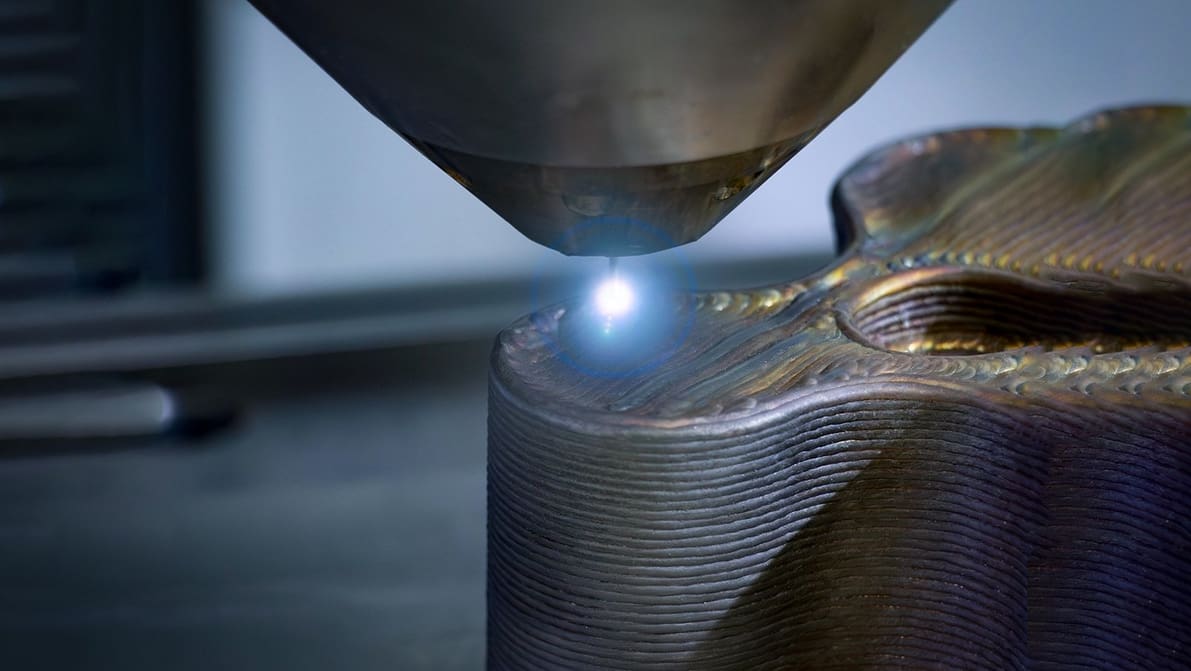
Touted as safer, faster, and easier to maintain, blue-laser DED and CNC hybrid tech could change how the defense industry thinks about medium- to large-scale metal part production.
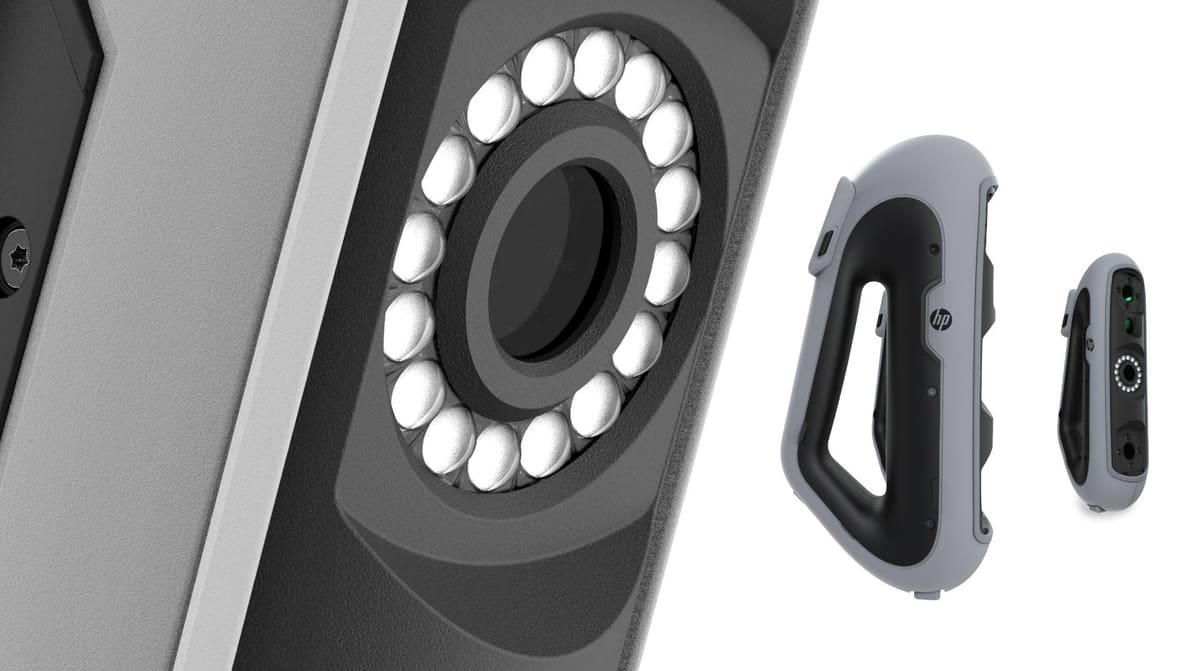
The new HP DesignScan brings established Creaform technology to HP's product lineup, reflecting a strategic move to expand its role in the digital manufacturing ecosystems.
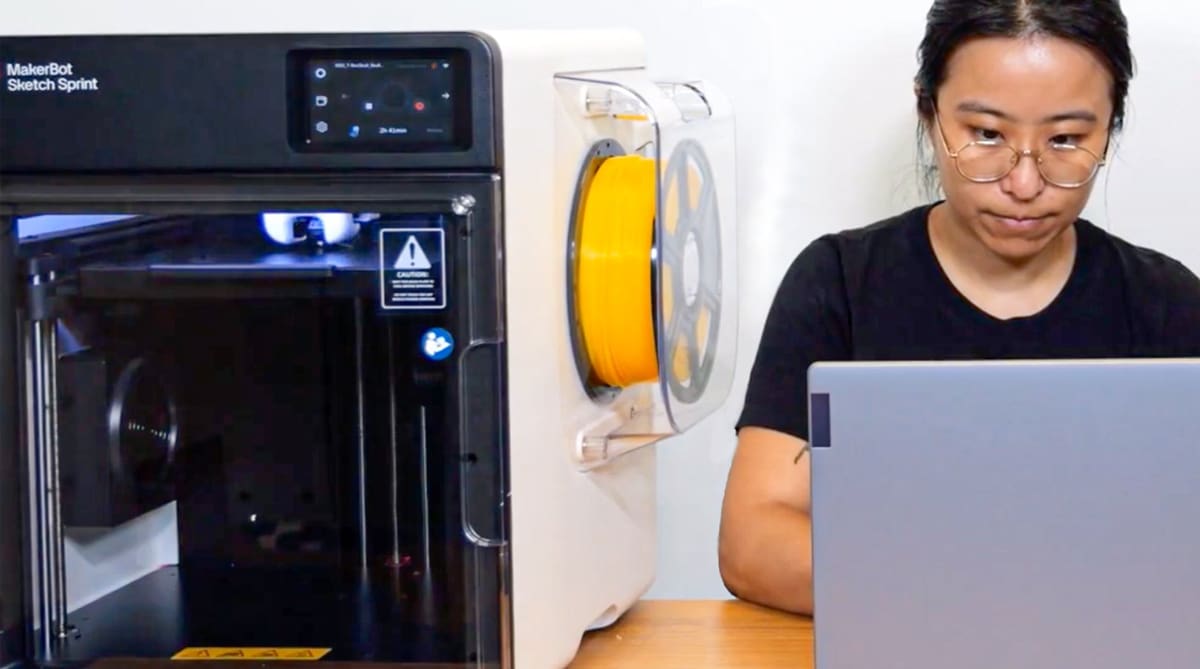
Aiming to expand access to 3D printing for K–12 educators and student, UltiMaker announces grants and new AI-powered Nebula platform.
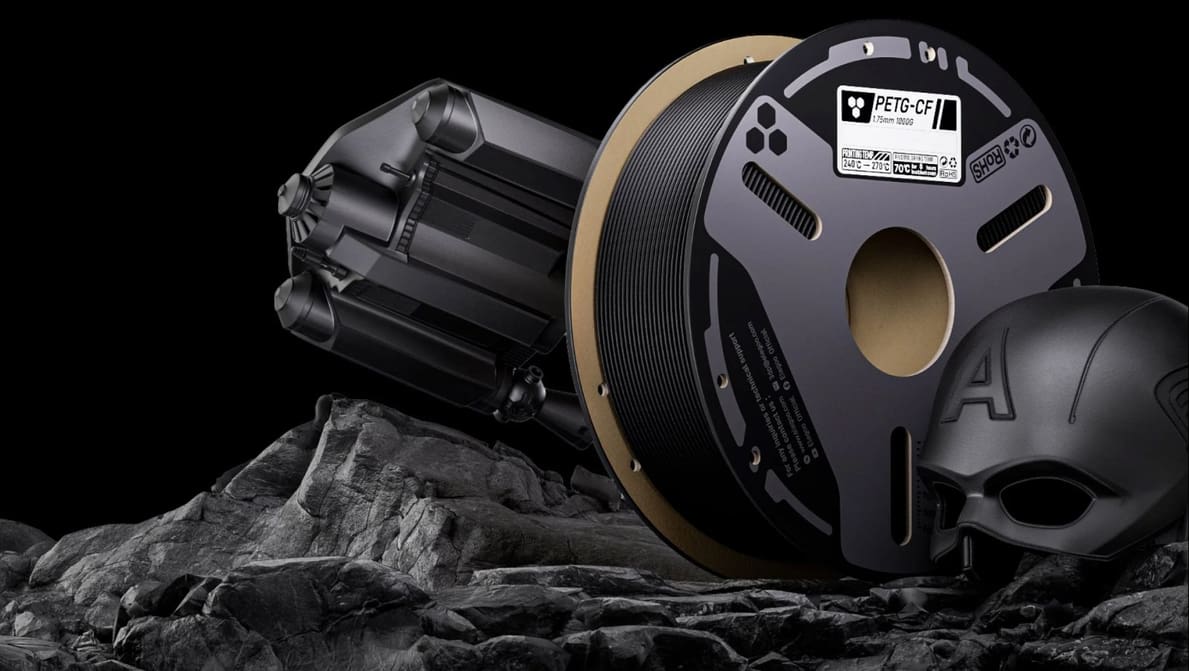
Hobbyists and pros alike might want to rethink their next functional print. Elegoo just launched rugged, fiber-reinforced filaments at a surprising price.
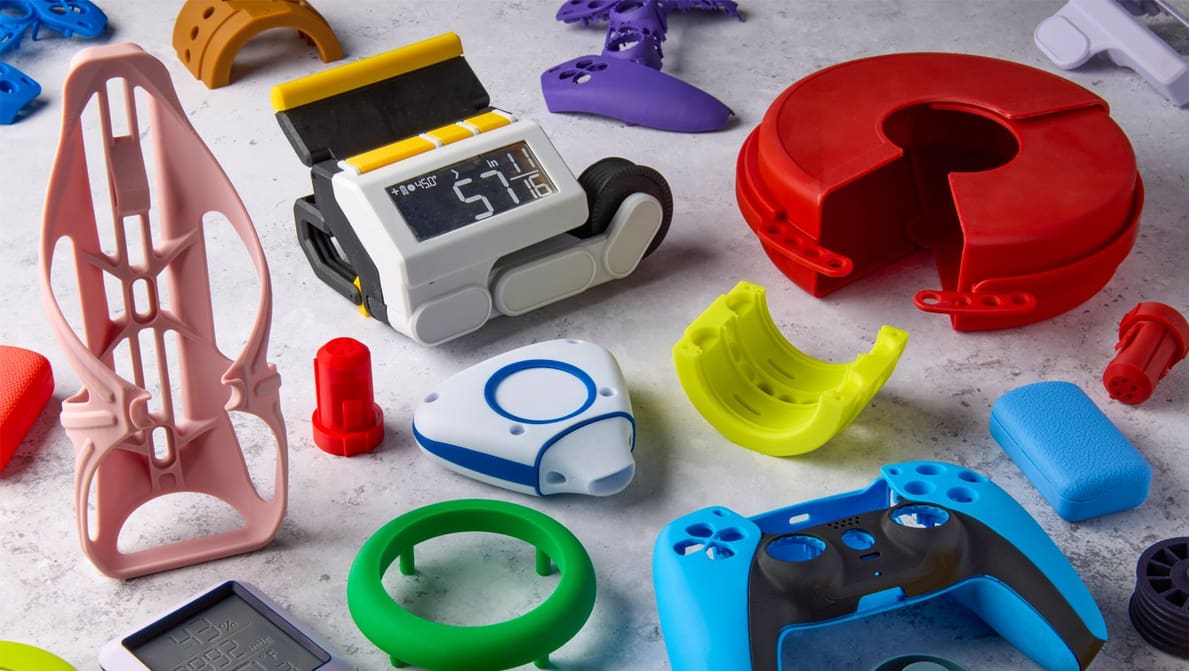
New Color Resin V5 enables brand-specific or product-matched customized color resins based on any RGB value with consistency, Formlabs says.

Custom COBOD construction printers just started work on the first of two 20,000-square-meter schools in Qatar.
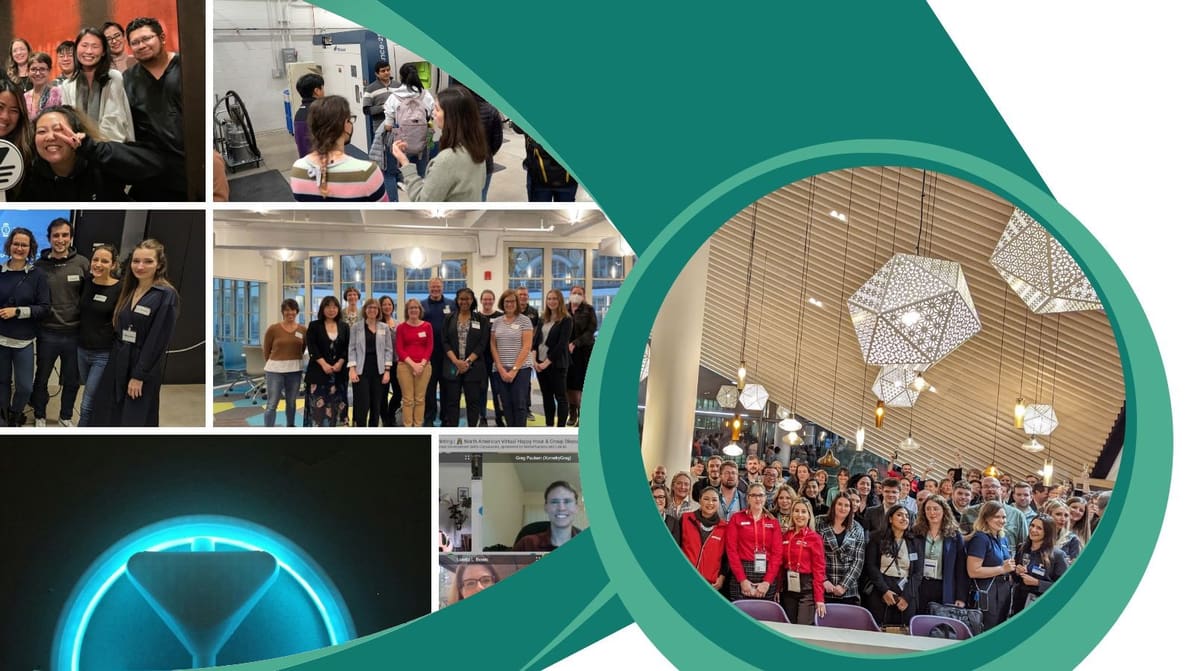
As a program of the ASME, Women in 3D Printing aims to expand events and reach to promote diversity and inclusion within the manufacturing industry.
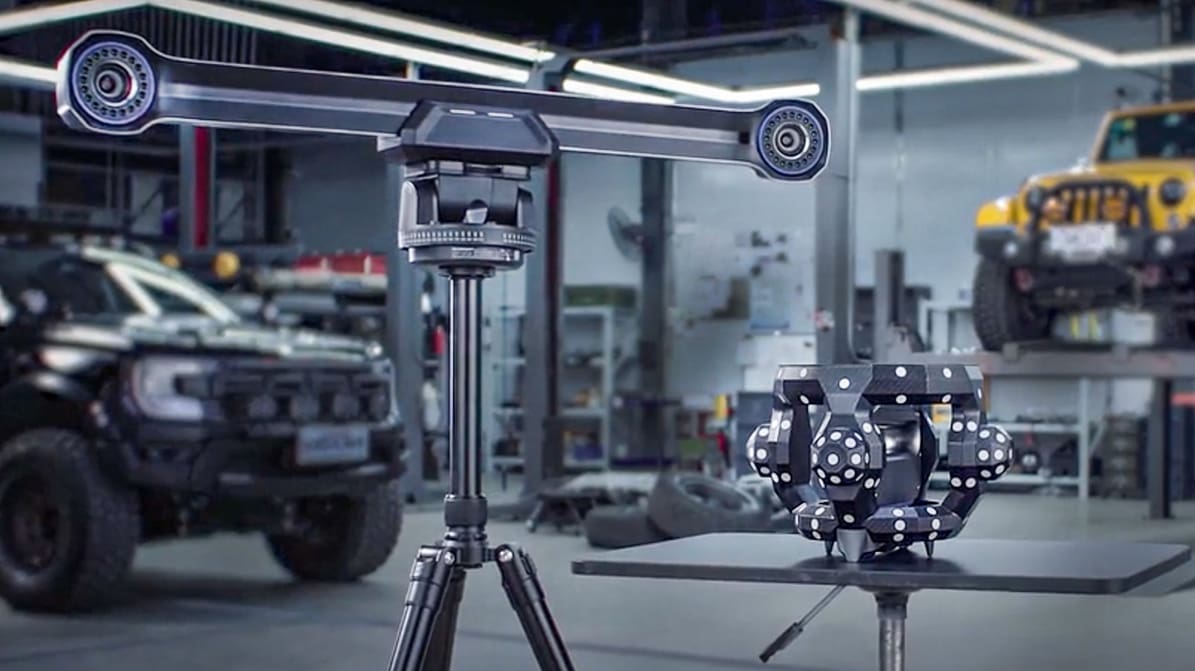
Raising more than 2,000% of its funding goal in just under two weeks, Revopoint is expecting its Trackit two-part scanner to be a hit.
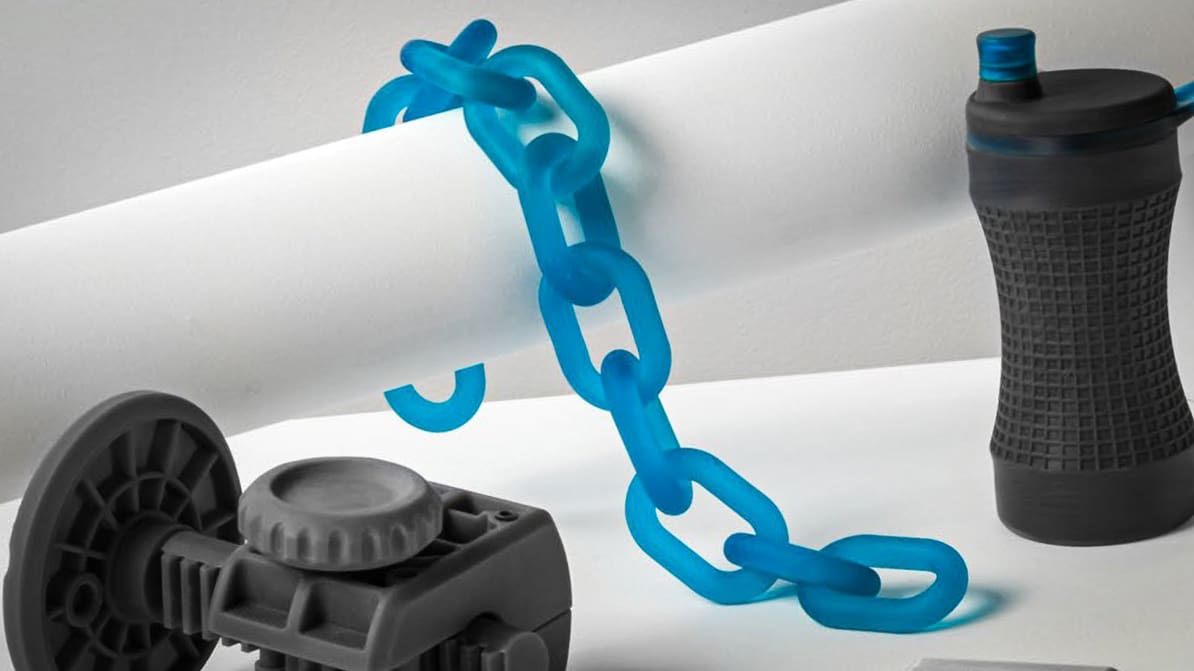
One winner emerges when researchers pit the three main resin 3D printing technologies against each other to see which produces the strongest parts.
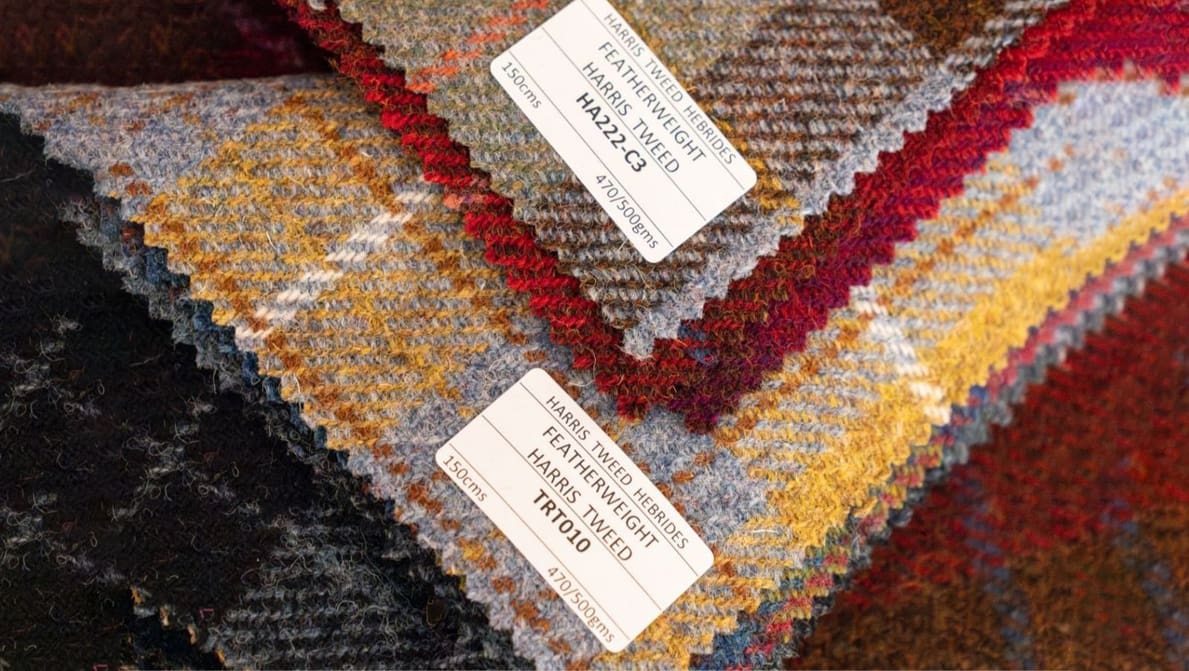
Harris Tweed weaves affordable 3D printing and part-consolidation via CAD software into a centuries-old craft.

A German government report says the military doesn't have spare part design data or manufacturing rights, but is buying 3D printers anyway.