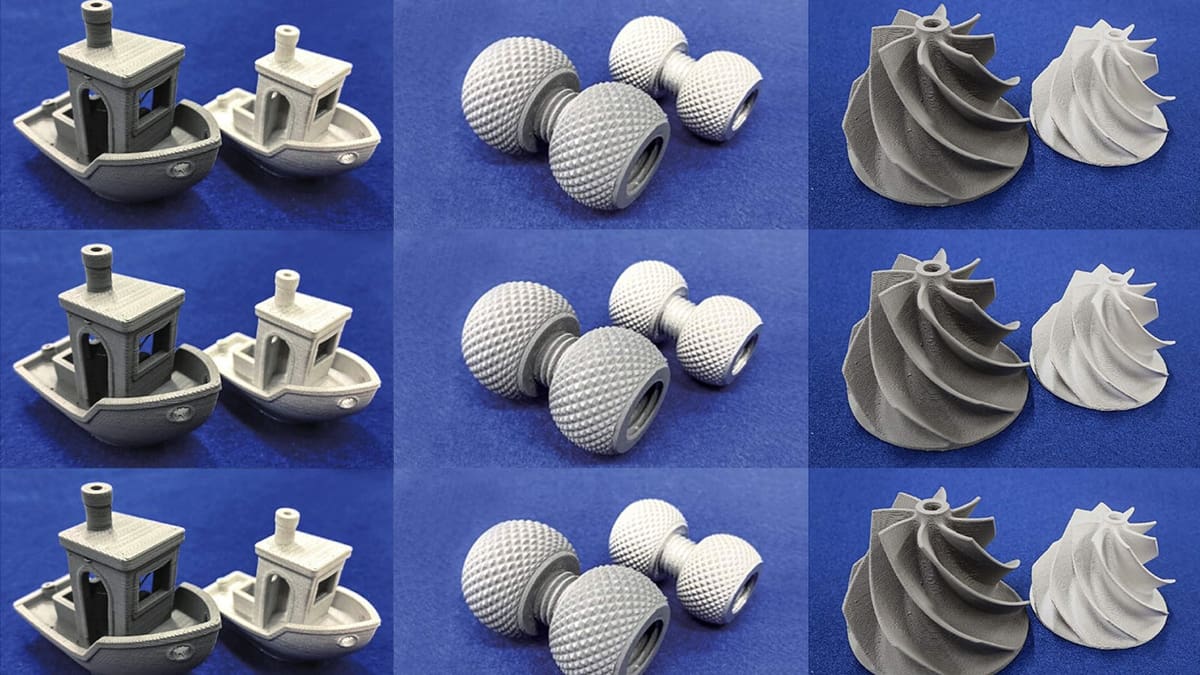
New Stainless Steel Filament Simplifies Metal 3D Printing on Desktop FDMs

UltiMaker talks with All3DP on why it selected this new metal filament for its material library and the benefits it offers.
The thrilling potential of printing real metal parts on a desktop FDM printer lost momentum when it collided with the reality of complex, multistep post-processing. The first, and still most popular, metal filament for use on any high-temperature-nozzle 3D printer, Ultrafuse from Forward AM, requires both chemical and thermal post-processing, typically at a third-party vendor.
The new CeraFila SUS316L, a stainless steel filament developed by Japanese firm Dai-Ichi Ceramo, eases the finishing burden a bit by requiring a thermal-only debinding and sintering workflow that could simplify in-house metal part production for users of extrusion-based 3D printers.
In what could be seen as a stamp of approval for the new material, UltiMaker recently added CeraFila SUS316L to its material library.

A Different Route to Metal
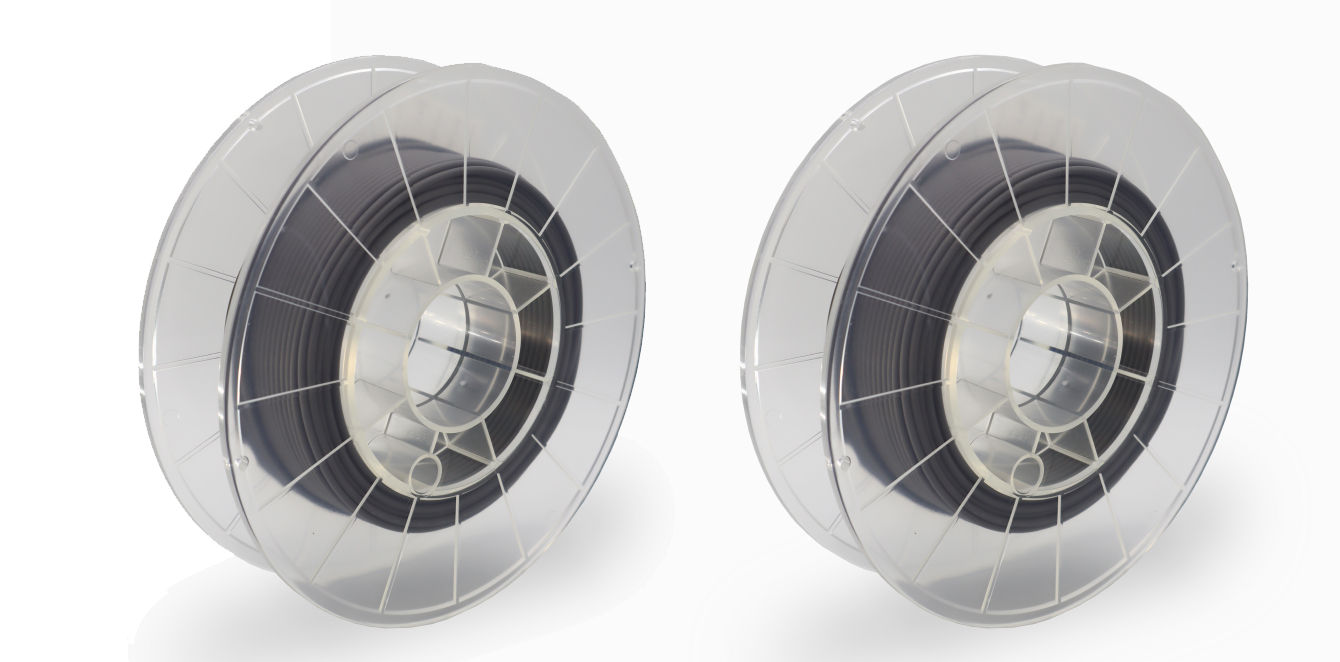
UltiMaker still offers Ultrafuse in its Metal Expansion Kit — a collection of materials, Ultimaker Print Cores (CC 0.4, DD 0.4), Cura print profile, and a voucher for post-processing— but added this new stainless steel option to its library for its easier post processing.
“The main difference between this material and the material of Forward AM is the debinding and sintering process,” Kristel Boere, product manager for consumables at UltiMaker told All3DP. “CeraFila’s is completely thermal—no chemical debinding required and therefore easier to completely implement in-house.”
Despite the simplification, trade-offs remain. According to Boere, parts produced with CeraFila SUS316L may not reach the same density as those made with Forward AM’s Ultrafuse. “It is not possible to get 100% filled parts such as with Forward AM,” notes Boere. Density CeraFila SUS316L can achieve a 90% – 95% density (depends on furnace tuning), while Ultrafuse can achieve a 97% – 99% density.
UltiMaker offers only the Ultrafuse 17-4 PH stainless steel in its material kit, not the Ultrafuse 316L stainless steel from Forward AM, so if you’ve been waiting for a 316L metal filament for your UltiMaker, the CeraFila is your option.
Practical Implementation of CeraFila
UltiMaker has made clear that CeraFila does not require the Metal Expansion Kit, which was developed for Forward AM’s filament. Still, users will need specific hardware to ensure success.
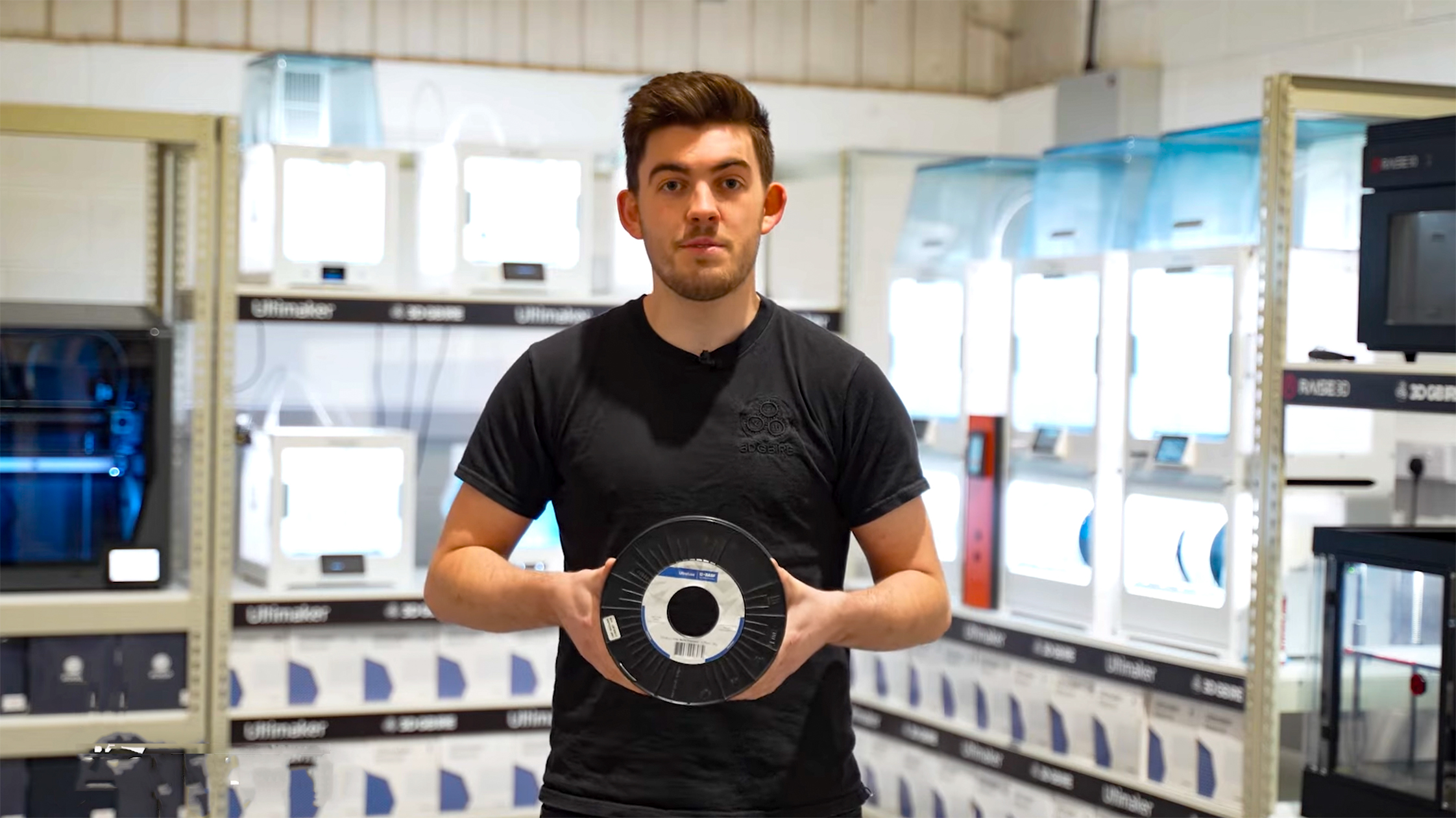
“A Metal Expansion Kit is not required and should not be used,” says Boere. “However, an abrasive-resistant nozzle (such as UltiMaker’s CC 0.4) is required.”
Additionally, due to the filament’s mechanical characteristics, it cannot be used with UltiMaker’s automated Material Station. Users must rely on a bearing-equipped external spool holder to enable smoother extrusion.
Filament-based metal printing allows users to design with internal structures such as lattice or honeycomb infill, offering weight reduction and material efficiency. According to the manufacturer, the formulation behind CeraFila supports high-density sintered parts, opening the door to a variety of applications ranging from tooling and jigs to functional prototypes and even end-use parts.
Safety and Post-Processing Considerations
While CeraFila eliminates chemical debinding, its thermal process is not without risk. During the debinding stage, toxic and flammable gases are released. The filament’s technical documentation urges users to use a wax trap or gas combustion device to safely neutralize these emissions.
As such, while more accessible than laser powder bed fusion or chemically debound filaments, CeraFila still demands a high level of care, process knowledge, and appropriate safety infrastructure.
UltiMaker’s decision to expand its metal offerings reflects a pragmatic approach to evolving market demands.
“Traction of metal filament is slow, but that is to be expected given the complexity of the full workflow,” Boere acknowledged.
Nevertheless, CeraFila’s addition to the UltiMaker library lends legitimacy to Dai-Ichi Ceramo’s material while offering users an alternative path to producing functional metal parts—without a six-figure price tag.
As metal 3D printing continues to evolve, materials like CeraFila SUS316L could help bridge the gap between professional-grade prototyping and full-scale industrial production, especially for small to mid-sized businesses.
Where to Buy
CeraFila appears to be available only from the manufacturer and the 3D printer and material reseller Brule, based in Japan, at the moment. The price is not disclosed.
You May Also Like:


License: The text of "New Stainless Steel Filament Simplifies Metal 3D Printing on Desktop FDMs" by All3DP Pro is licensed under a Creative Commons Attribution 4.0 International License.